The relationship between built environments and fragile ecosystems has historically been in conflict in the architectural world. However, as the architectural discourse shifts towards the “Anthropocene”, for example, the Wasit Wetland Centre located in Sharjah, United Arab Emirates, serves as a critical case study of how design can act as a bridge rather than a barrier towards the ecological sustainable shift. Designed by X Architect, the park represents a fundamentally different architectural attitude—one rooted in repair, restraint, and ecological intelligence. Rather than producing a landmark object, the project operates as a quiet architectural intervention embedded within a restored wetland ecosystem. Developed on the site of a former landfill, the Centre transforms degraded land into a functioning ecological reserve, demonstrating how architecture can participate in environmental healing rather than territorial expansion. As a case study, Wasit Wetland Centre offers a compelling example of landscape-led design, low-impact construction, and sustainability grounded in ecological processes rather than technological spectacle.
- Design Philosophy and Spatial Planning:
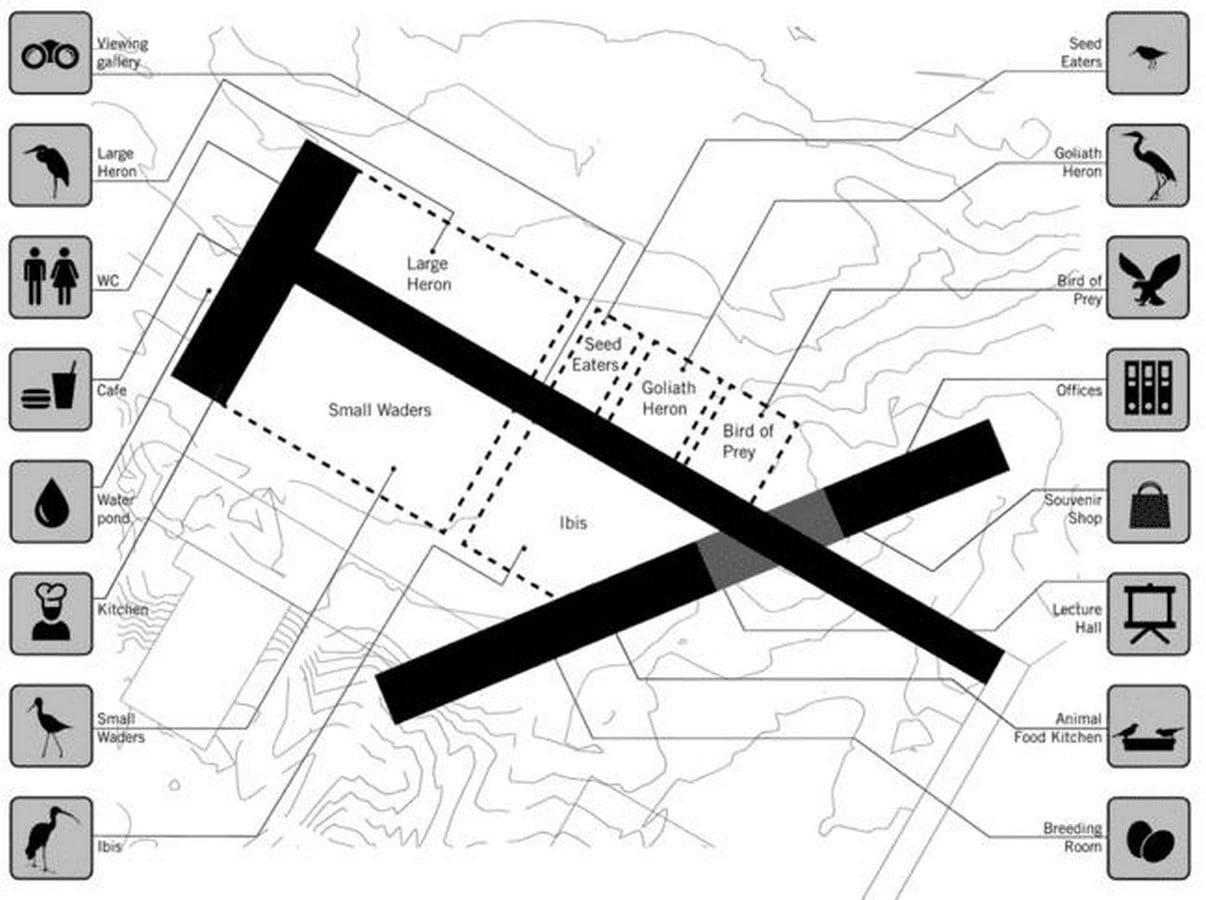
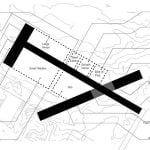
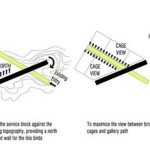
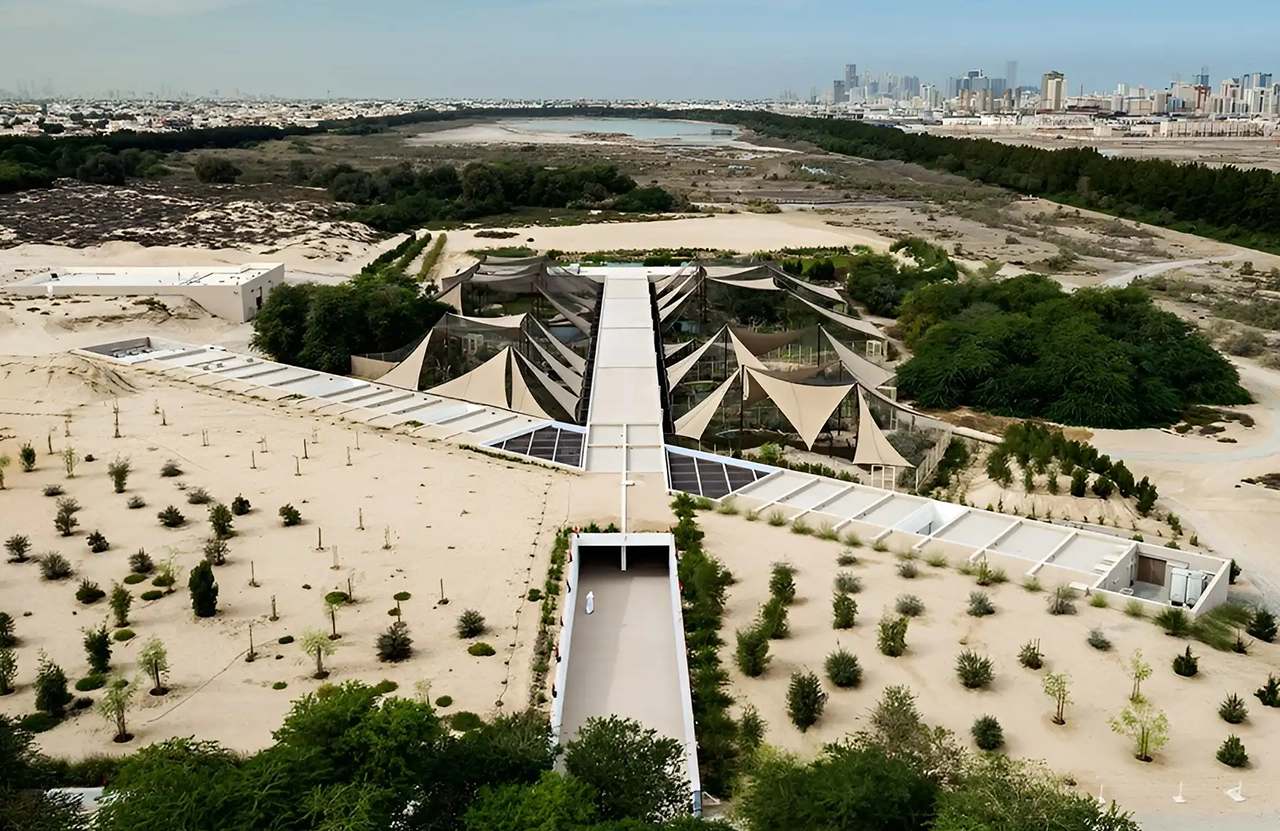
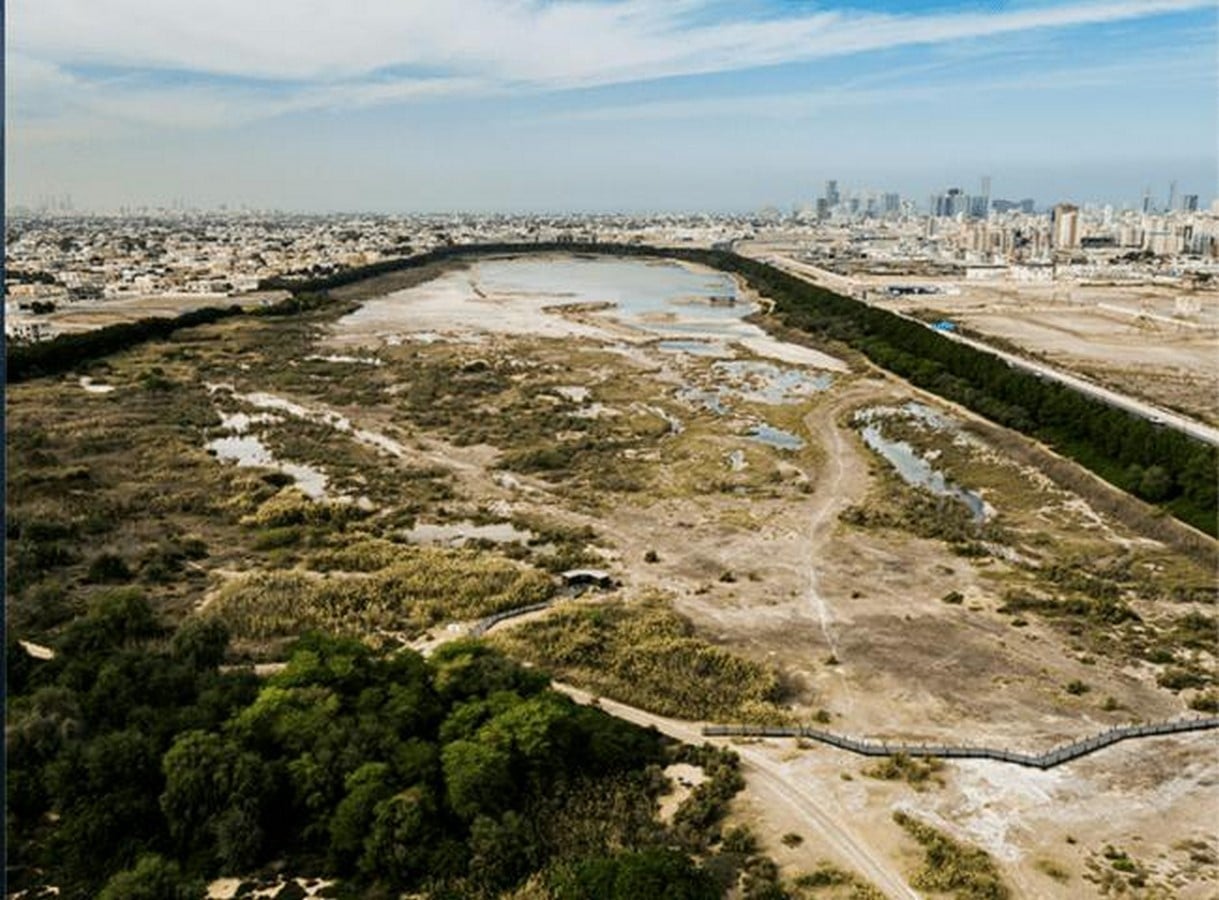
The design philosophy of the Wasit Wetland Centre is centered on the idea that architecture should serve as a mediator between humans and the ecosystem. (See fig.01). The planning strategy begins with the wetland itself, allowing the ecological system, such as water bodies, bird habitats, and vegetation, to dictate spatial organization (see fig. 02) as they wanted to ensure that the intervention wouldn’t distract the birds or scare them away from the site. Owing to this, leveraging the topography of the site, the architects tucked the form of the buildings partially under the dunes (Tirupathi, 2025), so from a distance the center blends into the terrain, reinforcing the notion that the wetland, rather than the building, is the primary subject of the site. Figure 02.
Spatially, the project consists of long slender volumes of three main areas: View/Gallery, Service Area, and Restaurant/Café, overlapping onto each other and forming a huge H-shaped plan. Aviaries slot in between the building, creating dedicated areas for birds, including herons, ibises, and seedeaters. (Frearson,2016). Through these spatial arrangements, it makes a guided pathway for the visitors to gradually move from the urban edge into the wetland environment. Without interrupting the wildlife.
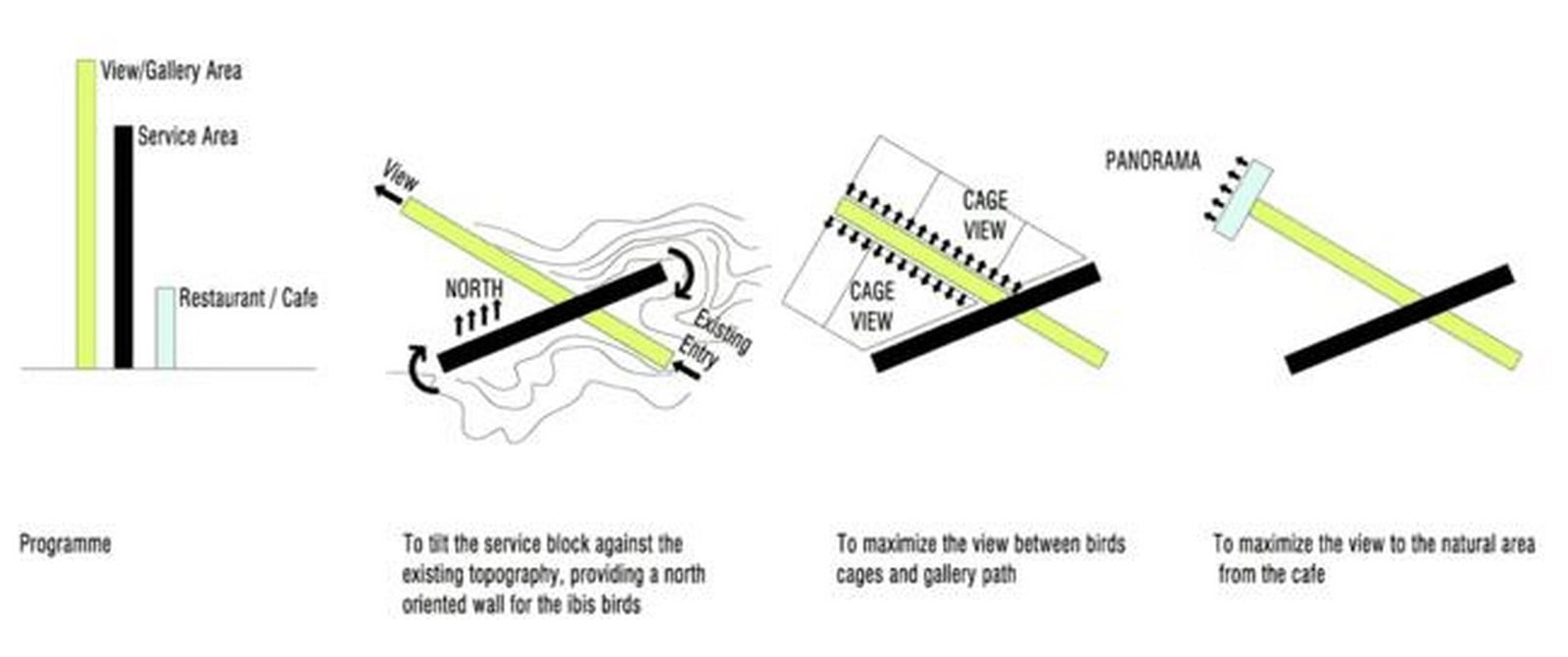
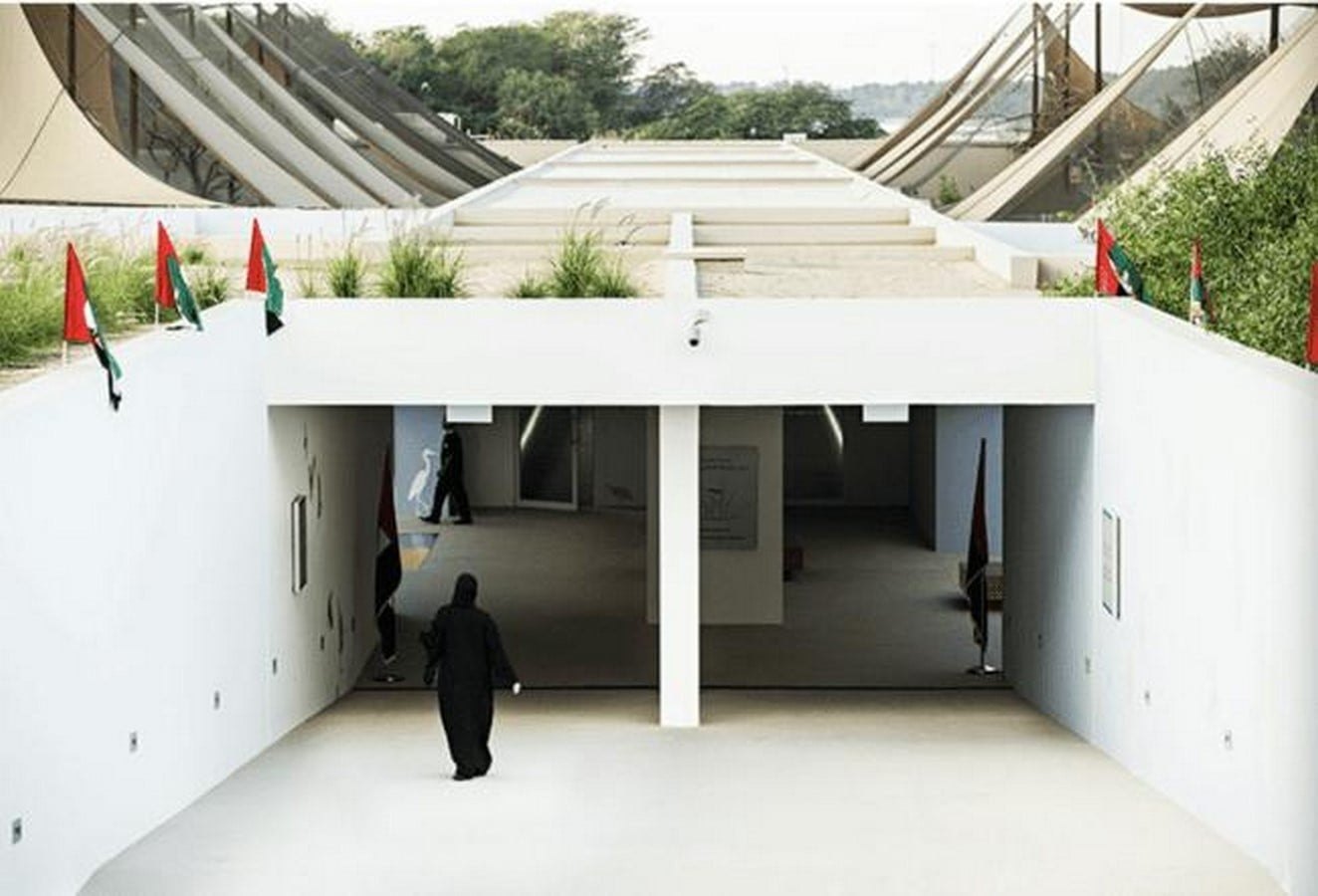
To achieve this spatial organization, the architects took advantage of the site’s natural topography to minimize its visual impact by making it appear submerged into the ground. Visitors descend a ramp to arrive at an angled intersection between two linear elements of the building: one, to the sides, containing services and administrative offices; the other, ahead, a long viewing gallery flanked by aviaries where birds can be seen in their natural habitat. At the far end of the viewing gallery, a third linear element, running perpendicular, houses a café and multipurpose space with views out over the open wetlands (AKDN, N.D.). Through these curves, pauses, and framed views, it creates an organic experience for the visitors as it allows them to observe birds, water patterns, and vegetation, transforming circulation into an educational and sensory journey. These strategic placements of volume act as environmental storytelling and show how nature is perceived rather than reshaped.
2. Materials and Construction strategy:
Material selection and construction techniques at Wasit Wetland Centre are closely tied to the project’s ecological agenda. Given the site’s fragile conditions and history as a landfill, heavy construction and extensive foundations were avoided. The building is largely embedded into the ground, reducing its visual impact while also improving thermal performance through earth insulation. This strategy reflects a broader understanding of sustainability that prioritizes passive design over mechanical dependence.
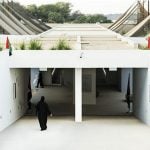
Concrete is being used throughout the structure for interiors as well as the exterior. Because of its durability and thermal mass. Its muted tone allows the structure to visually recede into the landscape, avoiding contrast with the surrounding wetland. See figure 03. Moreover, a steel truss is used for a cantilevered roofing over the viewing gallery to avoid the need for peripheral columns, allowing seamless glazed facades and a lightweight structure. However, due to the hot desert climate, the roof is well insulated, and the glass is shaded by its overhang. Some fabric shading is also provided over the aviaries. Rainwater harvested from the roof is discreetly directed to specific areas of the landscape via carefully placed spouts that are camouflaged by landscape elements. (AKDN, N.D.)
3. Sustainability and Environmental Performance:
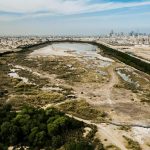
Sustainability at the Wasit Wetland Centre extends far beyond energy efficiency or green certification. At its core, the project is an act of environmental remediation, transforming a former waste site into a biodiverse wetland ecosystem. Although research was conducted, it showed that Wasit Nature Reserve is ecologically rich but highly polluted by surrounding urban activity, making continuous monitoring, ecosystem-specific standards, and long-term protection essential for its survival in the face of climate change. (Samara et al, 2023)
So, to conclude, The Wasit Wetland Centre shows how architecture can be a mediating act rather than a dominating one in a fragile ecosystem. The project not only disrupts the traditional architectural goals of visibility and monumentality but also suggests that sequencing, restraint, and intelligence in environmental terms are more important design strategies than the ones that are currently accepted. The project ensures that human presence is carefully managed through the orchestration of circulation, views, and materials so that the environment is not disrupted.
Reference List (Harvard Style):
AKDN (n.d.) Wasit Wetland Centre: Accessed on [29th Jan]. (Online) Available at:
https://the.akdn/en/how-we-work/our-agencies/aga-khan-trust-culture/akaa/wasit-wetland-centre
Figure 01-04 X-architects embeds a visitor center into Sharjah’s Wasit Nature Reserve. Accessed on [29th Jan]. (Online) Available at:https://www.designboom.com/architecture/x-architects-wasit-natural-reserve-visitor-center-sharjah-uae-03-23-2016/
Frearson, A (2016) X Architects creates facility for bird watchers at a UAE nature reserve. Accessed on [29th Jan]. (Online) Available at: https://www.dezeen.com/2016/05/21/x-architects-wasit-natural-reserve-sharjah-uae/
Samara et al, (2023). Assessment and Management of the Water Quality and Heavy-Metal Pollution of a Protected Hypersaline Wetland in the United Arab Emirates. Accessed on [30th Jan]. (Online) Available at: https://www.mdpi.com/2073-4441/15/9/1766
Tirupathi, V (2025) Accessed on [29th Jan]. (Online) Available https://parametric-architecture.com/wasit-wetland-center-sharjah/?srsltid=AfmBOorOFaXDw-kqdPFxSdybC6iUtOMpf6KjyT4d96k00chRPaW8UAIK