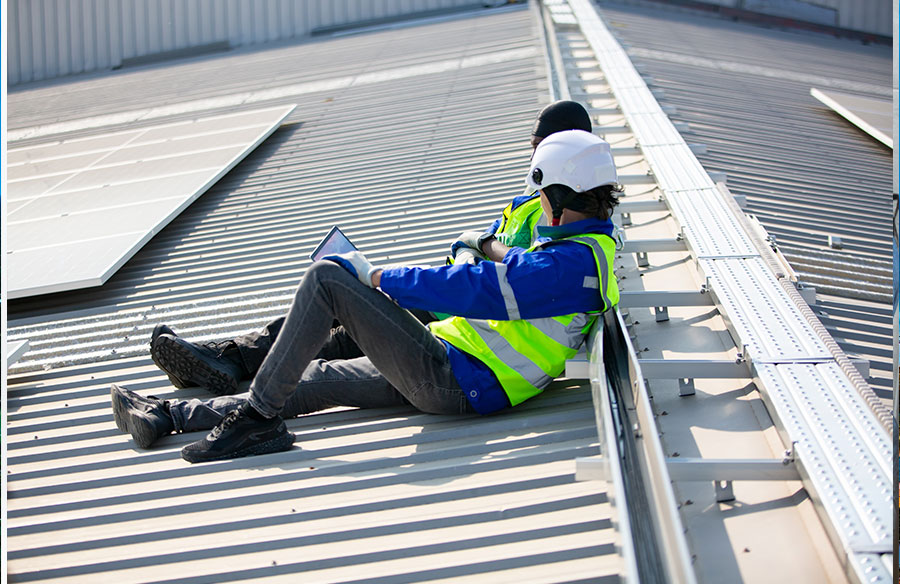
Roofing contractors are one of the most essential trades that help keep buildings safe. They assess the whole building for any risk before repairs that may compromise the stability of the structure. These due diligence evaluations confirm that repair work does not exacerbate existing hazards or introduce new ones during the course of repair work. By examining how these professionals inspect structural risks, property owners gain an understanding of why these preliminary steps are critical.
Initial Visual Survey
Initially, trusted roofing contractors in Minneapolis, MN, examine the top floor and everything around it. They search for any signs, such as sagging areas, missing squares, or worn-out materials. Aspects like water stains, cracks, and dirt may signal deeper issues. This initial probe lays the groundwork for a more comprehensive review later.
Checking for Water Intrusion
Excess water can cause support beams and insulation to lose their structural integrity. Professionals check for leaks, moisture, or mold that could indicate the problem is still going on. These measures will stop things from becoming worse, and you can repair knowing that the remedy will prevent the problem from developing again. They use moisture meters to measure dampness in the walls and ceilings.
Evaluating Roof Deck Integrity
A solid deck is the base of any roof. The contractors check the deck by touching it for spongy areas and examining it with tools to check for sturdiness. If they identify soft or rotted spots, they will replace them before installing new material. A sound deck will therefore result in a longer-lasting and more effective roof repair.
Assessing Support Structures
The rafters and trusses are critical to the overall structural integrity of the entire roof. Contractors should inspect the structure for cracks, warping, or insect damage. Storms or heavy loads can worsen this situation and turn weak or compromised beams into a potential hazard. In certain instances, auxiliary support structures help ensure stability.
Examining Fasteners and Connections
Fasteners attach different parts of the roof together, like shingles and the roof structure. Components like rusty nails or loose screws or missing bolts show that the points of attachment are less strong. Severe winds have the potential to dislocate or move sections of the roof due to such issues. Carefully checking each one and ensuring they are secure keeps the structural integrity in place during the actual repair.
Inspecting Chimneys and Penetrations
Features such as chimneys, vents, and skylights regularly interrupt the continuous surface of the roof, often creating weak spots. Contractors examine for spaces, worn flashing, or chipped masonry that could let moisture in. Taking special care to seal these areas prevents leaks and protects the rest of the structure from damage.
Reviewing Attic Conditions
The state of the attic can give clues about the roof’s condition. Contractors inspect any insulation, ventilation, and structural supports. Inadequate ventilation or damaged insulation can cause deterioration, especially the growth of mold. They can address attic discrepancies in time, well before the entire roof system is at risk.
Identifying Load-Bearing Challenges
Roofs face plenty of forces, including snow, rain, and wind. Contractors also determine whether the structure can safely support these loads. They analyze local building codes and climate conditions to determine any necessary reinforcements. Resolving load-bearing issues prior to repairs can help ensure the safety and performance of your structure in the long term.
Testing for Hidden Weaknesses
Certain issues remain invisible to the untrained eye. Experts utilize specific tools such as infrared electronic cameras or moisture detectors to locate concealed weak points. These technologies identify deeper underlying issues, such as trapped moisture or thermal leaks that may not be noticeable otherwise. Pinpointing these dangers is crucial to any thorough and complete repair work.
Documenting Findings and Recommendations
Contractors record their observations in descriptive risk assessment reports after evaluating a property. This documentation can contain images, schematics, and repair suggestions. Property owners receive a clear breakdown of the prioritized repairs and those they may schedule for a later date. Documenting the data they retain and the rationale behind it aids in making informed decisions and reduces unnecessary expenses.
Conclusion
Comprehensive risk assessments offered by roofing contractors facilitate impactful structural remedies, which safeguard both life and property. These professionals assess each part of the roof structure to ensure that repairs resolve all underlying issues. This approach enhances the roof’s lifespan and reassures property owners. The culmination of regular inspections and quick repairs in this practice makes for a safe and sturdy building.