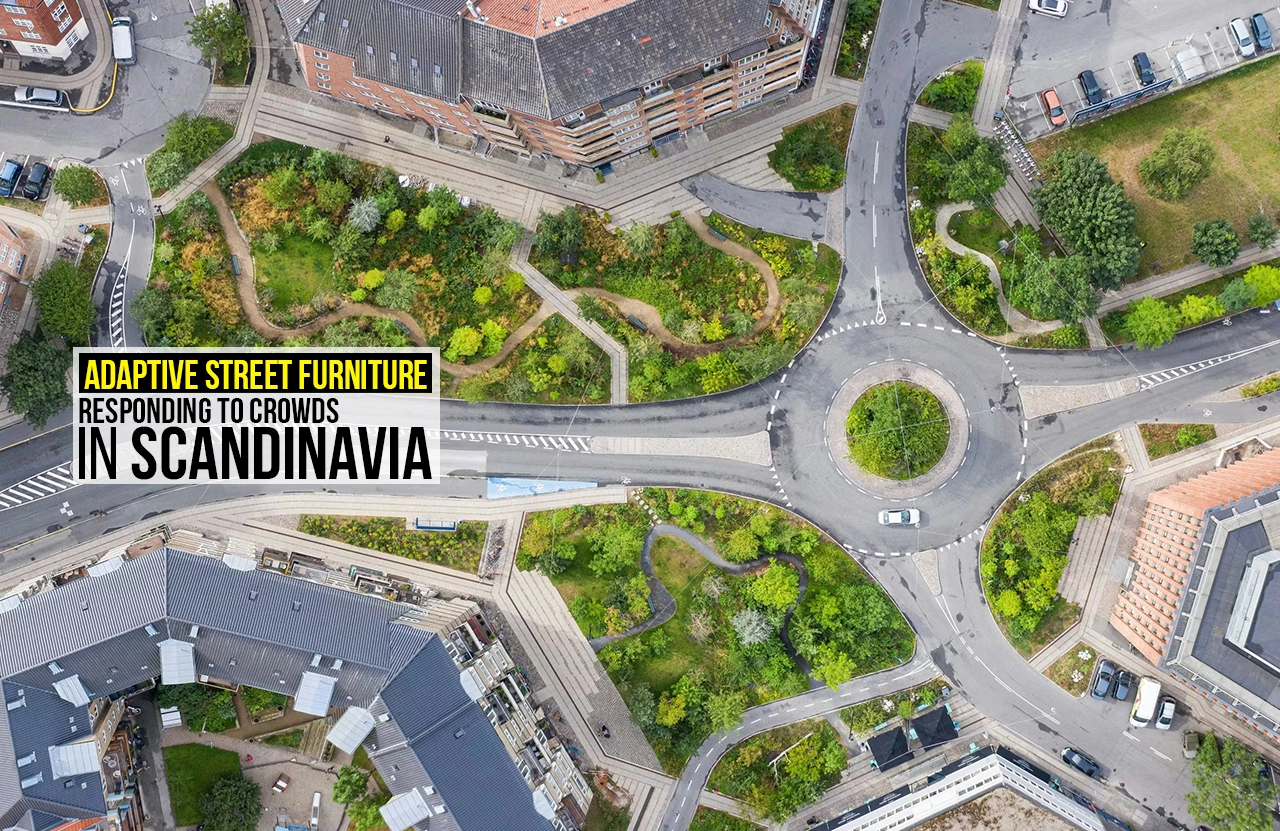
Scandinavia, known for its overall urban environment and sustainable practice, has developed many innovative ideas for architecture and designs within this decade. In spite of facing rapid urbanization, these cities have placed emphasis on sustainable and eco-friendly measures to develop a walkable city. ““In the Nordics, there has long been an emphasis on people in urban life and putting them at the centre.” Savage, M. (2022). This makes the community need the most important factor for new innovations. One of the major technological developments in Scandinavia also includes the adaptive or intelligent street furniture in response to the significant crowd in the urban settlement.
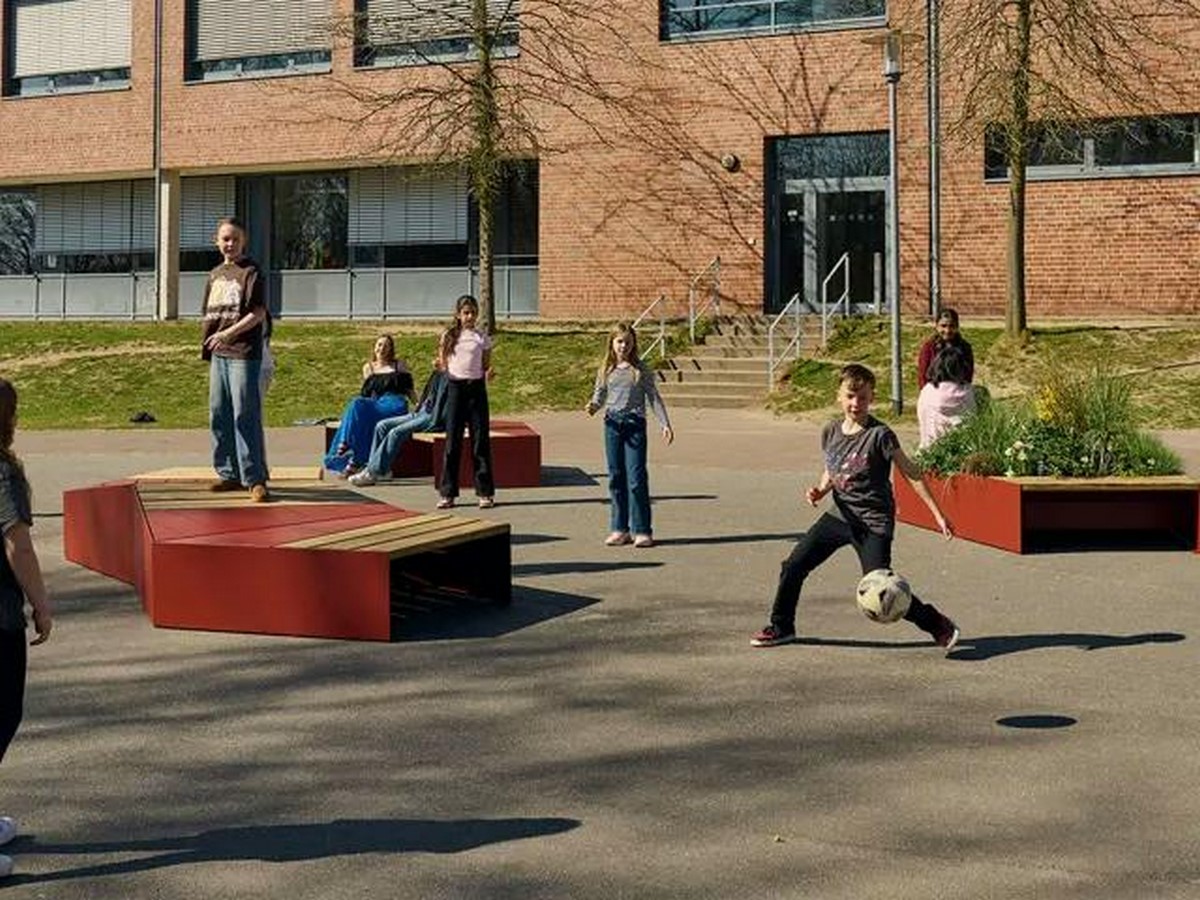
Intelligent street furniture is being incorporated in the Scandinavian cities to convert unused urban corners into intelligent structures in response to time or day or even external urban event conditions by adapting to crowd needs as they change. Cities such as Stockholm, Oslo, and Copenhagen have already begun to implement intelligent or adaptive street furniture in their urban settlements. It begins with moving away from intelligent design to intelligent or adaptive production.
Importance of adaptivity in Scandinavia
Scandinavia is famous for its social interaction and life, but at the same time, the climate and denser city centres lead to the failure of static or rigid furniture pieces like benches. Adaptive street furniture addresses three major needs, which include crowd management, environmental stress, and enhancement of social life. The roadside areas, which are generally underutilized for most of the time, are being converted to spaces that are human-centric and enhance space walkability, creating more social spaces without major construction processes or cost, making it sustainable. Street furniture during summer is functional spaces with seating and shade around gathering places. During winter, when not in use, it may be removed, making the pathways accessible.
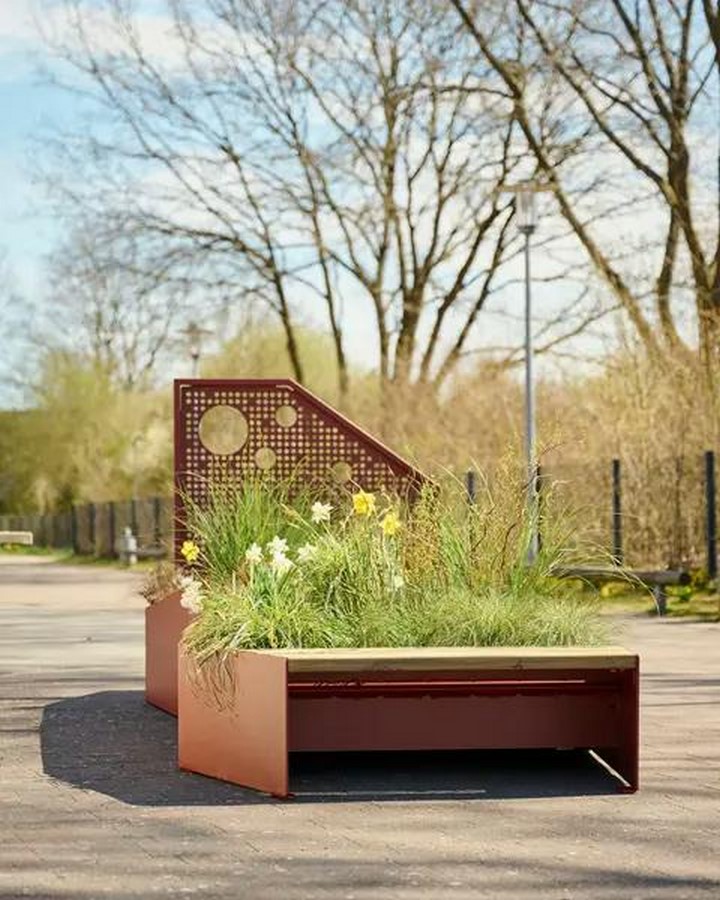
- Design for everyone: Meaning developing parts that will be beneficial for various engagements in using those parts by different crowds of people.
- Modules: Designing furniture that may be repeated and rearranged for different events.
- Reduction in Construction: The designs are generally temporary, and their existence is completely dependent on the reduction of construction costs with increased footfall and communal response.
- Climate Resilient Designs: Certainly, there are also other requirements such as plants, shades, and water management to reduce heat or rainwater and stormwater in planning that are also important factors in planning.
Design Experiments in Scandinavia:
- Crowd management: The street furniture in a denser area can be rearranged to ensure the flow of people during peak operation. The rearranged street furniture can also be used as interactive spaces as per needs.
- Creative spaces: Projects like “Parklet” are converting parking lots into amazing green spaces. Many times, this is temporary; these projects get judged based on the number of people using them and can be extended or removed according to requirement to save money on construction.
Case Studies in Scandinavia:
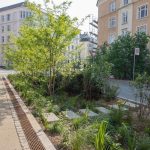
Sankt Kjelds Square located in Copenhagen could be considered one of the best examples of furniture located in the cities of Scandinavia, not just paying attention to the crowd but also to the micro-environment around them. It is also referred to as a Climate-Resilient Neighbourhood as there are furniture pieces that adapt to a cloudburst situation. The work utilizes the latest approaches in climate adaptation strategies in urban spaces.
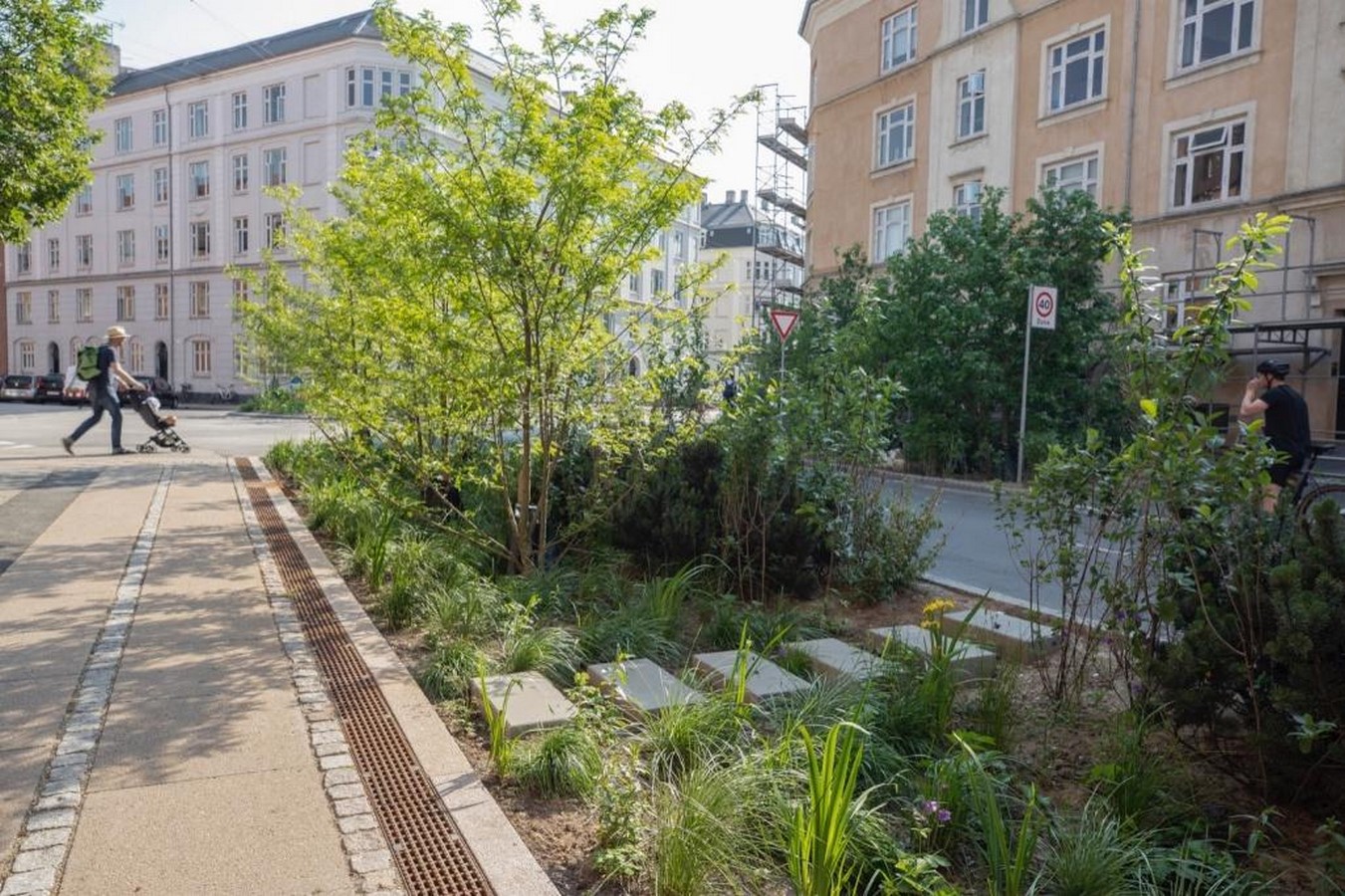
The movable nature of the seating areas and pathways that provide green social areas within the space do not remain in one position but instead function to guide users through the space, even when the basins within it are filled, especially during peak rainfall seasons.
“A beacon of climate-adaptive urban spaces: The Sankt Kjelds Square is an imposing example of future-ready urban design and a green heart within the city of Copenhagen.” – ACO Ahlmann SE & Co. KG
Future Possibilities for Scandinavia
The future probabilities also include predictive adaptive methods as a part of it. As the space in the cities continues to become more populated, adaptive streets will ensure that it continues to be a walkable and human centric space. The smart tools will help in analysing crowd response to an activity, preparing the space even before it begins, by using AI technology.
We can also expect other Scandinavian cities to begin adopting shifting from static bench space to a space that breathes and urban fabric using various categories of street furniture.
By designing the underused corners into active community spots, Scandinavia is proving that the future of smart cities doesn’t revolve only around technology but must focus on climate and community needs, the comfort of people around, and making the best out of every possible space. These small changes transform the space overall by creating furniture that supports human needs. Adaptive furniture in Scandinavia focuses not only on achieving technological masterpieces but rather on creating a space that truly cares about the people around and makes the streets easier to walk. The aim is to reduce rigid urban planning and create a place where the infrastructure is dynamic and the space understands.
References:
- Savage, M. (2022) What the Nordic Nations can teach us about liveable cities, BBC News. Available at: https://www.bbc.com/worklife/article/20191112-what-the-nordic-nations-can-teach-us-about-liveable-cities [Accessed 23 January 2026]
- ACO Ahlmann SE & Co. KG Case study: Sankt Kjelds Square, Denmark, ACO Ahlmann SE & Co. KG. Available at: https://www.swm.aco/case-studies/reference/sankt-kjelds-square-denmark [Accessed 24 January 2026]
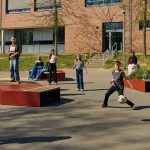
- Salazar, F. (2025). A flexible solution that doesn’t dictate use. [Photograph].
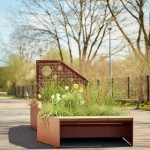
- Salazar, F. (2025). Unity is a modular toolkit that transforms flat, hard surfaces into green, social landscapes. [Photograph].
- Eye, M. (2023). Sankt Kjelds Square and Bryggervangen. [Photograph].