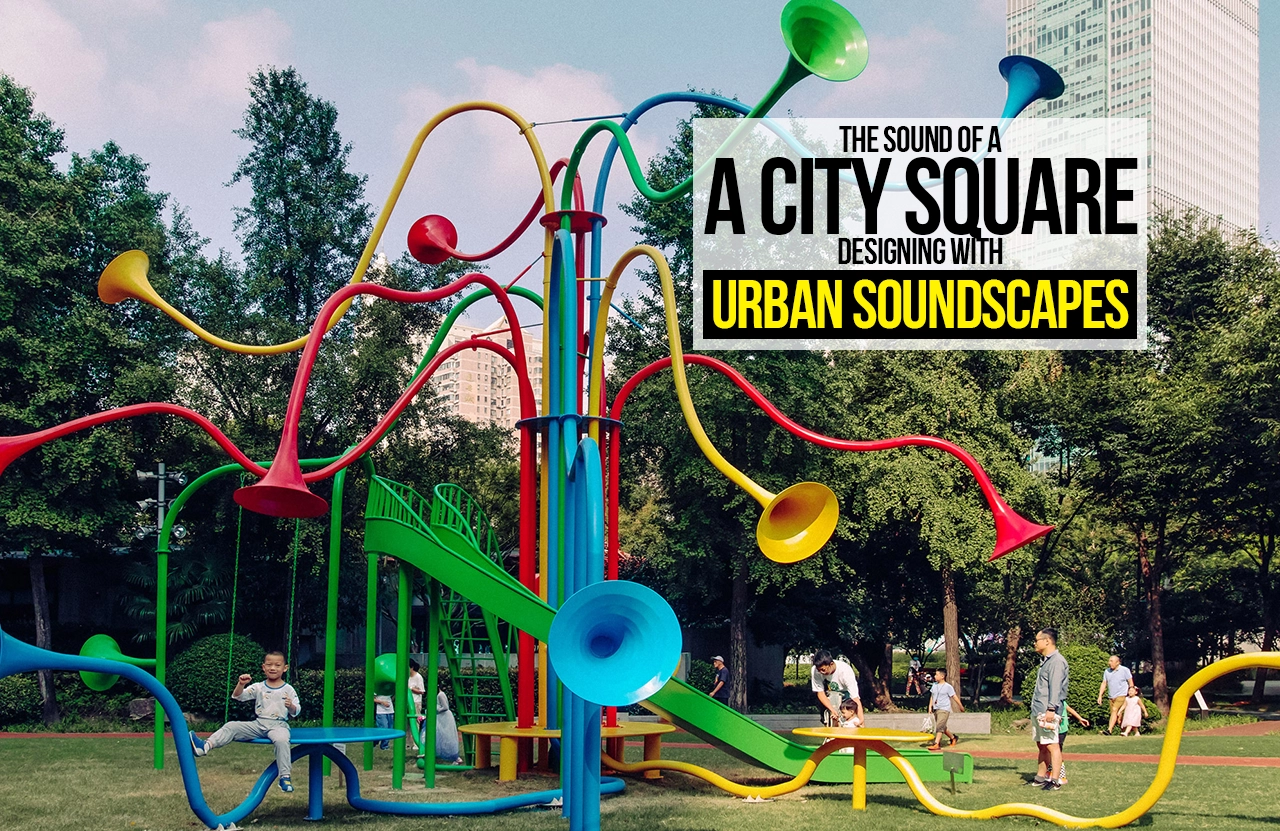
Skylines, buildings, dense urban complexes, extensive road networks, and the constant movement of people all shape cities. An environment as populated as a city is inherently embedded with sound. To escape from the busy reality, one requires an open public space to breathe. Urban public spaces are the areas between buildings, often centrally situated, including streets, squares, plazas, markets, and parks (Abbasian, 2016). Public squares, the land parcel between buildings, become the social hub of the urban fabric. The amount of social activity witnessed in the public square can be referred to as the “living room” of a city (Abbasian, 2016). This article will explore the sounds of urban public spaces and their designs.
Urban Sounds
Cacophony of voices, traffic noise, busker’s music, street vendors, are all an inherent part of urban sounds. The perception of sound as noise or simply sound is a matter of personal preference with an influence from several other factors. The soundscape approach to urban sounds is gaining attention.

Noise versus Sound
Noise, the unwanted sound, is an integral part of the urban fabric. Traffic, machines, and other human activities contribute to noise pollution (Rehan, 2014). The sound clutter from various sources is ear-splitting, especially in public spaces. The cities strive to reduce the sound levels, especially in public parks (Steele et al., 2019). Interventions concerning noise reduction are being carried out at various scales. Noise can be reduced by integrating green spaces, soft materials, water features, and barriers in public spaces (Rehan, 2014). Based on collective efforts, noise can be transformed into sound.
Soundscape
Soundscape studies examine the use of sound as a resource, beyond noise (Steele et al., 2019). Urban soundscapes are based on the perception of sound by people and not just noise levels (Rehan, 2014). The research and studies on soundscapes must be utilized fully to transform noise into sound. In research on Ramses Square, Cairo, Egypt, it was observed that the site is a noisy and overcrowded transit hub in the city centre (Rehan, 2014). Recommendations for urban soundscapes included adding greenery, introducing different species of flora and fauna, to create a hybrid soundscape, encouraging activities that reflect on natural, social, or cultural sounds (Rehan, 2014). Experimentation in soundscape design in public spaces can help in the transformation of city noises into social sounds.
Benefits of Sound in Urban Design
Sound is a vital part of urban design. According to Lynch, urban squares function as activity centre in dense areas (Abbasian, 2016). Being the focal point of the community, city square is the identity, civic pride and space for public expression (Abbasian, 2016). Sounds which are attributed as noise during most time of the day, become soothing and comforting in a public square. Similar to public squares, other public spaces contribute to releasing stress. Pocket parks offer restorative benefits which help people relax, reduce stress and mentally recover (Steele et al., 2019). Associated with health benefits, sound conscious designs are more desirable for visitors.
Acoustic Design Integration
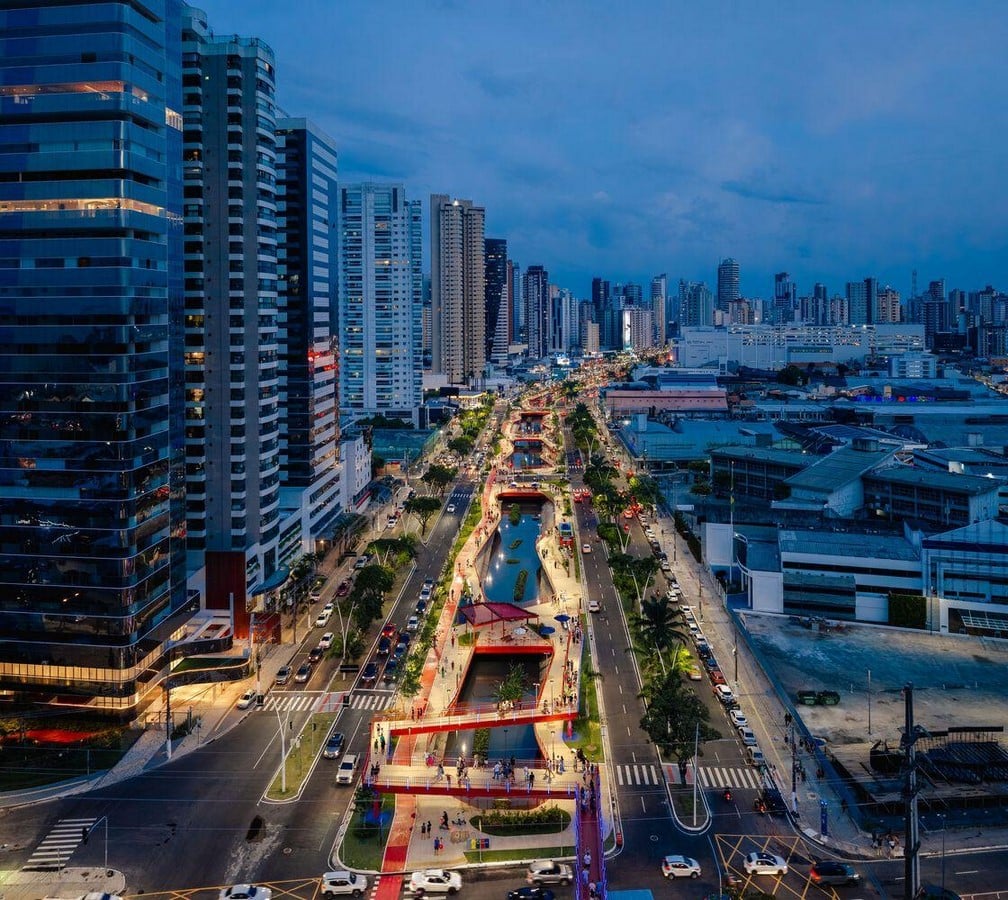
Urban open spaces should treat sound as a key element of visitor attraction and urban vitality (Dahham and Abed Hassan, 2024). The overlapping sounds of a public place function as the background music to a visitor. Aids such as music, nature, and speech improve the public experience in open spaces, leading to an increase in time spent, social activity, and perceived pleasantness (Steele et al., 2019). A study focused on examining two art installations in Montreal’s pocket park has nature sounds, speech, and cultural audio elements (Steele et al., 2019). The natural sounds induced calmness, suppressed loudness, and increased restoration in quiet areas, whereas the speech sounds lowered loudness and increased calmness (Steele et al., 2019). People benefit from sounds even when they don’t consciously pay attention to them (Steele et al., 2019). Overlapping sounds, when regulated, can contribute to a sense of calm.
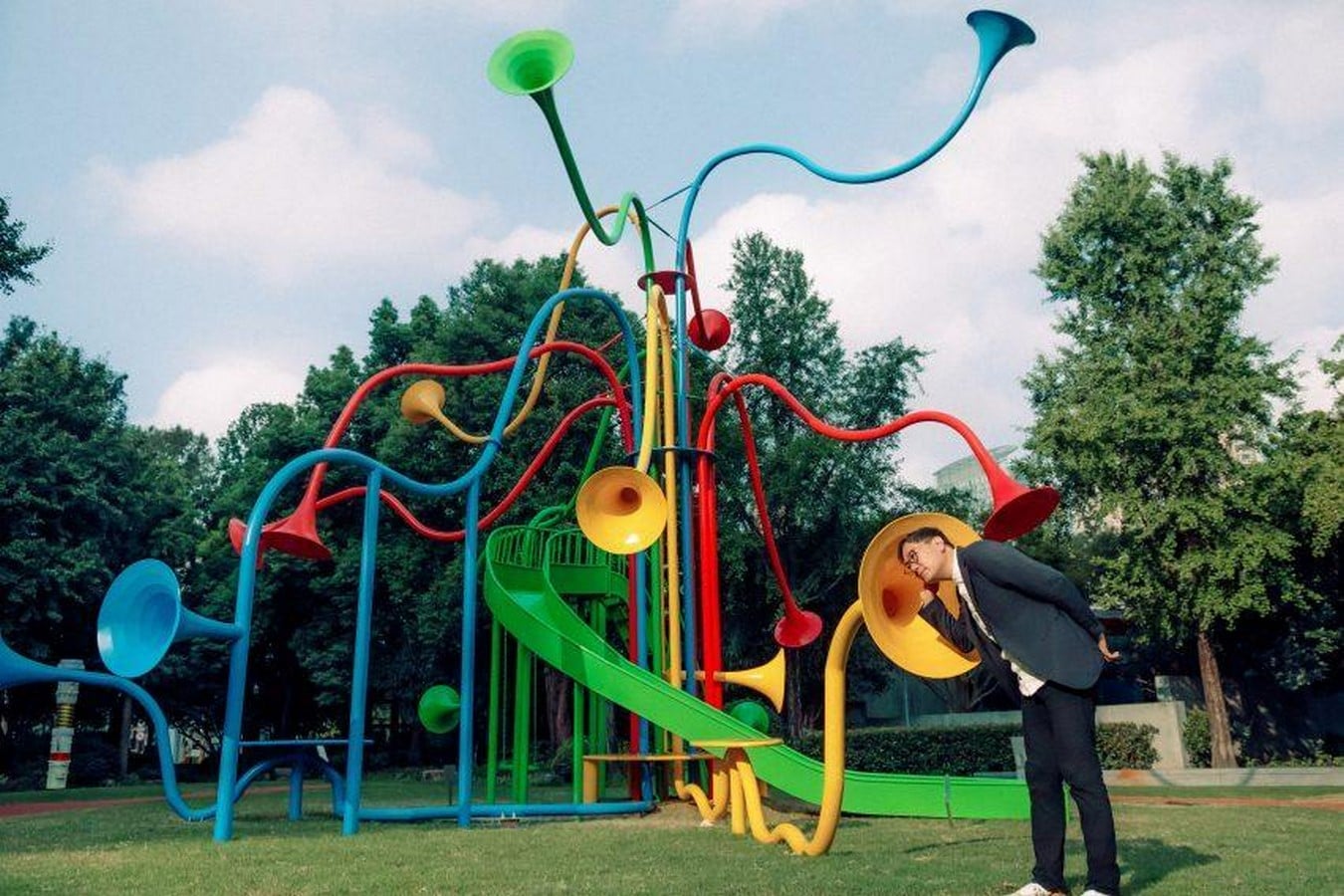
The shift from noise reduction to sound perceptive designs is extensively growing. Human sounds increase the liveliness and reduce the feeling of tranquillity (Cao and Kang, 2024). In a busy urban square, one wants to notice activity and be a part of the larger community. Upon studying sociality based on suitability and stimulation, it was identified that for safety and pleasantness, foreground human sounds are desirable (Cao and Kang, 2024). Disturbing sounds trigger curiosity and enable interaction (Cao and Kang, 2024). Interactive sound installations allow for conversations and social interaction.
Influence on Public Life
Modern public squares have two critical functions- to pause and comfort amid busy urban life and social interaction and encounters (Abbasian, 2016). It is a safe space for free expression, public interaction, and civic engagement (Abbasian, 2016). The strategic location of the public square in the city centre enables these functions. An individual or a group of individuals looks for a centrally located space for congregation. Human sounds shape sociality in the public space, hence the design should focus on lively, human-centred soundscapes, and not merely noise reduction (Cao and Kang, 2024). Outdoor sound can be seen as negative, but it can improve mood, trigger memories, and support rest and healing (Dahham and Abed Hassan, 2024). Public spaces function as a platform where individuals engage with the larger community and cultivate a sense of belongingness. The background sounds of streets, city squares, and people’s chatter subconsciously influence the mood of the public.
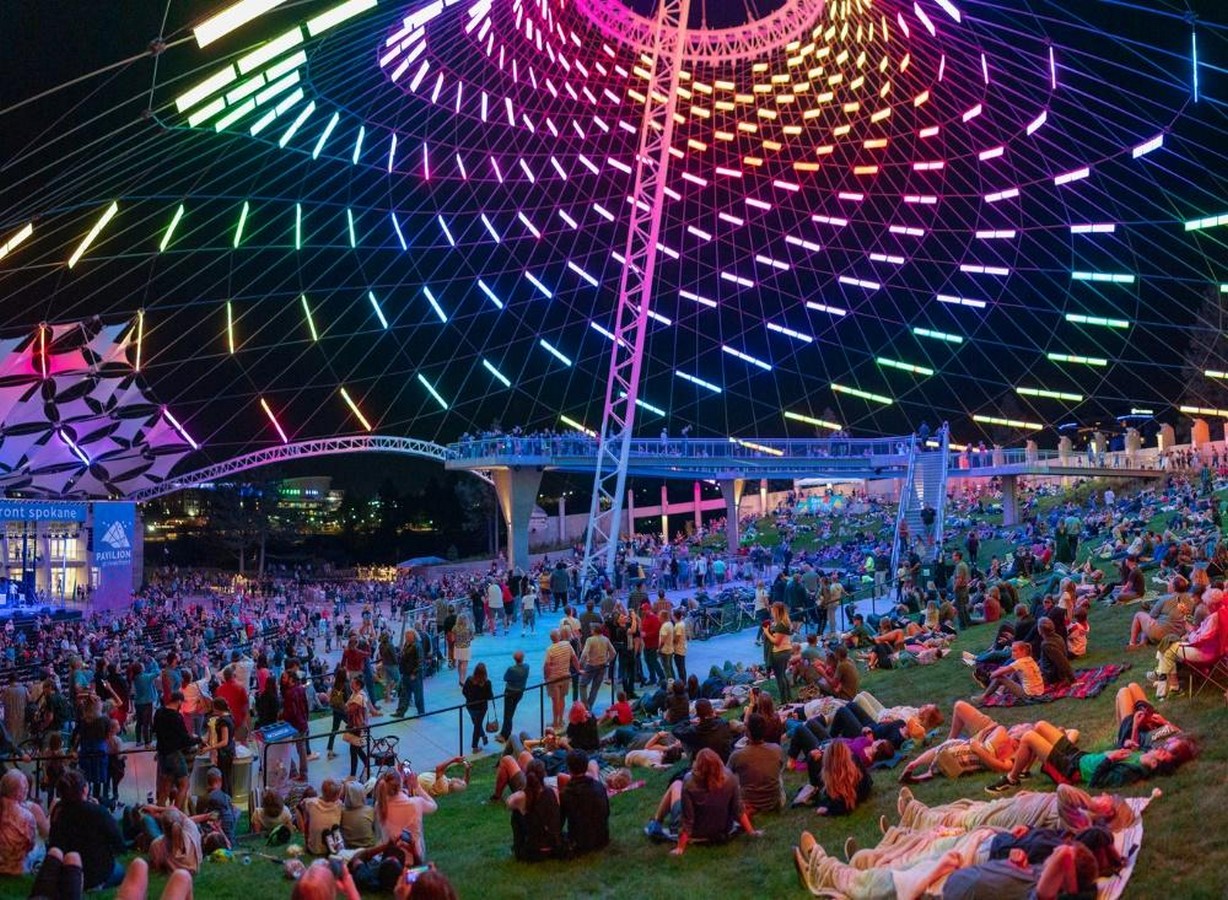
Planners, architects, and other professionals involved in public space designs must consciously account for the soundscape approach in design. The sounds of a busy street and public square constitute the city’s sounds and enhance the visitor experience. Exploration into sound, effective installations, and soft materials provides a catered and pleasant experience. To what extent must the sound of public congregational space be explored? Is reducing traffic sound enough to counter the noise pollution, or is a deeper sound exploration required for a cohesive sound output?
References:
- Abbasian, A. (2016) Importance of urban squares as public space in social life: a new design of Fisktorget in Karlskrona city. Master’s thesis, Blekinge Institute of Technology, Karlskrona, Sweden. Available at: https://www.diva-portal.org/smash/get/diva2:971403/FULLTEXT03.pdf
- Cao, J. and Kang, J. (2024) ‘Effect of human sound component on the sociability of urban public spaces—a case study in Sheffield, UK’, Humanities and Social Sciences Communications, 11, Article 1523. doi: 10.1057/s41599-024-03929-y.
- Dahham, T.B. and Abed Hassan, S. (2024) The Role of Soundscape on Urban Attractiveness in Traditional Cities. Technium Sustainability, 7, pp. 119–130. Available at: https://www.researchgate.net/publication/383874084_The_Role_of_Soundscape_on_Urban_Attractiveness_in_Traditional_Cities
- Rehan, R.M. (2014) ‘Urban soundscape as an approach to the phonic identity of the sustainable city’, Housing and Building National Research Centre Journal, 10(2), pp. 220–231. https://doi.org/10.1016/j.hbrcj.2014.12.005
- Steele, D., Legast, É., Trudeau, C., Fraisse, V. & Guastavino, C. (2019) Sounds in the City: Improving the soundscape of a public square through sound art, ICSV26, Montreal, 7–11 July 2019.
Image References:
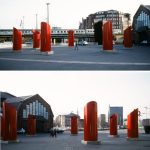
- Atelier Leitner – Agoraphon (1993) Agoraphon installation [photograph]. © ArchDaily. Available at: https://images.adsttc.com/media/images/55e8/8da2/e258/46be/0e00/001b/slideshow/1251035124.jpg?1441303965
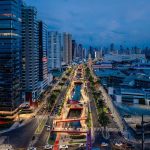
- Sá, M. and Finotti, L. (2025) Parque Linear da Doca, Belém, Brazil [photograph]. © ArchDaily. Available at: https://images.adsttc.com/media/images/691e/0d87/2924/2901/8a86/b4dd/slideshow/parque-linear-da-doca-natureza-urbana_5.jpg?1763577243
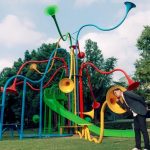
- Suzuki, Y. (2025) Otonomori – Sound Forest installation in Shanghai [photograph]. © Dezeen. Available at: https://static.dezeen.com/uploads/2025/03/yuri-suzuki-otonomori-shanghai_dezeen_2364_col_4-1704×1136.jpg
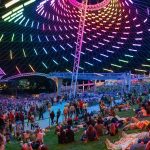
- The Dirt (2023) Image from “Urban Parks Should Be a Greater Part of the Healthcare System” [photograph]. © ArchDaily. Available at: https://images.adsttc.com/media/images/6511/7362/7316/3201/7c9c/ccce/newsletter/urban-parks-should-be-a-greater-part-of-the-healthcare-system_3.jpg?1695642478