Whenever one wishes to see and understand a civilisation, they do it through looking at their architectural pieces. These buildings and sites hold memories of times long gone by, engineering techniques and marvels that leave one in complete awe, or have such great notions attached to them that they stand as an identity for the people. Perhaps that is why many of us mark architectural destinations as key points for travelling.
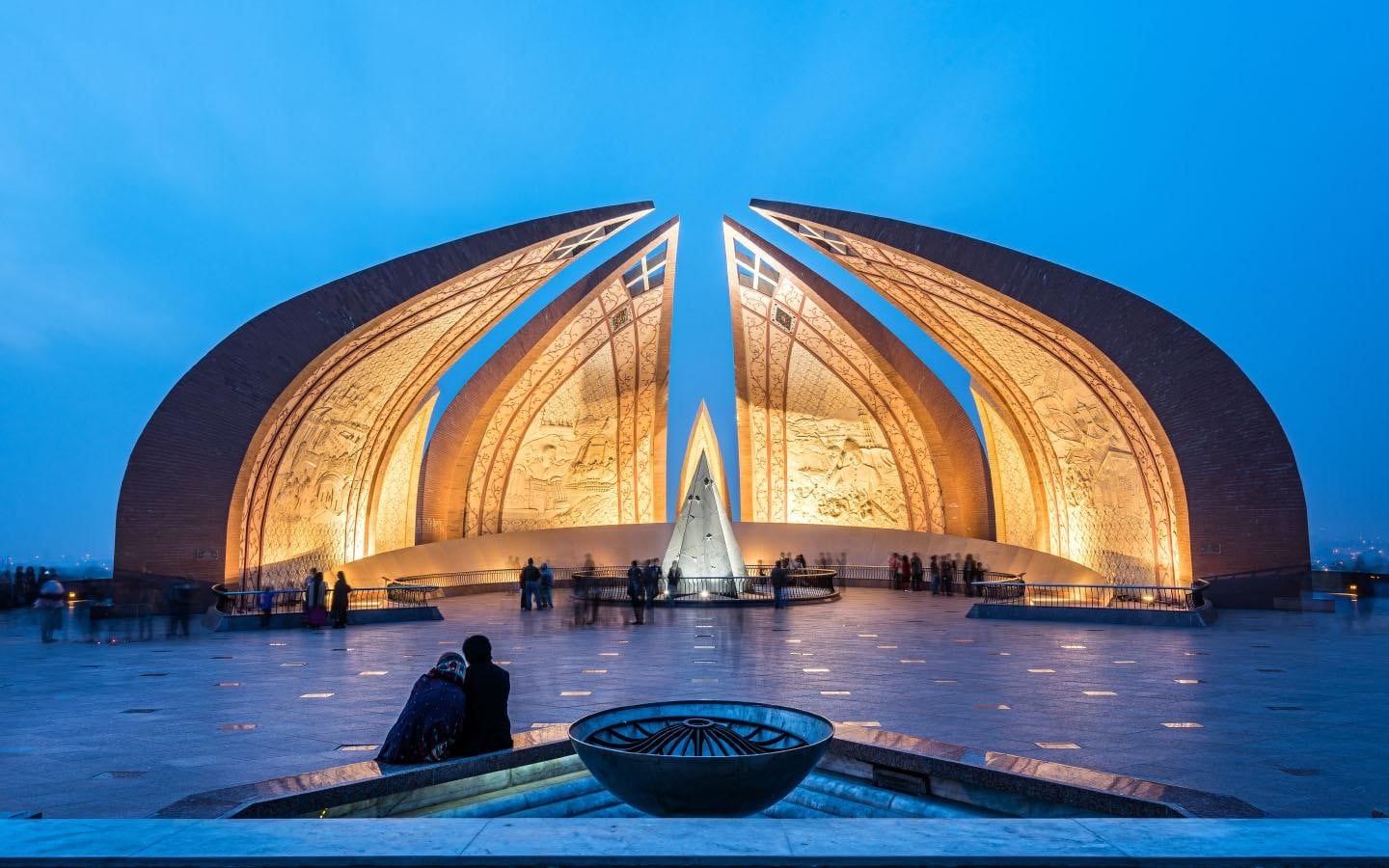
Pakistan is a host to many diverse cultures, races and traditions and hence has a kaleidoscope of architectural gems that stand as a testament to the long history of this region. From the Necropolis in Sindh, to centuries-old forts in the tall mountains of Gilgit Baltistan, to the palaces on the riversides, there are far too many places a person has to visit when they are travelling to Pakistan.
This is the guide to visiting some of the most inspiring architectural gems in Pakistan.
Mohenjo-Daro
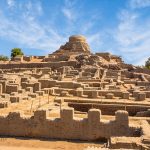
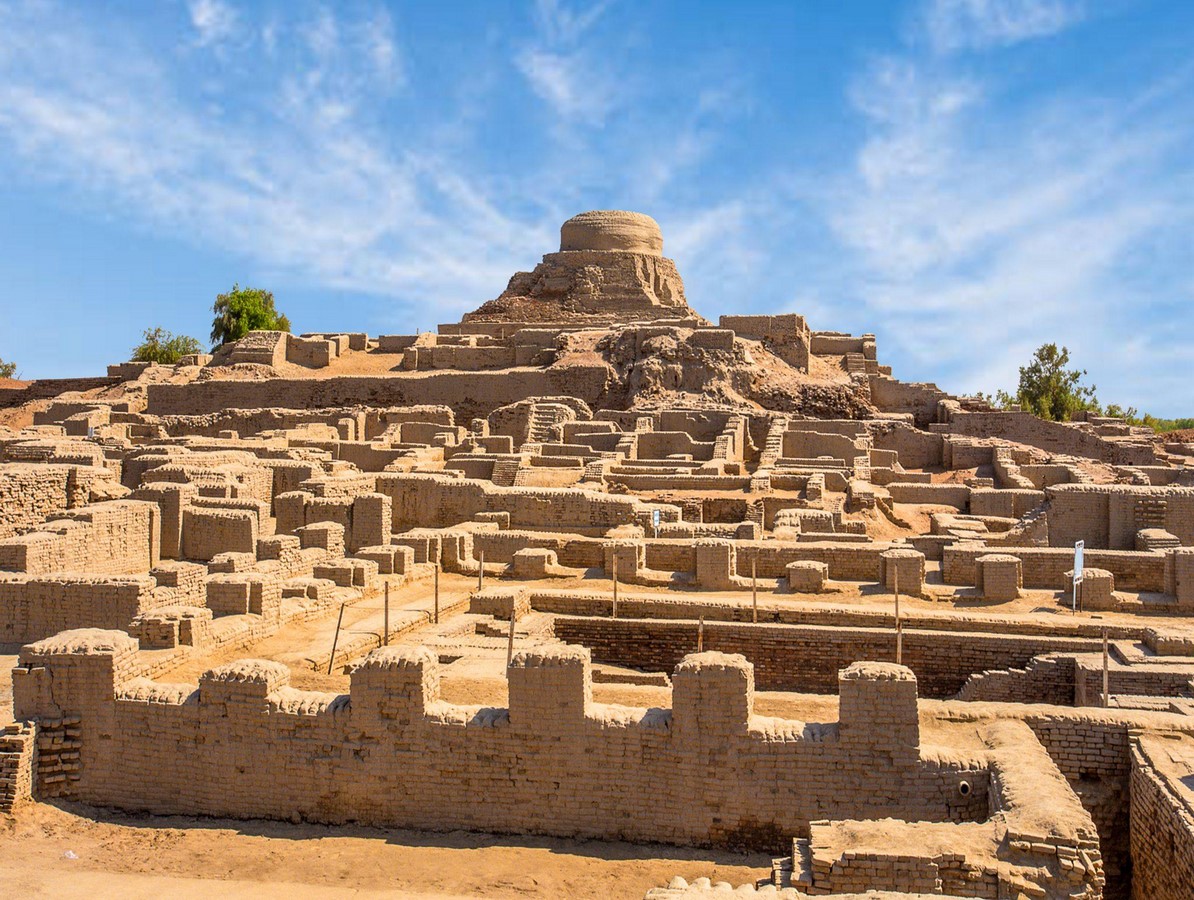
The list cannot start without mentioning one of UNESCO’s World Heritage sites for Pakistan. Mohenjo-Daro, literally meaning “Mound of the Dead”, is the remnant of one of the oldest civilizations in the world, the Indus Valley civilization. Present in today’s Larkana District of Sindh, these archaeological ruins represent careful design and forward-thinking city planning with integrated sewage and waterways. Not only does it have importance in its archaeological aspect with all the pottery and crafts that have been retrieved, it is a sign that humans before us had their own derived spatial planning.
Makli Necropolis
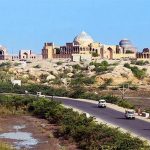
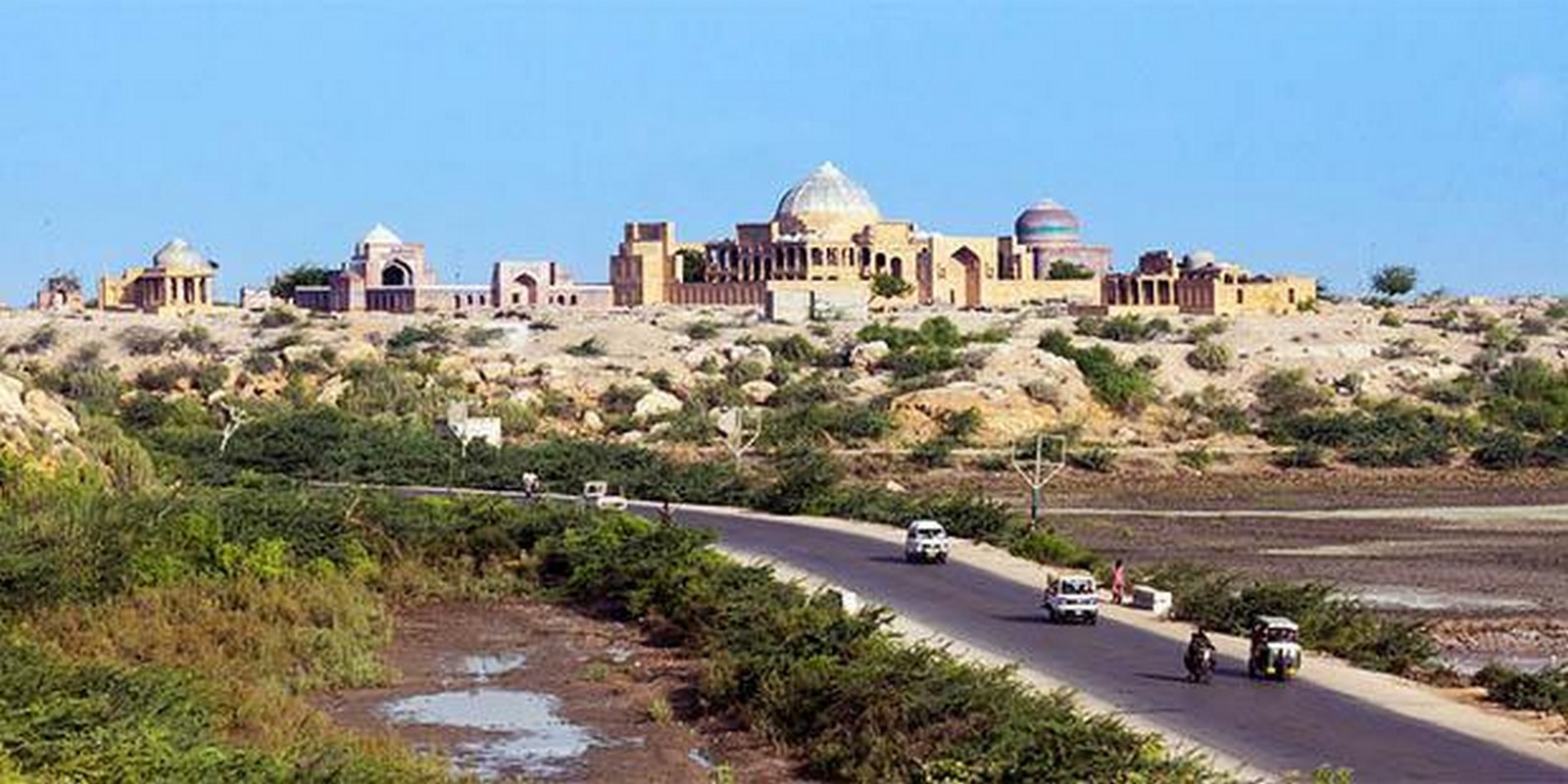
Another UNESCO Heritage site that is located in Sindh, in Thatta District, Makli Necropolis is one of the largest cemeteries in the world, spanning more than 10 kilometers. Being four to seven centuries old from now, it houses the graves of many scholars and Sufi saints, as well as royals. What brings attention to this are the architectural details that are seen on these tombs, careful engravings showing how people paid their respects to the dead.
Shahi Qilla
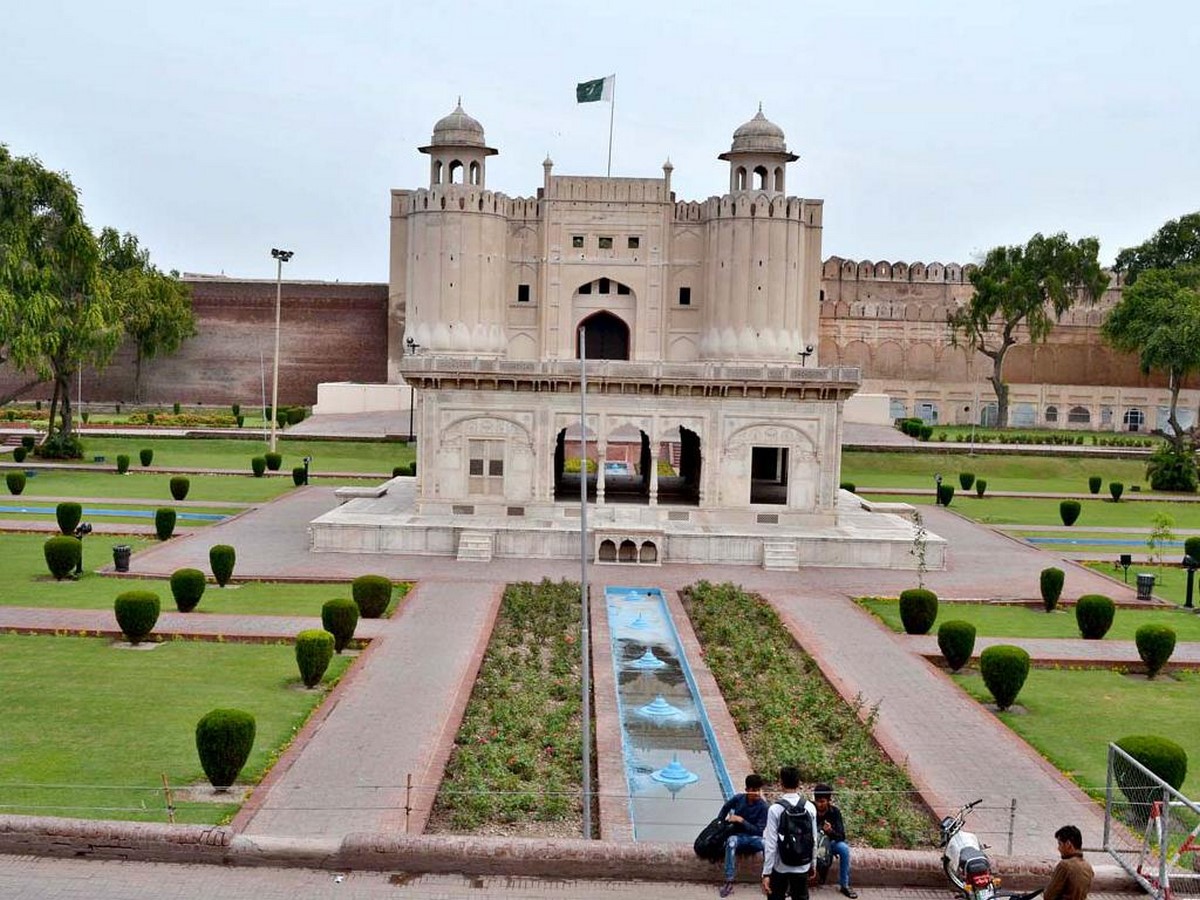
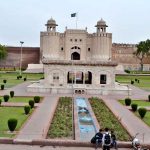
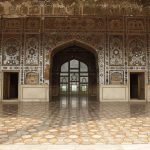
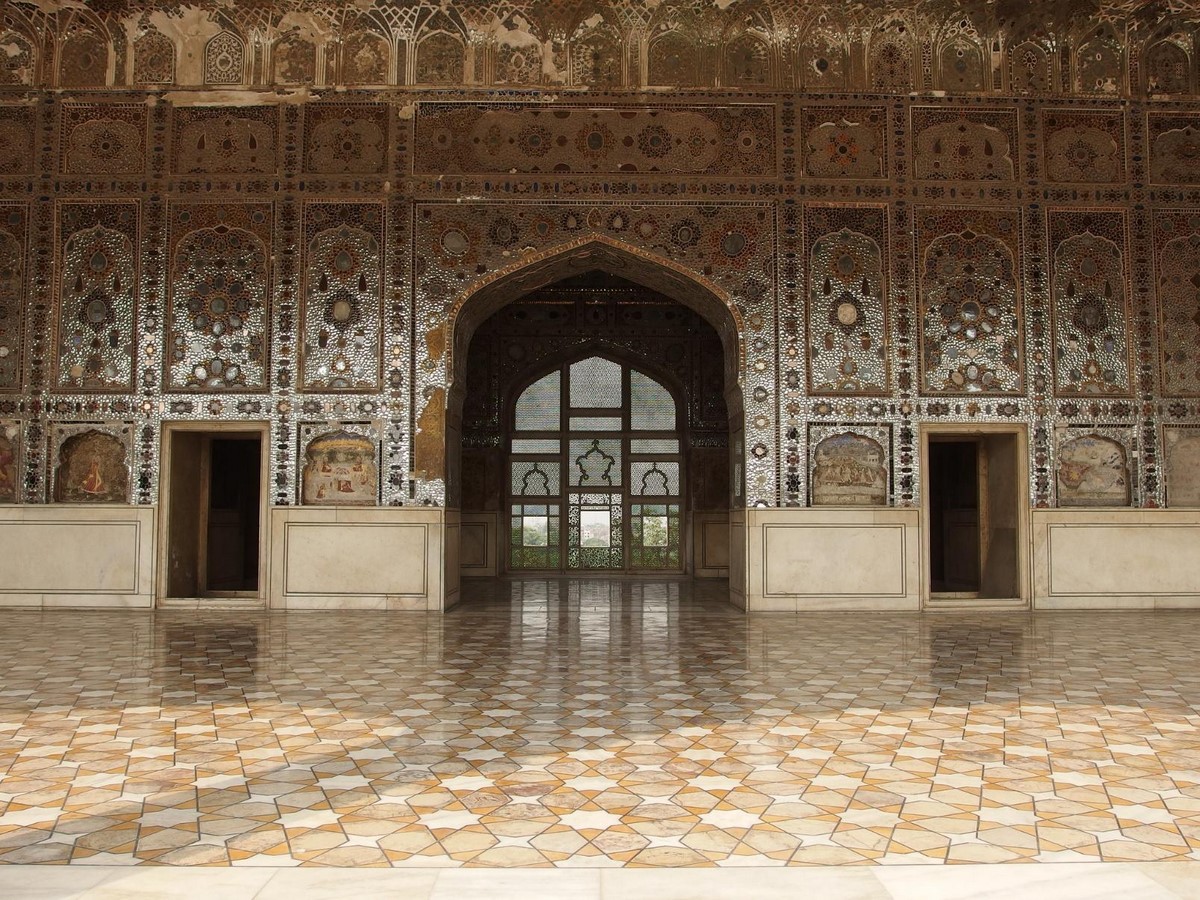
Moving to the city that is called the “Heart of Pakistan” and, as the locals say ‘Jinnay Lahore ni wekhaya o jamaya e nai’ (those who have not seen Lahore, have never been born); the third on the list is Shahi Qilla, present in the Walled City. The modern-day fort is associated with Mughal Emperor Akbar, later Jahangir, Shah Jahan from the 16th to 17th centuries, although there were many more influences as well. The fort itself occupies around 50 acres and has a large number of monuments and buildings to be seen, notable are the Sheesh Mahal, the recently restored Picture Wall and the Naulakha pavilion.
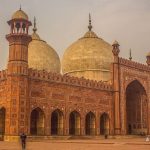
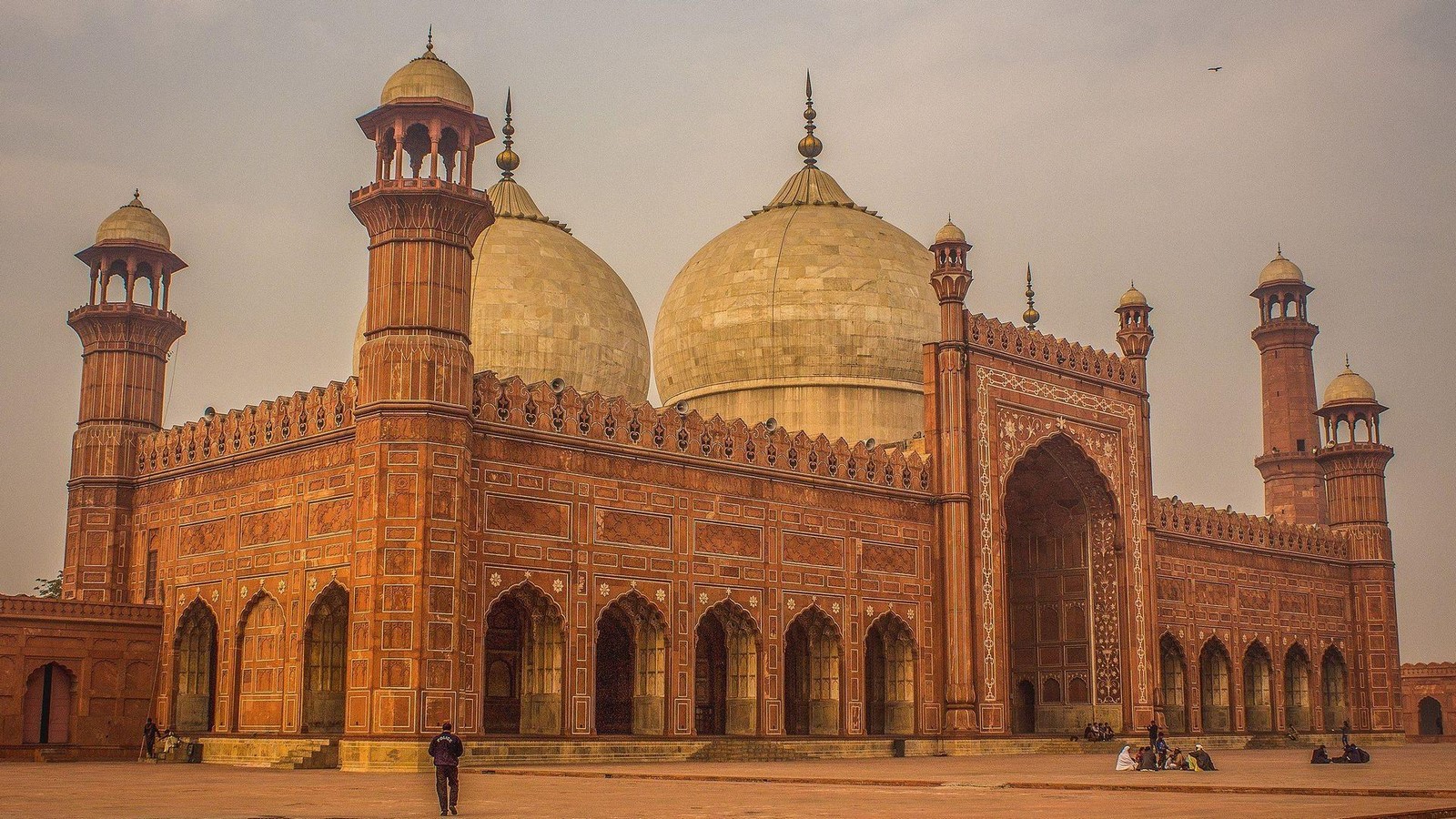
Ever the emblem for Lahore, the Badshahi Mosque is a 17th-century Mughal architectural marvel that is an iconic set for the city. It is known for its deep, red-coloured brickwork and its contrasting but equally captivating white domes with a grand entrance portal that is the termination of a huge courtyard that serves as the space for gathering people.
Lahore in itself a rich city and has many marvels that are to be seen while exploring the city on foot, from its engaging bazaars to age-old mosques hidden inside these bazaars (note: Wazir Khan mosque), to the old havelis inside the Walled City, to the River Ravi front, Lahore is an active set of history where life comes full circle.
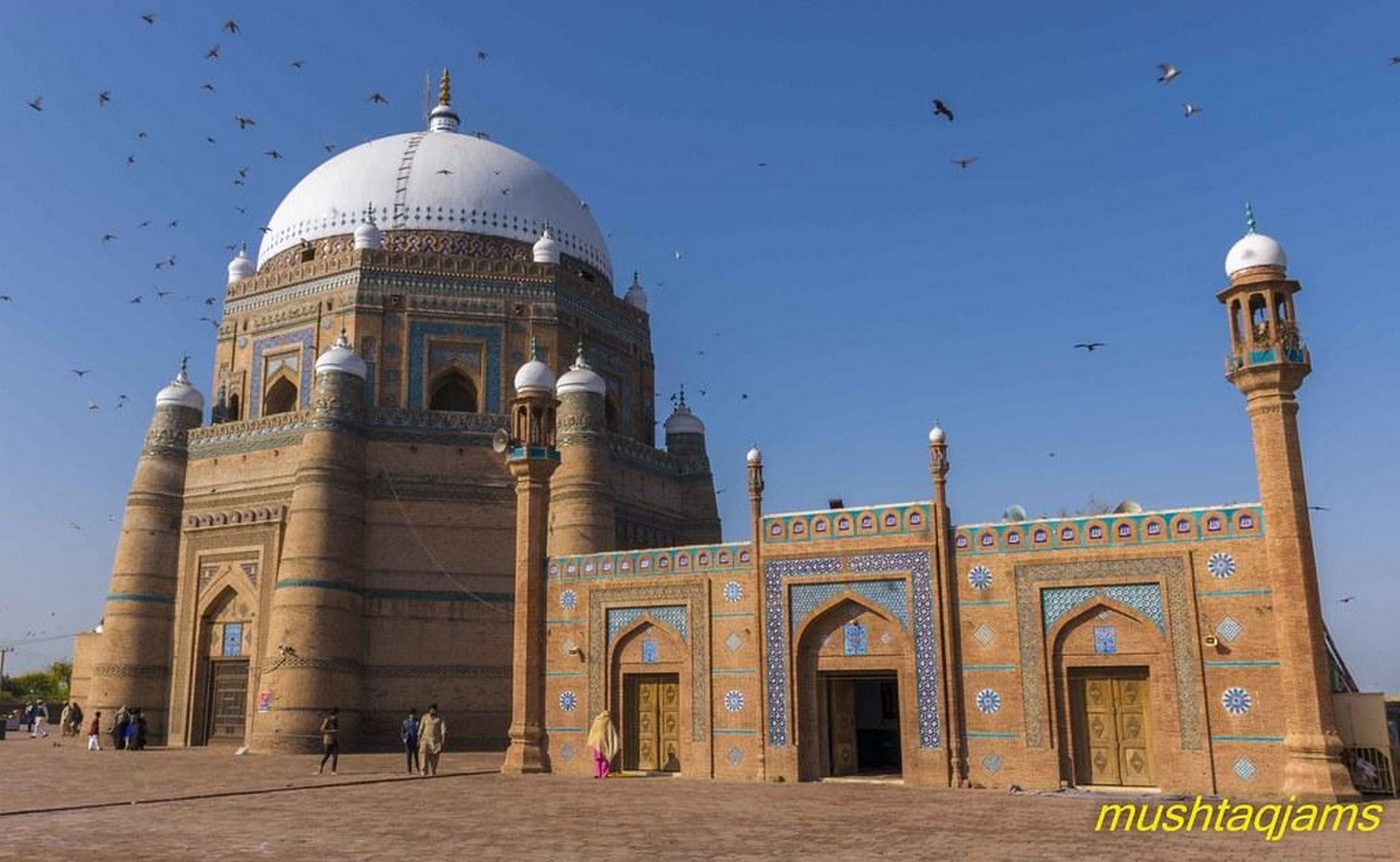
Tomb of Shah Rukn-e-Alam
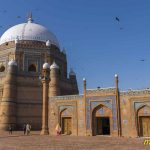
Moving to the “City of Saints”, Multan has the tomb of Shah Rukn-e-Alam, a Sufi saint from the 14th century. This mausoleum is a three-tier structure with beautiful blue tiles that are associated with Multan, the tomb has other detailed arabesques and geometric motifs.
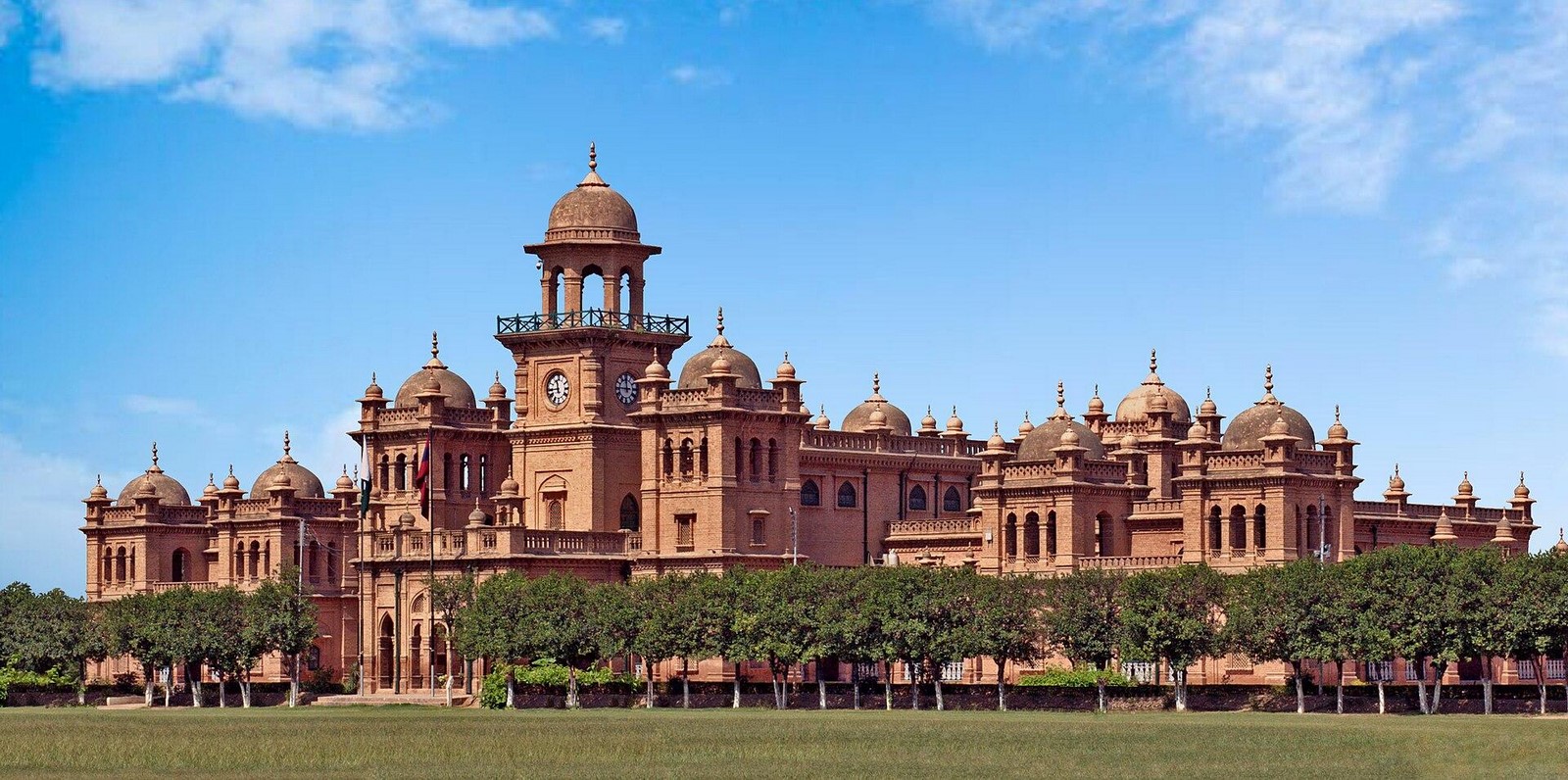
Islamia College
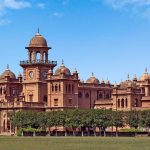
Islamia College, Peshawar in Khyber Pakhtunkhwa province is not perhaps one of the oldest architectural pieces on this list, it is however, a hallmark of the Indo-Saracenic architecture attributed to the colonial age buildings of the Indo-Pak subcontinent. Built in the 1800s, it is still occupied and functions as a key higher-level educational institution in the city. From intricate, delicate chahtris to the gothic look to the red brickwork that has given it its due identity, Islamia College is an excellent backdrop for another one of Pakistan’s oldest cities.
Faisal Mosque
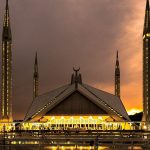
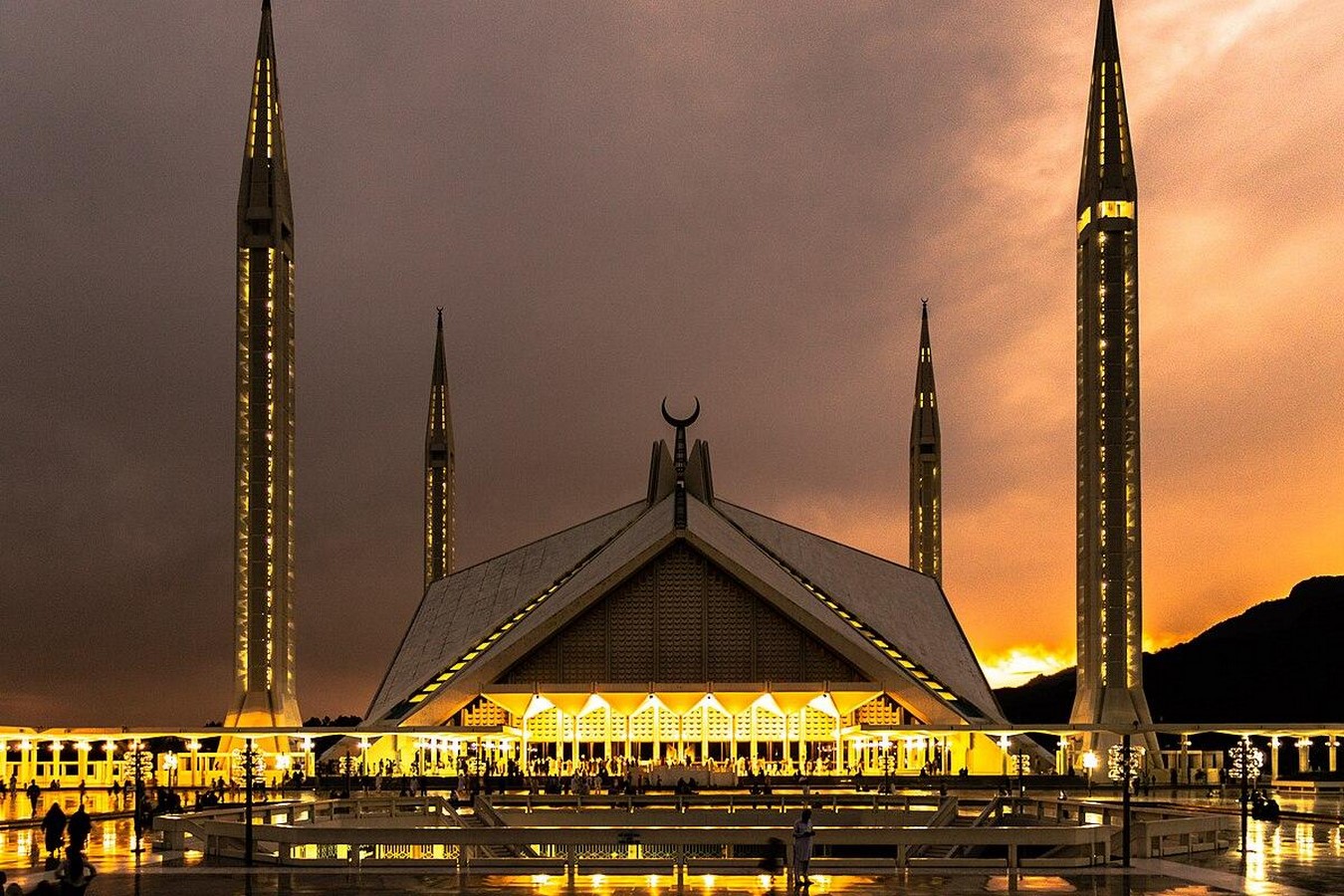
World’s sixth largest and South Asia’s largest mosque, Faisal Masjid is a significant datum for the capital city, Islamabad. With rolling green Margalla hills in the back, the white pointed Faisal Mosque gives a beautiful contrast to the eye. Constructed in the 1970s, it is one of the key examples of contemporary Islamic architecture in Pakistan, moving from general styles of mosques to taking on a modern approach with the form inspired by a Bedouin tent with four spires. It is actively used and can have up to 300,000 worshippers present at a time.
Baltit Fort
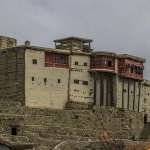
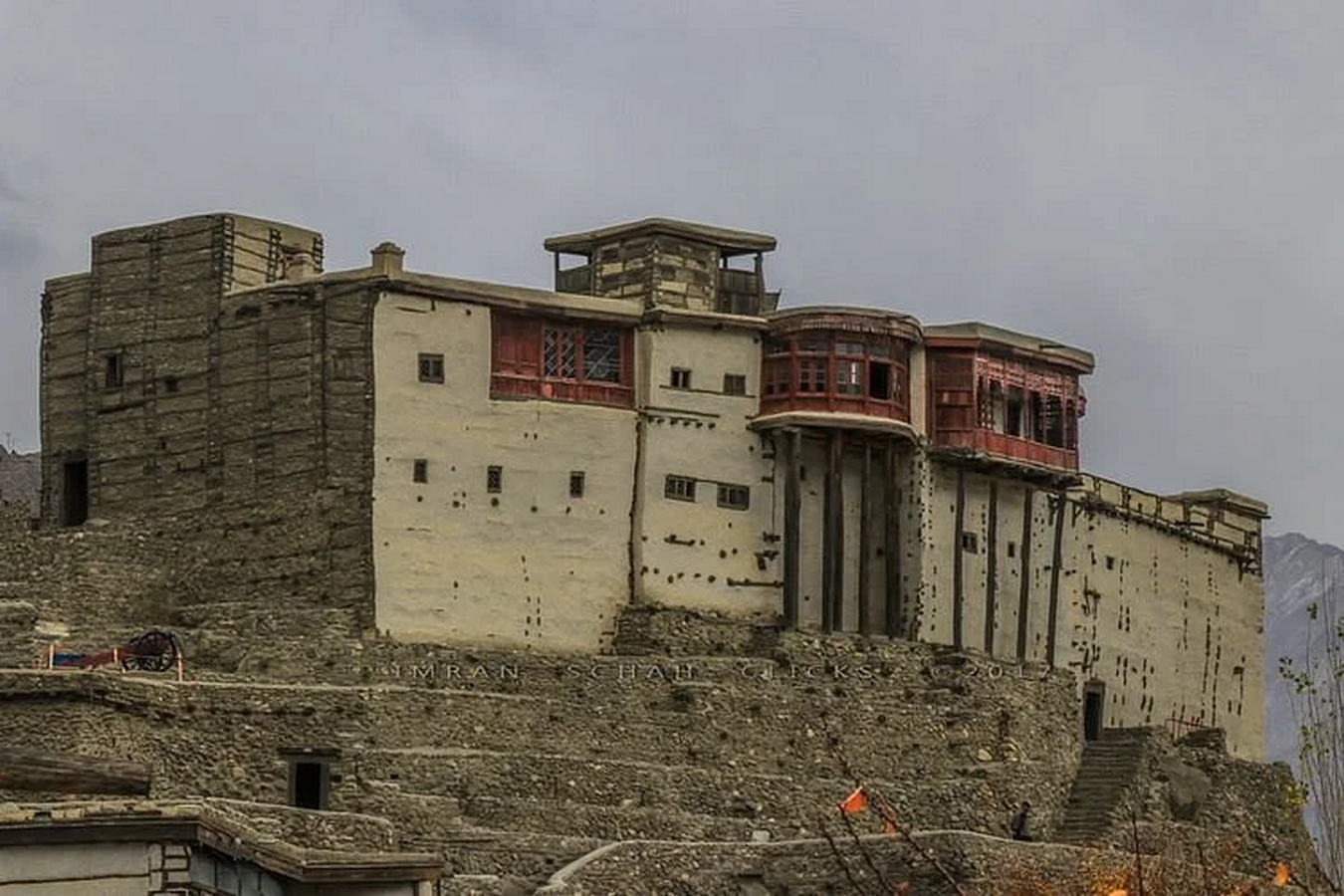
The list cannot end without the mention of the beautiful forts in Gilgit Baltistan in Northern Pakistan. Present in today’s Karimabad, Baltit Fort is a 700-year-old architectural marvel that served as the seat of the then rulers of Hunza, “Mirs” and was a major contributor to the control of various Silk Trade routes. Hosting the iconic look of Northen forts, Baltit has extensive stone and woodwork, the latter of which is known for its expressive details and intricacy.
Others that deserve equal recognition include Altit Fort, Shigar Fort, Khaplu Palace and many more. The previous two decades have seen extensive work in restoring these forts to give them a new life and to add on newer tourist perspectives to it by also involving the local people as well.
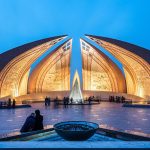
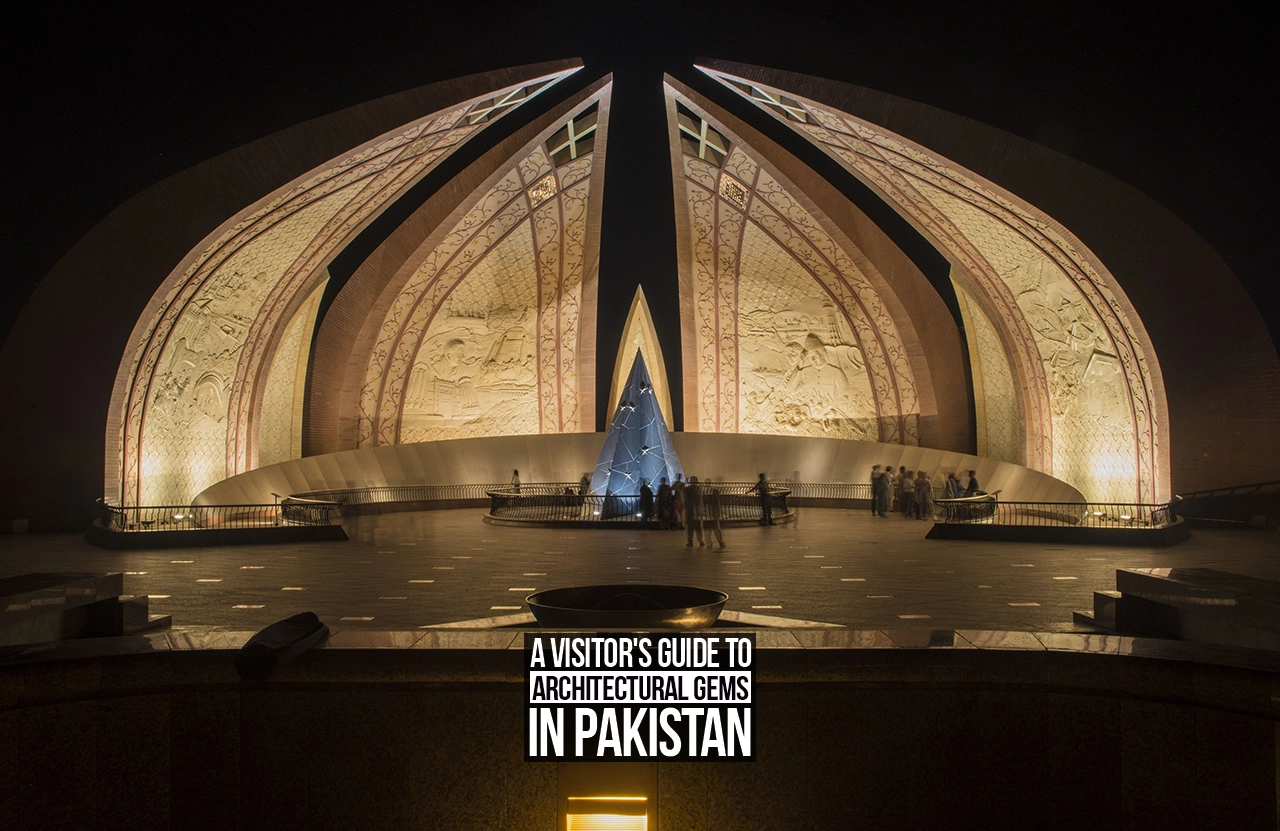
A single list cannot contain all the architectural marvels that Pakistan boasts of, as there are many others that are worth seeing as much as these. From forts in Balochistan to Ranikot in Sindh to Rohtas, to many other mausoleums and of course, the contemporary architecture of Pakistan, including but not limited to Telenor Headquarters and Vision Pakistan (a recent winner of Aga Khan Award), Islamabad. The best way is to take time and explore on foot, as every single step has some history or story to be told.
Reference List:
UNESCO World Heritage Centre – World Heritage List. Available at: https://whc.unesco.org/en/list/
Lahore Fort | History, description, & facts | britannica. Available at: https://www.britannica.com/topic/Lahore-Fort
Architecture from Pakistan (2025) ArchDaily. Available at: https://www.archdaily.com/country/pakistan
Makli Necropolis is one of the largest funerary sites in the world…: Explore Pakistan – Makli Necropolis is one of the largest funerary sites in the world… | Explore Pakistan | PrideofPakistan.com. Available at: https://www.prideofpakistan.com/explore-pakistan-detail/Makli-Necropolis-is-one-of-the-largest-funerary-sites-in-the-world/88
Mohenjo Daro – Stdc. Available at: https://stdc.gos.pk/2024/10/13/mohenjo-daro/
Sadiq, R. (2019) Here’s what makes Pakistan monument one of must-visit places in Islamabad, A blog about real estate, lifestyle and tourism in Pakistan | Zameen Blog. Available at: https://www.zameen.com/blog/pakistan-monument-islamabad.html
Baltit Fort – UNESCO World Heritage Centre. Available at: https://whc.unesco.org/en/tentativelists/1882/
Shahi Qila. Available at: https://www.brecorder.com/news/491479
Badshahi Mosque: IRCICA (2020) IRCICA | ISLAMIC ARCHITECTURAL HERITAGE DATABASE. Available at: https://www.islamicarchitecturalheritage.com/listings/badshahi-mosque
Imran (2025) A saint in a borrowed mausoleum, MANI JUNCTION. Available at: https://www.meemainseen.com/2019/12/multan/
Sadaf, S. (2025) Complete guide to visiting Shah Rukn-e-Alam shrine multan – tourism guide book, Tourism Guide Book – Travel to a special place. Available at: https://tourismguidebook.com/complete-guide-to-visiting-shah-rukn-e-alam-shrine-multan/
Tourism, sports, culture, Archaeology & Museums Department: District tours (no date) Image. Available at: https://www.visitgilgitbaltistan.gov.pk/tour/id/42