Placemaking Starts With People
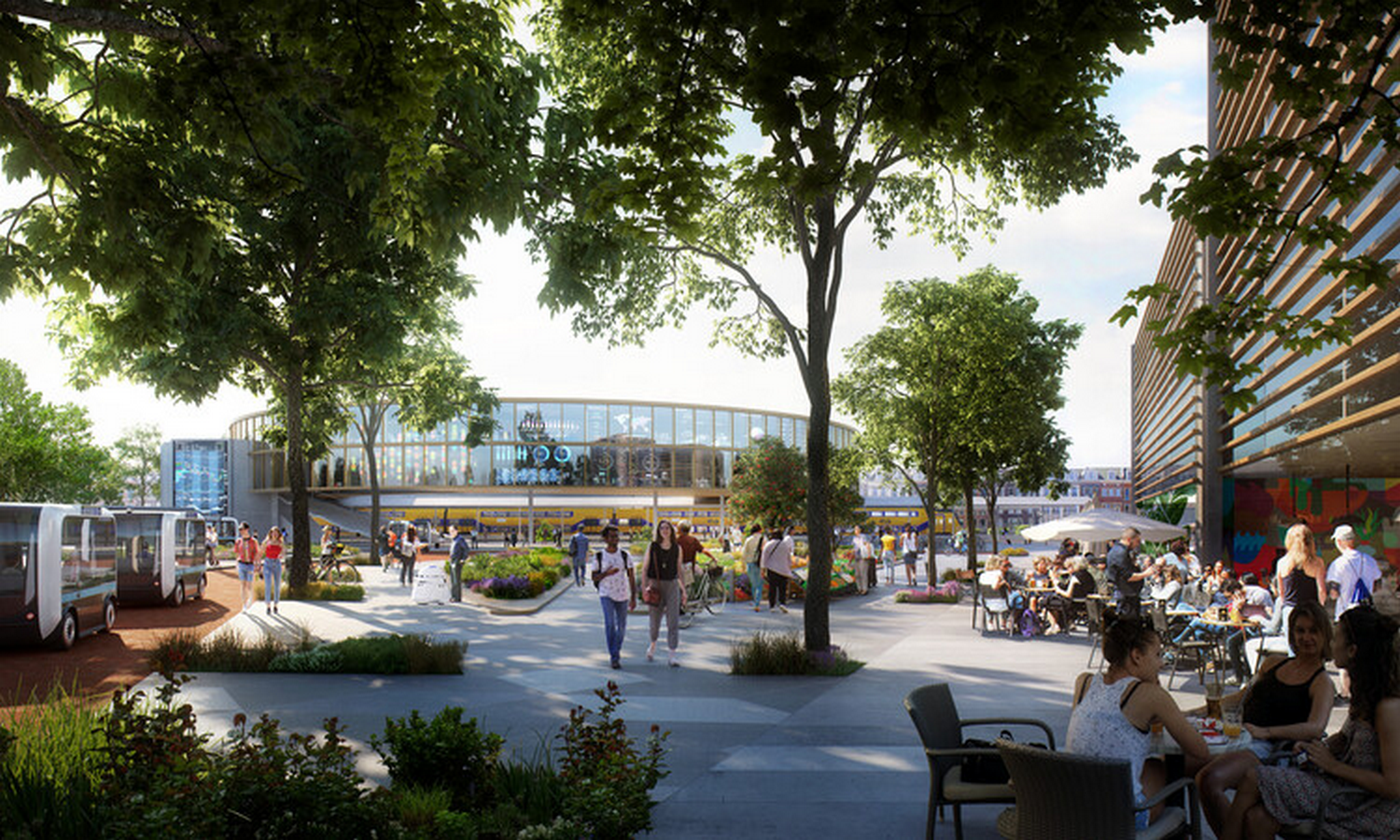
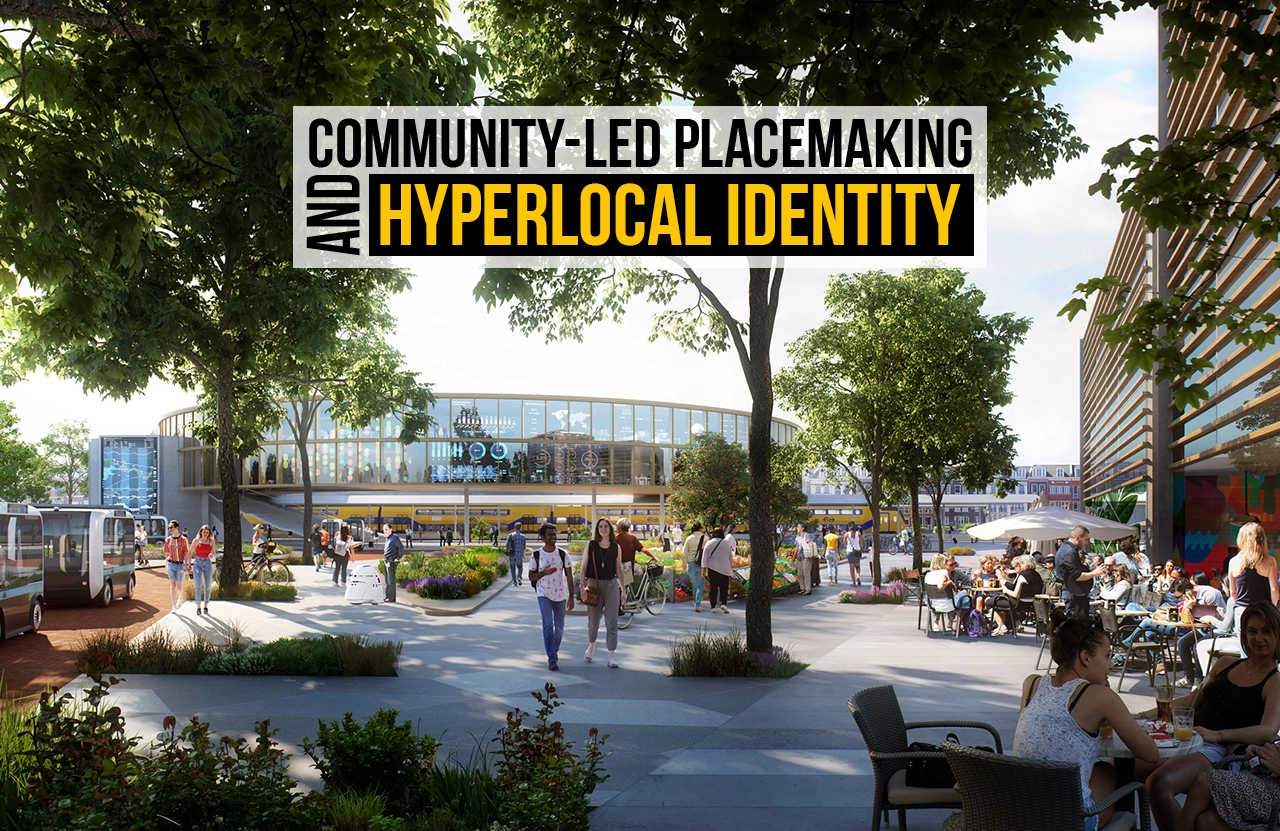
In architecture today, Placemaking has moved from being a conference buzzword to a design philosophy that genuinely matters. It is the point where buildings step aside and people take the spotlight. Instead of imagining a public space as an empty canvas waiting for a designer’s grand idea, placemaking assumes that the canvas is already full of life, routines, shortcuts, gossip circles, vending zones, informal cricket pitches, and memories layered over time. Community-led placemaking simply asks architects to look more closely and design with the grain rather than against it.
Placemaking begins with the oldest architectural tool available: observation. Architects often underestimate how much residents already know. They know which corner becomes unbearably sunny after 3 PM, where water collects during monsoon, where children sneak through to avoid traffic, and which chai stall unofficially doubles as the neighborhood news studio. When these insights enter the design process, the result is a place that feels authentic rather than imposed.
What Communities Teach Architects
Communities bring an honesty that drawings cannot. A desire path cutting across a park is not a nuisance. It is the community clearly stating where the path should have been. That one shaded plinth where the elderly gather every evening is not clutter. It is social infrastructure. Placemaking thrives on these clues that users leave behind, often unintentionally.
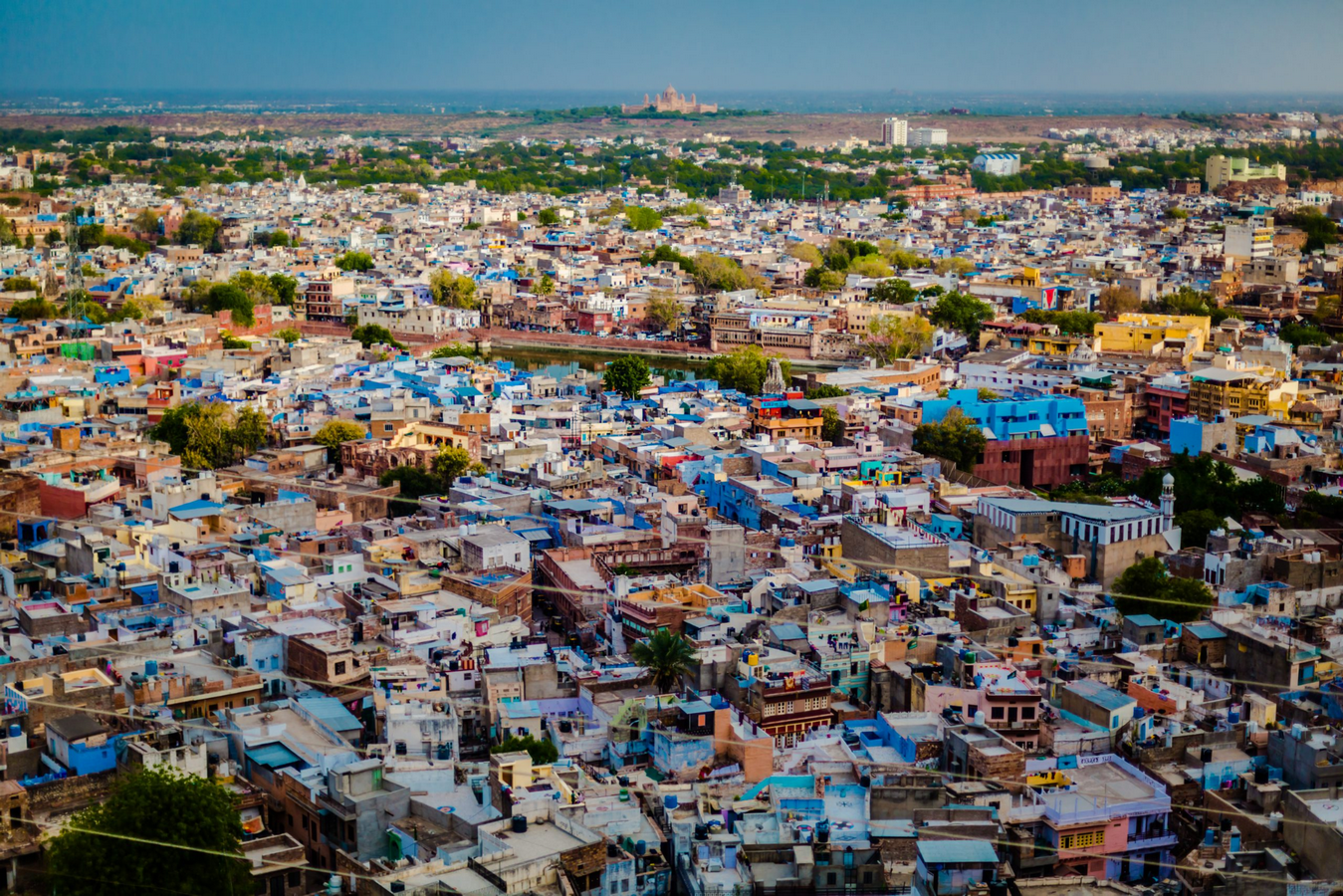
Hyperlocal identity is what gives a place its emotional texture. This identity is not something that can be purchased or imported. It grows out of local materials, crafts, colors, and stories. When a space uses terracotta in Bengal, laterite in Kerala, or sandstone in Rajasthan, it immediately begins to feel grounded. Add details crafted by local artisans, hand-painted signs, or motifs inspired by community culture, and the space starts to speak in the local dialect rather than in a borrowed accent.
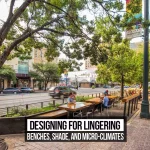
Climate-responsive behavior also becomes clearer when communities participate. In India, people instinctively gravitate toward shade, breeze, and courtyards. These everyday habits have centuries of wisdom behind them. Placemaking uses this natural intelligence to shape verandahs, landscape elements, micro-shaded spots, and transition spaces that feel intuitive. The aim is not to dictate where people should go but to refine the informal patterns that are already working.
One of the nicest outcomes of community-led placemaking is how it extends the lifespan of a space. When people have contributed to the design, they protect it. They use it more often, they keep it cleaner, and they proudly tell visitors why it matters. It becomes more than a public space. It becomes a shared asset. Even the economics improve. Small businesses flourish in places designed for slow walking, comfortable seating, and intuitive circulation. A small plaza with shade and resting spots can generate more local activity than a big but lifeless formal square.
Examples That Illustrate the Power of Placemaking
Examples from across the world show how valuable this approach is. In Bhuj, Gujarat, reconstruction after the earthquake involved communities at every step, resulting in chowks, housing clusters, and streets that felt local rather than generic. In Medellín, Colombia, community-led design contributed to social transformations that planners worldwide still study. On the Indian coastline, fishing communities helped shape pathways, vending pockets, and gathering spaces that preserved cultural rhythms even while improving infrastructure.
India is, in many ways, the ideal terrain for placemaking. Our streets are full of spontaneous public life. Every neighborhood has its signature corner, a tree everyone defends, a vendor who knows everyone by name, a courtyard that transforms during festivals, a pathway that becomes a playground every evening. Losing this texture to over-sanitized development is a risk. Community-led placemaking offers the antidote. It respects informal economies, preserves cultural rituals, enhances safety through familiarity, and maintains the layered character that makes Indian public life uniquely vibrant.
A Mindset, Not a Method
In the end, placemaking is not a method. It is a mindset. Architects are not just creating spaces. They are curating relationships between people and their environment. Community-led placemaking reminds us that the best design solutions are rarely invented from scratch. They are discovered by listening. A plaza becomes successful not because it is perfectly detailed but because people can see themselves reflected in it. When communities contribute to shaping their surroundings, spaces become more flexible, more human, and far more memorable. They stop being merely public and start becoming personal.