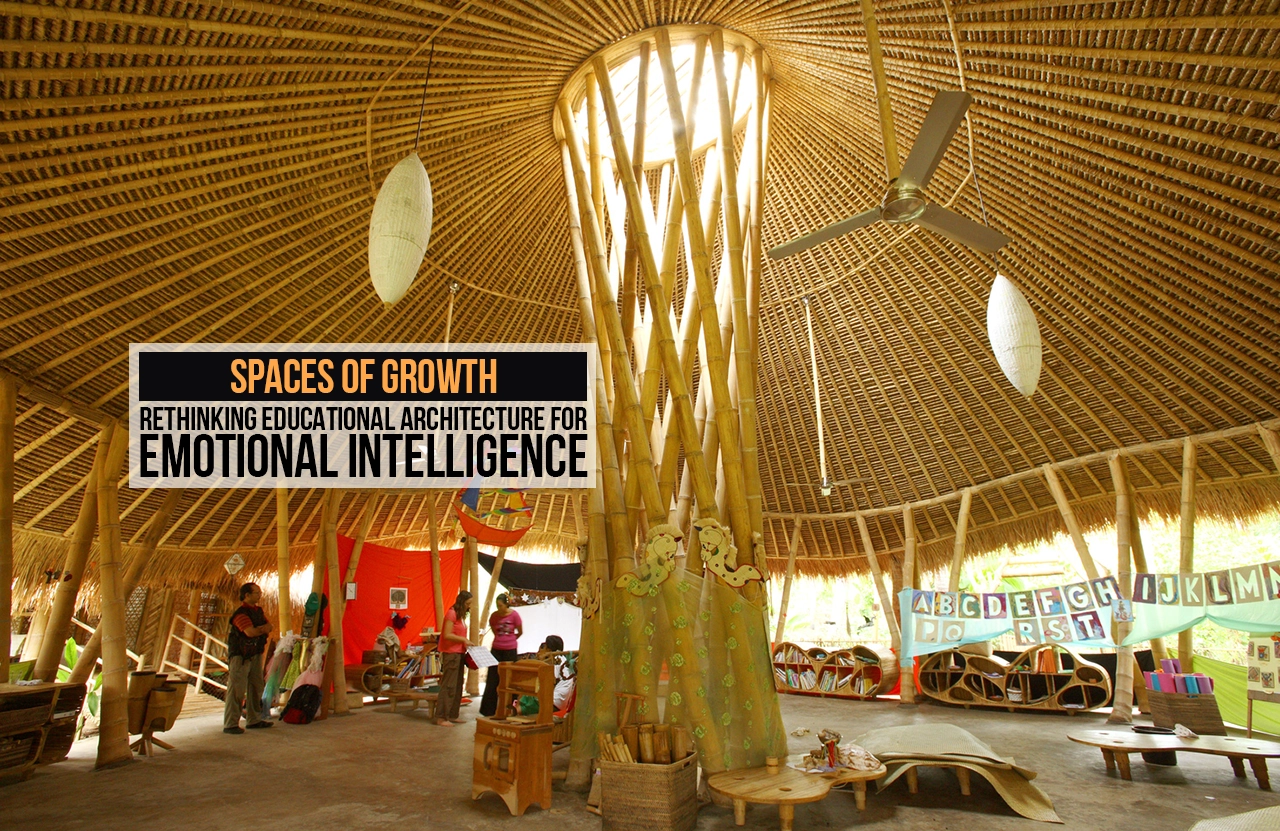
Over the past few decades, architecture and design have seen a shift from functional and mass-produced architecture to user-centric design. Importance is given to user experience and the emotions one experiences while navigating through structures. In addition, the convergence of neuroarchitecture and various emotion recognition technologies has led to significant advancements in enhancing the user experience in design. Researchers have proved the effect the built environment has on human emotions, demeanours and well-being. The effect architecture has on a cognitive level, connected with the processes of understanding information, and the emotional level, reactions to the prior information, is now studied in the discipline of neuroarchitecture.
Traditional Designs for Educational Architecture
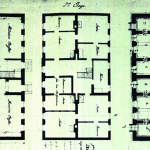
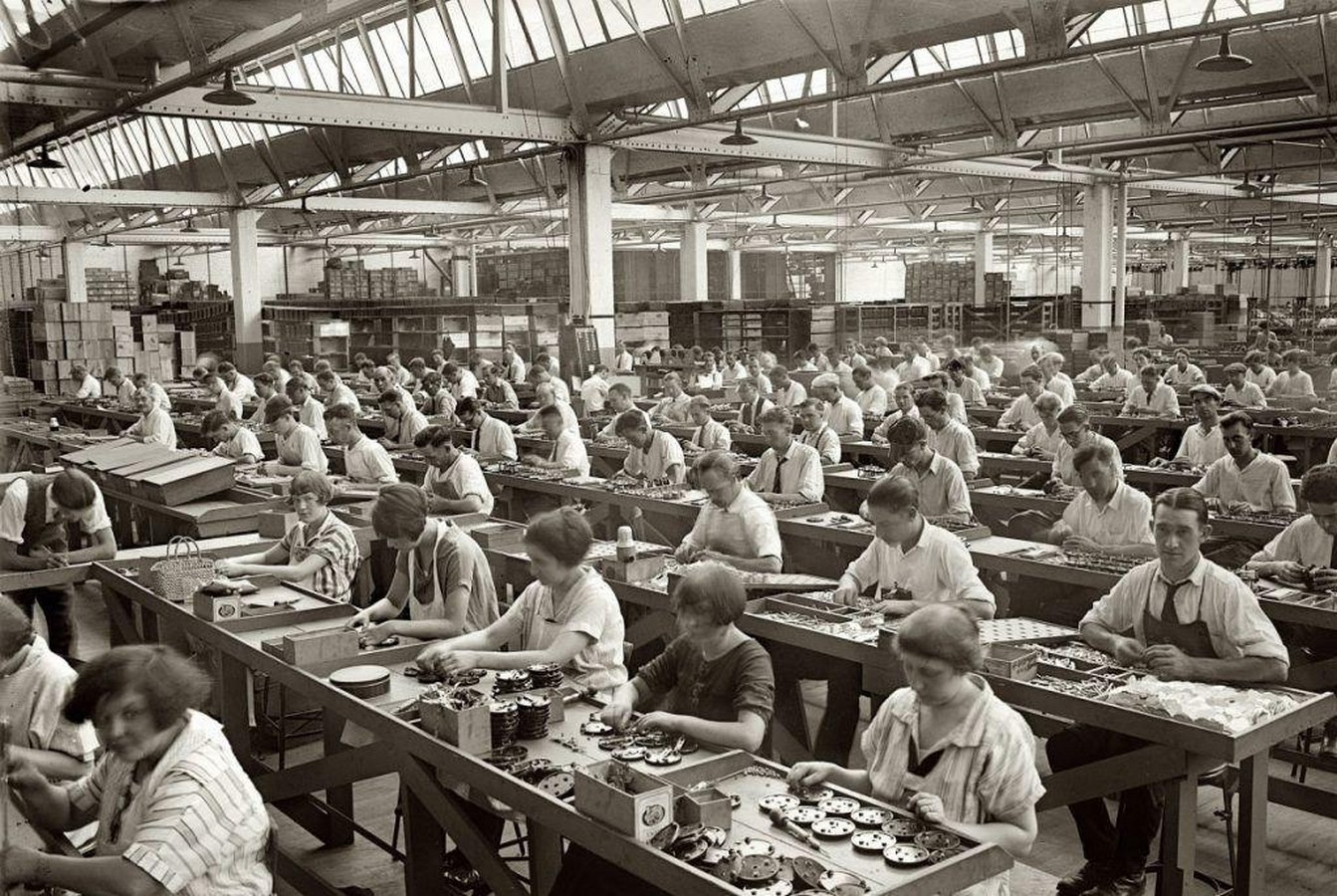
Over the past century, educational institutions have followed a typical repetition and inflexible design typology. Long corridors for restrained movement, repeated modules of classrooms which normally consisted of 30-40 students, anticipated to learn in the same methods, at the same speeds. Traditional school design originated as a result of industrialisation to promote standardisation. The aim was to introduce and train children to perform the same tasks with strict rules, through memorisation and indoctrination.
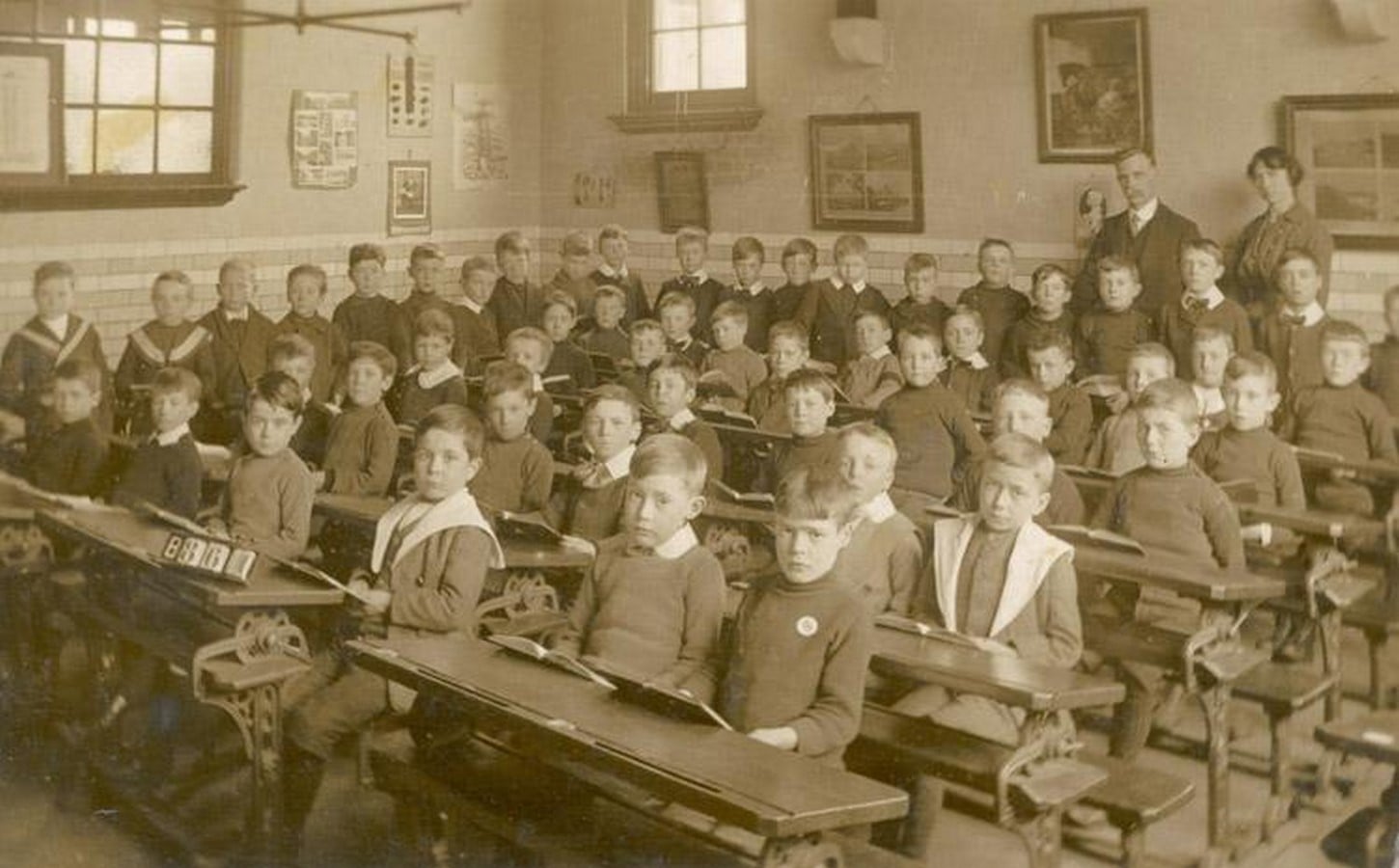
In recent times, the notion of education has moved away from being standardised and mass education to a knowledge-based, active process. The rise of technology has further forced this shift away from industrial-based learning.
The Role of Space in Emotional Development
School architecture of the 20th century emerged during the Industrial Revolution. Named the ‘factory model schools’ by Howard Lamb for their resemblance to factories. Toffler remarked, “The whole idea of assembling masses of students (raw material) to be processed by teachers (workers) in a centrally located school (factory) was a stroke of industrial genius. Thus, factories and schools during the industrial era closely resemble each other. Prussia then developed the model we follow today, grouping of children based on their date of birth, with the introduction of an examination system to allow promotion.
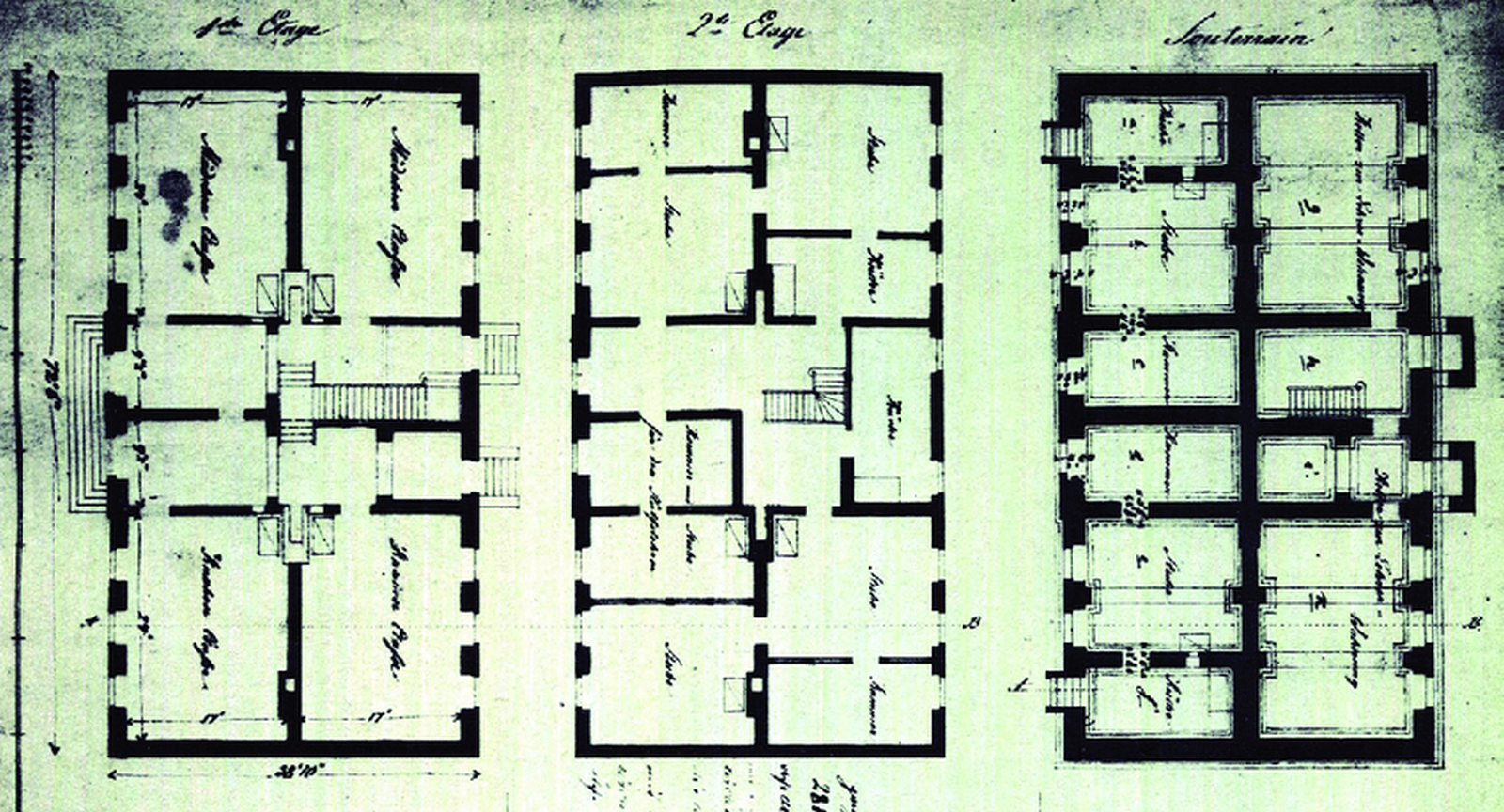
Researchers have explored how the immediate or physical aspects of the design of schools largely affect student learning. Schwartz demonstrated how the design of a school, through an innovative concept, saw a significant rise in math and science scores. Several researchers, such as Ortiz, also observed that intentional design provided for better social engagement, culture, collaboration, safety, and accessibility.
A study conducted in the UK analysed and identified the seven key parameters that have a proven effect on student learning and well-being, namely light, temperature, air quality, ownership, flexibility, complexity and colour.
Design Principles for Nurturing Learning Environments
Research conducted by Barrett et al introduced the idea of viewing these principles in three major categories, namely naturalness, individualisation and stimulation.
- Naturalness pertains to light, sound, temperature, air quality and links to nature. These are more specifically connected to children’s learning environments.
- Individualisation relates to ownership, flexibility and connection. Several studies have proved that personalised spaces are better for absorbing and recollecting information. When students feel ownership of the space of learning, greater levels of responsibility, involvement, and participation are seen. Tanner and Zeisel et al. demonstrated how clearly marked paths to activity areas provided an improved utilisation of space.
- Stimulation includes complexity and colour. The importance of creating a coherent and structured environment promotes focus and affects emotions and physiology.
Green School, Bali by IBUKU, PT Bambu
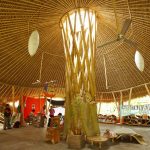
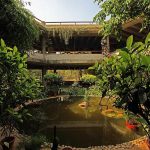
Located in Bali, Indonesia, the Green School, founded in 2008, provides an inspiring example of sustainable education with an emphasis on holistic education and environmental sustainability. The school has prioritised the inclusion of environmental, social, and economic dimensions of sustainability through the incorporation of energy-efficient systems, renewable energy resources, and sustainable materials. By the integration of environmental education across subjects and eco-friendly practices, this curriculum allows the students to experience and understand sustainability first-hand.
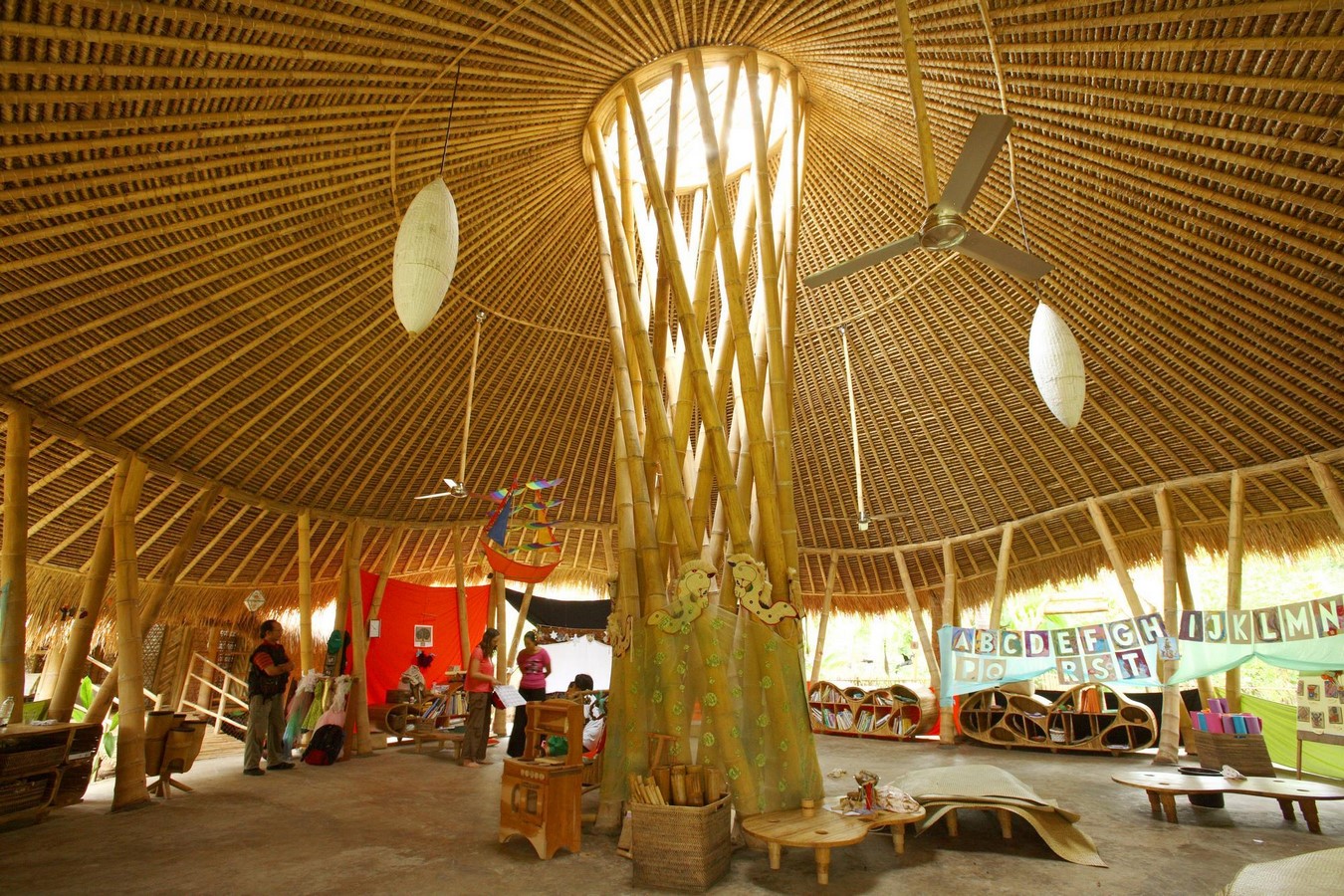
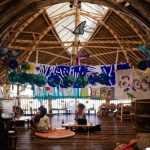
Referring to the three categories listed above, the Green School fulfills each in unique and sustainable ways. Openings were created with carefully calculated inclination angles to allow sunlight to penetrate deep into the spaces, while being covered with a recyclable plastic material to reduce heat gain but allow light. Built close to a river in Kaja Sibang also served as a natural coolant for the micro-climate of the school. Additionally, each classroom was designed without walls to allow for natural ventilation. Multiple spaces were created for the students throughout the campus, reimagining the idea of what modern education could look like.
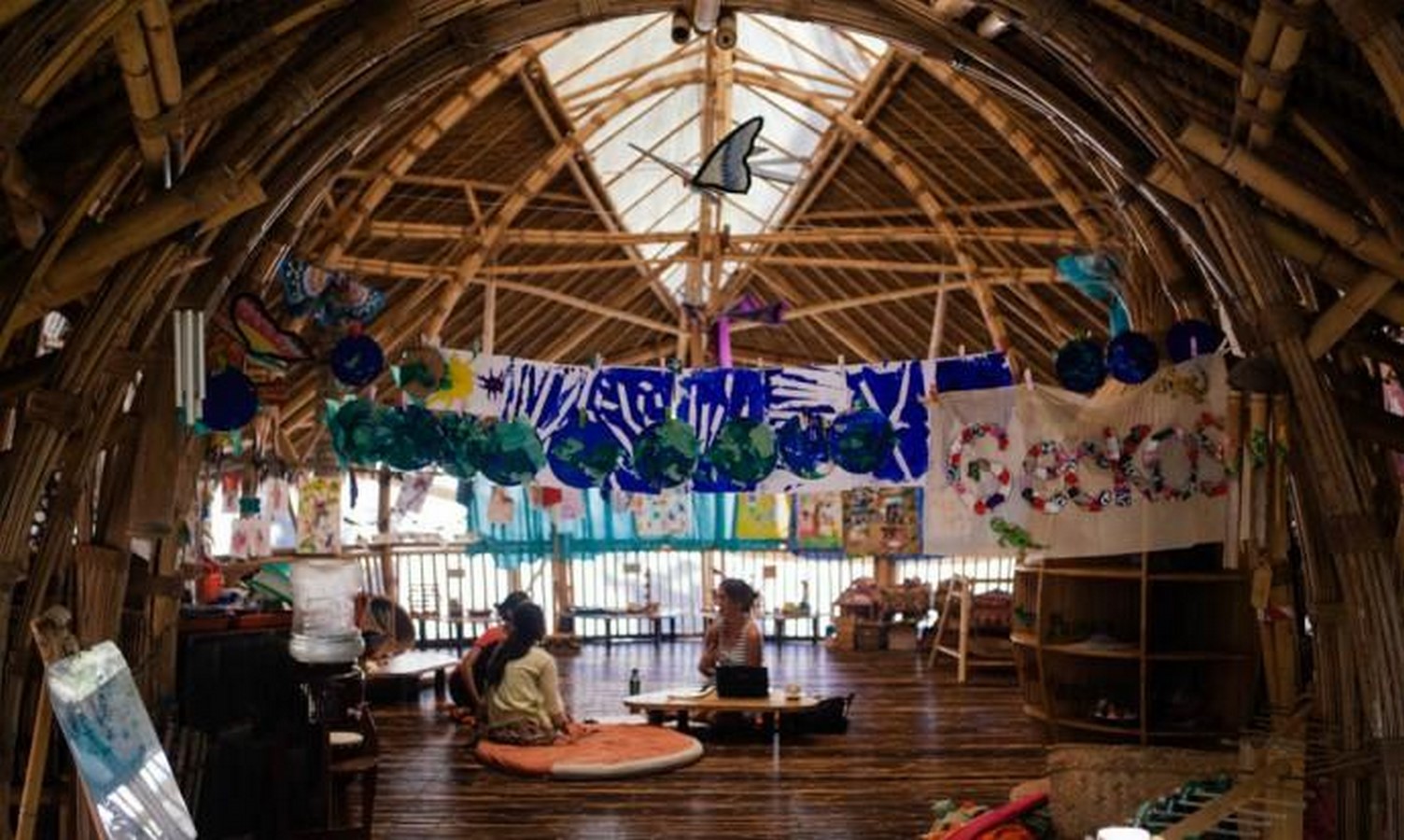
Since the architecture and design allow for flexibility, individuality, and adaptation, while being rooted in its immediate context and culture, the curriculum is modified to improve sustainable literacy among students.
Mirambika School, New Delhi by Studio for Habitat Futures (SHiFt)
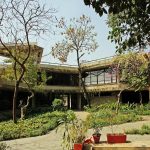
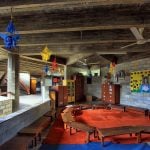
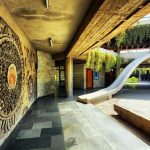
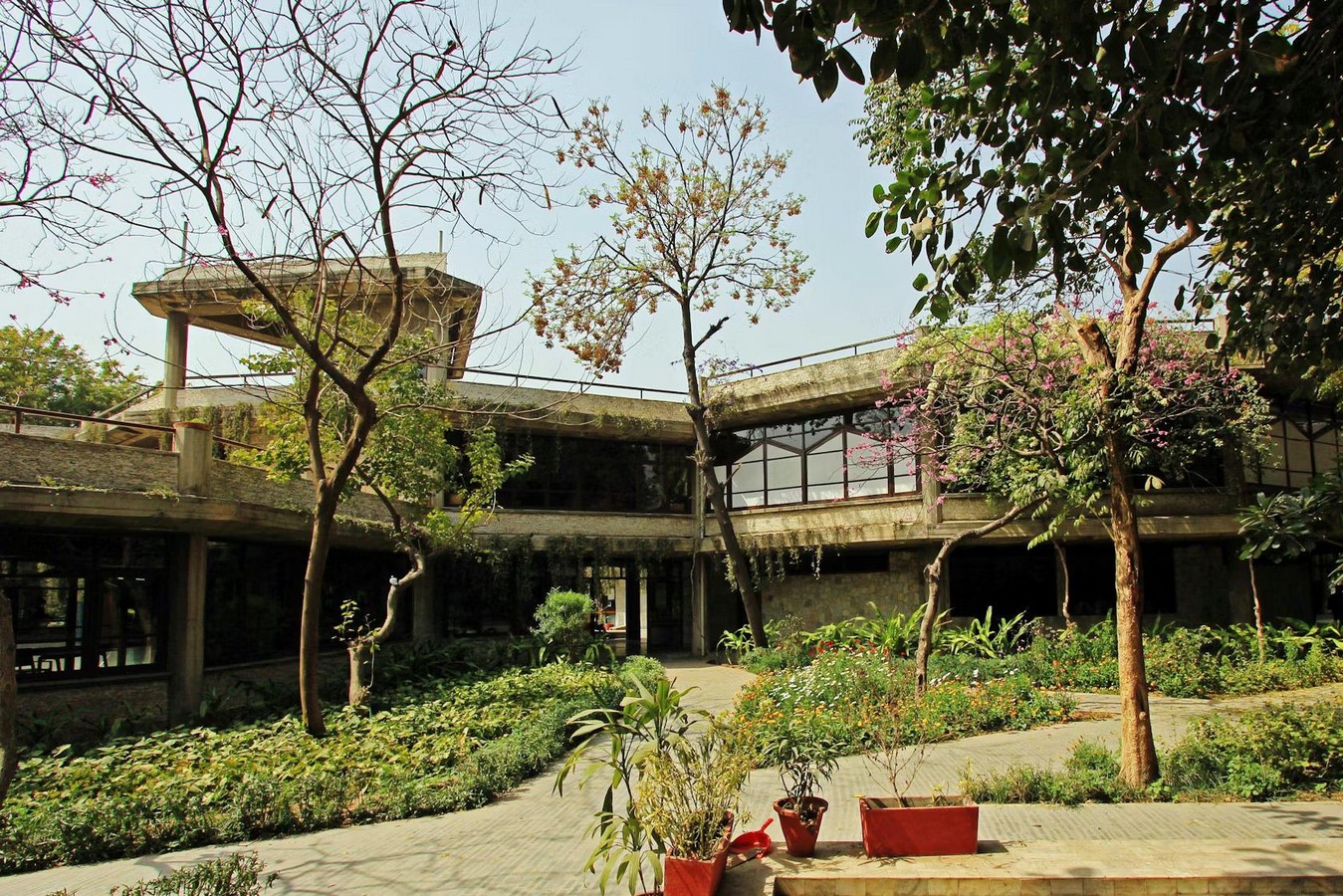
Titled the Mirambika School of Free Progress, this child-centric alternative school is located within the Sri Aurobindo Ashram in New Delhi. Built in 1981, its inherent goal was to develop children’s intrinsic potential by providing them with creative space and inner growth. Classes range from lower kindergarten to class VIII. What is different in this school is that the philosophy and ideology of its educational curriculum are mirrored in its architecture.
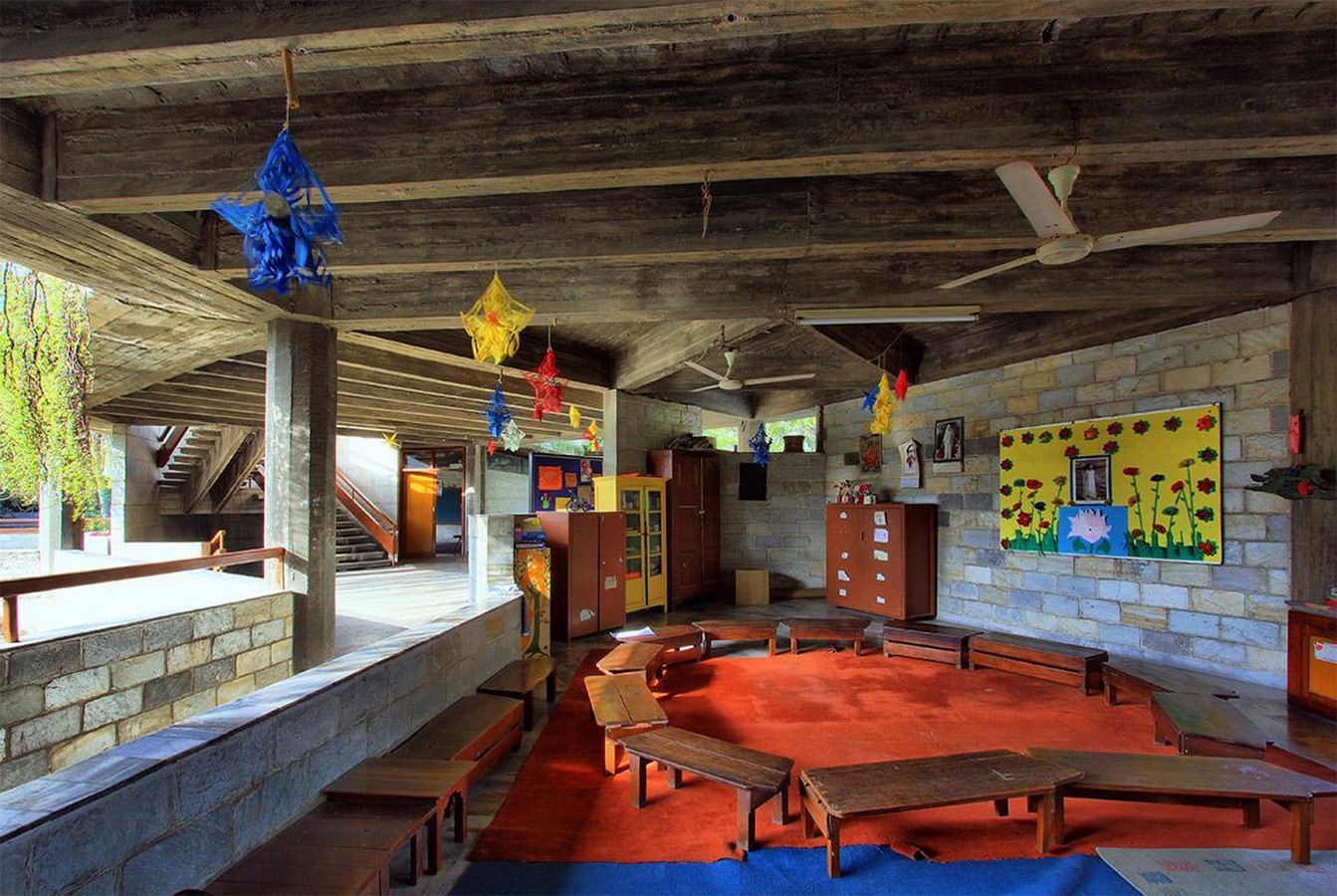
A modular grid of 7.2m forms the base of the structure, with the interconnecting concrete ribs dividing the slab into four or eight panels. This allows the movable walls to be shifted anywhere within the modular grid. Flexible electrical services on the underside of the slabs also allow for changing classroom arrangements. A participatory approach was undertaken during the planning process, such that only the module structure was fixed, while the infill walls and windows were kept adjustable. As part of the Ashram, the architects were also required to primarily work with natural and honest materials as a way to reflect the philosophy of Sri Aurobindo.
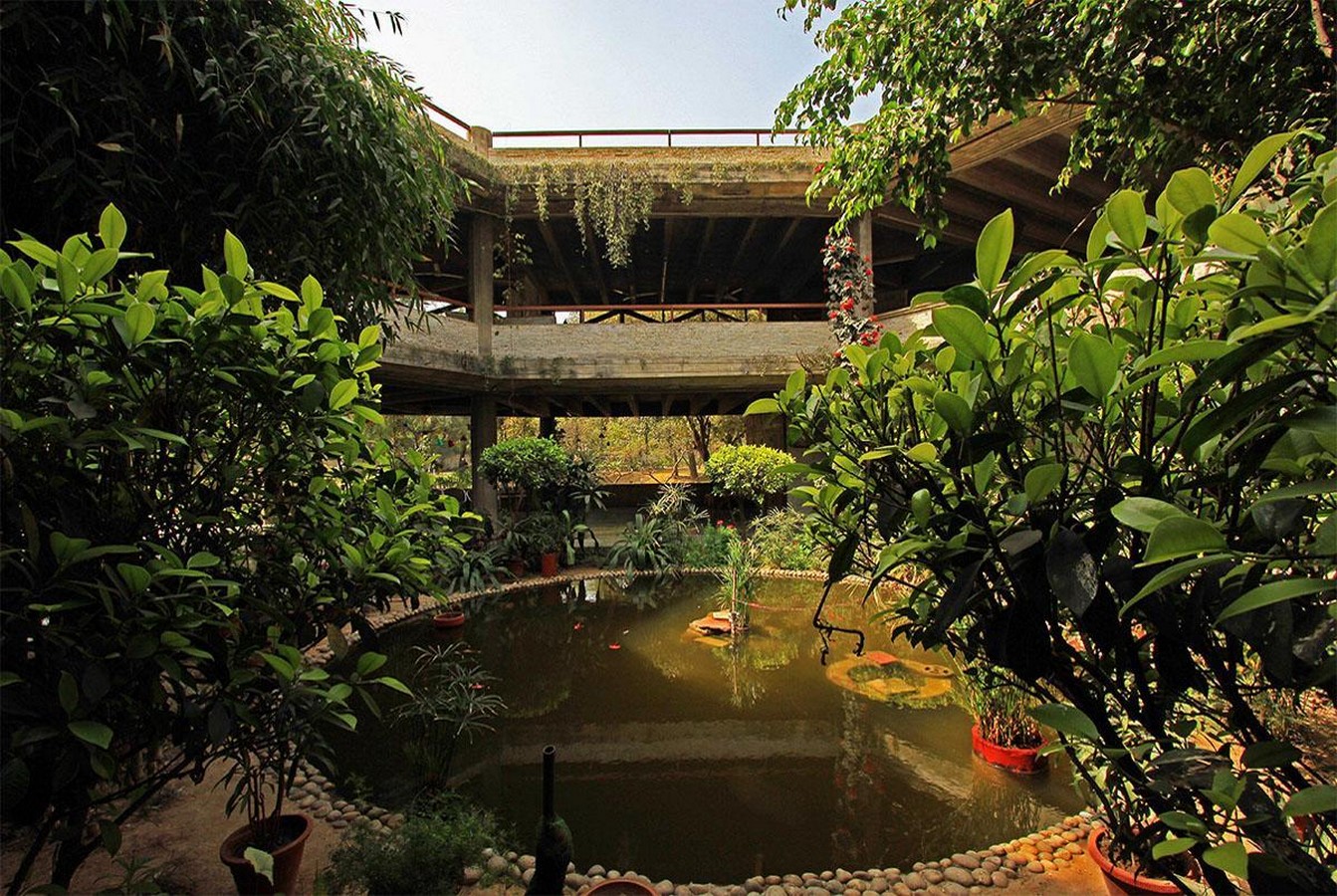
An intentional and periodic introduction of natural vegetation within each courtyard served as both transitional spaces as well as in correlation to the ideology of it being a ‘bridge between heaven and Earth.’ No two rooms were designed the same, with flexible spaces to aid students’ creativity and growth. Partition walls were kept low height to create a relatable design for the students. Naturally lit spaces with good ventilation and responsive to Delhi’s harsh climate, promoted comfort and a positive association for children within the school.
Emotional-First Educational Spaces
What both these examples provide is the importance of putting students, especially children, first during the design process. When appropriate attention is given to intentional design, educational spaces will not only promote comfort and creativity but also heightened attention and interest. Several researchers have proved that good design has resulted in better student outcomes even in traditional curricula.
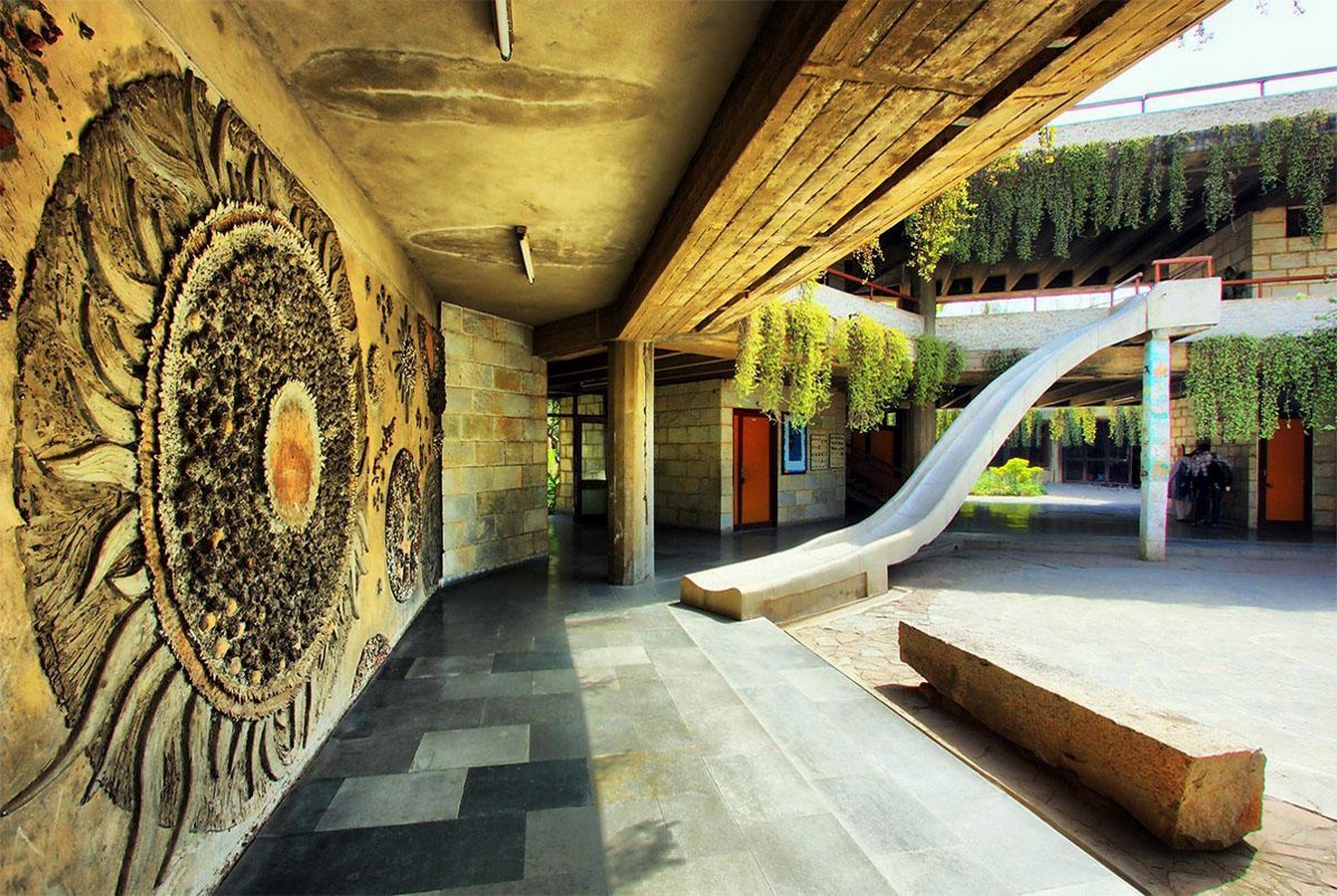
Children today spend an increasing amount of time in several institutions over their lifetime, thus creating spaces that teach empathy and create identities is not just an aesthetic choice, but also a cultural shift. This points towards nurturing emotionally aware and compassionate individuals in an increasingly complex world.
References:
Barrett, P. et al. (2015) ‘The impact of classroom design on pupils’ learning: Final results of a holistic, multi-level analysis’, Building and Environment, 89, pp. 118–133. doi:10.1016/j.buildenv.2015.02.013.
Labib, S.N.S. (2022) Rethinking School Design to meet 21st Century Learning Demands: The Case of Egyptian Governmental Schools. thesis. Available at: https://iusd.asu.edu.eg/wp-content/uploads/2022/11/Sandra-Nabih-Samir-Labib-MSc-Thesis.pdf (Accessed: 06 December 2025).
Atwa Eldek, M.H. et al. (2024) ‘Exploring the role of Technology and Innovation in Vernacular Architecture: A Case Study of the Green School in Bali’, International Journal of Scientific and Research Publications, 14(2), pp. 26–36. doi:10.29322/ijsrp.14.02.2023.p14605.
Kaushal, S. (2014) ‘A Case Study of Mirambika: a Child-friendly Approach to Pre-school Education’, The Primary Teach, XXXIX(1 and 2), pp. 14–22. doi:ISSN 0970-9282.
Contents, W. (2020) Mirambika School, New Delhi – A divergent education experience, World Architecture Community. Available at: https://worldarchitecture.org/architecture-news/eemnc/mirambika-school-new-delhi–a-divergent-education-experience.html (Accessed: 06 December 2025).