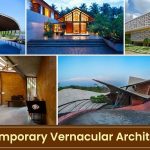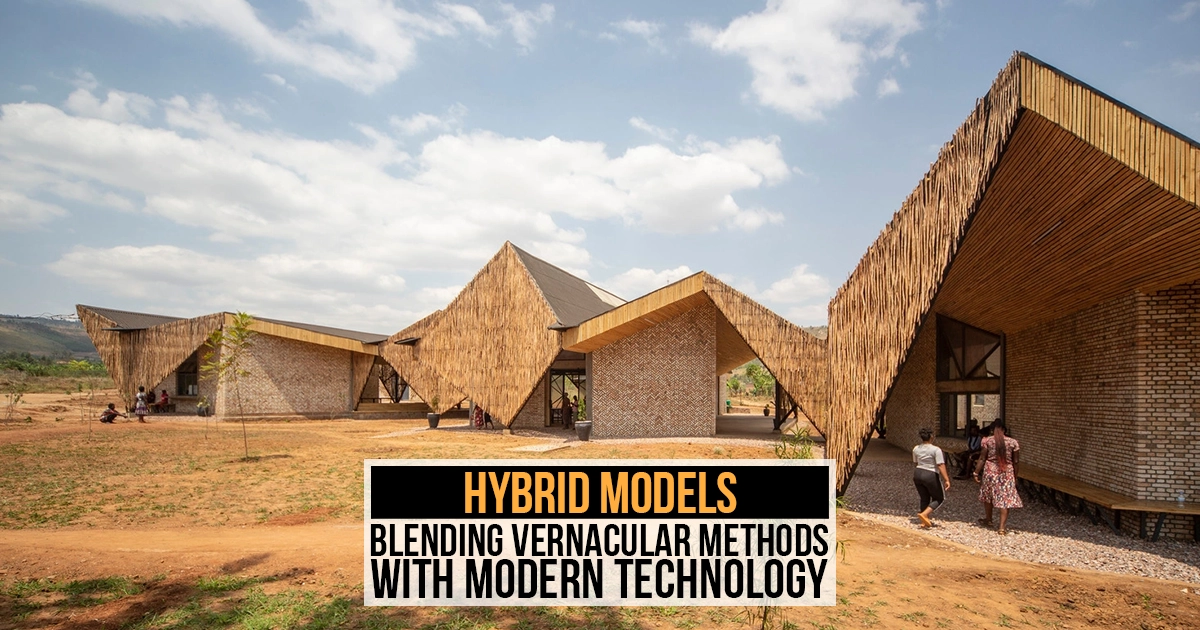
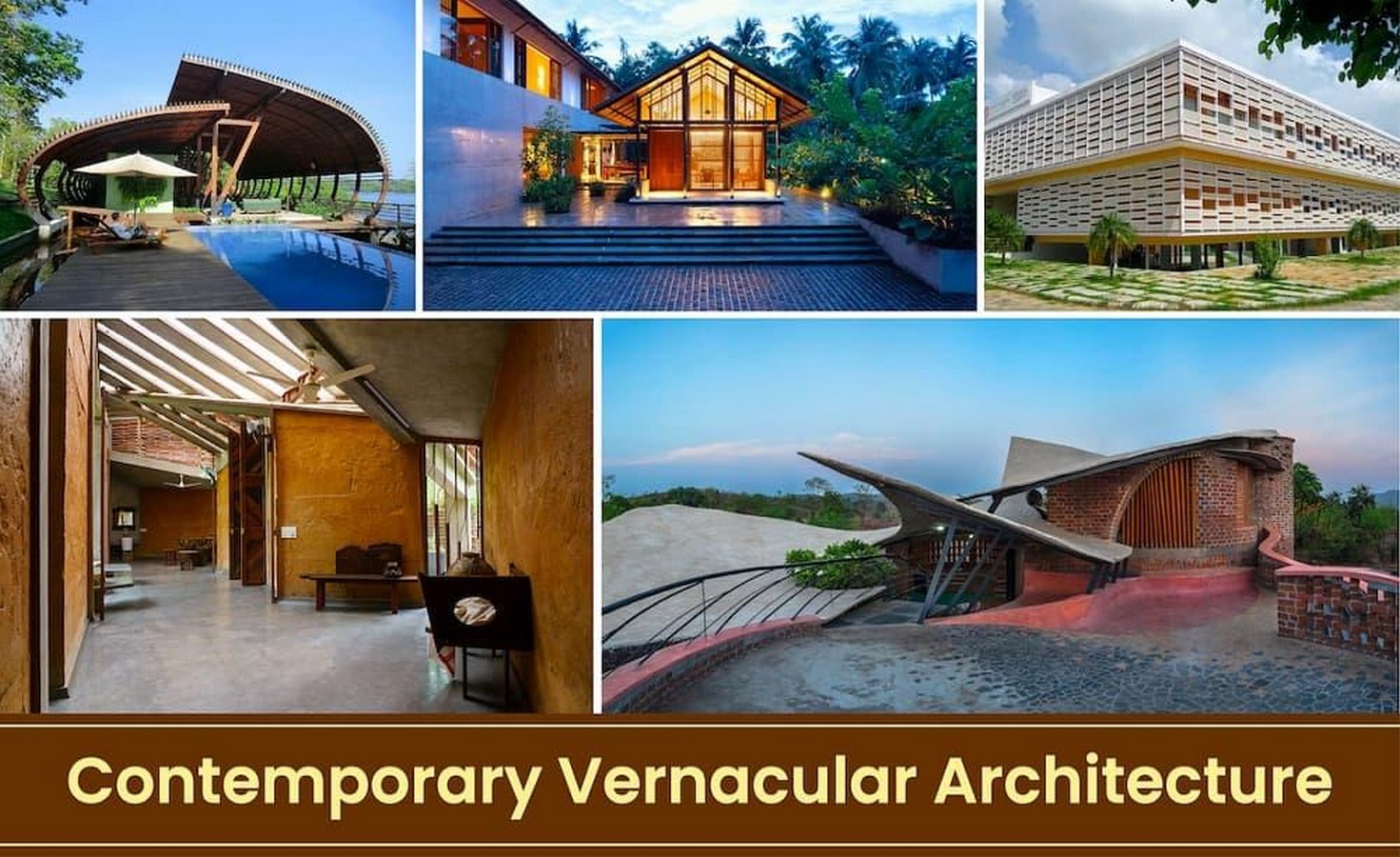
Today, architecture perfectly illustrates how tradition can still live together with innovation. Hybrid models, i.e., design approaches that involve the use of vernacular building methods combined with modern technologies, are becoming a new face of architecture.
An almost necessary response to the problems of global warming, rapid urbanization, and the increasing demand for sustainable development. Actually, these models are an explicit indication that moving forward does not mean moving away from your roots, but rather, it means learning from them.
The Value of Vernacular Knowledge
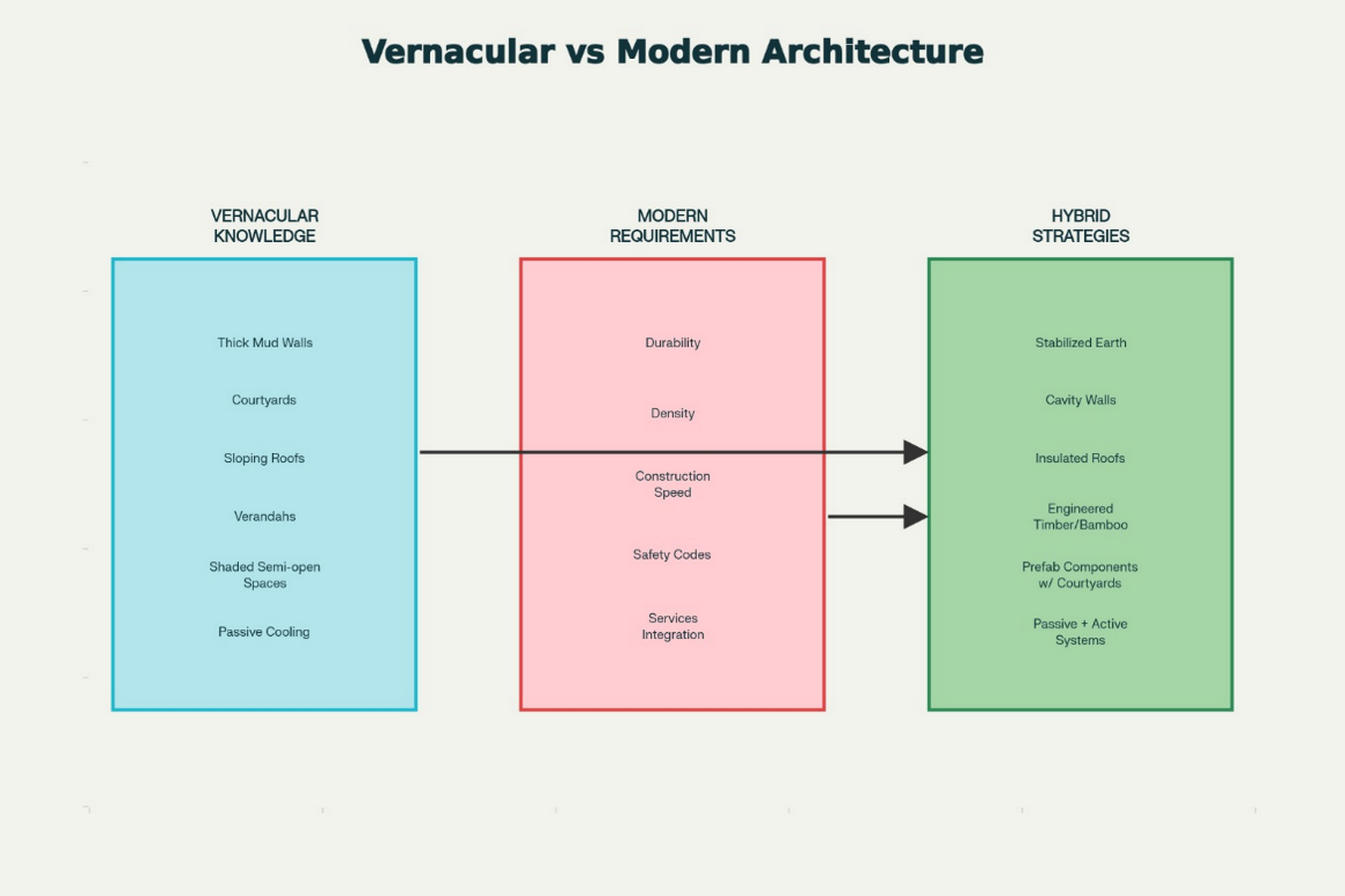
Vernacular architecture is a product of the climate, the culture, and the local materials used. Thick mud-walled houses, courtyard houses, sloping roofs, and verandahs, together with their shades, were all developed gradually through testing and error. All these naturally regulate temperature, ensure air ventilation, and create comfortable interior spaces without any mechanical cooling.
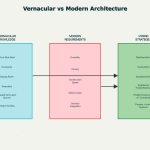
However, traditional methods alone often cannot address modern requirements for durability, density, construction speed, and safety standards. Despite their strengths, vernacular methods depend on modern engineering in rapidly expanding cities.
The Power—and Limits—of Modern Technology
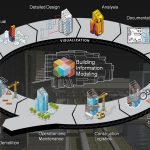
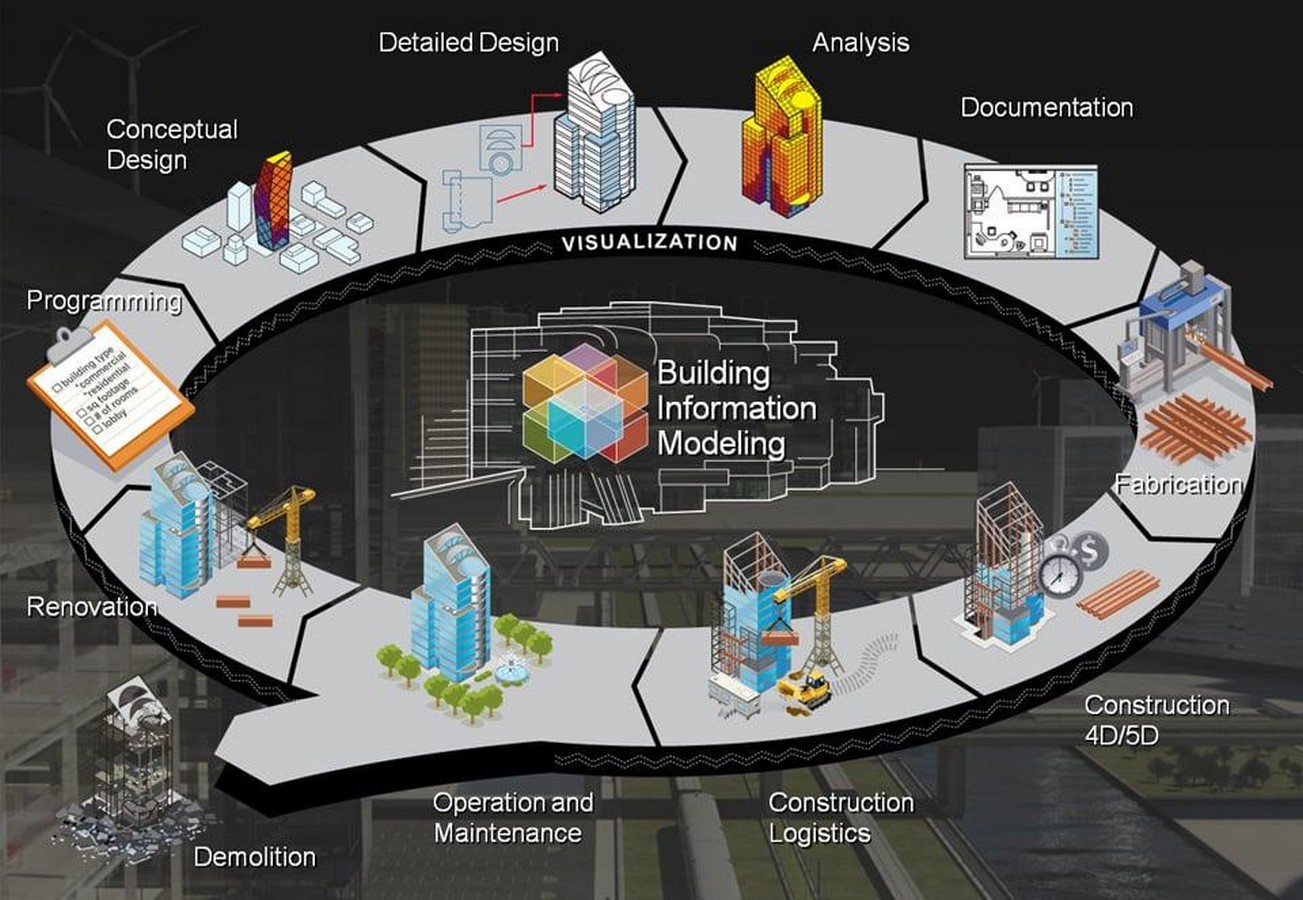
Modern construction relies on reinforced concrete, advanced glazing, steel systems, and mechanical HVAC. Digital tools, energy simulations, and BIM enable architects to accurately predict building performance.
Nonetheless, what is deemed to be very contemporary has also come to mean that the buildings are not environmentally friendly and culturally appropriate, and that they use a lot of energy. This is precisely where hybrid models rescue by mixing modern precision with old-time wisdom.
Material Innovations: Old Techniques, New Technologies
Most of the strength of hybrid architecture is in its re-interpretation of traditional materials:
Earth is being reinvented by means of stabilized rammed earth, compressed earth blocks, and 3D-printed earth structures. These methods are, at the same time, addressing the thermal aspects of natural earth and making the product more robust and long-lasting.
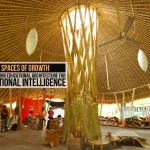
Bamboo, which is a very common material in numerous tropical areas, is being fabricated and treated to make it a high-performance material, and if modern joinery techniques are used, the end product will be of high quality.
Stone, lime, thatch, and timber are getting new options from the upgraded preservation methods and structural analysis.
Hybrid models reduce the carbon footprint by reintroducing the use of local and energy-efficient materials while also maintaining structural efficiency.
Passive Vernacular Strategies Enhanced by Technology
Some of the traditional architectural features, such as courtyards, jaalis, wind towers, verandas, and deep overhangs, are nature’s air conditioners. Presently, through computational fluid dynamics, daylight analysis, and other digital simulations, architects are able to make use of these features in contemporary layouts as well.
Such is the result of the work:
Reduced reliance on artificial cooling, enhanced natural lighting, improved thermal comfort, and lower energy costs. In this scenario, the vernacular concepts are still preserved, but their execution gets more accurate and flexible.
Cultural and Spatial Identity
Hybrid architecture is a means through which cities acquire a character. In a time when most of the modern buildings are similar to each other, the introduction of local patterns, proportions, and materials, together with spatial traditions, can help regain the lost cultural identity.
Buildings become more approachable, significant, and the feeling of connection with the community develops. Hybrid models do not copy old looks; rather, they transform cultural memory into contemporary design.
Empowerment of Local Communities and Craftspeople
Vernacular building depends on the following skilled workers: carpenters, masons, bamboo workers, stone craftsmen, and mud builders. With the support of hybrid models, they are coming back to the construction processes.
Some of the advantages are:
The continuation of folk skills, creation of local jobs, knowledge sharing between craftsmen and architects, and increased community participation in construction activities Furthermore, it facilitates the incorporation of ancient skills in contemporary works, thereby promoting social sustainability.
Challenges in Implementing Hybrid Models
This hybrid approach is very promising but still has several problems:
Regulations related to construction may disallow the usage of certain types of natural materials. They usually consider traditional methods as “weak” or “old-fashioned” ones. Utilizing vernacular aesthetics superficially without recognizing their function may weaken design. The lack of skilled workers in certain locations may lead to a slower implementation process to address these issues effectively. One needs to conduct research and testing, raise awareness, and facilitate cooperation between architects, engineers, and the local community.
A Future Based on Integration
They signify a deliberate evolution whereby the choice between tradition and technology does not have to be made, as they function jointly. By mixing vernacular knowledge with contemporary innovation, architects can make structures that are not only environmentally friendly but also culturally grounded and socially beneficial. Accordingly, the future of architecture is not a question of discarding the past, but rather ingeniously incorporating it into the current-day solutions, which lead to the creation of buildings that both honor the heritage and satisfy the requirements of today.
Citations:
- ArchDaily. (2021). Hybrid Architecture: Combining Digital Design and Vernacular Crafts. [online] Available at: https://www.archdaily.com/968825/hybrid-architecture-combining-digital-design-and-vernacular-crafts/
- Re-Thinking The Future. (n.d.). How can vernacular elements be implemented in modern architecture? [online] Available at: https://www.re-thinkingthefuture.com/architectural-styles/a5682-how-can-vernacular-elements-be-implemented-in-modern-architecture/
- ARENA Journal of Architectural Research. (2025). Bridging an imagined divide: Vernacular architecture in a digital world. [online] Available at: https://ajar.arena-architecture.eu/articles/10.55588/ajar.503
- Architizer. (n.d.). Hybrid Construction: A New Era in Architectural Construction. [online] Available at: https://architizer.com/blog/practice/materials/hybrid-construction-new-era-in-architectural-construction/ Architizer+1