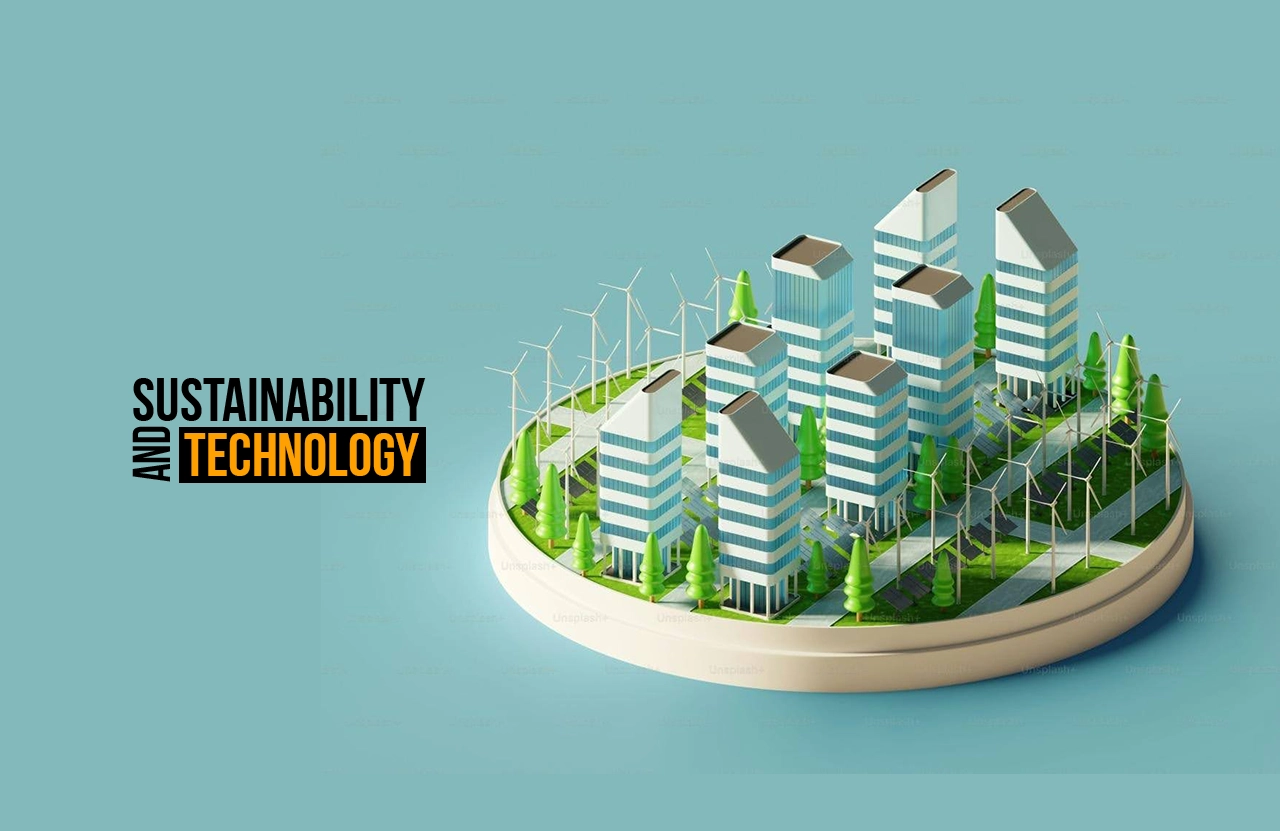
Contemporary global challenges are increasingly shaped by issues of global sustainability, rapid urbanization, and industrial growth. These interconnected forces intensify major environmental problems such as climate change, energy shortages, and ecological degradation. Among the sectors contributing significantly to these challenges is the construction industry, which consumes vast amounts of energy and is responsible for a substantial share of global carbon emissions. As urban populations grow and cities expand, the relationship between sustainability becomes increasingly critical in shaping the future of the built environment.

Sustainability is controversial, debatable, and often ambiguous to define in a single framework in contemporary developments. Sustainability encompasses environmental, economic, and social dimensions. It refers to the development of practices that meet present needs while preserving resources and ecological systems for future generations. Therefore, integrating technological innovation into sustainable development strategies becomes essential to address environmental challenges.
Sustainability, Technology, And Global Development

Referring to the United Nations’ SDGs requires an integrated approach that considers environmental protection alongside social and economic interactions. Monitoring these changes happening over time allows us to evaluate the current sustainable practices. Technological tools have played a key role in enabling this type of monitoring analysis. Following technological advancements, digital technologies have significantly strengthened sustainability research and planning. For instance, a geographical information system (GIS) provides a system to monitor environmental changes, for collecting and analyzing spatial relationships, and simulating future environmental scenarios.
However, technological advancements are not inherently sustainable. While technology may increase efficiency and reduce environmental impact, it can also accelerate resource consumption if implemented without proper planning. Therefore, it is essential to understand the adoption of these technologies to achieve better sustainability goals. (Khan 2023) When applied carefully, they can help support sustainable urban systems by improving environmental monitoring and resource use.
Urban Sustainability
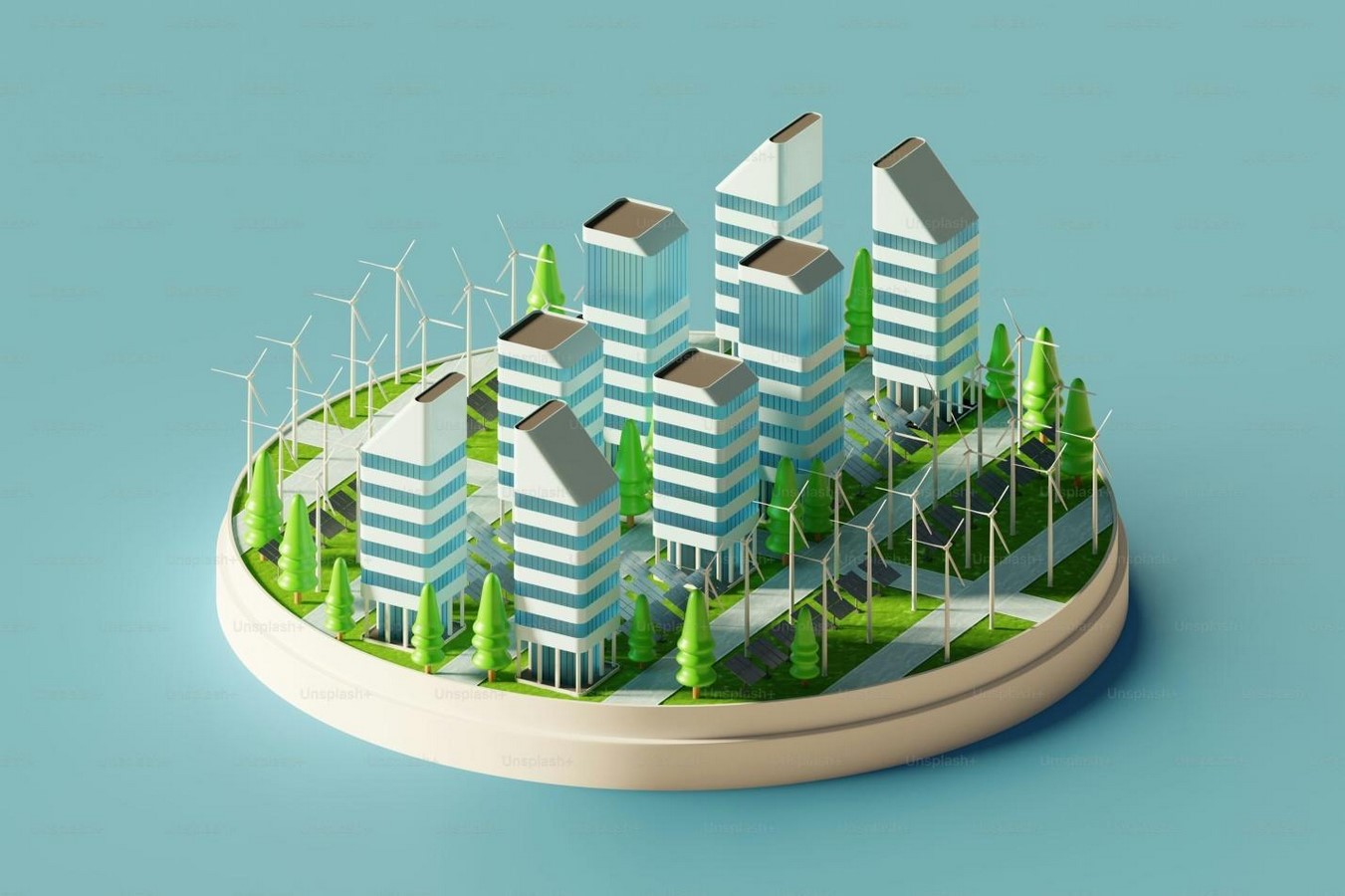
Urban sustainability has been defined in various ways, based on the criteria and emphases. According to Newman (1999), the fundamental goal of urban sustainability is to promote the long-term well-being of earth and the residents. That requires efficient use of natural resources and production of wastes within a city region while simultaneously improving its livability, through social amenities, economic opportunity, and health. Because growing proportions of the world’s population and economic activities are concentrated in urban areas. While urban areas can be centers for social and economic mobility, they can also be places with significant inequality and environmental degradation. A large proportion of the world’s population with unmet needs lives in urban areas.
Although cities concentrate people and resources, and this concentration can contribute to their sustainability, it is also clear that cities themselves are not sustainable without the support of ecosystem services, including products from ecosystems such as raw materials and food, from nonurban areas. Indeed, it is unrealistic and not necessarily desirable to require cities to be solely supported by resources produced within their administrative boundaries. Urban environmental sustainability encourages revitalization and transformation of urban areas to improve livability, promote innovation, while reducing environmental impacts. These efforts aim to promote innovation, strengthen economic opportunities, and create social benefits while minimizing ecological damage.
Models of sustainable cities
Urban sustainability is a multistate and multidimensional issue that not only centers on but transcends urban jurisdictions, and which can only be addressed by durable leadership, citizen involvement, and regional partnerships, as well as vertical interactions among different governmental levels. It requires horizontal and vertical integration across multiple levels of governance, guided by four principles: the planet has biophysical limits, human and natural systems are tightly intertwined and come together in cities, urban inequality undermines sustainability efforts, and cities are highly interconnected.
Several models have emerged to describe different approaches to sustainable urban development. The resilient city focuses on the capacity of individuals, communities, institutions, and infrastructure systems to withstand and adapt to environmental, economic, and social disruptions. The green city emphasizes ecological planning and environmental design strategies that support both natural ecosystems and human communities. The low-carbon city prioritizes reducing greenhouse gas emissions through sustainable transportation systems, energy-efficient buildings, and circular economic practices within the construction sector.
The inclusive city addresses spatial, social, and economic inequalities by promoting equitable access to urban resources and opportunities. The healthy city focuses on creating environments that support physical and mental well-being. The circular city emphasizes resource efficiency and waste reduction by reintegrating materials back into production cycles.
Urban Sustainability Dimensions

Urban sustainability can also be understood through several interconnected dimensions. The environmental dimension recognizes that humans are part of natural ecosystems and must respect ecological limits while protecting environmental resources.
The economic dimension emphasizes economic systems that serve the common good, promote long-term resilience, and strengthen local economies. The social dimension highlights equal opportunities for participation in social, cultural, and economic life. Finally, the political dimension emphasizes inclusive governance structures that enable citizens to participate in decision-making processes.
Another important idea related to urban sustainability is livability, which evaluates the quality of life in cities. According to the Economist intelligence, cities are assessed using more than thirty qualitative and quantitative indicators across five categories: stability, healthcare, culture and environment, education, and infrastructure. These indicators help determine whether urban living conditions are comfortable, tolerable, or undesirable.
Technology and sustainable architecture
Technological innovation is increasingly shaping sustainable architecture practices. One of the most influential tools in this area is Building information Modeling(BIM).BIM enables architects, engineers, and planners to create digital models of buildings that integrate structural, environmental, and energy-related data into a unified system.
Through BIM, designers can analyze energy performance, evaluate sustainable materials, and optimize building orientation and ventilation strategies before construction begins. BIM also supports advanced energy modeling, life-cycle assessments, and integration of renewable energy systems.
When combined with emerging technologies such as the Internet of Things (IoT), BIM allows buildings to be monitored and managed more efficiently throughout their lifecycle. According to research, BIM-based green building design can reduce energy consumption by approximately 20–32 percent and carbon emissions by 18–30 percent (Li, 2025).
The relationship between sustainability and technology is becoming increasingly central to the future of urban development and architectural practice. As cities continue to expand and environmental pressures intensify, integrating technological innovation with sustainable design principles offers a pathway toward more resilient and environmentally responsible urban environments.
Through tools such as GIS, BIM, and digital urban planning systems, architects and planners can better understand environmental impacts, optimize resource use, and design cities that support both human well-being and ecological balance. Ultimately, sustainable development requires not only technological advancement but also thoughtful governance, inclusive participation, and a long-term commitment to protecting the planet for future generations.
Reference:
European Environment Agency (EEA) (2022) Sustainable urban development: Contemporary opportunities and challenges in developing more sustainable cities. Available at: https://www.eea.europa.eu/downloads/ad534d6b69c849c7a6709b202cb44cca/1665408903/urban-sustainability.pdf (Accessed: 21 February 2026).
Economist Intelligence Unit (EIU) (n.d.) Liveability Index. Available at: https://www.eiu.com/topic/liveability (Accessed: 21 February 2026).
Khan, M. (2023) ‘Technological advancements and sustainability adoption’, Technology and Sustainability Studies. Available at: https://www.sciencedirect.com/science/article/pii/S0160791X23000453 (Accessed: 21 February 2026).
Li, Z. (2024) ‘Digital technologies and sustainable construction systems’, Sustainability, 16(11), 4499. Available at: https://www.mdpi.com/2071-1050/16/11/4499 (Accessed: 21 February 2026).
National Academies of Sciences, Engineering, and Medicine (2016) Pathways to Urban Sustainability: Challenges and Opportunities for the United States. Washington, DC: The National Academies Press. Available at: https://doi.org/10.17226/23551 (Accessed: 21 February 2026).
Whole Building Design Guide (n.d.) Green principles for residential design. Available at: https://www.wbdg.org/resources/green-principles-residential-design (Accessed: 21 February 2026).
Corey Lee Designs (n.d.) Five responses to urban sustainability challenges. Available at: https://www.coreyleedesigns.com/IZa/what-are-five-responses-to-urban-sustainability-challenges (Accessed: 21 February 2026).
LinkedIn (n.d.) Sustainability in interior design: What is worth knowing today. Available at: https://www.linkedin.com/pulse/sustainability-interior-design-what-worth-knowing-today (Accessed: 21 February 2026).