Seeing Architecture through the Mind
Architecture has always been experienced through the human senses. While buildings are designed as physical structures, the way people perceive them is deeply psychological. For decades, architectural photography served primarily as a medium for documenting buildings or presenting them aesthetically. However, recent developments in neuroscience and visual perception studies suggest that architectural images do far more than simply represent space—they actively shape how the human brain interprets architecture.
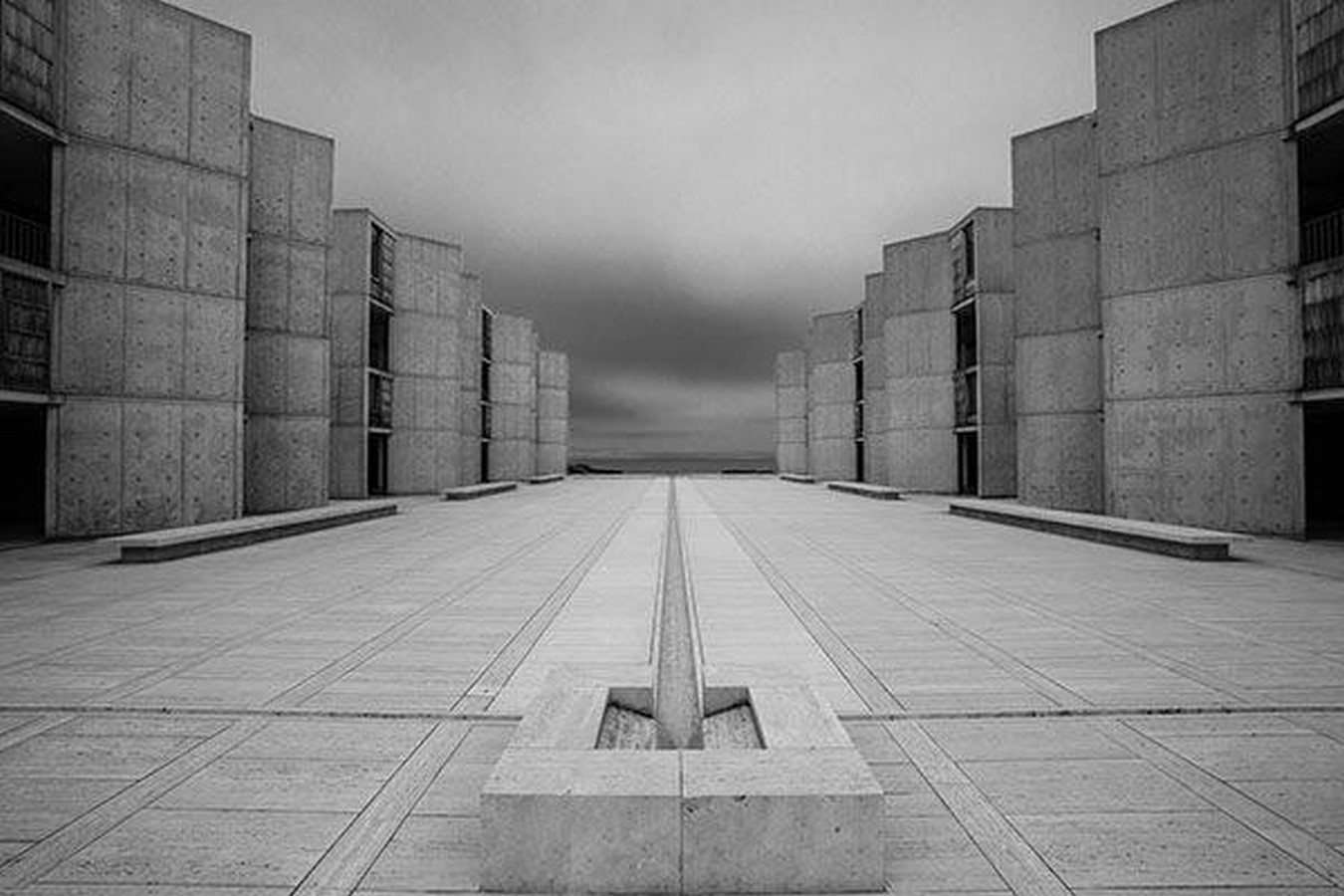
The emerging field of neuro-aesthetics examines how visual stimuli influence cognitive and emotional responses. When applied to architectural photography, it reveals that elements such as symmetry, contrast, light, spatial framing, and repetition can trigger measurable neurological reactions. Photographers are therefore not just recording architecture; they are constructing visual experiences that guide the viewer’s perception of space.
In the digital age, where architecture is often encountered first through images rather than physical experience, understanding the psychological impact of architectural photography has become increasingly important. The lens no longer merely captures buildings—it interprets them.
Why the Human Eye Searches for Order?
Human visual perception is far from random. The brain constantly seeks patterns that simplify complex environments. This tendency is rooted in evolutionary survival mechanisms that allowed humans to quickly interpret landscapes, detect movement, and identify shelter.
In architectural imagery, viewers naturally focus on elements such as edges, vertical lines, openings, and contrasting surfaces. These features help the brain reconstruct spatial depth from a two-dimensional image.
Repetition and symmetry also play an important role in visual comfort. Architectural compositions that contain repeating forms—columns, windows, structural grids—allow the brain to process information efficiently. This concept is often referred to as visual fluency, where images that are easier for the brain to decode are perceived as more aesthetically pleasing.
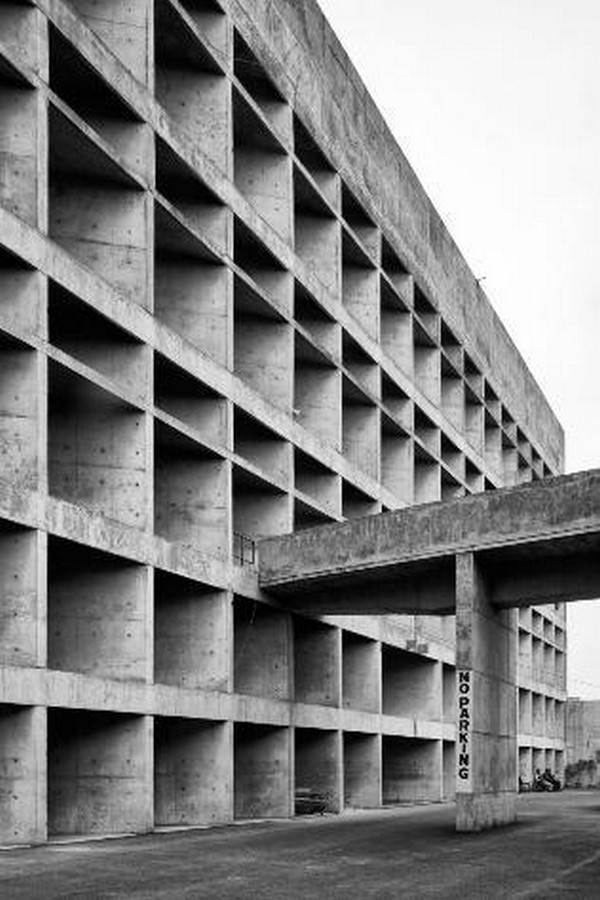
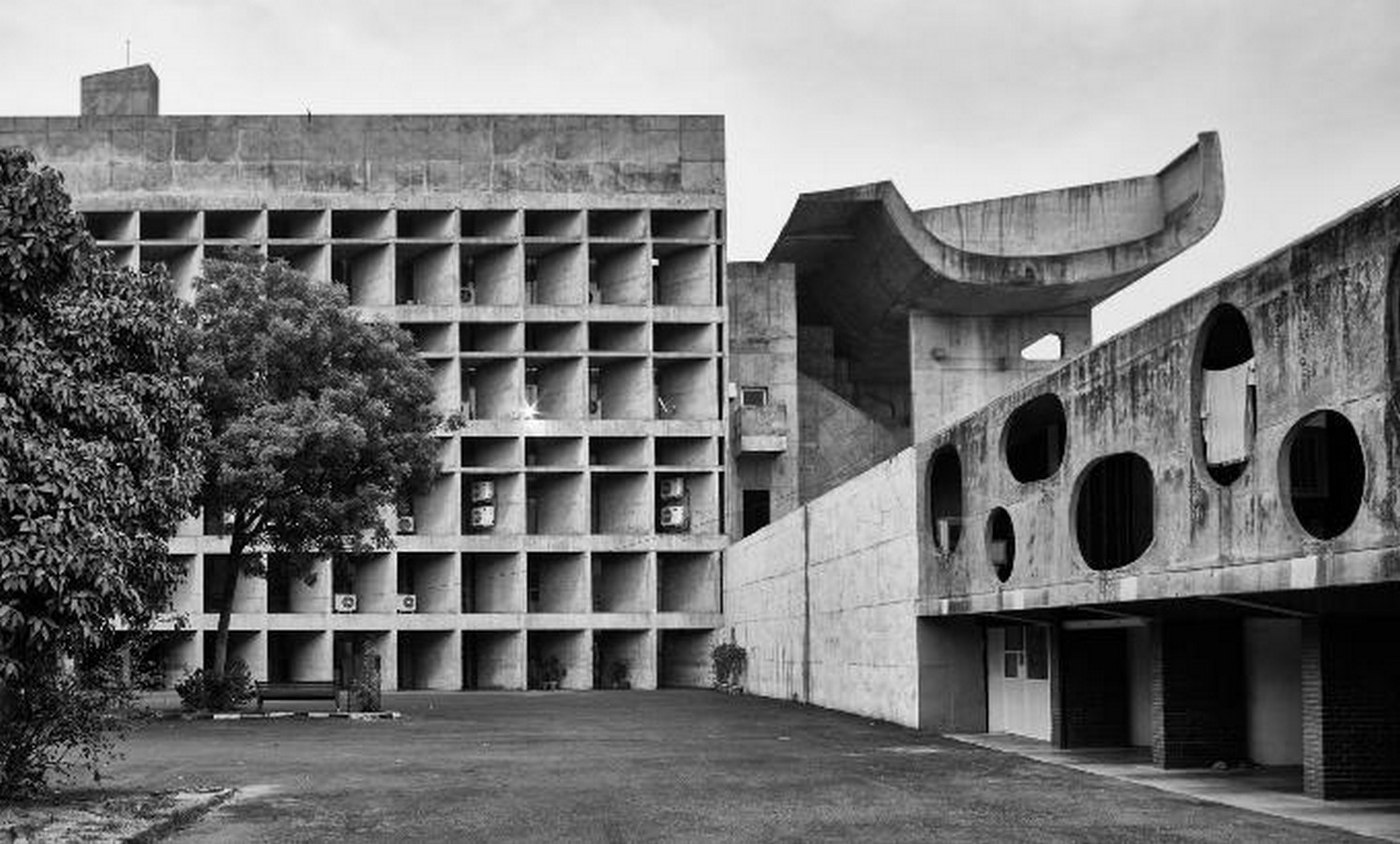
For photographers, understanding this cognitive preference for order allows them to frame buildings in ways that feel intuitive and visually satisfying.
The Power of “Le Corbusier’s Shadow”
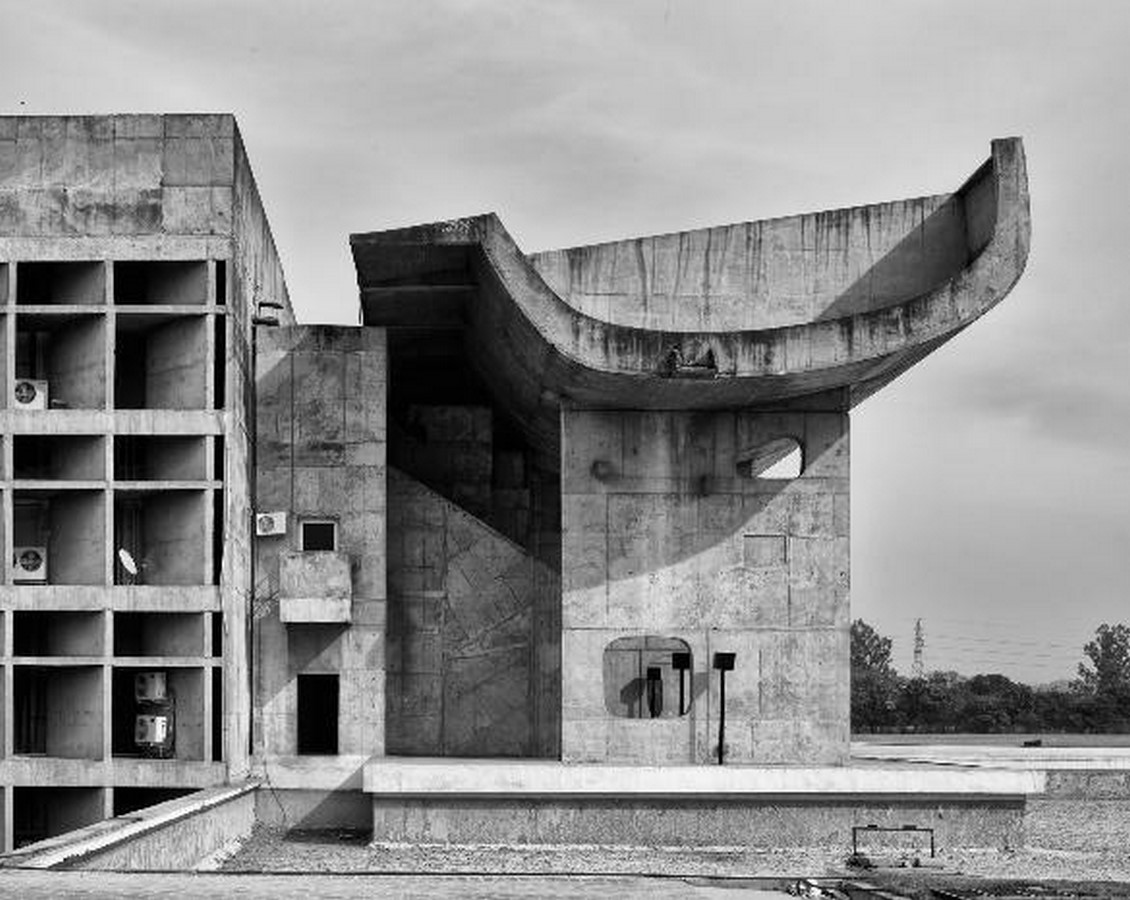
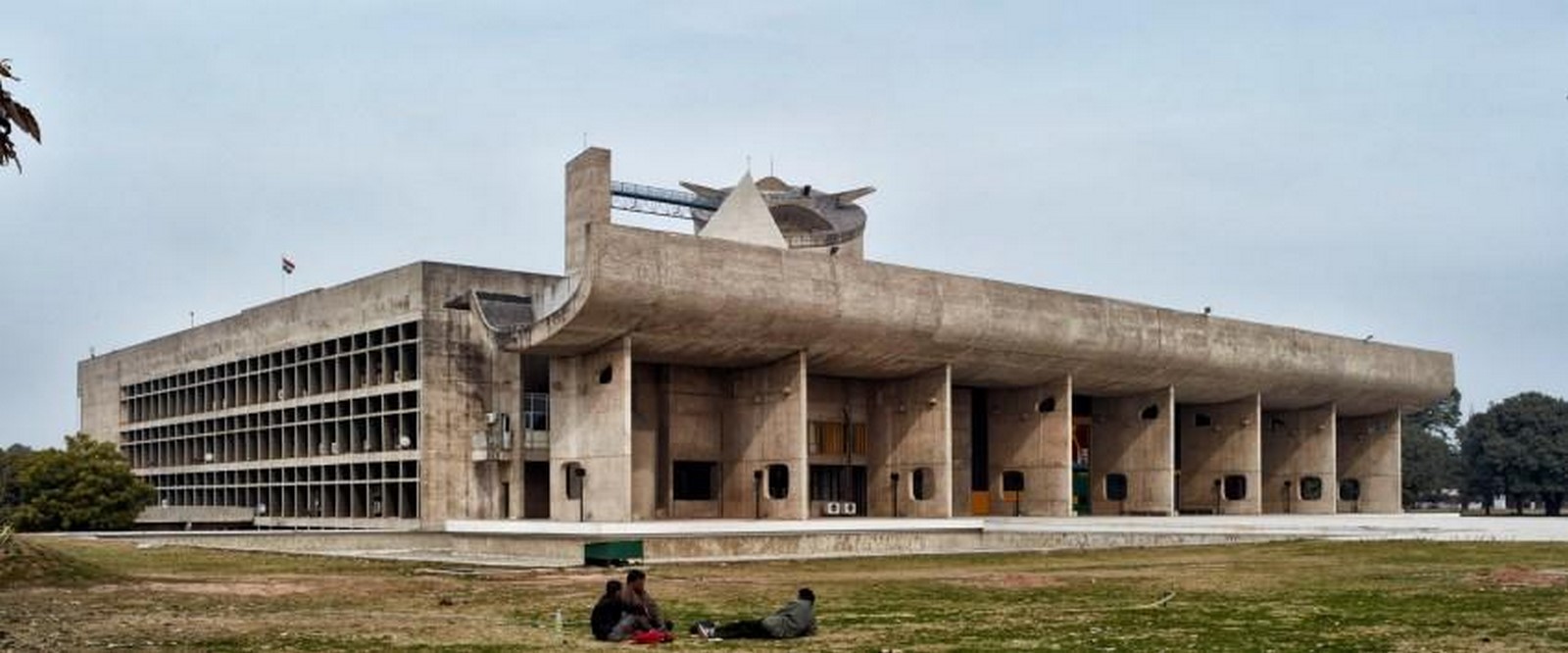
Le Corbusier famously described architecture as “the learned game, correct and magnificent, of forms assembled in the light.” While light is central to architectural expression, neuro-aesthetic perspectives suggest that the emotional power of architecture is often revealed through its shadows.
The human brain is designed to understand three-dimensional environments. When architecture is viewed in photographs, however, the brain must interpret depth from a flat surface. Photographers therefore rely on strong contrasts between light and dark to reconstruct the spatial experience.
This visual technique, known as chiaroscuro, allows shadows to define the edges of architectural forms. Deep shadow lines create the perception of thickness, depth, and material weight.
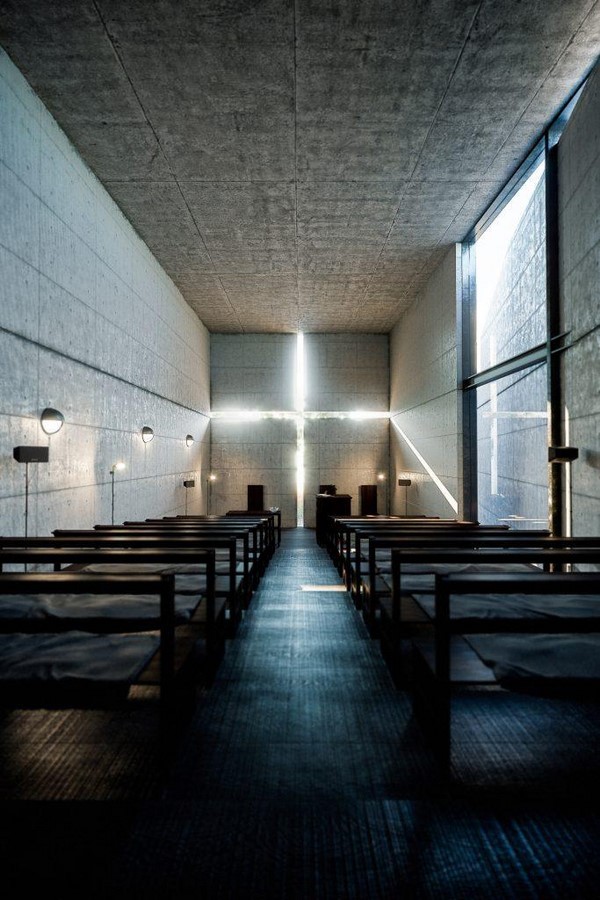
Psychologically, this contrast also triggers the Prospect and Refuge theory, developed by Jay Appleton. According to this theory, humans instinctively prefer environments where they can observe their surroundings while having access to protective shelter.
Architectural images that show bright open spaces paired with darker recesses subtly recreate this evolutionary condition. A sunlit courtyard framed by shaded corridors, for instance, creates a sense of spatial security. Through this interplay of light and darkness, the photograph enables viewers to mentally engage with the architecture rather than simply observe it.
The First Three Seconds: Attention in the Digital Age
In contemporary digital culture, architectural images are rarely studied for long periods. Instead, viewers encounter them briefly while scrolling through websites, portfolios, or social media platforms.
Research in visual attention suggests that people typically decide whether an image is interesting within the first three seconds of viewing. During this time, the brain rapidly scans the image for focal points.
Sharp edges, strong contrast, and directional lines immediately attract attention because they provide visual structure. Perspective lines that converge toward a vanishing point guide the viewer’s gaze through the photograph, helping them understand the spatial organisation of the building.
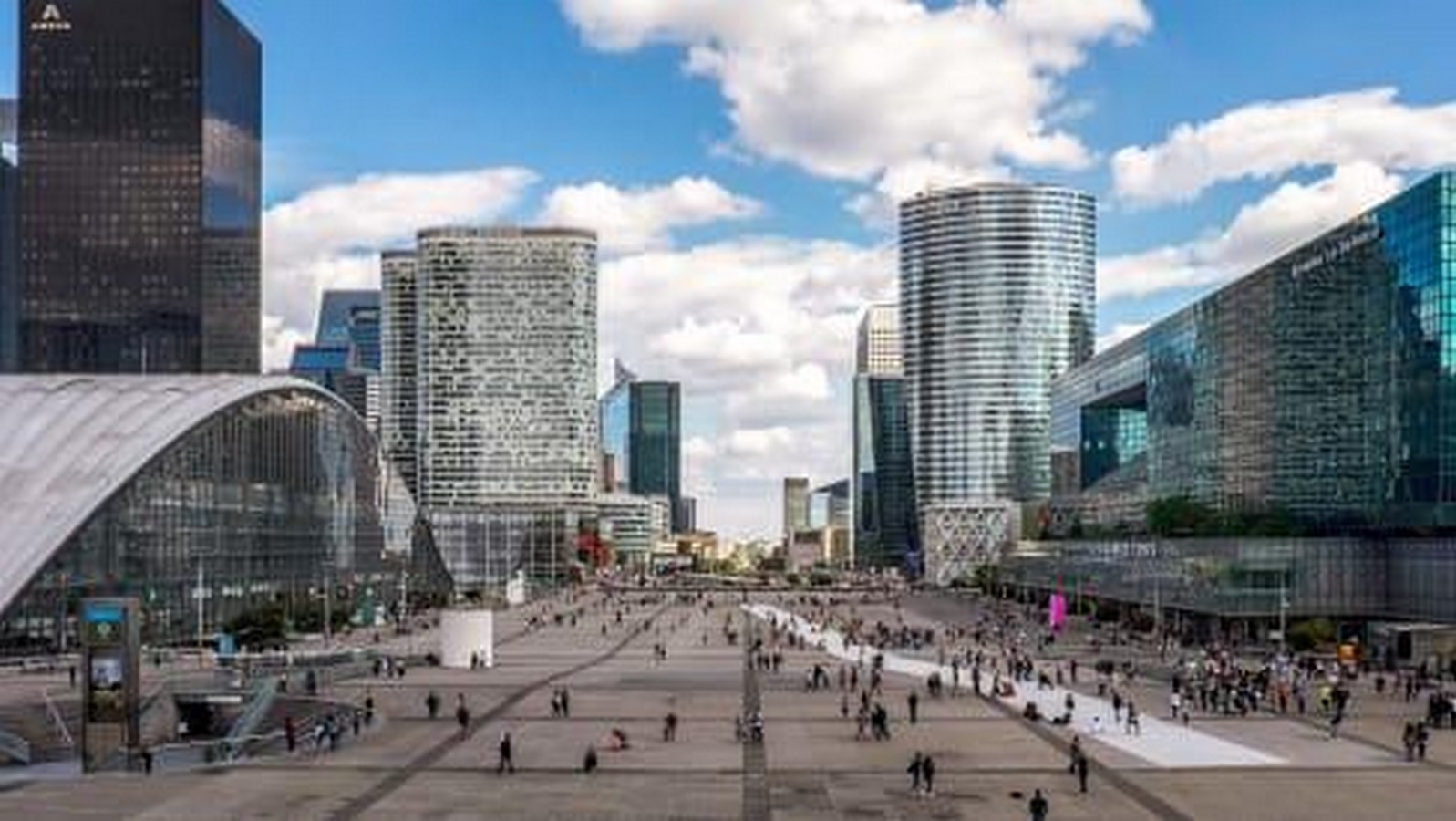
Photographers often compose images so that the viewer’s eye naturally travels across the frame—from foreground elements to the architectural focal point—creating a sense of movement and narrative within a still image.
4. From Hero Shots to Emotional Atmospheres
Traditional architectural photography often focused on producing what are sometimes called hero shots—dramatic images designed to emphasise the scale and visual impact of a building.
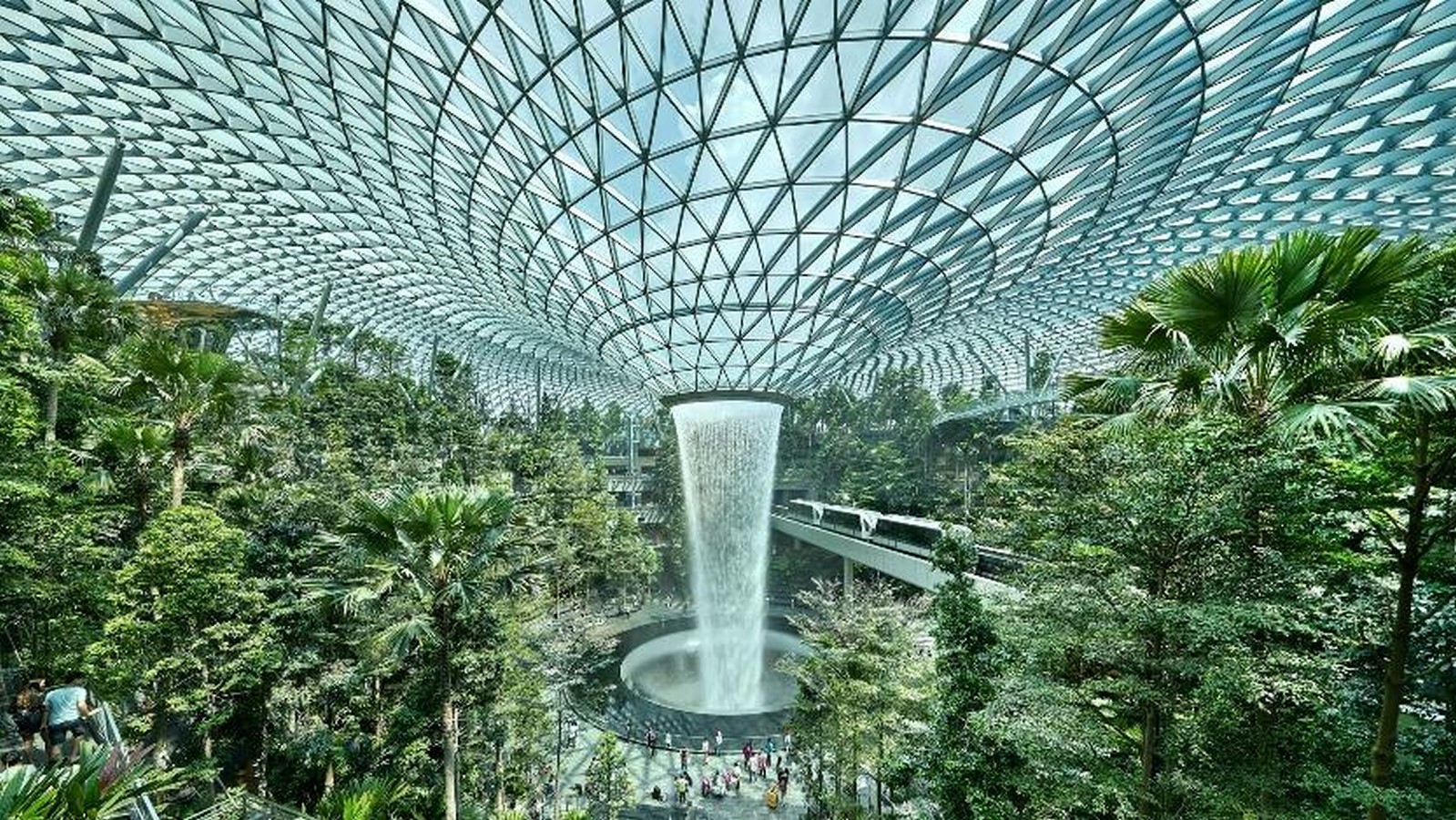
While these images remain important, contemporary architectural representation is gradually shifting toward capturing the emotional atmosphere of spaces. Photographers are increasingly interested in documenting how architecture interacts with light, materials, vegetation, and human activity.
Images that highlight natural light, open courtyards, shaded walkways, or connections to the landscape can evoke calm psychological responses in viewers. These compositions reflect the growing importance of wellness-oriented design approaches, where architecture is evaluated not only by its visual appearance but also by how it influences human wellbeing. Through careful framing and timing, photographers can communicate these subtle spatial qualities.
The Problem of the Perfect Image
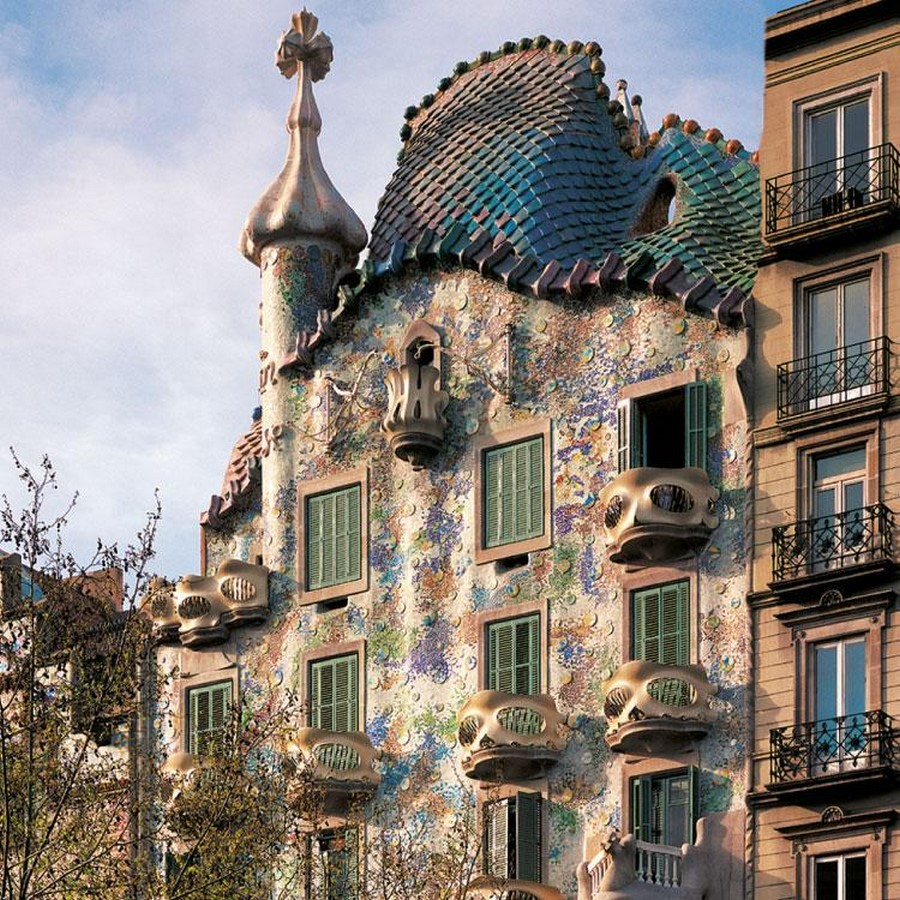
Advances in digital technology have made it possible to create hyper-realistic architectural visualisations. Rendered images can depict buildings with perfect lighting, flawless surfaces, and mathematically precise geometry.Yet paradoxically, these images sometimes feel less convincing than real photographs.
Psychologists refer to this phenomenon as the uncanny valley, where representations that appear almost realistic—but not quite—create a subtle sense of discomfort. Perfect digital environments often lack the small imperfections that signal authenticity to the human brain.
Natural irregularities such as weathered materials, uneven light reflections, or slight texture variations contribute to what researchers call visual entropy—the subtle complexity that makes environments feel real. Architectural photographers naturally capture these imperfections, which helps viewers perceive the building as a lived, inhabitable space rather than an abstract model.
Photography as a Tool for Understanding Cities
Beyond documenting individual buildings, architectural photography also contributes to the way people interpret entire urban environments.
Images shared across digital platforms influence collective perceptions of cities. Certain streets, plazas, and buildings become widely recognised through repeated photographic representation, shaping cultural narratives about place and identity.
Researchers studying urban perception increasingly analyse large collections of photographs to understand how people emotionally respond to different environments. Patterns in visual representation can reveal which spaces are perceived as welcoming, vibrant, or stressful.
In this way, architectural photography can function as a form of visual urban analysis, offering insights into how built environments are experienced by the public.
A New Psychological Lens
Architecture is often understood as the design of physical space, but it is equally the design of human experience. Architectural photography occupies a unique position between these two realms.
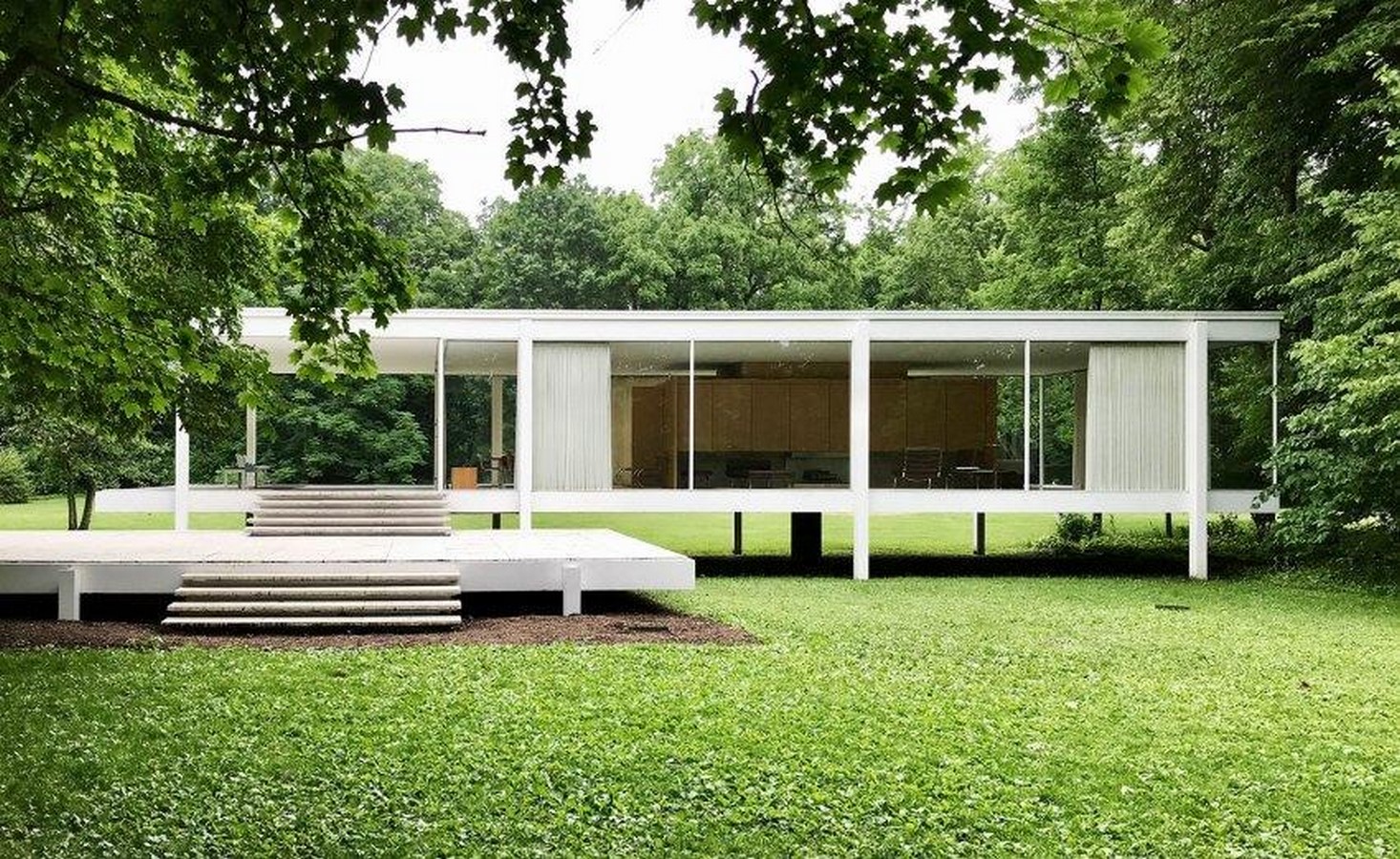
Through composition, light, shadow, and perspective, photographers translate complex spatial environments into images that the human brain can interpret emotionally and cognitively. The emerging field of neuro-aesthetic photography demonstrates that these visual decisions are not purely artistic—they are deeply connected to how the mind perceives space.
As architecture continues to circulate primarily through digital images, understanding this relationship becomes increasingly significant. The camera lens does not simply document buildings; it shapes the way architecture is understood, remembered, and imagined.