Architecture is often described in terms of what we can see: the soaring lines of a Gothic arch, the dance of light on a marble floor, or the simple purity of a meditation hall. But some of the most profound aspects of architecture are not visible; they are audible. In spiritual architecture, sound is a connection between the physical and the metaphysical worlds.

Spiritual architecture has always sought to produce spaces that foster reflection, quietness within, and a deeper connection between the self and the divine. Although visual symbols, light, and space are often highlighted in the design of religious spaces, sound is an equally powerful, yet often ignored, factor. Acoustic properties, or the way sound behaves within space, are of crucial importance for the design of spaces for spirituality.
Relationship between sound and Spiritual Architecture
Sound has been a vital element in the practice of different religions across the world for many centuries. Chanting, prayers, the use of bells, mantras, and music are all related to the use of sound in the practice of different religions. The design and construction of the physical spaces used in the practice of different religions also often incorporate the use of sound in such a way that the experience is greatly enhanced.
Sound is often believed to have spiritual significance in the practice of different religions. For example, the use of Buddhist chants, Vedic mantras, and Gregorian music is often believed to be a form of vibration that affects the human mind and body. When such sounds are used in well-designed architectural spaces, a collective atmosphere is created. Acoustics is often used as an invisible architectural material, which is a form of material that the designer cannot see but can design in a specific manner.
Acoustic and Architectural Form of Spiritual Architecture
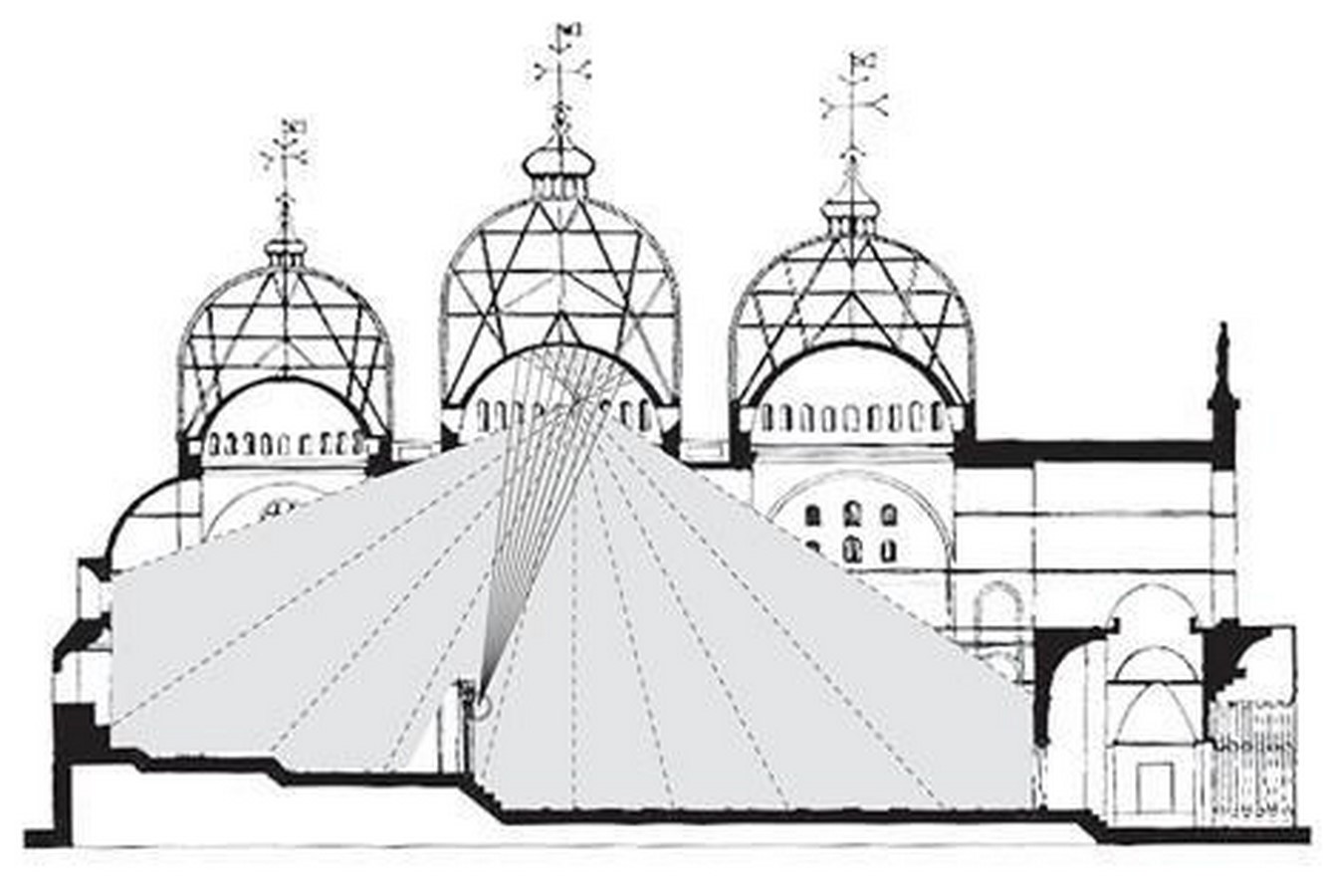
The design of the spiritual structure plays a crucial role in the behaviour of the sound in the structure. Large volume, high ceilings, domes, and vaulted roofs are often incorporated in spiritual structures because they allow the propagation and reverberation of sound.
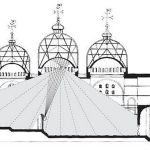
Domes can be used to concentrate the sound towards the centre of the structure so that the chants and prayers can be heard by the entire congregation without the use of amplification equipment. The vaulted ceilings in churches, too, are used to distribute the sound equally in the church so that the spoken word can be heard by the entire audience.
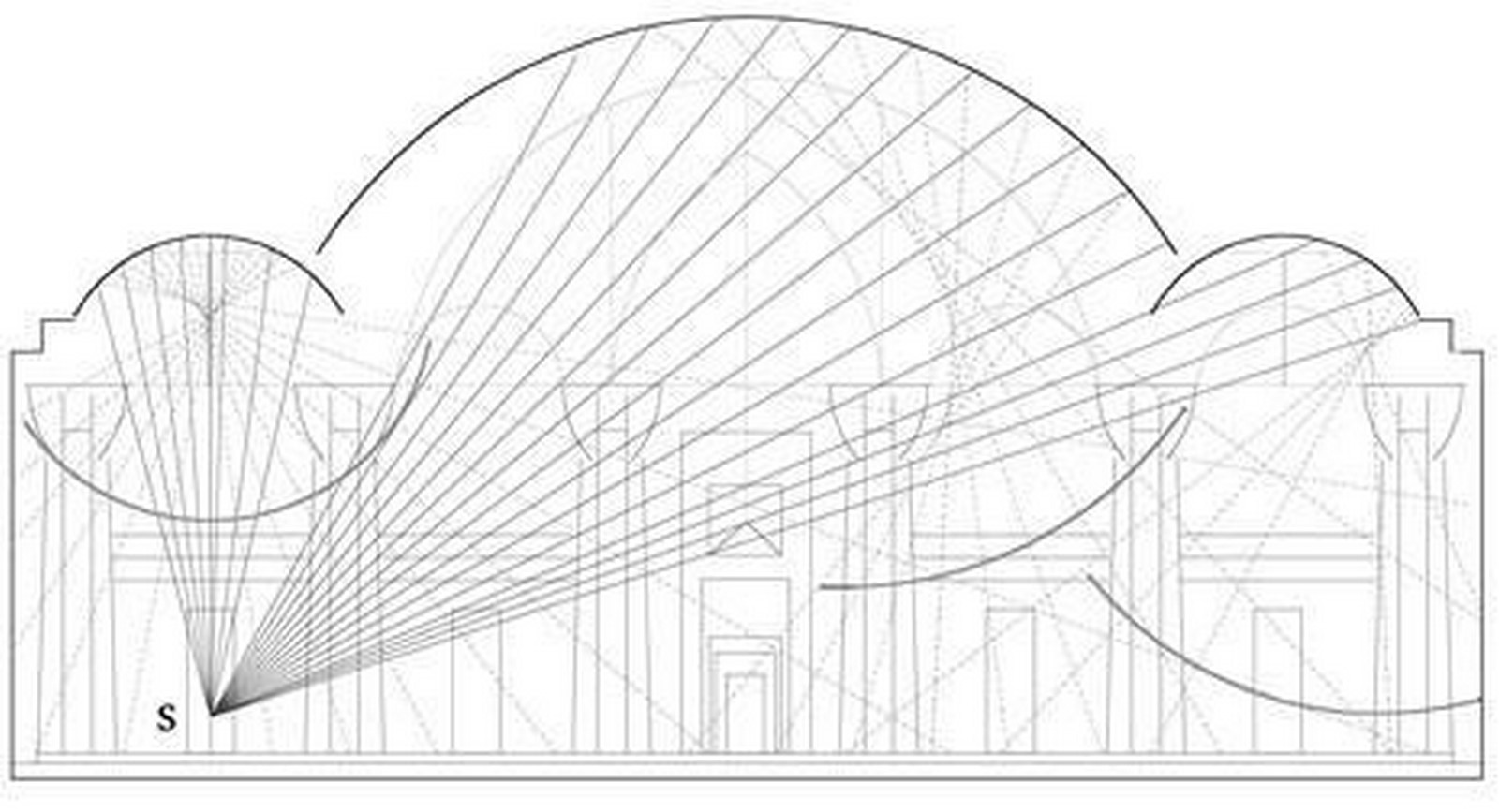
In the traditional Indian style of temple architecture, the use of stone surfaces and enclosed sanctums often creates a rich acoustic environment. The sanctum, also known as the garbhagriha, creates a rich echo when the bells are rung or the mantras are chanted. This creates a spiritual environment and adds to the sanctity of the place. Monasteries and halls used for meditation often require a different acoustic environment, one in which the sounds are minimized so that the environment remains peaceful and silent.
Acoustic and Materiality of Spiritual Architecture
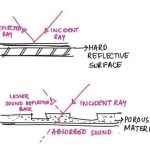
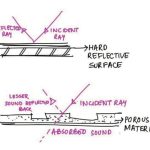
Material selection is an important factor in the design of the acoustics. Hard materials like stone, marble, and concrete can reflect sound waves. This will result in a longer reverberation time. This will be beneficial for rituals involving music or chanting. Soft materials like wood, fabrics, and acoustic panels can absorb sound. These types of materials are used for meditation halls where the clarity of the sound is of importance.
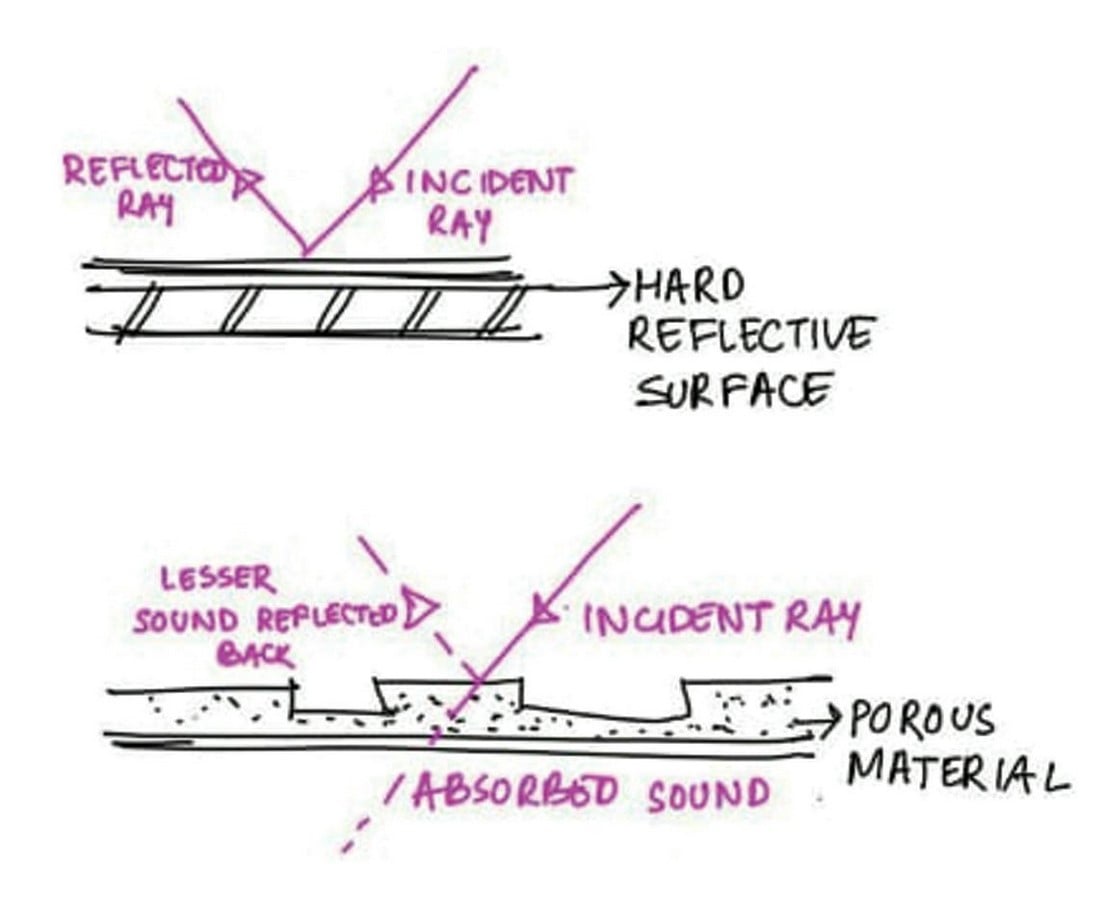
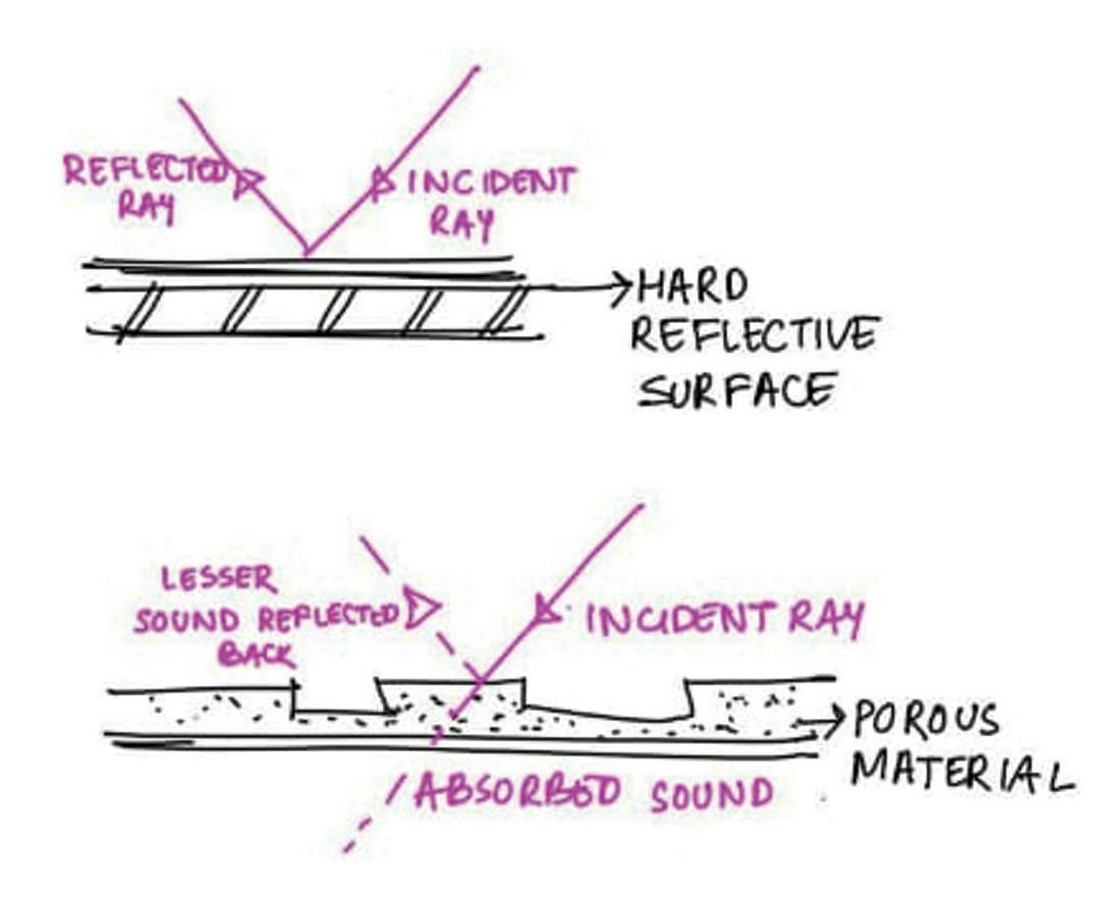
Religious buildings traditionally use materials found in the local area, which can create the required acoustic conditions. The combination of materials used to create the acoustic environment will result in either a resonant space or a quiet space.
Silence as Design Strategy in Spiritual Architecture
While many places of worship focus on sound, silence is equally important in spirituality. In many places of spirituality, architects have attempted to minimize any unwanted sound from the surrounding urban environment. This is achieved by providing courtyards, thick walls, and buffer spaces that isolate the interior from external sources of disturbance.
This can be referred to as acoustic isolation. In meditation halls, libraries, and gardens, acoustic calm is critical for spaces that require contemplation. Background noises such as wind, water, or leaves rustling can be an integral part of providing acoustic calm.
Case Studies of Acoustics in Spiritual Architecture
Spiritual architecture across the world shows the importance of acoustics in the experience of spirituality. Large cathedral spaces in Europe have long been famous for their long reverberation time, which is perfect for the performance of choral music and organ concerts. The reverberant acoustic experience in large cathedral spaces gives the feeling of grandeur and spirituality to the music performed.
In Buddhist monasteries, the chanting of prayers is an essential part of the spiritual experience. The meditation halls of monasteries have been designed in such a manner that the chanting of prayers resonates. Indian temples have also been the venues of some fascinating acoustic phenomena. The halls of the temples have been designed in such a manner that the priest’s chanting of prayers reaches the devotees. The bells and the chanting of prayers create a reverberant acoustic experience. Similarly, mosques in Islamic countries have been designed in a manner such that the domes of the mosques allow the projection of the prayer recitations. The design of the mosques is such that the imam’s prayer recitation reaches the devotees.
Acoustic factors are crucial for establishing the atmosphere and efficacy of spiritual architecture. By impacting the experience of chants, prayers, and music, acoustics become an integral part of the space. By examining the form, materials, and spatial relationships, it is possible for architects to create spaces that enhance spirituality without compromising peace. Ultimately, acoustics assist in converting architecture from an aesthetic form into an experience that engages all the senses. By harmoniously combining space, sound, and silence, it is possible for spiritual architecture to lead people through experiences of reflection, mindfulness, and spirituality.