The first roof was not made; it was grown. Before man discovered how to mine stones, bake bricks or pour concrete, nature had perfected the science of providing shelter. First,…
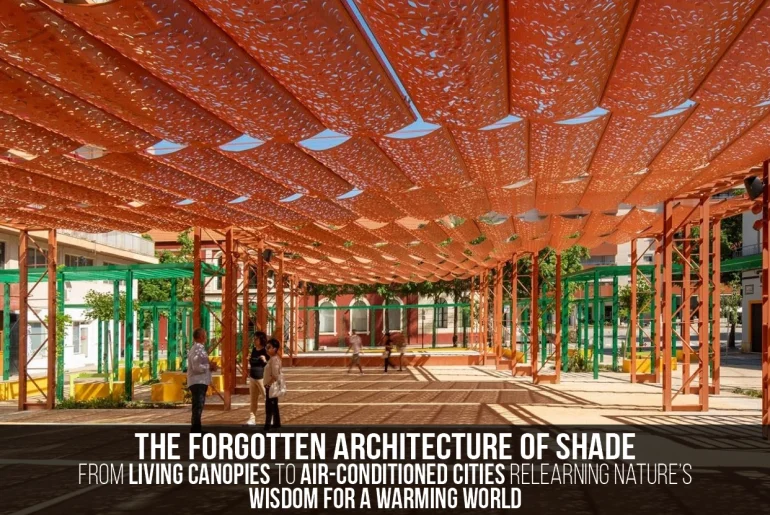


The first roof was not made; it was grown. Before man discovered how to mine stones, bake bricks or pour concrete, nature had perfected the science of providing shelter. First,…
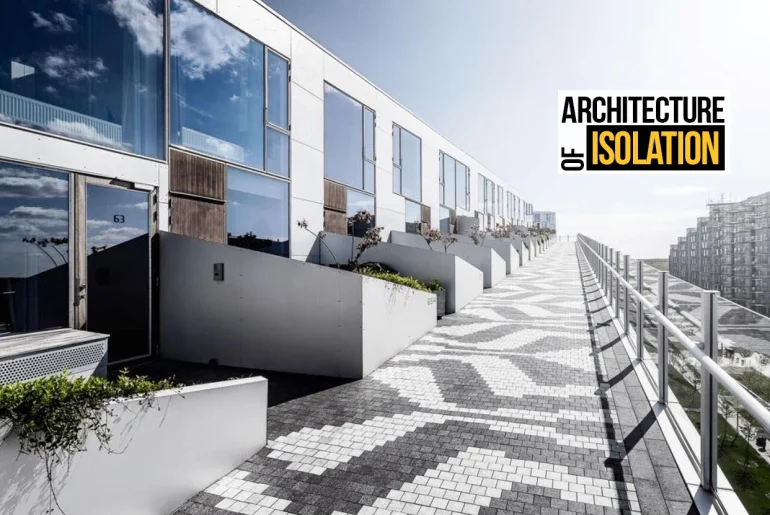
Designing High-Rise Communities to Mitigate Urban Social Isolation As global urbanisation is accelerating, 68% of the world’s population is expected to live in cities by 2050. High-rise residential buildings have…
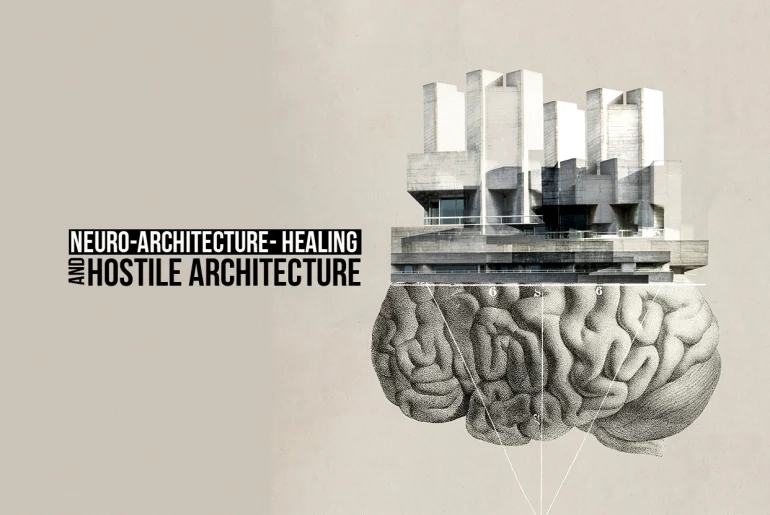
Architecture has a way of making the brain feel different things. Good architecture always makes viewers and users feel different things. These depend on the design of the buildings, how…
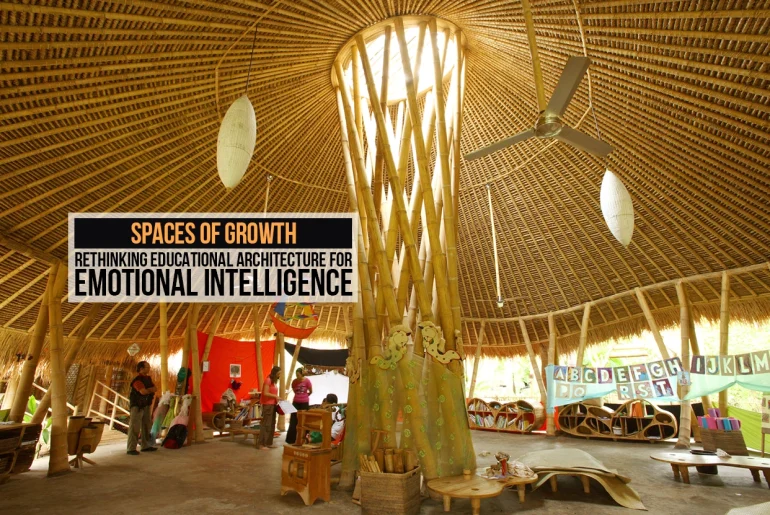
Over the past few decades, architecture and design have seen a shift from functional and mass-produced architecture to user-centric design. Importance is given to user experience and the emotions one…
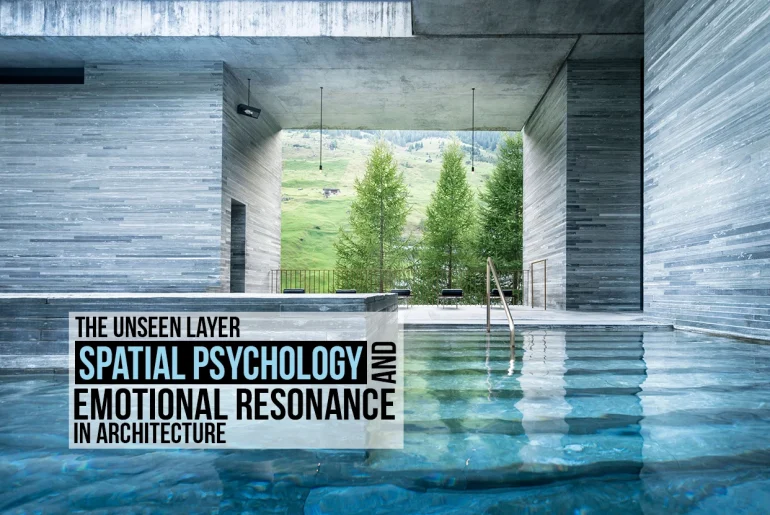
Behind every wall and corridor, architecture hides a subtle but powerful dimension: the emotional and psychological impact of space on its inhabitants. While the visible elements like structure, façade, and…

Rewriting the DNA of the Built World “The real voyage of discovery consists not in seeking new landscapes, but in having new eyes.” — Marcel Proust A Threshold Between Worlds…

The Emergence of Hyper-Responsive Urban Environments Smart cities are starting to sound like news these days. The new buzz is about hyper adaptive urbanism, where cities transform into self learning…

Psychology and Architecture As Zaha Hadid rightly said, Architecture should be able to excite you, calm you, and make you think. Do the spaces around build a conversation with you?…

Architectural psychology is a field that explores the connection of how the spaces that we inhabit shape our thoughts and change our moods and interactions. With advancements in technology, sustainability,…

Neuroarchitecture is a rising area that blends neuroscience, psychology, and structure to apprehend how the design of bodily spaces affects our brains and conduct. This method is mainly useful in…

As per WHO, “Burn-out is a syndrome conceptualised as resulting from chronic workplace stress that has not been successfully managed.” It is characterised by fatigue, depression, and reduced professional efficacy.…

Neuroarchitecture is the assumption that the environment has a direct influence on the most primitive patterns of brain function that escapes conscious perception. Our brain and the 100 billion neurons…