Materials are more than just construction materials; they carry memory, geography, culture, craftsmanship, and identity. Each material, both construction and any other materials in the built environment, is important to one’s understanding of place, as well as one’s sense of orientation.
John Berger remarked that “We never look at one thing; we are always looking at the relation between the thing and ourselves”. Each interaction with a structure or a context is understood based on our perception of it, despite what the intention was behind its construction. Alluding to the presence of the past in the urban context, Jonathan Meades suggested we ‘read’ cities dendrologically (relating to the study of trees and other woody plants through the examination of the rings in the cross-section of the trunk). Several other critics refer to the idea of ‘layers of time’ that are also manifested in the built environment.
Although Vitruvius’s De Architectura dedicates a book to building materials, focusing on their specific strengths and uses in particular conditions, the literature does not address how inhabitants respond to them or how they enable temporal orientation. Paul Leworthy remarks that such conversations around architectural experience and material cultures have been underplayed as opposed to the Vitruvian pillars of beauty, utility and strength.
Material as a Carrier of Identity and Built History
Every material carries with it its identity, its places of origin, the craftsmanship that shaped it, and the culture that created the backdrop of its setting. Every building that is demolished not only results in a pile of debris, but also the loss of human labour, stories and the collective memory that is embedded in its structure and materials.
The connection between material and styles has been a fascinating study over time. Several materials represent a specific architectural style, but also how several architectural styles are defined by the nature of the building materials used, associated with the availability of these materials during that time period. These occurrences allow the study of technical developments, design innovations, social organisation, financing, and energy consumption during various stages of the evolution of the built fabric.
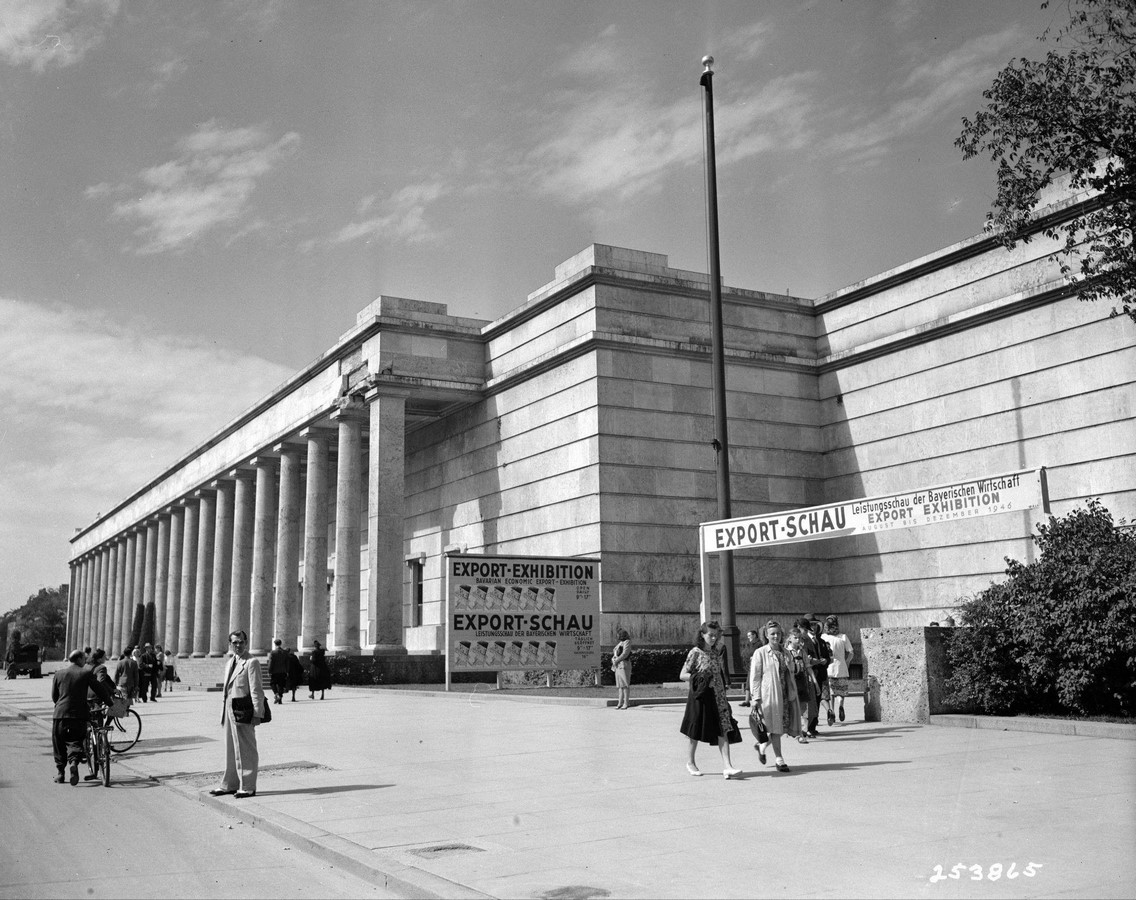
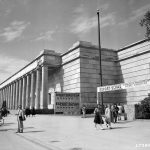
Materials are often associated with being the most visible manifestation of an era, time period, or reign. Despite various materials being used during that reign, one that unites what we know about the historical time period and what we know about the properties of the material is often associated with the regime. Taking National Socialism or totalitarianism as an example, several materials such as marble, glass, brick and concrete were used abundantly during that time. Why is concrete then associated so closely with it? As a material, concrete forces the individual properties of its constituent ingredients to be worked into unity through milling. The resultant mixture is homogenous while being malleable to any shape and with impressive strength. These characteristics of concrete, thus, match the idea of National Socialism more than marble or brick. Thus, the understanding of materials, their properties, the historical usage, as well as the historical period, is significant to creating an associative meaning for materials as well.
Material as Perceived by the Observer
Using materials as a base in structures, observers instinctively temporarily locate themselves in relation to the space and vice versa. Several papers also propose that the meaning of building materials is often moderated by the association with the observer’s memory, while the materials themselves mediate cultural memory. By focusing on materials over architectural styles or landmarks, it presents the personal and cultural memory associated with the observer’s everyday interaction with materials.
Steel Eiler Rasmussen, in 1959, explored how one experiences architectural spaces and why. He found that shapes and scales were crucial to the observer’s experience with materials, playing a significant part as well. He shifted the focus from the structure and placed the observer in the centre. A famous example, where he contrasts a statue carved out of marble and one cast in plaster, exposed how beauty was primarily perceived in the former. Marble, visibly heavy and enduring, glistens while reflecting light and is delicate and relatively scarce.. On the other hand, plaster is dull, fragile and replicable.
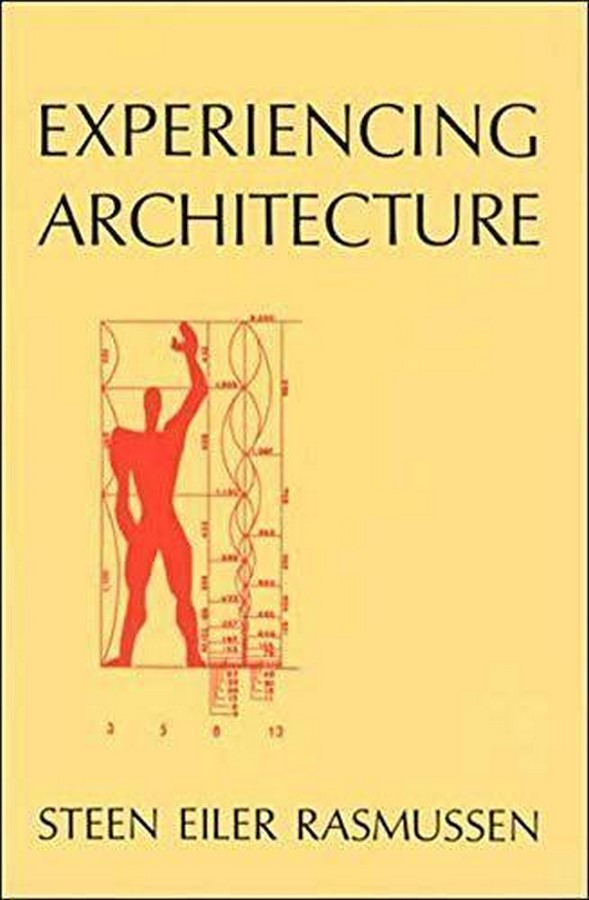
Rasmussen proposed that the ‘meaning’ of materials forms one side of a triangle of interdependencies. One is formed by how the material is perceived by the individual observer through the eyes (of the skin), while the other is based on the cultural nuances and communal value attached to the material in its current context.
Material Cultures and the Environment
Today, a large number of buildings that have been central to the fabric of communities are being demolished and replaced by newer and more modern structures. This demolition not only results in cultural discontinuity but also increases the embodied energy of buildings, at a time when reducing emissions and extending the lifespans of existing buildings is integral to climate action plans.
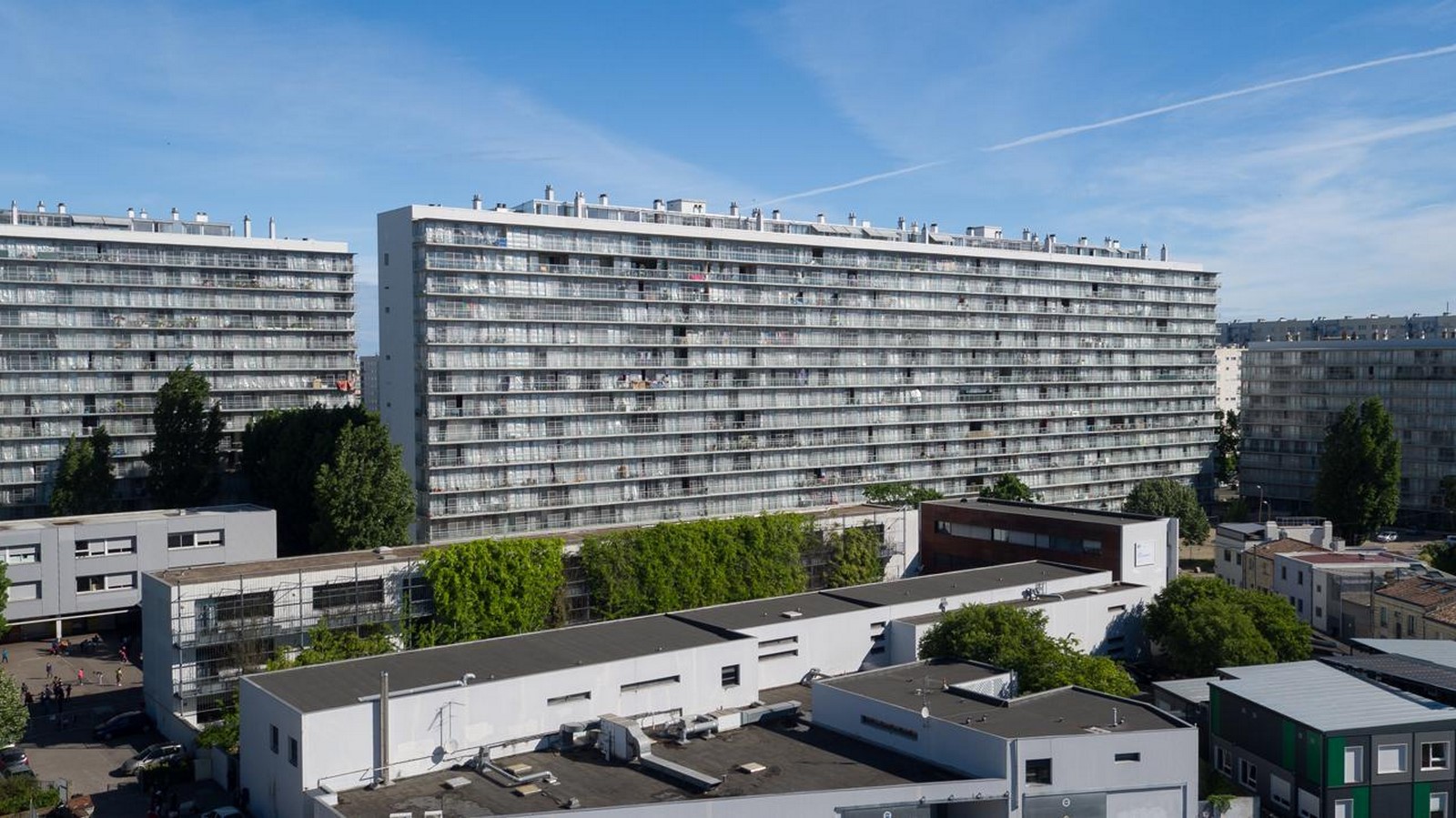
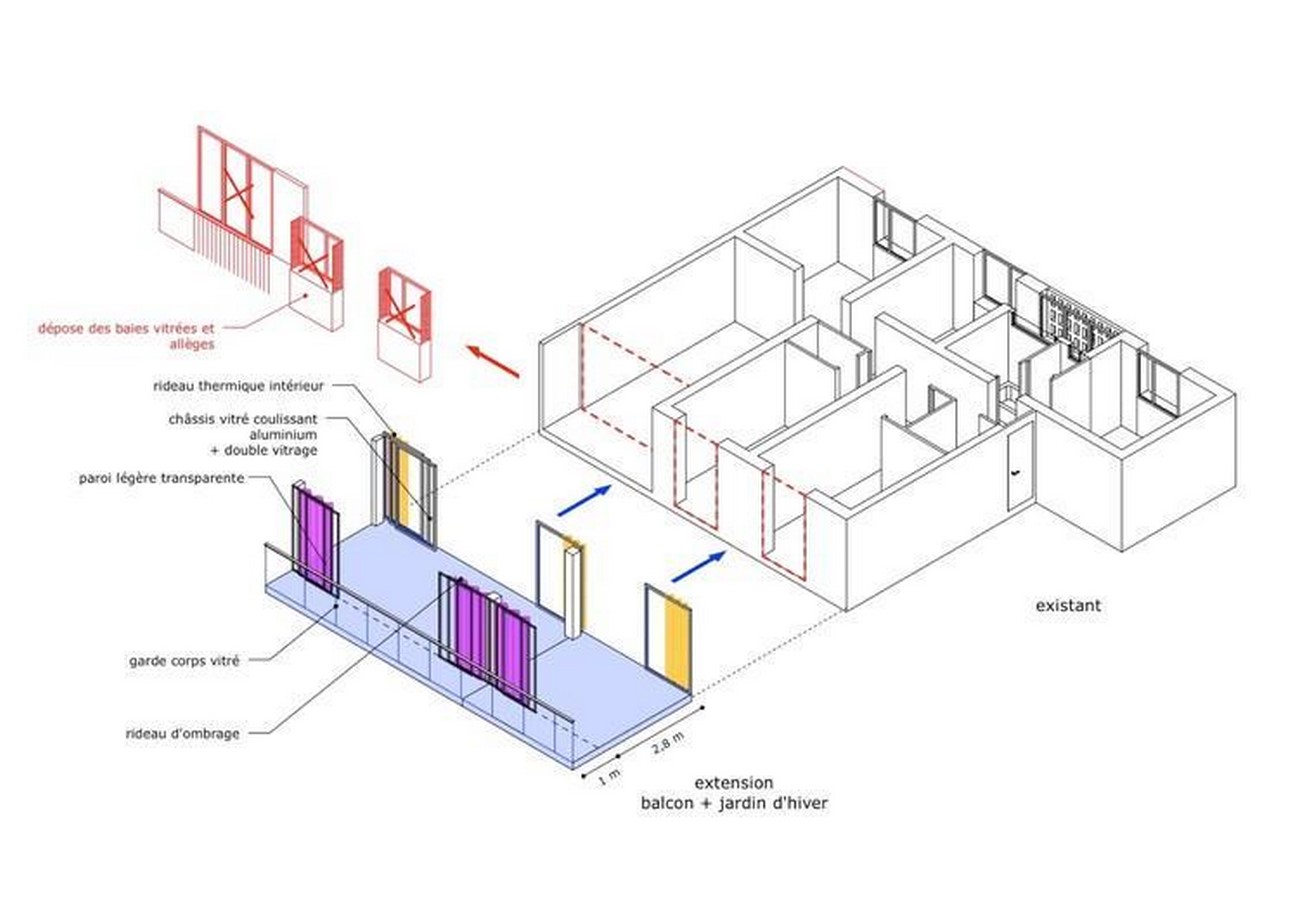
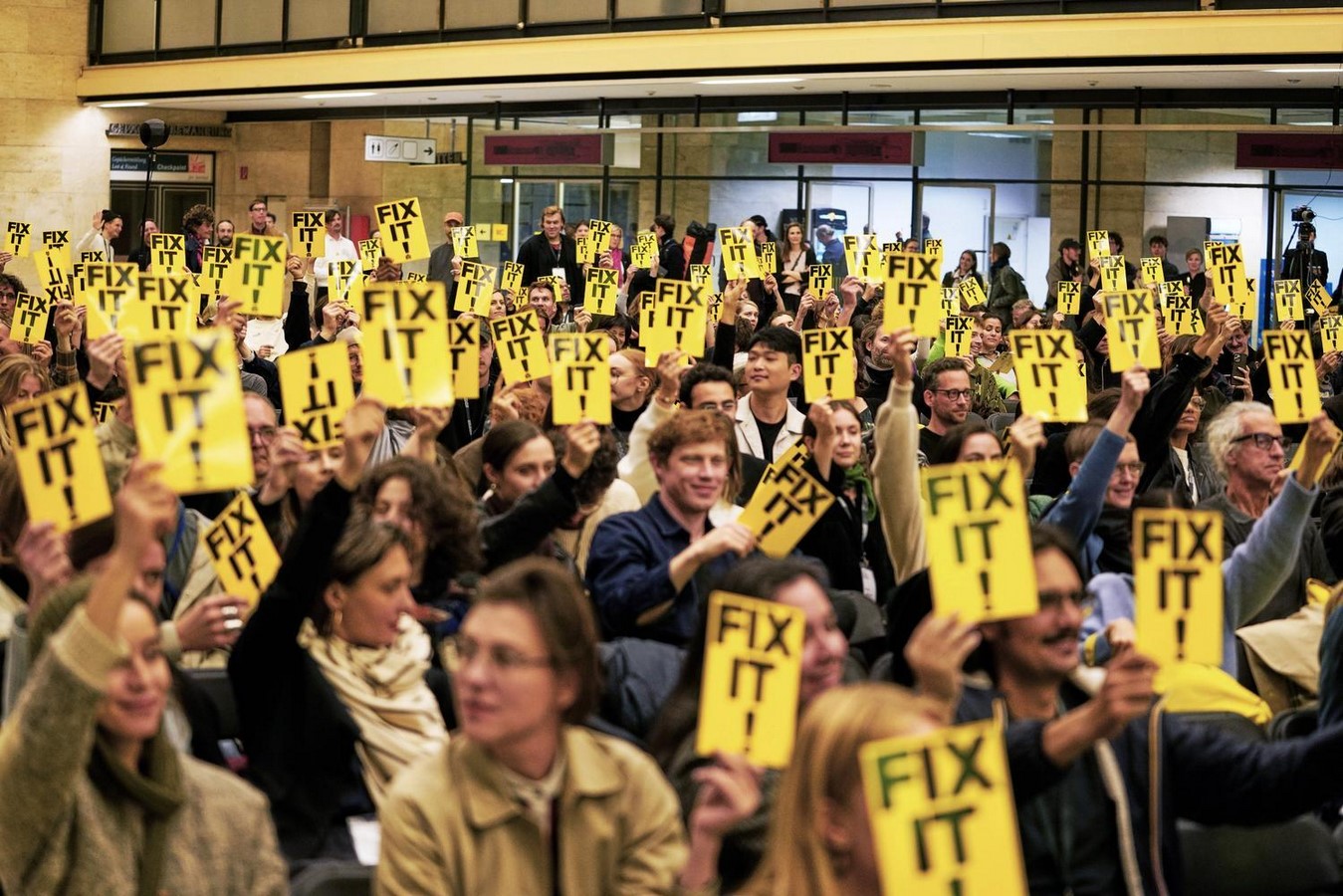
In the past, locally sourced materials not only served as a reflection of culture but also provided practical and ecological solutions. By leveraging materials native to a region, the carbon footprint associated with transportation, extraction, and construction is significantly reduced while also supporting local economies. These materials also come with an intrinsic climatic advantage and local knowledge that have been established over multiple generations. Every demolition wastes a bank of accumulated energy along with resetting its carbon footprint to rebuild what was demolished. Initiatives such as HouseEurope! propose reuse and retrofitting to serve as a rule and not an innovation.
What do Material Cultures look like today?
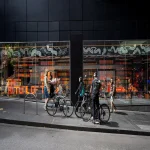
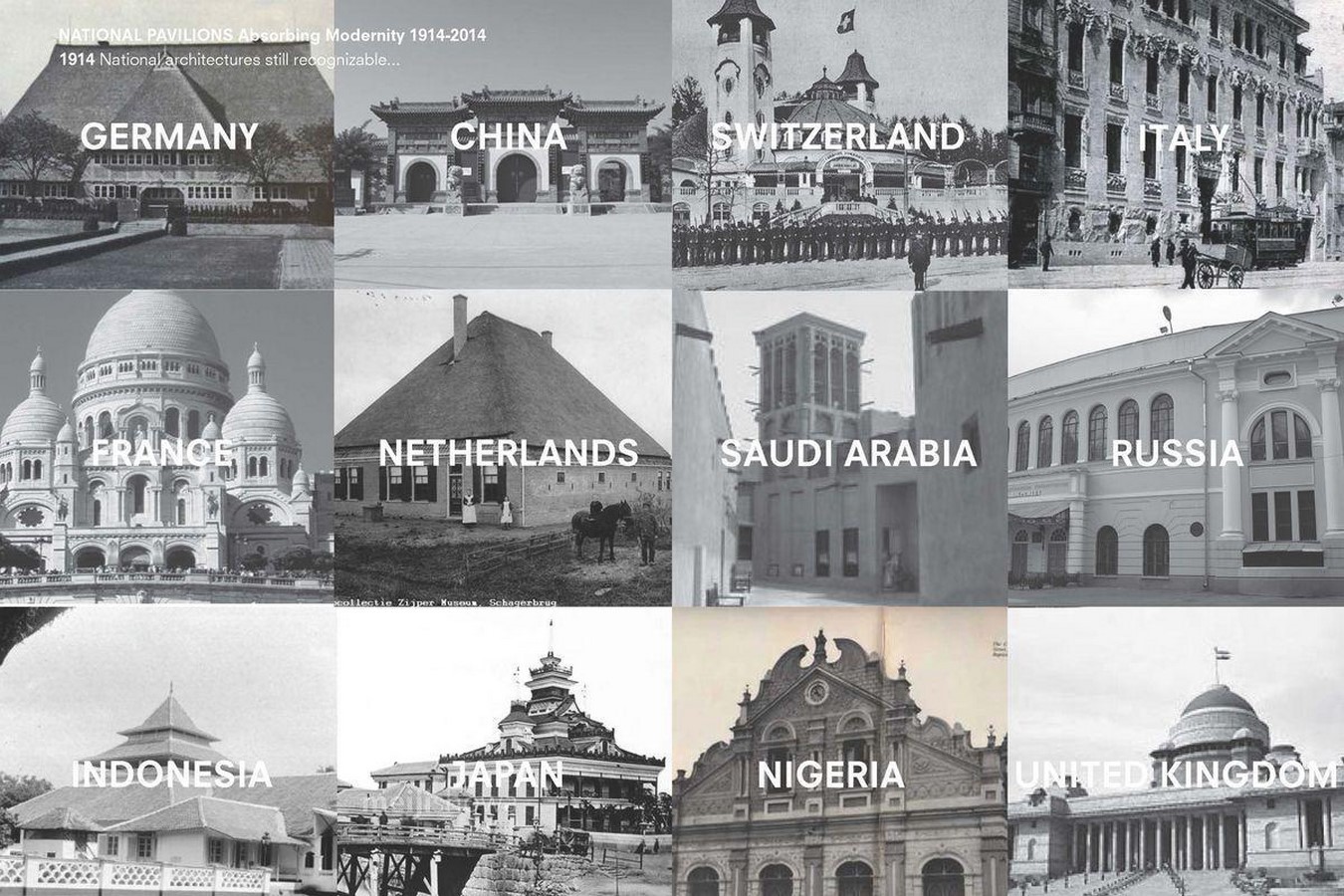
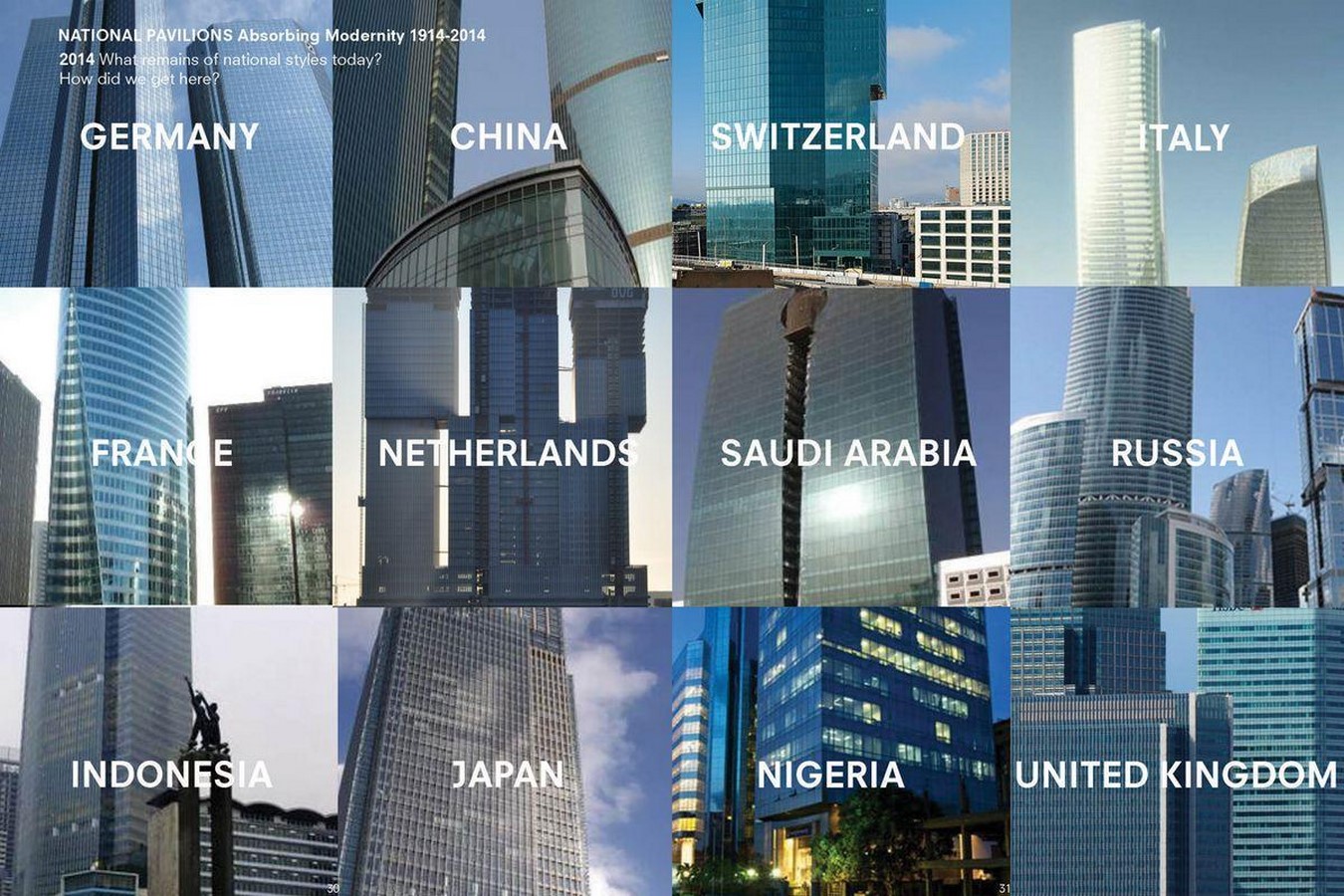
With the onset of industrialisation and subsequent globalisation, material usage in architecture over the past two decades has changed immensely. Local materials that reflect the identity and culture of each area are slowly being replaced by mass-manufactured materials such as concrete, steel, and glass. Every major city, across continents, sees a loss of identity and slowly represents each other, striving to appear the most ‘modern’ and ‘futuristic’.
Even buildings that provide the potential to be repurposed and retrofitted are deemed unusable. The desire for modernity and revitalisation of spaces often results in the demolition and replacement of structures in favour of aesthetics and newness. This is primarily done for financial gain, often losing sight of the holistic communal goal. Though these decisions are economically favourable, they will often create a permanent and dissatisfying change in the social and urban fabric of society.
The question now arises, how do architects and planners strive to retain the individuality that history has lent while still fulfilling the needs of the city’s inhabitants? How do we use materials as intentional choices and not just as building blocks?
References:
Souza, E. (2025) Material memory: What we lose when we demolish buildings, ArchDaily. Available at: https://www.archdaily.com/1035402/material-memory-what-we-lose-when-we-demolish-buildings (Accessed: 16 November 2025).
Leworthy, P. (2024) ‘Memory, materials and the built environment’, Memory Studies Review, 1(1), pp. 157–175. doi:10.1163/29498902-20240005.