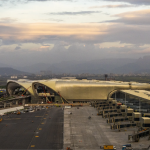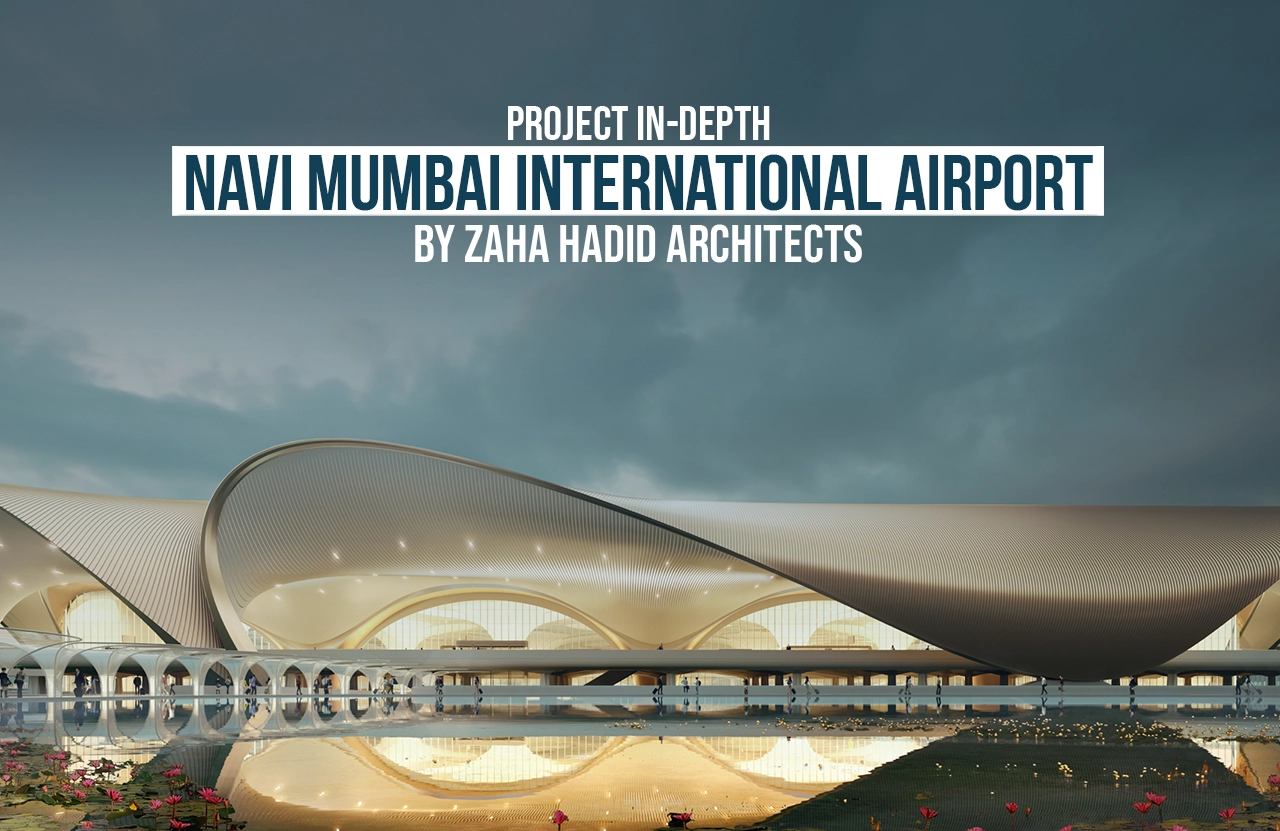
Inaugurated on 8th October 2025 by the Indian Prime Minister, Shri Narendra Modi, the Navi Mumbai International Airport (NMIA) is set to be one of India’s most ambitious infrastructure projects. For the past few decades, Chhatrapati Shivaji Maharaj International Airport (CSMIA), located within the city of Mumbai, has carried most of the aviation load required by the city and the surrounding region. A failed attempt to create a twin city for Mumbai in the past, Navi Mumbai is now presented with a fresh opportunity to transform into a hub for commerce and connectivity.
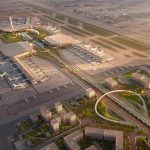
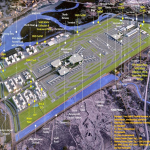
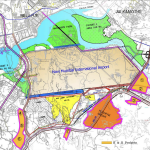
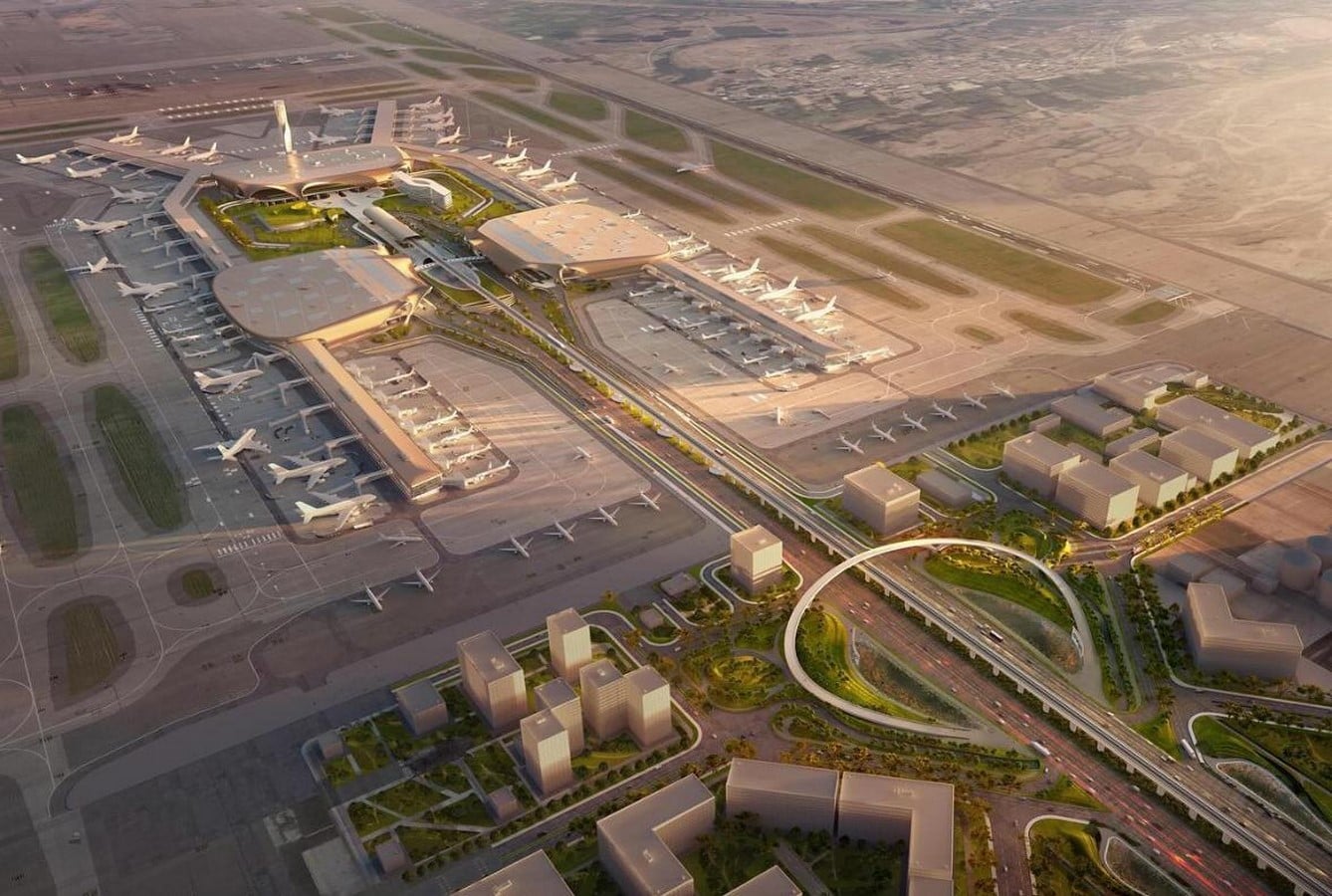
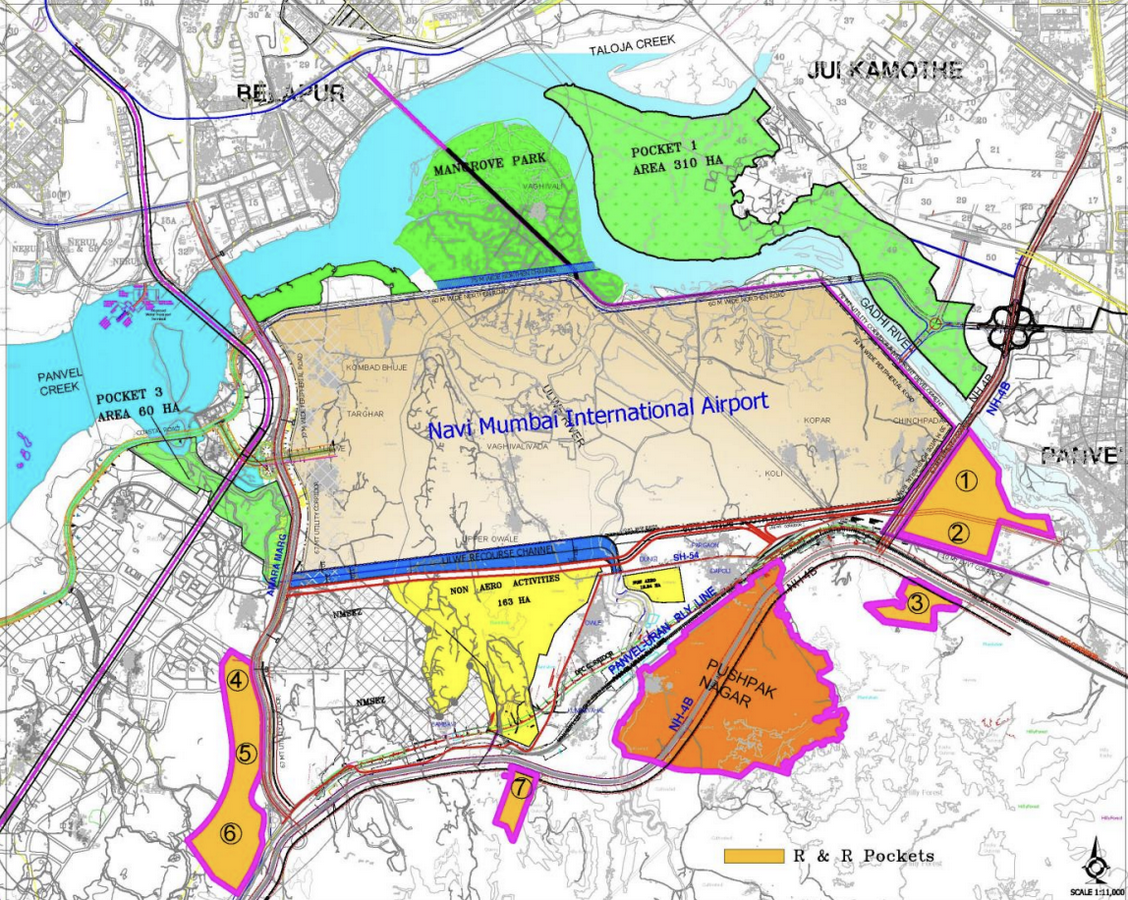
Located approximately 46km from the current international airport, NMIA is located in Ulwe, spread across 1160 hectares of land. Set to start domestic operations in December, the Rs 16,700 crore project is planned in five phases, with its first phase estimated to handle a capacity of 20 million passengers annually.
At full capacity, NMIA, with four terminals and two runways, is expected to handle 90 million passengers annually, which is almost double the current capacity of CSMIA. Building upon the previous attempt, the area around the airport (Navi Mumbai Airport Influence Notified Area (NAINA)) provides an opportunity for investment, creation of a planned smart city catering to real estate, industrial development and a commercial centre.
Zaha Hadid Architects
Following a 12-week international design competition, Zaha Hadid Architects, under the direction of Cristiano Ceccato and Filippo Innocenti, were appointed as the architects for the Navi Mumbai International Airport in 2018. Built upon the foundation created by Dame Zaha Hadid, the firm is known for its fluid architecture, which allows the structure to be transformed not only into an aviation hub but also a cultural landmark. Zaha Hadid Architects gained prominence on a global scale through their parametric architectural forms and advanced fabrication, having about 950 projects spread across 44 countries.
Project Milestones
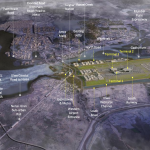
The airport is said to have been 20 years in the making. The process of flattening hills, diverting rivers and bridging creeks was initiated far before planning and design of the structure began. Mumbai International Airport Ltd (MIAL), now a subsidiary of Adani Airports Holdings Ltd (AAHL), submitted the Initial Master Plan for NMIA on 25th November 2017. The foundation plaque was unveiled in February 2018, with the commencement of work in November 2021. Importantly, Navi Mumbai International Airport, in collaboration with the Airports Authority of India, initiated the flight calibration process of its South Runway on 18th July 2025, subsequently signing an agreement with Munich Airport for assistance in the Operational Readiness and Airport Transfer (ORAT) process in August.
Commercial operations began on 25 December 2025, with expansion and scaling continuing through 2026. Divided into five phases, the airport is expected to complete its four terminals by 2032. A separate VVIP terminal, scheduled to begin construction in 2026 and anticipated to be completed in 2030, provides the opportunity to develop NMIA into a hub for private aviation as well.
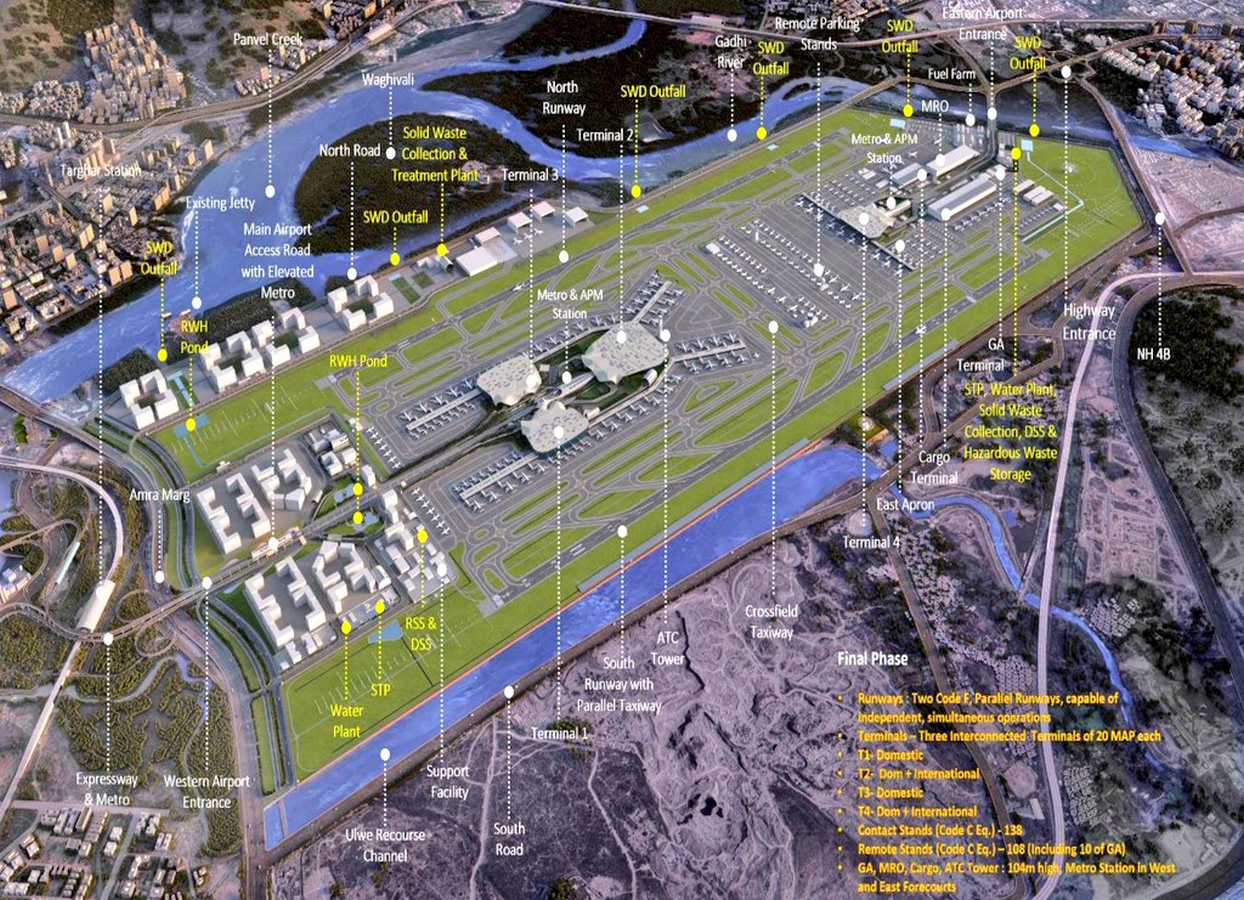
Conceptual Design and Planning
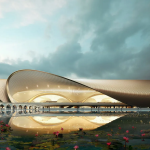
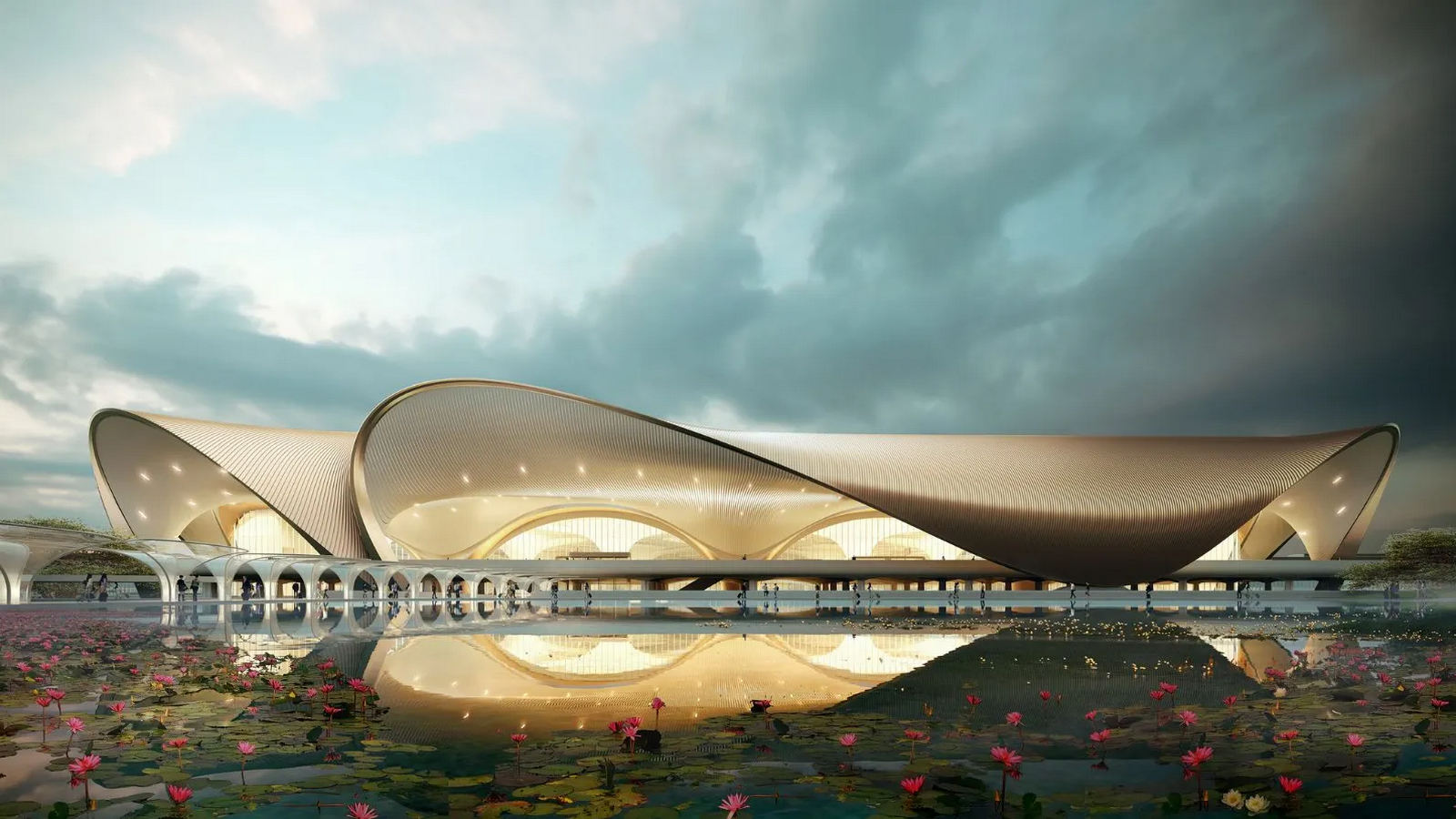
With the Navi Mumbai International Airport being Zaha Hadid Architects (ZHA) largest indian commission and among its largest airport projects worldwide, it was integral for them to incorporate Indian culture and tradition into the design of the structure. Inspired by the country’s national flower, the lotus was incorporated into the terminal’s geometry rather than pure decoration.
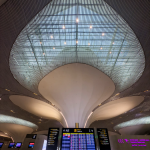
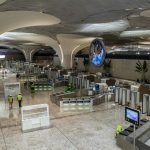
With it being located in a region with high monsoons, seismic risk, and heavy traffic, it was integral to balance the form with engineering, aesthetics and operations. The roof formed by concentric petal-like shells governs both the spatial movement and environmental performance. A central atrium symbolises the ‘pond’ from which the ‘petals’ radiate, with each segment modelled to manage light, wind pressure and stormwater drainage.
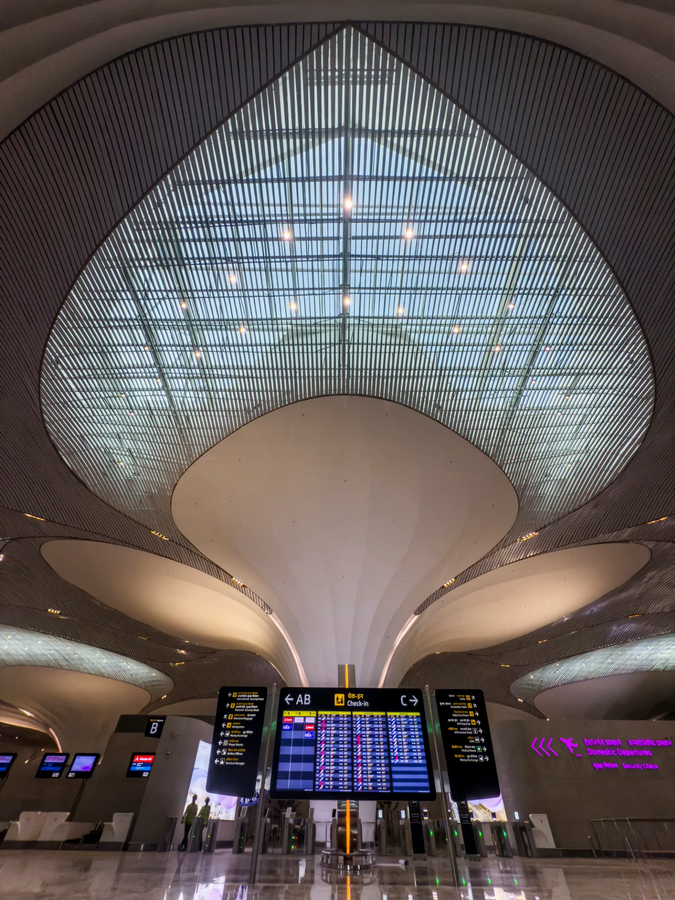
Through the use of digital parametric modelling and fabrication, assembly on site was executed through moulds, laser-guided alignment, high-tolerance joints and hybrid structural elements. Two levels of structural systems support the seemingly weightless and fluid roof while also informing orientation and movement inside the terminal. Solar-angle modelling allowed ZHA to incorporate and design skylight strips to diffuse glare while maximising natural illumination, reducing dependence on artificial lighting.
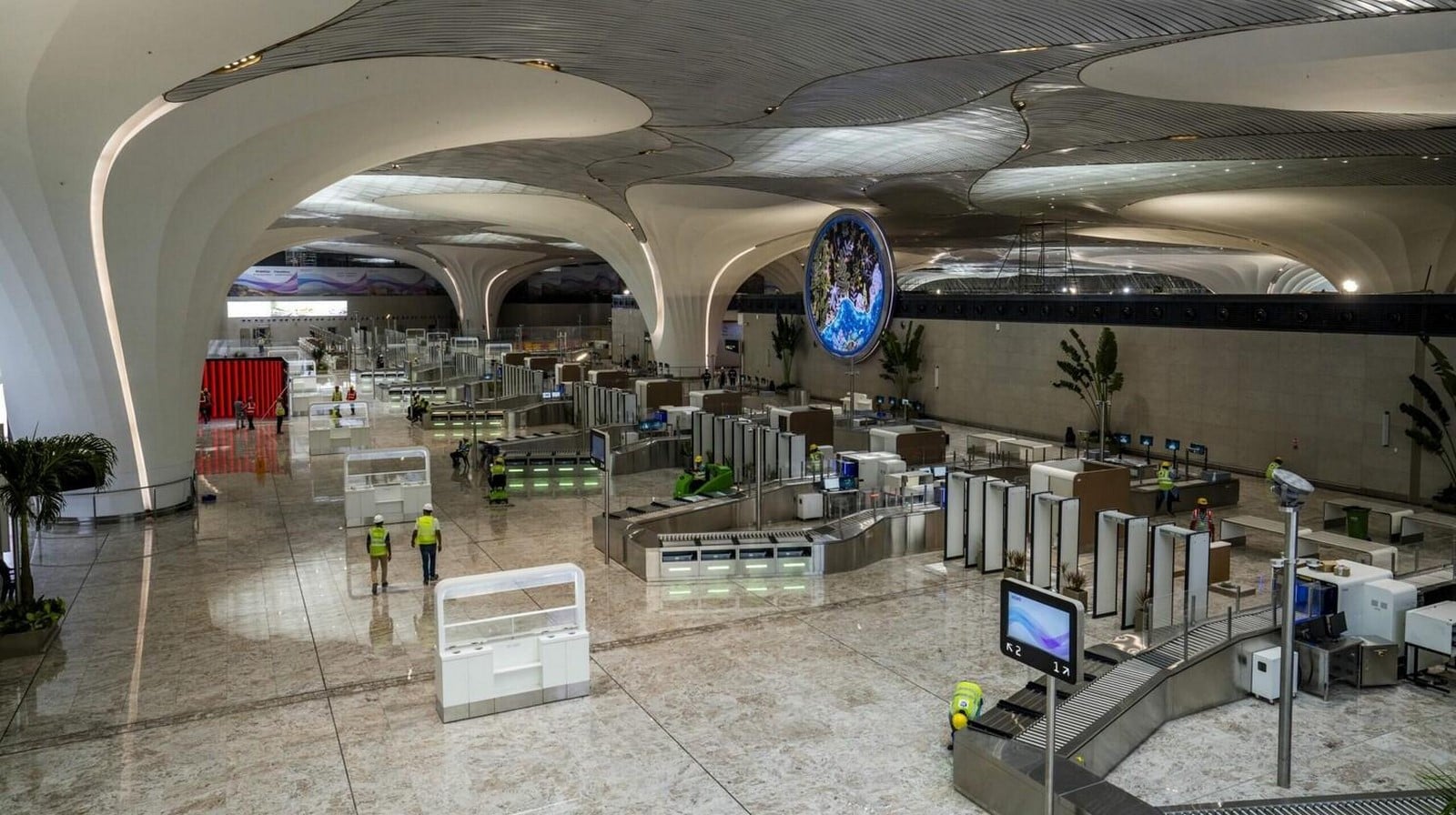
Designed as a modular system, the structure follows a repeatable spatial and structural reasoning that permits additions without any disturbances in operations. The repetition of columned halls, axial movement, and filtered lights stimulates spatial associations with traditional Indian architecture. This is closely tied to the approach of creating a global landmark that is rooted in its contextual archetype.
Integrated Sustainable Planning
Navi Mumbai International Airport was planned keeping sustainable practices as an integral design element, and not one that is introduced post completion of the design. Solar energy generation was planned across multiple rooftops as well as adjacent land parcels. Rainwater harvesting, as well as a wastewater recycling system, reduced dependency on freshwater consumption. Through intentional design elements, daylighting and ventilation were optimised to minimise energy loads along with electric vehicles and infrastructure for both airside and landside operations.
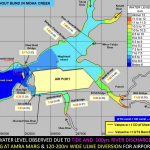
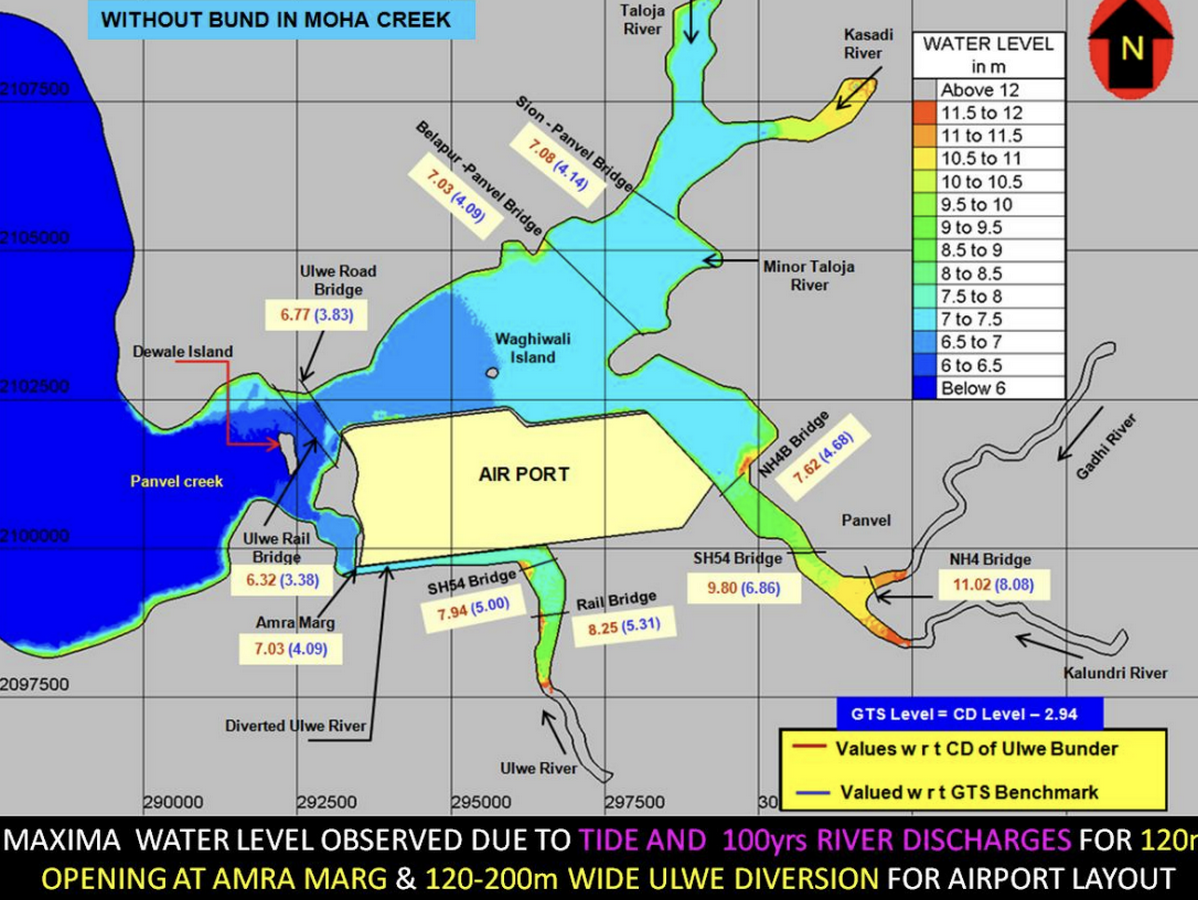
A study conducted by the Central Water & Power Research Station (CWPRS) analysed the safe grade elevation for the airport (5.5m with a 2.5m free board), along with recommendations to minimise flood risks. These included intensive mangrove plantations around the airport to create a buffer, as well as long-term monitoring of Avian fauna for the identification of threats and preparation of mitigation plans. Use of Sustainable Aviation Fuel (SAF) is estimated to contribute to about 65% of the required reduction in aviation to achieve net zero status by 2050.
Opportunity for Maharashtra’s Economy
According to the International Air Transport Association, a 1% increase in air connectivity can raise the Gross Domestic Product (GDP) by about 0.5%. The airport will also serve as a link to Maharashtra’s diverse landscapes and tourism. It will also connect Maharashtrian farmers, fishermen, and pharmaceutical companies with global supermarkets of Europe and the Middle East, with cargo operations having an annual capacity of 800,000 tonnes.
The economic security of NAINA has already increased property prices by about 30% in the past three years. Urban planners envision Navi Mumbai to transform into a balanced twin city with modern infrastructure, replicating the development in Gurugram and North Bangalore due to Indira Gandhi International Airport and Kempegowda International Airport, respectively.
What the inauguration of NMIA represents is the pending transformation from a satellite township to a metropolis with the impending implementation of decentralisation.
Past Challenges and Obstacles
Charles Correa’s vision for Navi Mumbai aimed to decongest the city while shifting the Mantralaya and other important offices out of Mumbai, in turn transforming it into a business hub. The creation of a central business district in Belapur failed due to the absence of internal transport. Due to isolated nodal development, slums started coming up in the surrounding areas because of unplanned construction and overcrowding. The government’s refusal to shift out of Mumbai, poor train services, and a lack of public transport led to the ultimate failure of its initial intent.
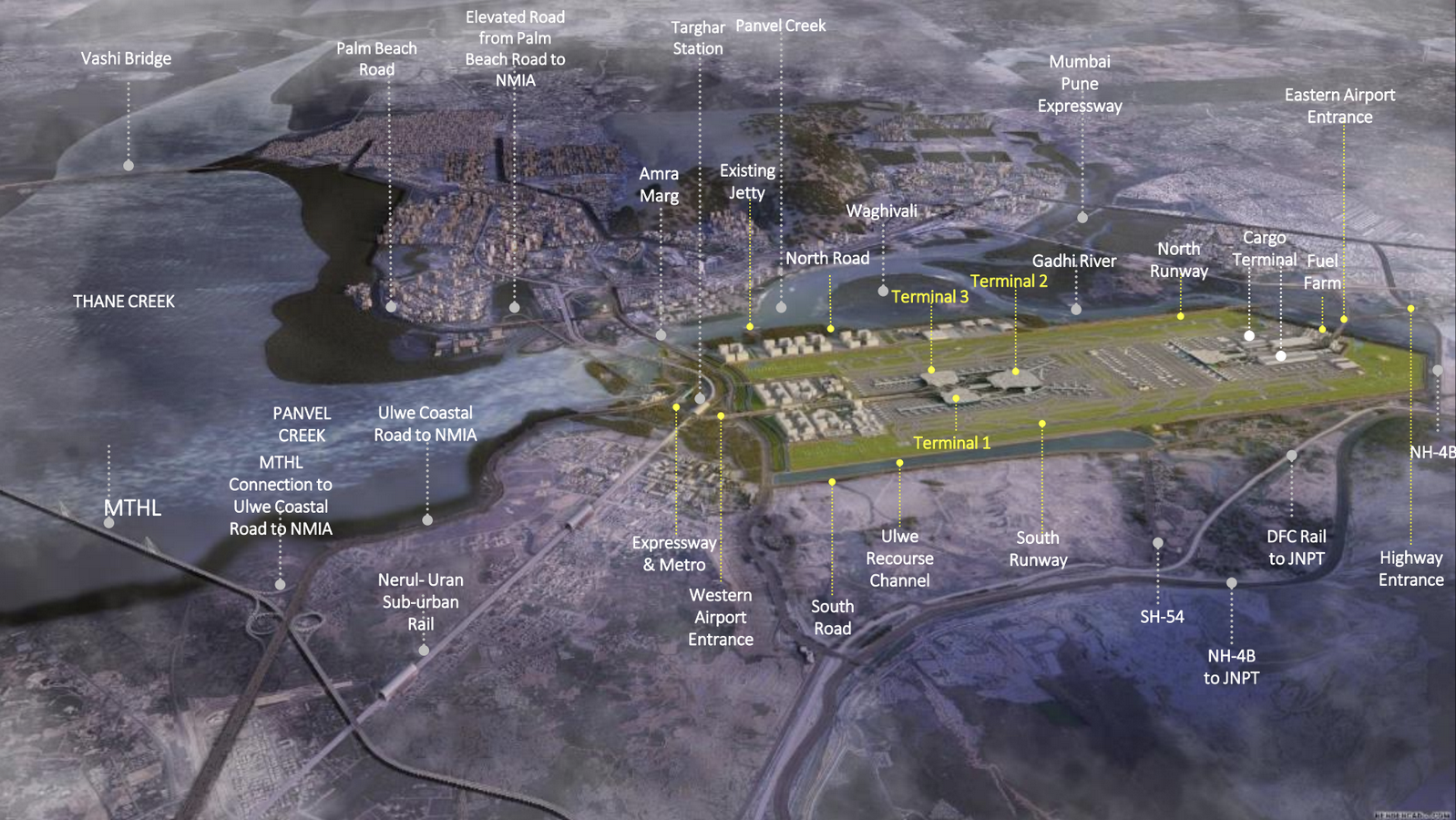
Today, despite the inauguration of the Navi Mumbai International Airport, connectivity and transport remain a cause of concern. The Mumbai Trans Harbour Link has cut travel time from South Mumbai to 20 minutes, but the congestion on connecting roads significantly increases that time. Metro extensions and express bus routes are still in progress, with shuttle services that will have to be coordinated with these services. Due to the lack of last-mile connectivity at the time of its inauguration, passengers will be forced to resort to cars and taxis, adding pressure to already congested roads. Devendra Fadnavis, the Chief Minister of Maharashtra, has also claimed that a water taxi will run between the Gateway of India and the NMIA, but no plan or timeline has been laid out yet.
Future Development and Aspirations
Aviation analysts believe that NMIA’s performance and success will only be revealed with time. Once the airport begins its operations, additional support systems such as hotels, accommodations, public transport networks and commercial centres will develop in equal proportion over time. Aimed to be completed by 2032, the success of the Navi Mumbai International Airport in decongesting both the city and CSMIA airport will be heavily dependent on its ability to solve transport and last-mile connectivity issues. It marks a strategic step towards creating new economic epicenters and investing in infrastructure that will grow with the population.
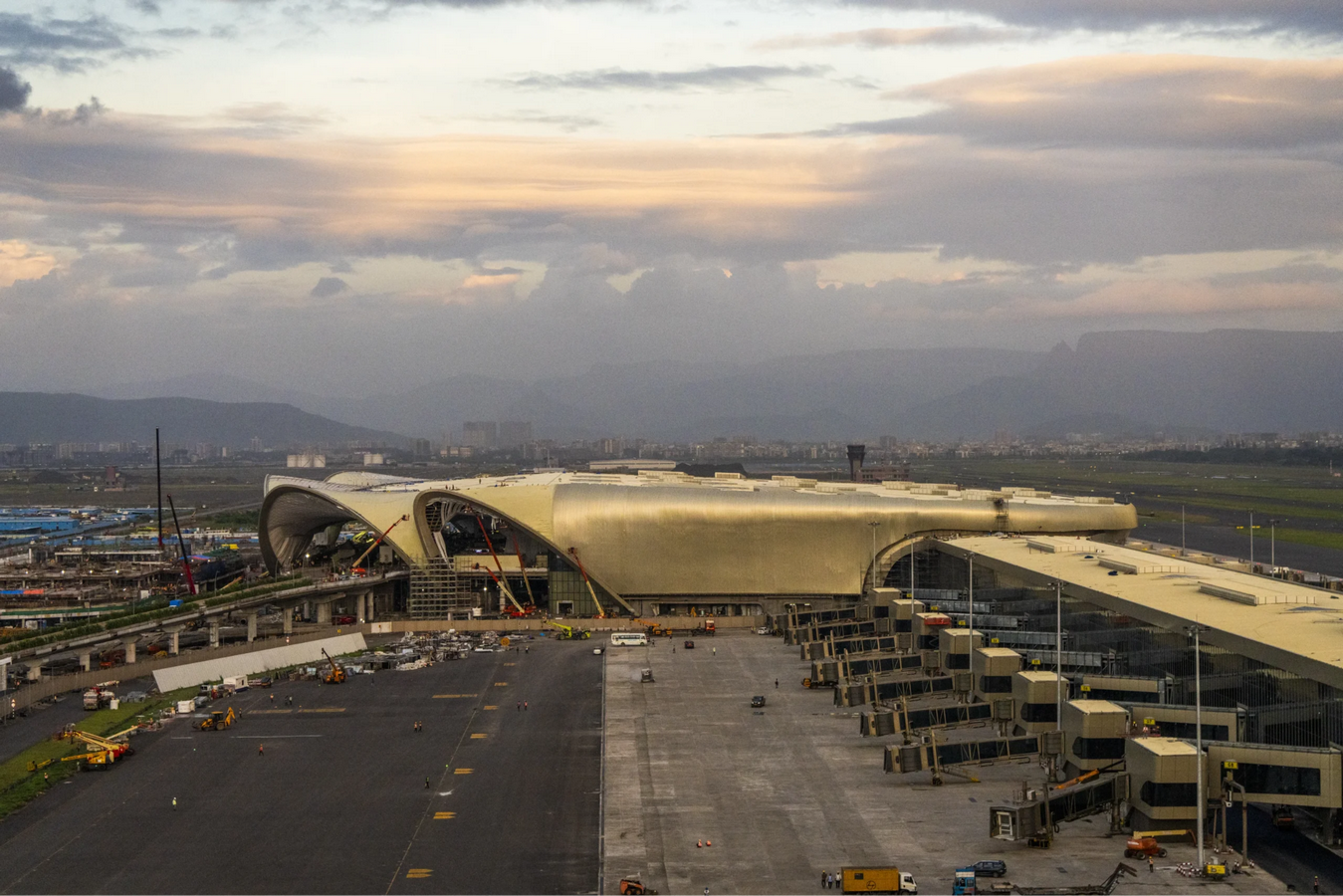
Update (2026): Navi Mumbai International Airport is now fully operational — inaugurated on 8 October 2025 and open to commercial flights since 25 December 2025. Its lotus-inspired Terminal 1, with a roof carried on twelve petal-like columns, is among the most significant works completed by Zaha Hadid Architects since the firm’s founder died in 2016 — the practice, rebranded simply as ZHA in June 2026, continues her legacy worldwide. Explore the 30 projects that define Zaha Hadid’s style.
References:
(No date) Navi Mumbai Airports. Available at: https://www.nmiairport.co.in/en/ (Accessed: 19 October 2025).
Dmello, Z.F. (2025) Navi Mumbai’s New International Airport is designed like a giant flower, Condé Nast Traveller India. Available at: https://www.cntraveller.in/story/inside-the-design-of-navi-mumbais-new-international-airport/ (Accessed: 19 October 2025).
Lad, A. (2025) Zaha Hadid architects’ INR 19,650 crore design for Navi Mumbai International Airport, Architectural Digest India. Available at: https://www.architecturaldigest.in/story/navi-mumbai-international-airport-7-insights-into-zaha-hadid-architects-largest-project-in-india/ (Accessed: 19 October 2025).
Navi Mumbai Airport to transform Maharashtra’s economy (2025) International Airport Review. Available at: https://www.internationalairportreview.com/news/295896/navi-mumbai-international-airport-set-to-reshape-maharashtras-economy-boost-infrastructure-and-create-global-identity/ (Accessed: 19 October 2025).
Pillai, G.A. (2023) Airport infrastructure resilience to climate change Geetha Ajit Pillai, Mumbai First. Available at: https://mumbaifirst.org/wp-content/uploads/2023/04/Session-4_Geeta-Pillai.pdf (Accessed: 19 October 2025).
Shah, A. (2025) Flattened Hills and diverted rivers: India’s new mega-airport opens after decades of delays, CNN. Available at: https://edition.cnn.com/2025/10/08/travel/navi-mumbai-international-airport-opens-intl-hnk (Accessed: 19 October 2025).