Wayanad can be endeavoured as a hidden treasure in the heart of Kozhikode, emerging as the luscious green forest lands. Entrenched with a rich history, Wayanad accommodates rubber, coffee, teakwood, and tea plantations, primarily reinstating the verdant atmosphere. Earlier, occupied to its fullest extent after the British rule, Wayanad seems to witness a paradigm shift in the utilisation of the land. Consequently, this caused a sudden plummet and deteriorated the pattern in farming, land use, and housing (Thannal, 2016). Additionally, several political and economic disparities were experienced by the local farmers during the British colonisation. However, now, the district is open to tourism, and the tribal community has preserved various traditional elements of vernacular architecture. For instance, the illustrious landscape of lakes, hills, and forests. This visual testament expresses the interpersonal relationship of the local tribes with nature that they have established over the years. Thus, this article will explore the preceding notion of how interconnected the design of Wayanad is with its people.
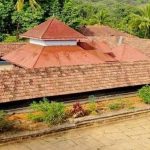
Thirunelli Temple – Wayanad
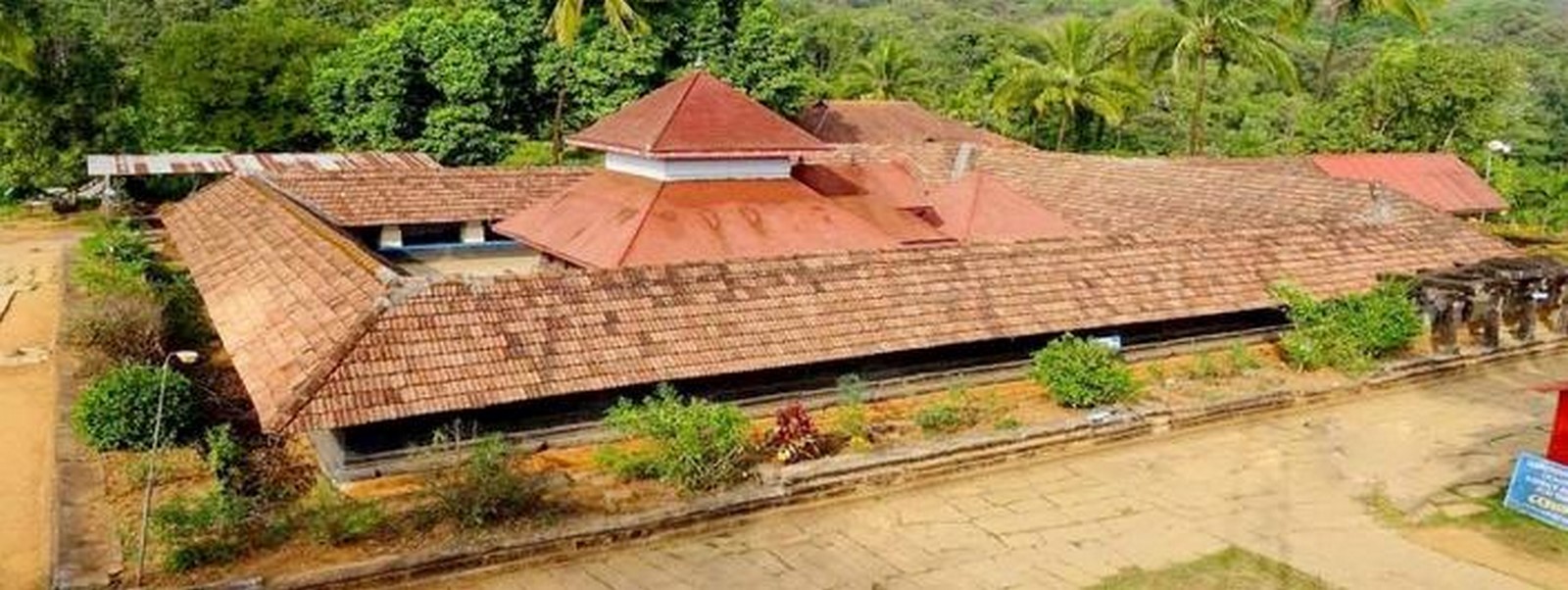
However, the 15th-century temple underwent a proposal for redesigning the fulcrum of the temple’s purpose. Therefore, the dichotomic perceptions reside with the immediate stakeholders like the Indian National Trust for Art and Cultural Heritage (INTACH), requesting the government to act regarding the preservation of the 600-year-old ‘Vilakkumadom’. Made exquisitely out of granite, the key element of the temple stood as a testimony to the Wayanad heritage, but was remodelled incompletely by the King of Coorg. This was due to a lack of knowledge about the temple’s custodian, hence the structure remains untouched after.
Moreso, the escalation of the cultural testament has affected the dynamics within the district, such as the temple administration, archaeology department, and tourism department, discussing the lack of approval before the renovation. The amendments of symmetry, aesthetics, and spatial organisation have caused a friction between ideologies, thus hampering the temple from becoming a living legacy of Wayanad’s culture (Vidyanandan, 2022).
URUL House
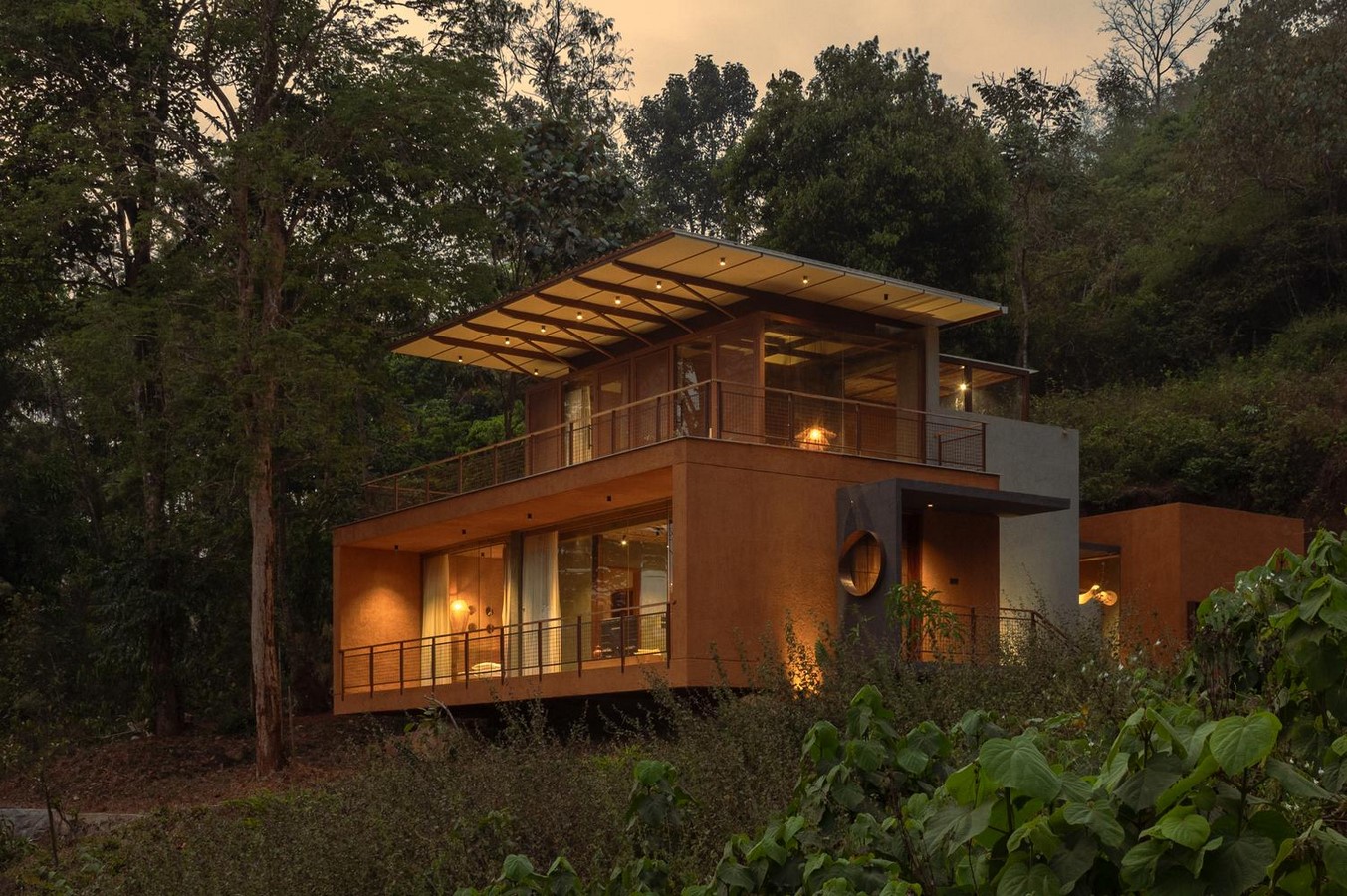
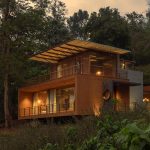
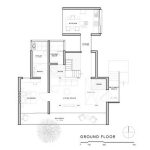
Drifting away from religious building typology, on the other hand, Wayanad has managed to retain its traditional housing culture. Urul, situated amidst the luscious forests of Wayanad, is a research-based project conceptualised specifically for a nature-loving couple. Constructed in 2023 by STUDIO TERRATECTS, the design incorporates 2 bedrooms engulfed within the surrounding vantage points of Chembra Peak and the Indian Rosewood tree. In particular, the circular-shaped entrance bay frames leading towards the Chembra Peak allow an immersive and hospitable experience. Moreover, the manoeuvring terrains of Wayanad allowed the construction of this house to be habituated alongside the rocky hill. For instance, the cantilevered ground floor minimised the earth disruption and elongated the space into a balcony (ArchDaily, 2024).
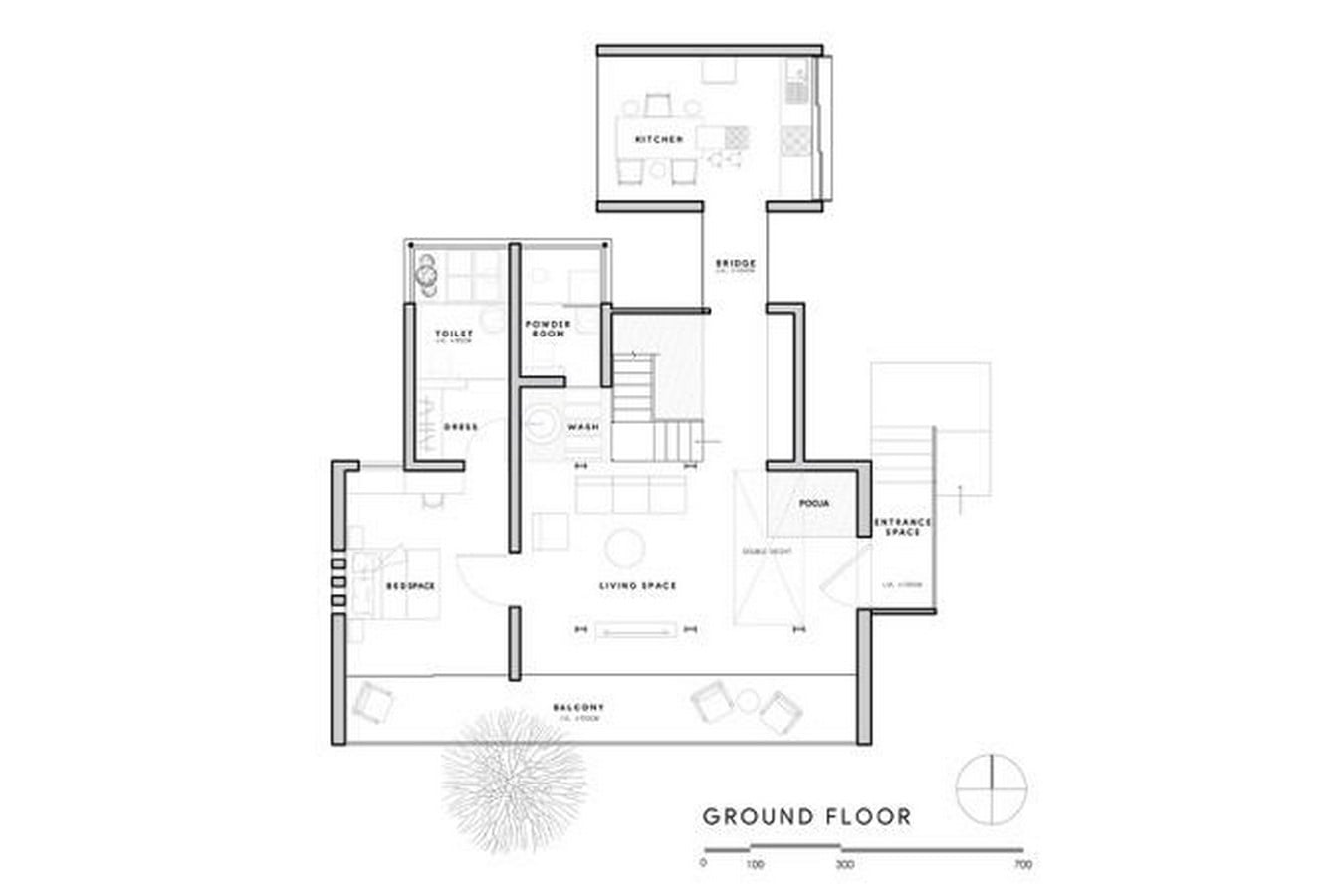
Focusing on the interiors of the structure, mostly earthy colour tones and biophilic elements like natural light and ventilation have been interplayed in this structure to blend seamlessly with nature. Glass has been extensively used to invite nature to the built structure. For example, glass as a replacement for timber in the south wall. In addition, a glass-flanked bridge connecting the kitchen and the subsequent block (ArchDaily, 2024). Skylight being illuminated in the center of the pooja space exerts the divine presence.
With regards to the material palette, quintessential techniques accompanied by the latest innovations have been used as a major construction practice. After conducting site surveys and interviews with the local tribes, pivotal insights such as sourcing material from the site, entanglement between nature and architecture were acquired. Therefore, local artisans were trained for this project, in particular for mud plastering the waterproof and insect-proof construction.
Construction challenges that were imposed included the landslide-prone nature of the site and water runoff. Trenches of 2 meters filled with rocks were created to act as an artificial drainage. A retaining wall was further developed at the rear of the structure to prevent falling stones (ArchDaily, 2024).
On the whole, the preceding comparison studies between the two building typologies, religious and residential, coexist in the heart of Wayanad. Although different in terms of socio-political contexts and constructed during different architectural eras, the common thread includes the rate of involvement of the local community that can either aid or deteriorate the construction. Hence, convergence of the ideologies of the community is directly proportional to the likelihood of heritage preservation and the dissemination of cultural knowledge among generations of Wayanad.
References:
- Thannal (2016). The forgotten earth homes of Wayanad, Kerala. [online] Thannal Natural Homes. Available at: https://thannal.com/the-forgotten-earth-homes-of-wayanad-kerala/.
- wayanad resorts (2025). Pranavam Resort. [online] Pranavamresort.com. Available at: https://pranavamresort.com/thirunelli-temple-wayanad.php.
- Drishti IAS. (2025). Thirunelli Temple. [online] Available at: https://www.drishtiias.com/daily-updates/daily-news-analysis/thirunelli-temple.
- Vidyanandan, M.S. (2022). Archaeology dept kept in dark over Thirunelly temple renovation. [online] The New Indian Express. Available at: https://www.newindianexpress.com/states/kerala/2022/Apr/07/archaeology-dept-kept-in-dark-over-thirunelly-temple-renovation-2438861.html.
- ArchDaily. (2024). URUL House / STUDIO TERRATECTS. [online] Available at: https://www.archdaily.com/1024367/urul-house-studio-terratects?auth=hadid.