Trail to the History of the City
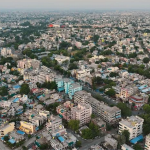
Steeped in heritage and culture, Nagpur, or as it is affectionately dubbed, the ‘City of oranges,’ offers to the visitors and locals, enthralling sights to behold, right from the colonial structures to the hubs of religious activities. With a deep respect for traditions and historic context, Nagpur judiciously balances the personality of the residents and a vision of emerging technological milestones, rendering the city a unique character and ethos. Other than its quality oranges and culinary prowess, Nagpur boasts itself as a gateway to the rest of the country’s tiger reserves and encompasses the zero milestone, which marks the geographic centre of India.
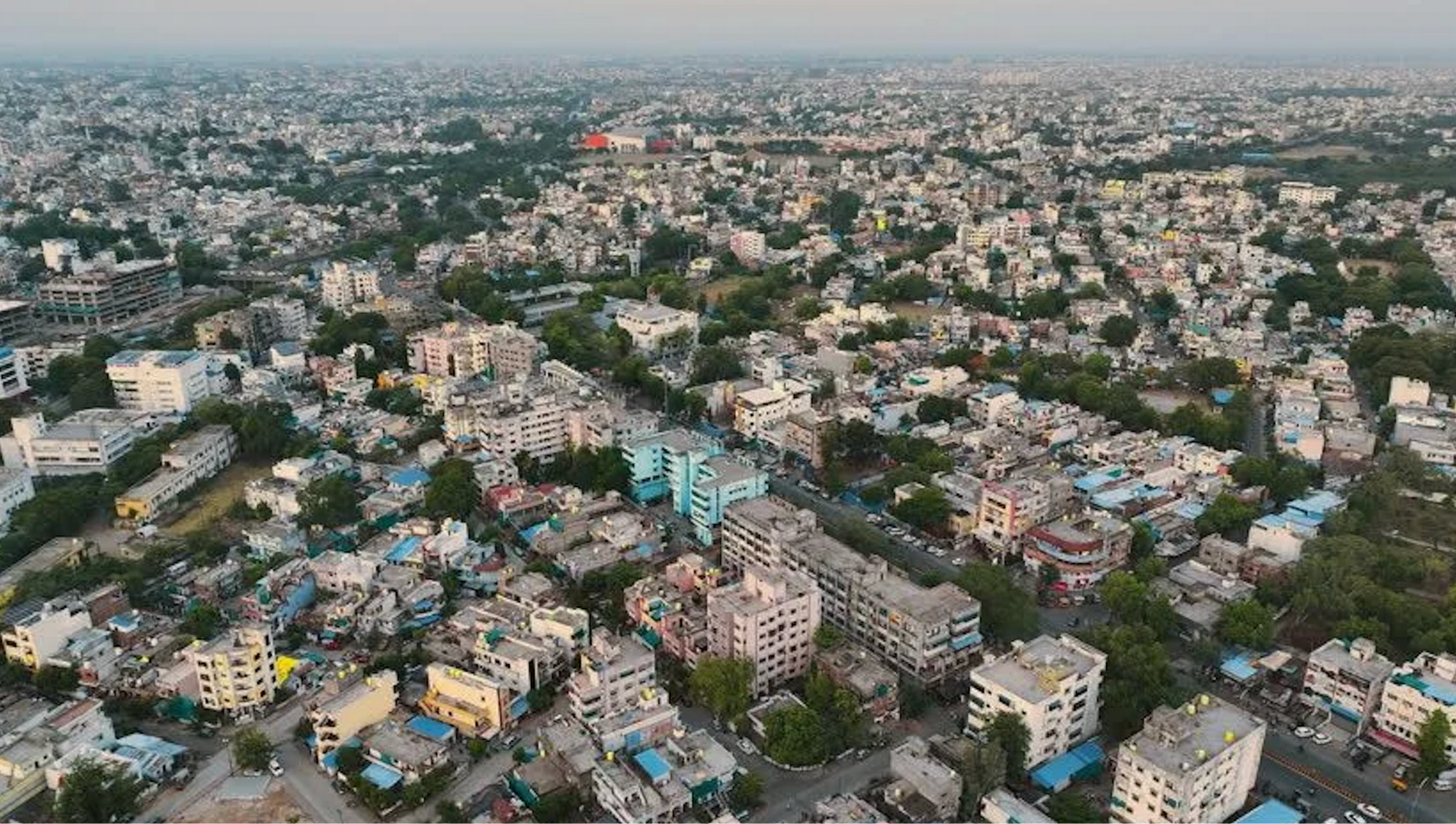
Carrying a legacy of distinct style and architecture, the city hosts some of the most iconic buildings in the Indian landscape, ranging from institutional, utilitarian, to religious precincts. The streets offer a blend of historic flavour and serene nature. Dotted with monuments, temples, forts, lakes, and gardens, this city is no less than a visual treat for those exploring the diversity and juxtaposition of the people’s values. Being inhabited since the 3000s BC, as discovered due to the excavations of Mehir burial sites, the region was ruled by different clans and kingdoms before falling into the power of the Mughals under the Shah of Deogarh. It is said that Nagpur was officially founded in 1702 by the Gond King, Bhakt Buland Shah of Deogarh, succeeded by the Bhonsales of the Maratha empire, after which it was taken over by the British East India Company. During the entire course of history, the area has witnessed several transformations in the architectural character, urban planning, and religious layout, contributing to the city as seen today.
Historical Landmarks of Nagpur
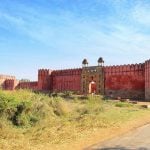
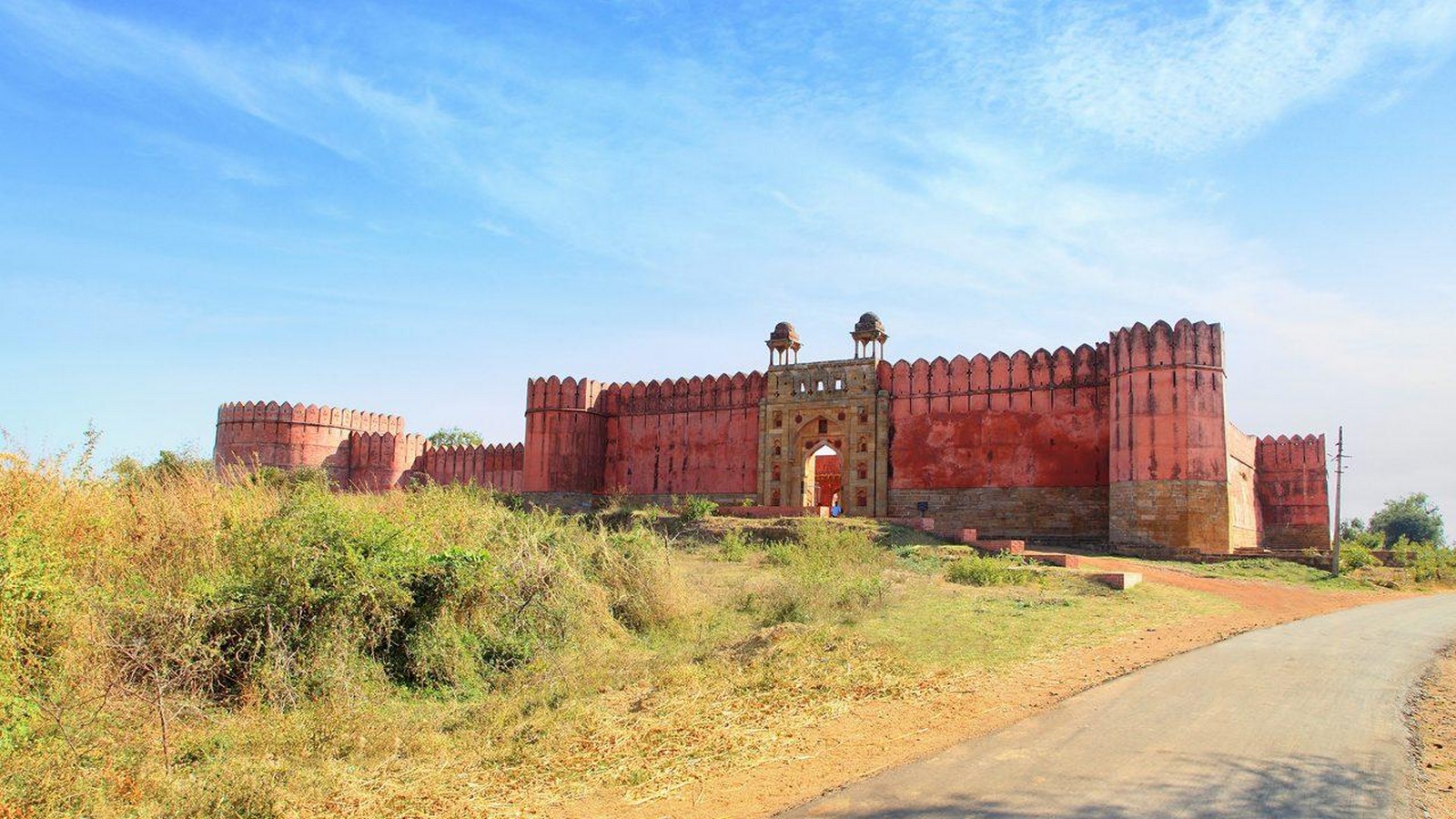
A window into the rich history of the Maratha rule stands the fort of Nagardhan, away from the bustle of the city centre, made with sandstone walls, arches, and Chatris, reminiscent of a glorious period. The majestic walls, towering gates, and bastions transport the viewers back to a time when battles and conquests dominated the atmosphere, when architecture and splendour were celebrated as a representation of the dynasty and its lineage, bearing signs of opulence and might. The first museum in the vicinity provides the visitors with more pronounced insights into the ancient characters of the streets and the lifestyle of the city.
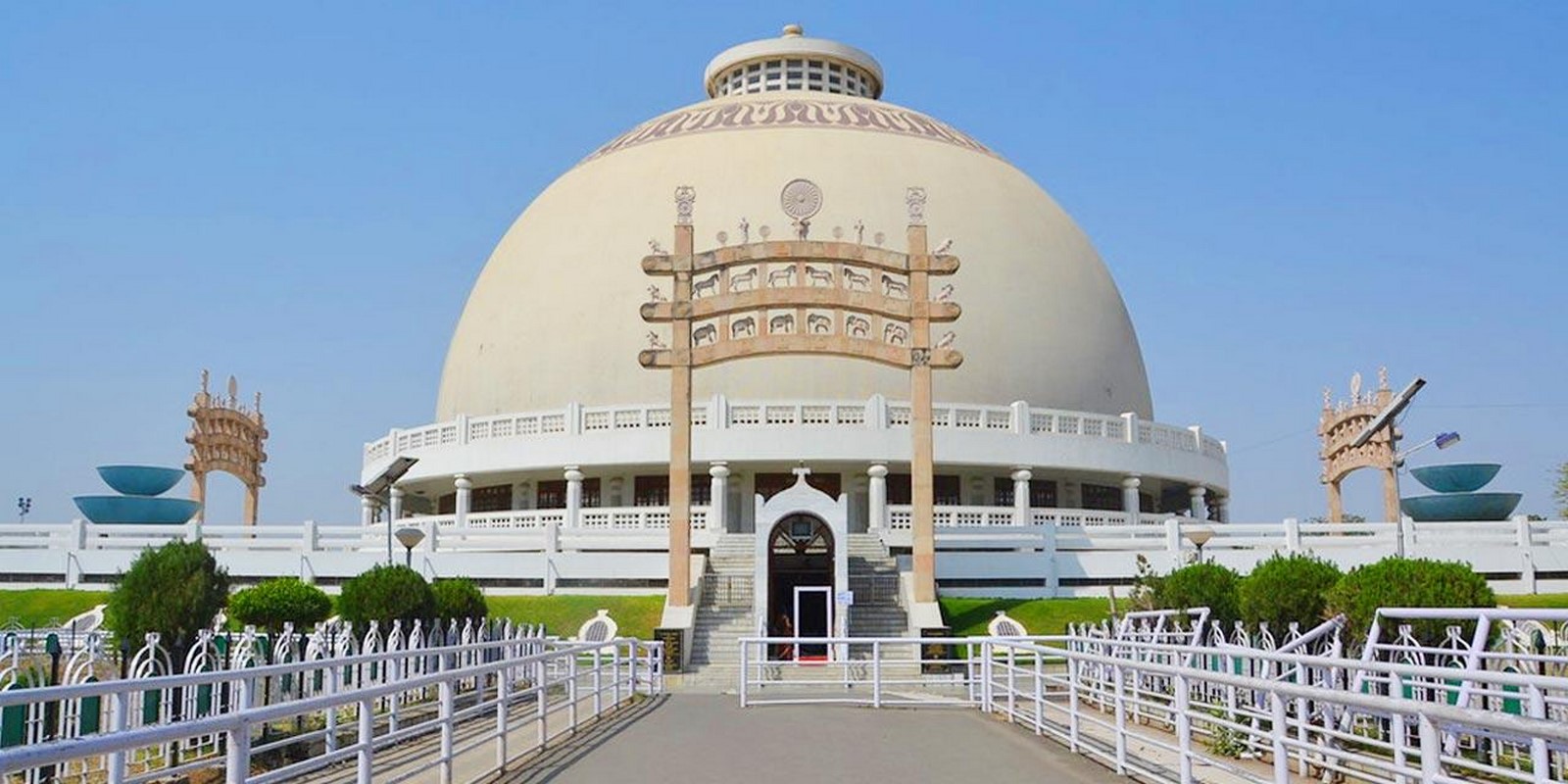
When one hears of Nagpur, the first thing that rings in their mind is ‘Deekshabhoomi,’ a sacred centre of pilgrimage wherein Babasaheb Ambedkar, along with his followers, had adopted the religion of Buddhism in 1956, furthering the image of Nagpur as the birthplace of the Neo Buddhist movement. To commemorate the historic step, a Stupa was built at the site, encouraging people to embrace the principles of the religion. The sprawling landscape houses the giant Stupa at the centre with a prayer hall on the ground floor. With four traditional gateways along the cardinal directions, the structure flourishes through its cultural depictions and motifs, sculptures, and columns infused with a modern touch.
Colonial Imprints
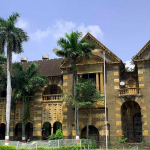
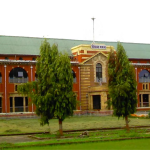
Peeking a glimpse into the colonial era, Civil Lines of Nagpur resonate with the period of the British administration. Buildings such as residential quarters, structures of government importance, and official administration seats are laid out in a strategic manner, hinting at its predominance during the rule. Located at an offset from the local settlements, this carefully planned area was laid with large roads, green spaces for visual refuge, and well-planned houses for the civil servants and officers. It reflected their preference for well-controlled and structured spaces and a marked distinction from the local dwellers. The residential quarters featured a style, a conscious amalgamation of regional, vernacular functions and colonial grandeur, while the utilitarian blocks were immersed in a heavily colonialised, European version of local portraits.
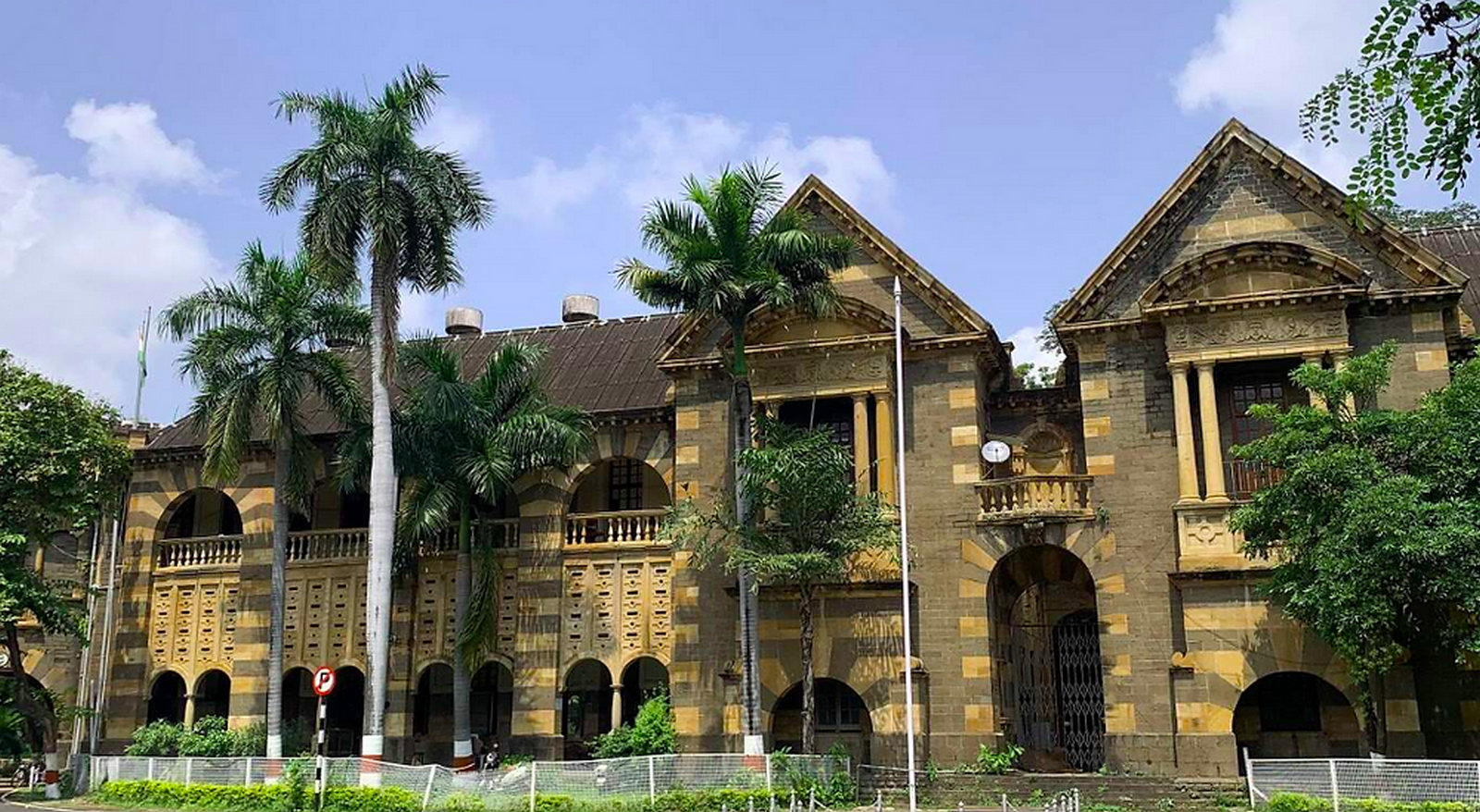
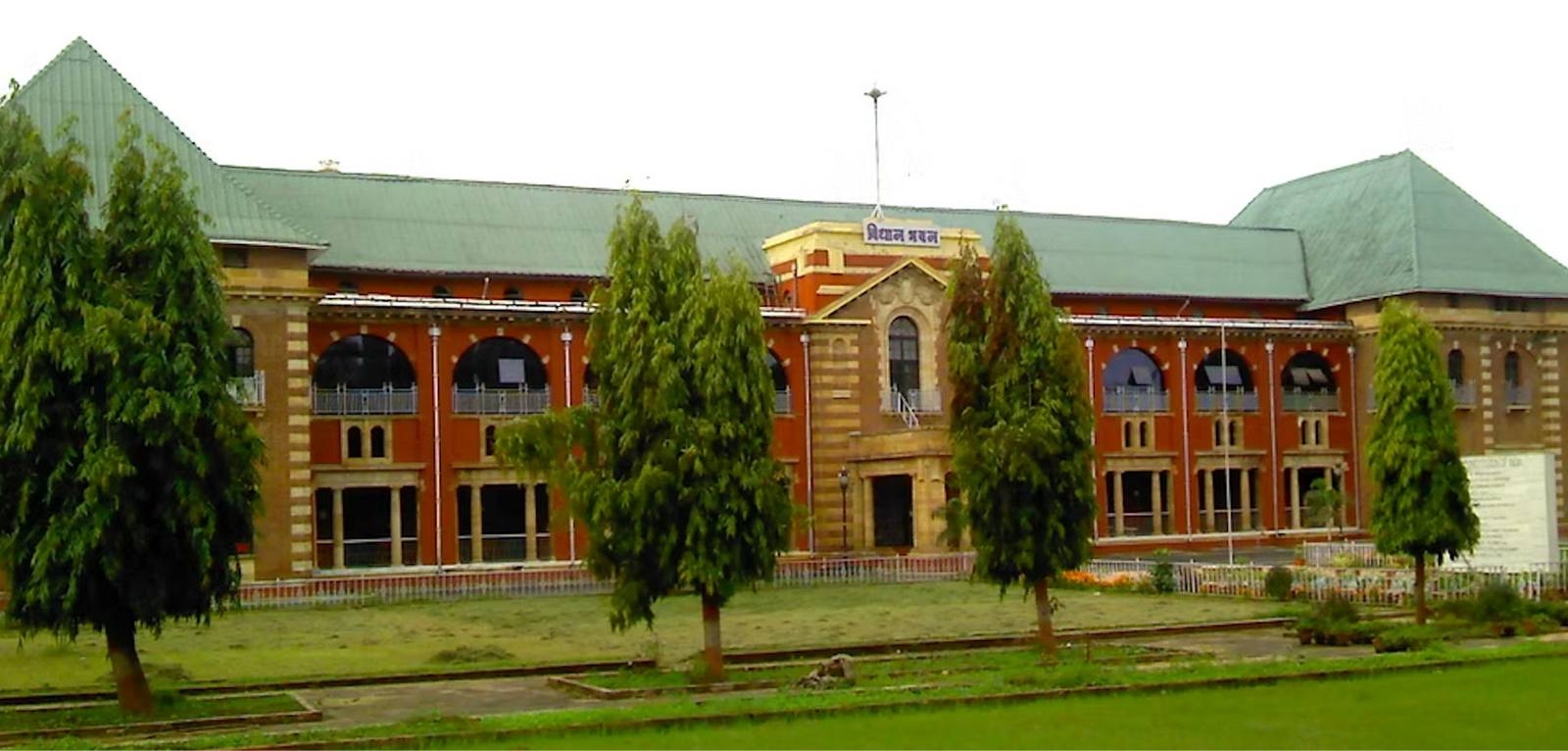
The bungalows had high ceilings, extensive courtyards, verandahs, sloping roofs to adapt to the climate, terraces, and curated facades to mirror the British’s authority and power. Materials such as red clay tiles and green or blue roofing sheets ensured responsiveness against the harsh weather conditions, while stone, wood, plaster, and red-yellow colour tones ensured insulation and adaptation of the European ideals. Apart from residences and legal blocks, churches, schools, and commercial units were also provided. Notable structures such as the Vidhan Bhavan, the administrative headquarters of the central province, the post office, and the Old High Court, were designed to emanate stability, order, and magnificence, functioning as a focal point within the locale. Currently, the area stands as a testament to the rich history of the City and its prominence during the colonial past, housing government officials, business communities, and high-ranking members of the working society.
Contemporary Scenes
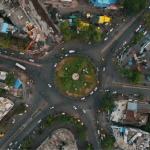
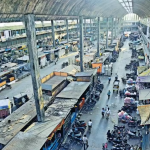
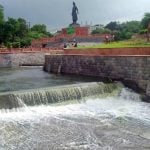
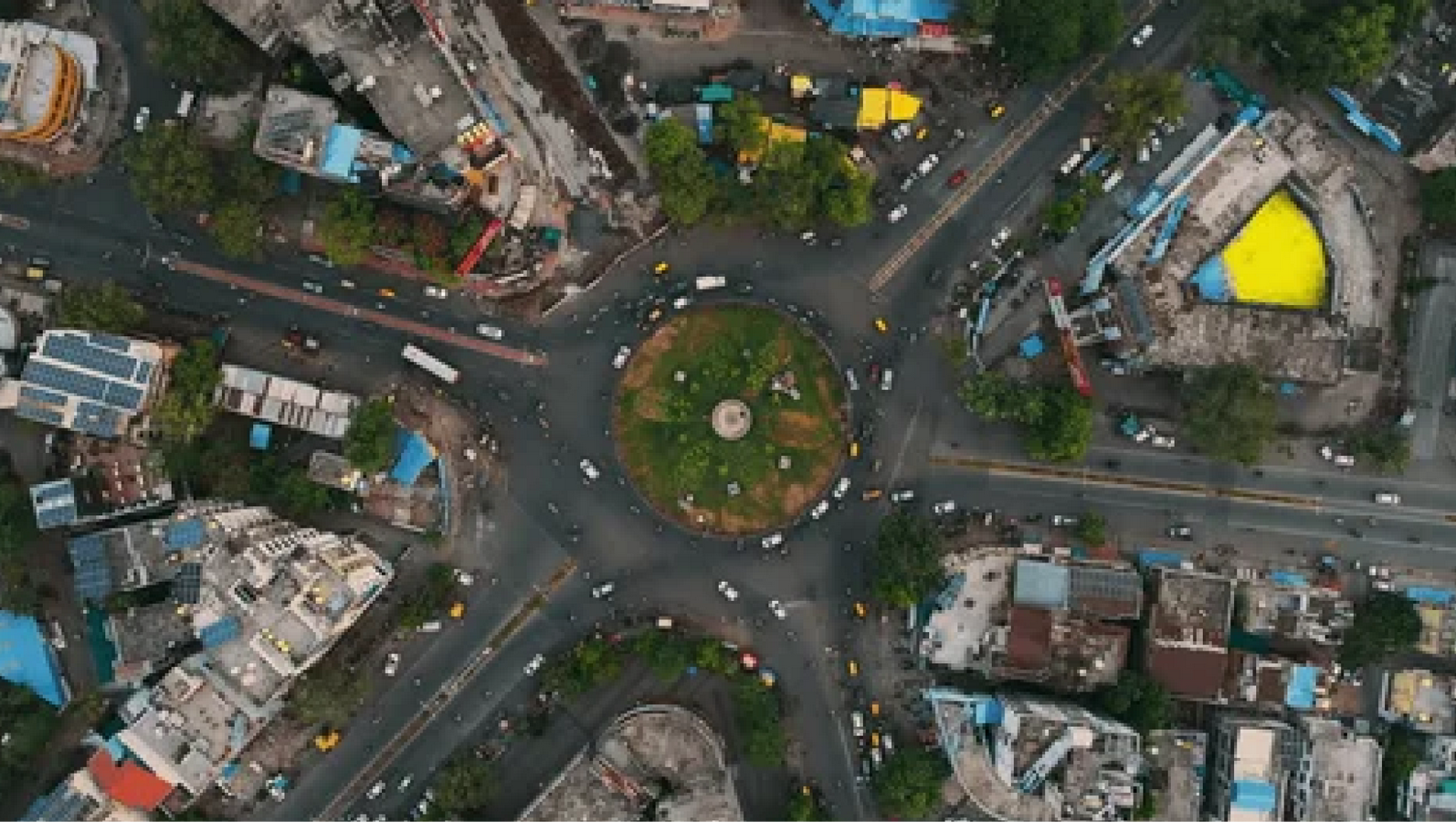
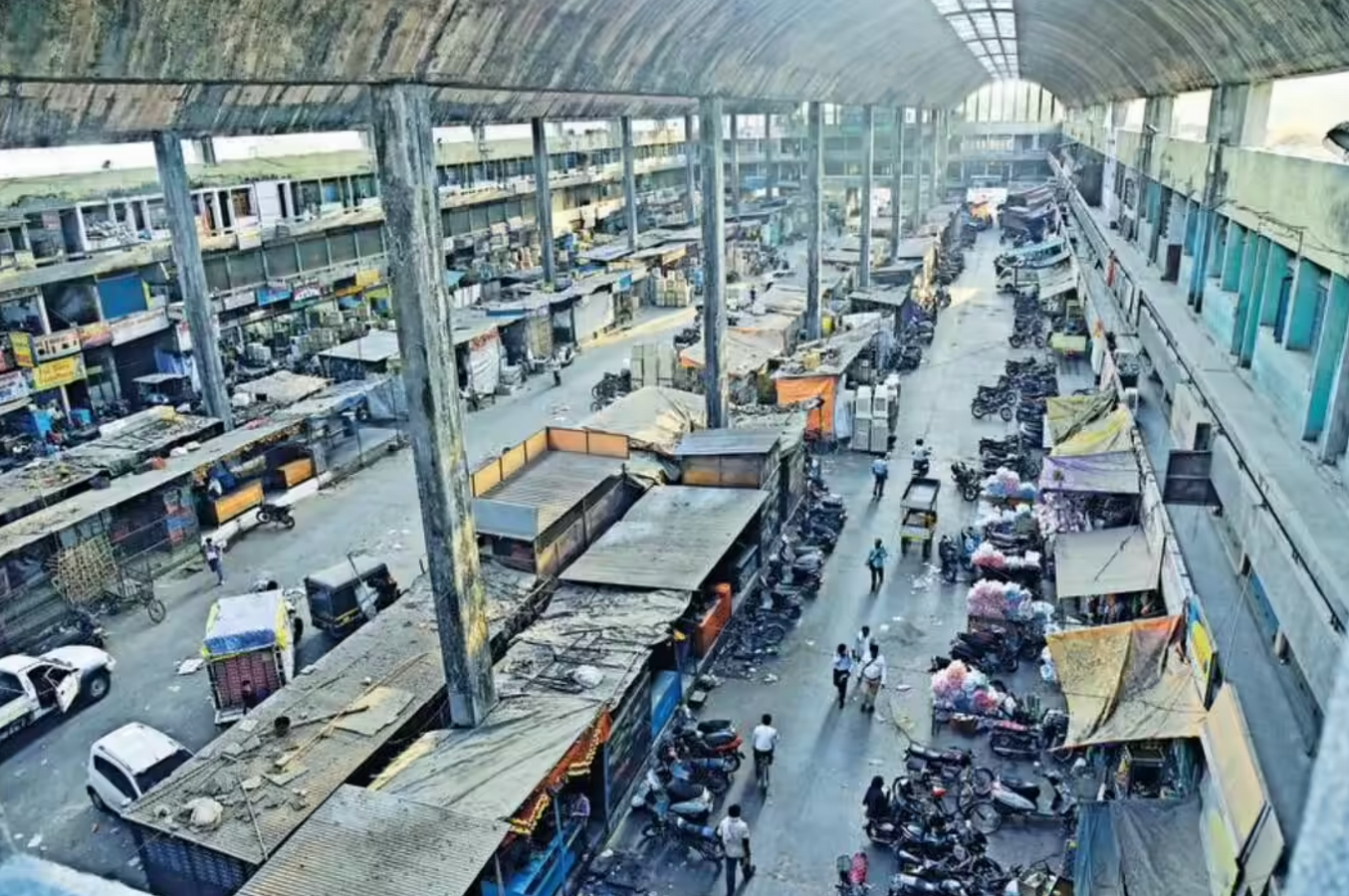
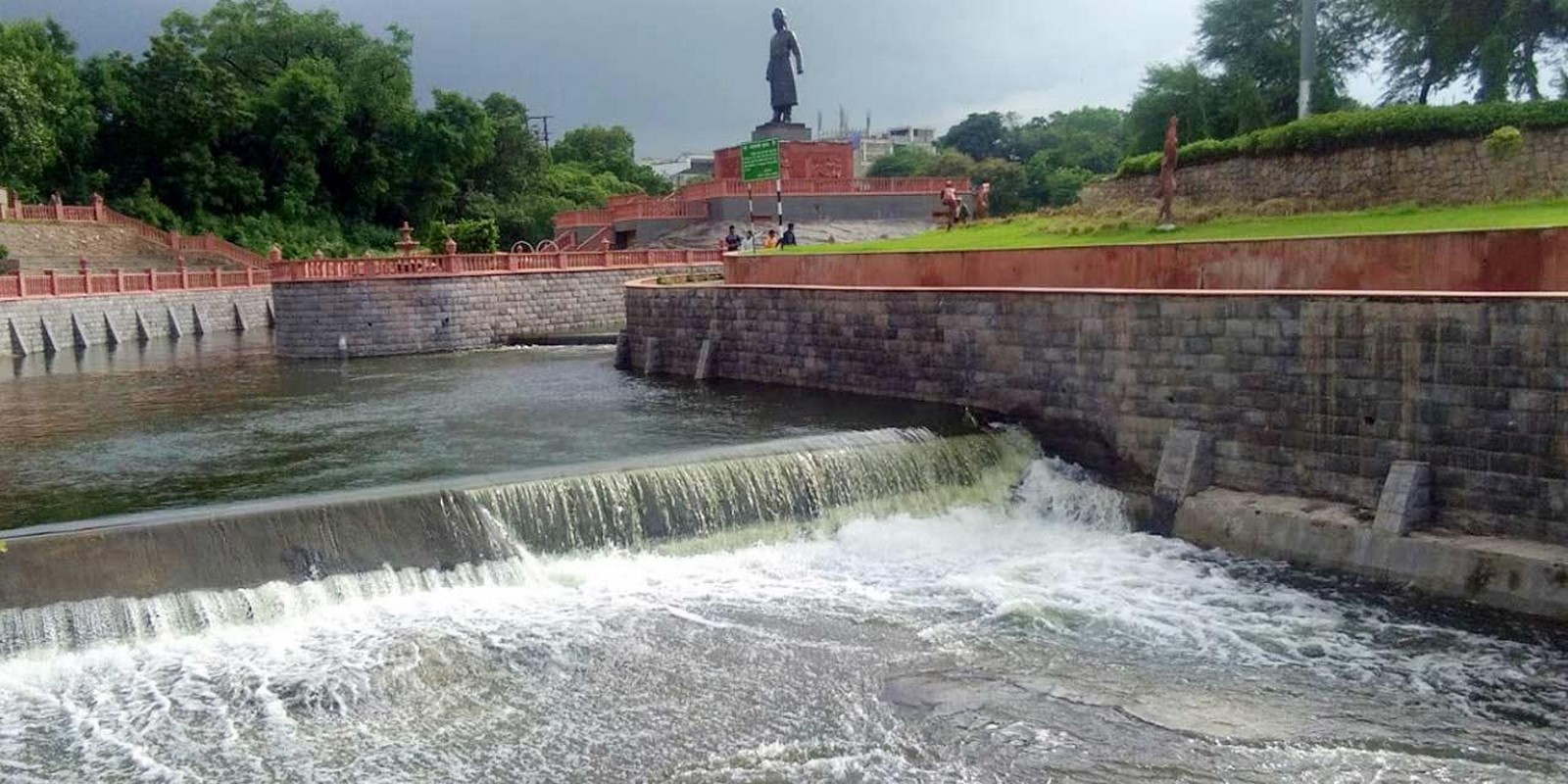
Ambazari Lake Trail is an amazing space to unwind and spend evenings amidst the lush green landscapes of the garden walk, offering long routes for walking and spots for picnics. With exercise stations and speakers gushing out with music, the lakefront offers a scenic view with boating activities. Maharaj Bagh and Seminary Hills also offer relaxing strolls. As a stark contrast to its usually calm and peaceful ambience, traffic intersections such as those on Wardha Road, Koradi Road, and Sitabuldi pose as major roads with constant vehicular congestion. The lanes are also lined with a long metro corridor, called Majhi Metro. The Cotton Market in the Vidarbha neighbourhood initially worked as a commercial hub trading ‘white gold’ or cotton, which abundantly grew in the black soil of the region. Now, with a decline in the business, it has transitioned into a vegetable market lined with vendors and shops on either side and growing commotion.
Areas like Nanga Putla Chowk and Bajaj Nagar hold a treasury of street food with wide-ranging delicacies made with a local twist. Vibrant shop streets such as Sitabuldi main road, Dharmpet shopping street, and Sarafa Bazaar offer people a multitude of collections to choose from, starting from fashion, books and stationery, domestic items, to electronics and technology. The robust nature of the city, combined with the hospitable and courteous people, makes a walk through the city an immersive, perceptual, and explorative journey, with each nook and corner of the place narrating a different tale of its glory.
The following references are given in Harvard Citations:
thenewsdirt (2025). Civil Lines, Nagpur: A Glimpse into the Colonial Past. [online] theNewsDirt. Available at: https://www.thenewsdirt.com/post/civil-lines-nagpur-a-glimpse-into-the-colonial-past.
Incredible India. (2025). Nagpur Exploration: An Escapade Through the Orange City of India. [online] Available at: https://www.incredibleindia.gov.in/en/trips/trip-listing/nagpur-exploration-an-escapade-through-the-orange-city-of-india [Accessed 19 Oct. 2025].
Wikipedia Contributors (2019). Nagpur. [online] Wikipedia. Available at: https://en.wikipedia.org/wiki/Nagpur.
Deekshabhoomi.org. (2025). Deekshabhoomi. [online] Available at: https://www.deekshabhoomi.org/architecture/ [Accessed 19 Oct. 2025].
NewsDirt (2022). The Cotton Market in Nagpur: From Prosperity to Decline. [online] theNewsDirt. Available at: https://www.thenewsdirt.com/post/the-cotton-market [Accessed 19 Oct. 2025].
middha (2018). 11 Shopping Places in Nagpur To Shop Till You Drop – Treebo Blog. [online] Treebo Blog. Available at: https://www.treebo.com/blog/shopping-places-in-nagpur/ [Accessed 19 Oct. 2025].