Globalization- the increase of connections between economies and ease of sharing of technology and culture has significantly transformed architectural grain all over the world. Like a coin with two sides, profound globalization has its advantages and disadvantages. The mass production has given more access to affordable construction, which has housed so many homeless people. The glass has reduced a significant amount of carbon trace, and the usage of prefabrications has reduced much construction waste. The pod houses manufactured in the factory have become a go-to solution for the homeless in NYC. Yet the character of a city relies on its cultural roots, which are fading into thin air day by day. The skyline of Singapore and Ho Chi Minh looks the same, though they have very diverse cultures and climates. Climate-responsive designs are compromised a lot to achieve a modernistic, sleek look. Is this the mark towards the future or a transition to find an alternate reality? Let’s get into the article to dive more into the topic.
Modernisation – the perennial phenomenon
Modernisation is not a recent phenomenon. The well-grown shades of modernisation are now evident in every skyline. Yet, the roots of this movement can be traced back to the Industrial Revolution. The Industrial Revolution is the era that gave more opportunities to work, inventions, and innovations, scaling up the availability of any product to a new level. The mechanisation began reshaping how buildings were designed and constructed.
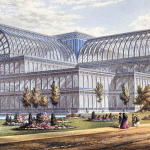
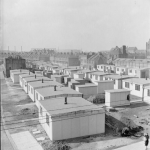
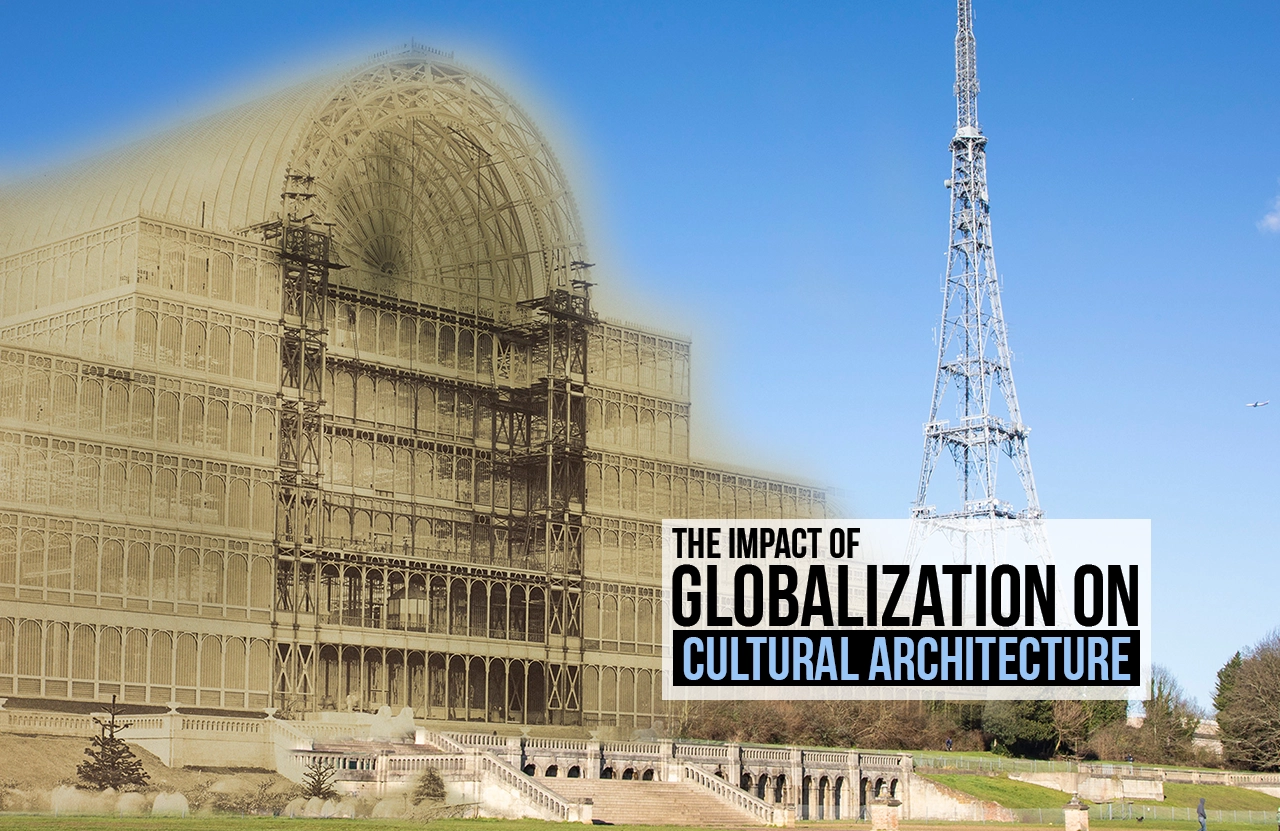
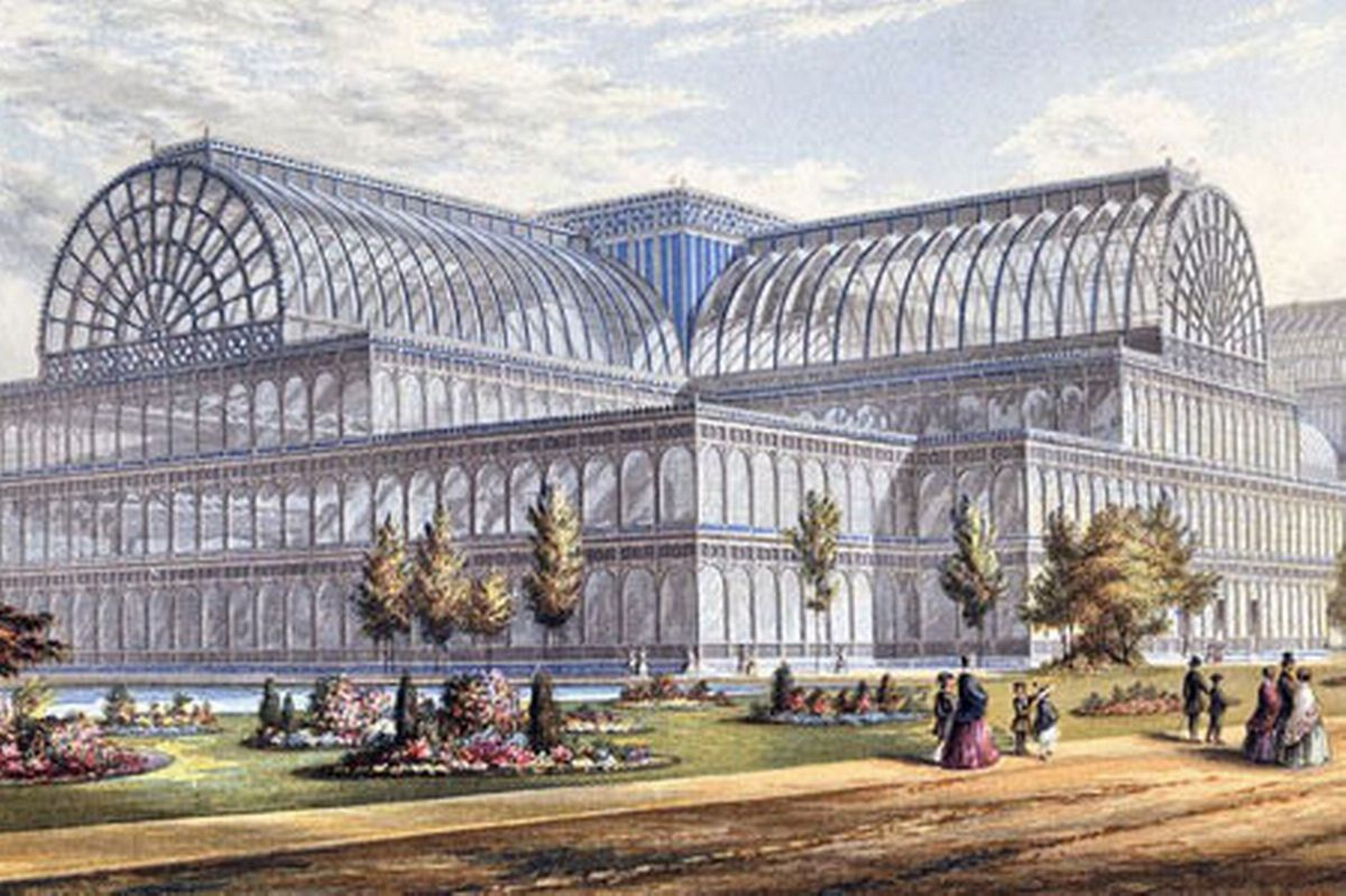
The first glass and iron structures, such as the Palais de l’Industrie (1855) and later the Crystal Palace in London, demonstrated how mass production and new materials like cast iron and glass could redefine architectural expression as well could also be easily set up within a shorter time frame. Similarly, during World War II, prefabricated shelter homes and military camps were the earliest examples of an easily accessible, demand-driven, quicker solution, which helped in housing millions of refugees.
Modernisation aimed to imply form follows function, eliminating the need for excessive ornamentation yet this functionalist ideology initially faced resistance. The Art Nouveau movement emerged as a counter-response — a fierce rebellion that sought to bring back artistry, individuality, and craftsmanship, which were slowly fading with uniformity in buildings. Every inch of its residences, churches, and civic buildings was intricately designed, every column and window unique, celebrating the artist’s hand over the machine’s precision.
However, beneath this aesthetic need for artistic intervention, practical curbs were holding back the progress. The dependence on rare materials, extensive labour, and handcrafted detailing made Art Nouveau financially unsustainable and structurally inefficient for mass adoption.
As the demand for affordable housing surged with industrial expansion, an increase of population, and wartime displacement, the limitations of such highly time-consuming, labour-intensive architecture became painfully clear. The average cost of construction soared, while craftsmen struggled to keep up with production needs — creating a widening gap between architectural beauty and social necessity.
Modernisation – expansion of access to basics for everyone
By contrast, the mid-20th century witnessed a major shift: the adoption of modernism, prefabrication, standardisation, new materials (steel, reinforced concrete, drywall) and industrialised construction techniques which dramatically lowered cost, increased speed and expanded supply. Some illustrative case-points:
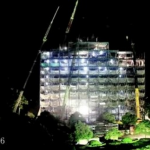
The use of prefabricated components and off‐site manufacture reduced labour, waste, and cost, which is evidently seen in China as the country produces skyscrapers of 15 floors within an impressive 6 days – the Ark Hotel in Changsha, which is a remarkable milestone of technology development.
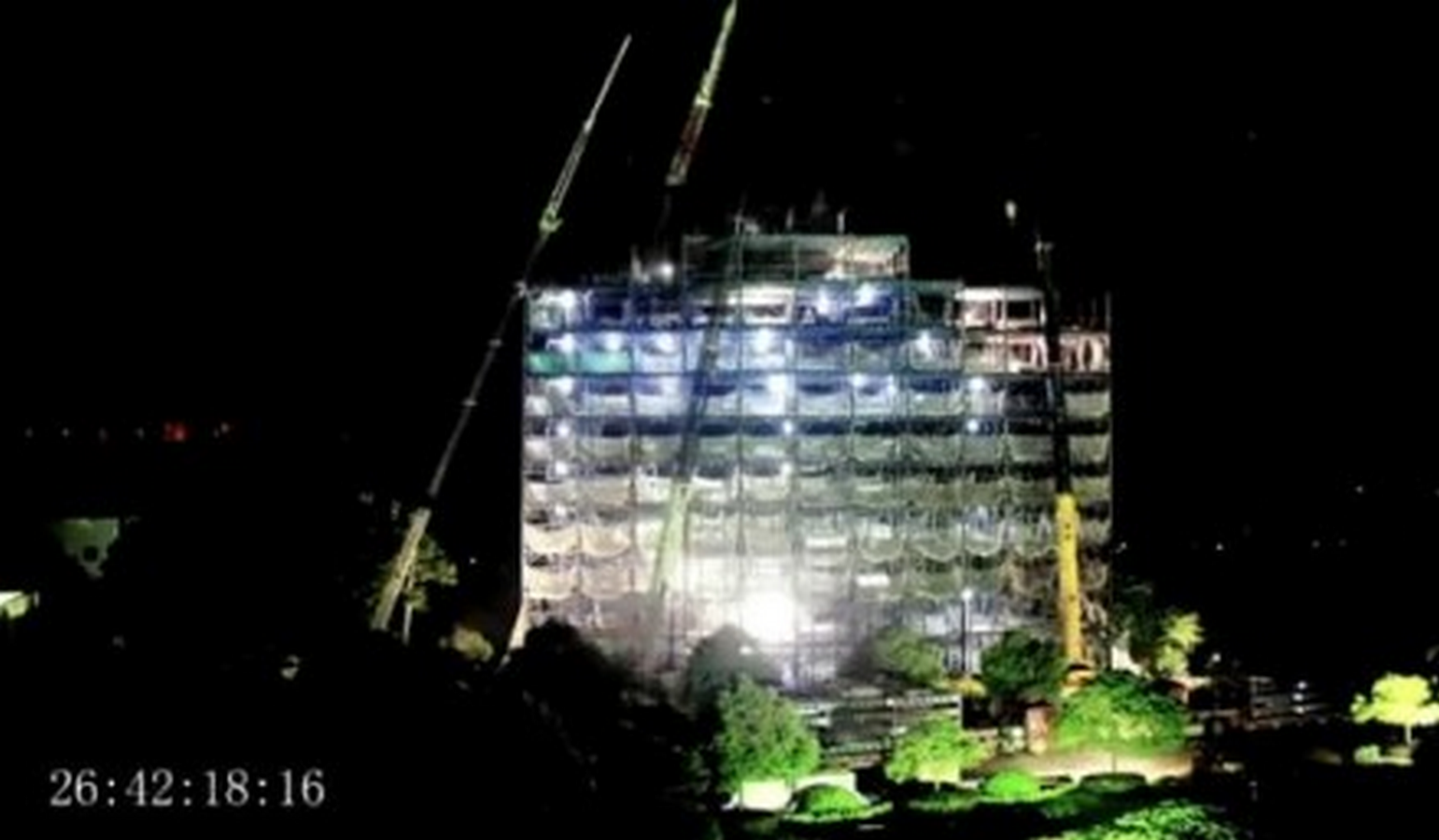
In Canada, for example, housing demands were surging to new levels in the post-WWII era; in one decade, “house construction was held back largely because of shortages in building materials, skilled labour and contractors” rather than lack of demand, which is a serious concern as the technology is innovated to meet the demand of human and ecological needs.
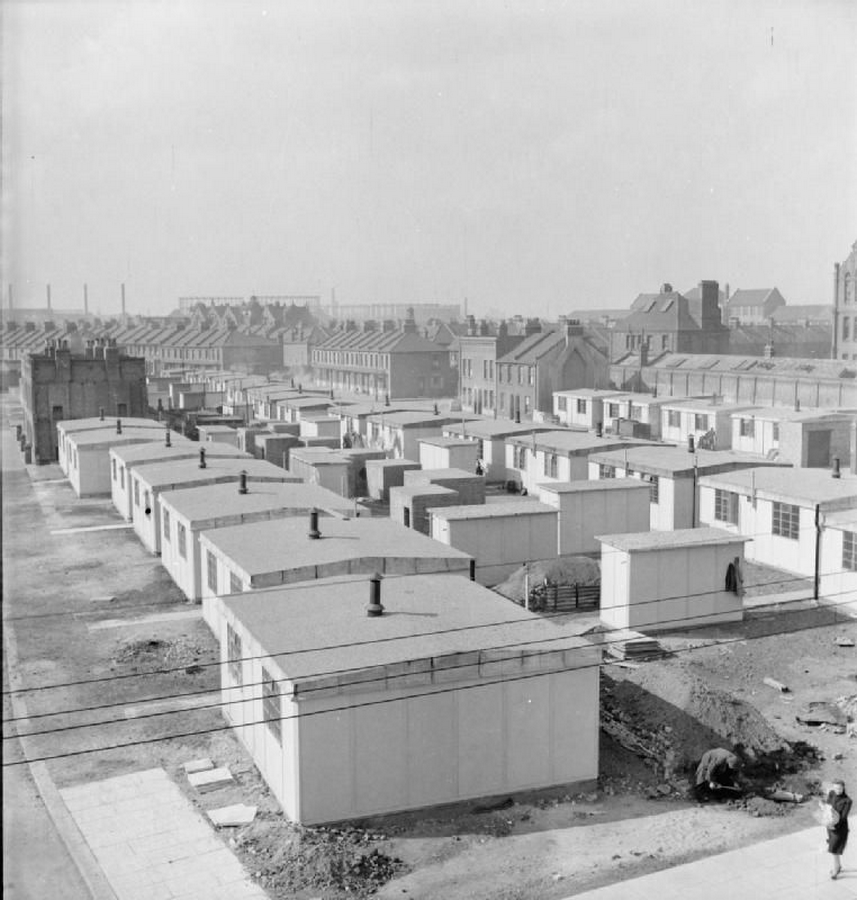
In the United States, the example of Lakewood, California, illustrates how a mass-produced suburban housing development built 17,000 homes circa 1949 at approx. US$96 per sq ft (in 2019 dollars), sold for about US$140,000, which was affordable for families at or below a US$45,000 annual income level at that time. Harvard Design Magazine
On the technology front, in India, the programme Pradhan Mantri Awas Yojana (PMAY) sanctioned ≈ 4.01 million houses; about 2.77 million had been delivered by the time of reporting. These efforts also promoted modular tunnel form, rapid panels, and light-gauge steel-framed structures as a “paradigm change” in construction technology for affordable mass housing. epcworld.in
These data show: modernisation, through cheap materials, standardised manufacturing, scale, and supportive policy frameworks, enabled housing to reach a broader cross-section of society. In many places, the middle class and even lower-income groups gained access to new housing types that previously would have been unattainable if built with artisan, high‐cost methods.
The Fading Vernacular and the Rise of Techno-Sustainability
Modern architectural practices, while offering speed and accessibility, have unfortunately led to the decline of traditional building wisdom and the use of vernacular materials such as mud, lime, timber, and local stone. These climate-responsive materials are being supplanted by concrete, glass, and steel, resulting in a uniform style followed all over the globe despite the completely different needs of the climate. The construction nowadays is completely driven by industrial supply chains and urban aspirations, thereby disconnecting architecture from its regional heritage.
This shift is evident in the replacement of traditional structures—like mud houses with natural temperature regulation, courtyards that enhance airflow, and sloped tile roofs suited for monsoon climates—with uniform, air-conditioned buildings. The disappearance of vernacular materials is not merely a cultural concern but also an environmental one, as traditional methods often incorporated low-carbon and sustainable principles that modern materials frequently fail to replicate.
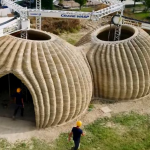
However, this decline also presents opportunities for technological innovation. Current architectural trends highlight a synthesis of digital precision and traditional logic. Examples include 3D-printed mud houses by companies like ICON and Tvasta Manufacturing Solutions, which demonstrate how robotics and additive manufacturing can revitalize indigenous materials for affordability and sustainability. Similarly, the robotic installation of parametric brick walls, pioneered at institutions like ETH Zürich and IAAC Barcelona, reintroduces craftsmanship through computational methods, where technology acts as a modern artisan.
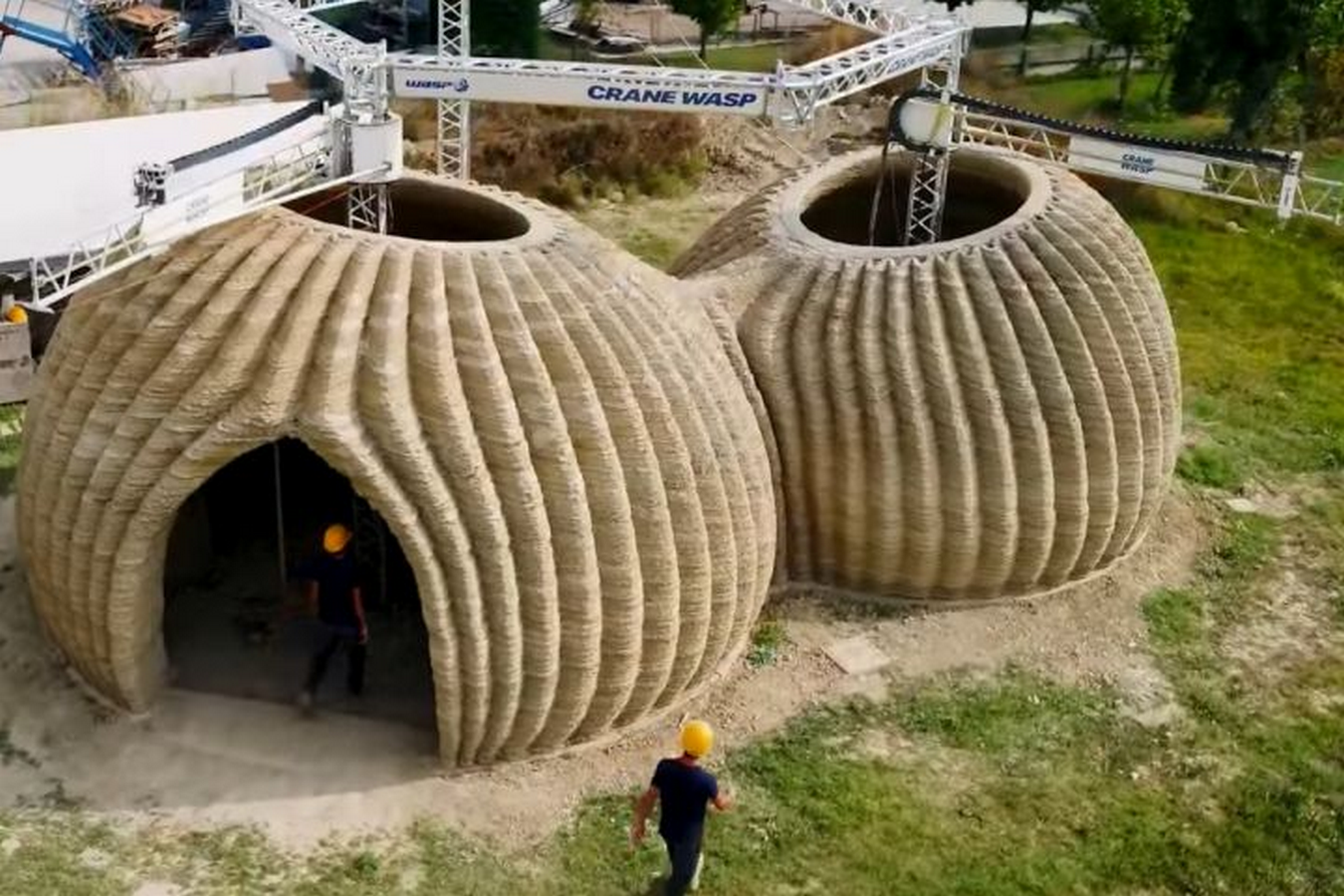
These advancements suggest a promising path: modernization does not need to eradicate tradition. Instead, technology can bridge cultural heritage and future-ready design. The contemporary challenge for architects is not to choose between vernacular and modern, but to integrate them, leveraging advanced tools to revitalize the material intelligence that was once intuitive.
Modernization has been a tool to ease the way our environment shapes and infrastructures are erected. It has helped in setting up a 1600-bed hospital in Wuhan during the crisis and has also created more and more opportunities to maximise the functional needs of a human. Modernization is a boon, and with the upcoming inclusion of vernacular materials along with technology, a new paradigm of buildings might come up, which ensures not only function but comfort as well.
References:
- Broad Sustainable Building. ‘Building the New Ark Hotel in 6 Days’. YouTube, 2011. Available at: YouTube [Accessed 20 October 2025].
- China Erects 15 Story Hotel in Less Than 6 Days! Singularity Hub, 2011. Available at: SingularityHub [Accessed 20 October 2025].
- Harvard Design Magazine. ‘The New Social Housing’. Available at: Harvard Design Magazine [Accessed 20 October 2025].
- Lakewood Housing Element 2021-2029. California Department of Transportation, 2022. Available at: lakewoodca.gov [Accessed 20 October 2025].
- Pradhan Mantri Awas Yojana (PMAY) Urban. Ministry of Housing and Urban Affairs, Government of India. Available at: pmaymis.gov.in [Accessed 20 October 2025].
- ‘How India’s Rural Housing Scheme Delivered 27 Million Homes’. Bluekraft Digital Foundation, 2025. Available at: bluekraft.in [Accessed 20 October 2025].
- ‘The Depreciating Value of Form in the Age of Digital Fabrication’. ArchDaily, 2015. Available at: YouTube [Accessed 20 October 2025].
- ‘This 3D-Printed House Is Made Entirely from Mud’. WIRED UK, 2021. Available at: YouTube [Accessed 20 October 2025].
- ‘Automatic Brick Masonry System and Its Application in On-site Construction’. ResearchGate, 2016. Available at: YouTube [Accessed 20 October 2025].
- ‘Immeuble Lavirotte: Art Nouveau Jewel on Avenue Rapp in Paris’. Sortir à Paris, 2023. Available at: YouTube [Accessed 20 October 2025].