In Indian cinema, very few films evoke the quiet charm and the rhythm of Mumbai’s middle class as gently as the 1976 Basu Chatterjee-directed Chhoti Si Baat. The film is a cult classic that is remembered for its humour, tenderness, and a kind of everyday interactions that feel unmistakably urban. Still, beyond the romantic core of the movie lies a nuanced architectural portrait, the one where Mumbai itself has become a living character.
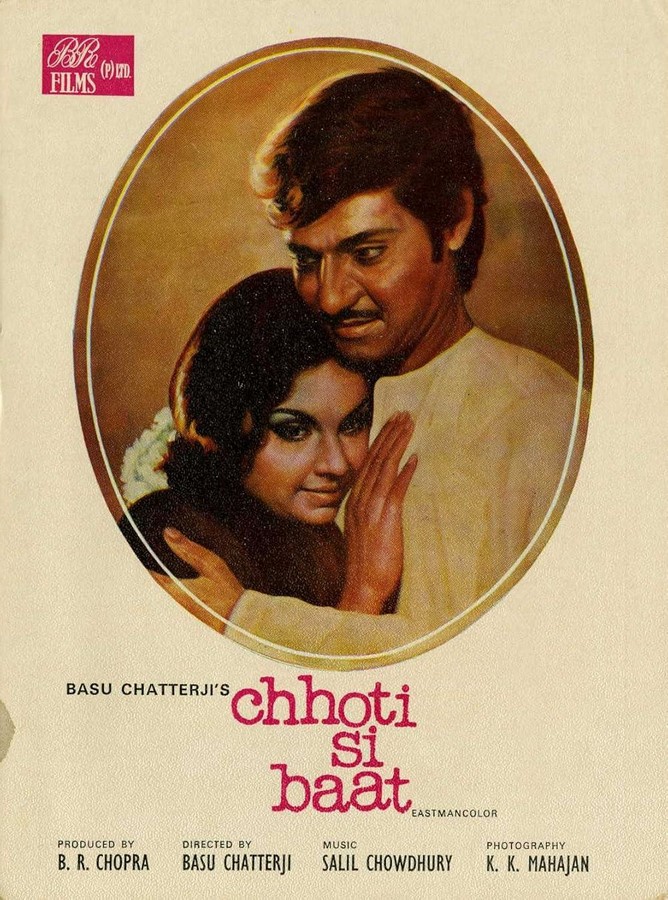
This movie paints a close study of Mumbai’s spatial and emotional landscape as a city that shelters both loneliness and transformation by using buses, cafes, parks, and modest apartments to narrate this story. It offers a beautiful, timeless lesson in how built environments can shape the shades of human experience.
The City As The Silent Protagonist
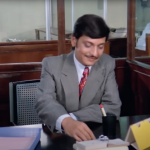
Unlike the grand, choreographed Mumbai of the mainstream Bollywood, this film captures the city in its more genuine authenticity: as lived and felt by its people. Chatterjee skillfully frames the buzzing metropolis through the gaze of Arun (Amol Palekar), a timid yet honest commoner whose life unfolds across the city’s buses, streets, and canteens just like millions of others in the city. Mumbai, in this film, is not used as a mere backdrop; instead, it is the silent supporting hero nudging the story ahead.
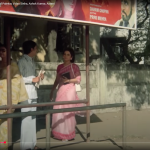
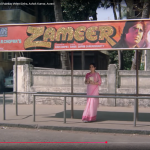
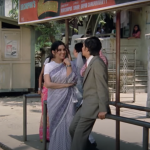
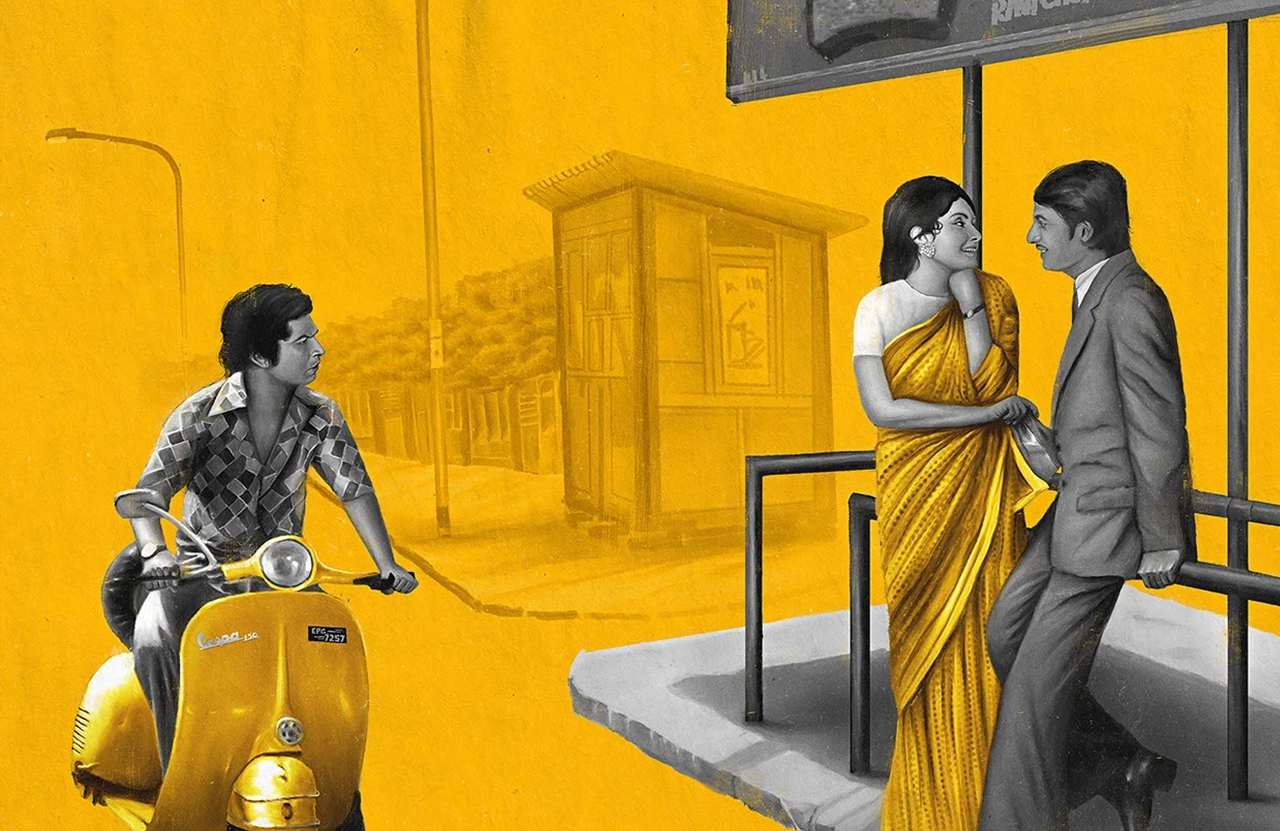
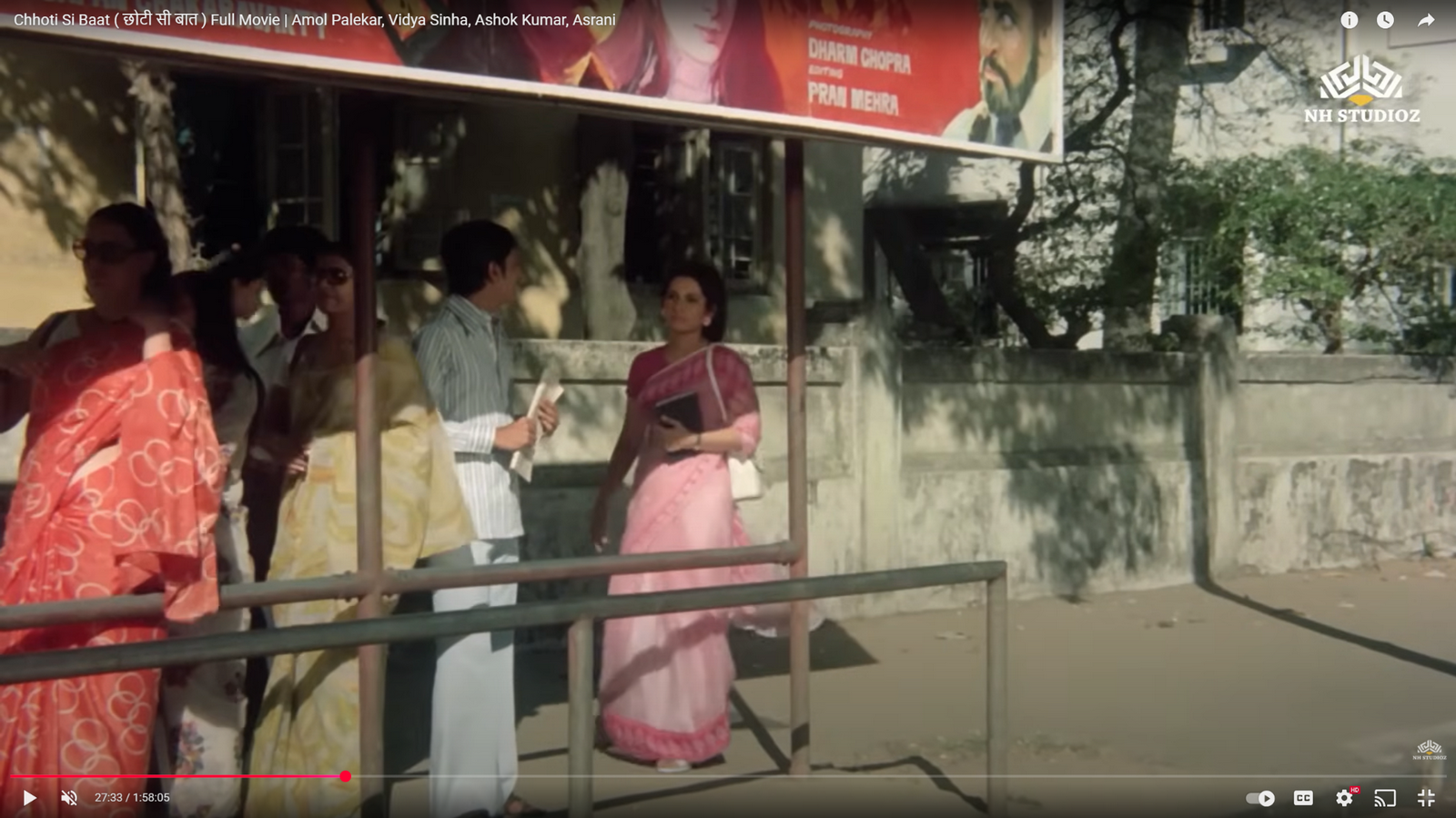
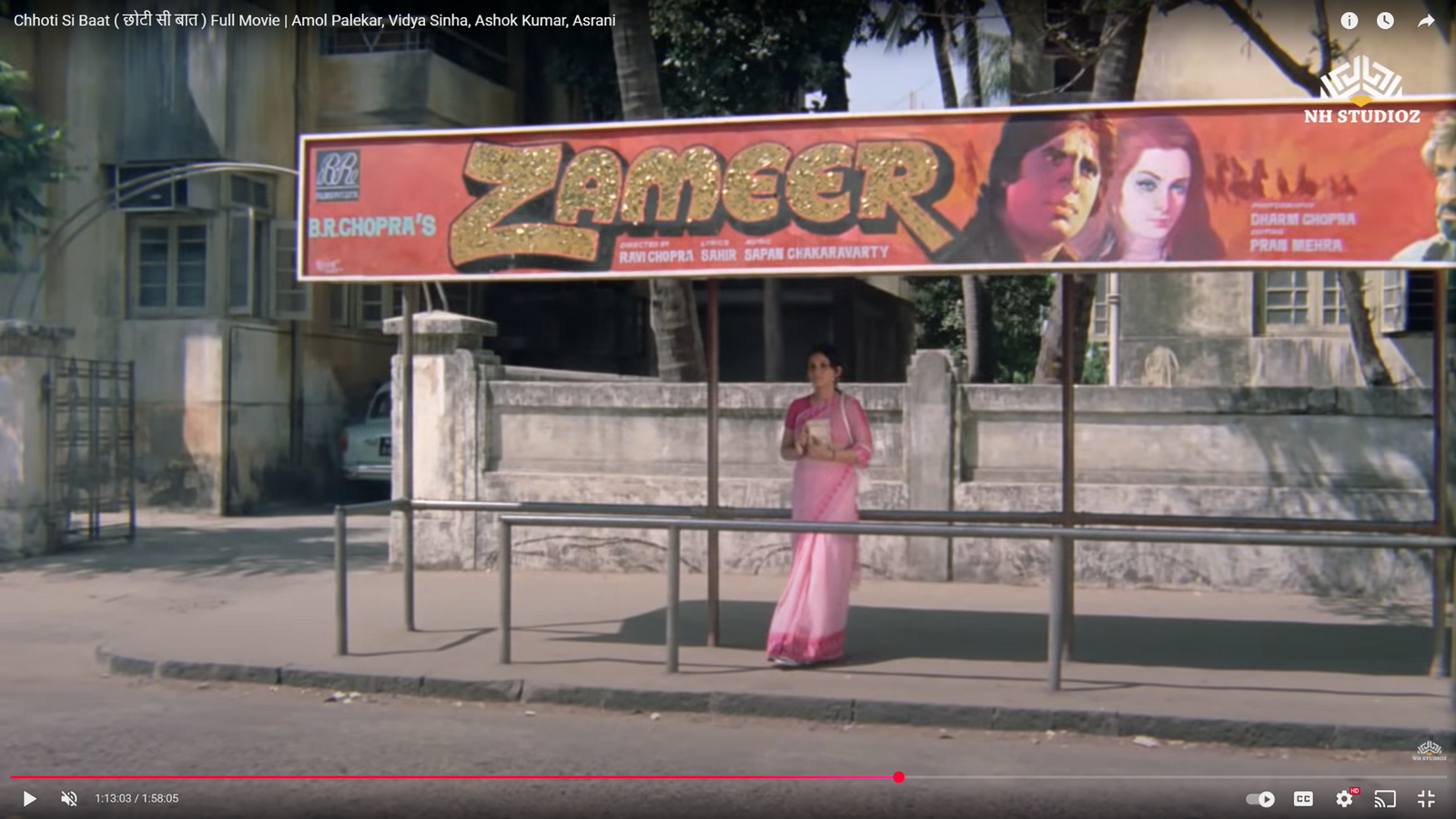
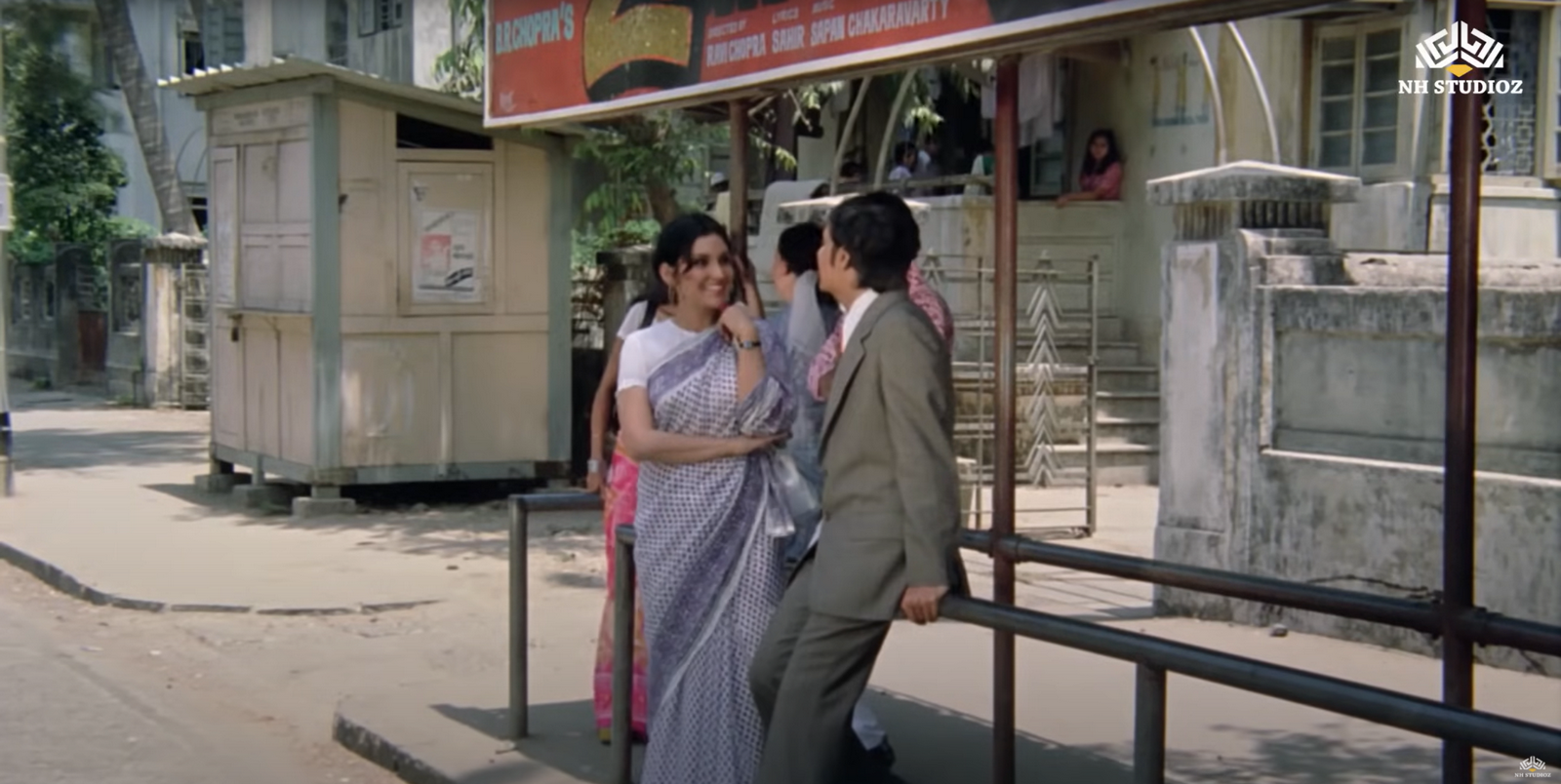
In the hustling city where every square foot of land holds a purpose and a history, the movie, in its first few minutes, establishes the daily routine of Arun that revolves around catching a glimpse of Prabha (Vidya Sinha) at a bus stop outside Fort. The daily ritual of this scenario: of the buses arriving, passengers jostling, and the mechanical order of the public transport system becomes a mirror of the urban life itself: structured, timed, monotonous, impersonal, yet filled with invisible connections.
Every pause at the bus stop, every delayed glance, the lingering feeling of wanting more captures the poetry of waiting. Waiting is an emotion that architects overlook most of the time while designing the transit spaces. This film turns this public infrastructure into a social stage, indicating how the most practical and functional settings can influence the patterns of intimacy and self-expression.
The Architecture of Aspiration
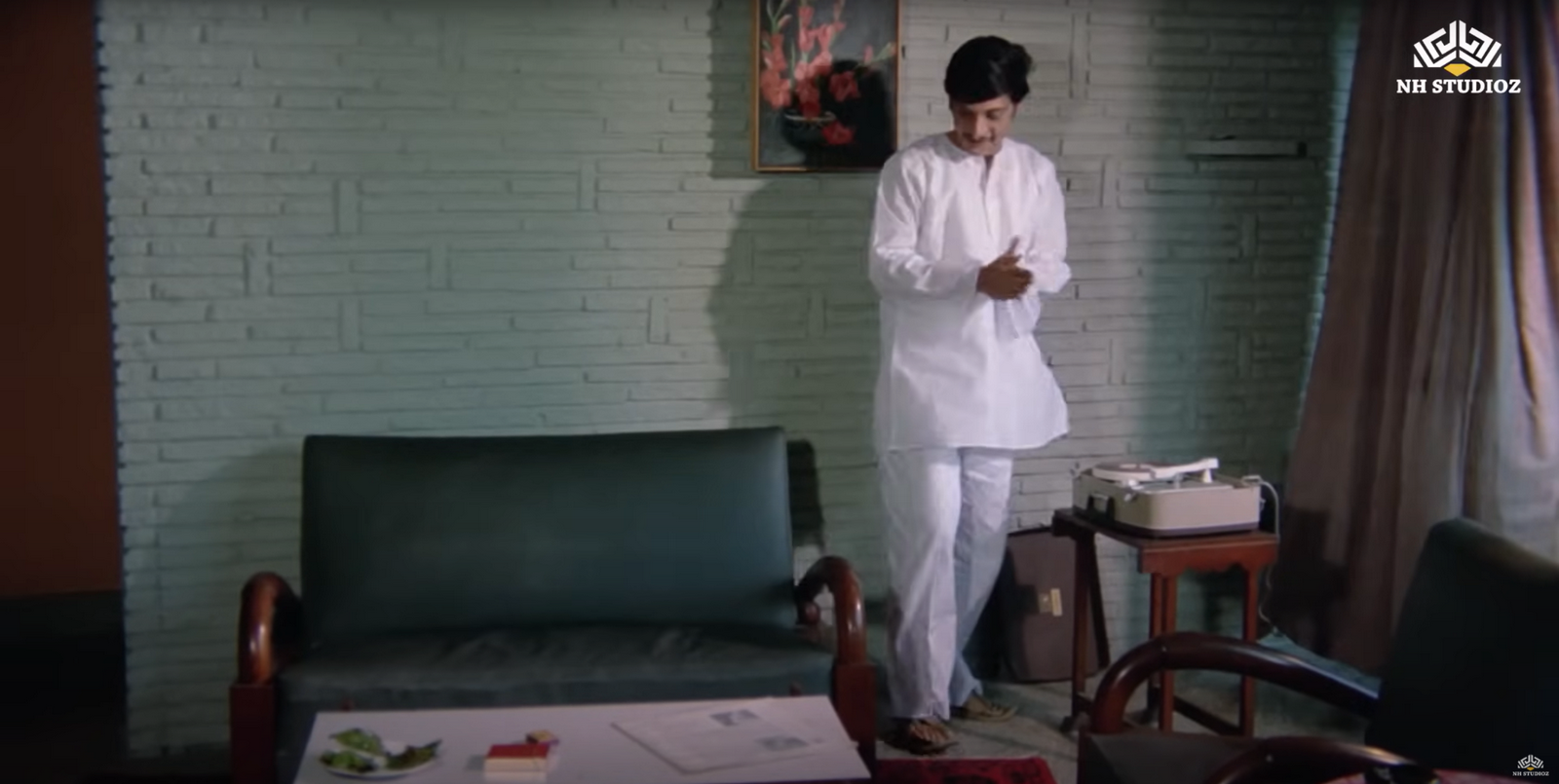
1970s Mumbai was a city transitioning between the Nehruvian optimism and the reality of the emerging middle class. The film’s characters as well as its architecture reflect this duality. The narrow staircases, terrazzo-floored apartments, and modest balconies of the city reflect a generation that dreamt within limits.
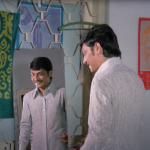
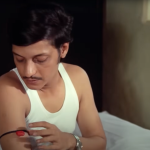
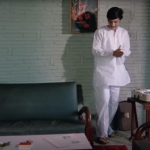
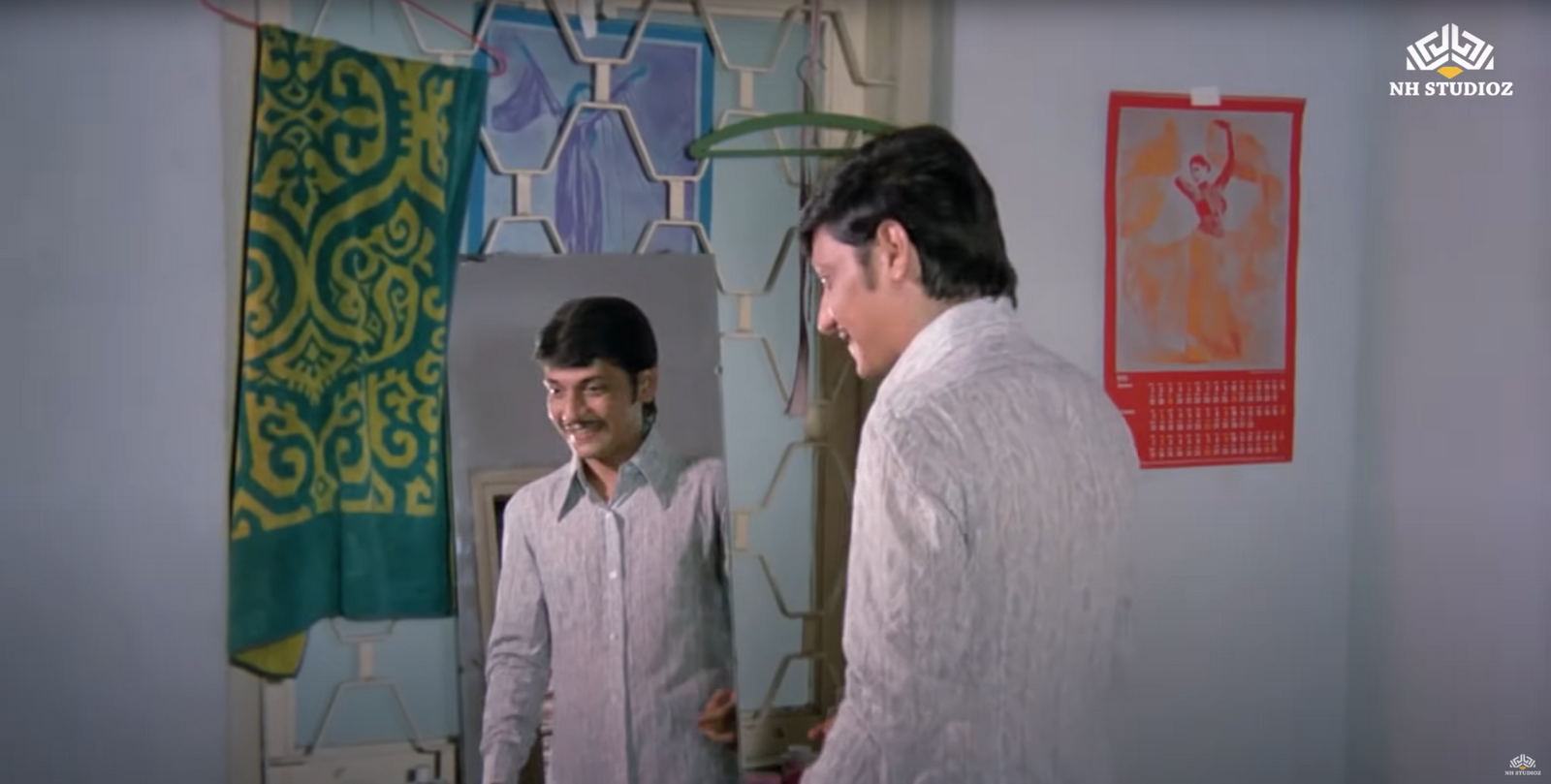
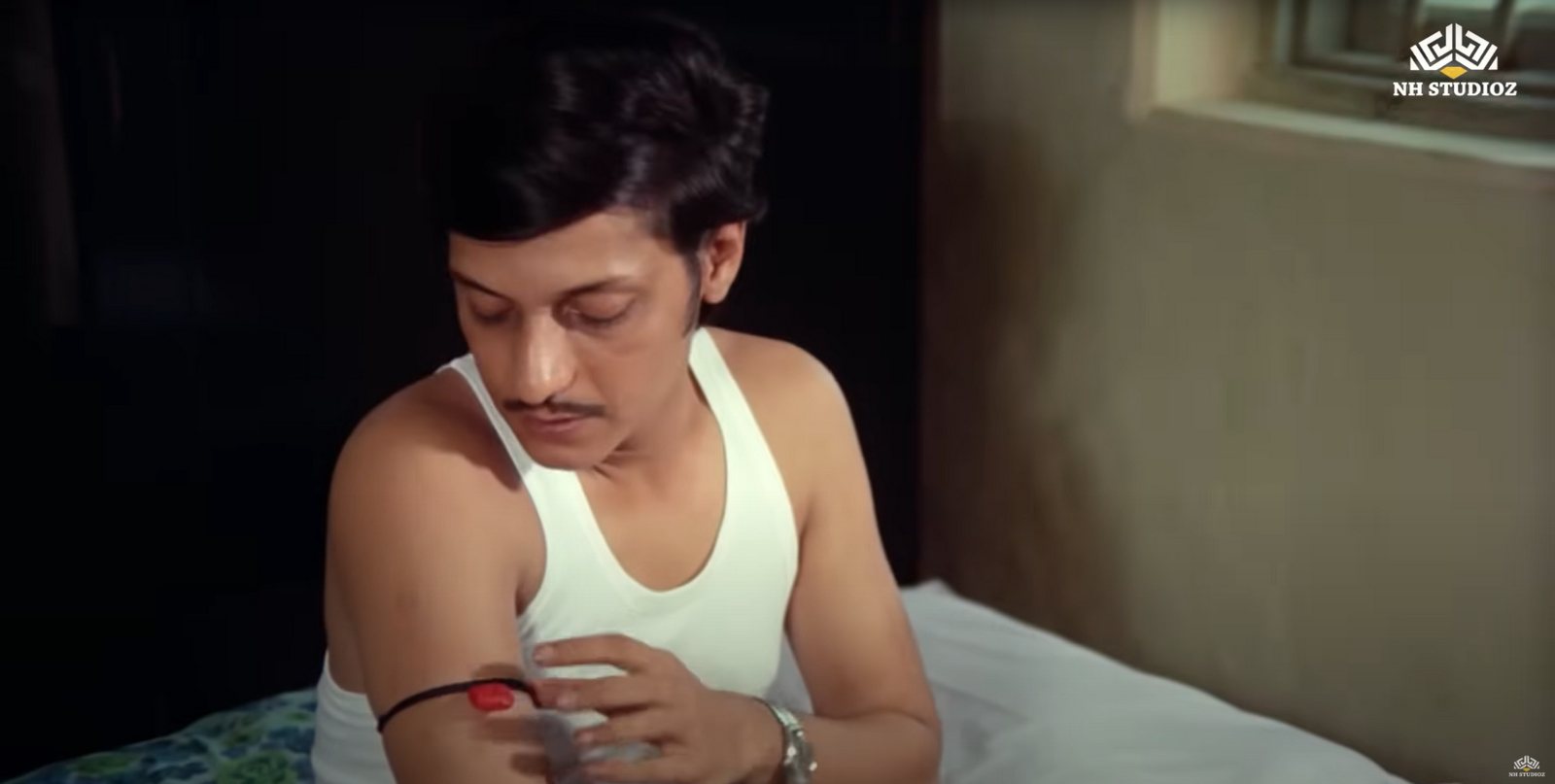
One memorable sequence shows Arun’s small, sparsely furnished apartment, where the compactness of the house reflected his own emotional restraint. The house had a single ceiling fan, a metal cot, and a desk by the window. This speaks to the architecture of functionality rather than flourish. Yet, this simplicity is profoundly human; these are not spaces of grandeur but of quiet dignity, which is a defining characteristic of middle-class Indian modernism.
Architecture of Proximity
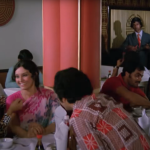
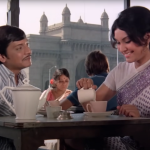
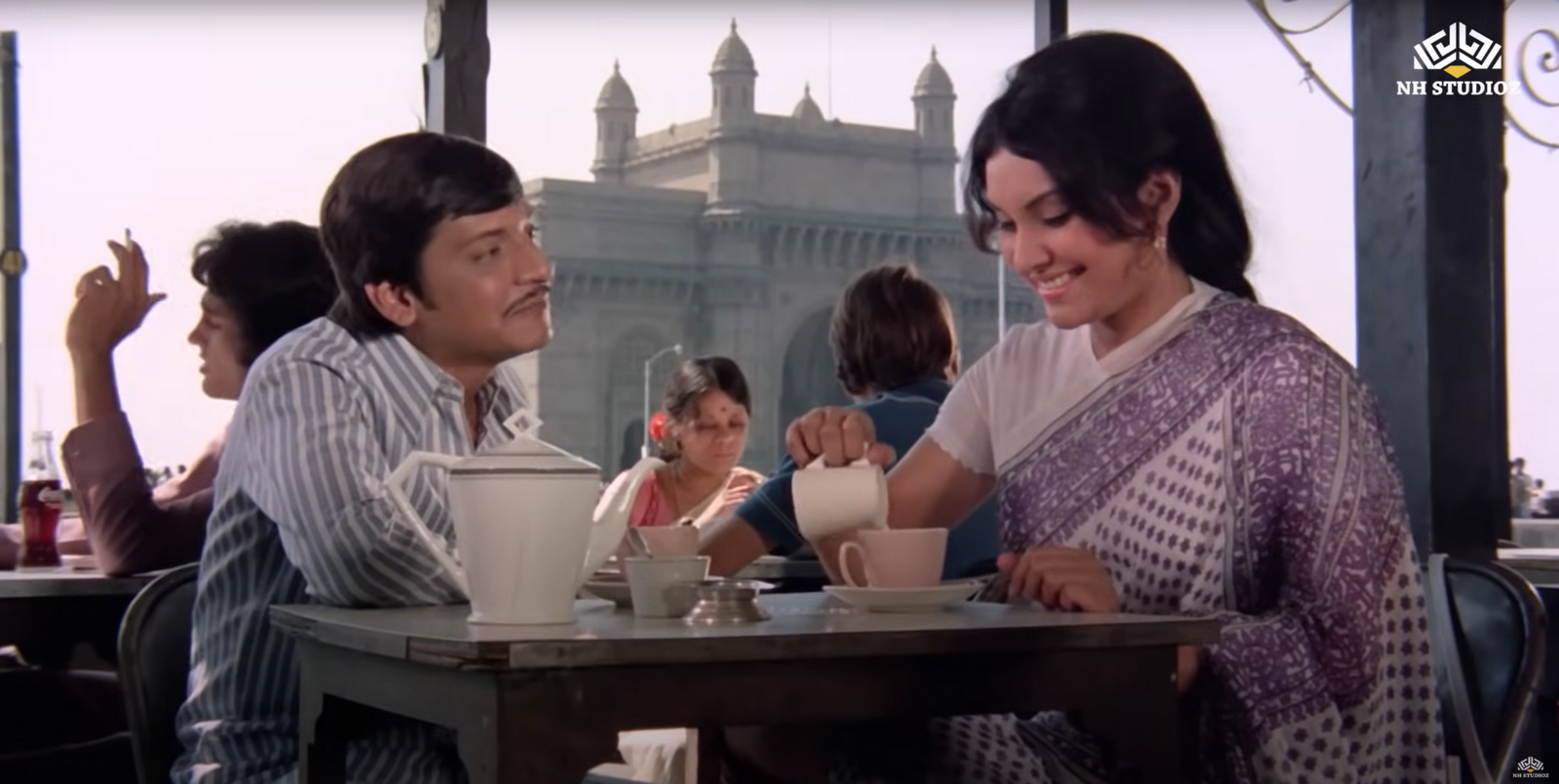
If the commute represents the public rhythm of the city, the cafe sequences of the movie embody the social proximity. Many of the crucial moments in this film unfold in these spaces that are filled with the chatter of colleagues, the clinking of cups, and the aroma of tea.
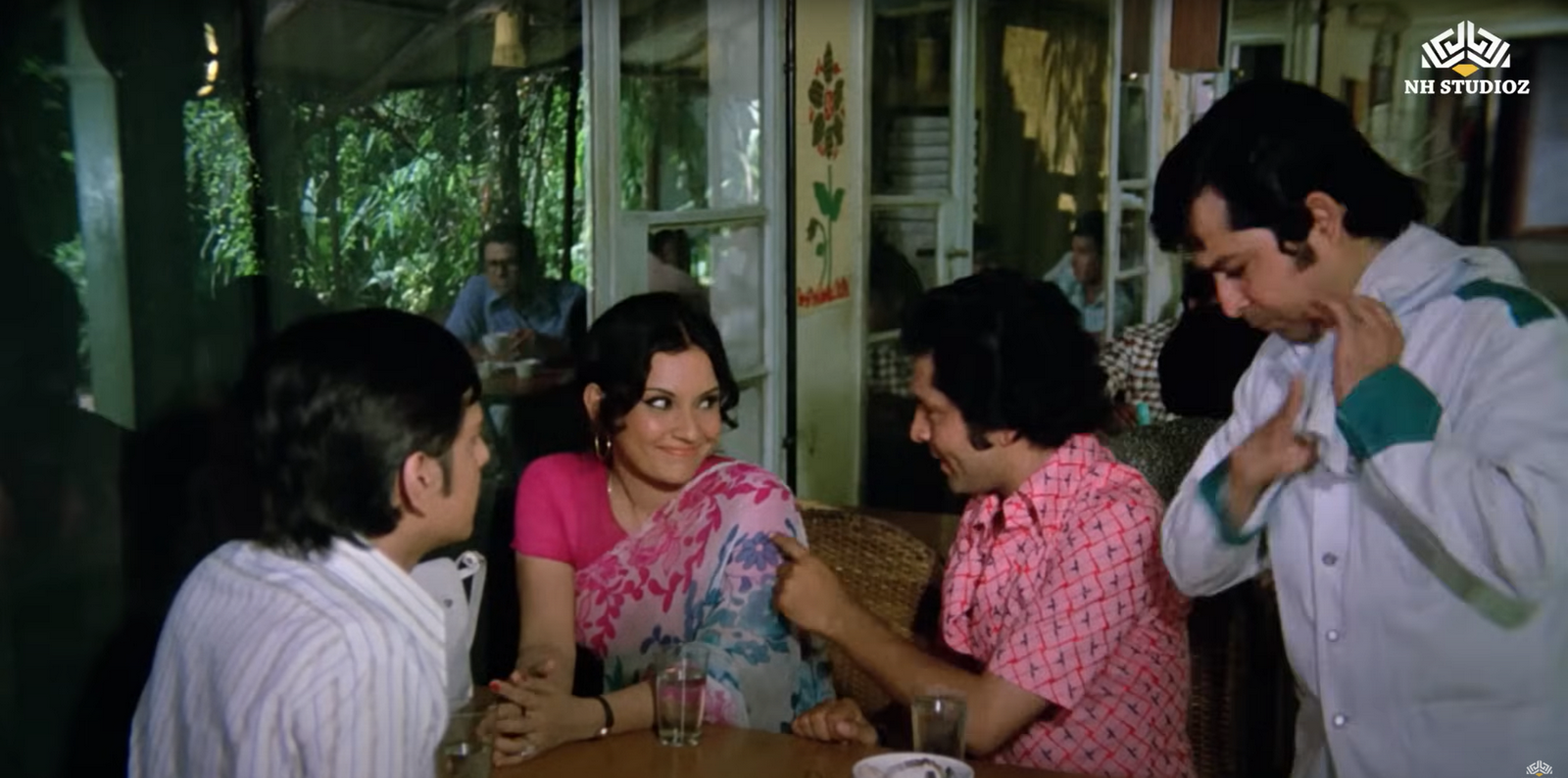
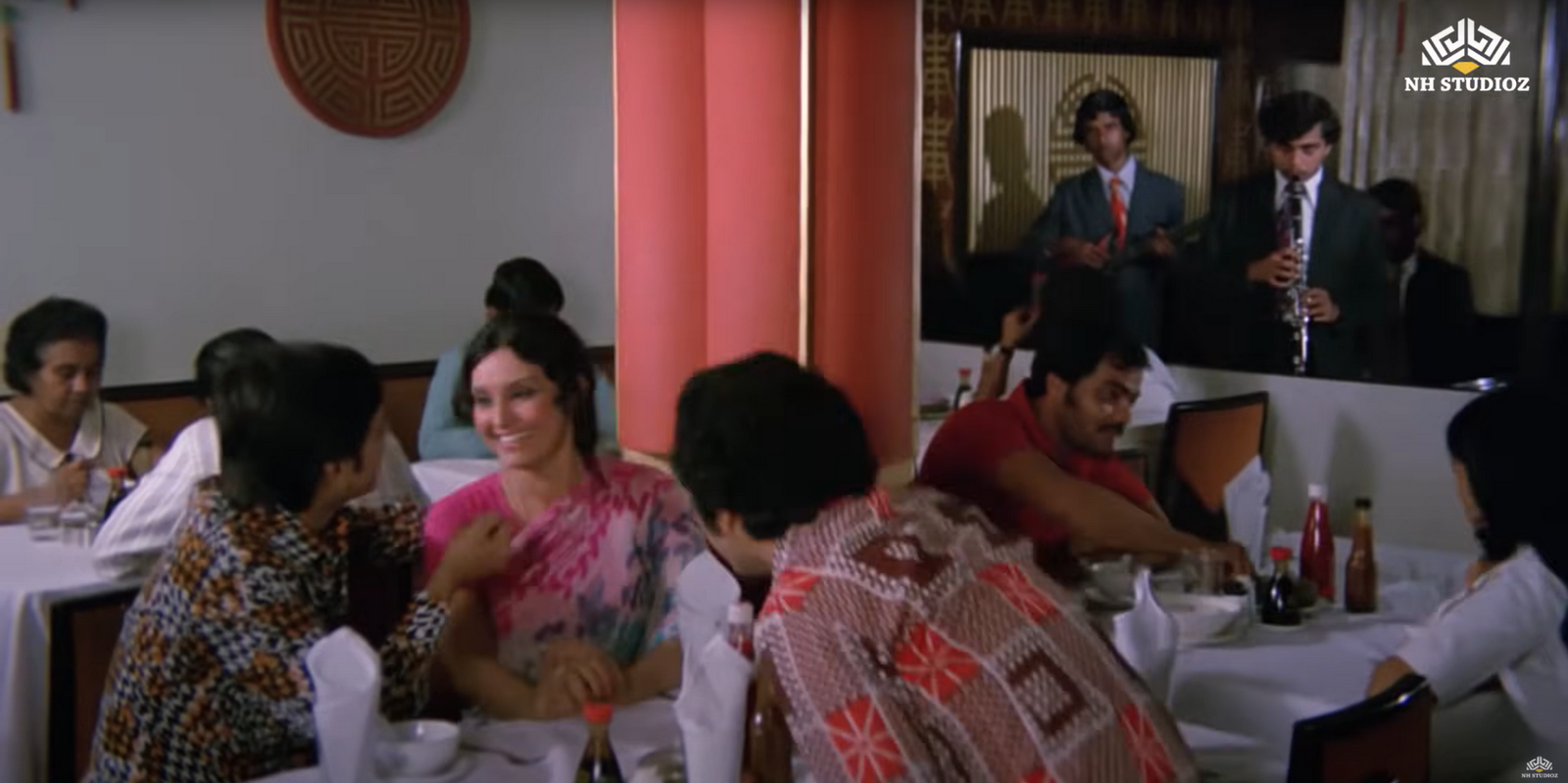
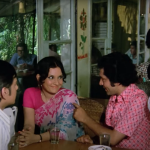
In one scene, Arun sits across the room from Prabha in a modest cafe, separated not by walls but by sheer hesitation. The open floor plan, in this instance, creates an informal intimacy. This is how we can say that an architectural condition allows people to observe each other without intrusion. These are public social spaces that are pocket-friendly, spatially shared, and emotionally charged.
Hence, the cafe becomes a middle ground between public exposure and private emotion. In these situations, the social codes soften. For designers, it is a cinematic lesson in how semi-public architecture, which is neither fully private nor entirely open, fosters nuanced social interactions.
The Architecture of the Everyday Encounters
Chhoti Si Baat offers a masterclass in how spaces influence and direct our social interaction. Every important exchange in the film occurs in a public or semi-public space. It is a gentle and clear reminder that architecture is not limited to buildings; in fact, it reaches down to the roots of daily life.
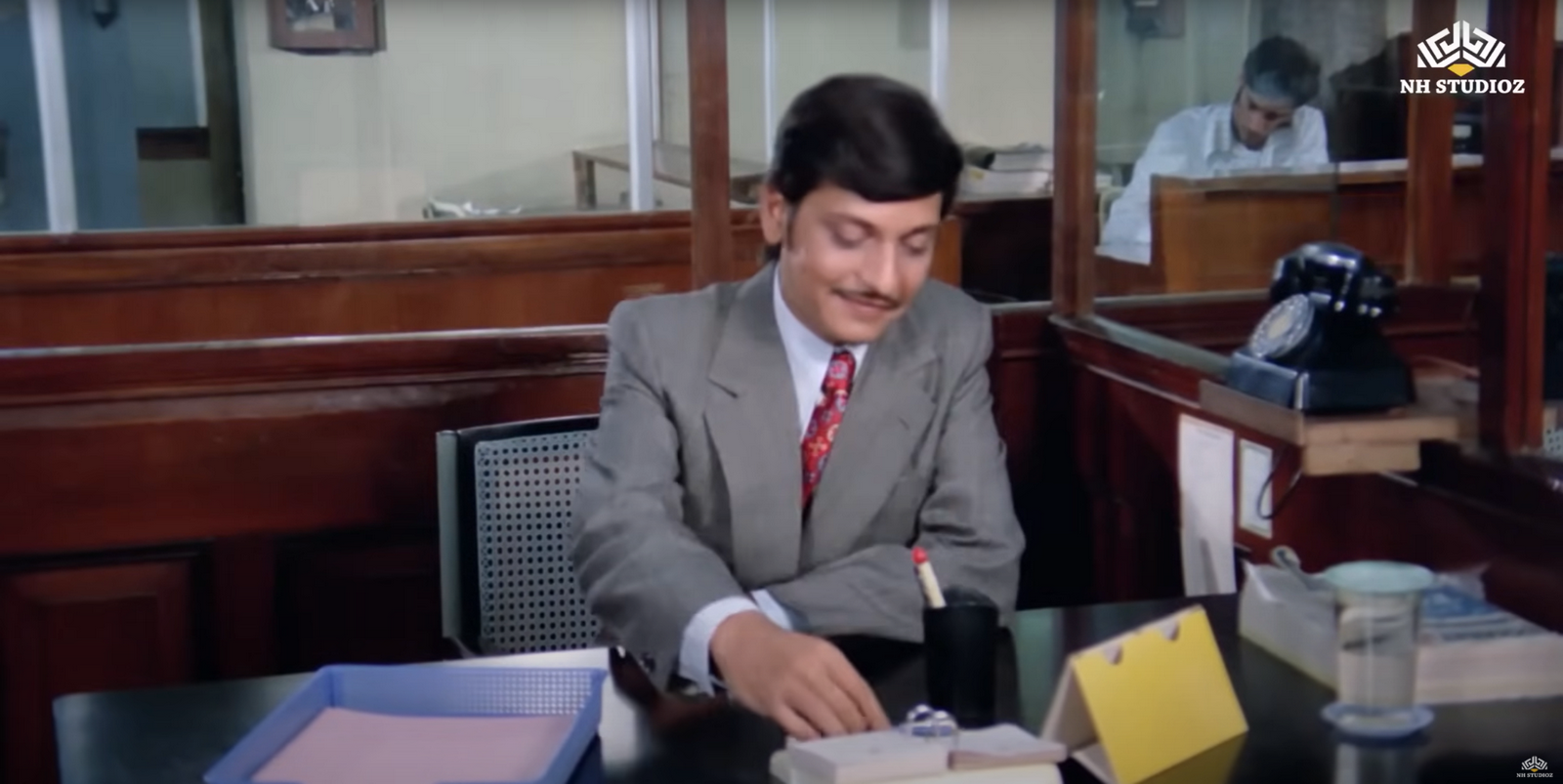
The commute scenes epitomize the architecture of anticipation. It is a very honest example that highlights how design creates an emotional geography that oscillates between connection and solitude. It displays how even a purely functional node of the city can become a vessel for private emotion.
The canteen and cafe sequences establish the subtle power of scale. It highlights the quality of interiors that nurtures a sense of belonging that large, impersonal urban spaces often lack. These spaces remind designers that intimacy can emerge from compression, indicating that architecture can evoke warmth even within limitation.
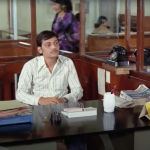
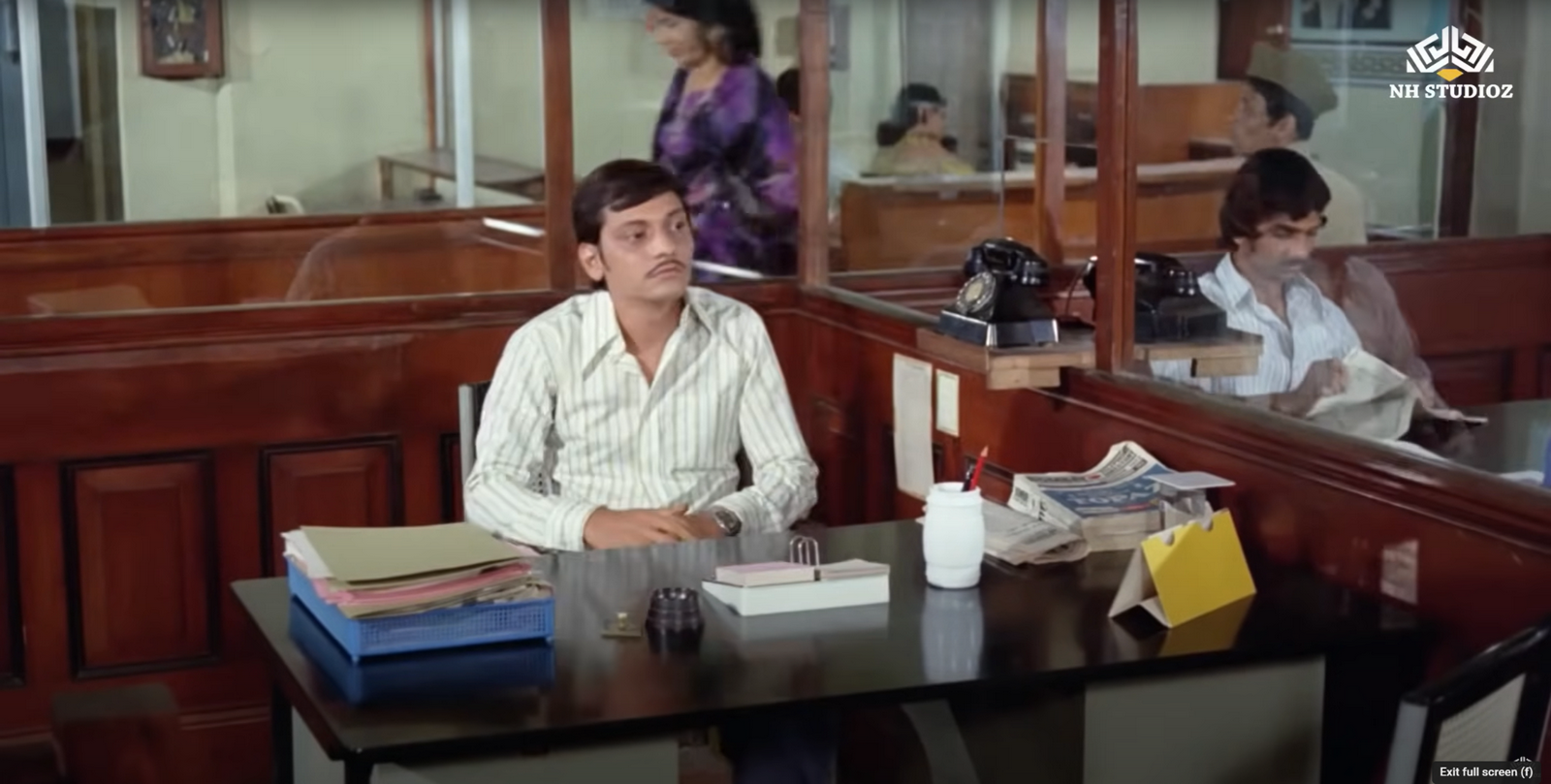
Then, there’s the training school, which symbolizes how formal architecture can enable transformation. Its spatial discipline mirrors the protagonist’s emotional recalibration. Through these settings, Chhoti Si Baar portrays architecture not as a backdrop but as an active force shaping human behavior, aspiration, and growth.
Mumbai as a Narrative Framework
What’s memorable about Chatterjee’s vision is how purely he places all the characters within the urban ecosystem. The bus journeys that connect suburbs to the city centers are not just modes of transportation; instead, they are moving metaphors for the collective experience of Mumbai’s middle class.
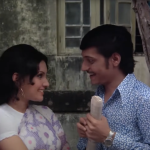
Similarly, the streets of Fort & Churchgate that are encapsulated in long, observational shots indicate how people negotiate identity within a crowd. The architecture supports the character’s emotional isolation and similarly highlights quiet resilience.
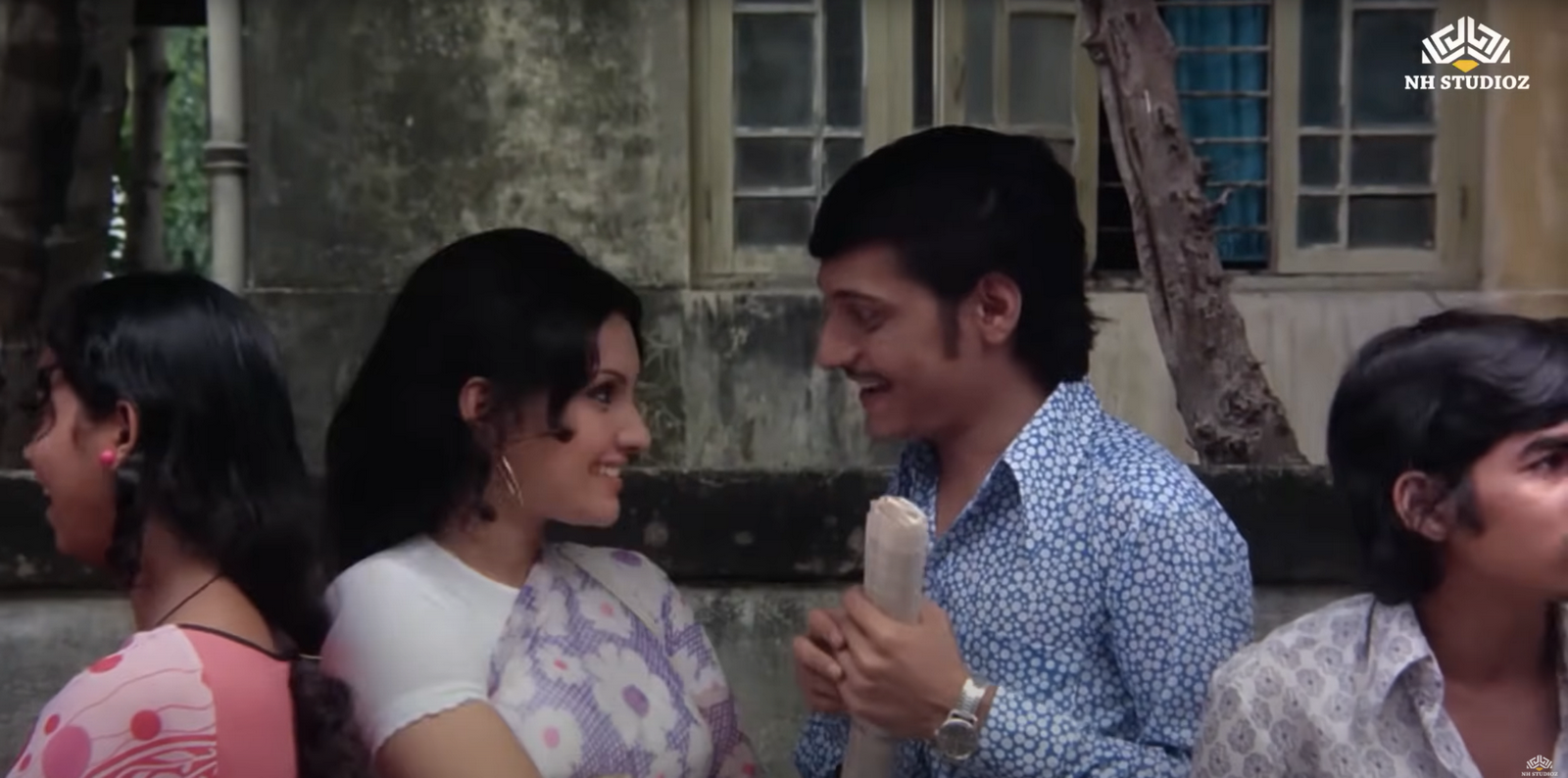
This delicate balance between anonymity and belonging is what gives Mumbai its unique architectural pulse. Mumbai is a city that can make one feel insignificant yet very much alive. This is the very quality that Chatterjee immortalizes through the smallest of gestures, from a missed bus to a shared smile.
Chhoti Si Baat: A Timeless Urban Poem
More than four decades later, Chhoti Si Baat still remains relevant, not just as a romantic comedy but as an architectural case study of those days. This movie beautifully captures the humanity embedded within Mumbai’s infrastructure: the peace of humble apartments, the sociability of cafes, the dreams tied to classrooms, and the quiet poetry of public transport.
For designers and planners, the film offers a priceless message that cities are not built solely by concrete and glass, but of emotions, routines, and encounters. Each bus stop, canteen, or street corner has a story to tell, if only we choose to observe!
In an age where urban life is increasingly defined by isolation and speed, Chhoti Si Baat invites us to rediscover the beauty of small moments and the architecture of connection. It remains a love letter, not just to Mumbai, but to the ordinary spaces that make cities human.
References:
- Chhoti Si Baat. (1975). [Film]. Directed by Basu Chatterjee. India: B R Films.
- IMDb. (1976). Chhoti Si Baat. [online] Available at: https://www.imdb.com/title/tt0072777/?ref_=nv_sr_srsg_0_tt_8_nm_0_in_0_q_Chhoti%2520 [Accessed 12 Oct. 2025].