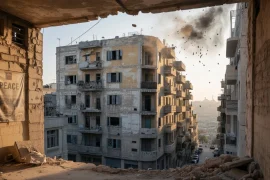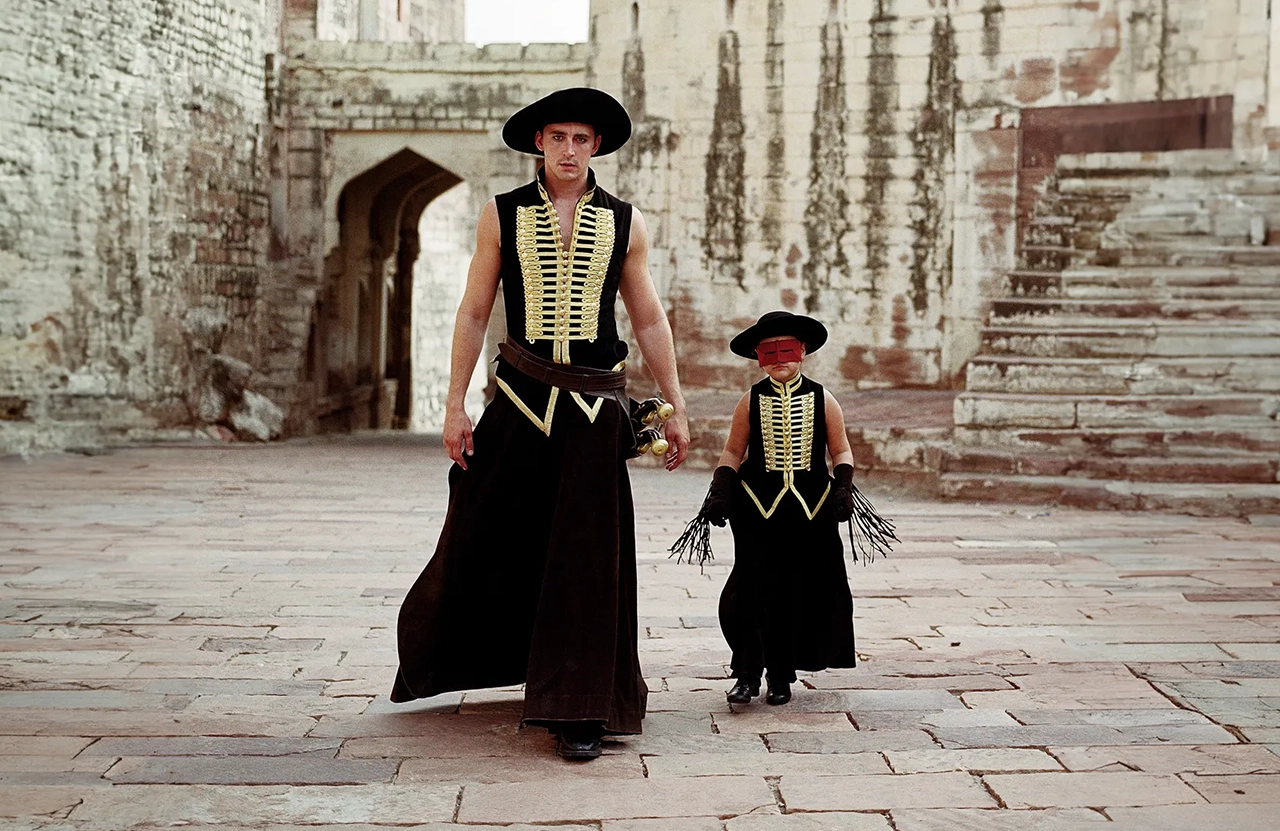
Tarsem Singh’s The Fall (2006) unfolds like an architectural dream, a tapestry of landscapes, monuments, and mythic spaces that blur the line between imagination and memory. Set in the silent corridors of a 1920s Los Angeles hospital, the story expands into a world built entirely from a child’s imagination, where each frame feels like a cathedral of colour and geometry. Shot across more than twenty countries, the film transforms real-world architecture, from the domes of the Taj Mahal to the vast deserts of Namibia, into metaphors for emotion, scale, and storytelling. Through its composition, symmetry, and sense of monumental stillness, The Fall transcends cinema; it becomes a study in how spaces narrate stories. Visually, the film operates like a dream composed by an architect: each frame is structured with the precision of a blueprint, where symmetry, scale, and material form are as expressive as any dialogue. As Goethe once said, “Architecture is frozen music,” and in The Fall, every location hums with its own visual rhythm, a symphony of light, form, and feeling.
Architecture of Imagination
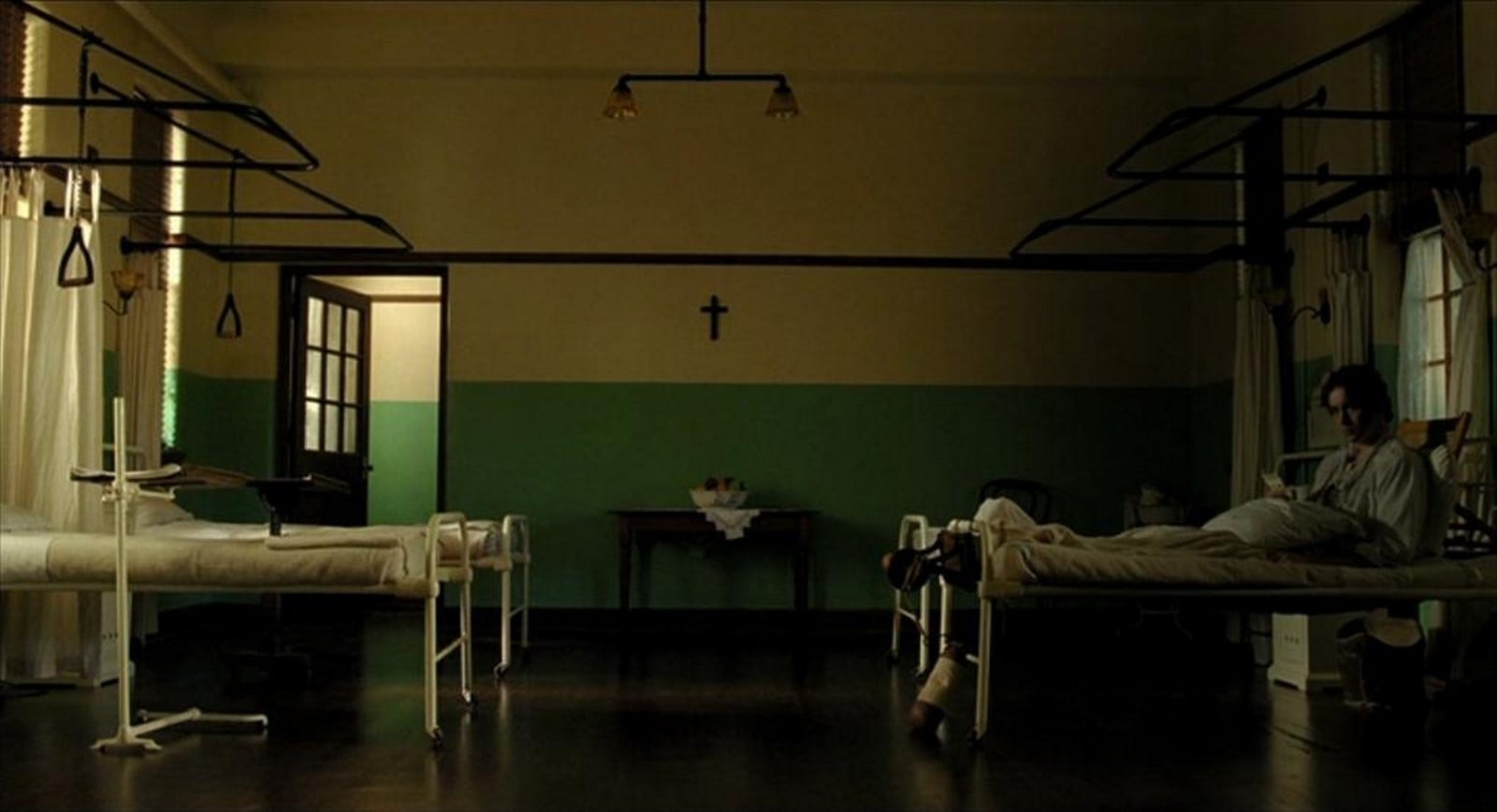
The film unfolds between the sterile geometry of a 1920s hospital and the unbounded grandeur of imagined worlds. This architectural polarity reinforces the tension between physical limitation and mental liberation, making built form central to the storytelling. The architecture in the hospital scenes, with its tight hallways, clinical rooms, and barred windows, feels restrictive. It acts as a visual metaphor for emotional and physical confinement. Then the narrative spills into vast, open landscapes and dramatic architectural ruins. These imagined realms seem like extensions of the mind, built from memory, dreams, and longing. The contrast elevates architecture from a mere setting to a narrative device, shaping how characters move, how freedom is conceived, and how the story unfolds.
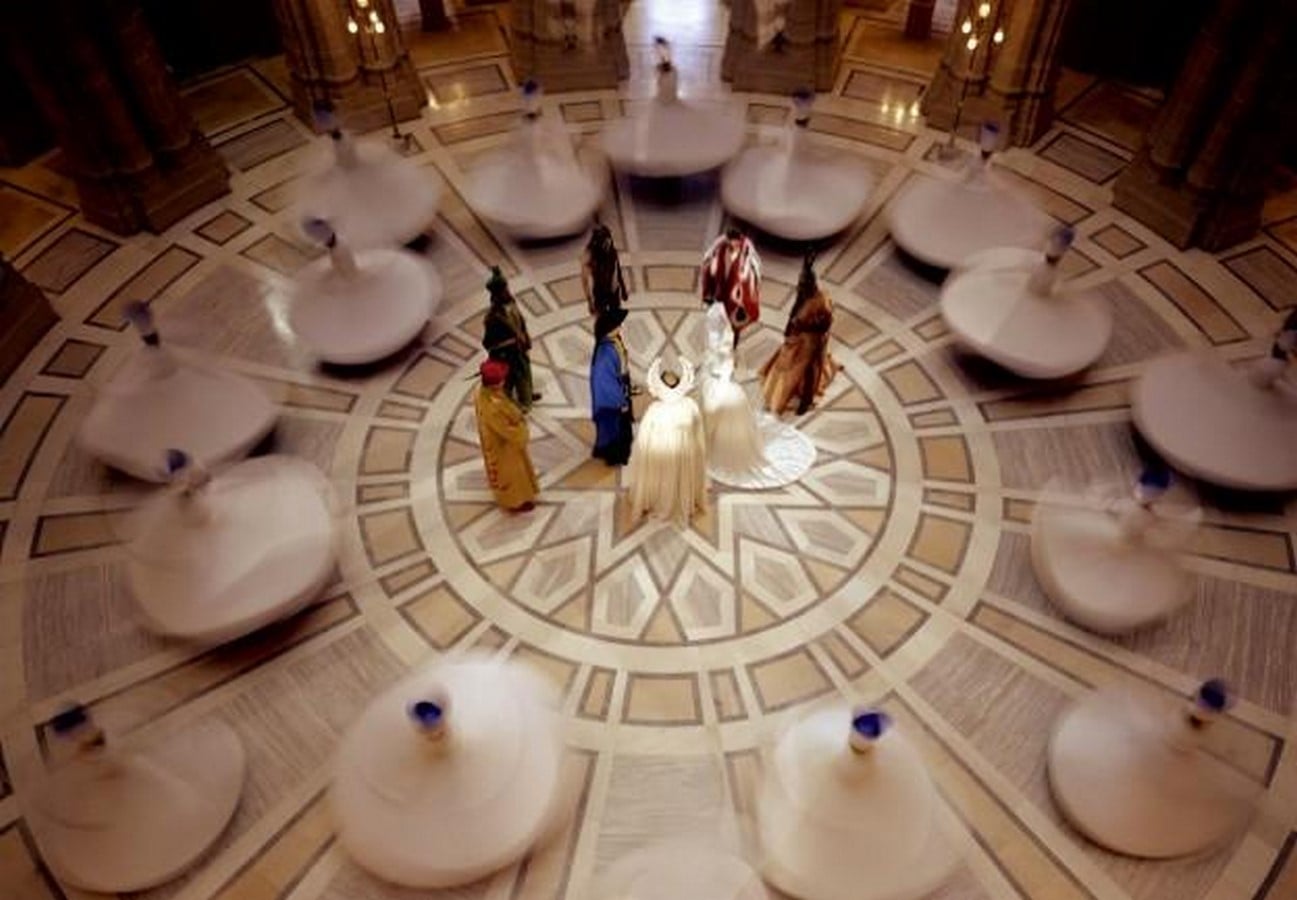
Cinematic Monuments: The World as a Set
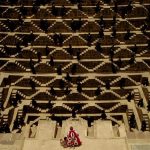
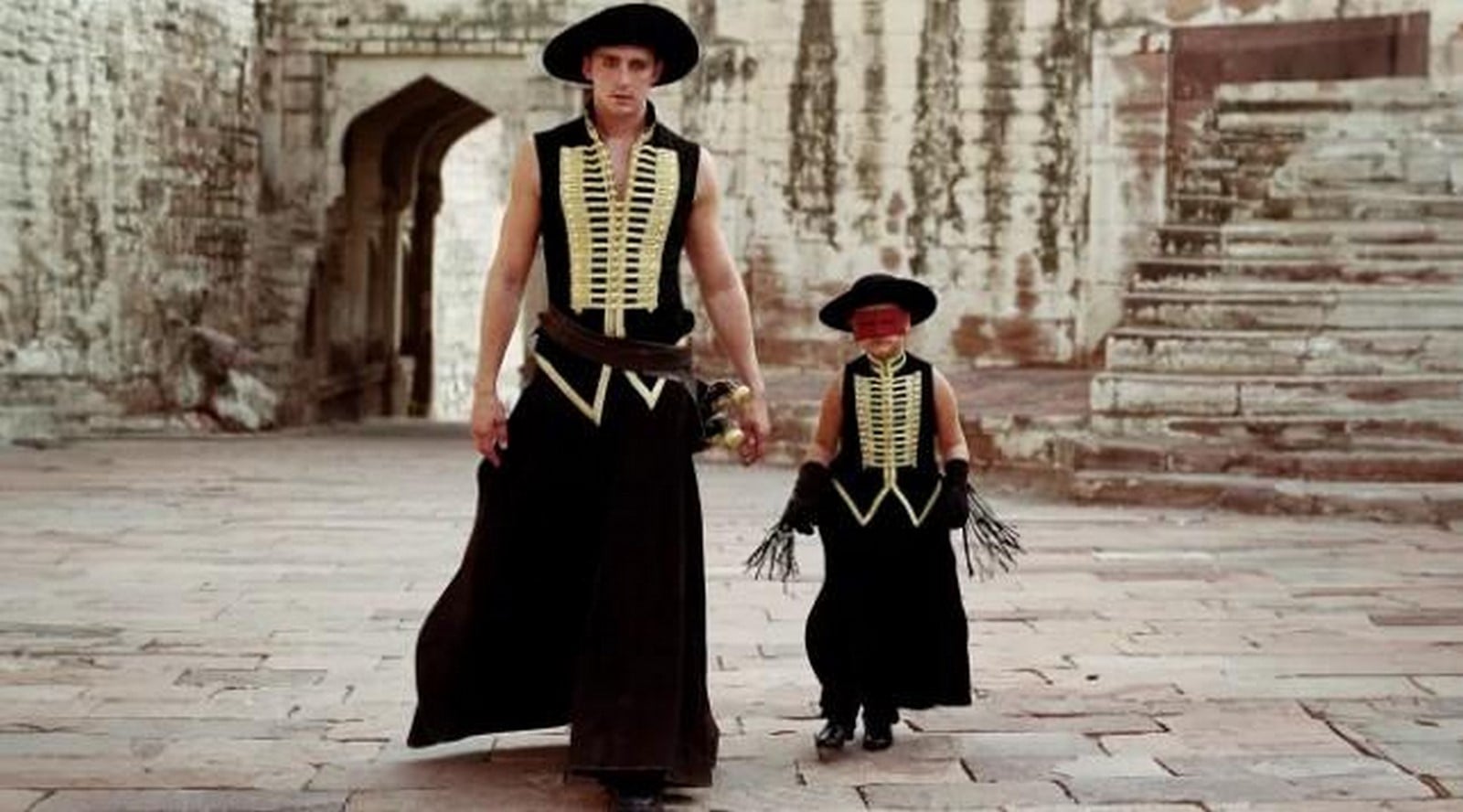
By filming across twenty countries, The Fall uses existing monuments as emotional architecture. These global structures, from the Taj Mahal, rugged forts, ancient temples, and grand staircases to Hagia Sophia, transcend geography to become universal metaphors of devotion, loss, and human scale. These backdrops pulse with mythic energy, grounding fantasy in tangible form. Each monument becomes a “character” in its own right, infusing the story with gravitas, cultural memory, and symbolic meaning.
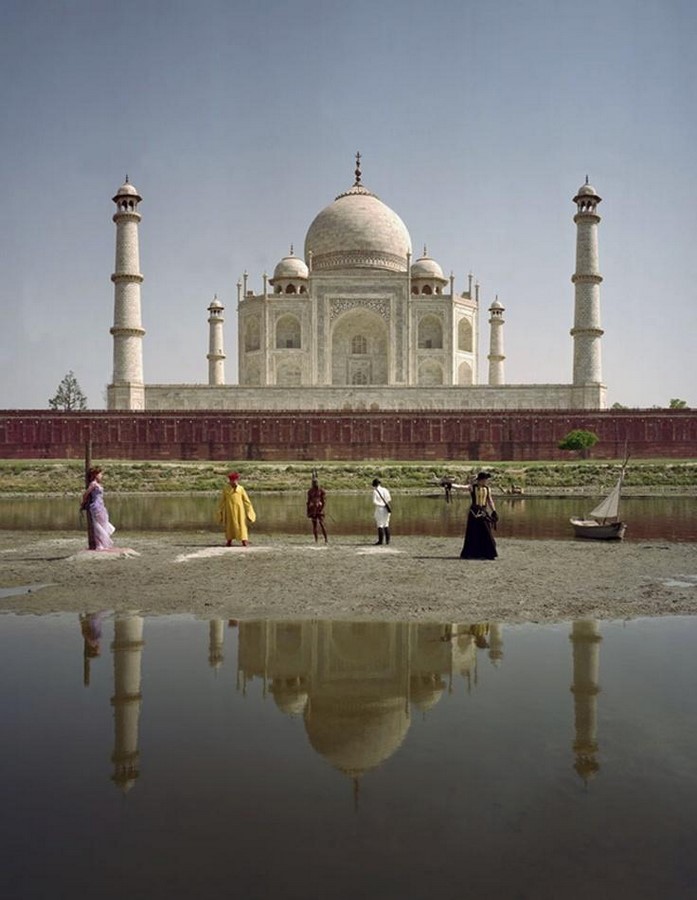
The Geometry of Emotion
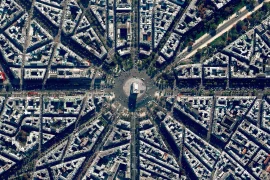
Through deliberate framing and compositional order, Singh transforms geometry into emotional syntax. The film often frames characters in perfect symmetry, shown through palaces, courtyards, arches, and corridors, inviting calm, control, and balance. At moments of tension or disquiet, the framing shifts: tilted angles, off-center figures, broken lines. A centered shot can feel ritualistic or spiritual; a skewed one can feel unstable or unsettling. The composition itself guides how the viewer feels about a scene long before dialogue or plot cues arrive.
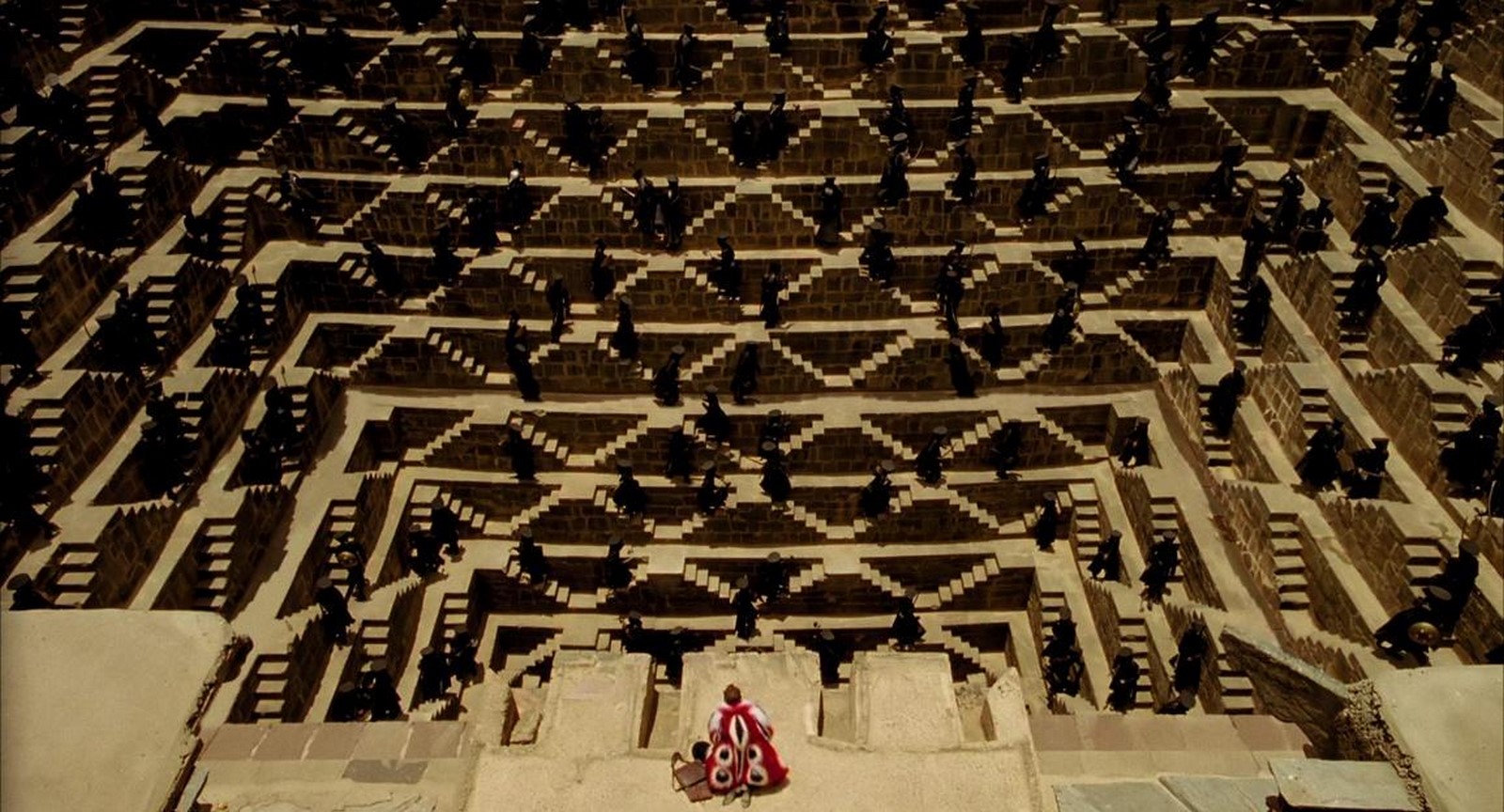
Color as Architecture
The film’s chromatic design substitutes materiality with hue. The muted palette of the hospital versus the saturated tones of the fantasy sequences illustrates how color defines spatial identity and narrative rhythm. The film transitions from muted whites, greens, and tans in the hospital to bold ochres, crimsons, and lush jewel tones in the fantasy lands. These colors define spatial zones: serenity, danger, passion, mystery. The palette also interacts with materiality; dunes become golden waves, stone becomes warm ochre, and cloth becomes a visual fabric that merges with architecture. Material tactility in the film serves as an index of memory. Ruins and natural erosion become metaphors for impermanence, situating architecture as a vessel for both physical and emotional history, acting as carriers of memory and time. In effect, color becomes another structural medium, helping to delineate realms, set moods, and shape narrative transitions.
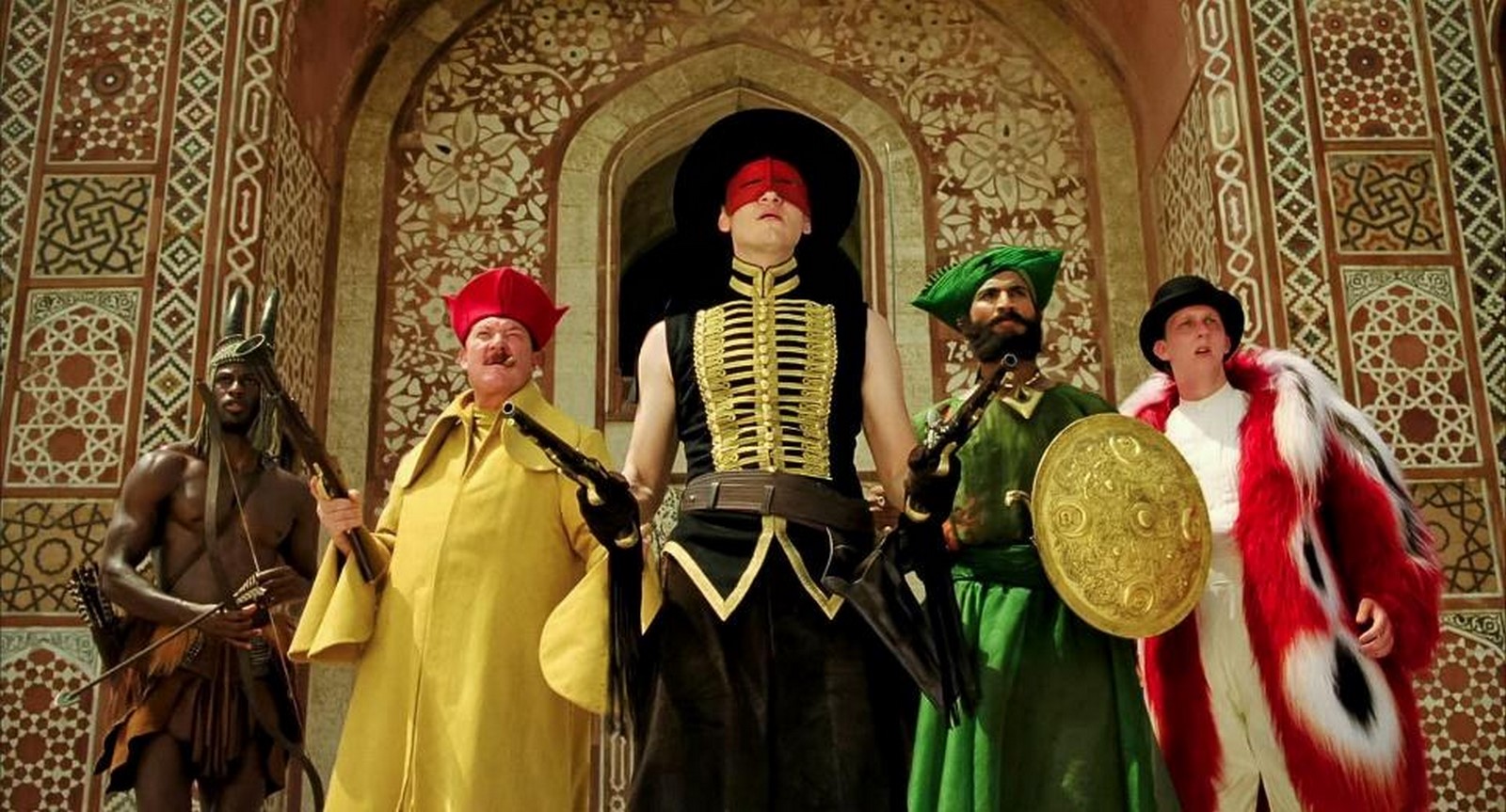
Scale and Solitude
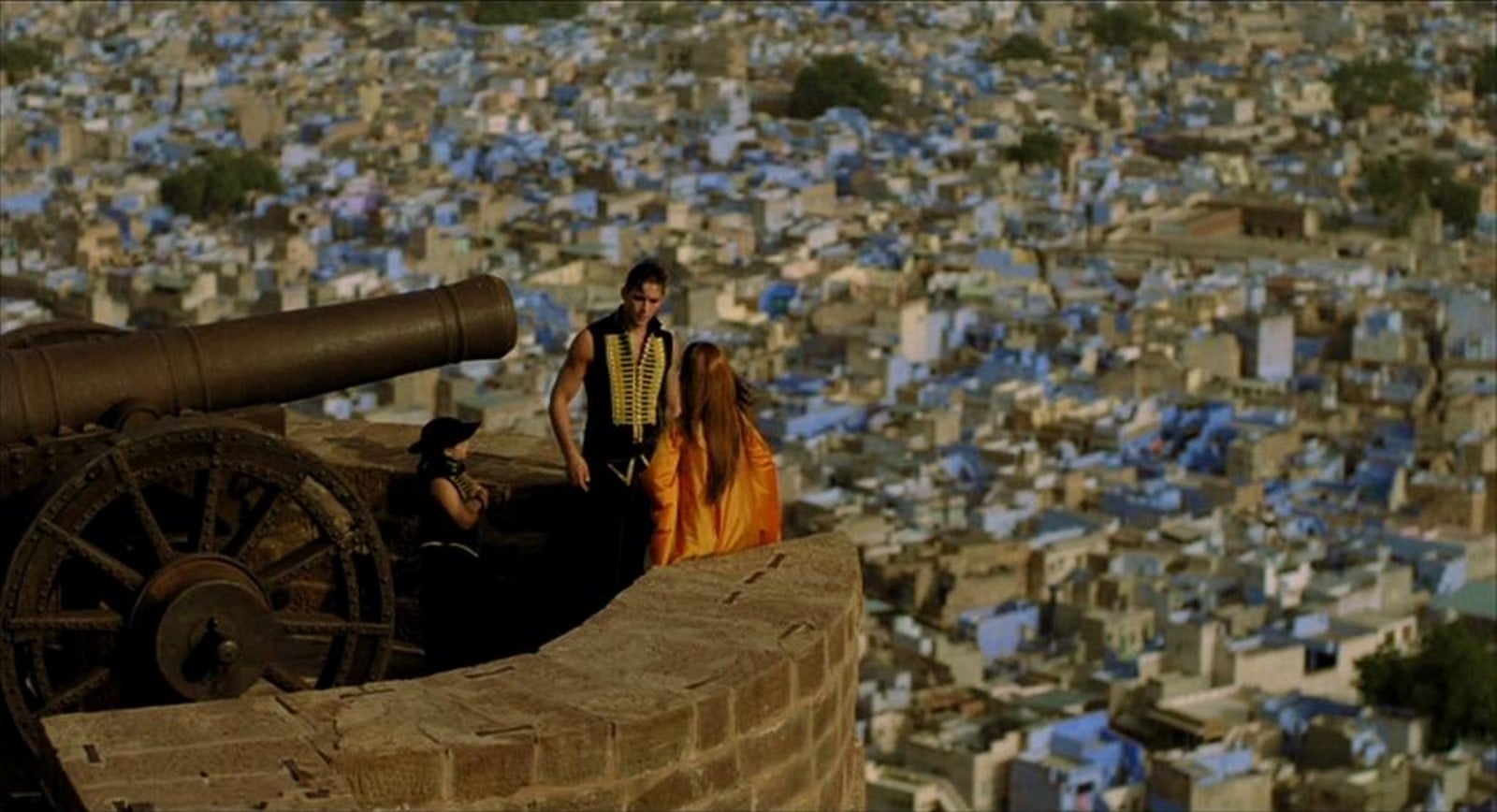
Through this film, Singh manipulates proportion to convey psychological depth. Scale functions as a metaphor, articulating emotional isolation within spatial vastness. It becomes a tool to explore psychology: a solitary figure dwarfed by ruins or desert evokes longing, loneliness, and the majesty of narrative scope. The vast emptiness around a character makes their emotional state more palpable and their journey feels epic, yet intimate. In architectural terms, this is the poetics of proportion. Singh doesn’t use scale to glorify; he uses it to humanize, showing how the smallness of the individual can paradoxically reveal the vastness of the inner world.
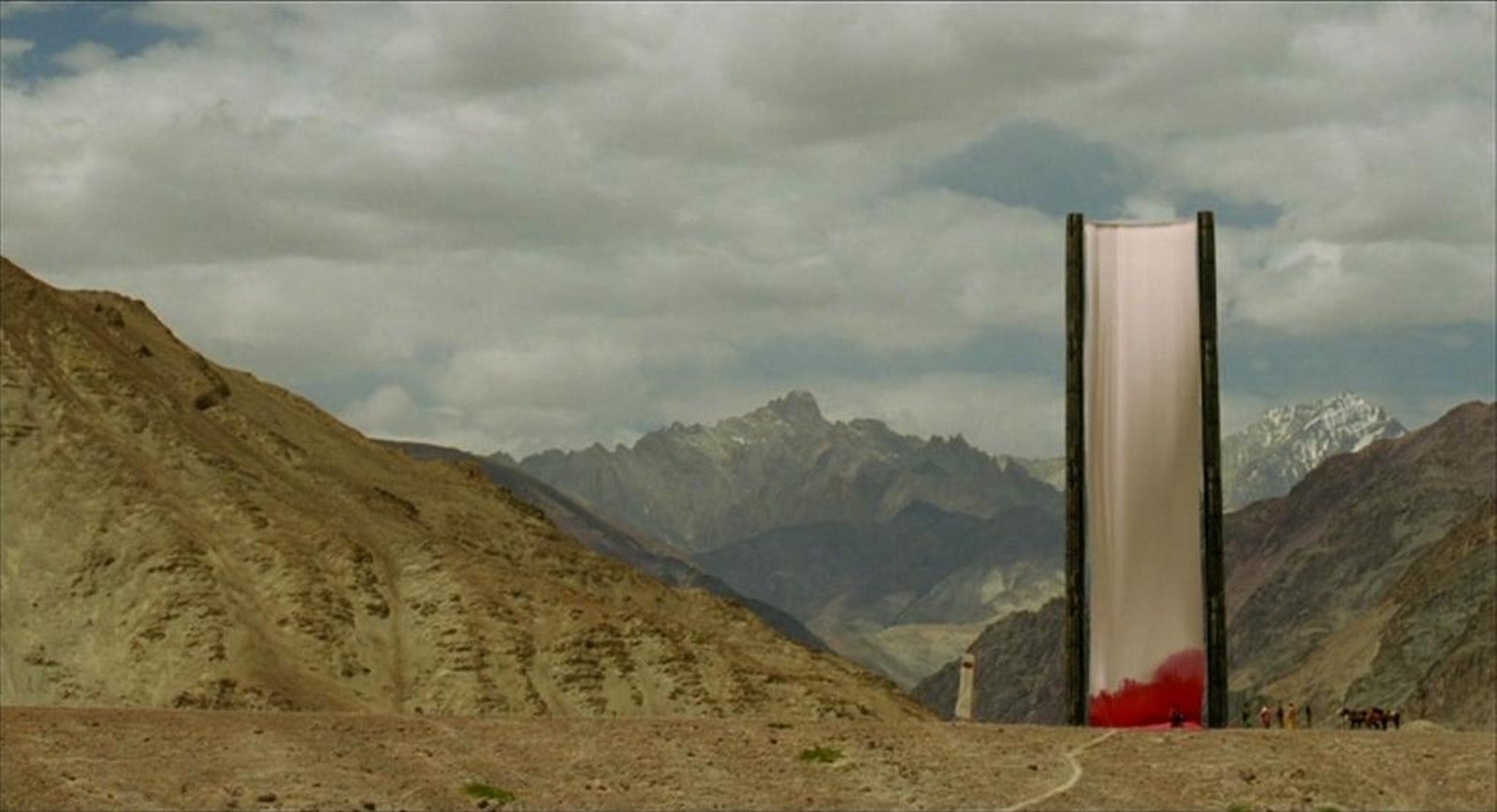
The director approaches space as an architect might: through composition, layering, and spatial hierarchy. The Fall demonstrates how visual design can orchestrate narrative without reliance on dialogue. By merging real architecture with imagined narrative, the film reveals how spatial experience can embody psychological and emotional states, positioning architecture not as a backdrop but as a protagonist. The film functions more like a visual poem or architectural manifesto than a standard narrative. Each frame is calibrated: where the eye should go, how a figure should move, how a space unfolds. In this way, the director becomes an architect of narrative, building emotional arcs through spatial design rather than conventional storytelling. For designers, this is a masterclass in how architecture and cinematography can fuse to create meaning.
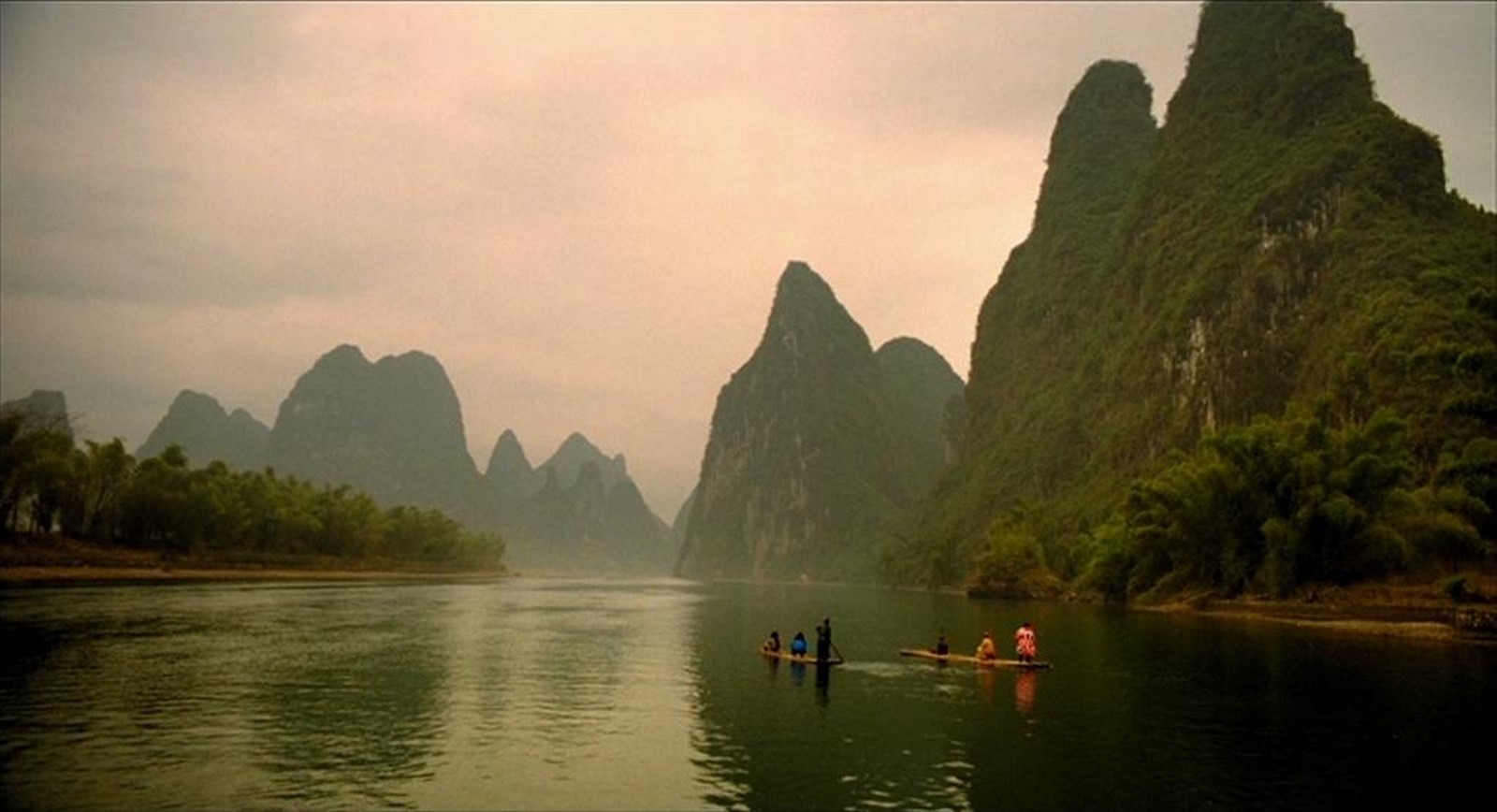
In The Fall, space isn’t just a backdrop; it is the story.