Rammed earth construction has been employed for thousands of years, and is one of the oldest and most sustainable methods in human history. Long before concrete and steel filled our cities, people around the world relied on Rammed Earth Construction. These are the same techniques our ancestors used to build their homes. Today, one of the biggest challenges we face is the slow but constant damage we are causing to nature. In our rush to build bigger and faster structures, we often forget the cost to the planet. Rammed earth, an ancient technique using the very soil we walk on, could be a global solution for reducing the environmental impact. It is well known that rammed earth construction has strong roots in our history. From the grand palaces of the wealthy to the simple homes of local communities, this technique has shaped the built environment for generations. Many of the structures we still see today, like those in the Durbar Squares and the old mandirs, are living proof of this knowledge.
A Look Back: Origins and Traditional Use
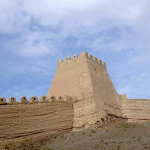
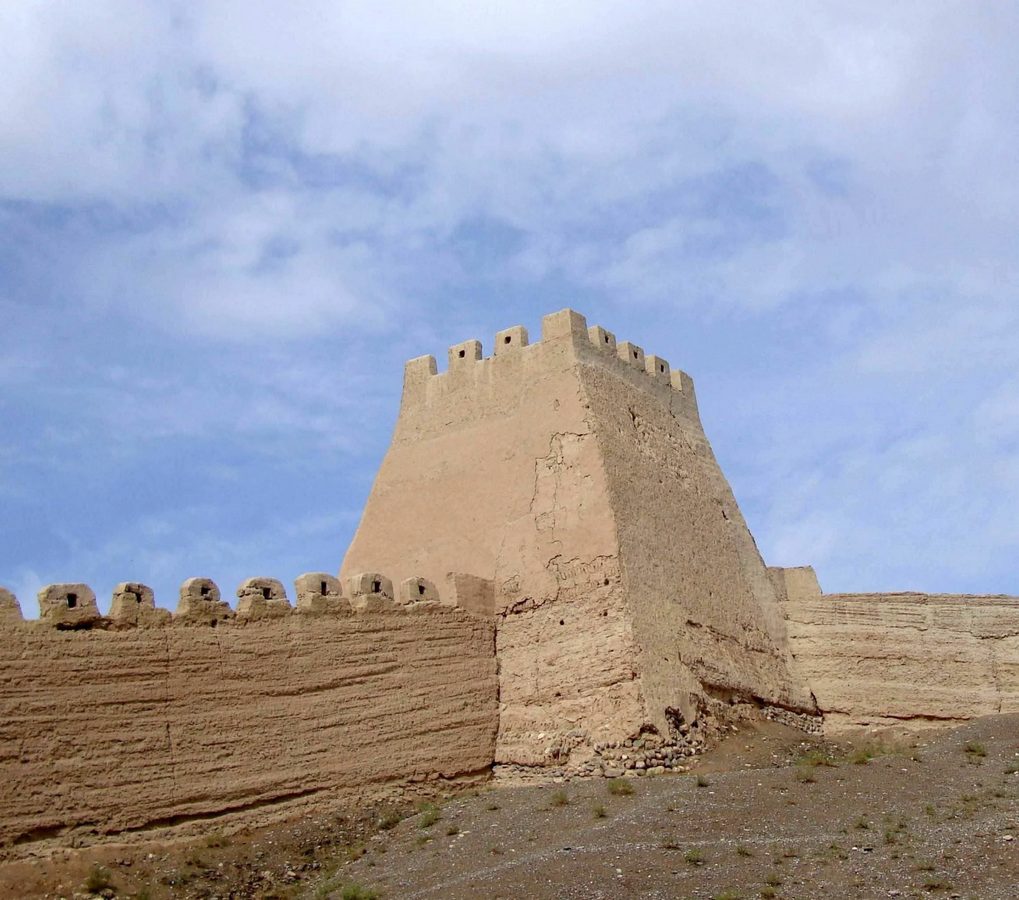
Rammed earth has been around for more than 7,000 years. It is one of the oldest methods people have used to build their homes and communities. For example, several sections of the Great Wall of China were made using layers of compacted earth. The ancient city of Lo Manthang in Nepal was once protected by a massive wall made entirely of rammed earth. Today, many countries, including the United States and India, are turning to rammed earth as a sustainable option for construction.
Why Rammed Earth Matters Today?
One of the most amazing things about rammed earth is how it naturally keeps buildings warm in winter and cool in summer. Buildings built with this technique often don’t need air conditioners, coolers, or heaters, making it a cost-effective and energy-saving choice. The thick 18-inch walls store heat and slowly release it, keeping the interior comfortable all year round. Beyond comfort, rammed earth construction also helps local communities by using materials found nearby and creating hands-on job opportunities for local workers.
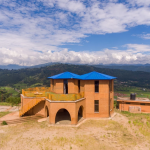
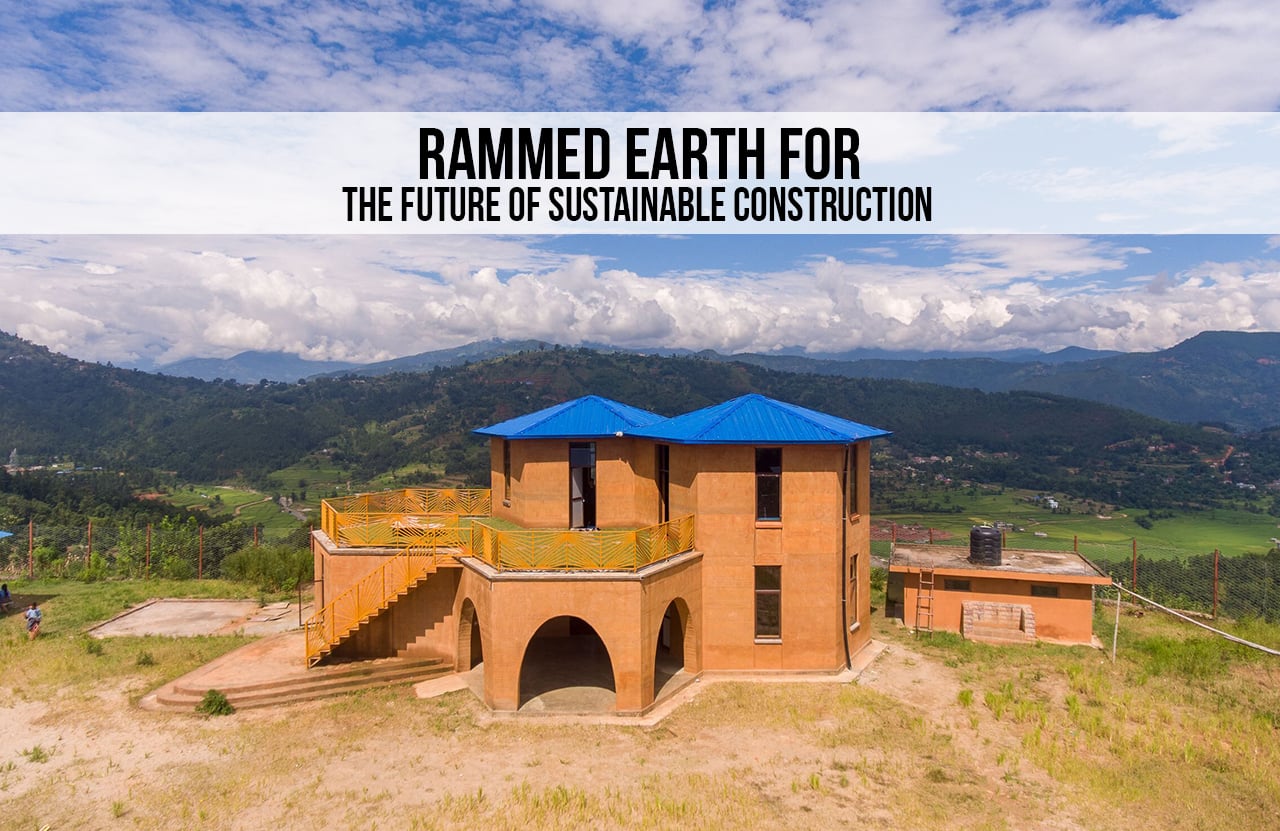
Case Study- Gulmeshwori Basic School, Nepal
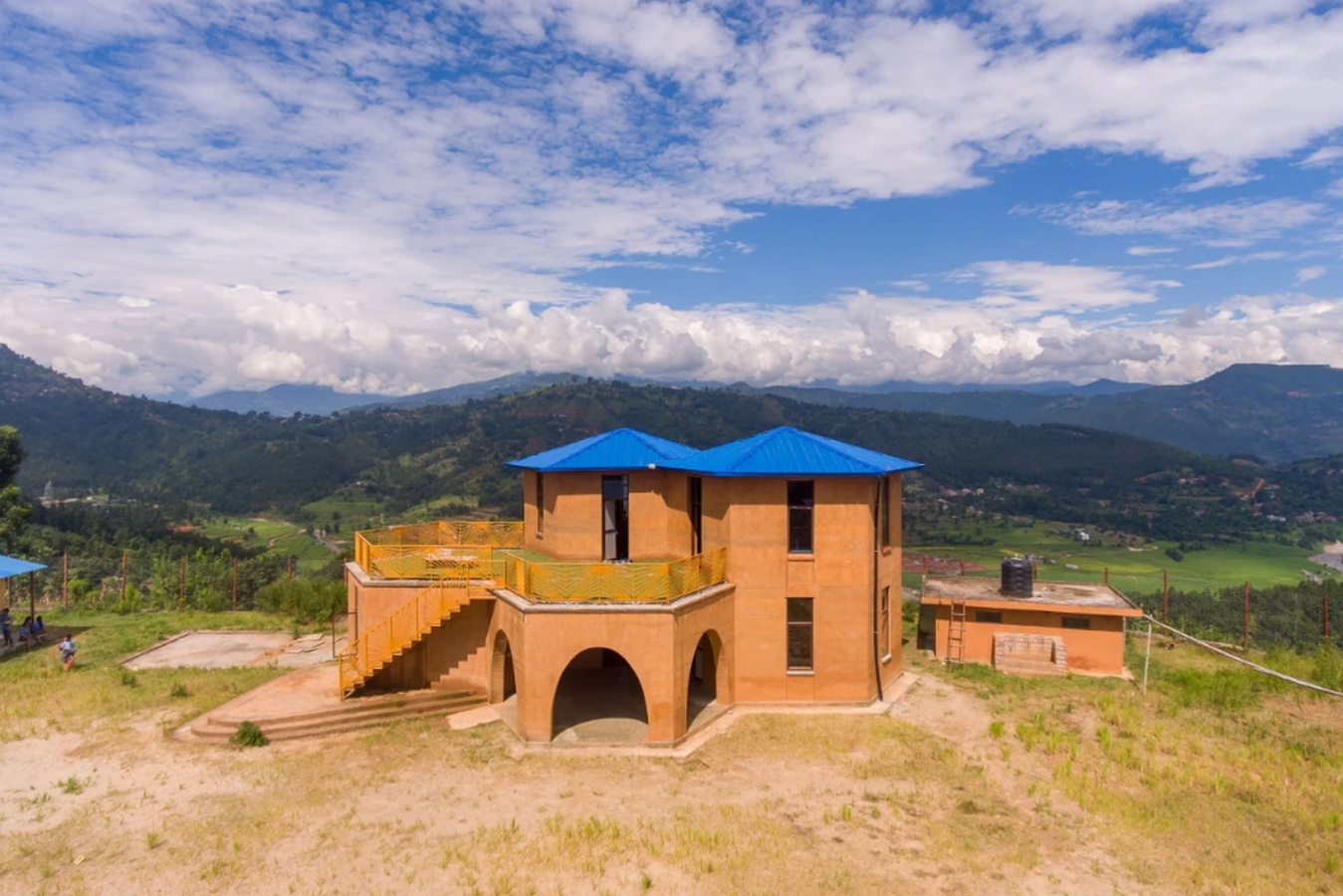
- The building is made mostly of rammed earth, which was dug from the site and mixed with a small amount of cement.
- The thick rammed earth walls keep the interior cool in summer and warm in winter, so there’s no need for air conditioning or heaters.
- This design leads to lower costs and creates a calm space that helps students feel comfortable and stay creative.
- There are no mechanical systems, plumbing, finishes, or other unnecessary features.
Challenges and Limitations
One of the biggest challenges with using rammed earth is finding the right kind of soil. The area is becoming increasingly overcrowded, and most land is already developed. Many people also believe that rammed earth isn’t strong enough for earthquakes, which makes them hesitant to use it, even though that’s not always true. With the right design and techniques, rammed earth can actually perform well during earthquakes. A great example of this is the Sirewall Houses in Canada, where advanced stabilized rammed earth techniques are used to create energy-efficient, earthquake-resistant homes. This shows that when built properly, with elements like tie beams and a suitable mix of soil, rammed earth can be both safe and sustainable, even in areas that are prone to earthquakes.
Rammed earth has a significant advantage when it comes to sustainability; it leaves a much smaller carbon footprint. In today’s world, concrete is used almost everywhere, even though it’s not always the best choice. Over time, the soil under concrete structures can get damaged. These buildings typically last only about 50 years. That’s why it’s the right time to explore alternatives like rammed earth. It’s a natural, low-impact way to build, and it works well in both rural and urban settings. Rammed earth has long been one of the safest and most reliable construction techniques to reduce carbon footprint. It’s not just a modern sustainable choice; our ancestors used this method long before us, and many of their buildings are still standing strong today. For instance, the Alhambra in Spain, a UNESCO World Heritage site, was partially built using rammed earth in the 13th century, and after all these years, the walls are still holding up.
Citation:
Rammed Earth as Building Material (n.d.). First in architecture. What is Rammed Earth Construction (online)? Available at https://www.firstinarchitecture.co.uk/rammed-earth-construction/ (Accessed: 01 October 2025).
The 11 Pros and Cons of Rammed Earth Construction (2023). Buildingrenewable.com. Rammed Earth Home are highly Sustainable (online). Available at https://buildingrenewable.com/pros-and-cons-of-rammed-earth-construction/ (Accessed: 01 October 2025).
Gulmeshowri Basic School (Rammed Earth) (2022). Archello. Mesh Architecture. Architects (online). Available at https://archello.com/project/gulmeshwori-basic-school-rammed-earth (Accessed: 03 October 2025).
Rammed Earth: An Ancient Technique for Modern Sustainable Construction (n.d). (online). Available at https://www.architecturecourses.org/build/rammed-earth (Accessed: 03 October 2025).