Most people believe that cities are the hubs of the contemporary economy. As a result, cities are primarily organized rigidly to maximize employment and achieve realistic, logical, predetermined goals, with even recreational areas fulfilling certain purposes. However, people travel to cities not just to satisfy their fundamental physiological requirements but also in quest of love, self-actualization, and respect, as well as to experience and comprehend the diversity of the world around them. Having urban areas that facilitate and promote adult play is seldom seen in today’s urban environments, and it has a range of benefits.
It is possible to test and experiment with these perceptions and interactions through playful interactions with the surroundings and other people. Individual, social, and public play can all be influenced by the variety and density of people, as well as the interactions between their actions and demeanor. People who adopt a playful perspective within the built environment often find it easier to connect with others in their neighborhood, business, family, or school. Play areas usually turn into gathering places for the community where locals may interact with one another; therefore, outdoor play in particular has many positive effects. Three interrelated scales, the home or building level, the neighborhood level, and the city level, can be supported by municipal planning and design.
Why Adult Play Matters
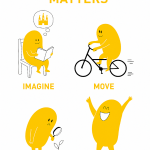
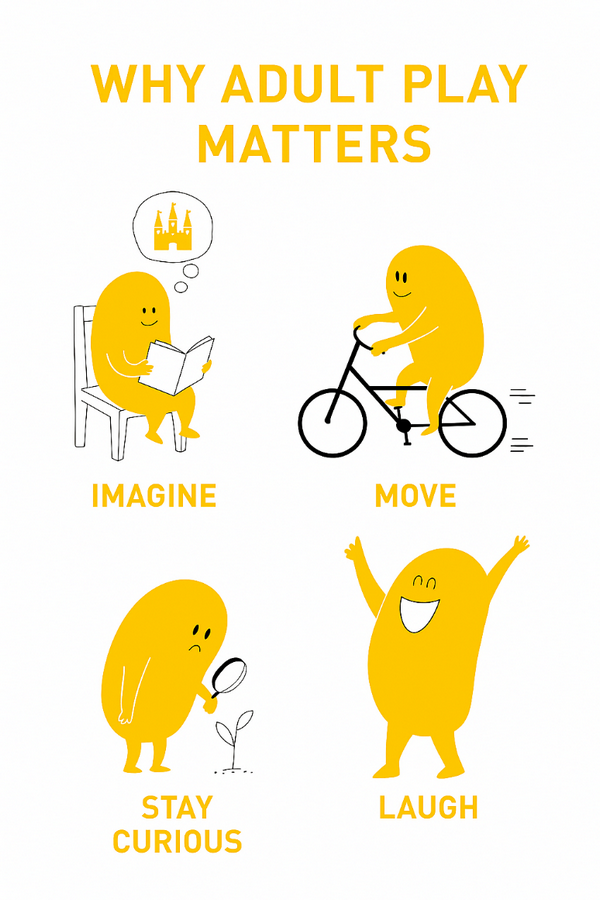
From stress reduction to creativity increase, the benefits for adults are well established. Play can be described as “voluntary, naturally motivated, and pleasurable.” There are various activities in which we naturally wish to participate that can lead to the personal experience of intrinsic satisfaction, fulfillment or joy; these activities are characterized by us not being aware of the passage of time as we are participating. Reclaiming play is not just about replacing leisure back into life; it’s about developing resilience and strengthening connection. Researchers so succinctly put forth this concept as, “The opposite of play is not work, it’s depression.”
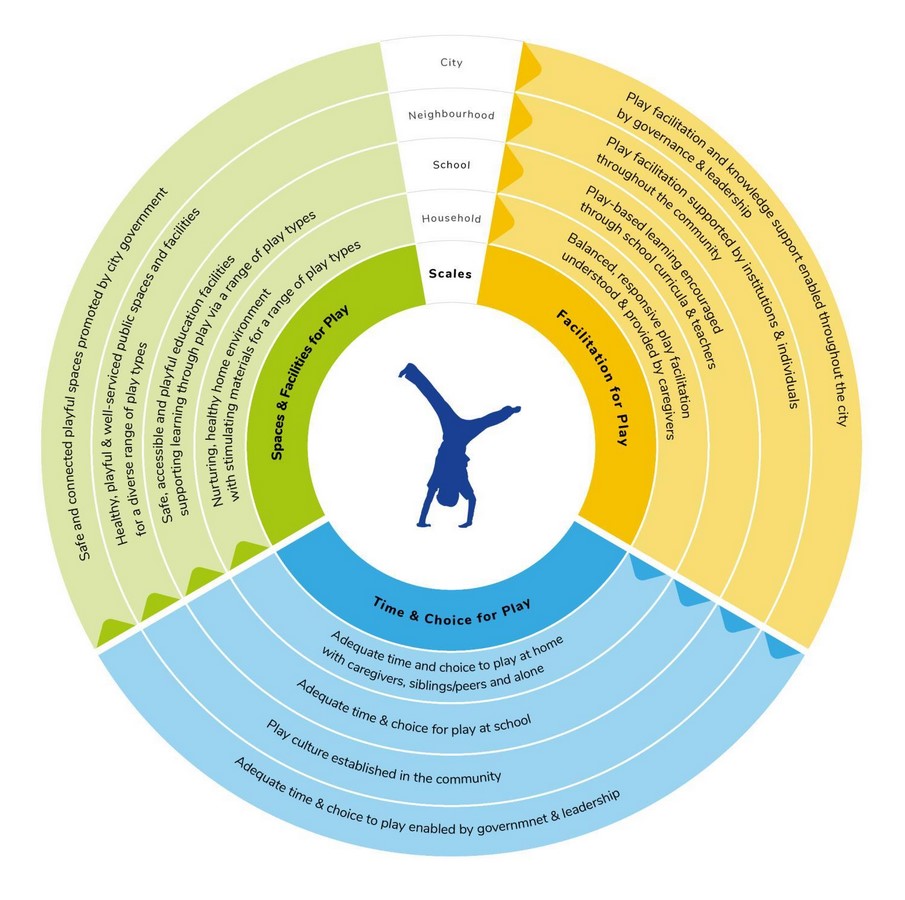
Time and choice for play
Having spaces that allow opportunities for play close to where people work and reside offers greater time
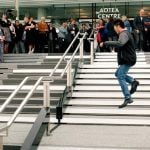
and opportunity for play. Public spaces need to be available for play-on-the-go, like while one awaits a bus or walks across the street. Easy urban installations can also be very effective for shorter and extended play sessions. For example, piano keys placed on stairs in a German subway station that made musical notes when stepped on resulted in 66% more commuters taking the stairs, thereby being physically active, than taking the escalator. Urban play elements (props) are small-scale interventions applied in micro-geographies, typically found around the technologies that facilitate play actions and sensory perceptions. These elements (e.g., street furniture, public artworks, and play equipment) can readily be dismissed as being part of the play infrastructure.
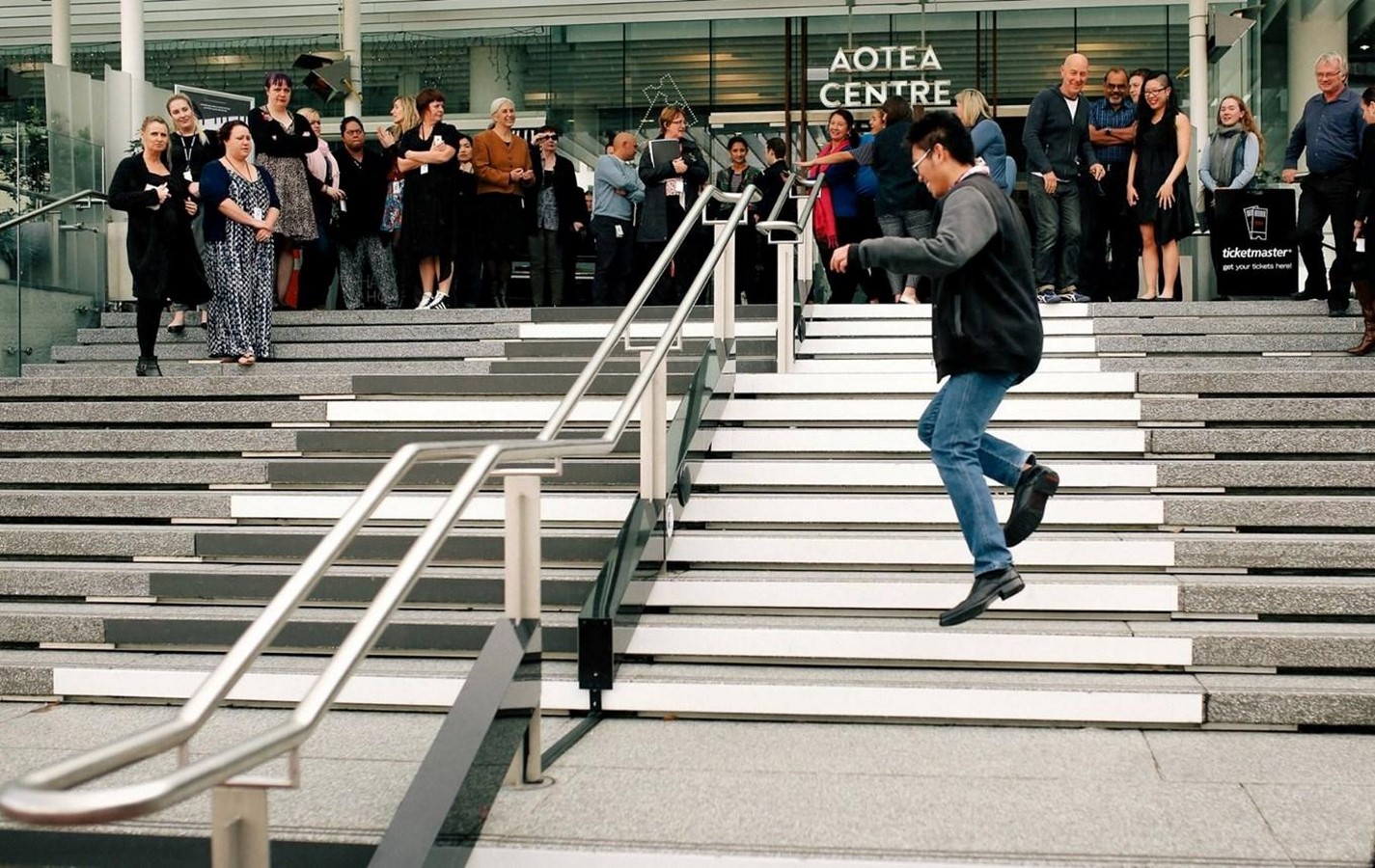
Urban design for playful encounters
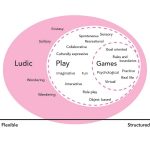
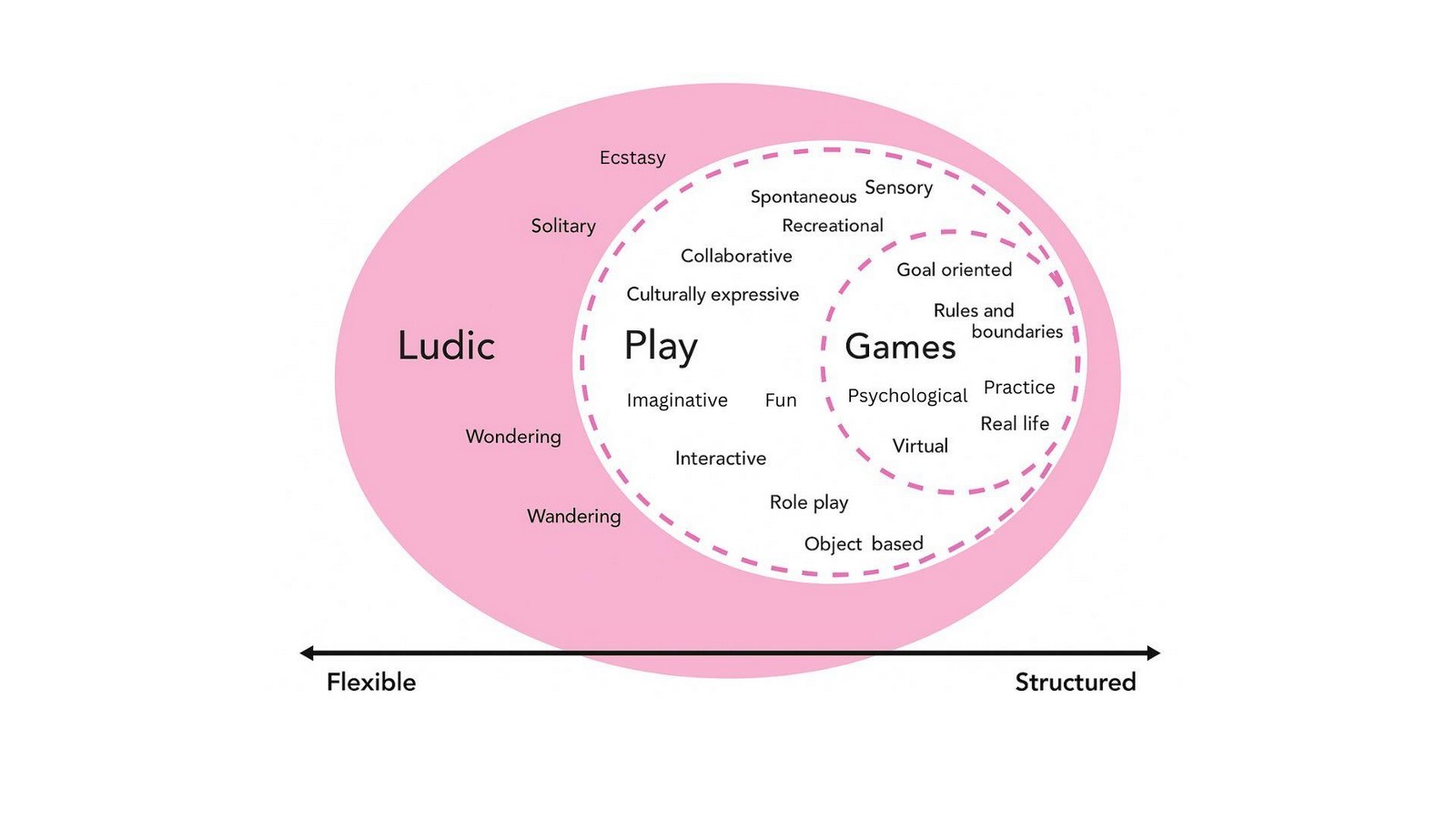
Intellectuals like Johan Huizinga (Homo Ludens, 1938) correct us that play underlies culture, not as a departure from it. Cedric Price’s never-built Fun Palace (1960s) expressed this ideology in the form of a variable, an adaptable structure that placed importance on experimentation and collective participation rather than fixed and rigid structures. On similar lines, Michel de Certeau highlighted the way ordinary practices like wandering, rediscovering spaces, uncover the secret “play” in the city. However, modern urbanism tends to sideline this aspect. Hyper-functional, fixed-use spaces control behavior and stifle spontaneity. Ludic urbanism, on the other hand, advocates for such spaces that allow for improvisation, induce delight, and activate citizens to more than simply consume space.
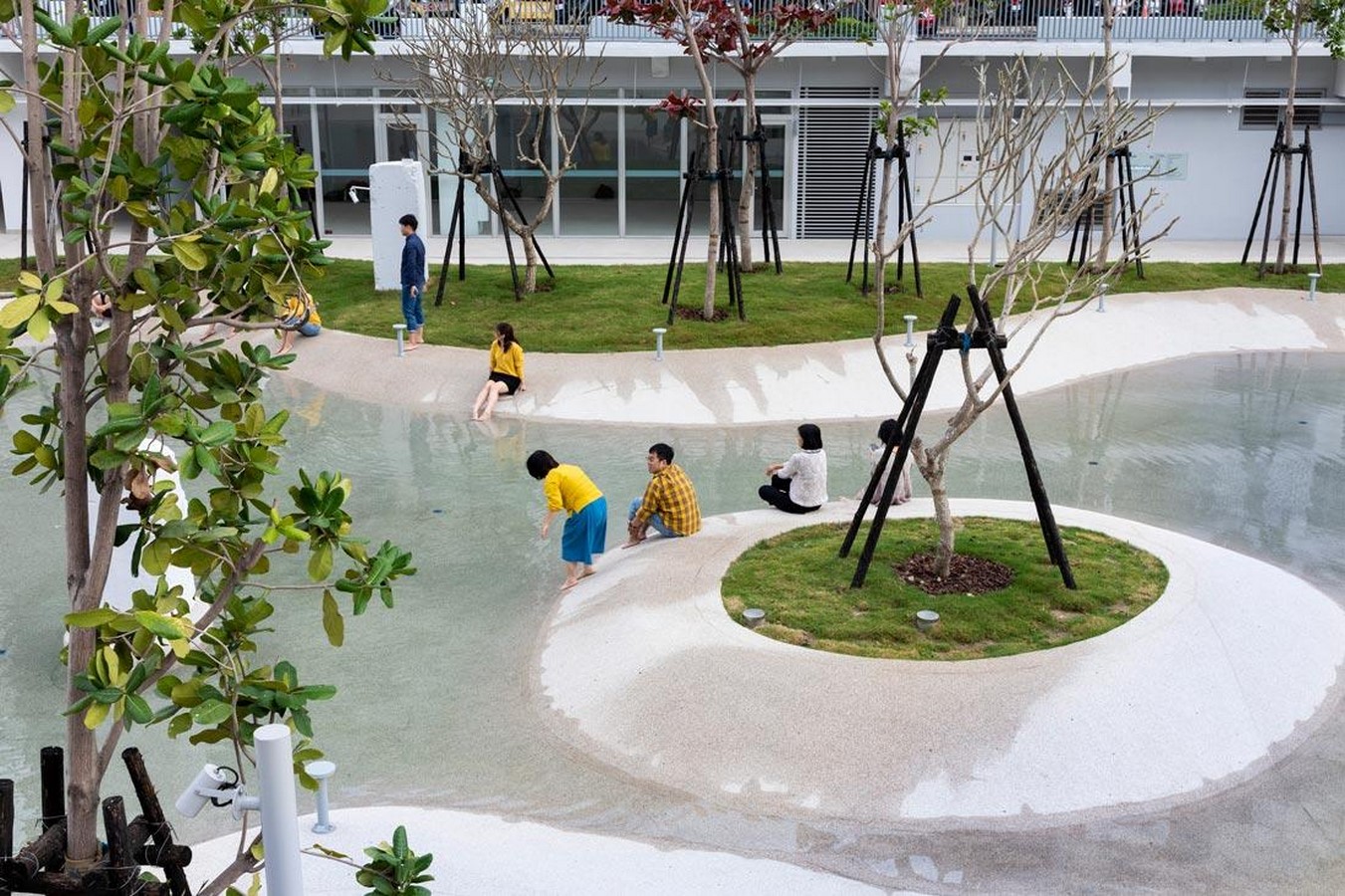
One striking example is the Tainan Spring by MVRDV situated in Taiwan. It is a public open space design featuring the redevelopment of an old city-centre mall into an urban lagoon with young vegetation that will grow into a dense jungle, reuniting the city with nature and its waterfront. The pool has been designed with great attention to be an ideal meeting area for all year round: the water level will change with the rainy and dry seasons, and during sunny weather, mist sprayers will cool down the local temperature to bring pleasant relief to visitors, lessening the dependence on air conditioning during the summer months. It has playgrounds, community spaces, and a performance stage, and the artful stripping away of the building’s concrete structure has resulted in a series of follies that can in due time be transformed to shops, kiosks, and other facilities. The design highlights how adult play can emerge from reusing infrastructure, with equal importance given to sustainability.
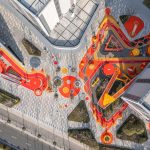
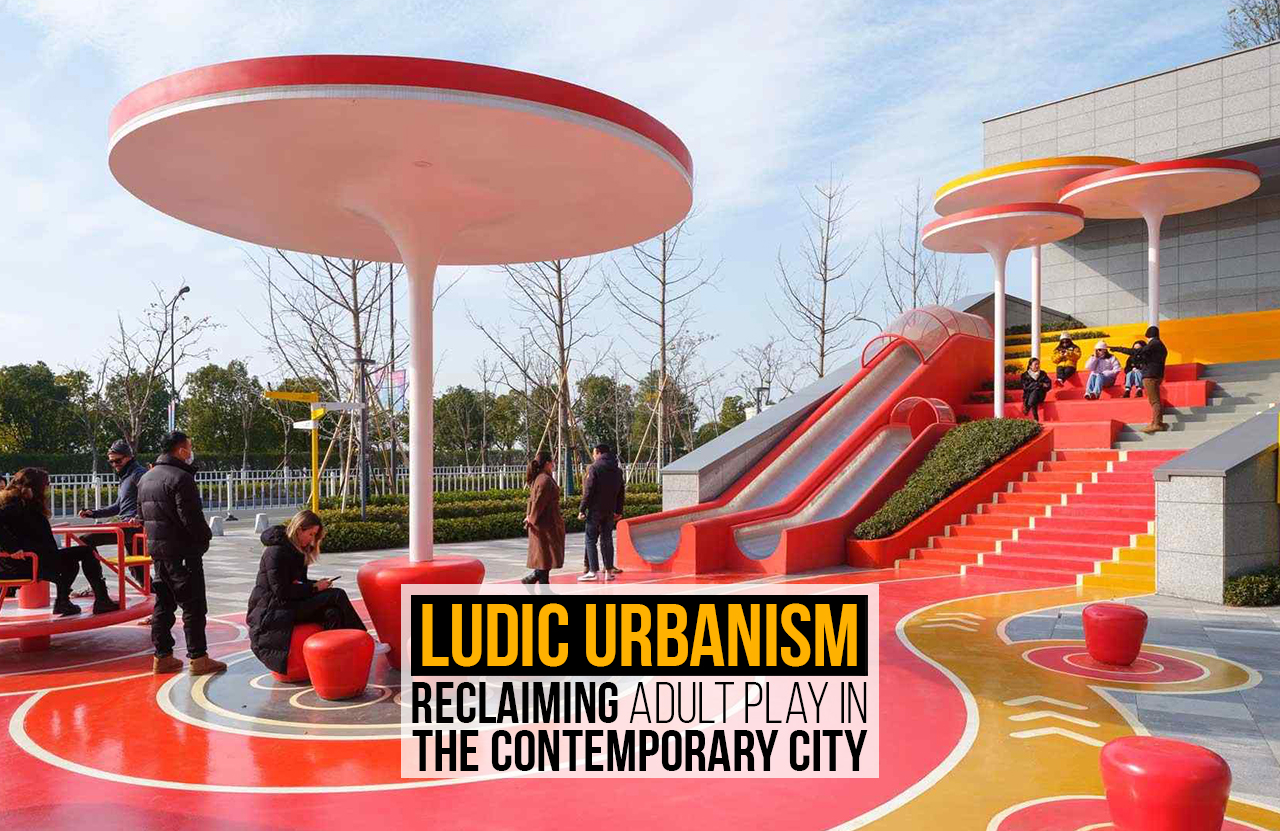
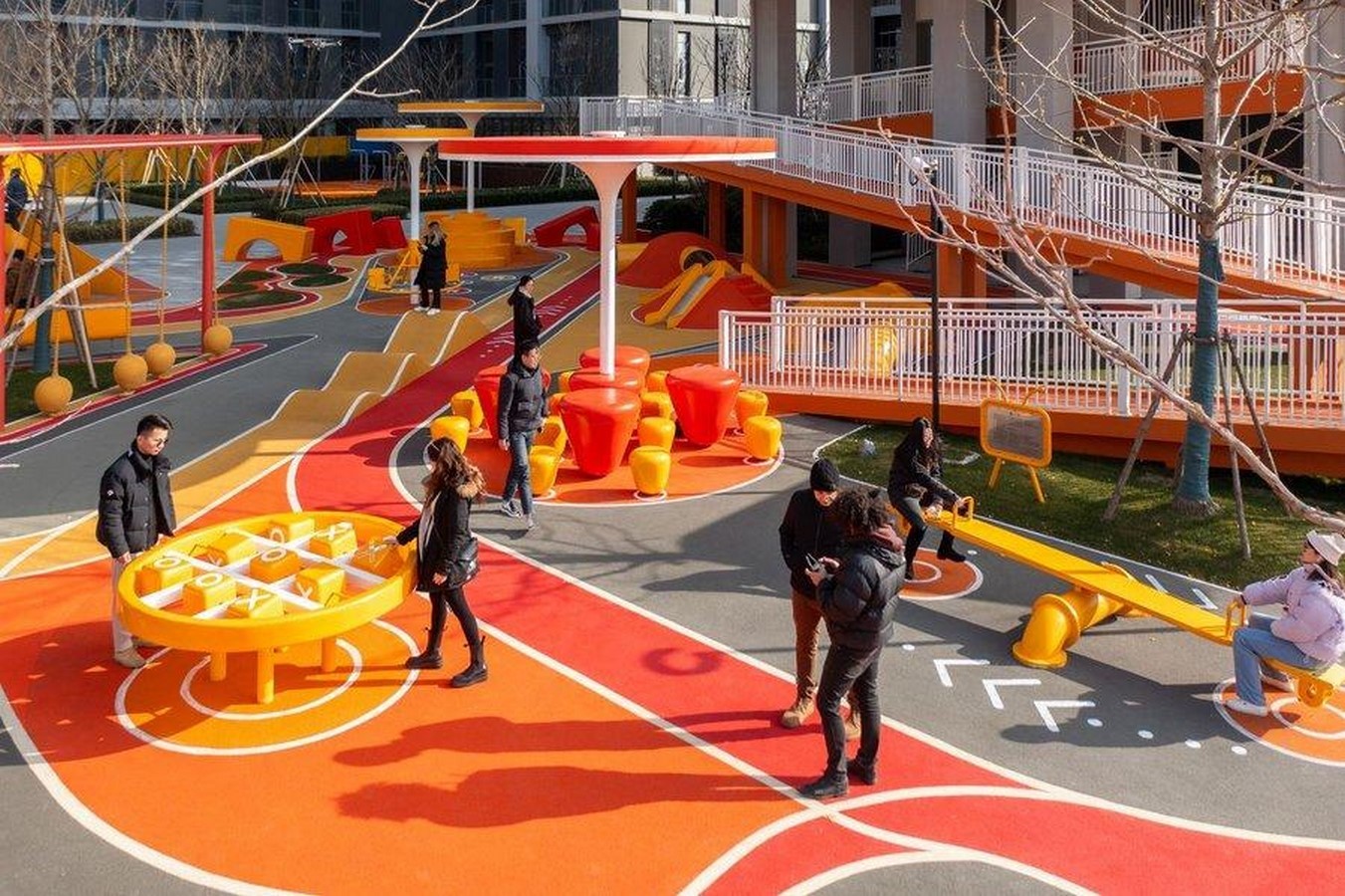
Another colorful ludic intervention in a plaza is the Magma Flow by 100 Architects. The 14,000-square-foot park employs tiny stairways as a cue to the onsets of a metaphorical gush from the crust of the Earth. Overlapping, tiered shade structures all over stand for the contagious lava of enjoyment spurting up and overflowing back down via a slide and along the broad steps. It is an energizing urban activation of a pedestrian walkway from a recently constructed commercial and residential complex in the seaport city of Ningbo, the second-largest population base city in Zhejiang Province, China.
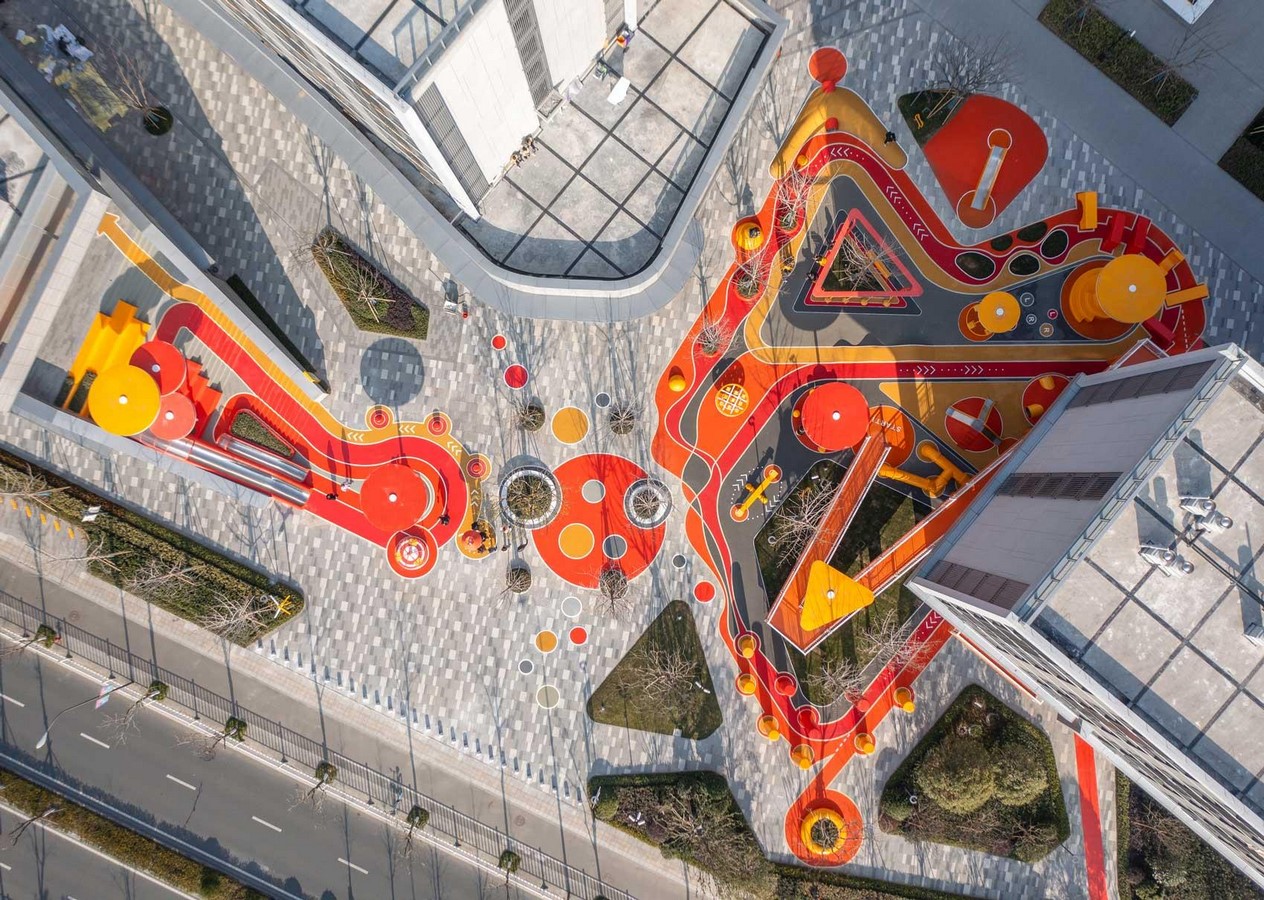
For those less agile pedestrians, 100 Architects also provided various seating and resting spots with canopies that block the sun. A mahjong table and adult-size swings finish the experience.
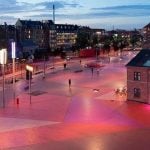
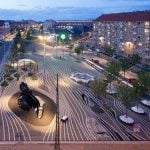
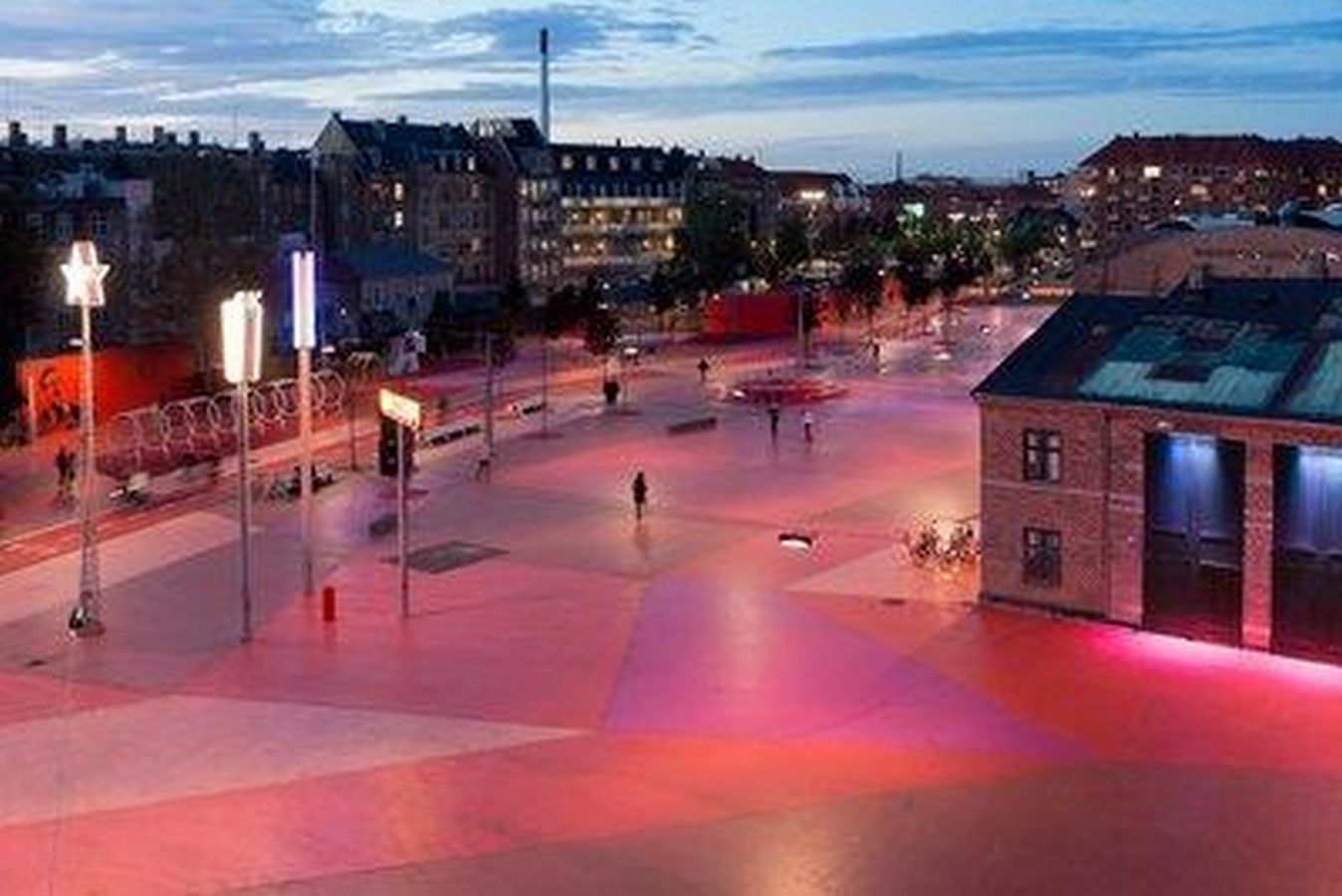
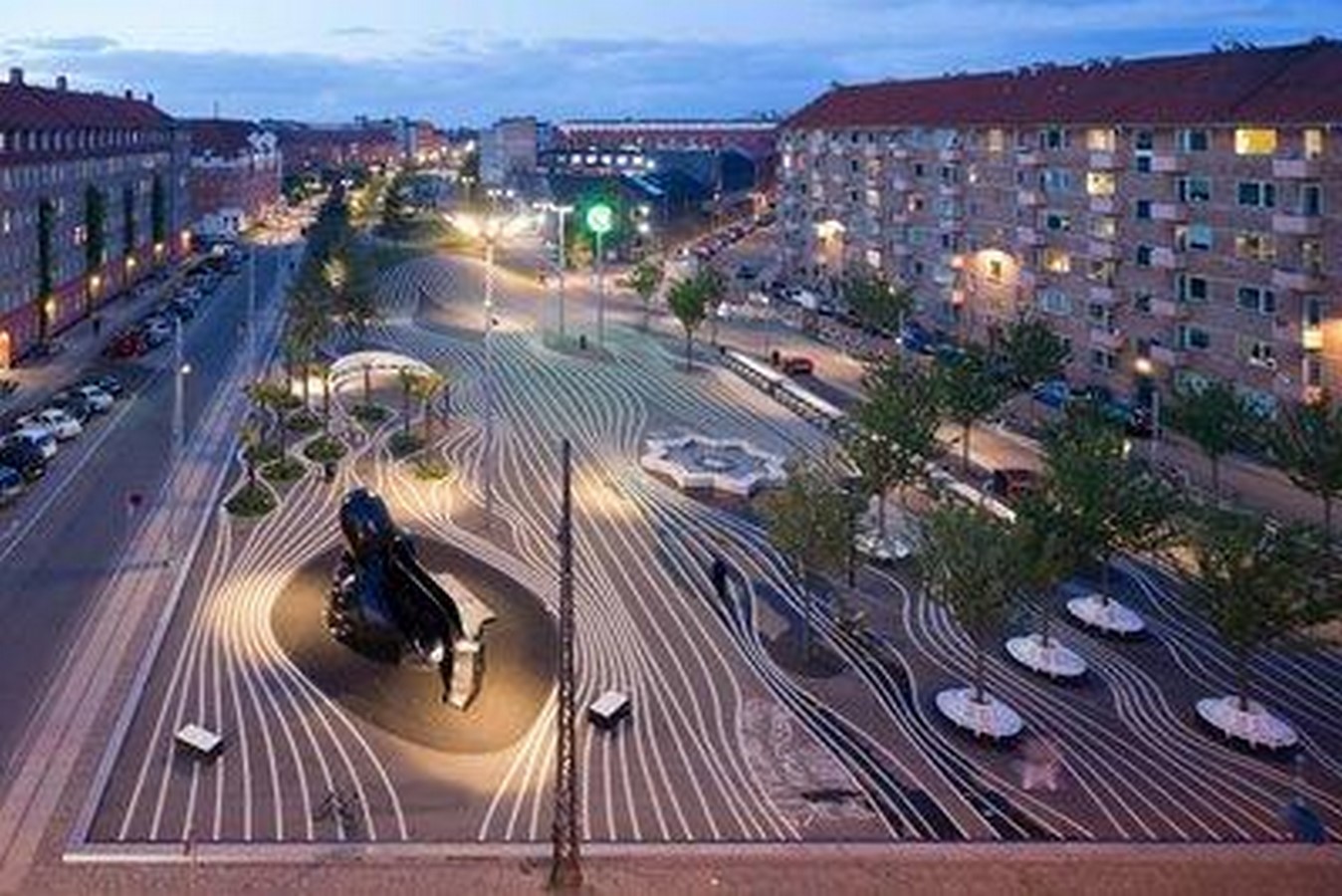
Located in the center of Nørrebro, north of the Danish capital, Superkilen is an urban park that depicts the cultural diversity of the area with a modern contemporary language. The design of the park aimed at involving people in the landscape as active observers and enhancing engagement. Instead of placing designer street furniture, lamp posts, trash cans, game tables, and relaxation spots, individuals who resided there from 60 different countries were asked to list the urban infrastructure they missed from their home countries, which they thought could enhance the Danish landscape.
Challenges to Ludic Urbanism
One significant challenge adult play faces in today’s era is the cultural and structural barriers. Cities promote safety, order, and surveillance, oftentimes treating unstructured activity within the urban environment as threats or a disruption to the normal functioning. Neoliberal urbanism further commercializes play and encloses it in paid leisure spaces (cafés, gyms, theme parks) instead of public commons.
The Future of Playful Cities
By reclaiming play, adults can reimagine their right to the city, not as consumers, but as engaged co-producers of city life. Reclaiming play for adults involves integrating playfulness into daily infrastructure, which could include playful furniture involving aerobic exercise, interactive facades, transportation systems that encourage play, and adaptable streets that promote spontaneous events. With the advancements of technology, the availability of augmented reality games, interactive lighting features, and participatory graffiti or street art can restructure the way humans interact and occupy spaces. Finally, ludic urbanism imagines cities that foster not just economic productivity, but also pleasure, creativity, and collective flourishing.
Citations:
- Arup. (2023) Playful Cities: Design Guide – Play for Anyone, Anywhere. Available at: https://www.arup.com/insights/playful-cities-design-guide-play-for-anyone-anywhere/ (Accessed: 5 October 2025).
- Auckland Council. (2016) Have you tried the piano stairs? Available at: https://ourauckland.aucklandcouncil.govt.nz/news/2016/05/have-you-tried-the-piano-stairs/ (Accessed: 5 October 2025).
- MVRDV. (2019) Tainan Spring. Available at: https://www.mvrdv.com/projects/272/tainan-spring (Accessed: 5 October 2025).
- Nature Play CBR. (2021) The Playful City: Constructing a Typology for Urban Design Interventions. Available at: https://www.natureplaycbr.org.au/resource/the-playful-city-constructing-a-typology-for-urban-design-interventions/ (Accessed: 5 October 2025).
- Stevens, Q. (2007) The Ludic City: Exploring the Potential of Public Spaces. London: Routledge.