Language is more than a system of communication; it’s a worldview, a way of perceiving space, time, and even beauty. When languages vanish, we lose not just words, but unique frameworks for understanding and shaping our environments. This article explores how the survival of lost languages could fundamentally influence our approach to architecture and design, connecting language, culture, and the spaces we build.
This isn’t just an exercise in fantasy; it’s an invitation to consider how culture, language, and design are deeply interconnected. By imagining these languages alive today, we can better appreciate how much we may have lost, not just in words, but in ways of building and being as well.
Language as a Blueprint for Space
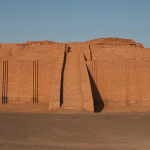
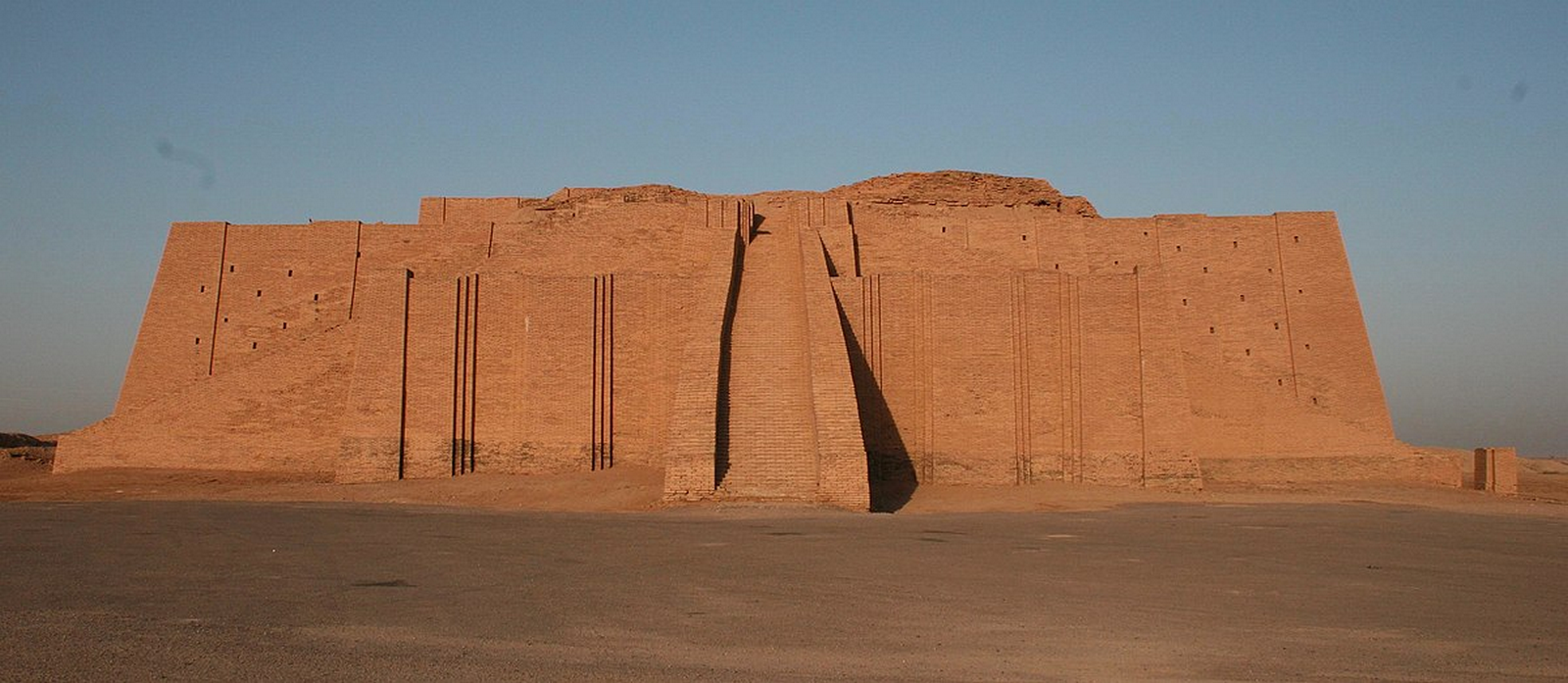
In many ancient languages, words for natural elements and built structures were inseparable. For instance, the Sumerian word é meant both “house” and “temple,” implying that every dwelling carried spiritual weight (British Museum, Mesopotamian Lexicon). If Sumerian were still spoken, would our homes today feel more sacred? Would architecture be seen less as a profession and more as a spiritual duty?
Similarly, the Ancient Egyptian word per (as in “Per-Ankh” or “House of Life”) described spaces with layered functions: educational, spiritual, and communal (Wilkinson, The Complete Temples of Ancient Egypt). Imagine if our schools and libraries today were built with that kind of integrated meaning in mind. Design would go beyond form and function; it would embody philosophy.
Design Embedded in Grammar
Some lost languages encoded directions, materials, and movement directly into their grammar. In many Indigenous Australian languages, for example, cardinal directions are used instead of left or right; people say “pass me the cup to your north” (Boroditsky, 2011). This creates a constant spatial awareness embedded in speech.
If we still spoke languages like this, how might urban planning change? Cities could be designed with more natural alignment, where buildings respond not just to traffic patterns but to wind, sun, and seasonal movement. Architecture could become more attuned to the rhythms of the Earth because language would demand it.
Aesthetics, Memory, and Lost Design Principles
Languages don’t just shape how we build; they shape why we build. Many extinct languages, such as Etruscan or Gothic, included richly symbolic vocabularies tied to myth, ancestry, and emotion. These symbolic systems often found their way into physical structures, from temples aligned with celestial bodies to homes that told generational stories through patterns and orientation (Kostof, A History of Architecture).
Today, minimalism dominates much of global design, but what if our languages carried memories in every syllable? Would we still Favor clean lines and blank walls, or would we decorate our buildings with the stories of our families, gods, and land?
What we’ve Forgotten and What we Could Reclaim
The disappearance of languages often came with colonial erasure, not just of words, but of whole ways of living. Alongside language loss came the destruction of architectural styles, artistic methods, and building knowledge that was sustainable, climate-responsive, and community-centred. Many Indigenous and minority communities lost not only their spoken language but also their built heritage (UNESCO Atlas of the World’s Languages in Danger).
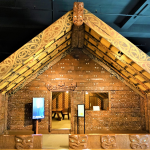
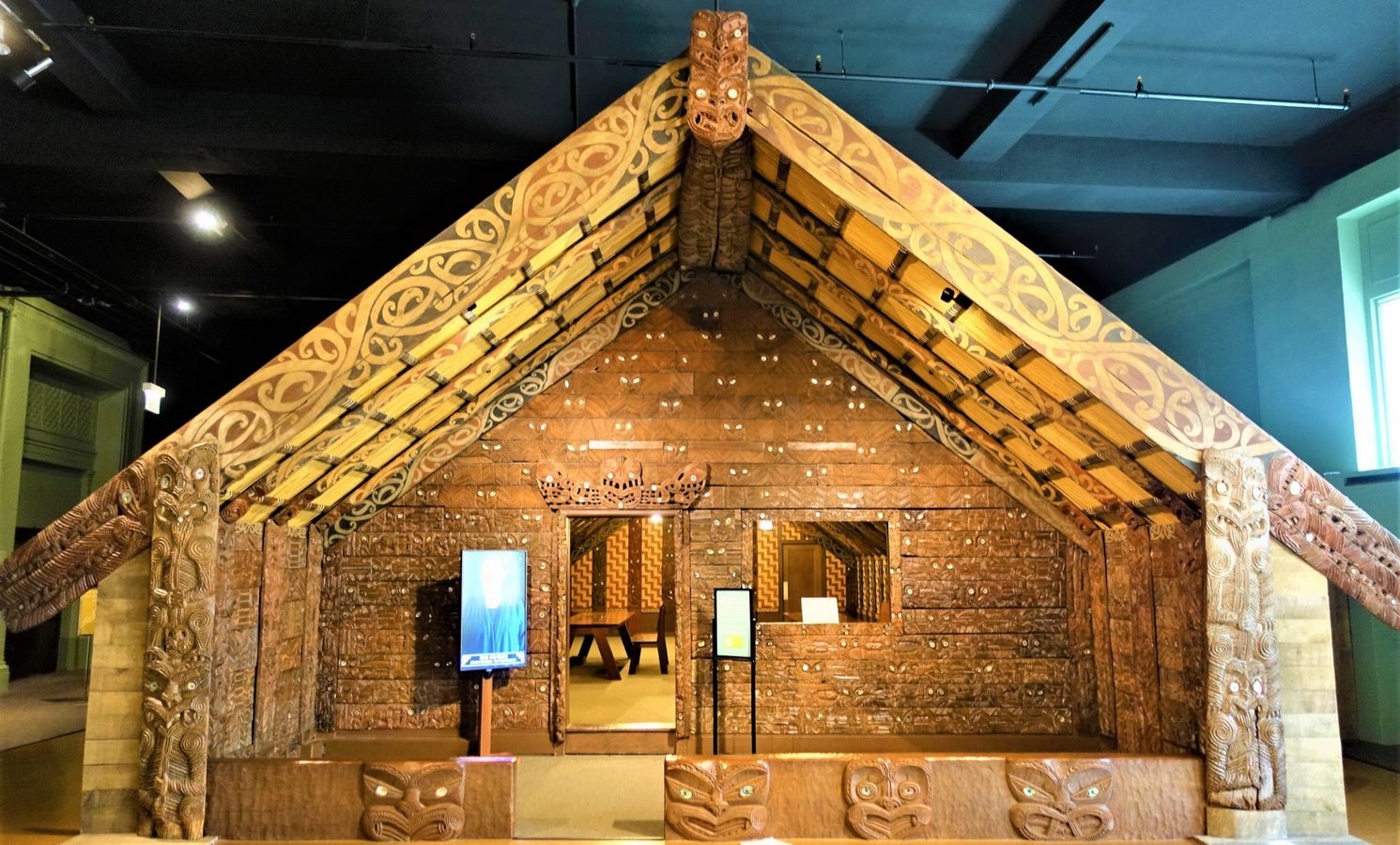
However, there’s a growing movement to reclaim this loss. In New Zealand, the Māori language revival has been closely tied to the reintroduction of traditional wharenui (meeting houses) and community-centred layouts. Similar efforts exist among the Sámi people in Scandinavia and Native American tribes in the U.S., who are rebuilding traditional housing styles alongside language programs (UN Permanent Forum on Indigenous Issues, 2022).
Relearning to Speak and Build with Meaning
Today, projects around the world are attempting to revive lost languages from the Maori in New Zealand to the Wampanoag in the U.S. Alongside these efforts, a growing movement is emerging to reclaim indigenous architecture and local design wisdom.
If lost languages were still spoken today, we might not only have a richer vocabulary but also a more meaningful approach to the spaces we inhabit. Our cities might speak to the stars. Our homes might hold stories. Our walls might whisper old songs.
By considering how lost languages might have shaped spaces today, we can see language, design, and life as different expressions of the same story. Rediscovering these connections encourages us to create environments that are not only functional, but also rich in meaning, history, and collective memory, reminding us that the way we speak can deeply affect the way we build our world.
Bibliography
Boroditsky, L. (2011). How language shapes thought. Scientific American, 304(2), 62–65. https://doi.org/10.1038/scientificamerican0211-62
British Museum. (n.d.). Mesopotamian lexicon and writing systems. Retrieved from https://www.britishmuseum.org/
Kostof, S. (1995). A history of architecture: Settings and rituals. Oxford University Press.
UNESCO. (n.d.). Atlas of the world’s languages in danger. Retrieved from https://www.unesco.org/languages-atlas/
United Nations Permanent Forum on Indigenous Issues. (2022). Indigenous languages and cultural heritage. Retrieved from https://www.un.org/development/desa/indigenouspeoples/
Wilkinson, R. H. (2000). The complete temples of ancient Egypt. Thames & Hudson.