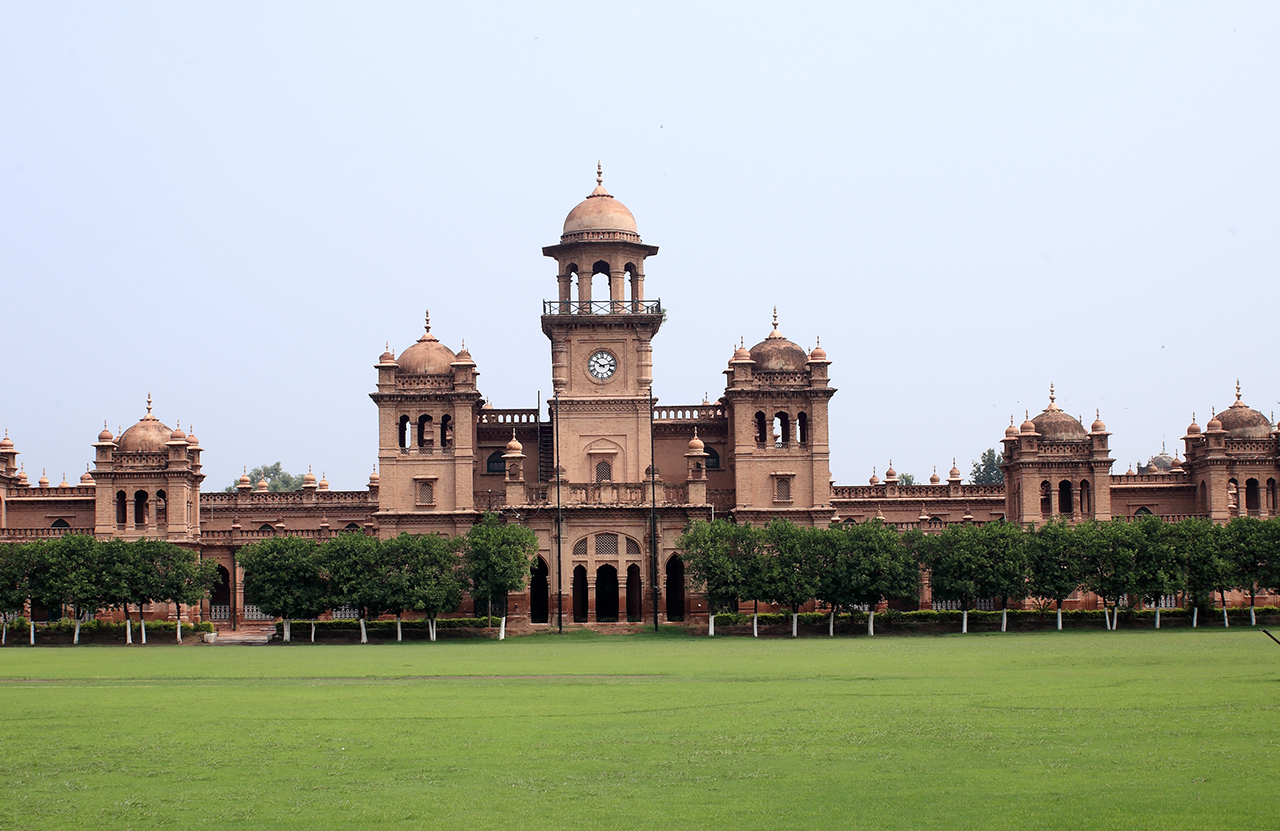
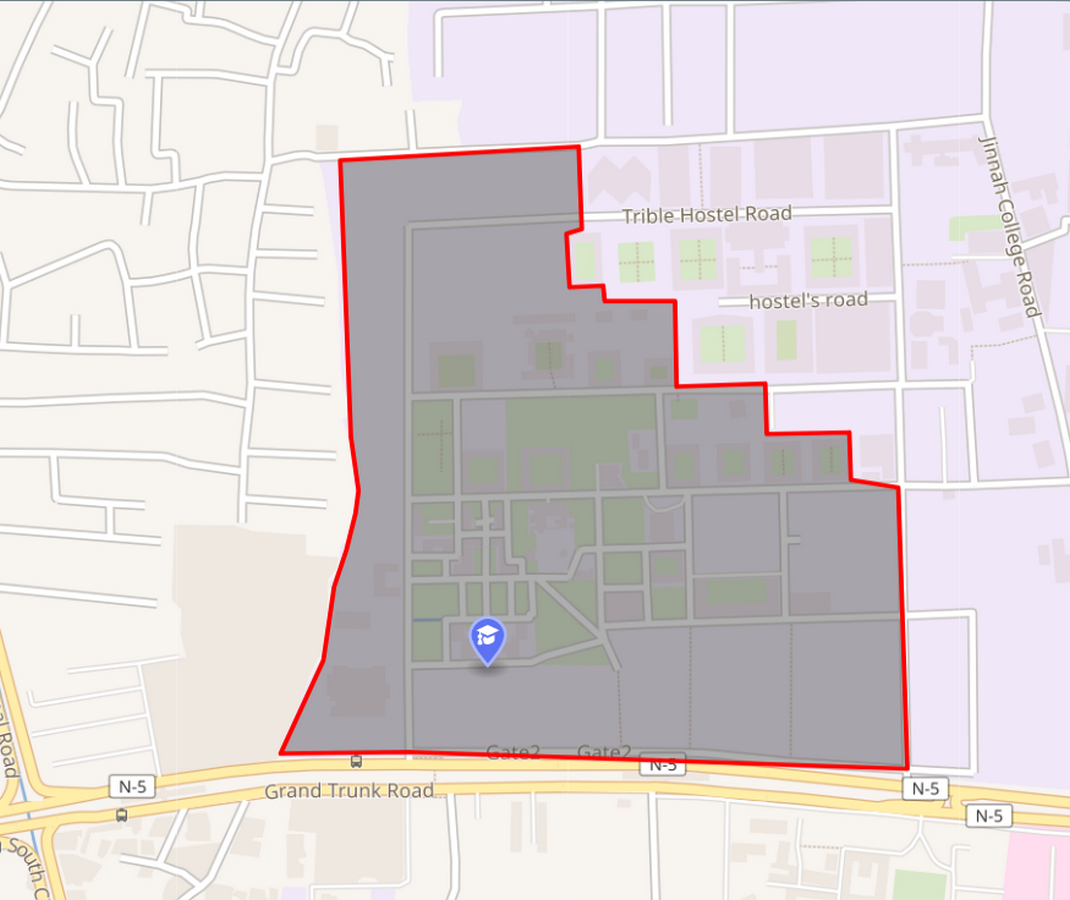
Peshawar, a city that is historically, culturally and architecturally rich, has sat on the corridor connecting different regions across different eras and today hosts many concealed and unconcealed architectural gems that stand a witness to the history of the land. Perhaps, among them, one of the most famous and renowned is the Islamia College University situated on the Grand Trunk Road.
History & Establishment
Established in 1913 and founded by Sir S.A. Qayyum and Sir George Roos-Keppel, it stands on 300 acres of land. It served as a continuation to the Aligarh movement to provide a center of education to the Muslims in the North-West subcontinent during the British reign. The college was founded to cater to higher education needs in the region and not having to rely on other limited or faraway opportunities. It later played a role in the political climate of the Indian Subcontinent and had a direct hand in the Freedom Movement as many of its students and faculty utilized these grounds for political awareness; rallies, debates and empowerment. Islamia College Peshawar was a seat of struggles for political freedom in the then-NWFP region.
Starting with only a startling amount of 33 students, it currently hosts around 500 academic staff and more than 9000 students with around 14 departments spanning many academic fields.
Place in the City: Arrival
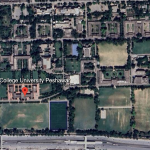
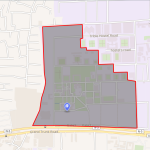
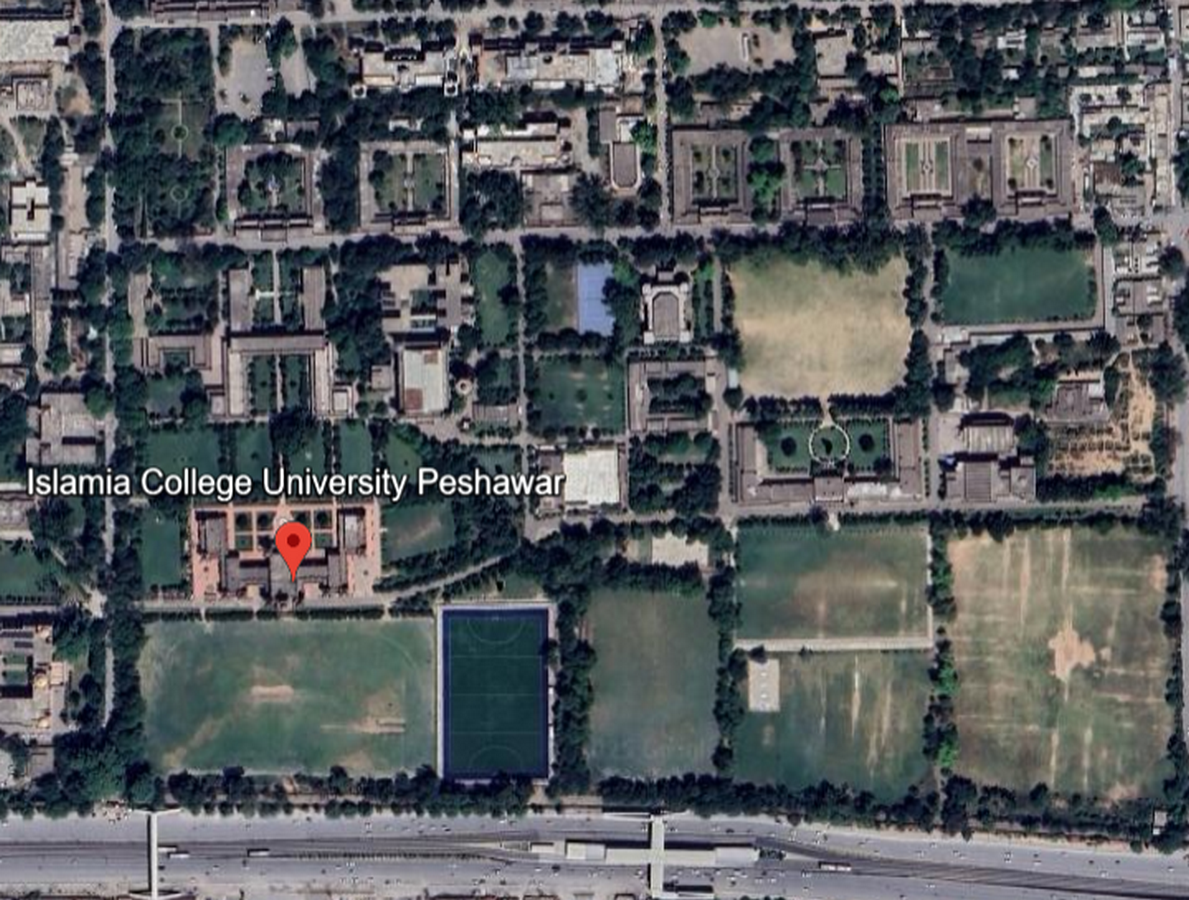
Located across the main highway of the city, Grand Trunk Road, Islamia College remains a key landmark that stays a datum for the rest of the city. It is oriented towards the North-South axis with an axillary approach to it and a large cricket ground in front.
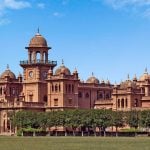
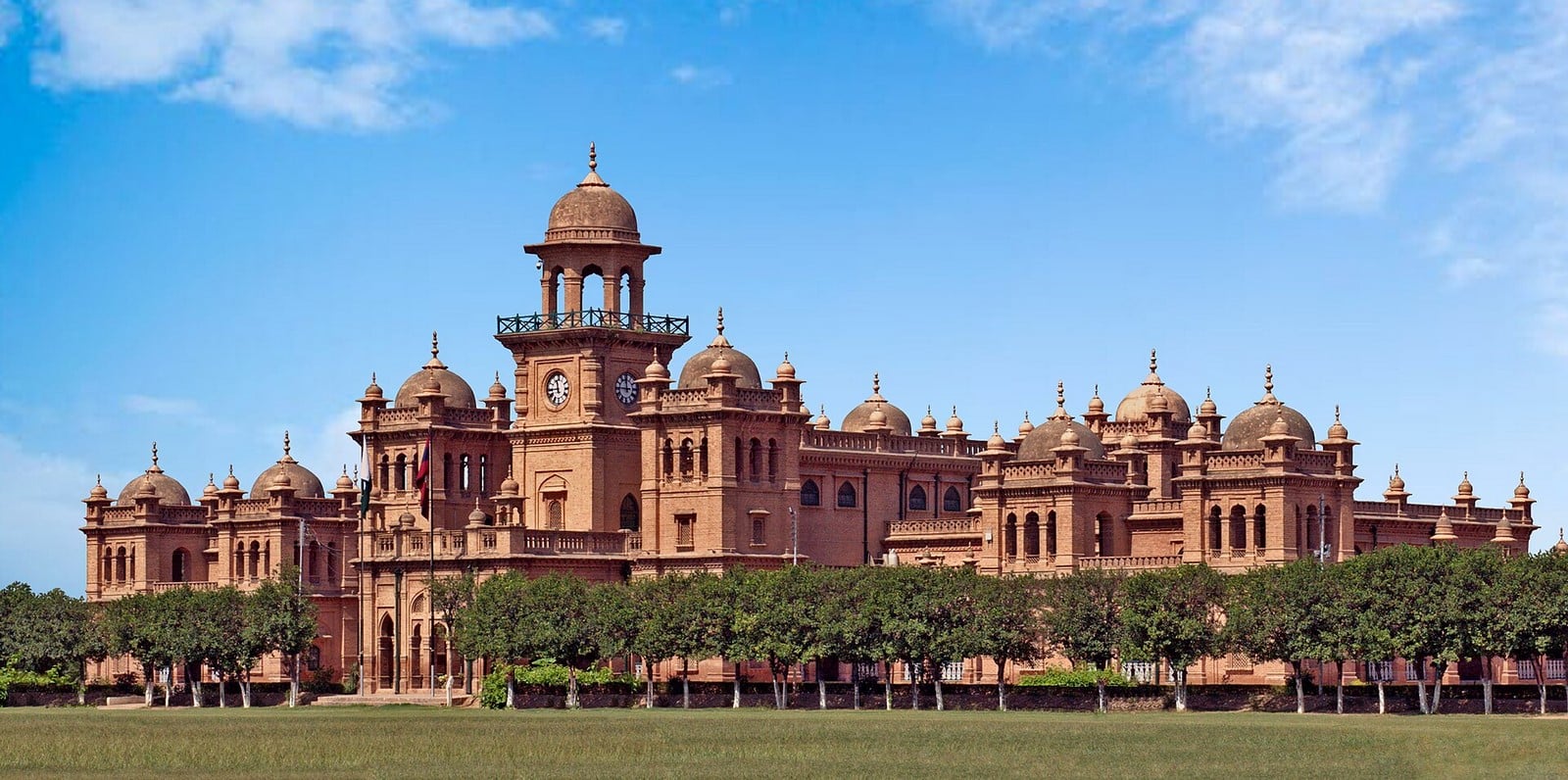
Islamia College Peshawar boasts of a monumental scale and splendour. It is symmetrical in design and based on the typical layouts for academic institutions, the main building has a central main entrance with two wings fanning out on each side, with an extended portico to bring in the visitor. The horizontality of the front façade gives the impression of an endless frontage, while the verticality through the tower and pointing chhatris add a rich layer to deepen the visual perception of the visitor.
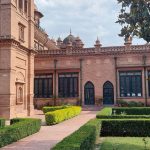
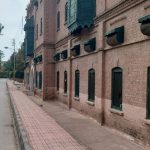
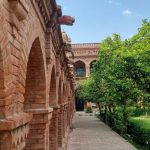
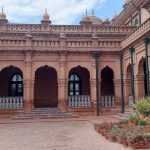
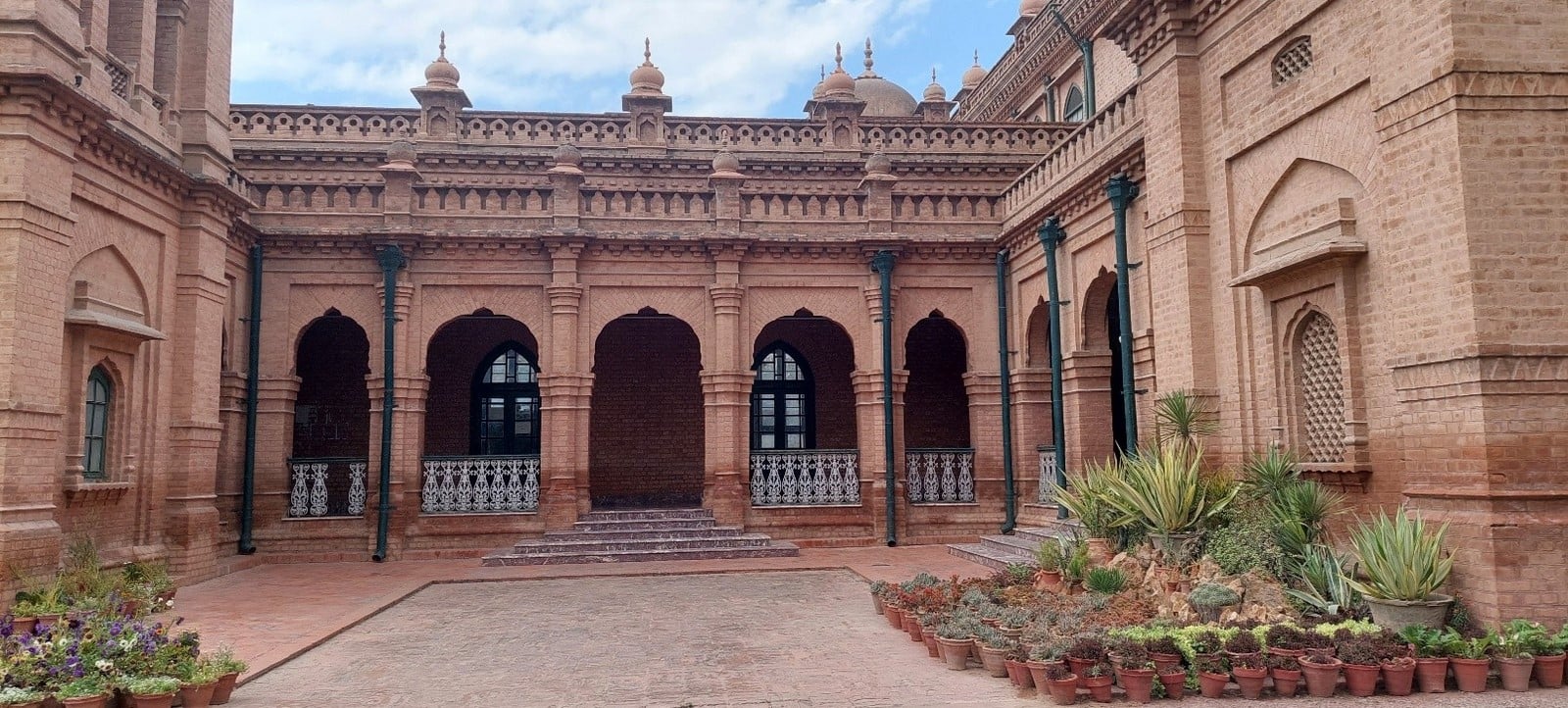
The College was constructed in red bricks, cut and dressed to make load-bearing walls and ornamental elements.
A Fusion of Architectural Styles
Islamia College Peshawar is perhaps one of the best examples of Indo-Saracenic architecture; a blend of the traditional Islamic/Mughal and colonial architecture that was brought by the British to the sub-continent. The architectural fusion further strengthens the atmosphere around the foundation of this College and of the times within which it was constructed.
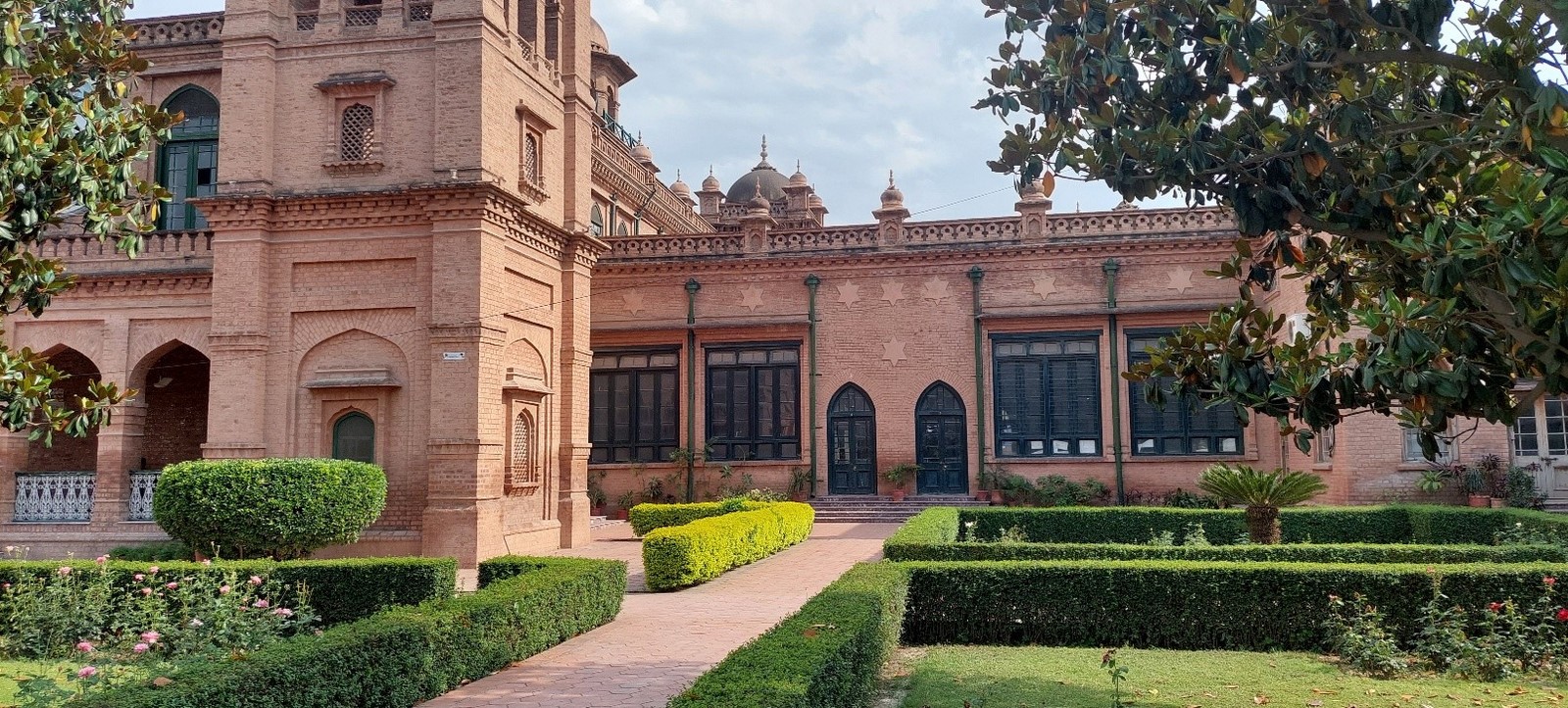
The entire campus holds a mixture of British and Islamic/Mughal elements. The domes, chhatris, jharokays and the cusped arches hint at the traditional heritage of the region, while the Gothic style pointed arches, pinacles, pediments, and gargoyles are a testament to the other conflicted heritage.
The clock tower is perhaps the most iconic feature of the College, present at the front entrance welcoming the visitor into a new architectural experience within the grounds.
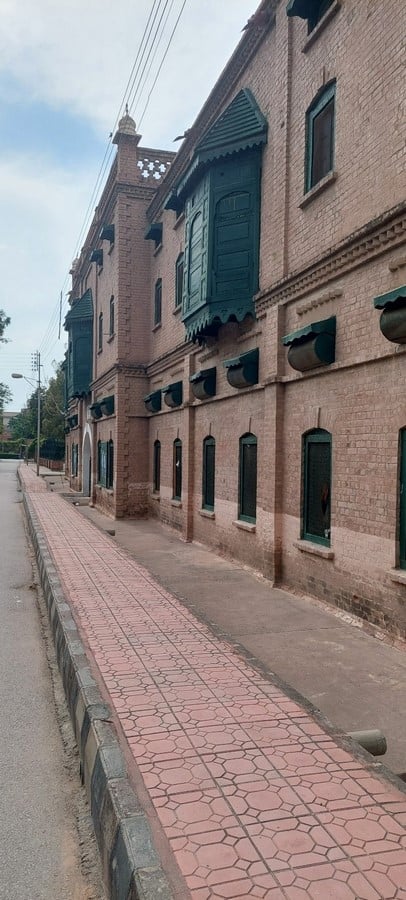
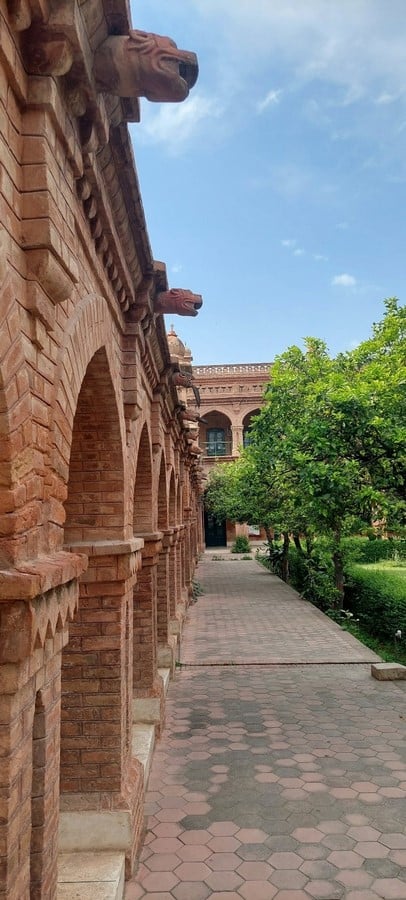
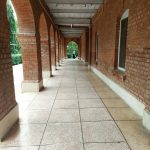
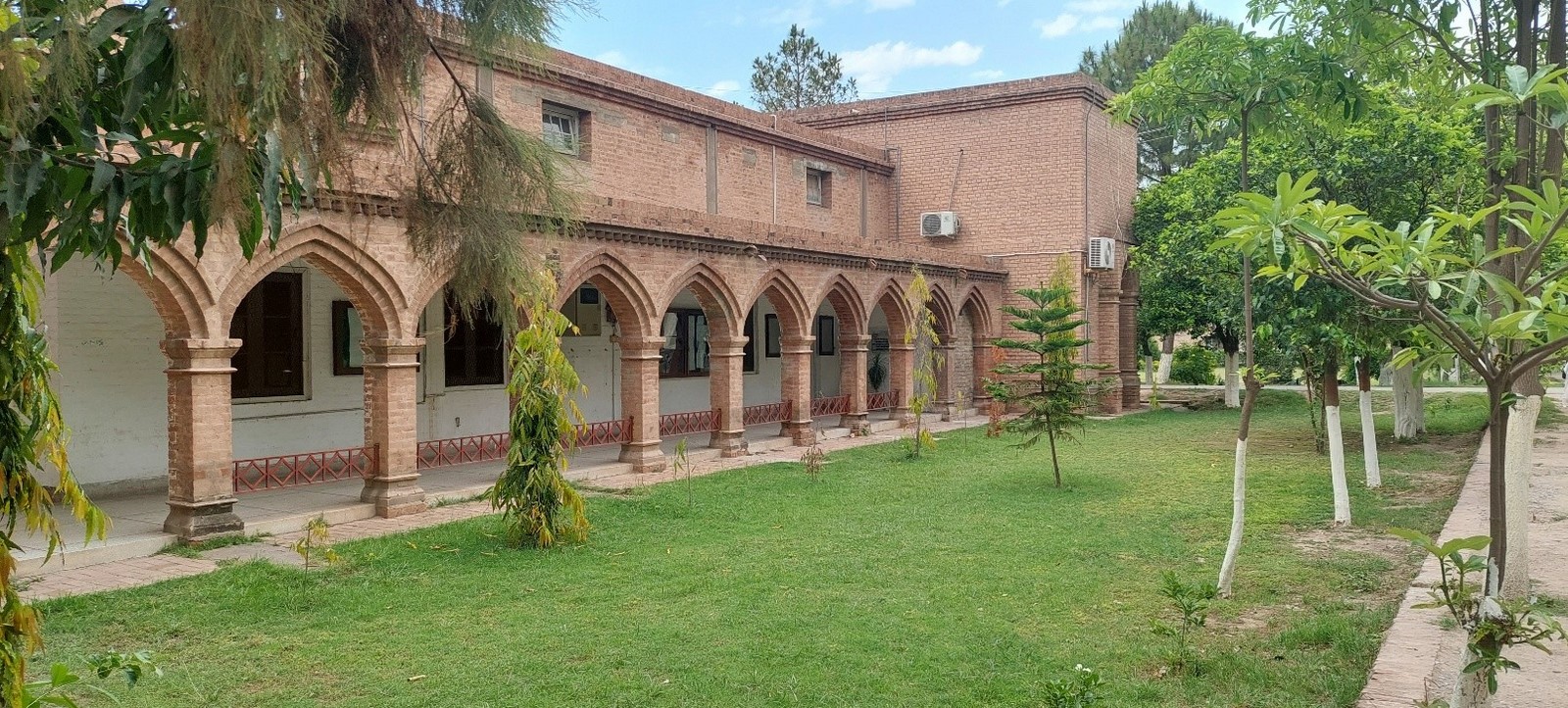
The rows of arcades encompass the buildings and create beautiful transitions between the gardens and the classrooms while also providing shaded pathways. The rhythmic rows of arches shift the visual perception and make the corridors appear longer and calming to the mind. It is in the details of the architecture that one finds the symbolic elements of architectural styles; gargoyles on the buildings, a Western architectural addition, that do more than add to the aesthetic of the College, they serve as water management drain pipes. There are also jaalis within the openings of windows and as balconies that speak of their Mughal inheritance.
On many walls, one can observe the Abrahamic star.
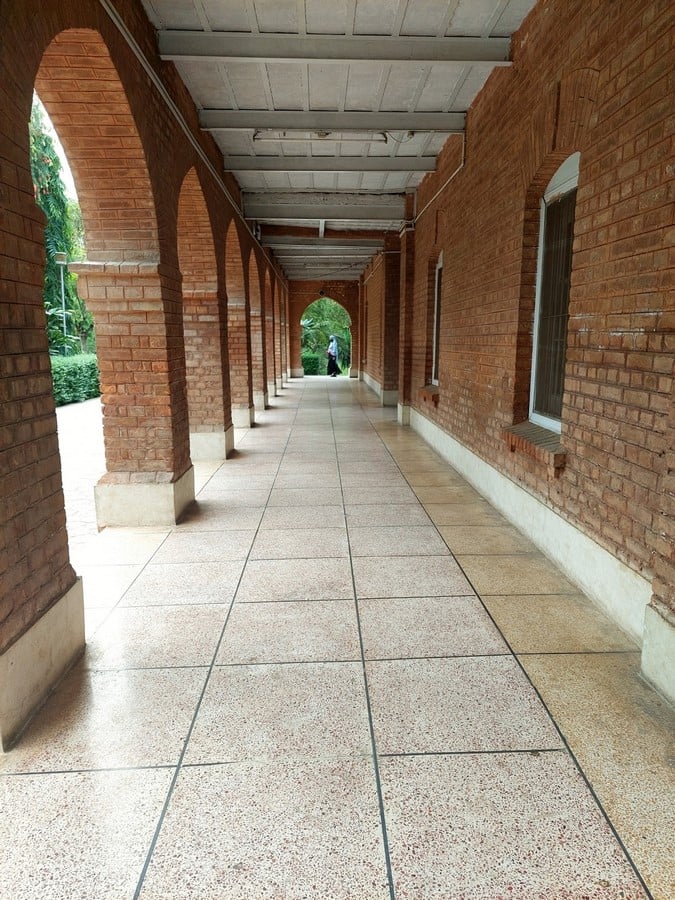
The College comprises multiple terraces marked with jharokay or more chhatris that provide breaks in the facades and open the building to nature for cooling and natural ventilation.
Landscaping
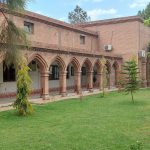
On a bird’s eye view, Islamia College provides intense relief from the otherwise greatly dense, grey city fabric of Peshawar through its many gardens, trees and grounds. Most departments overlook their own lawns providing visual breaks in experiences as one slows to admire the openness and freshness between classes. Rows of trees shadow the walking pathways, bridging the gap between education and nature.
These segregated gardens act as social spaces for the students and the staff.
A Heritage for the People
To this day, Islamia College Peshawar remains open to the public and on weekends one finds school trips here or families having a picnic in the lush, green grounds, away and removed from the noisy hustle bustle of the city. It becomes a quiet oasis again for the meeting of the people, even if the purpose and environment has changed. It continues to be an element of the urban fabric that brings people together and provides a space for calm, consistent integration of various minds.
Islamia College Peshawar is more than an academic institution; it is a tablet of signed events of history, a churner of present-day scholars and a stepping stone for the future. The walls hold memories of bygone architectural inheritances and conflicting presences. It is an active heritage for the people that does not remain forgotten but instead stands as a proud emblem of the history of the region and the people who made it.
Reference List:
Ayub, M. et al. (2013) ‘The 2nd International Conference on Rehabilitation and Maintenance in Civil Engineering’, in Science Direct. Available at: https://www.sciencedirect.com/science/article/pii/S1877705813003962?ref=pdf_download&fr=RR-2&rr=989ba103ad4fa07f.
Jamshid, N. (2024) Islamia College and the Freedom Movement of Pakistan: A concise overview, Khyber Mail. Available at: https://www.thekhybermail.com/blog-post/islamia-college-and-the-freedom-movement-of-pakistan-a-concise-overview/ (Accessed: 05 October 2025).