After a long night of rendering, most architects or designers close their laptops with a sigh of relief. The visuals are crisp, the presentation plates are ready, and another deadline has been met. But here’s the part we rarely think about: every render, every file stored in the cloud, every streamed tutorial leaves behind a trail of emissions. It is invisible, but it’s real. This is what experts call the digital carbon footprint.
If you’re a creative who spends hours on Revit, Rhino, Blender, Lumion, or gaming-grade workstations, this piece is written with you in mind. It’s not a guilt trip but rather an invitation to awareness. The same tools that bring our ideas to life also contribute to climate change in ways we seldom measure. And as architects, students, and designers who dream of sustainable futures, it’s time we rethink our digital habits.
The Hidden Cost of Creativity
Every click feels weightless. Sending an email, sharing a file, running a render — these actions don’t leave a smudge on your desk or your hands. Yet each one consumes energy. Take a simple example: the average web page produces about 0.8 grams of CO₂ per view. Multiply that by thousands of clicks, downloads, and shares each month, and the numbers add up.
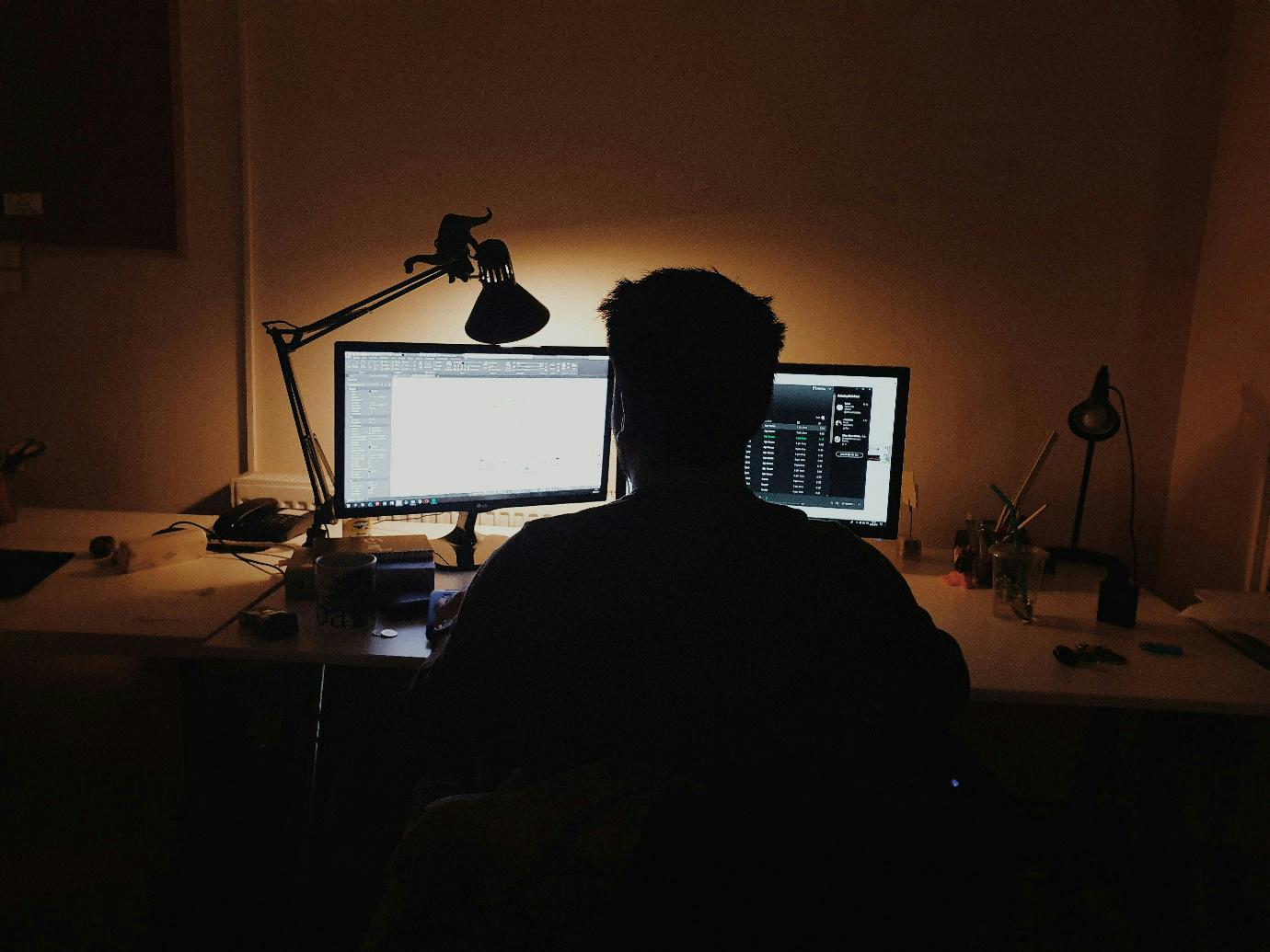
Rendering is even heavier. A single high-resolution architectural render can keep a workstation’s GPU running for hours, drawing as much power as several household appliances combined. And when those same computers run all night long, the environmental cost grows, unseen but significantly.
It feels counterintuitive. Architecture students spend semesters sketching out green designs, solar-powered homes, or biophilic cities, yet in the process of creating, we may be undoing some of those very ideals through our digital practices. Hence the phrase: green architects, grey habits.
Architecture’s Digital Dependency
Architecture today cannot function without digital tools. Gone are the days when drawings stopped at the drafting table. Instead, parametric models, VR walkthroughs, and cloud-based collaborations dominate the workflow.
The downside is that these processes are energy-intensive. High-performance machines guzzle electricity, and in countries where the power supply is unstable, designers often rely on petrol or diesel generators. Each generator session burns fossil fuels, compounding emissions. Even the “greener” alternatives, like inverters and solar, are not yet accessible to all, leaving many young creatives locked into this carbon-heavy cycle.
Digital collaboration also plays its part. Storing large BIM models in cloud drives, attending Zoom & Meet critiques, or endlessly syncing files all contribute to carbon costs. These habits are not bad in themselves — they enhance efficiency and creativity. But without balance, they become an unseen leak in our sustainability goals.
Streaming, Sharing, and the Cloud
Let’s talk about leisure. Architects don’t just design; we also learn and relax online. Streaming design tutorials on YouTube, attending webinars, or even scrolling through architecture reels on TikTok all add to the footprint.
Here’s a sobering fact: TikTok generates around 14.7 million metric tons of CO₂ annually, more than double YouTube. Streaming a tutorial instead of downloading it increases the strain on data centres, which themselves run on massive amounts of electricity and water for cooling.
The “cloud” sounds soft and weightless, but it sits inside giant server farms that consume more energy than some small nations. Every saved file, every synced model, every backup to the cloud leaves a trace. The irony? We champion sustainable cities but forget that our own cloud habits may be quietly unsustainable.
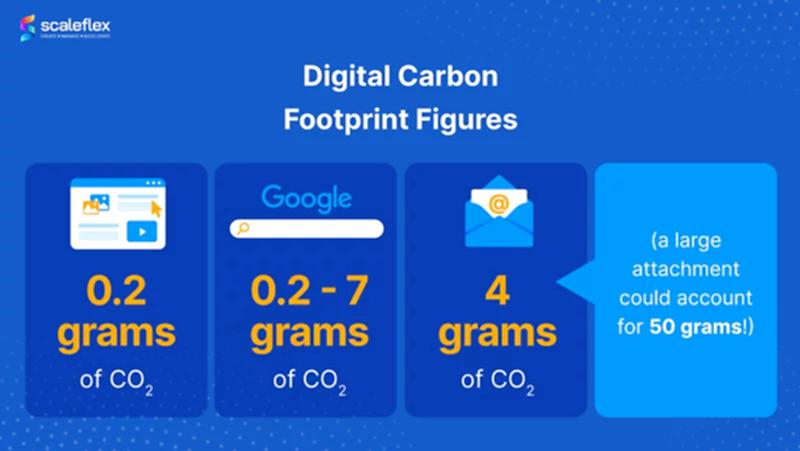
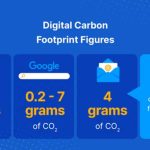
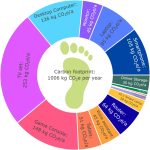
Have you ever wondered how your online activities impact the environment? Here’s a quick look at some examples of digital footprints and the amount of carbon they produce (blog.scaleflex.com)
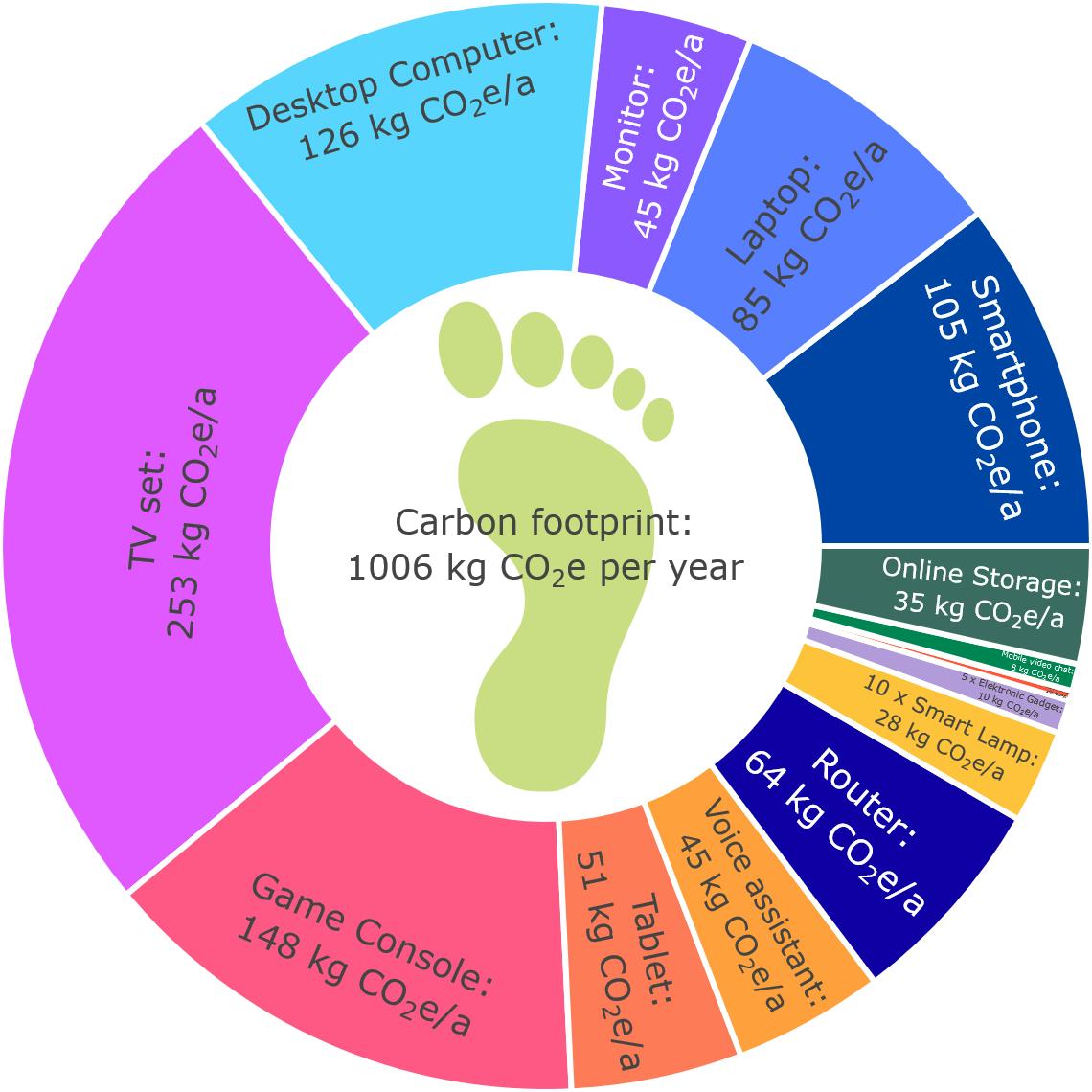
Towards Sustainable Goals
The conversation about digital sustainability directly connects to the United Nations Sustainable Development Goals. SDG 7 on affordable and clean energy encourages us to adopt renewable power solutions, like solar, rather than running overnight generators. Building sustainable cities and communities reminds architects that sustainable cities begin with sustainable energies and practices — including our digital ones. SDG 12 on responsible consumption and production calls for mindful digital consumption, where not every file must be stored forever, and not every render needs to be ultra HD. And SDG 13 on climate action urges us to reduce emissions at all levels, including the invisible carbon footprint of digital work.
By aligning our habits with these goals, architecture students and professionals can extend sustainability beyond design concepts and into daily digital behaviour.

Can We Design Differently?
So what can be done? The solutions are not far-fetched. Choosing energy-efficient devices when upgrading workstations can reduce unnecessary strain. Optimising rendering settings — saving the ultra-high outputs for final presentations rather than drafts can drastically cut power use. Adopting renewable energy through shared studio investments in solar or hybrid systems creates a pathway to cleaner workflows. Even habits like downloading tutorials instead of endlessly streaming them, compressing large files before sharing, and clearing outdated backups can shrink our footprint. Awareness is the first step, and simple tools such as digital carbon calculators can help us measure and reduce our impact.
Architecture has always been about imagination — of spaces, communities, and futures. Today, that imagination is increasingly digital. But just as buildings cast shadows, so do our screens. Every render, every web upload, every share carries weight in the real world.
As green architects in training, we cannot afford grey habits online. Our duty to sustainability extends from the site to the screen. By rethinking digital practice and embracing mindful habits, we can design a future where creativity thrives without leaving invisible scars on the planet.
Below, in reference, is a digital web calculator that helps you to analyse how green or grey your design website or page is.
Always think green!
References:
Website Carbon Calculator: https://www.websitecarbon.com/
CarbonFootprint.com Calculator: https://www.carbonfootprint.com/calculator.aspx
Digital Carbon Footprint – Sangfor: https://www.sangfor.com/glossary/cloud-and-infrastructure/digital-carbon-footprint
The Carbon Footprint of the Internet – Climate Impact Partners:
https://www.climateimpact.com/news-insights/insights/infographic-carbon-footprint-internet/
The Internet’s Invisible Carbon Footprint – Mozilla Foundation:
https://www.mozillafoundation.org/en/blog/ai-internet-carbon-footprint/
The Hidden Carbon Footprint of Digital – Umbraco: https://umbraco.com/blog/the-hidden-carbon-footprint-of-digital-what-enterprises-arent-measuring-but-should-be/
Digital Technologies Can Cut Global Emissions by 20% – World Economic Forum:
https://www.weforum.org/stories/2022/05/how-digital-solutions-can-reduce-global-emissions/
The Carbon Footprint of Our Digital Lifestyles – Öko-Institut:
https://www.oeko.de/en/blog/the-carbon-footprint-of-our-digital-lifestyles/
How to Measure and Reduce Your Website’s Digital Footprint – Compare Your Footprint: https://www.compareyourfootprint.com/how-to-measure-and-reduce-your-websites-digital-footprint/
Revealing the Hidden Carbon Footprint of the Cloud – Deloitte UK:
https://www.deloitte.com/uk/en/Industries/power-utilities-renewables/blogs/revealing-the-hidden-carbon-footprint-of-the-cloud.html