

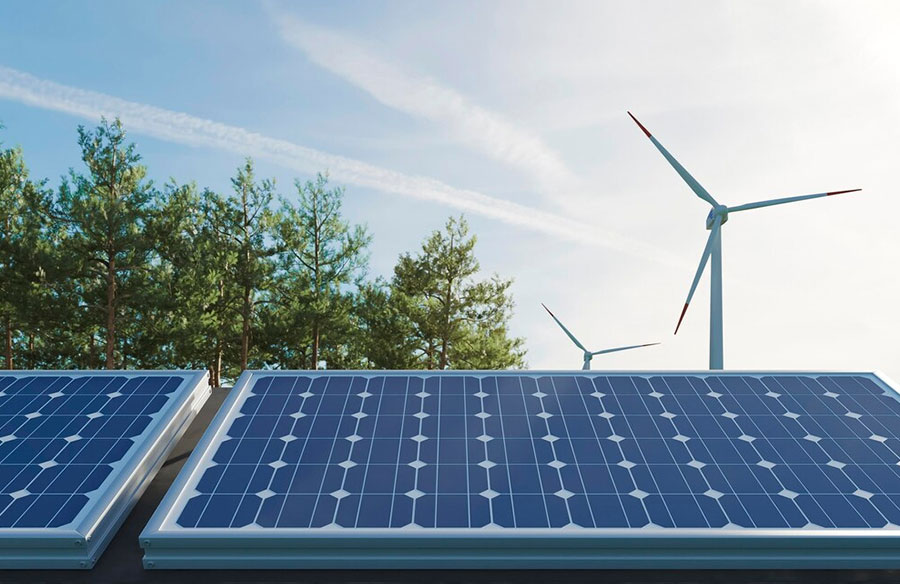
Renewable energy is reshaping the way our cities operate. From solar panels on rooftops to wind turbines lining coastlines, the influence of green energy is undeniable.
Take a look around any major city, and you’ll likely see the signs of this transformation. EV charging solutions are popping up in parking lots, alongside highways, and even in residential neighborhoods. This shift to electric vehicles (EVs) powered by renewable energy is just the beginning.
Read on to learn how renewable energy is impacting the future of our urban spaces.
The Impact of Renewable Energy on Urban Infrastructure
Here are four key ways renewable energy is shaping the cities of the future:
1. Solar Energy on Rooftops and Buildings
One of the most visible impacts of renewable energy is the integration of solar panels into city buildings. Rooftop solar installations are becoming a common sight, with both commercial and residential structures taking advantage of the sun’s abundant energy.
Solar energy allows buildings to generate their own electricity, reducing reliance on traditional power grids and cutting energy costs. Many modern buildings are designed with energy efficiency in mind, incorporating solar panels, natural lighting, and passive heating and cooling systems to reduce their carbon footprints.
2. Smart Grids and Energy Storage
Traditional power grids, designed for centralized fossil fuel energy production, are increasingly being replaced or supplemented by smart grids. These modern grids are essential for handling the variable nature of renewable energy sources like solar and wind.
Energy storage plays a crucial role here as well. Advanced battery systems store excess energy generated during peak production hours, which can then be released when demand is higher or production dips.
- Improved Energy Efficiency: Smart grids optimize energy distribution, reducing waste and lowering costs.
- Enhanced Reliability: They manage fluctuations in renewable energy, ensuring consistent power supply.
- Greater Resilience: Smart grids quickly adapt to disruptions, minimizing outages and improving overall grid stability.
3. Electric Vehicles and Charging Infrastructure
Urban transportation is undergoing a major transformation with the rise of electric vehicles (EVs). The expansion of EV charging solutions in city centers, highways, and residential areas is making it easier for people to adopt electric vehicles as their primary mode of transportation.
Electric buses, trains, and public transportation systems are also making an impact. Many cities are transitioning to electric-powered transit systems, powered by renewable energy sources.
4. Sustainable Urban Planning
Urban planners are increasingly incorporating renewable energy into their designs. New buildings and neighborhoods are being constructed with sustainability as a core principle, incorporating features like energy-efficient windows, solar panels, and green roofs.
In addition to individual buildings, entire neighborhoods are being planned with sustainability in mind. Some cities are developing eco-districts, where renewable energy powers homes, schools, and businesses, and green transportation options like electric buses and bikes are readily available.
Conclusion
As renewable energy technologies continue to advance, their influence on urban infrastructure will only grow. From the increased adoption of EV charging solutions to the construction of energy-efficient buildings and smart grids, the future of cities is intertwined with the future of renewable energy.
Cities that embrace these changes are not only positioning themselves as leaders in sustainability but are also creating more resilient, livable, and healthier environments for their residents. Renewable energy is more than just an alternative to fossil fuels – it’s the foundation for the cities of tomorrow.







