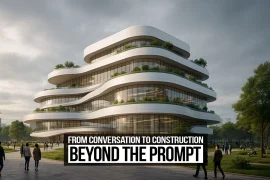
Rapid urbanization is not defined by the number of people living in the cities, but through the transformation of lifestyles, work patterns, and housing demands. This rapid pace is reshaping how people live, work, and interact with cities. Traditional urban living, which is marked by rigid zones for residential, commercial, and recreational use, often results in inefficiencies, long commutes, and rising costs of living. In response, a new paradigm is emerging, which is ‘hybrid spaces’. These integrated environments that merge co-living and co-working blur the rigid boundaries and respond to evolving needs by offering affordability, flexibility, and community in one framework.
The Need for Hybrid Spaces
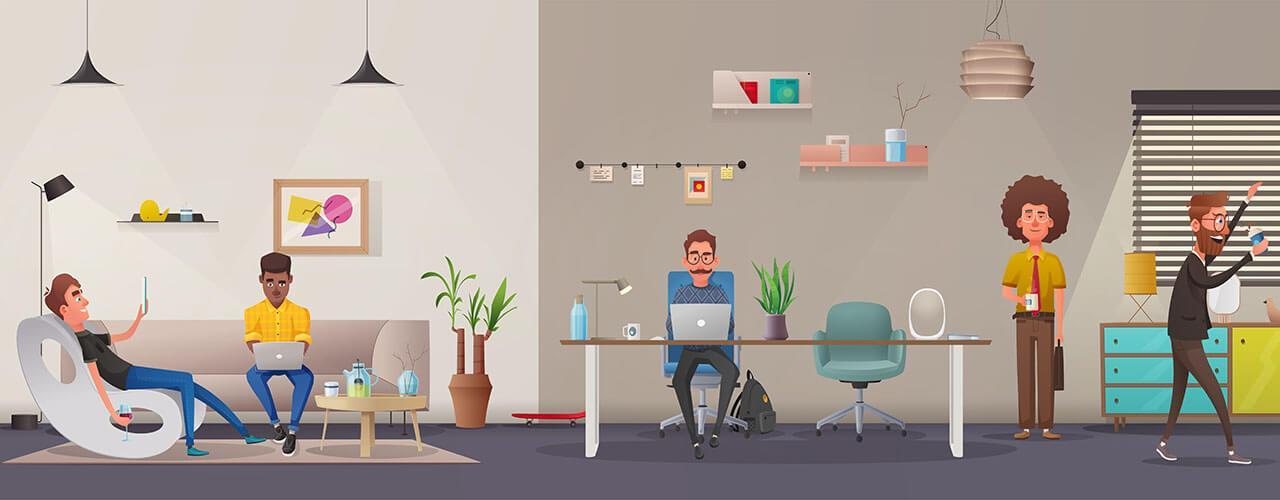
With shifting urban lifestyles, cities are no longer defined by the conventional rhythm of commuting from home to office. The rise of freelancers, remote work, and flexible jobs has all led to lifestyles that need environments that can adapt to their changing routines. Hybrid spaces are in response to this by combining living, working, and socializing under one ecosystem.
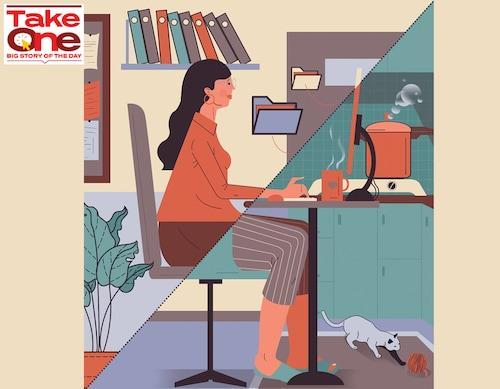
In metro cities, housing and office rentals are often unaffordable for younger generations and professionals. And thus, shared resources in hybrid spaces like kitchens, lounges, and work areas can help distribute costs more evenly. This makes living in a city more accessible without sacrificing convenience or comfort.
Another significant issue in dense urban cities is urban isolation, where people may live among millions yet feel disconnected. Hybrid spaces are thus intentionally designed for interaction through shared common spaces, offering a sense of belonging that traditional housing often fails to provide.
The future of workspace in cities must change to adapt to the more decentralized nature of labor. Rather than distinct divisions in everyday life, hybrid spaces act as a prototype model for a new urban fabric, where residence, workplace, and communities are interconnected parts of daily life.
Hybrid Spaces through Co-living and Co-working
By blurring boundaries between house and workspaces, hybrid spaces have emerged that merge co-living and co-working and are changing how people live and work in urban cities. These spaces are designed to provide affordability, flexibility, and community, the three factors driving urban transformation today.
Co-living offers shared residential arrangements where residents have private rooms but shared amenities like kitchens, lounges, and recreational spaces. These spaces, beyond economics, foster social connection, helping to counteract urban isolation.
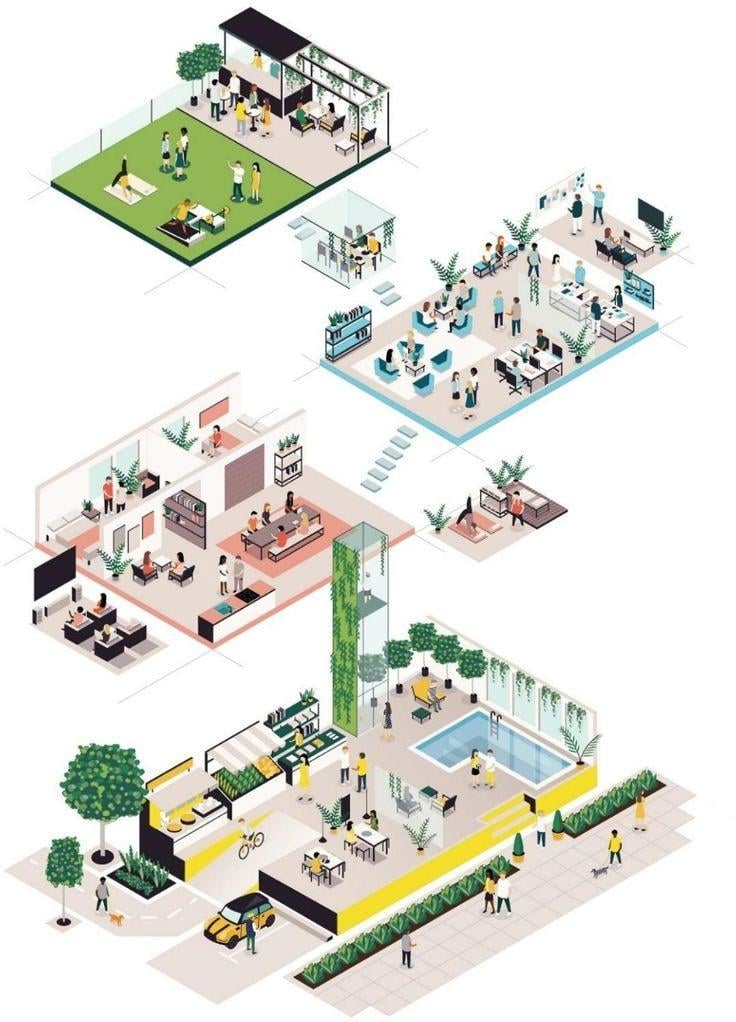
Whereas Co-working spaces provide flexible, membership-based access to professional environments with amenities like high-speed internet, meeting rooms, and collaborative zones. Globally, the co-working market has grown exponentially, reflecting demand for alternatives to long-term office leases and serving as incubators for freelancers, startups, and small businesses.
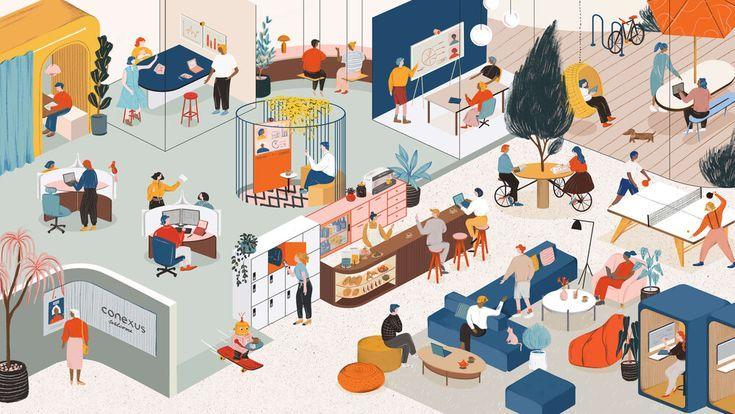
Co-living and co-working, when integrated, form hybrid spaces that meet the demands of urban cities through affordability by shared infrastructure, flexibility by short-term, modular models, and community by intentionally cultivating collaboration, networking, and cultural exchange. By merging these, hybrid spaces represent a critical innovation in urban development. And with an increase in demand for flexible lifestyles, hybrid spatial models are expected to become central to the future of urban living.
Learning from Built Hybrid Living-Working Model
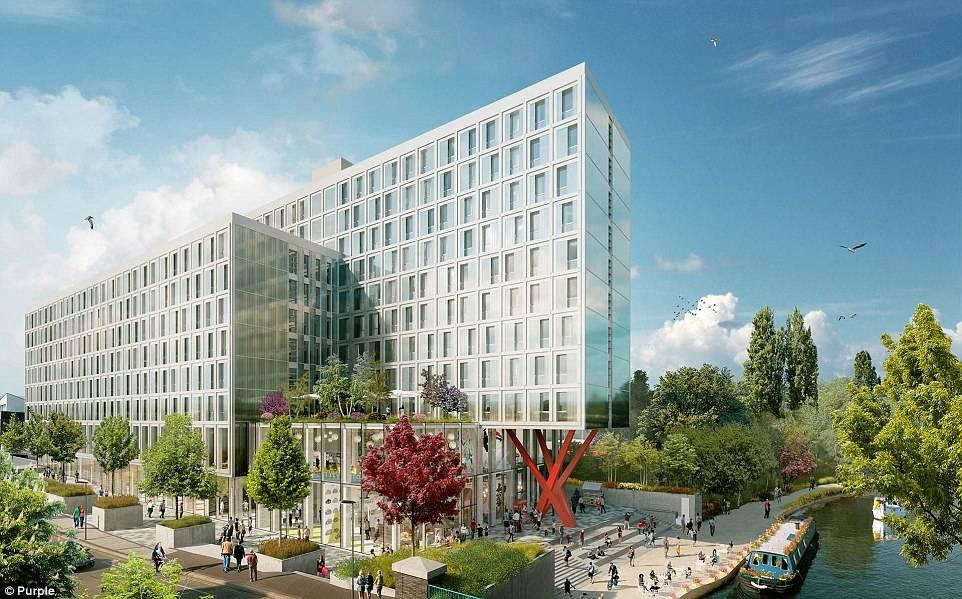
The Collective Old Oak, London:
The Collective is one of the largest and most recognized o-living and co-working operators globally. The model combines private living units with shared amenities, along with co-working zones, event spaces, and wellness facilities. It emphasizes community through events and networking opportunities that create a balance between private and communal living.
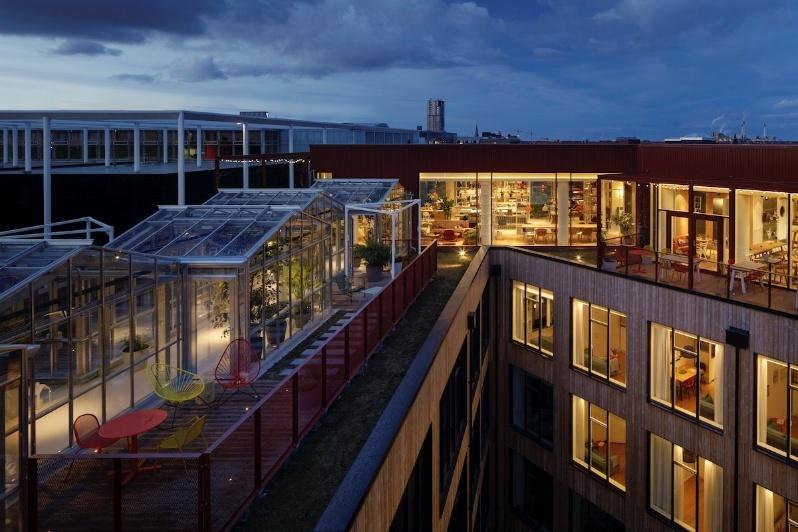
Zoku, Copenhagen:
Zoku redefines traditional living and working functions by combining compact private living units with adaptable workspaces that encourage long or short-term stays for flexible urban work professionals. Shared public spaces are on the rooftop, which fosters community interaction and collaboration in dense urban landscapes.
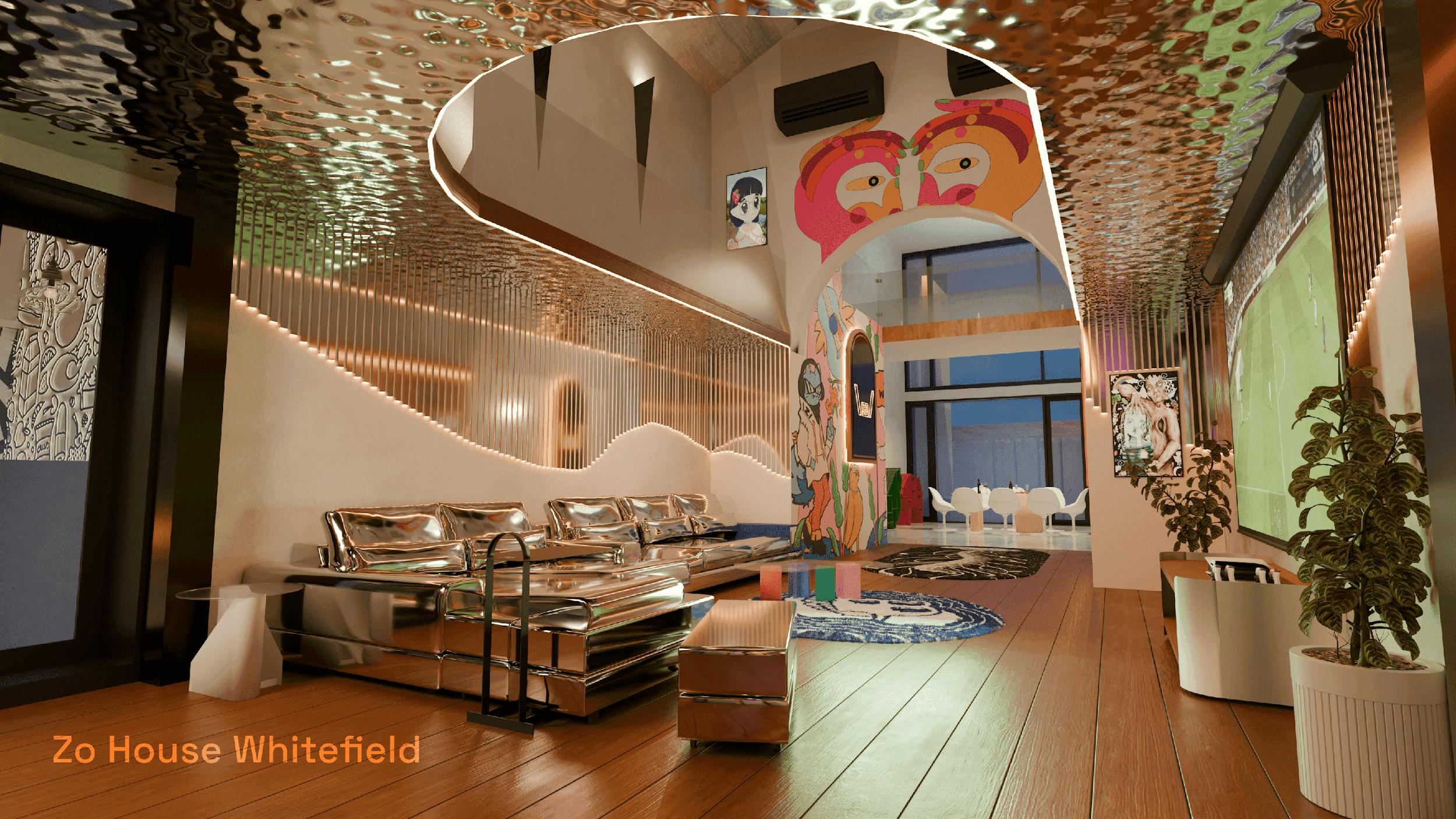
Zo House, Bangalore
Zo House is an Indian co-living and co-working initiative designed to serve urban professionals by providing flexible rental models, private rooms, and collaborative workspaces within one ecosystem. This model responds to the growing demand for hybrid solutions in Indian cities by offering a sustainable alternative to conventional rentals.
Towards a New Urban Paradigm
Hybrid spaces represent a paradigm shift in the way cities address the needs of contemporary urban populations. By merging co-living and co-working models, they cater to collaborations, community, and adaptability, and not just provide affordable housing and flexible office setups.
Urban Challenges like rising housing costs, flexible modern work, and growing desire for social interaction are addressed through these spaces. As cities continue to densify and lifestyles become increasingly mobile, hybrid spaces will not only redefine how we live and work but also shape the future fabric of resilient, inclusive, and sustainable urban living.
Citations:
Conexus Studio . (2025). Hybrid Office: The Future of Workplace Design. Retrieved from Conexus Studio : https://www.conexus.sg/hybrid-office
Energeyes. (2018). The Collective, London. Retrieved from Energeyes: https://energeyes.me/completed_projects/the-collective-old-oak/
Hospitality Net. (2021, May 19). Zoku Opens New Home-Office Hybrid In Copenhagen. Retrieved from Hospitality Net: https://www.hospitalitynet.org/announcement/41006372.html
INTOO. (2025). hybrid spaces. Retrieved from INTOO: https://www.intoo.com/us/glossary/hybrid-spaces/
Lynch, P. (2017, November 29). MINI LIVING’s First Permanent Building Will Transform a Paint Factory into a Co-living Hotspot in Shanghai. Retrieved from Arch Daily: https://www.archdaily.com/884633/mini-livings-first-building-will-transform-a-paint-factory-into-a-co-living-hotspot-in-shanghai
Realty Plus. (2024, August 16). Zo World’s Clubhouse With Fractional Ownership Model In Whitefield. Retrieved from Realty Plus: https://www.rprealtyplus.com/news-views/zo-worlds-clubhouse-with-fractional-ownership-model-in-whitefield-116392.html
Surpur, C. D. (n.d.). The future of work is not in favour of returning to offices.
Teter, B. (2025, june 6). Coworking and Coliving: Are Shared Spaces Still The Future? Retrieved from Archie App: https://archieapp.co/blog/coliving-and-coworking/
The Collective Old Oak. (2025). Retrieved from Archello: https://archello.com/project/the-collective-old-oak
Yardi Systems. (2025). What is Coliving? Retrieved from Commercial Cfe: https://www.commercialcafe.com/blog/what-is-coliving/
Zoku. (2025). Zoku, Copenhagen. Retrieved from The Orange Studio: https://livezoku.com/copenhagen/gallery/
Zostel. (2025). Zo House Bangalore (Koramangala). Retrieved from Zostel: https://www.zostel.com/destination/bangalore/stay/zo-house-koramangala-bnghO812?checkin=2025-09-28&checkout=2025-09-29