Across history, cities and culture, architecture has acted as a collective, recording how societies evolve and what they hold sacred at different points in time. Through the powerful monuments, public spaces of gathering, humble homes, and palaces to the green skyscrapers, architecture has always aspired to reflect and reveal what societies treasure, strive toward, and struggle against. This collective conscience is often illustrated through various dimensions, exploring the demand for inclusivity, striving for sustainability, economic priorities, the rise of technology, and cultural aspirations.
Social Narratives in Architecture
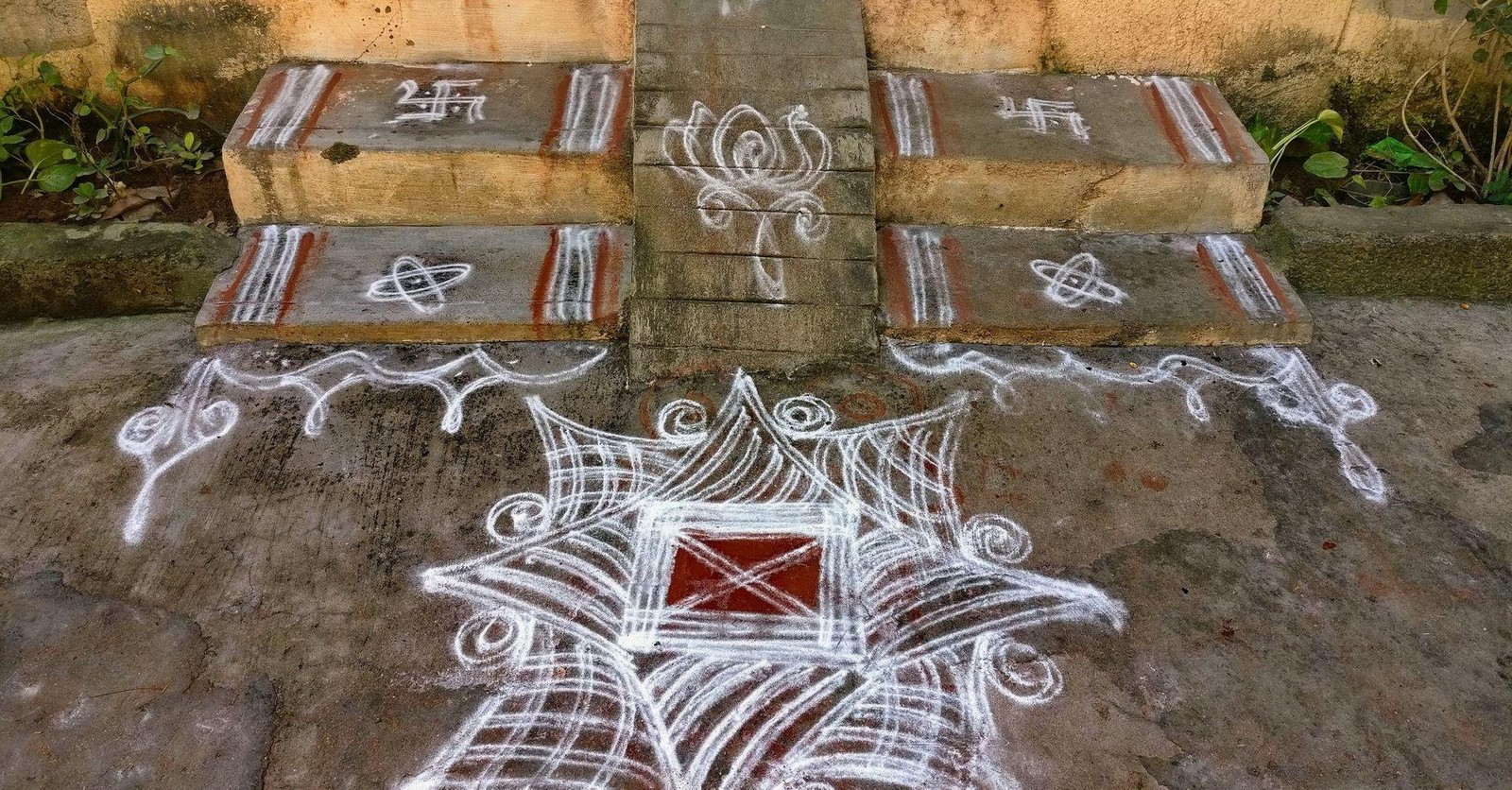
Architecture is a form of art that is developed as a response, an imprint, or a story that society expresses through a living language. Royal palaces and historic monuments narrate tales of authority and ambition, while temples, mosques, and cathedrals echo collective faith. Vernacular houses speak of cultural traditions, climate, local material, and family life, just as modern skyscrapers tell stories of economic growth and global aspiration. Time and about, architecture has evolved, weaving the social, political, and cultural threads of society into built form. Each generation leaves behind spaces that reflect its highs and lows, social and economic hierarchies, and priorities. To walk through a city is to read a layered narrative of the societal paradigm that it follows, where tradition and modernity converse, and where walls themselves remember what people once cherished and what they now aspire to.
Cultural Identity in Architecture

Walk through the lanes in India, and every building tells you where you are. Each region has developed a language of design rooted in climate, material, and way of life, expressing its cultural integrity. The havelis with their intricate jharokha and courtyards in Rajasthan narrate stories of the desert and social hierarchy, while the sloping roofs of Kerala homes portray their adaptability to harsh monsoons and spiritual connection, just as the adobe dwellings of Mexico narrate stories of earth and resilience. These regional typologies illustrate how Indian architecture reflects a cultural archive of different societies across geography and time. Architecture here is not just about the built form and function, but a demonstration of identity and dialects in a larger spectrum of architectural language that makes India both diverse and complete. In today’s interconnected world, with buildings often reflecting a hybrid language, local traditions intersect with global trends. As cities modernise and adopt global aesthetics imported from Western models of design, the question arises: can architecture evolve to meet contemporary demands without erasing the cultural imprints that define the society it dwells in?
Sustainability as Social Imperative
Just as cultural identity roots architecture in traditional values of a society, sustainability anchors it in responsibility toward the future. Though the word sustainability is a recent derivative, in many ways, Indian architecture portrayed vernacular practices such as courtyards for ventilation, locally sourced materials, and sloping roofs for heavy rainfall that once defined regional identities, were inherently sustainable. Contemporary practices, such as LEED-certified green buildings, adaptive reuse of existing structures, and integration of renewable energy technologies and local materials, demonstrate how sustainability has evolved from a technical concern into a cultural value, reflecting a society’s prioritisation of ecological well-being. Government initiatives like India’s Smart Cities Mission, Affordable housing with reduced energy costs, resource consciousness, and climate-sensitive provisions signify a larger shift that institutionalizes sustainability as a measurable standard. Contemporary architecture builds upon these foundations with advanced technologies, indicating a recognition that the built environment must contribute to ecological balance and social well-being, which becomes society’s collective duty.
Inclusive Architecture: Designing for Belonging
Architecture, after all, is not only about conserving resources or about where it is built but also about for whom it is made, creating spaces where every individual in the society feels seen, respected, and empowered. Every built environment should ensure that no one is left at the margins. Architecture has the power to reflect a society’s commitment to human dignity, demonstrating that the built environment can foster not just usability, but a sense of belonging for all. Rooted in the philosophy of universal design, from ramps and tactile flooring to gender-neutral restrooms and child-friendly spaces, design becomes a tool for social equity. When design consciously eliminates these delicate barriers and embraces diversity, it demonstrates that equity and belonging are central to our collective values. Accessible infrastructure highlights how inclusivity is gradually entering the mainstream architecture that cohesively helps society to embrace broader dimensions of equity and participation. Contemporary architecture aims to become a cultural statement, one that recognises diversity as central to community identity. In this way, inclusivity in architecture is not just about access, but about respect as a tangible reflection of the kind of society we strive to become.
Technological Aspirations of Contemporary Architecture
Architecture is no longer just about structures to live in or work in; they are smart, responsive, and often futuristic symbols of society’s ambitions. The growing role of digital innovation, smart cities, and sustainable tech-driven design signals how architecture narrates both the human and the futuristic dimensions of society’s values. From glass towers with energy-saving facades to homes that respond to AI-driven systems, contemporary design shows how deeply we connect progress with innovation. Architects are experimenting with 3D printing, robotics, and digital modelling to design structures once thought impossible, while cities are turning into living laboratories for sustainable and tech-powered solutions. These creations don’t just solve futuristic needs; they tell a story about who we are as a society, revealing our desire to be faster, smarter, greener, and always reaching for what lies ahead.
Whether it is following a social paradigm, the preservation of cultural identity, the urgent call for sustainability, embracing technological innovation, or the pursuit of inclusivity, every structure tells a story about what the society chooses to honour and how we envision our future. The cities and spaces we shape are not static; they evolve alongside our collective ideals, acting as mirrors of both our challenges and our hopes. Architecture, at its core, is far more than the art of designing any built form; it is a living reflection of the values, priorities, and aspirations of the society that creates it.