Sometimes when I look at an old building, I can’t help but imagine the countless lives that have passed through it. It feels like these structures quietly hold onto centuries of stories, waiting for us—as architecture students—to piece them together. The built environment is so much more than bricks, wood, and stone. It’s a living chronicle of humanity, reflecting our triumphs, struggles, values, and shifting worldviews across time. From the remnants of ancient ruins to sleek contemporary designs, architecture serves as a powerful time capsule. It preserves not only physical forms and materials but also the cultures, traditions, and emotions of societies long past.
Viewing architecture through this “time capsule” lens allows us to uncover the narratives hidden within structures and recognize their impact on shaping our collective heritage. It deepens our appreciation of their enduring significance and reinforces why preservation and restoration are so important. Together, let’s explore how architecture acts as a historical record, highlight iconic structures that have stood the test of time, and understand why saving them matters for the future.
The Foundations of Memory: Architecture as Historical Record – Our Silent Storytellers
Architecture is undeniably a historical record. Every brick, beam, and carved detail carries whispers of bygone eras. These elements reveal technological capabilities, aesthetic preferences, and everyday routines of their time. For instance, ornate carvings on ancient temples reveal deep spiritual traditions, while castles reflect conflict and power struggles. Each detail offers insight into human progress.
This is why architectural preservation is so vital—it safeguards these physical narratives for future generations. Without it, we risk losing irreplaceable cultural insights, creating gaps in our understanding of human development. Societies also reveal much about themselves through what they choose to build and preserve. Monumental public buildings symbolize collective aspirations and civic pride, while modest homes highlight the rhythms of daily life. In both cases, architecture becomes a witness to history, layered with meaning and memory.
Iconic Structures: Tangible Links to the Past
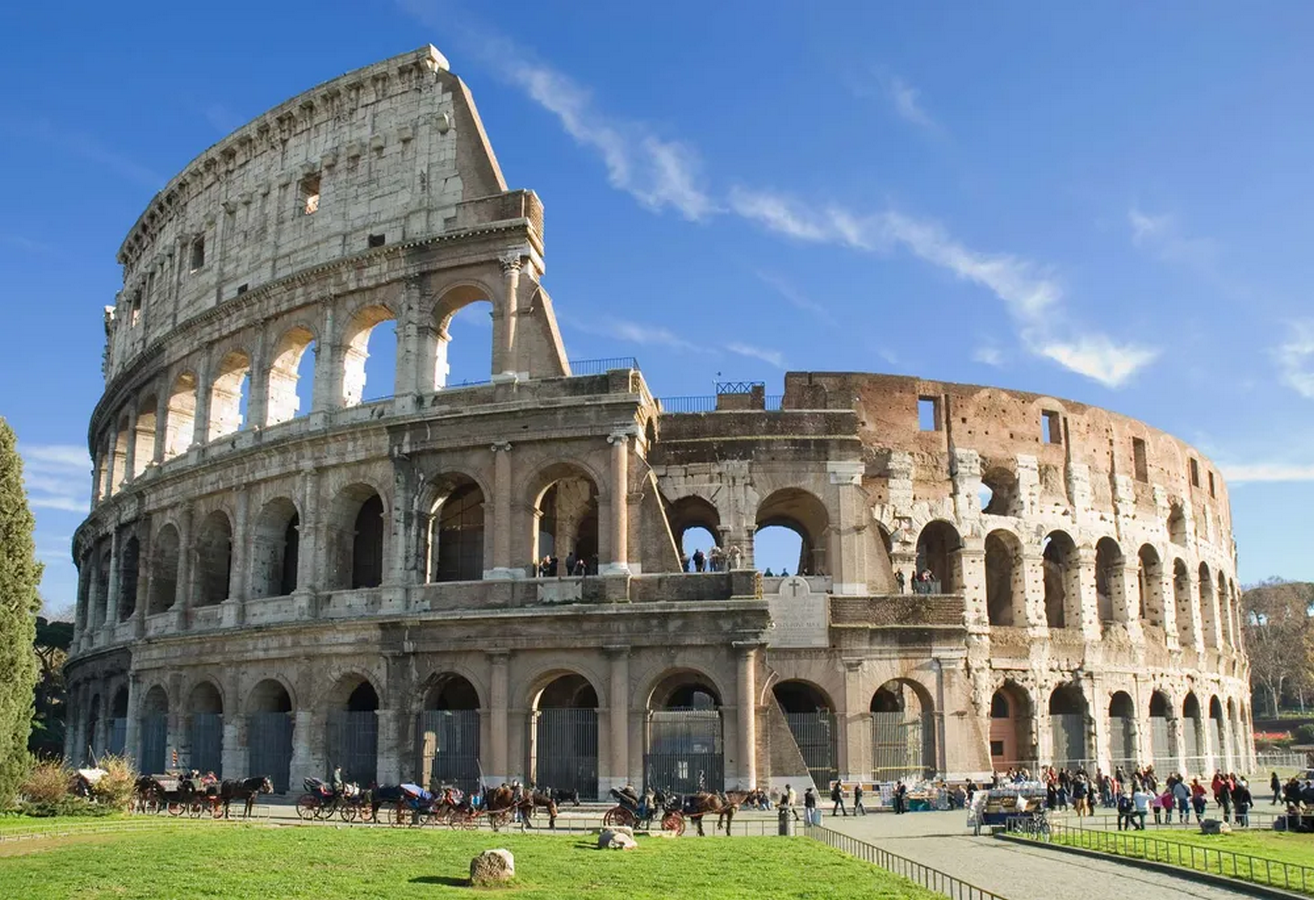
The Colosseum, Rome, Italy
The Colosseum, completed in 80 AD, is one of history’s most enduring symbols. Capable of holding nearly 80,000 spectators, it reflects the engineering genius, cultural practices, and social structure of ancient Rome. Its system of arches, ramps, and underground passages allowed for crowd control and spectacular performances. Today, ongoing preservation ensures it continues to educate us about Rome’s power, wealth, and values—even the more brutal aspects of public spectacle (Hitchcock, 2012).
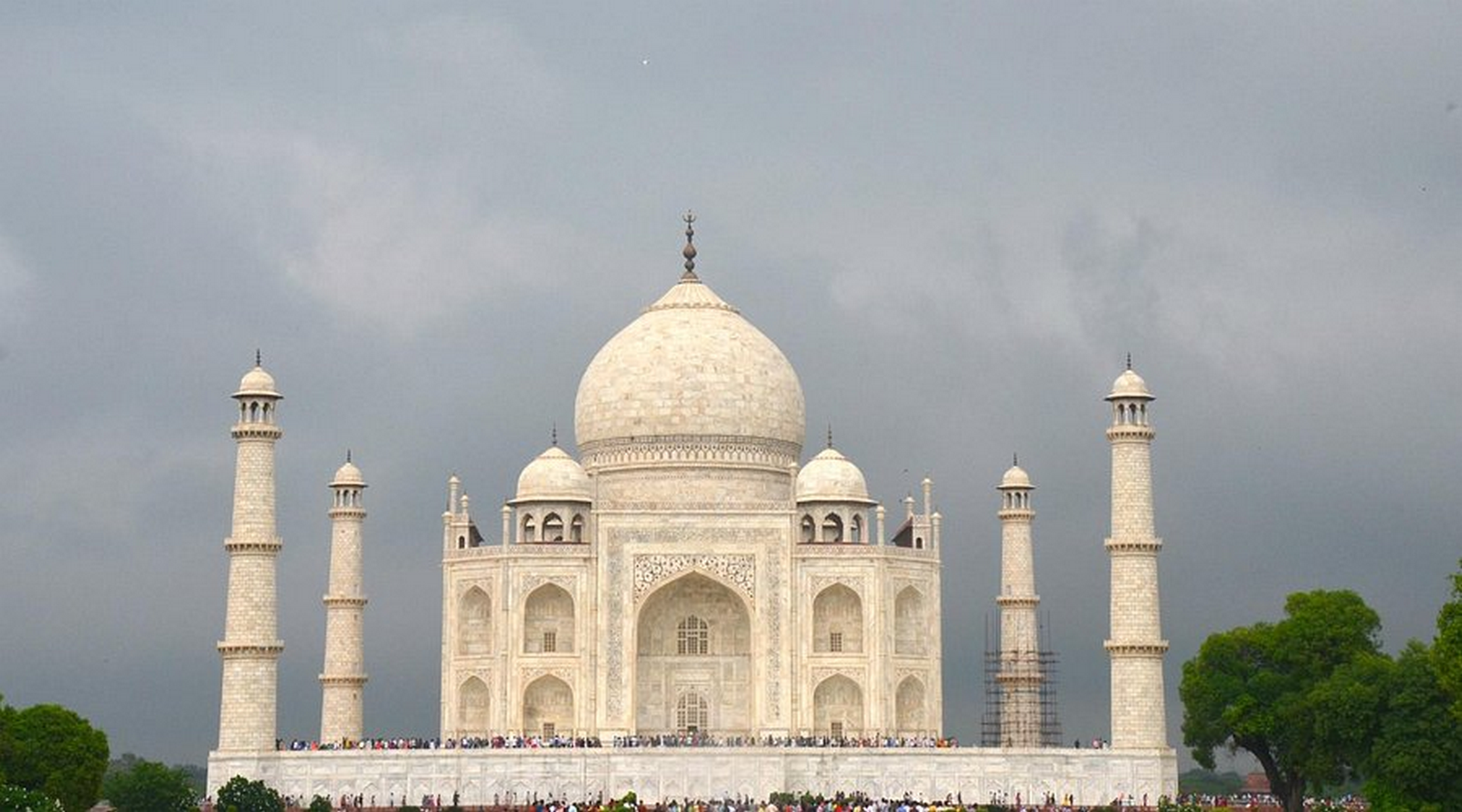
The Taj Mahal, Agra, India
Completed in 1653, the Taj Mahal remains one of the most beautiful expressions of love and artistry in architecture. Commissioned by Emperor Shah Jahan for his wife Mumtaz Mahal, it blends Persian, Islamic, and Indian design traditions. Its white marble, jeweled inlay, and symmetrical gardens create a breathtaking harmony (Koch, 2006). Beyond being a monument to love, it represents the Mughal Empire’s cultural and artistic zenith. Careful preservation ensures its beauty and symbolism endure for generations.
The Great Wall of China
Stretching across diverse landscapes, the Great Wall reflects centuries of Chinese ingenuity, endurance, and military strategy. Built and rebuilt over 2,000 years—most prominently by the Ming Dynasty—it symbolizes the sheer determination of collective effort (Waldron, 1990). More than a defense system, it chronicles the geopolitical challenges of ancient China. Preservation of its many sections helps trace architectural evolution and highlights the vast scale of its construction.
The Significance of Preservation and Restoration – Saving Our Stories
Preservation is more than preventing decay; it’s about protecting identity and memory. Each restoration project involves meticulous research, which deepens our knowledge of traditional crafts and technologies. Sensitive restoration can also revitalize structures, enabling them to serve contemporary communities while honoring their heritage.
Preserved sites also play an essential role in education and tourism, becoming living museums where visitors can physically step into history. Places like the Colosseum, the Taj Mahal, and the Great Wall don’t just tell stories—they allow us to experience them firsthand. This makes preservation not just a cultural responsibility but also an investment in our collective future.
Challenges and Future Directions in Conservation
Despite its importance, preservation faces obstacles such as natural aging, urban development, high costs, and climate change. To combat these, conservationists are turning to advanced technologies—laser scanning, drones, and digital modeling—to monitor, document, and restore with precision. Sustainability is also becoming central, emphasizing eco-friendly methods that protect both heritage and the environment.
Equally important is community engagement. By raising public awareness, societies can foster a sense of ownership and responsibility, ensuring that heritage protection is embraced collectively. The ongoing challenge lies in balancing modernization with the duty to protect our past. Cities must evolve without erasing the architectural layers that give them identity.
At its heart, architecture is a time capsule—crafted by past generations to carry forward their existence, values, and innovations. From the arenas of Rome to the mausoleums of India and the fortifications of China, architecture embodies human creativity and resilience. Preservation and restoration ensure these legacies survive, allowing us to learn from them, connect with our ancestors, and inspire future generations. By cherishing these architectural stories, we safeguard not just buildings, but the very essence of human history.
References:
- Hitchcock, H. (2012). Architecture: Nineteenth and Twentieth Centuries. London: Penguin Books.
- Koch, E. (2006). The Complete Taj Mahal and the Riverfront Gardens of Agra. New York: Thames & Hudson.
- Waldron, A. (1990). The Great Wall of China: From History to Myth. Cambridge: Cambridge University Press.
- Smith, J. (2018). “The Role of Conservation in Architectural Heritage.” Journal of Architectural Preservation, 25(3), 123-145.
- National Geographic. (2020). Colosseum: Facts, history, and restoration. Available at: https://www.nationalgeographic.com/history/article/colosseum
- UNESCO World Heritage Centre. (n.d.). Taj Mahal. Available at: https://whc.unesco.org/en/list/252
- Travel China Guide. (2021). The Great Wall of China: History and Significance. Available at: https://www.travelchinaguide.com/china_great_wall/history/
- Ching, F.D.K. (2014). Architecture: Form, Space, & Order. 4th ed. Hoboken, NJ: John Wiley & Sons.