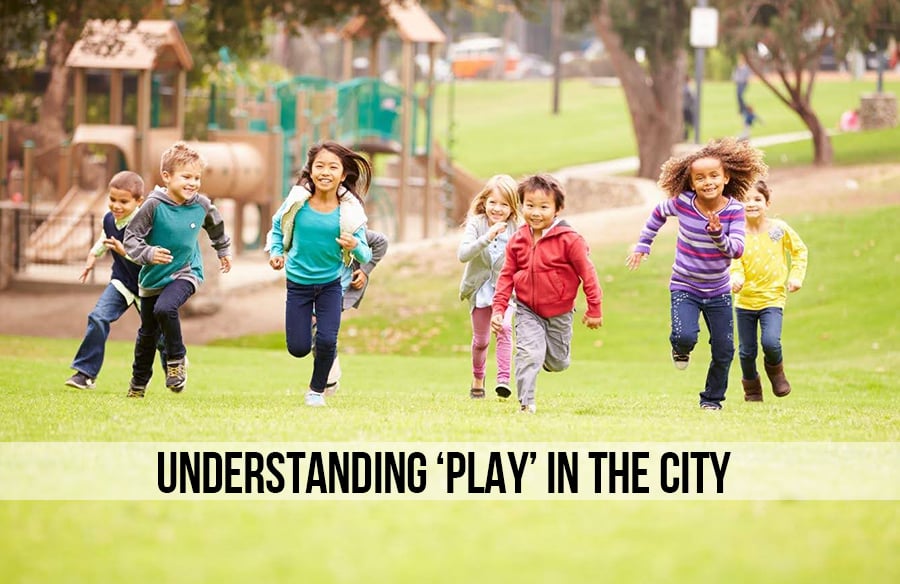
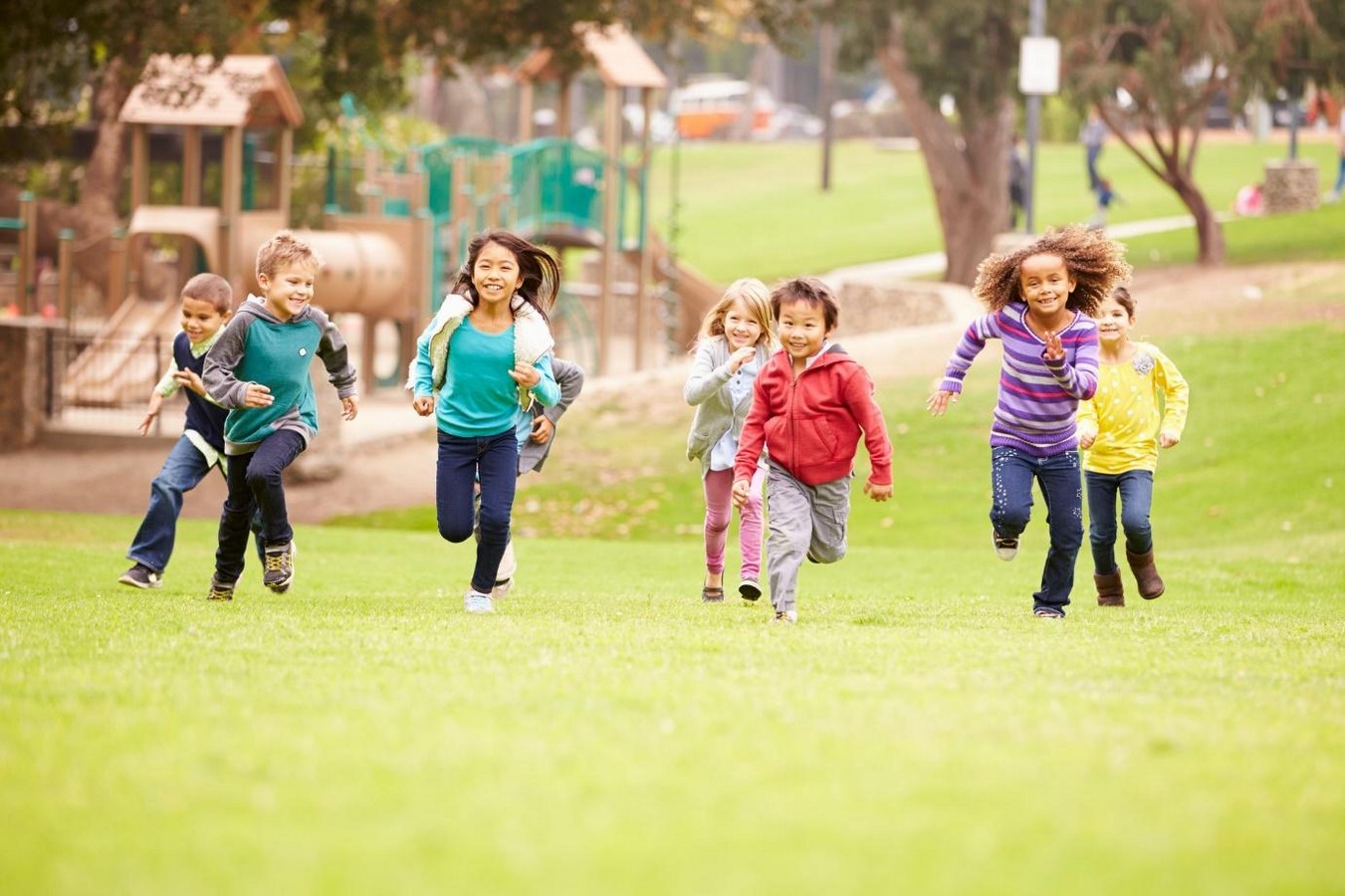
All work and no play makes Jack a dull boy (Wikipedia, 2025). We have been familiar with this proverb since childhood. Our childhoods are made remarkably memorable by the innumerable ways we played with our siblings and friends. Each child, no matter how generous or hard their childhood has been, leisure (play) is an intrinsic part of their lives. The idea of play or leisure (we will use leisure as a substitute for the word play henceforth) has been one of the most important facets of our lives, even as adults, socially, psychologically, and physiologically. Leisure can be understood as an ‘activity done in free time’, ‘a spontaneous and genuine disposition of mind and body’, and ‘freedom to do as one pleases without the constraints of expectations and burdens.’

As Edward Ballamy said, ‘If bread is the first necessity of life, recreation/leisure/play is a close second.’ Leisure or play, traditionally, has been an intrinsic extension of work and everyday social life. In Ancient Greece, leisure was associated with a good life and a celebration of excellence in all things, which was a philosophical ideal (Juniu, 2009). Later, the Romans and the Middle Ages viewed leisure as separate from work. With the advent of mechanization and modernism, the tripartite division of a man’s life into live, work, and play brought a socio-spatial shift and transformation of leisure. The advent of the factory as a place of work, and ever since the cottage industry gave way to factory production in the industrial city, there has been a change in the spatiality of leisure. Before mechanization, the family as a social unit practiced work and recreation as two sides of the same coin. Leisure, thus, became a consumed commodity and an activity that ought to be practiced like work.
Leisure – A Socio-Spatial Contextual Concept
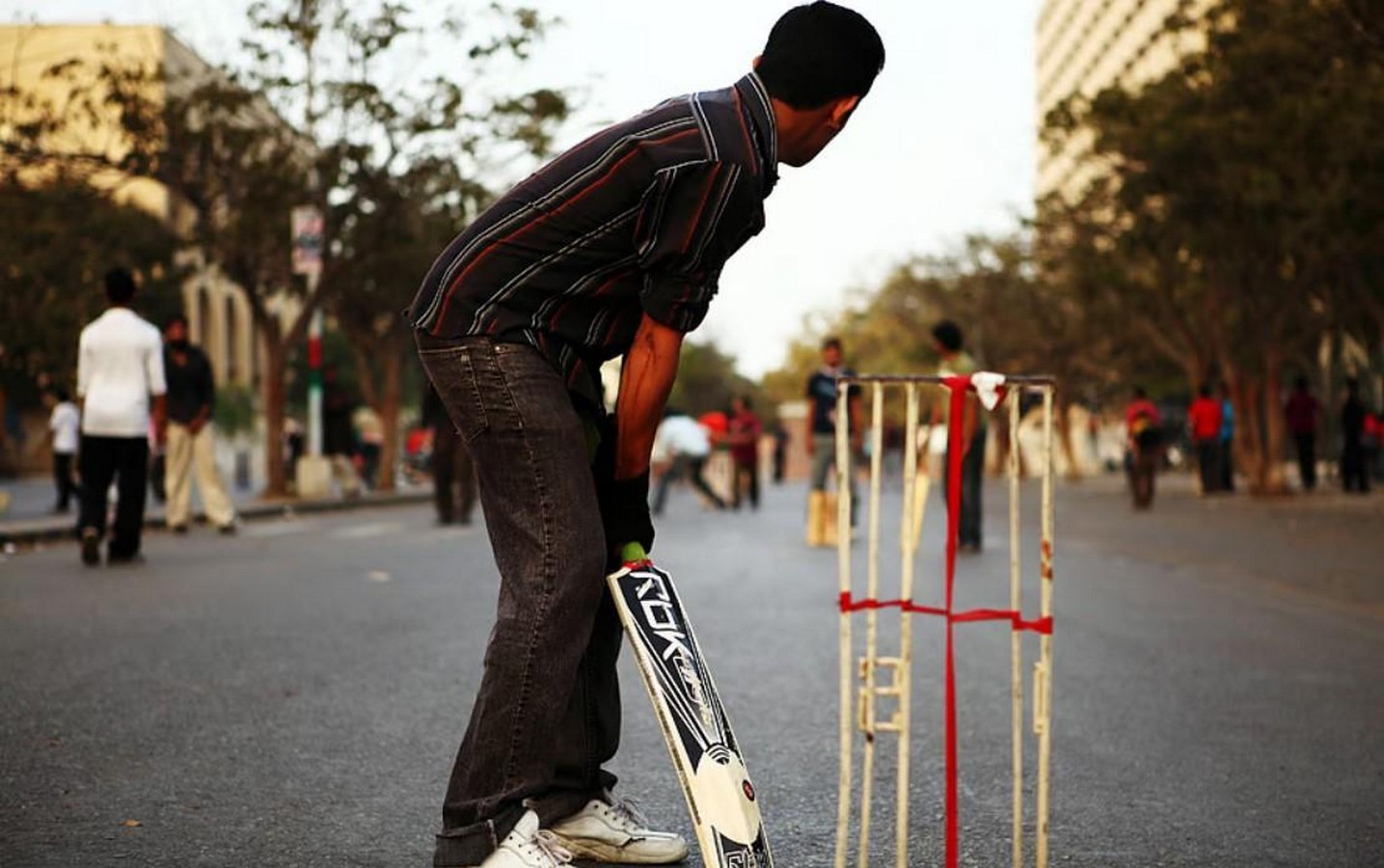
Emerging from a social process and evolving from the way humans interact with their environment, leisure is a socio-spatial contextual concept, and the social processes derive how people think and experience leisure (Molina, 2005; Sousa, 2000). The traditional typologies of mixed use, ‘niche dukan, upar makaan’, used to allow people to congregate as well as take part in the social everydayness in the same vicinity. The street was thus the governing form of one’s leisure and sociability. The front porch or the veranda/otla was the spatial unit of urbanity that manifested the amount of leisure and social life. The front porch or the otla finds itself in the pools of Ahmedabad to Shahjahanabad in Delhi and right up to Manhattan, New York. The local chai shop, snacks corner, used to be a hangout spot for the adults every day. The talks there would range from daily, everyday conversations, movie discussions, world news and politics, and cricket. A constant flux of auditory and olfactory senses, the street held together the social life of communities and bound people together. Markets have always been one of the spaces that transcends its mere utilitarian purpose and enters the recreational domain. For example, the district centres of Delhi are well known to be a recreational space, along with being major shopping centres. Just like the city design and community life, the spatialities and forms of leisure were also simple, every day, and effectively beautiful.
Live, Work and Play
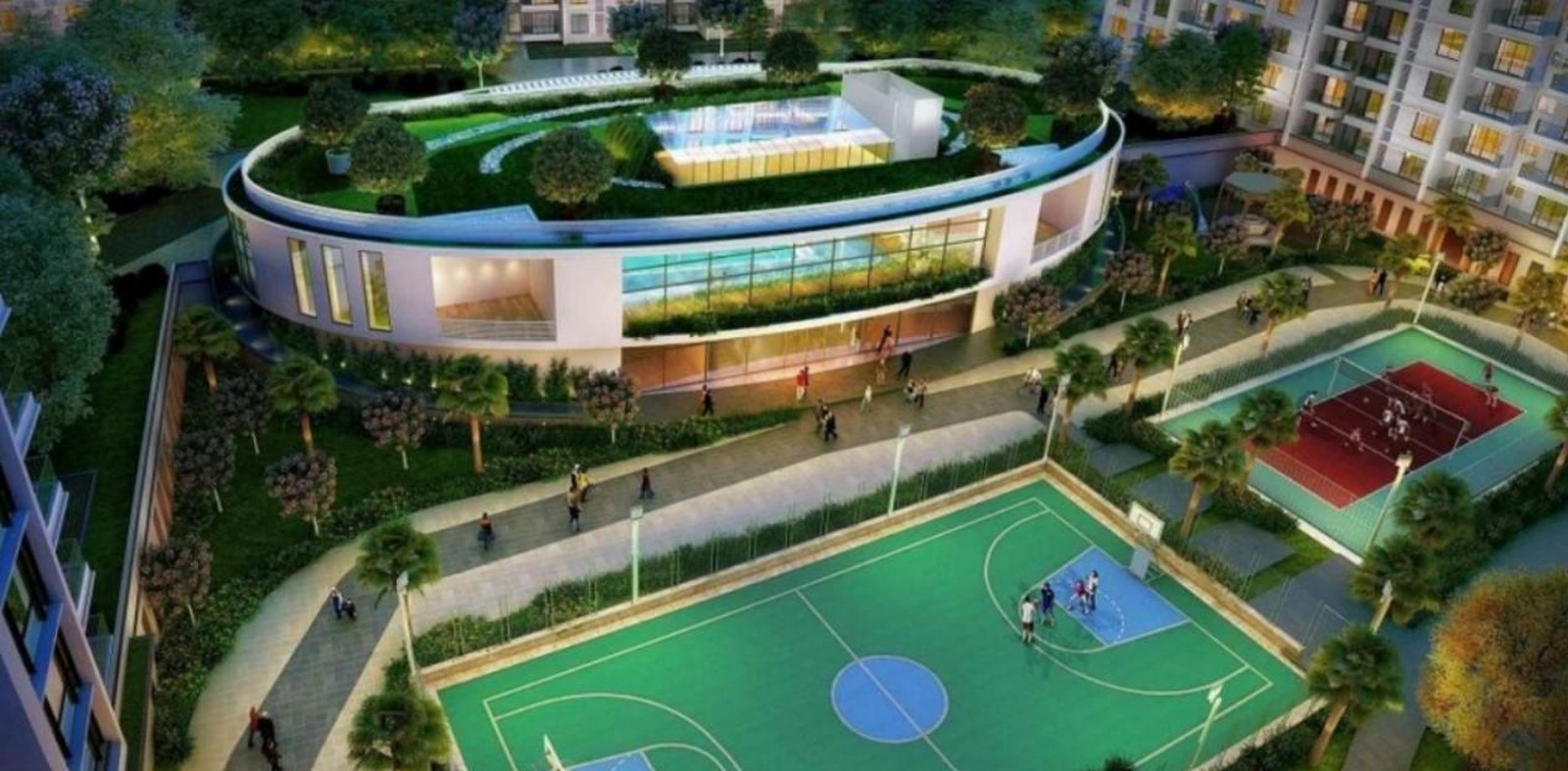
The industrial and modernist city developed based on the clean distinction between living quarters, workplaces, and recreational spaces (parks, malls, sports centres, etc.). The modern urban community living as nuclear families in elaborate walled housing complexes is an ineffective one. The spatially fragmented cityscape is a reflection of our fractured society as well. Elaborate housing complexes with their so-called recreational activities have privatised social life. Specialised private recreation areas like the pool, the auditorium, and the games room are all newer leisure activities that dominate today’s world. Jane Jacobs’ fight against the overbearing modernist city design that did not prioritise public urban/social life and its spatiality resonates even today, in the age of hyper consumerism, commodity fetishism, and digital revolution. The simple pleasures of leisure have now been reduced to ‘having to find time for specific leisure’ and worse, ‘showing people that we are having leisure and fun’.
Commodification of Leisure
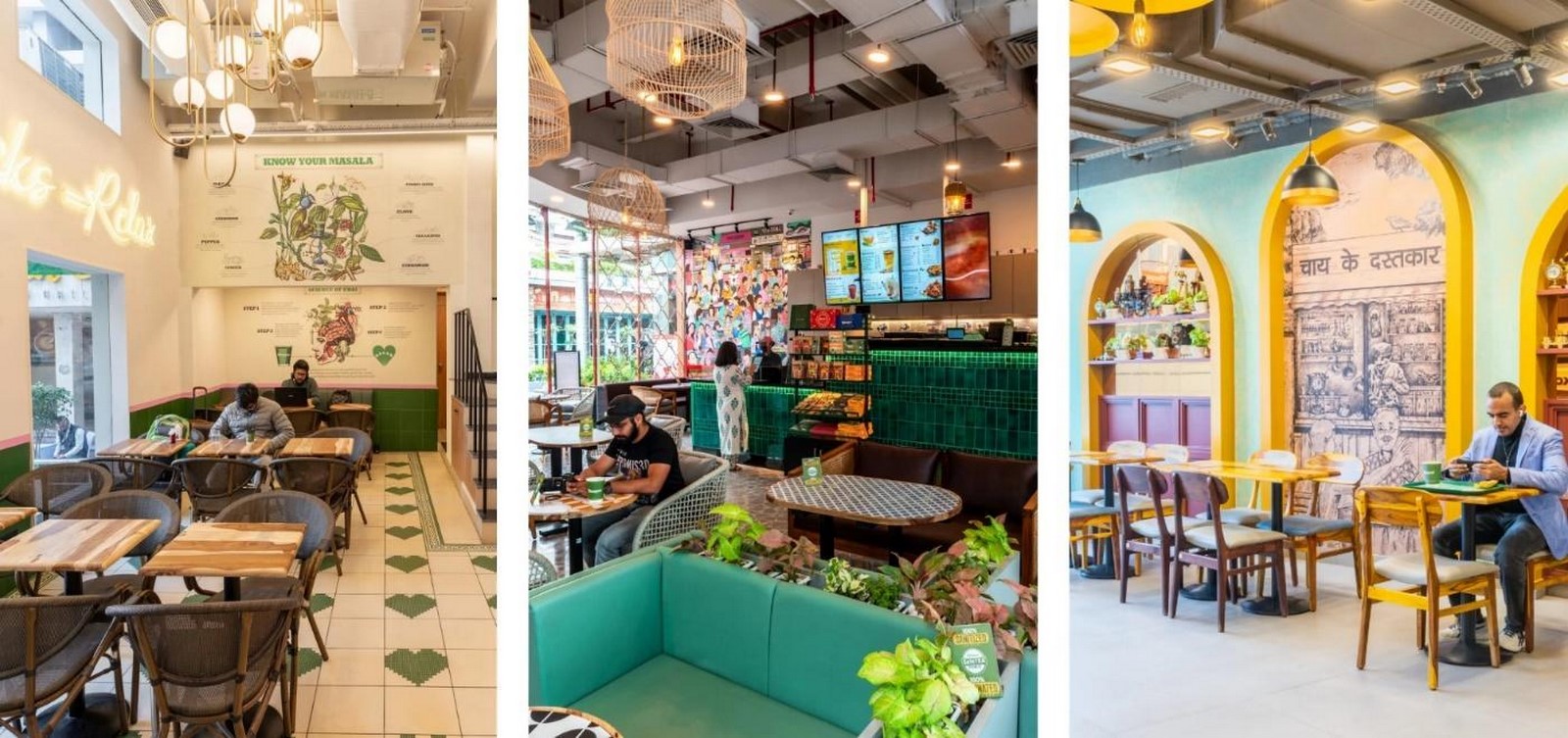
Guy Debord offers his insights on modern society in which genuine social public life has eroded by saying, ‘all that once was lived has become mere representation’. A simple act of having chai at the chai stalls and having conversations with friends has been aestheticized and commodified by cafes and restaurants that are only accessible to a certain few. Leisure today is promoted on the basis of physical activity and lifestyle improvement programs, and this is a reflection of consuming leisure driven by the market and consumerism. However, this leaves a large section of society unable to afford leisure.
The Digital Social World

With the onset of the fourth industrial revolution and the digital social world, the world of Facebook, Twitter, and virtual mediums of engagement, the idea of public space has transformed. Technology, with its far-reaching virtual limits, has created a new form of distance and communication, and a sense of false satisfaction emerging from virtual social life (Juniu, 2009). Late Capitalism has seen itself spiral into high consumerism and commodity fetishism, such that leisure, just like culture, \is now a commodity to consume. Free time, relaxation, and travel are all commodified, and there is a pressure to consume leisure rather than merely experiencing it for pleasure. Modern society is materialistically rich but poor in happiness, and the constant urge to conform to social pressures dominated by commodified leisure spaces and time is highly distressing.
Well, it is high time we, as a society, reflect on our actions and remedy them wherever necessary. Leisure has to be rethought, and the simpler forms of social interaction brought back for a cohesive society. Who knew our free time could be capitalised? But it has been and now it is our responsibility to not seek external validation in pursuing relentless work and exoticized leisure, but engage in play/leisure to be memorable and everyday as it was in times past.
Happy leisure-ing!
Juniu S, 2009. The transformation of leisure. Montclair State University. DOI: 10.1080/14927713.2009.9651449
Molina, G. (2005). Recreación y esparcimiento. I Encuentro en Recreación, Esparcimiento y Tiempo Libre, Universidad de Costa Rica, San José, Costa Rica.
Sousa, A.A. (2000). Leisure and later life. A forecast for the future. In M.C. Cabeza (Ed.), Leisure and human development. Proposals for the 6th World Leisure Congress (pp. 135–143). Bilbao, Spain: University of
Wikipedia. Last edited on 17 August 2025. Accessed on 17th August 2025.