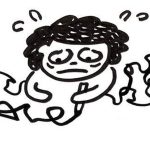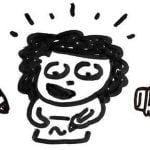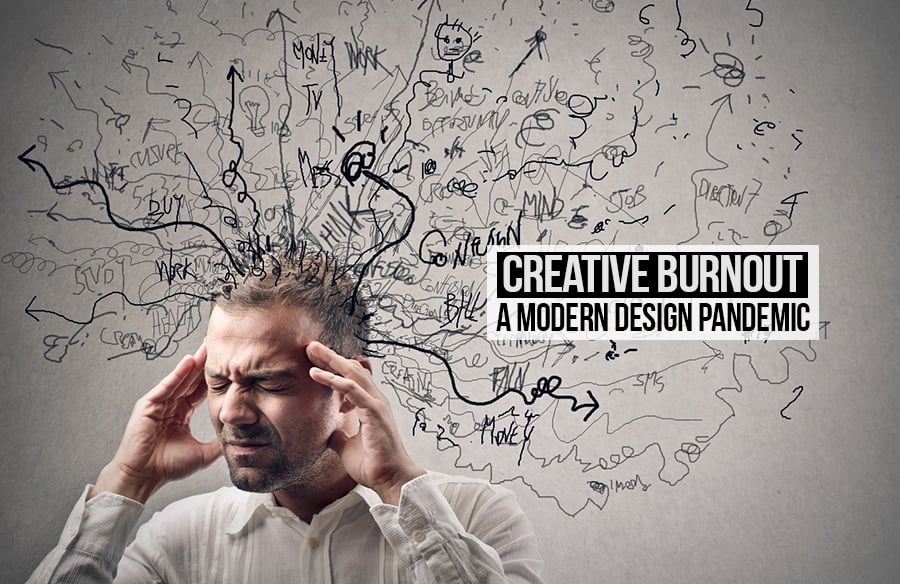
Burnout is a widespread problem impacting professionals across all industries and has become a critical threat to long-term career growth. As competition intensifies, even minor lapses in productivity can derail careers. The World Health Organisation defines burnout as “a syndrome conceptualised as resulting from chronic workplace stress that has not been successfully managed.” Addressing burnout is now essential for maintaining both individual well-being and the future of creative industries.
Among various forms, creative burnout exemplifies the deeper threat burnout poses in an idea-driven world. Characterised by physical, mental, and emotional exhaustion, it disrupts the core process of creation for those in design, arts, and other creative roles. Highlighting creative burnout puts focus on how neglecting well-being endangers both personal flourishing and the future of innovative professions.
Why are Creative Individuals More Prone to Burnout?
Creative individuals are natural powerhouses of ideas; often seeing the world through unconventional and complex lenses. This wiring of the brain makes it difficult to “switch off”. Blurred boundaries between work and personal life emerge as a major cause of burnout in this field. Importantly, this does not only remain limited to the working professionals, but students also experience this. Increased workload and higher competition force students into a culture of unhealthy comparison and a constant state of mental pressure to create and strive. Much of this pressure also stems from external expectations of those involved, such as professors, clients, etc, compounding the internal desire to always live up to the said expectations.
A study by the Industrial Designers Society of America summarised the students’ responses on burnout as “Participants reported feeling design culture is subjective, comparative, toxic, overworked and overstressed. Creative academia is perceived as toxic and glorifying unhealthy behaviours, leading to expectations of students sacrificing their health for design excellence. On individual levels, participants reported feelings of a life-consuming culture with expectations to give one’s whole self to their work in fear of accusations of not being passionate enough”. This leaves little room for personal endeavours and rest, all these acting as precursors to a self-inflicted burnout.
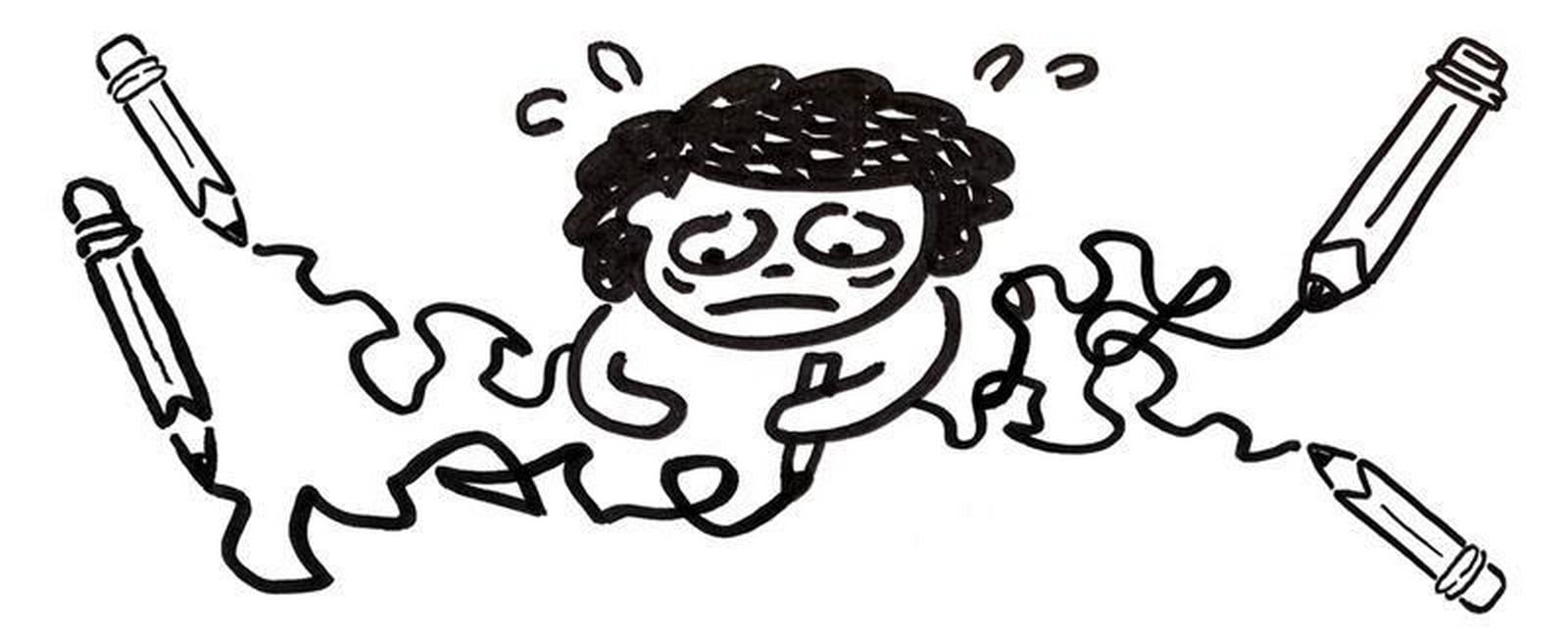
Technology and Burnout: A Paradoxical Connection for Designers.
Productivity tools, templating tools, and platforms make it easier for a versatile audience to create as per their needs. At the same time, they also trigger a sense of overdependency, which can hinder creative instincts. “Technostress”, meaning a state of psychosomatic strain due to the continuous use of screens, non-stop connectivity, task demands, and expected performance. This overload compromises cognitive clarity and mental rest that innovations favour. The pressure to be always online to be updated enough to perform well magnifies the burnout risk.
Is It Just Tiredness: How to Identify Burnout?
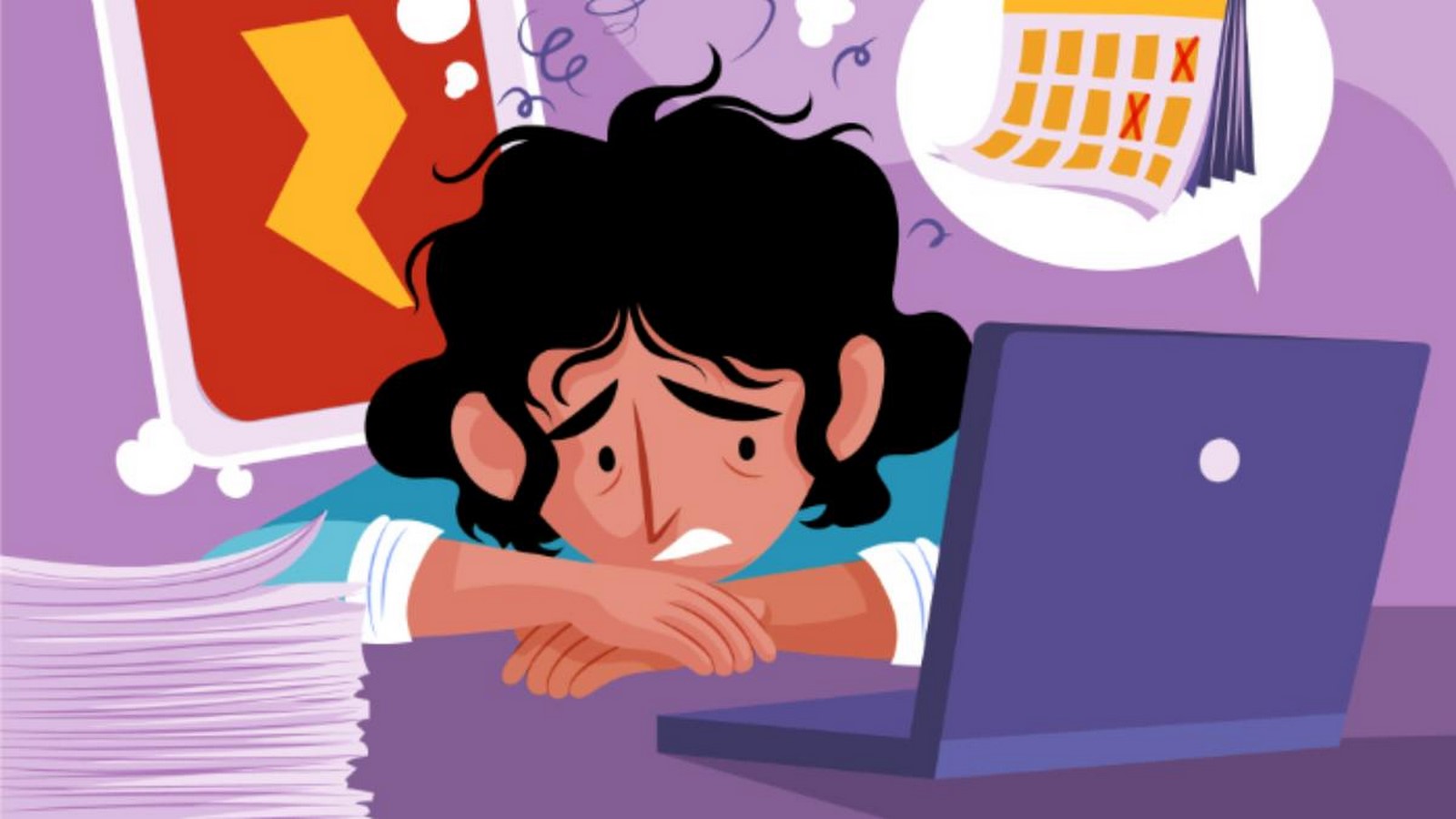
It often begins with ordinary symptoms like fatigue, procrastination, and mental fog, making it difficult to separate it from being tired. In this case, exhaustion is often accompanied by changes in mood, like higher irritability, self-sabotaging habits, and obsessive thought patterns. Mindless overconsumption of media, falling into spirals of self-doubt, and constant comparison are common signs.
If and when this strain translates from mental to physical, it is characterised by poor food habits, disruption of sleep, disturbed body cycles, and leading to deteriorated health. Another key symptom to look out for is cynicism or resentment towards the workplace, or the job, or even one’s art. Left ignored, this can spark impulsive actions like quitting jobs or switching careers, and burnout becomes a true adversary of the creative brain. The continuation of these short-term stressors can ultimately lead to long-term problems ranging from chronic anxiety, increased blood pressure, circulatory issues, to depression.
In short, the key difference is that, where tiredness is temporary, burnout is cumulative, emerges with multiple symptoms, and persists if not checked in time.
Inculcating Preventive Habits to Avoid Burnout
Preventing burnout begins with understanding how the brain works: it is not designed for continuous hyper-focus. Taking breaks after healthy amounts of creation or consumption is essential for avoiding mental exhaustion. Striking a balance between creating and consuming is the next important step. Creative individuals often create constantly, neglecting the need to freshen up perspectives, rest or get inspired. Others get trapped in a loop of over-consumption and self-doubt. The healthiest rhythm lies in balancing both, not over-consuming and comparing, while also not over-creating and disconnecting.
Practical strategies that can be fit into a daily routine also make a significant difference. The first step is to draw clear boundaries between work and personal life to a realistic and comfortable extent. This can be separating devices for the two or simply setting switch-off times to disconnect from work tasks and devices.
Another is practising ‘metacognition’, which means “thinking about thinking”. It includes being mindful of one’s behavioural patterns, feelings, and stressors. This self-awareness allows individuals to recognise warning signs early and address them before they amplify into full-scale burnout.
While it might seem like it, it is not a one-person job to prevent this; employers, teachers, and multiple stakeholders need to come together and reassess the current workloads and the guidelines around them to really prevent it. Channels of open communication must be set to clarify expectations and boundaries.
Overcoming Burnout
Overcoming burnout calls for holistic renewal. To begin with, take a full break, a pause. This break needs to be a time of self-reflection, where work is kept aside for a short while to understand the root cause and subsequently its solution.
Self-reflection must not be confused with self-isolation; connecting with people, especially like-minded ones, at this time promotes healing. A creative arts therapy program in Colorado used group-based creative workshops for healthcare workers to rebuild resilience, showing a reduction in burnout, depression, and anxiety.
Self-doubt, which comes with burnout, can be overcome by referring to one’s past work and recognising the efforts that were put in and the progress that was made over time.
To get up again, divide the tasks into bite-sized units and try to complete the first one. Take breaks in between and try to set a comfortable flow at first. Gradually, as per requirement and feasibility, move on to further tasks and keep a record of the mental blockages that come in the way. This will create a personalised rhythm of work, which can also be helpful in the long run. Use this burnout as a tool to remember what art means intrinsically and connect with it, so as not to lose sight of it.
Creative burnout threatens the sustainability of design and creative fields by undermining both individual contributors and the industry as a whole. As more creatives seek healthier work environments, organisations face talent shortages and a decline in innovation. Addressing creative burnout is therefore essential not only for personal resilience but also to ensure the vitality and competitiveness of creative professions.
Citations
- Bunjak, Aldijana, et al. “Absorbed in Technology but Digitally Overloaded: Interplay Effects on Gig Workers’ Burnout and Creativity.” Information & Management, vol. 58, no. 8, Dec. 2021, p. 103533, www.sciencedirect.com/science/article/pii/S0378720621001075, https://doi.org/10.1016/j.im.2021.103533.
- Cunff, Anne-Laure Le. “Creative Burnout: When the Creativity Tap Runs Dry.” Ness Labs, 21 Jan. 2021, nesslabs.com/creative-burnout.
- Ducharme, Jamie. “I Tried to Cure My Burnout. Here’s What Happened.” Time, 27 Apr. 2023, time.com/6274466/work-burnout-how-to-handle/.
- Robinson, Bryan. “5 Signs of ‘Creative Burnout’ in 2024 and 5 Ways to Stop It.” Forbes, 2 Oct. 2024, www.forbes.com/sites/bryanrobinson/2024/10/02/5-signs-of-creative-burnout-in-2024-and-5-ways-to-stop-it/.
- Roles, Kayla, and Byungsoo Kim. CREATIVE BURNOUT: SUFFOCATING the FUTURE of DESIGN, a DETAILED ANALYSIS of the EFFECTS of CREATIVE BURNOUT among DESIGN STUDENTS and PROFESSIONALS. 2022.
- “Stop Feeling Burnt Out and Be More Creative. Here’s How. – Headspace.” Headspace, 2023, www.headspace.com/articles/creative-burnout.
- Team, Adobe Communications. “How to Recover from Creative Burnout | Adobe.” Adobe Blog, blog.adobe.com/en/publish/2021/12/02/how-to-combat-creative-burnout.