“Be like the river” is a piece of sage advice we have all heard from our elders. To embody the character of a river means to keep moving forward, relentlessly forging a path by adapting to new challenges at every turn and ultimately becoming resilient. Similarly, to achieve progress, one must always move with the times, learn and build new skills, adapt to technological and digital innovations and improvise to facilitate change. This is imperative for an architect, more so than others. Fortuitously, artificial intelligence (AI) has, in the last few years, emerged as a powerful tool to drive architecture and design towards new possibilities. By pushing the limits of design and innovation, it has inspired architects to explore new mediums and strategies to ideate, design and execute their visions. AI, in many ways, has changed the face of the architecture and construction industry as we know it. Being a flexible, easy-to-use model, it has transformed design workflow, system operation and project management, encouraging designers to create more efficient and sustainable designs.
In today’s article, we will explore the nitty-gritties of AI and its fundamental role in the transformation of architecture and design.
Applications of AI Across the Design Industry
- Architecture Design
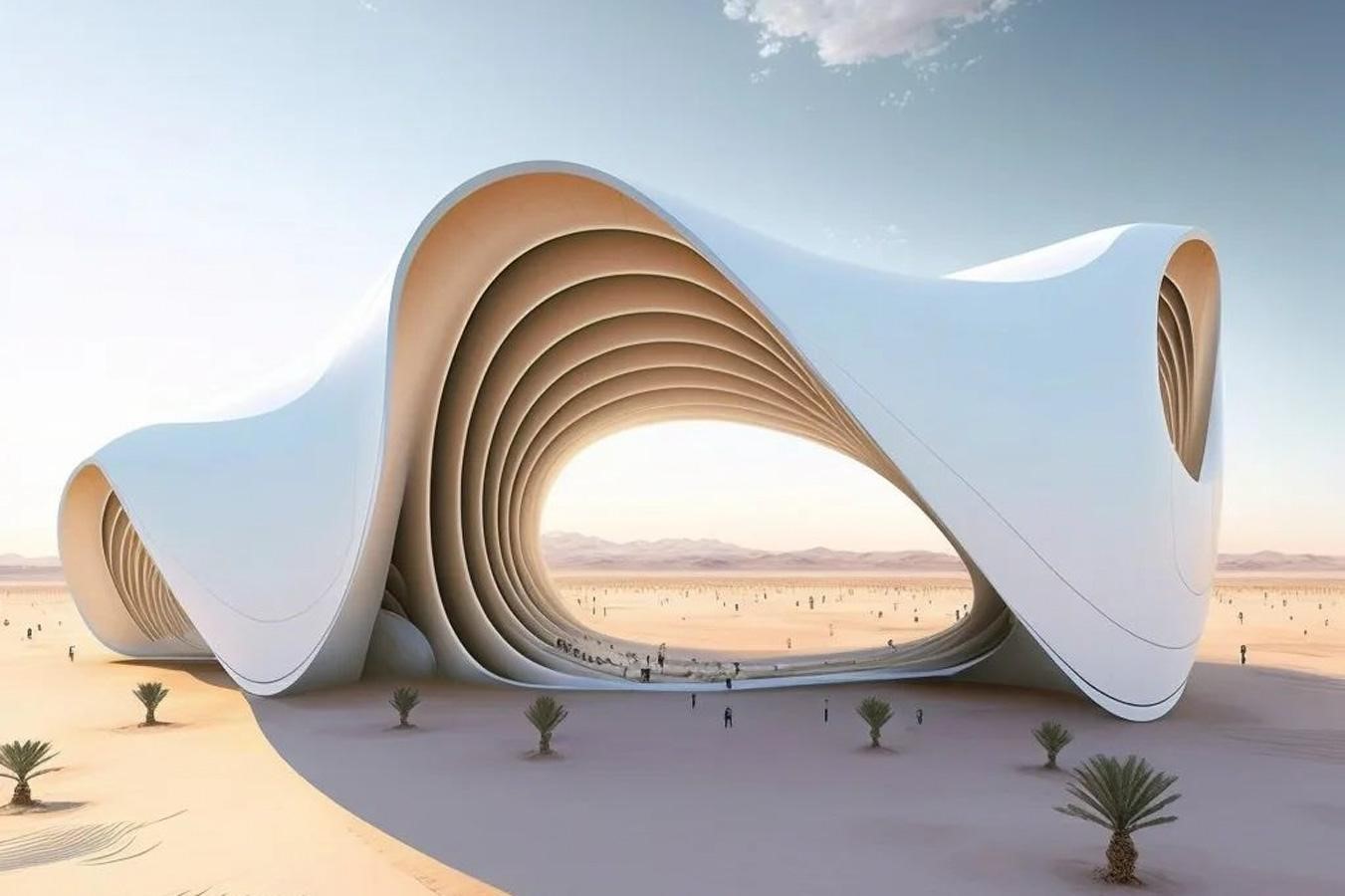
AI has revolutionised the course of architectural design through its multifaceted approach towards data collection and analysis, visualisation and concept generation. AI algorithms help study site conditions—physiological factors, environmental factors, and building data—to amass information necessary to drive design interventions. These factors also help in concept derivation, allowing architects to propose relevant solutions for the site and its context. Various AI platforms like 3D AI Studio, 3DPresso, Adobe Firefly, and Prome AI can be used to generate 3D visualisations from simple concept drawings, allowing designers to expand upon ideation and concept generation. Text generation features included within design and rendering software like Photoshop and D5 Render (compatible with CD, Revit, SketchUp and BIM) speed up the diagramming and rendering process using text prompts as cues to add the required elements in the project. Automated draughting and iterative solutions simplify ideation and foster creativity and design efficiency, helping architects to focus on the creative aspect of the project.
- Building Construction & Management
AI, along with BIM (Building Information Modelling), has indubitably made project management and execution easier for architects and consultants. Through systemised organisation, scheduling and generation of real-time updates, AI and BIM together have simplified project management for all its collaborators. Enhanced BIM along with AI also accounts for risk and error reduction through automated clashing detection, effective risk management and resource allocation. It offers viable solutions concerning materiality and construction, ensuring structural integrity. It also assists in thorough monitoring and cost maintenance, keeping the project budget and expenses in check. AI features such as predictive analytics can be used to assess potential maintenance requirements, which can prevent costly repairs in the future. They are also capable of optimising supply chain logistics, ensuring the right quantities of materials are delivered on time, thereby reducing expenses related to storage and wastage. Real-time updates offered by BIM enhance communication between the clients and collaborators, thereby avoiding conflicts or confusions. Additionally, AI and BIM automate time-consuming tasks such as MEP coordination, floor systems planning, etc., thus helping architects to focus on problem-solving and design.
- Large-Scale Developments and Urban Planning
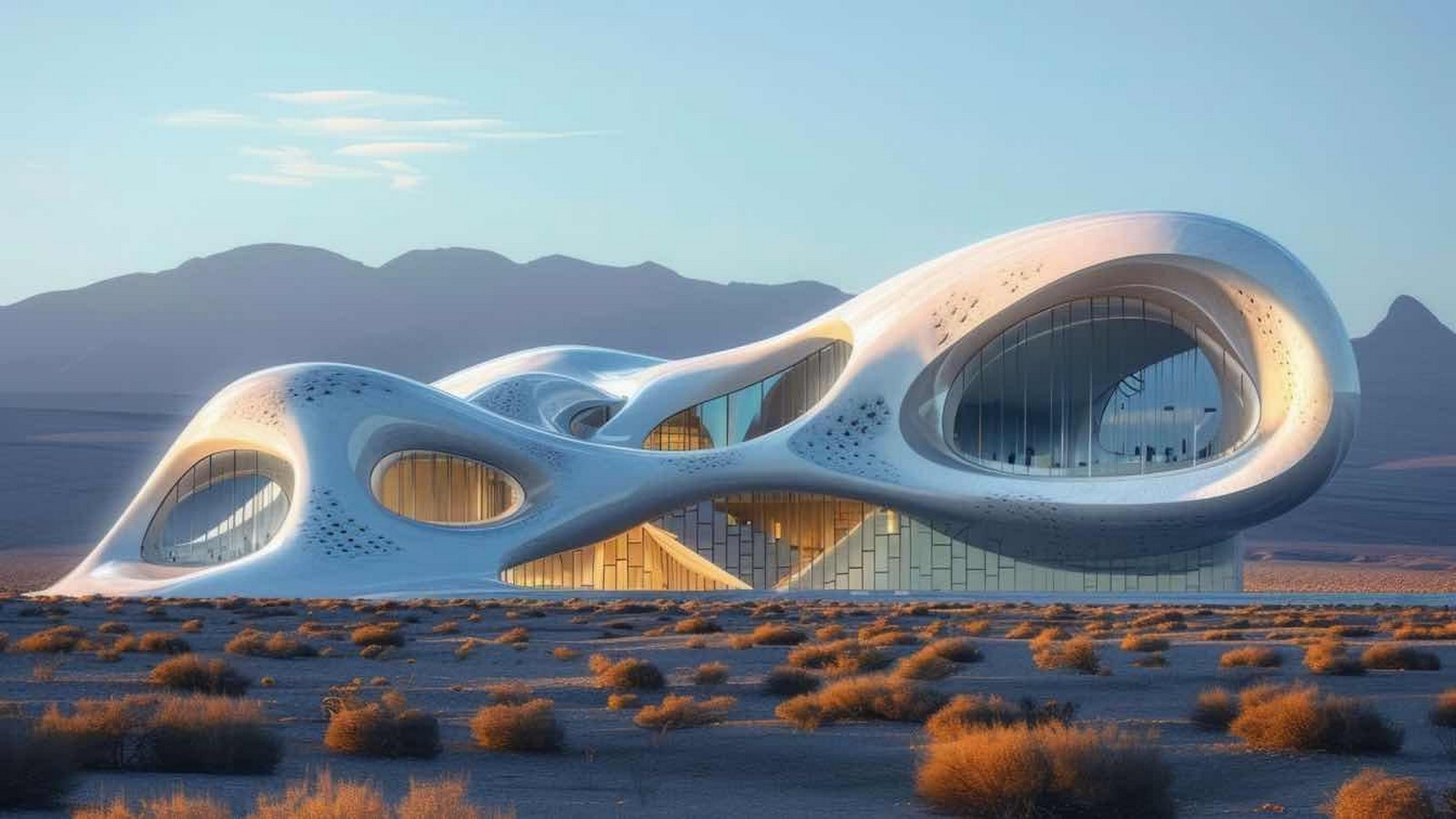
AI effectively aids urban planning projects through real-time data analysis of factors such as traffic updates, population density and circulation, and climatic and environmental factors to generate environmentally conscious and sustainable designs. Using AI-generated simulations, architects and developers can study the impacts of urban interventions and make informed decisions to take the project forward.
- Achieving Sustainability Goals
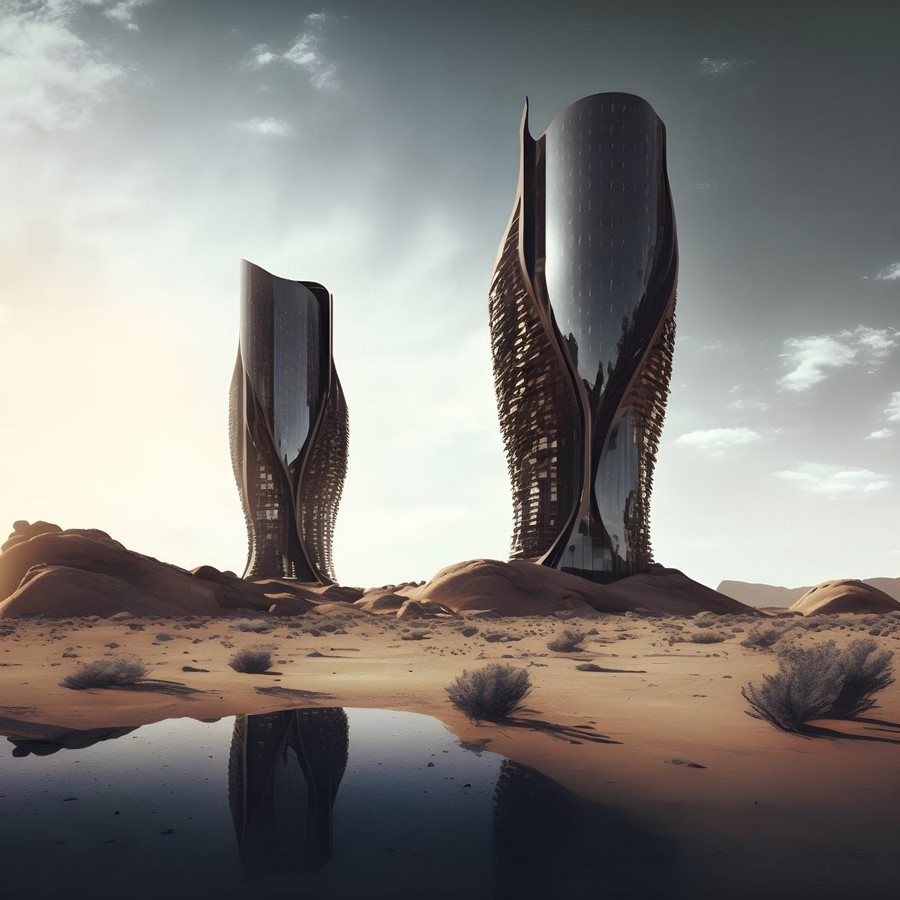
With sustainability being a pressing need, AI has been immensely useful in the generation and development of sustainable architecture. Use of generative design tools and timely, meticulous analysis of energy and resource consumption has improved building performance analysis and documentation. AI has played a vital role in the proposition and implementation of sustainable solutions, thereby promoting the principles of green architecture within our urban infrastructure. Furthermore, it helps architects to design buildings that minimise energy use and have a low carbon footprint. They can recommend low-impact and recycled materials for buildings, furthering green building practices. The use of AI-powered smart systems for electricity, lighting and HVAC in public spaces can further reduce the environmental impact, thus increasing energy efficiency. This could include utilisation of renewable energy solutions like solar panels, rainwater reuse, ecosystem simulations, etc.
- Generation of AI Archive
Many large-scale firms also use AI-driven systems to record their former projects. The system studies and analyses the approach, style and the construction methods employed by the practice. This results in a well-documented, personalised library that can be used to generate highly specific solutions and programmes that are in line with the firm’s ethos and design style.
AI in Architecture Technologies: Assessing the Benefits of AI
The integration of AI in architecture technologies enhances systems’ ability to yield quicker and more accurate results. This bridges the gap between virtual environments (like the Metaverse) and physical environments. It even enhances the visualisation, construction, and execution of the project.
Generative design tools offer numerous alternative design solutions depending on the presets and parameters laid out by the architects. They also suggest the use of sustainable materials, suitable building orientations and structural requirements that can increase energy and resource efficiency, promoting sustainability. For example, AI platforms like DALL-E can create new, exciting forms and aesthetics, inspiring fresh ideas in architects and designers.
XR (Extended Reality) systems improvise visualisation for architects and clients alike via use of VR (Virtual Reality) and AR (Augmented Reality). These offer an immersive experience that helps designers and customers to understand and interact with the design and make real-time changes, prior to construction, thereby improving decision-making and ensuring client satisfaction. Furthermore, AI can be used to produce detailed analytical reports to communicate the specifications and the merits of the design, facilitating clear communication between architects and stakeholders.
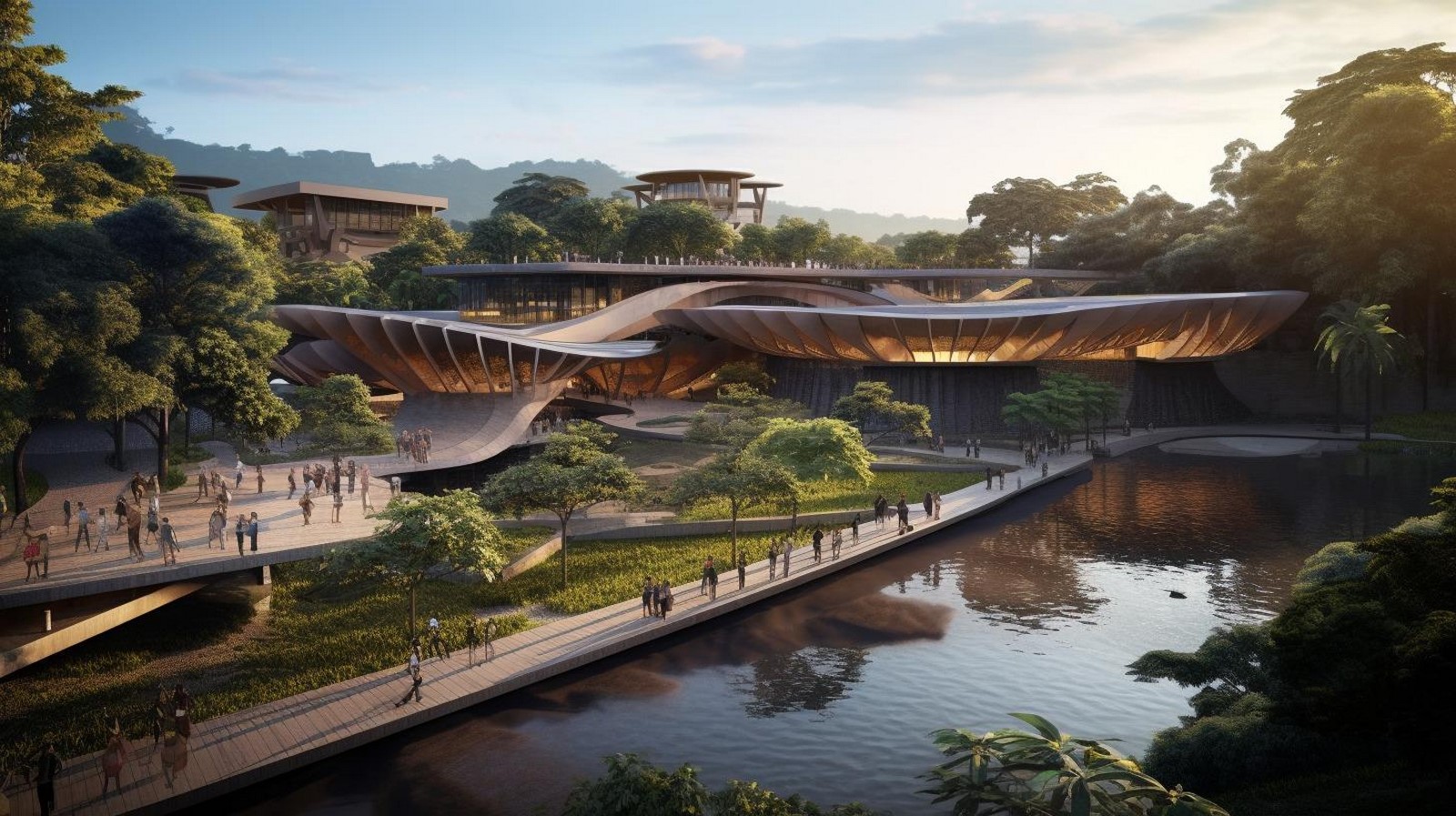
Another AI system—the Digital Twins—can be used to create a virtual simulation of the real project to obtain real-time updates on the design or construction progress. It can even be used to simulate physiological or environmental conditions to assess the building’s performance against various loads or stresses, providing the architects with critical information pertaining to the building’s durability and structural integrity. AI is also used to enhance the operation of the Internet of Things (IoT) to improve building maintenance, security, and energy efficiency and ensure occupant comfort.
Other benefits of AI in architecture also include quality assurance and ensuring compliance with building codes and regulations. Using AI, design plans can be cross-referenced against building codes and regulations to eliminate potential violations before they turn into major issues. This ensures accuracy in architectural and construction drawings, minimising expensive reworks and delays in construction.
Innovative AI features such as ‘machine learning’ (where machines are trained to recognise patterns in design and propose solutions), ‘natural language processing’ (training AI assistants to understand and respond to human language) and robotics are also being experimented with to expand AI’s scope in architecture.
Therefore, AI, when combined with architecture technologies, results in smarter, more efficient and sustainable models that enhance the building life cycle and contribute to the betterment of the environment.
Examples of AI in Architecture
- The Edge, Amsterdam
A superb example of resource and energy management, The Edge uses AI-powered systems to regulate climate control, optimise energy consumption and manage space usage. The design’s AI infrastructure studies and adapts to user behaviour, improving comfort and productivity over time. ‘The Edge’ is an ingenious model that demonstrates how AI can be used to provide sustainable and environmentally responsive solutions.

- “The Cities We Build”: An AI Experiment by Hassan Ragab
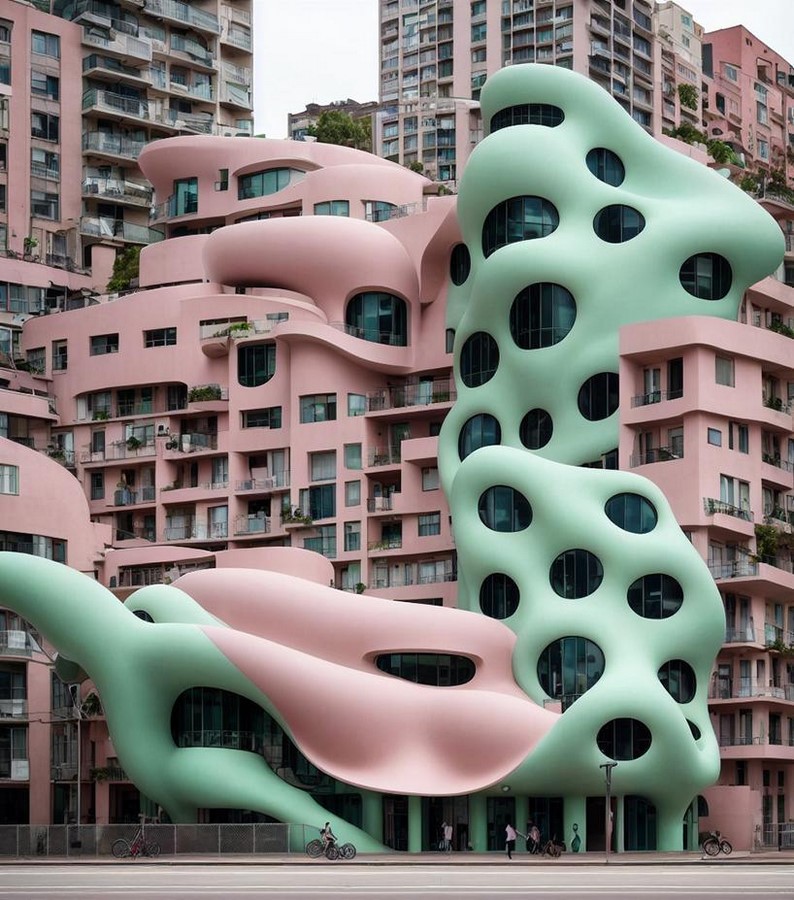
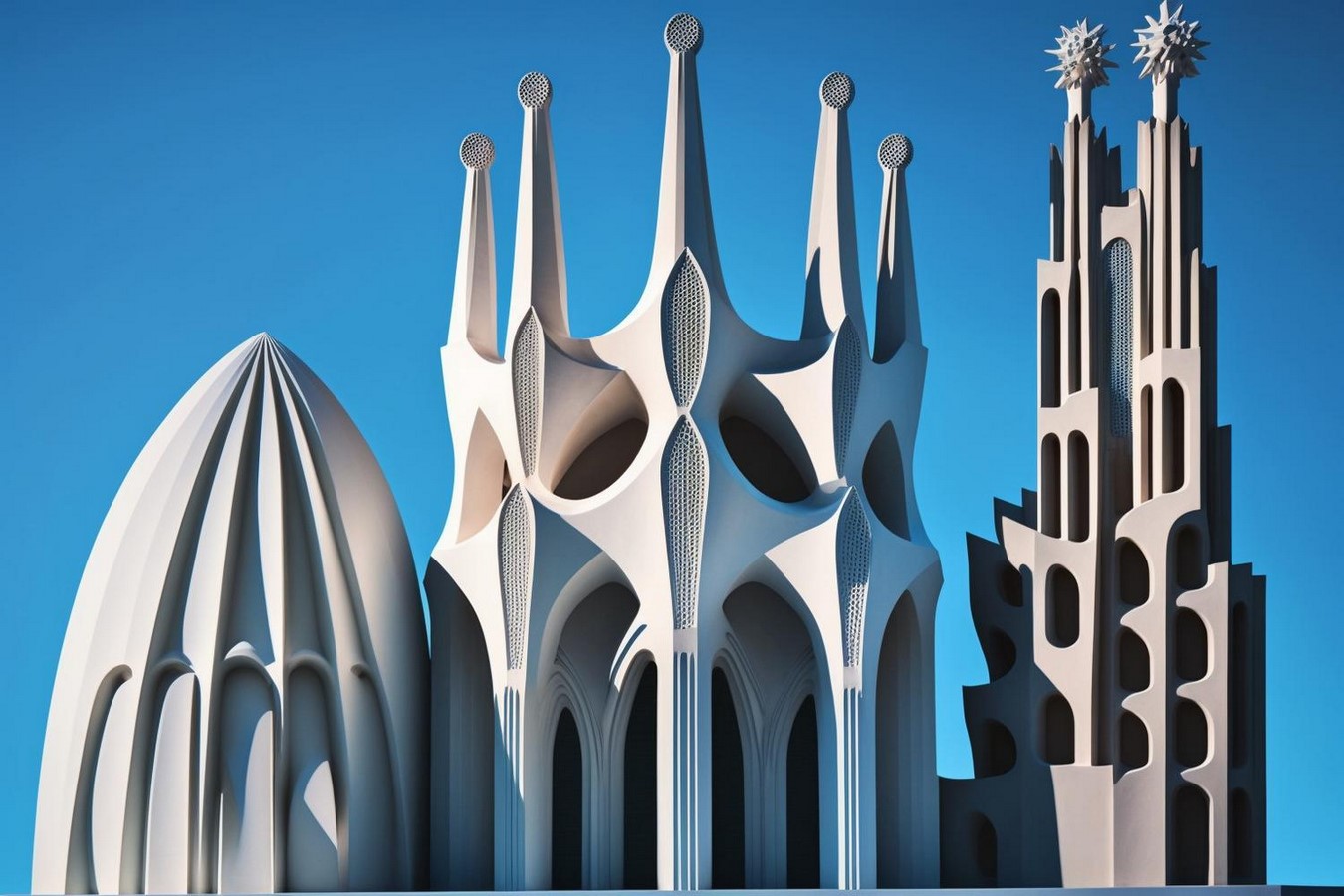
Designer and computation engineer Hassan Ragab extensively explores AI to create futuristic designs and juxtapose them against historical and modern urban contexts. Through this experiment, he questions the relationship between the old and new and the possibilities of surreal, colossal structures overtaking the rigid and mundane contemporary infrastructure. He uses AI modelling and renderings to dabble with the ideas of beauty, monumentality, surrealism and functionality and to explore the relevance of bold, futuristic, and colossal forms against function. Hassan, in his AI imaging, juxtaposes these colourful, vibrant forms over historical and contemporary structures and tries to understand the interpolation between old and new.
- Japan’s Pavilion at the Venice Biennale Expo 2025: Exploration of AI in Architectural Processes
The ‘Japan Pavilion’ at the 2025 Venice Biennale examines the relationship between AI and architectural design processes, concentrating on the concept of “in-between”. The exhibition explores the shift in the relationship between the two, questioning the influence of AI over the design process and studying the relation between human creativity and machine intelligence. Japan’s exhibit comprises interactive installations, generative AI experiments and spatial studies that explore the evolution of AI within its built environment. The pavilion treats AI not as an external tool but as an integrated system that blurs the lines between the physical and virtual, the natural and artificial, and between the manual and mechanical. By observing these interventions, visitors are able to understand how AI can be used to reshape architecture and design in the future.
- Metaverse Architecture
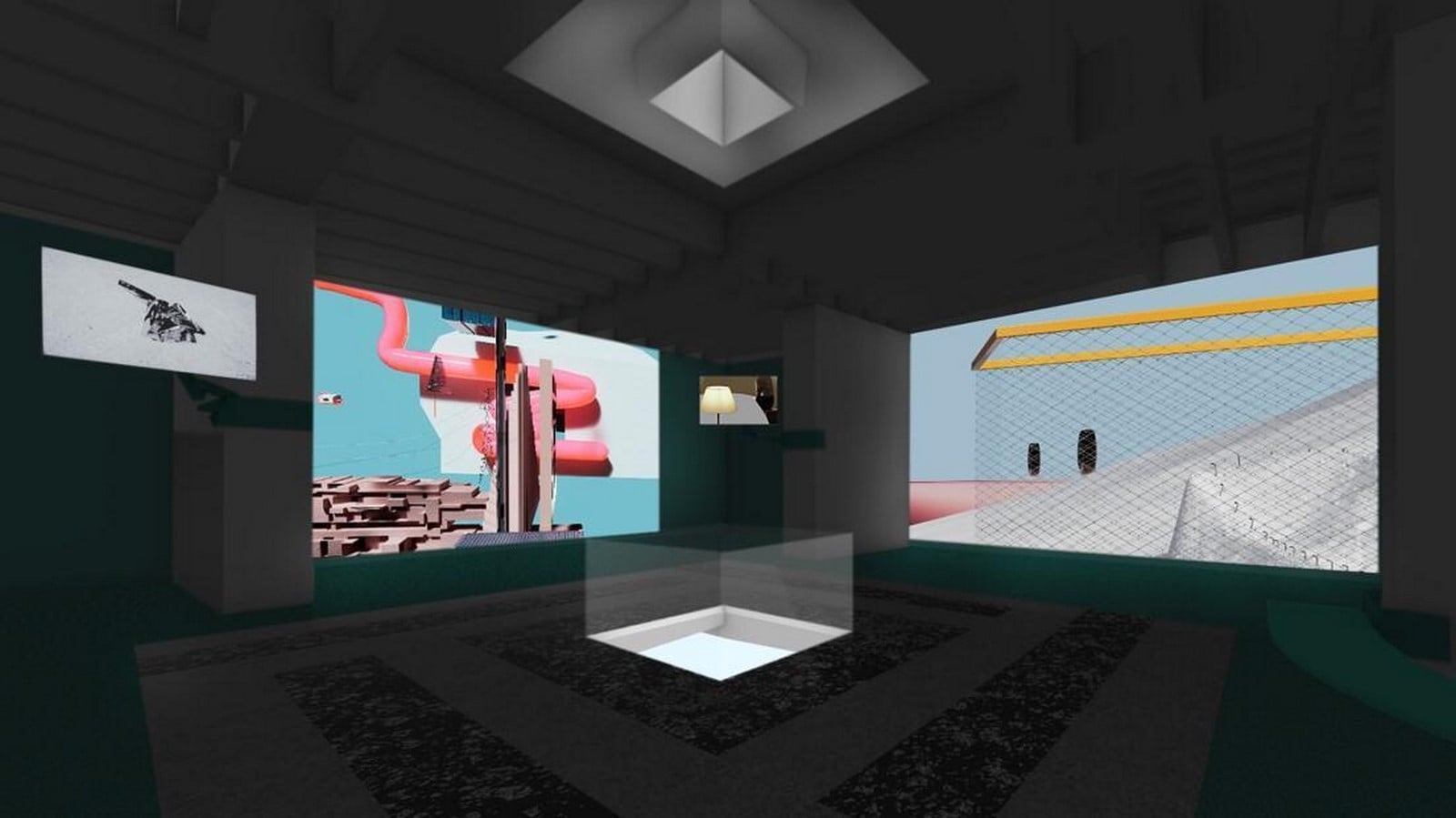
Metaverse or Meta, introduced by Facebook’s founder Mark Zuckerberg, has also captured the attention of many architects and designers worldwide. Offering a doorway between the physical and the virtual realms, Metaverse architecture offers a plethora of possibilities for its users to explore the digital world. Designers use Metaverse architecture to create virtual spaces within the digital world. Since it transcends the limitations of reality, it is an exciting virtual playground for architects, graphic designers and 3D designers. Here, designers can create a ‘utopic world’ that blurs the lines between the physical and the virtual. Owing to the infinite possibilities, meta-architects can design freely, using their knowledge and skills to dabble in various fields like user interface, game design, character design, content design, etc. This allows for enhancement of visualisation skills and creative stimulation, inspiring fresh perspectives in architects and designers. Architecture and design schools can also employ the Metaverse to teach students about 3D software and digital media, allowing them to explore different mediums to express their ideas.

Challenges & Considerations
- Can AI Replace Architects?
While AI can certainly improve architects’ skills and technical abilities, it cannot replace architects. AI can be adopted to enhance data analysis, optimise planning and resource consumption, and automate scheduling and management. However, the creative sensibilities and experience required to solve complex design problems are only possible through human intervention. Architects are required to possess a thorough understanding of cultural, social and environmental contexts — specific overlays which influence a design profoundly. While AI may be equipped with the computational ability to churn out advanced data output, it does not possess the emotional intuition that operates on a humanly intrinsic level. Therefore, AI can be employed to manage routine tasks, whilst allowing architects and designers to pursue their creative endeavours.
- Threats posed by AI
Although AI is becoming quickly popular amongst architecture students and professionals alike, there are several concerns that surround the innovative feature. Given the rapid increase in its use, architects are concerned about the over-reliance on AI, arguing over the potential rise of generic designs and disappearance of traditional design skills in the near future. Several technical professionals and people worldwide have also noted the breach in privacy and security owing to AI’s invasive nature regarding system and data permissions. Concerns over the authorship of AI-generated designs have also been a highly debated issue in the recent past.
- Adoption of AI in Architecture
Despite being a revolutionary tool, professionals find it daunting to adopt AI into their training and workflow. This might be due to the high learning curve associated with the training and upskilling of the software. Old professionals who are accustomed to the traditional way of designing often find themselves reluctant to embrace change. Moreover, given its highly systematic and advanced nature, smaller firms might also find it difficult to incorporate the programme into their systems. However, these issues can be resolved through initiating the program in small, distinct phases to ease the transition from the old to the new. Smaller firms can initially use the program for small-scale projects or in certain phases of major ones to integrate it into their workflow. Architects can collaborate with the associated technical establishments (AI computation and software development) to reduce costs and avail the benefits of the system. They can also invest in robust devices and technological assets to easily install the advanced AI software.
Scope for AI in Architecture
Drawing conclusions from the above arguments, it is obvious that AI is inarguably the way forward. AI has brought about a fundamental shift in the way the architecture and construction industry functions. By providing advanced data analytics, optimisation of scheduling, thorough monitoring of resource and energy consumption and driving technological advancement, AI has ushered in a new era of ‘technovation’ in architecture. By promoting efficiency, innovation and sustainability in an unprecedented manner, AI has been responsible for taking design, ideation, and execution to new levels. Looking at the examples above, it would be sufficient to say AI is a valuable tool and gift to architecture; one that must be used to its fullest potential.
References List:
- Architecture.com. (2024). Artificial Intelligence: How Are Architects Using AI Right Now and What Are They Using It for? [online] Available at: https://www.architecture.com/knowledge-and-resources/knowledge-landing-page/artificial-intelligence-in-architecture?srsltid=AfmBOorUMUTq2_kuwfAXHk69L08kwzoBh6oWkIfezNaQPxDbRJiM4dr8 [Accessed 18 Mar. 2025].
- Carrasco, M. (2024). AI and the Built Environment: Bridging Technology, Design, and Cultural Identity. [online] ArchDaily. Available at: https://www.archdaily.com/1024493/ai-and-the-built-environment-bridging-technology-design-and-cultural-identity?ad_campaign=normal-tag [Accessed 19 Mar. 2025].
- Eloy, R. (2024). AI in Architecture: 7 Benefits and Examples. [online] blog.enscape3d.com. Available at: https://blog.enscape3d.com/ai-in-architecture [Accessed 18 Mar. 2025].
- hommes.studio. (2022). Designing The Metaverse: What Is Metaverse Architecture? [online] Available at: https://hommes.studio/journal/what-is-metaverse-architecture/ [Accessed 19 Mar. 2025].
- HsnRgb (2023). hassan ragab’s AI-generated series questions the future of architecture in the digital age. [online] designboom | architecture & design magazine. Available at: https://www.designboom.com/architecture/hassan-ragab-ai-generated-future-architecture-digital-age-02-24-2023/ [Accessed 19 Mar. 2025].
- Mortice, Z. (2023). Vision Setting and Problem Solving: AI in Architecture Is Changing Design. [online] Autodesk.com. Available at: https://www.autodesk.com/design-make/articles/ai-in-architecture [Accessed 18 Mar. 2025].
- Nour Fakharany (2025). Japan Pavilion at 2025 Venice Biennale Explores Architectural Intelligence in Architectural Processes. [online] ArchDaily. Available at: https://www.archdaily.com/1027934/japan-pavilion-at-2025-venice-biennale-explores-architectural-intelligence-in-architectural-processes [Accessed 19 Mar. 2025].