Architecture is the art and science of designing and constructing buildings, but it is much more than that. It is a driver in the formation of societies, the conduct of human beings, and the handling of global challenges. Architecture has reflected societal values, economic conditions, and cultural identities from ancient civilisations to modern cities. But today, architecture is not only a question of beauty and utility; it is a vital instrument for solving social, economic, and environmental problems. (Gattupalli, 2024; Goyal, 2024)

Due to the rapid growth of population in urban areas, climate change, and increase in social inequality, architects are now realising that their role is not just to create physical space. They are, however, coming up as problem solvers, activists, and innovators who can use architecture to foster social equity, sustainability, and community well-being. (Vangelatos, 2019) Therefore, it is important to embrace human-centred design, sustainable urban planning, and architectural activism as architecture can offer solutions to some of the greatest societal challenges of homelessness, urban isolation, and environmental degradation through the use of architectural techniques. (Arora, 2024)

Socially responsible architecture goes beyond the aspects of beauty and usability; it is the process of designing structures that improve people’s health, promote equity and are friendly to the environment. This approach realizes that the built environment is a key determinant of quality of life and therefore, how it is experienced and behaved and what opportunities it presents.
For example, using sustainable materials and energy generation systems in the building not only minimizes the impact on the environment but also improves the quality of air that people breathe. Also, designing public spaces that are accessible to all people can help eliminate social inequalities and increase feelings of unity in the community. (Sirsat, 2023)
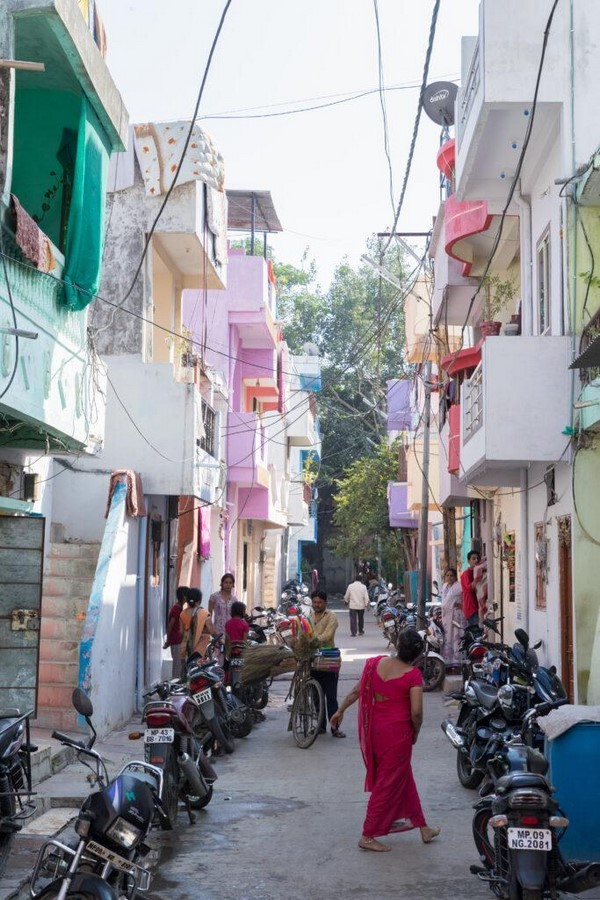
Community-Centred Design: The End-Users Are Engaged
Socially responsible architecture is a concept that is based on the principle of community-engaged design, which means that the people who will use or live in the spaces that are being designed should also be involved in the design process. This participatory approach ensures that the designs are relevant to the needs, dreams and cultural realities of the communities.
Participatory Planning: This is the involvement of the community in the design process so that the spaces that are being developed meet the needs and desires of the people.
Contextual Integration: Making sure that the designs are appropriate for the historical, cultural, and social context of the area.
Sustainability: Using environmentally friendly materials and improving energy efficiency in buildings.
Inclusivity: Addressing social issues through design that includes and supports people.
Flexibility: Designing flexible spaces that can meet the community’s needs as they change over time.
All of these principles can be applied in the design process by architects to create environments that not only fulfil the purpose but also enhance and empower the community.
Architecture as a Social Equity Catalyst: How Architecture Can Help Equalize Societies
Architecture can affect social equity by creating environments that are accessible, and inclusive and encourage social interaction. (CCA, n.d.) For example, well-designed public spaces can be the centre of the community, breaking the barriers of race and class and creating a sense of inclusion. The California College of the Arts explains that architectural design can enhance social equity by designing buildings that are easily accessible and can be used by everyone, which in turn can help in the engagement of the community and the reduction of social inequalities.
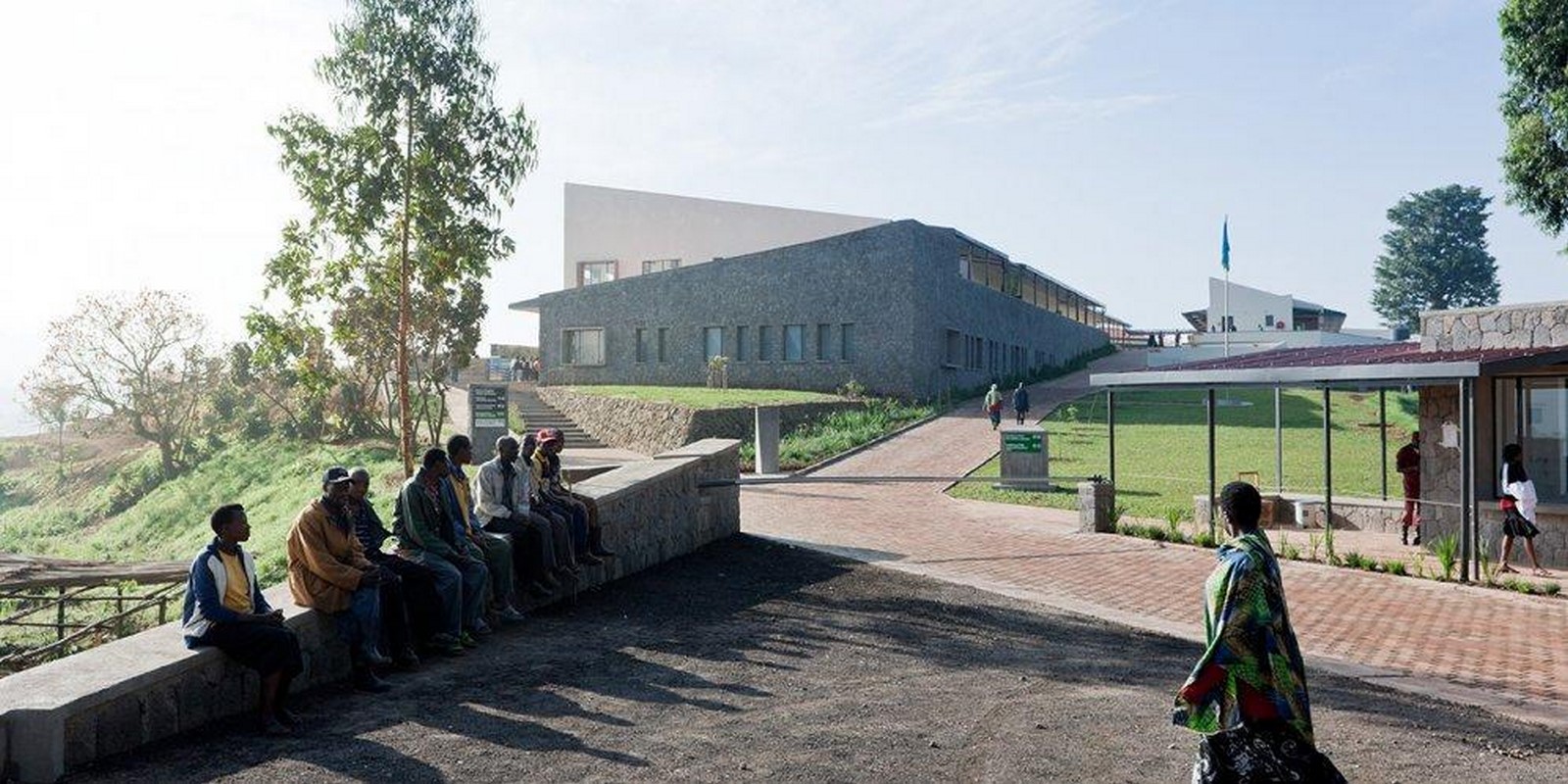
Architectural Activism: The Best of Both Worlds
Design and Advocacy Combined Architectural activism is the best of both worlds: the art and science of applying architectural theory and practice to effect positive social change, with architects using their skills to tackle society’s biggest issues and promote equality. This approach realises that architecture is not some passive element, but an active agent that is capable of either perpetuating or subverting oppressive relations. (Arora, 2024)
By taking an activist position, architects can:
Raise Awareness: Design that is both provocative and thoughtful expresses social issues.
Empower Communities: Design spaces that are for people who do not have a voice in society to have a voice.
Influence Policy: Support policies that help in forming equitable and inclusive urban development.
Architecture is a social practice of design that can effect positive change in addressing issues like homelessness, lack of public spaces, and inadequate housing.
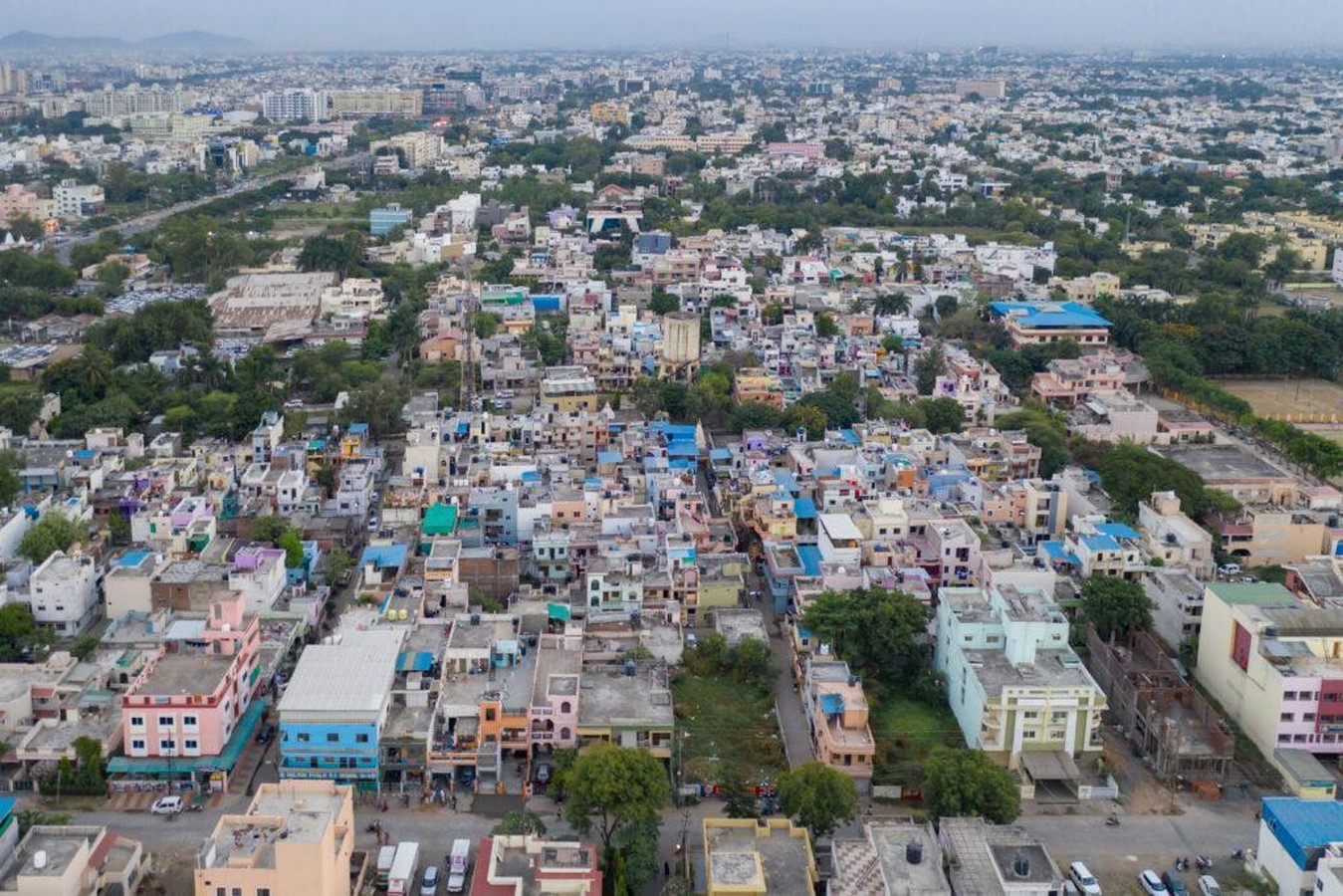
Sustainable Urban Design: Building for the Future
Sustainable urban design is crucial in solving societal challenges as it focuses on developing environments that are sustainable, economical and fair. This means that the impact of design decisions on the community and the planet in the long run is considered. (Ahmed, 2022) Some of the innovative examples of sustainable urban design are;
Green Buildings: These are structures that have been fitted with energy-efficient systems, renewable energy sources and sustainable materials.
Mixed-Use Developments: These are areas that have both residential, commercial and recreational uses to reduce the need for transportation and increase interaction between people.
Public Transit Integration: This is the integration of public transport in the design of the city to reduce carbon emissions and improve accessibility.
Thus, sustainable urban design principles can be incorporated into the design of the built environment by architects to create resilient communities that are likely to be faced with future challenges.
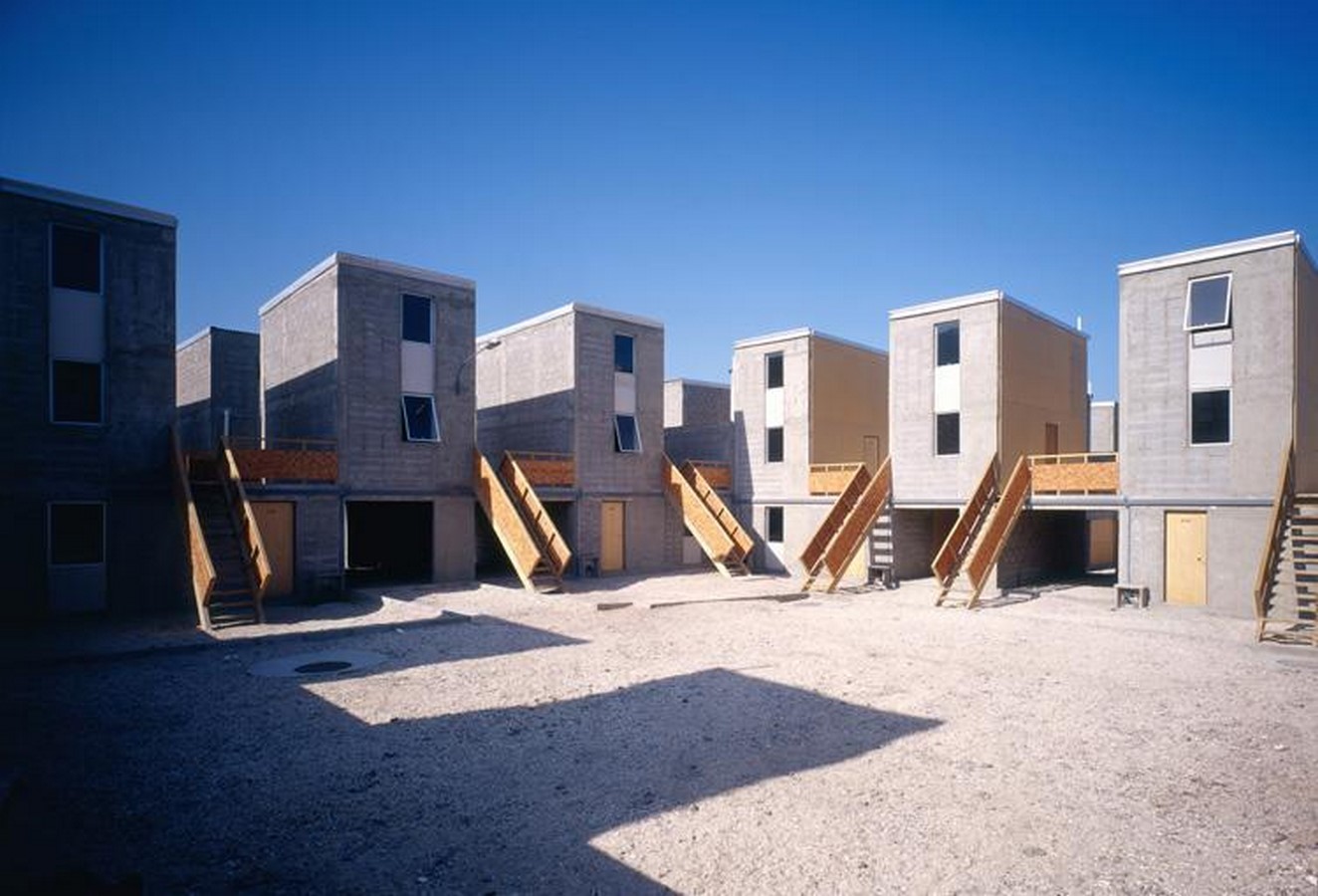
Architecture is not just the process of designing buildings; it is a means of creating societies, addressing systemic inequalities, and sustainable development. Using human-centred design, architectural activism, and sustainable urban planning, architects can make a positive impact on the well-being of communities and the planet. Through interaction with the end users, supporting policies that promote equity and diversity and using environmentally friendly materials and technologies, architecture can become the driver of positive change. In a world that faces challenges like urban sprawl, climate change, and social fragmentation, architects’ role is about more than just aesthetics. The built environment can be used positively to combat loneliness, promote equity and create spaces that foster human connection. Socially responsible design is an approach that when embraced can lead to the creation of a future that is regenerative, resilient and inclusive.
References:
Ahmed, H. (2022) Can architecture solve social problems, Montagedesignbuild. Available at: https://www.montagedesignbuild.com.pk/post/can-architecture-solve-social-problems (Accessed: 20 March 2025).
Arora, A. (2024) Architectural activism: Designing for social impact, Lingaya’s Vidyapeeth. Available at: https://www.lingayasvidyapeeth.edu.in/architectural-activism-designing-for-social-impact/ (Accessed: 20 March 2025).
Gattupalli, A. (2024) Architecture as a tool for Social Innovation: Human-centered design to combat loneliness, ArchDaily. Available at: https://www.archdaily.com/1022846/architecture-as-a-tool-for-social-innovation-human-centered-design-to-combat-loneliness (Accessed: 20 March 2025).
Goyal, J. (2024) Architect as activist: The Need for Socially Responsible Architecture, SMART. Available at: https://smartinitiative.in/architect-as-activist-the-need-for-socially-responsible-architecture/ (Accessed: 20 March 2025).
How architectural design can improve social equity (no date) CCA. Available at: https://www.cca.edu/newsroom/architectural-design-improves-social-equity/ (Accessed: 20 March 2025).
Sirsat, A. (2023) Social Architecture: The ‘social-political’ of architecture, AOA Mumbai. Available at: https://www.aoamumbai.in/post/social-architecture-the-social-political-of-architecture (Accessed: 21 March 2025).
Vangelatos, G. (2019) How does architecture impact society? A high-level look: Ideas, HMC Architects. Available at: https://hmcarchitects.com/news/how-does-architecture-impact-society-a-high-level-look-2019-10-18/ (Accessed: 20 March 2025).