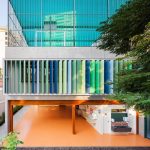
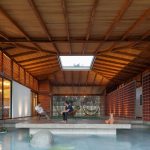
The relationship between architecture and mental well-being is becoming more and more evident day by day. Numerous efforts are being made to support this cause, and architecture has been playing a crucial role in presenting better design decisions that advocate designing for psychological health. With a more serious mental disorder comes a greater potential for the users to become overly sensitive and reactive to certain environments making situations more amplified for them.
Park and Mattson did a randomized clinical training in 2008 to evaluate the therapeutic benefits of plants in hospital rooms. There were 90 patients who participated in a six-month study where the only distinction between the apartments that were on the same floor was the presence of plants. Consequently, the group that was experimented on had lower blood pressure, anxiety, and heart rate levels. So, architects can support patients’ physical and mental healing by including green infrastructure, solar lighting, and ventilation in their designs, reinforcing designing for psychological health.
It is known that a person’s mental or physical health cannot be cured by good architecture. It also cannot replace any scientific or medical advancement but it can provide a well-designed, cozy, and welcoming space that will make people safe and content. It can promote happiness. This is also true for public areas that encourage security and legibility, which are key components of designing for psychological health.
Psychological Health in Architecture Key Design Principles:
Importance of Natural Light
Natural light greatly impacts mental health. It increases the production of vitamin D which is associated with better mood and lower chance of depression and obesity. It improves concentration, productivity, and sleep patterns. According to studies, it has been found that depression is 60% more likely to occur when there is insufficient daylight. Thus, incorporating natural light is essential in designing for psychological health.
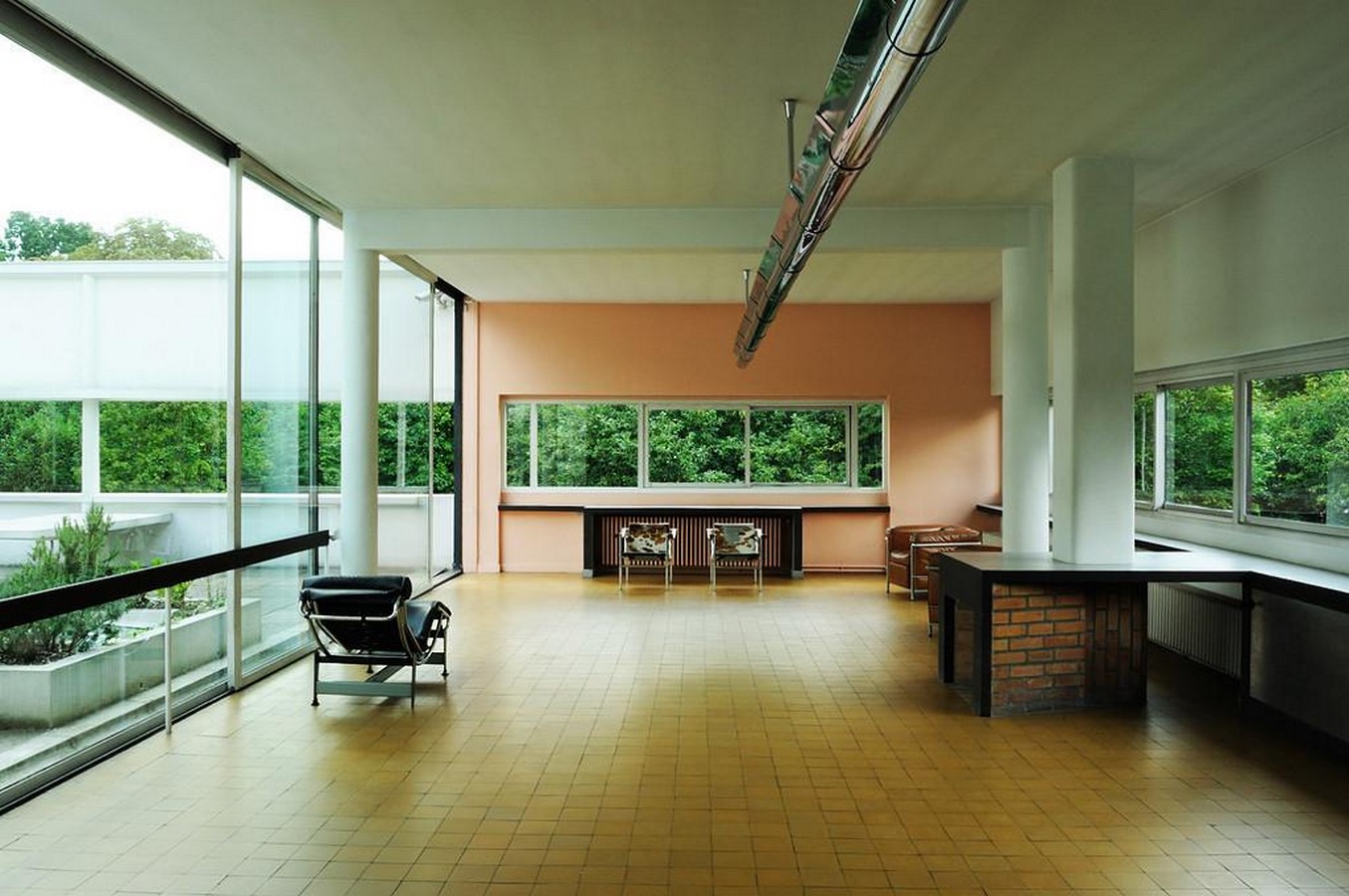
Incorporating Biophilic Design
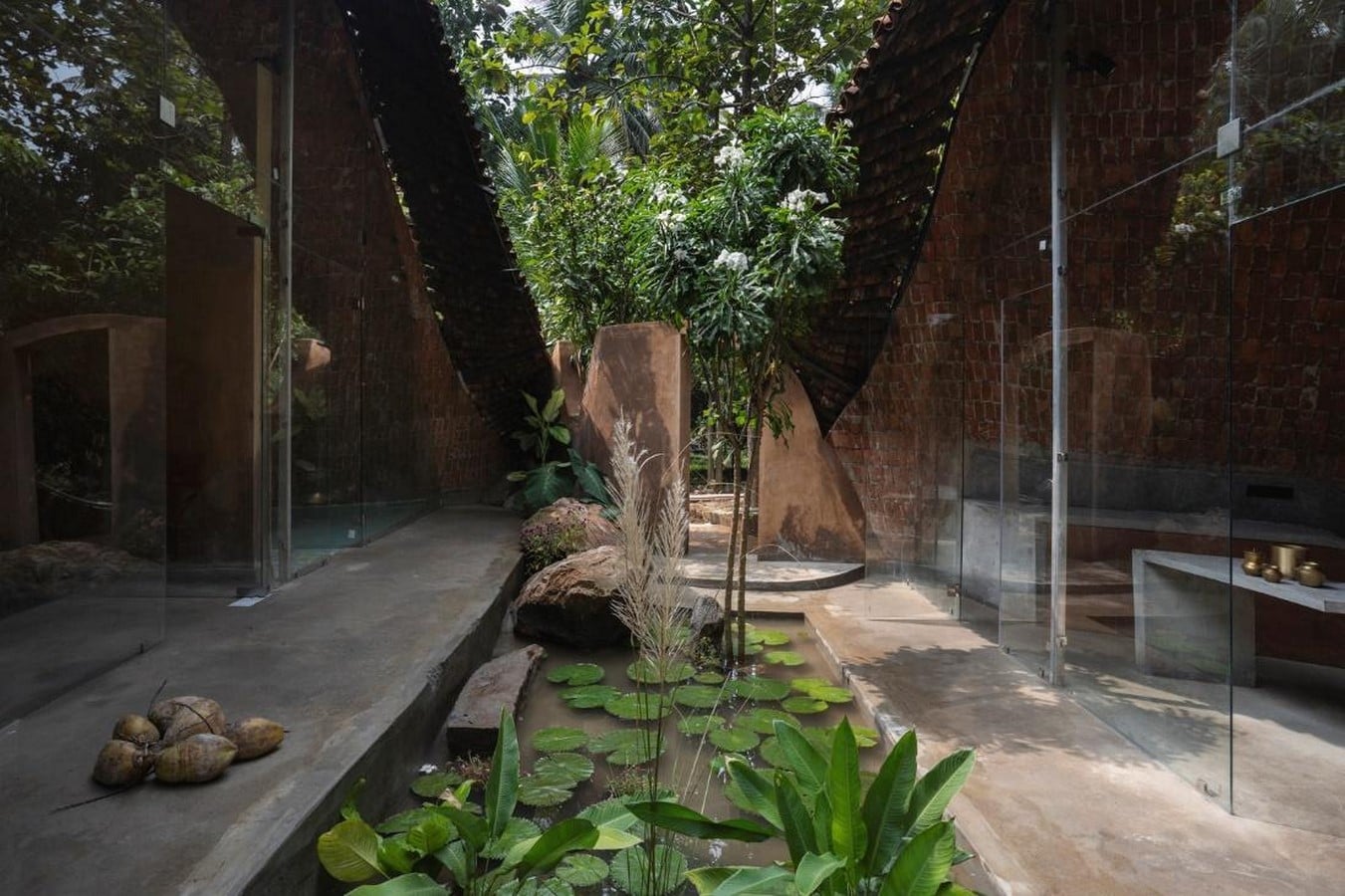
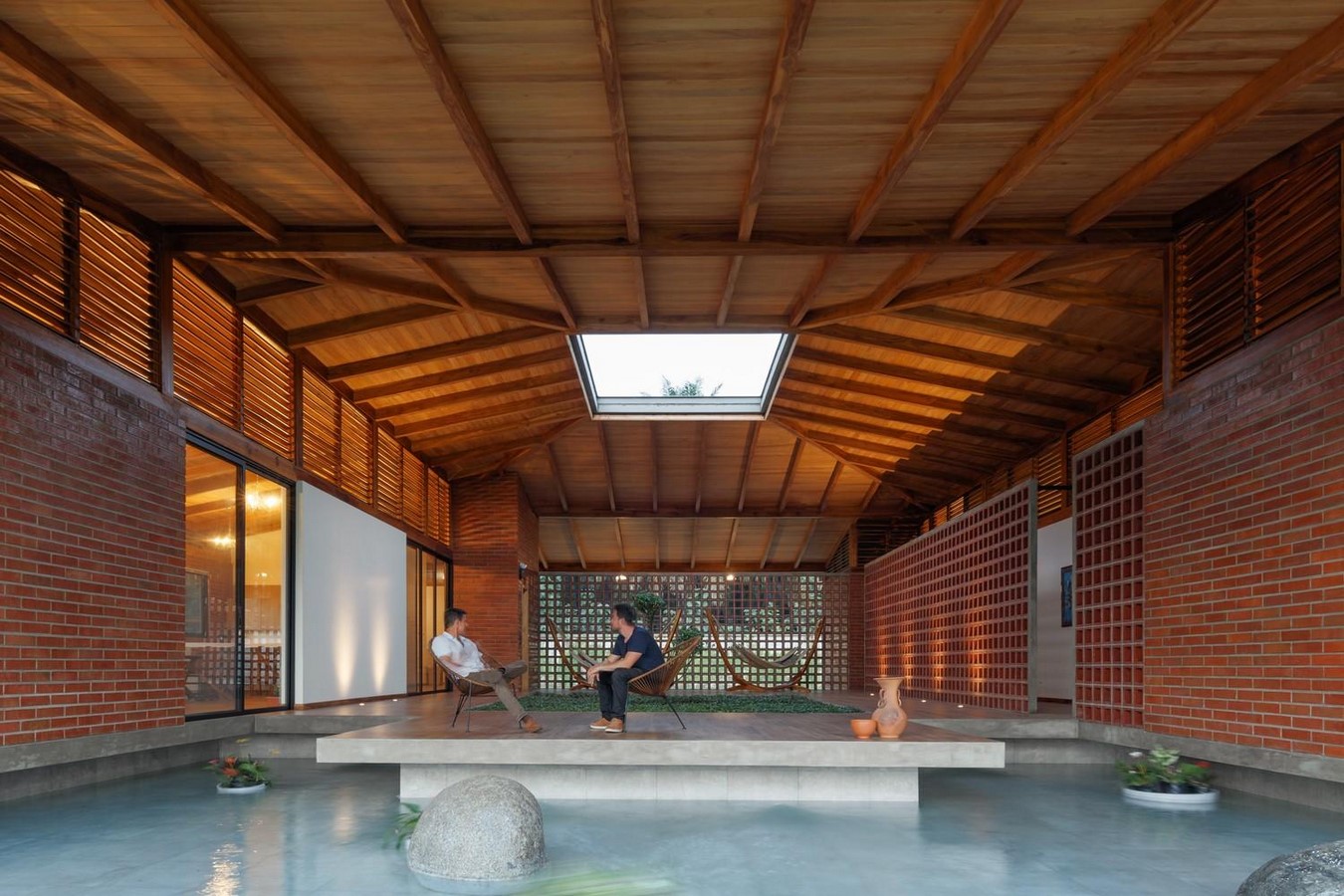
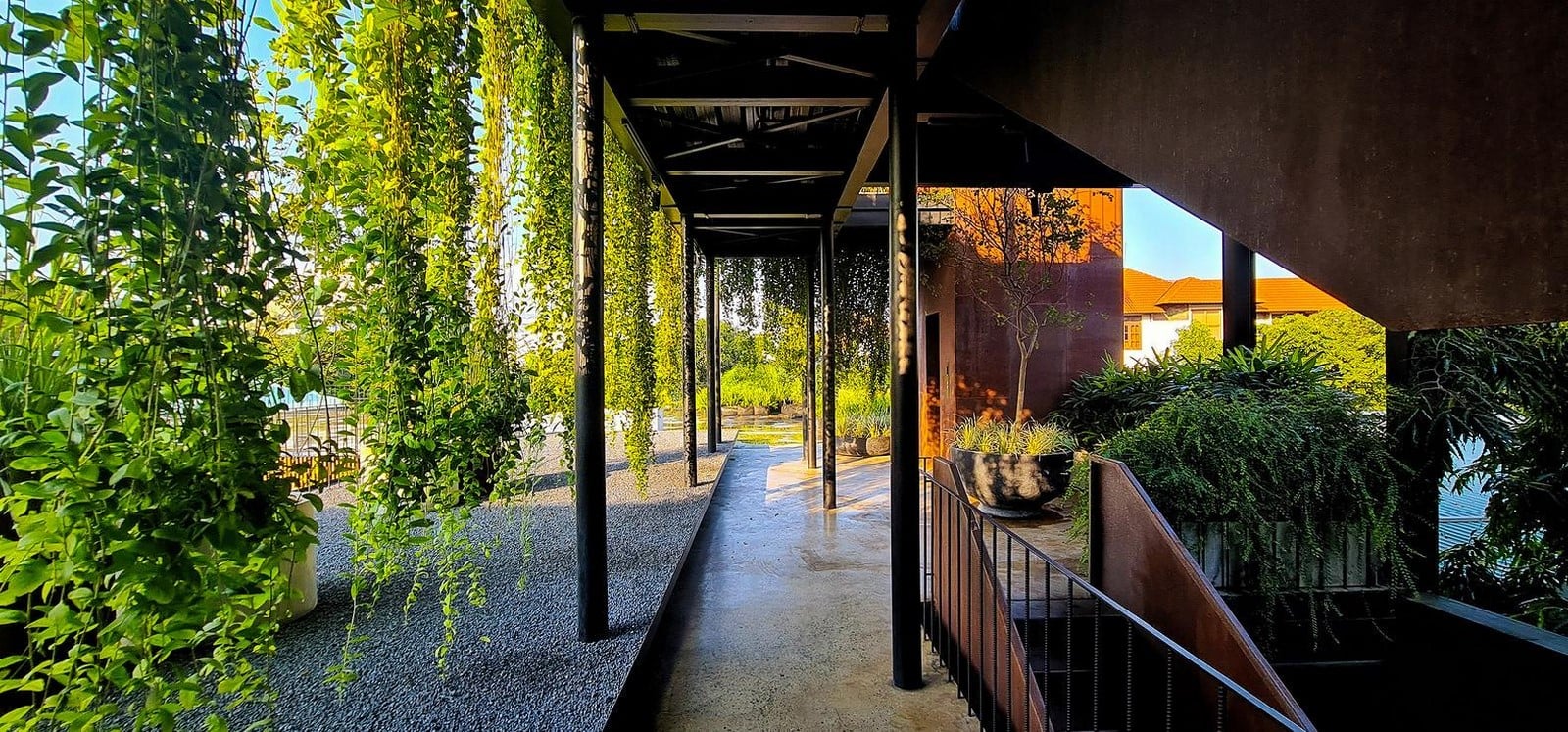
biophilic design includes natural elements into the design. This design approach encourages a relationship with natural elements like plants, water, and materials. Natural wood, indoor gardens, and green walls are some elements that are used extensively in this type of approach. This relationship between the natural and the user enhances creativity and cognitive performance lowers anxiety and fosters calmness, all contributing to designing for psychological health.
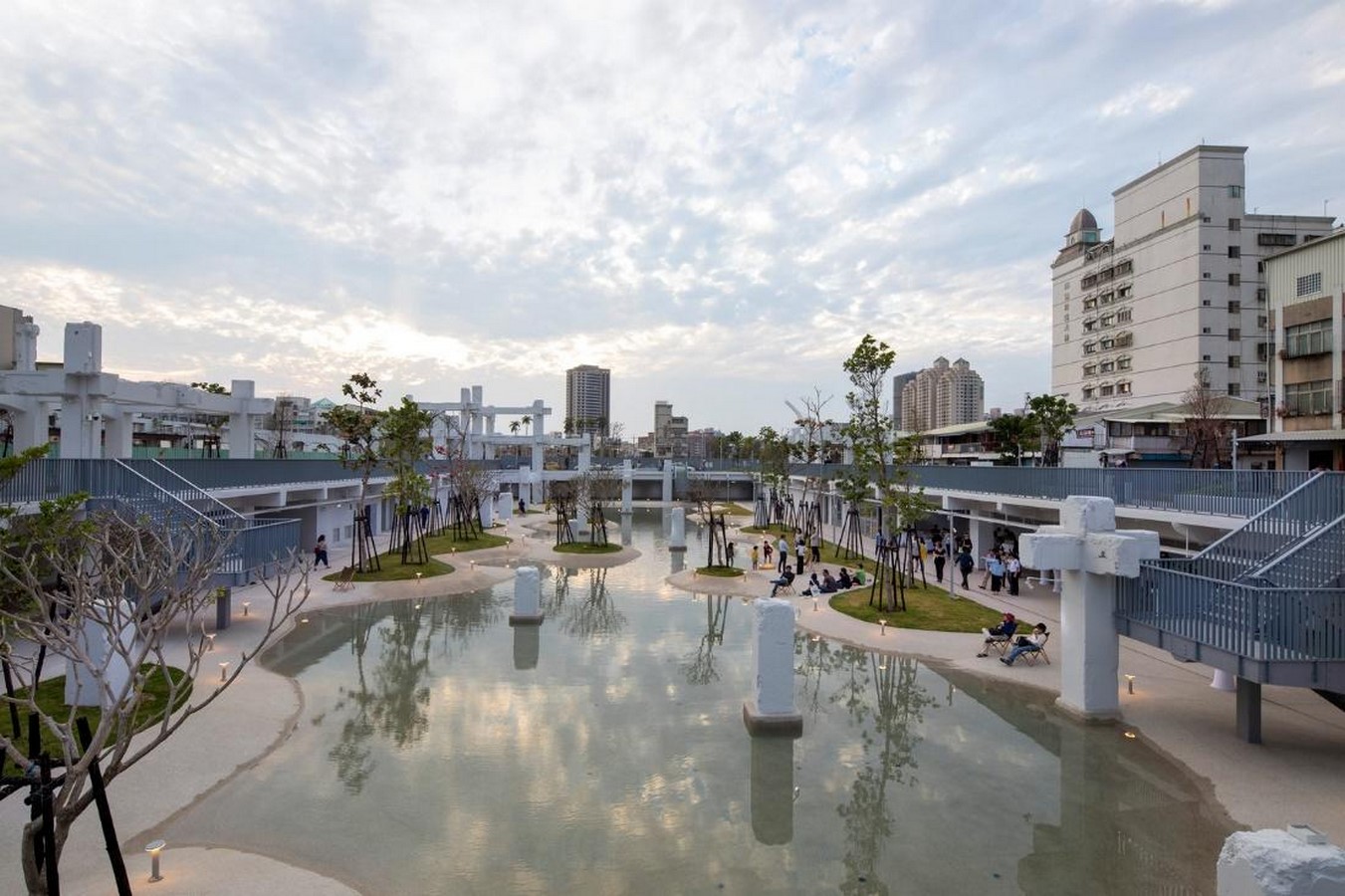
Designing for Silence and Noise Control
Diseases like cardiovascular illness, sleep disturbance, and cognitive impairment are all associated with urban noise. Controlling noise is essential for mental wellness. Stress that is caused by noise can be considerably decreased by designing flats with strong walls and peaceful common areas. Quiet areas, well placed rooms, and soundproofing materials are examples of good architectural solutions that align with designing for psychological health.
Color Schemes and Material Choices
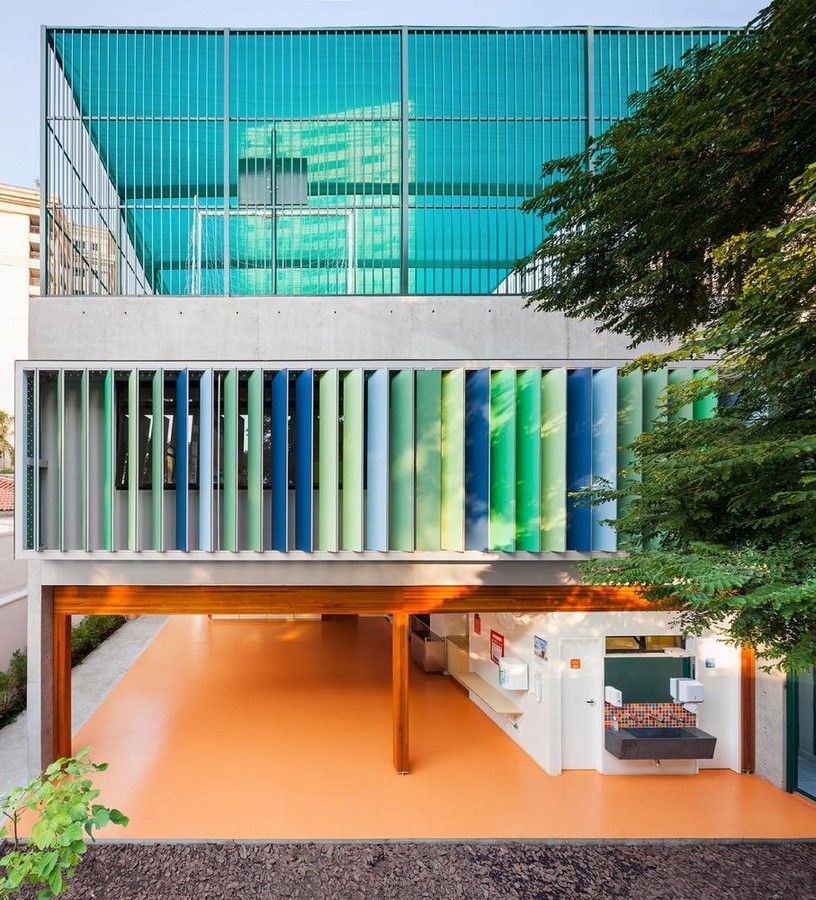
Colors and materials can influence one’s mood. By carefully choosing colors and materials, spaces that promote mental well-being can be created. Hues of green and blue bring calmness and equilibrium. Bright hues like yellow and red bring energy but can also lead to overstimulation. Material selection is also important as natural materials like wood and stone can offer warmth, further supporting designing for psychological health.
Challenges in Designing for Psychological Health
1. Economic and Budget Constraints
Sometimes it can be costly to create an environment that supports mental health. These environments include good lighting, ventilation open areas, and excellent materials. Since many projects have a tight budget, cutting measures frequently put cheaper material use instead of human well-being. For example, many buildings rely on artificial lighting rather than large windows that let in sunlight to boost mood. This can lead to tension and exhaustion. Also, due to the high cost of land, green spaces that have been used to improve mental health are frequently replaced with concrete which contradicts designing for psychological health.
2. Urban Density and Limited Space
Overpopulation is a problem in many urban areas and it is a privilege to have space in a congested city. People work and live in tightly packed environments. There isn’t much area for privacy relaxation or personal space which can increase tension and anxiety. Public areas that improve mental health such as parks, courtyards, and gardens have been replaced with more highways, buildings, and commercial spaces. People are consequently left without many places to relax. This leads to burnout and stress-related illness. This lack of balance disrupts designing for psychological health.
3. Sensory Overload and Poor Environmental Design
Many metropolitan areas are designed for efficiency rather than well being. This often leads to surroundings that overwhelm the senses. Harsh fluorescent lights, continuous noise from construction, traffic, and crowds, and limited access to natural elements are some of these examples that cause higher levels of stress. For example, bright light and noisy halls along with confusing layouts are examples of badly built hospitals that will not promote well-being but rather make the user uncomfortable. Soft lighting, quiet areas, easy navigation, and sensory balance are all important components of a good mental health-friendly design, but many architects find it difficult to give them top priority because of financial and spatial constraints, impacting designing for psychological health.
4. Cultural and Social Factors
The practice of designing for psychological well-being is not one-size-fits-all. When it comes to privacy, social contact, and communal areas, different cultures have different needs. For example,
In certain societies, social connections require shared communal spaces, while others place a higher importance on quiet and privacy. If architects ignore the cultural preferences they may design spaces that would alienate the users rather than fostering a sense of ease, leading to poor designing for psychological health.
5. Accessibility and Inclusion
All individuals should be included in mental health design, The majority of places, however, were not designed with neurodiversity in mind. Numerous settings:
The presence of bright lights and noisy areas might be overpowering for people with autism.
There aren’t enough calm, low-stimulation areas for people who require respites from sensory stimulation.
Make use of complex layouts that may cause anxiety or cognitive impairments. Architects need to incorporate inclusivity into designing for psychological health to ensure all users feel comfortable and supported.
6. Bureaucracy and Resistance to Change
Architects frequently encounter outdated policies and regulatory barriers, even when they wish to prioritize mental health-friendly design. In contrast to well-being, many construction standards and guidelines place more emphasis on cost and efficiency.
For instance:
Profit is frequently the top priority for developers, who typically compromise on features like ventilation, open areas, and natural lighting.
Instead of choosing creative solutions, many clients still do not perceive the connection between mental health and design and instead choose cheaper, standard layouts.
Progress is slowed by this resistance to change, which makes it challenging to implement designs that really increase mental well-being.
Final Thoughts
Designing for psychological health is crucial, but it comes with major challenges—from budget constraints to urban limitations, cultural differences, and bureaucratic roadblocks.
However, with more awareness, advocacy, and policy changes, architects can push for human-centered designs that prioritize mental well-being.
Ghisleni, C. (2022). Poetics of Space and Mental Health: How Architecture Can Help Prevent Suicides. [online] ArchDaily. Available at: https://www.archdaily.com/989999/poetics-of-space-and-mental-health-how-architecture-can-help-prevent-suicides.
Paulus, C. (2024). How Architecture Influences Mental Health: Key Design Elements and Strategies | illustrarch. [online] illustrarch. Available at: https://illustrarch.com/articles/29236-architecture-and-mental-health.html.