Metaverse is a new term that has gained popularity today, from Mark Zuckerberg‘s changing the parent name of Facebook to Meta to people using digital currency for their expenditure on the internet. But what is metaverse? And how is the metaverse involved with architecture?

Metaverse
Metaverse simply means fictional universe. This universe impersonates the real world, where people can live their lives as avatars through different technologies. It is a virtual world that can be accessed through systems like AR (Augmented Reality), VR (Virtual Reality), AI (Artificial Intelligence), social media, and digital currency.
The concept of metaverse was first coined in the year 1992 by author Neil Stephenson in his fiction novel ‘Snow Crash’. The author explored the dystopian view of the future and in Stephenson’s metaverse, a person could achieve reputation in only two ways, which were by technical skills and by entering restricted environments. Another novel that elaborated more on the metaverse was ‘Ready Player One’ by Ernest Cline, which was later developed as a movie directed by Steven Spielberg. This fiction novel was set in the future, where people entered a virtual world called ‘Oasis’ through a virtual reality visor and haptic gloves that allowed them to hold or touch the objects in that environment.
Let us understand a little about the systems that allow us to access these digital environments.
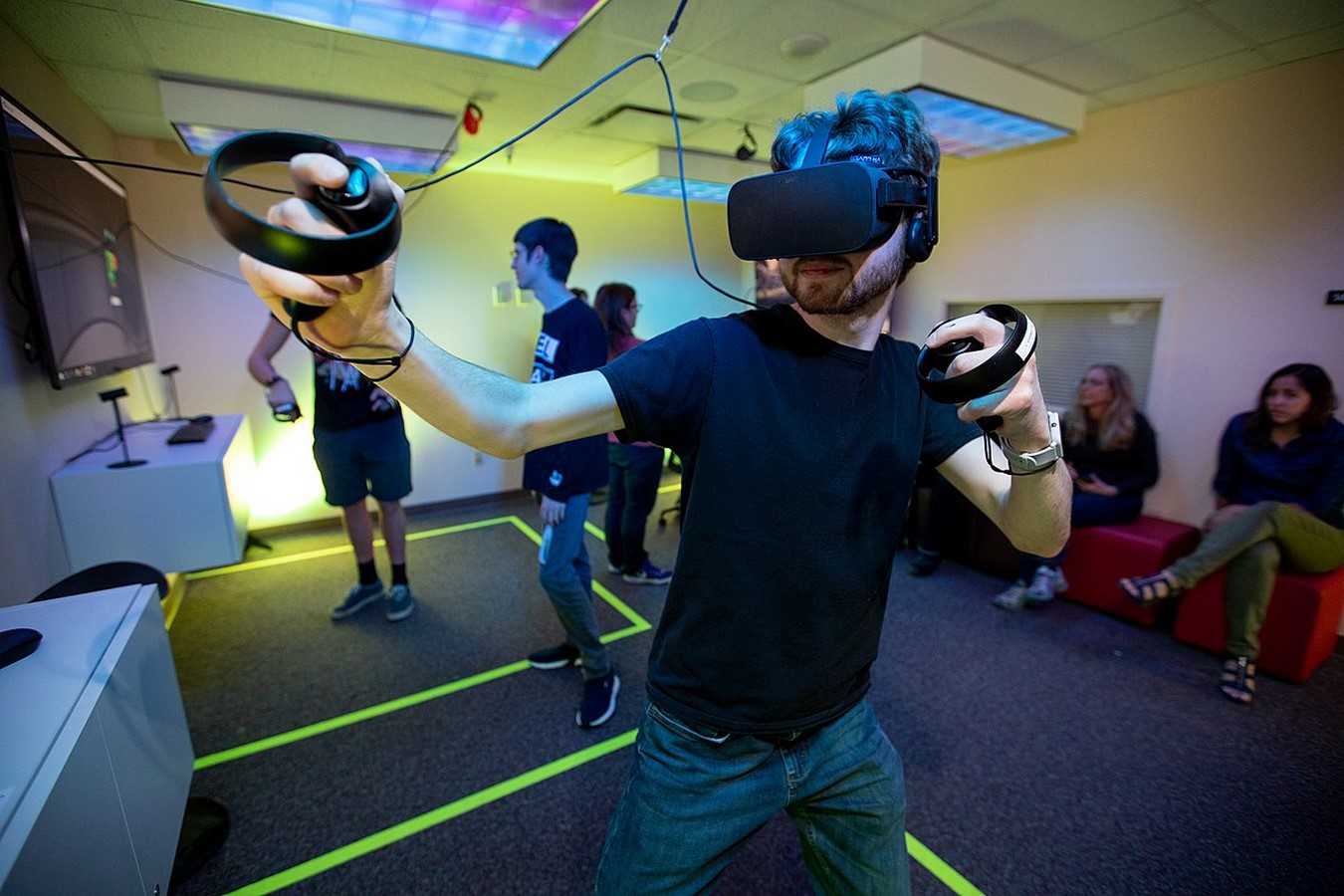
Virtual Reality (VR) – In fewer words, virtual reality means near reality. It is a three-dimensional computer-generated world that a person can experience. This person becomes part of this world where he can perform activities as per his choice. One can encounter this through the headset, special gloves, etc.
Augmented Reality (AR) – It is the amalgamation of the real world with digital information in real time. It acts as an extension of the real world. It is achieved through the use of digital visual elements, sound, and other sensory stimuli.
Example: Pokemon Go

Artificial Intelligence (AI) – It is a simulation of human intelligence in a machine to act or perform as humans and copy their actions and activities.

Metaverse is contemplated as the next advancement of the internet, where it will be available in the form of online get-togethers, business meetings, and gaming.
Architecture and Metaverse
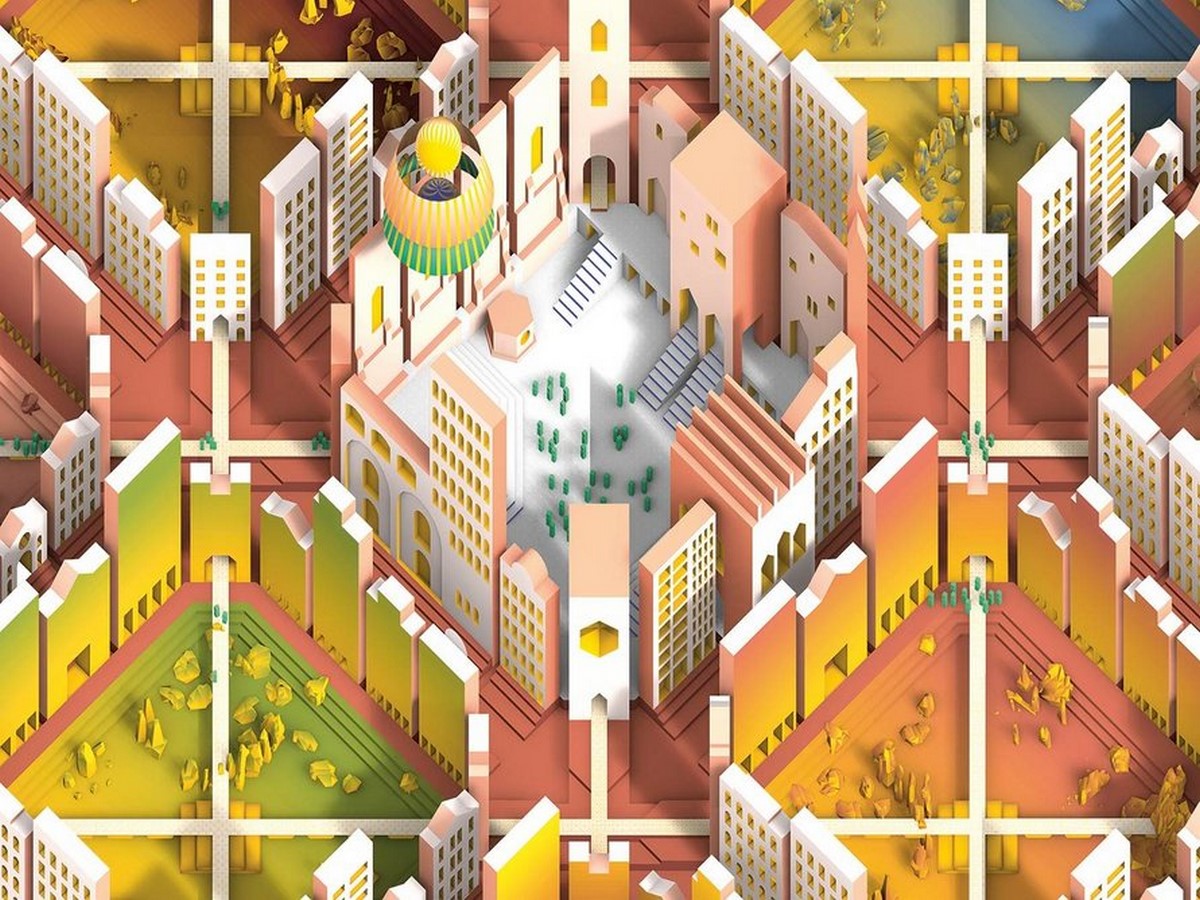
Metaverse is the virtual world where people can live, play and work. But for people to do that, they need a developed and designed area. Like in the real world, where architects plan the layout of a city and design buildings for them, the same is needed in the virtual world. They build and enhance the spaces where people can reside, have offices, and have community gatherings. The architects plan out these environments from scratch and can go wild with their imaginations through geometry, fluidity, and illustrations, unlike the real world where there are restrictions due to construction, policies, and nature. But along with planning the layout of the city and designing buildings, these architects have additional jobs of 3d models, avatar developments, user interface, and also maybe game design. An architect will have to mingle with people from many departments to have a curated space designed for people to access. There are movies and series that very well depict how designers from the real world collaborate with the virtual world, movies such as Matrix and Free Guy, and series like Upload.
Architecture, Metaverse, and Video Games
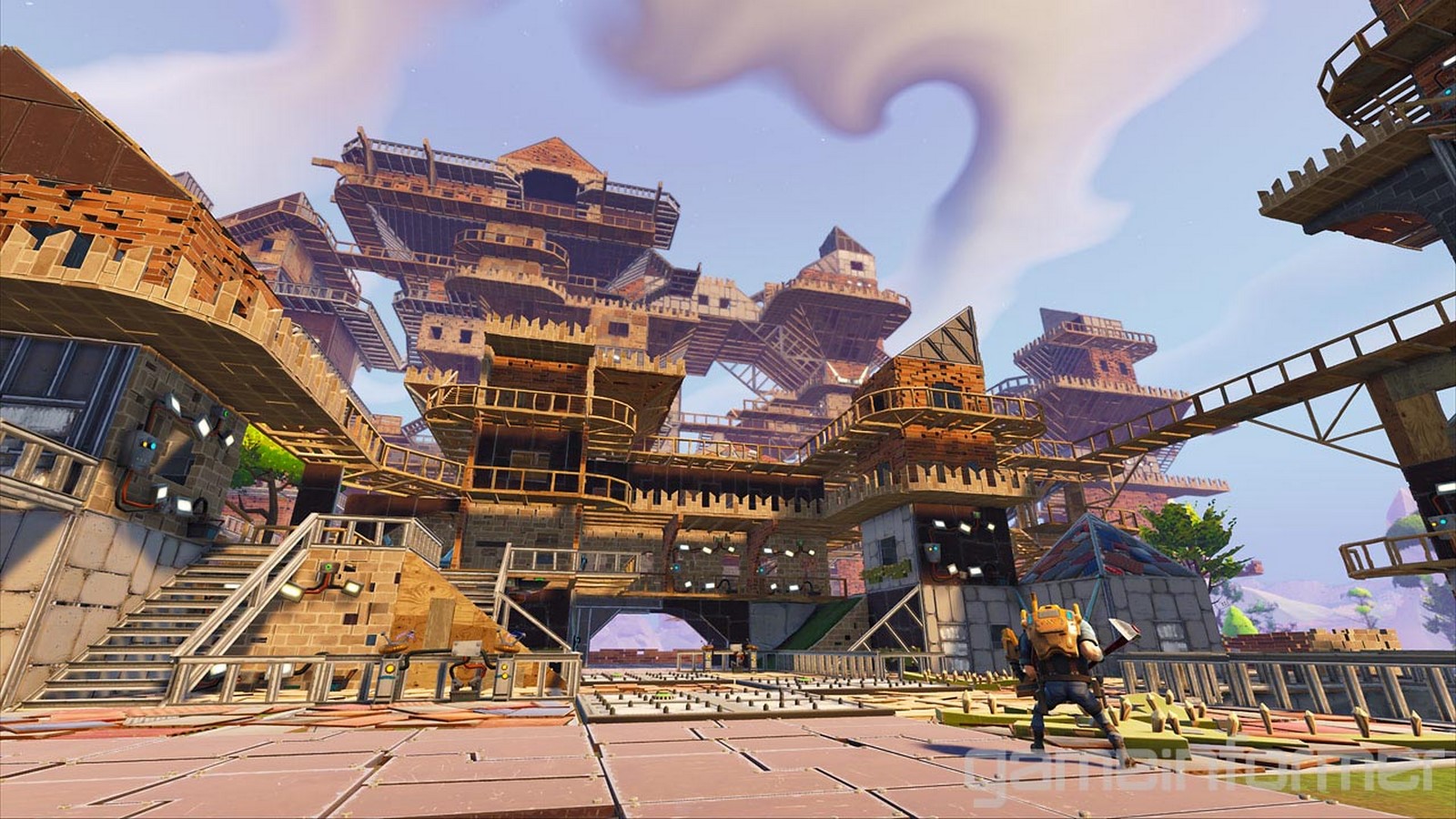
The world of video games is the most fascinating space. For a video game, its architecture is a lot more important than any other aspect. The character development, the effects and lighting, and the difficulty level of the games are designed by the game architects of the gaming world. The virtual built environment of these video games sets the mood of the game.
Architecture plays a very significant role in the world of video games, without which the games may become uninteresting. Video games like Fortnite, Assassin’s Creed, and PubG, have very well-developed environments for people to play and explore. The experience of the user depends on how well the surrounding context makes them feel. Even when they can’t physically touch an object in that universe, the reactions that the character gives when something happens around them or to them also give a realistic feel.
Architecture, Metaverse, and Real Estate

As we talk about living in the metaverse, there are virtual spaces that are being designed for the clients out there. For example, in digital fashion H&M has launched their 1st virtual showroom and are out open to people and media to explore their products with the finest quality experience. Some architects are preparing 3D models for indoor or outdoor furniture, houses, office spaces, or conference halls, and of course in digital fashion.
It also helps architects in the real world. The designs of the building from the real world can be replicated in the virtual world with the help of simulations to understand the life cycle of the building and how it would work in the context that it is planned. Also, the client can be allowed to experience the space in the virtual world and get the first-hand feeling of living in the space even before building one.
Well-known architects like Zaha Hadid Architects and Bjarke Ingels Group Architects have started their research on architecting in the metaverse universe. They have also bagged projects for themselves like ZHA has collaborated with PubG to build a virtual environment for the players worldwide to interact and entertain, and BIG architects have started designing Decentraland Headquarters for VICE. Some architects have started working on projects for Decentraland, and there is a firm called Metaverse Architects that specifically works for the metaverse universe.


Conclusion
Although the future of the metaverse seems bright today, and it is offering a lot of opportunities, especially to the architects, no matter the age, nationality, or gender, can it really compete with the real world? We say that the metaverse is the next progressive step towards development and that people can eventually do everything that they do in the real world, but our strings are still attached to the real world, and everything happening here is going to affect us, unlike the metaverse universe. So the real question is will it last long?