Gardens are not just places where you plant trees and flowers. They are stories of culture, history and the people who made them. Each country has its own idea of what a perfect garden should be. Some are built for peace and meditation, and some are built to display power, beauty, and luxury. If you have occasion to travel in Japan, Persia and India, you will notice that each country possesses a very different style of garden. All of them celebrate nature but in their own way.
Japan : Peace in Nature
Japanese gardens are famous for their peaceful atmosphere. They would rather be simple and balanced than dazzling visitors with bright flowers. Rocks, water, moss and precisely pruned trees are placed to create peaceful spaces where people can relax.
One of the best-known styles is the Zen garden, where sand or gravel is often raked into elaborate designs. These lines are supposed to be running water. Large stones can act as mountains or islands, and can make a small garden feel like a whole landscape.
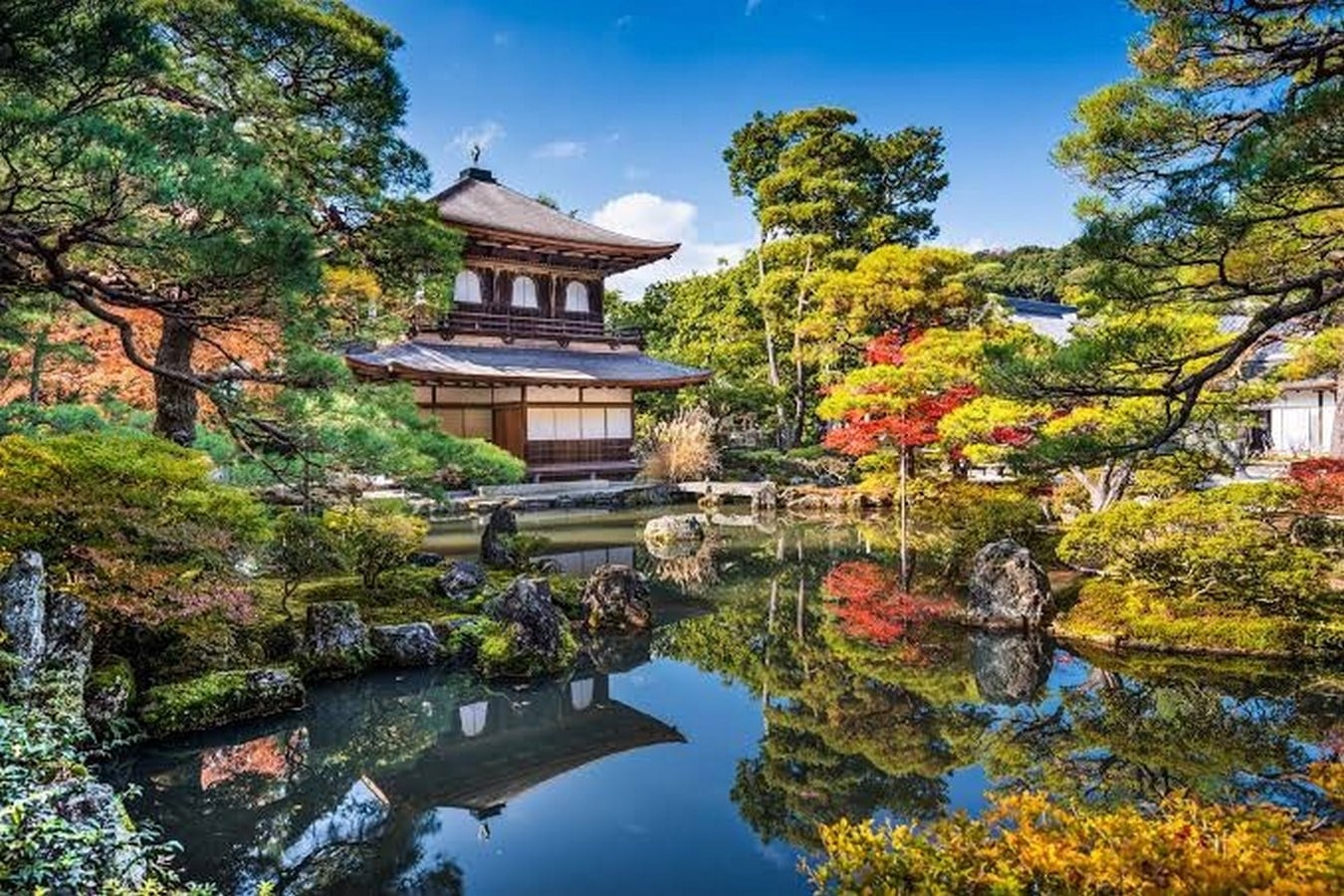
You’ll also find lots of Japanese gardens with little wooden footbridges, little ponds full of koi, and stone lanterns. Spring when these gardens are even more beautiful with cherry blossoms and autumn when bright red and orange leaves fall.
A walk in a Japanese garden is slow and quiet. Each corner is intended to entice visitors to stop and look and admire nature.
Persia – Gardens That Seem Like Paradise
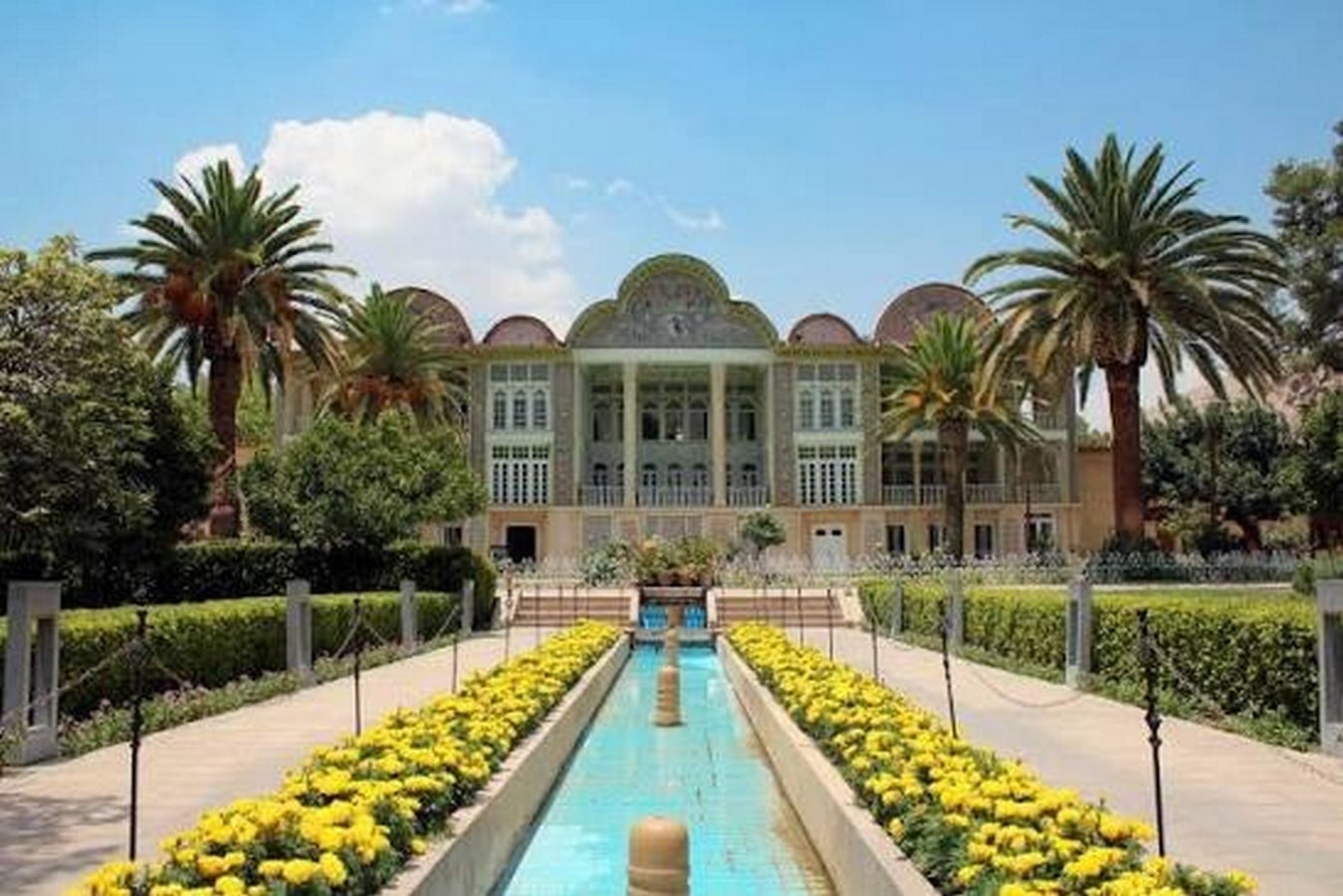
Persian gardens are quite different. Much of Persia (modern-day Iran) has a dry climate, so water became one of the most precious elements of the garden. Carefully constructed canals, fountains and pools were made to flow, to cool the air and make it refreshing.
In fact, the word “paradise” comes from the ancient Persian idea of a walled garden. The gardens were designed to be a place of peace, with fruit trees, flowers and shade.
A very frequent layout is called the Chahar Bagh, with water channels or paths dividing the garden into four sections. This design is about the harmony of man and nature.

Visitors often hear the water running before they see it. The trees are reflected in the pools and the atmosphere is calm and elegant, quite different from busy cities outside.
India: The Great Mughal Gardens
When the Mughal Empire ruled much of India, it brought with it grand gardens inspired by Persian designs. But Mughal architects introduced their own artistic ideas, creating larger and more decorative spaces.
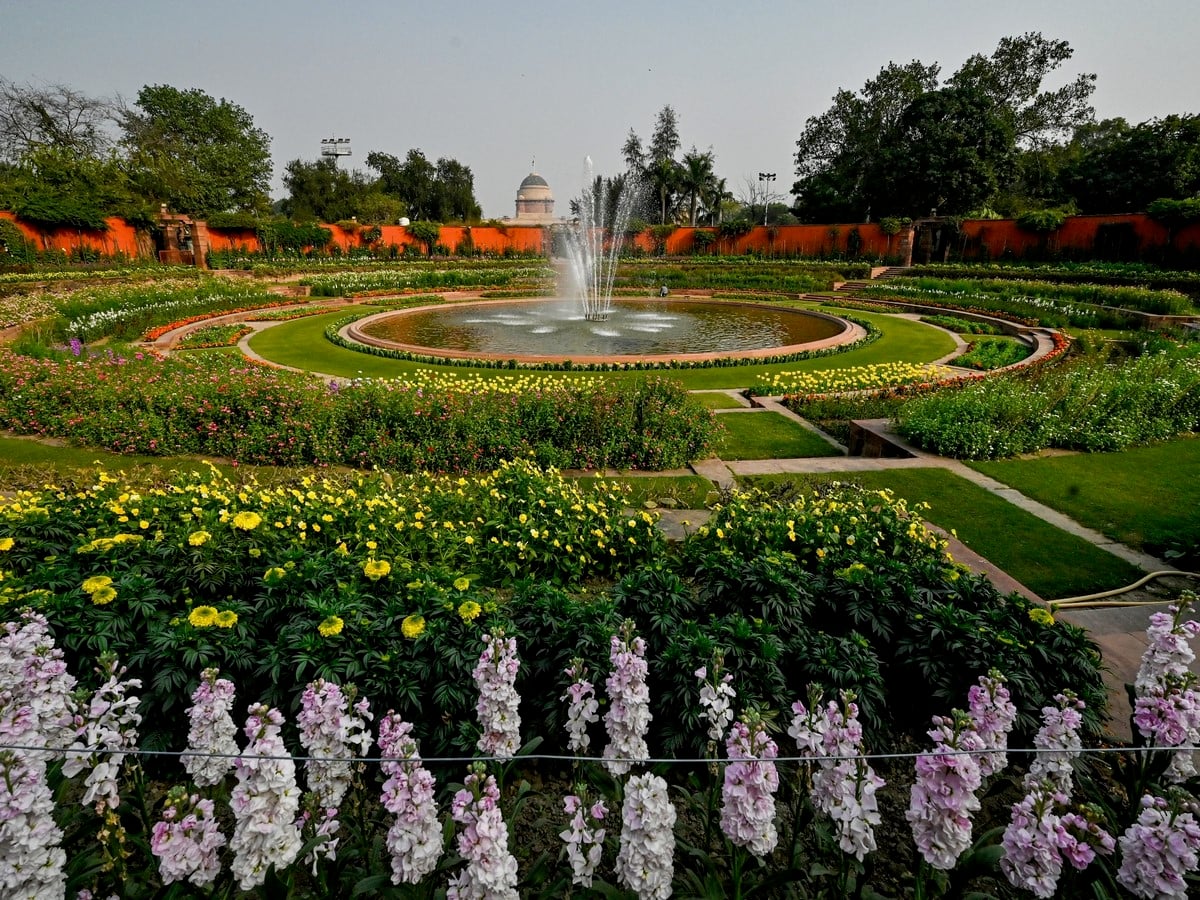
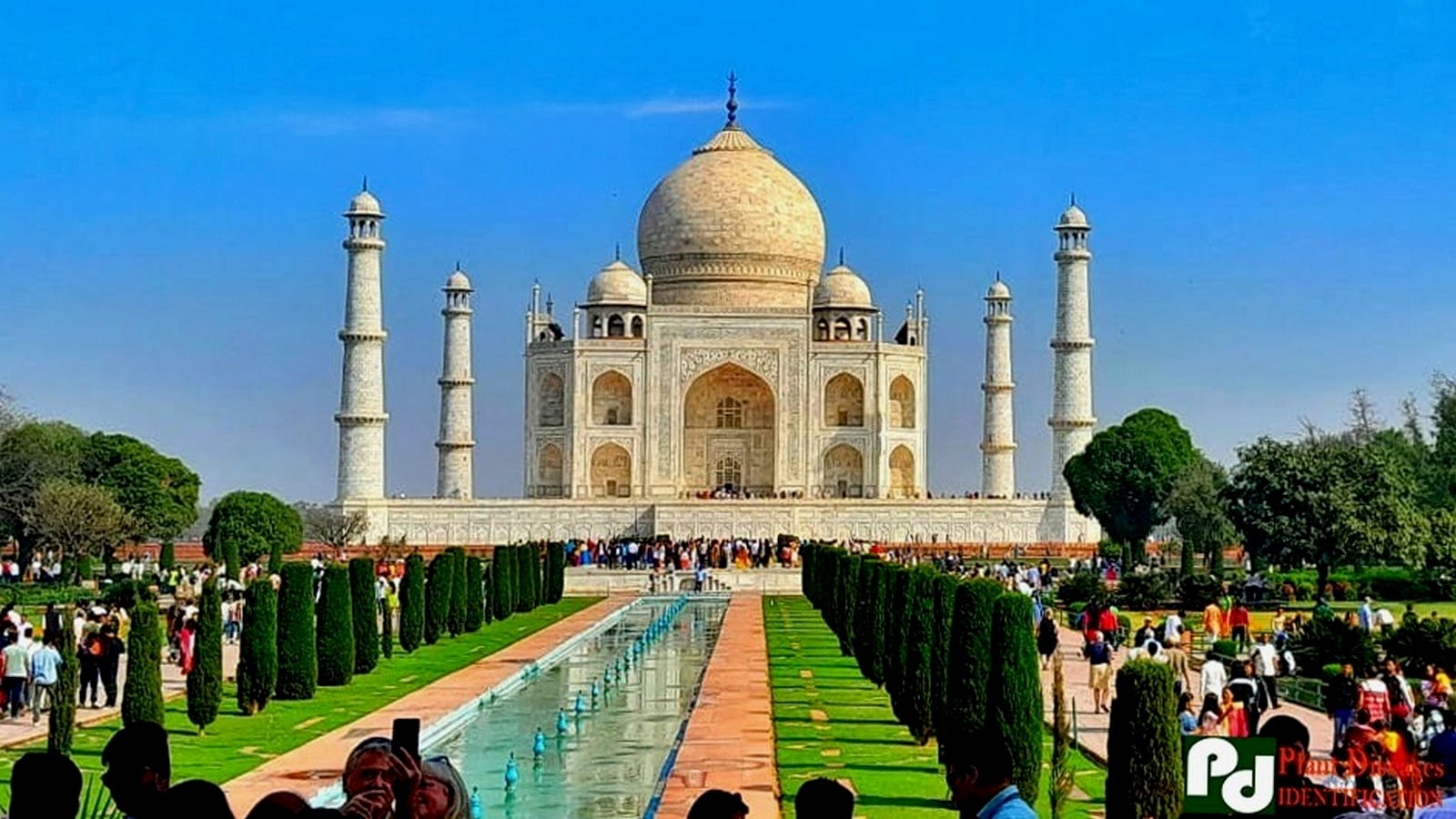
Mughal gardens are generally very symmetrical. Long water channels and fountains guide the visitor to the important buildings or monuments, while straight paths separate the gardens into sections.
The Taj Mahal gardens are probably the most famous example of this. The trees, colorful flowers, marble pathways and reflecting pools all combine to make a breathtaking view.
Shalimar Bagh is another beautiful place in Kashmir. There are terraces surrounded by mountains and flowing water runs through them. The gardens are full of colored flowers and green trees in the spring and summer.
These gardens were built not only for beauty but also as places where emperors could relax, have meetings or spend time with their family.
Difference
The difference is mainly in their purpose. Japanese gardens are designed to promote meditation and contemplation. Water and shade are the comfort of Persian gardens in hot climates. Mughal gardens are a fusion of Persian ideas and Indian craftsmanship to create spaces that celebrate beauty and royal power.
No matter which garden you visit, you’ll notice that these places are more than tourist attractions. They are living pieces of history, carefully preserved so future generations can experience the beauty, peace, and creativity of the past. Whether you’re walking through a quiet Zen garden in Japan, listening to flowing water in a Persian garden, or admiring the grand symmetry of a Mughal garden in India, every visit leaves a lasting memory.