Psychology and Architecture
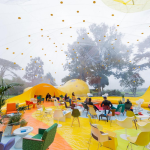
As Zaha Hadid rightly said, Architecture should be able to excite you, calm you, and make you think. Do the spaces around build a conversation with you? Do you enter a space and it enlightens your mood? It does, right? This has happened with everyone and the logic behind is Psychology of Architecture.
Psychology is a study of human emotions and responses to any stimulation at a particular time and it is linked with architecture as it impacts the user’s behaviour and emotions. It is a relationship between an individual and their surroundings that defines how the color of walls in the bedroom, the amount of light entering your workspace, or the material used in your furniture affects your state of mind. As rightly said by EberHard, ‘Buildings can be depressing and uplifting, soothing or surprising’; buildings directly impact our emotional state.
Architectural psychology, also known as psychitecture, is an interdisciplinary field of science that explores the relationship between built environments and human behavior, cognitive processes, and emotional responses. It is the science of human experience and behavior in the context of the space designed or influenced by humankind. It involves the application of research and studies from the various science related fields such as psychology, neuroscience, and sociology to guide the design of spaces that promote well-being, productivity, and happiness.
Understanding Psychological Architecture
The built environment impacts our judgments, analysis, decision-making process, moods, emotional well-being, health, and community participation. Having a positive environment will help one deliver better performances, stay healthy and satisfied, and will drive an individual to stay focused. The perception of space varies with its users and it is important to design a space in a certain way that follows psychological driving factors and provides comfort to each user. A space should be customizable by different clients according to their needs and it can happen through more understanding and combined participation between architect and psychologist towards the psychology of architecture as the actual happenings can only be analyzed with professionals from concerned spheres.
Sensory Experience in Architecture
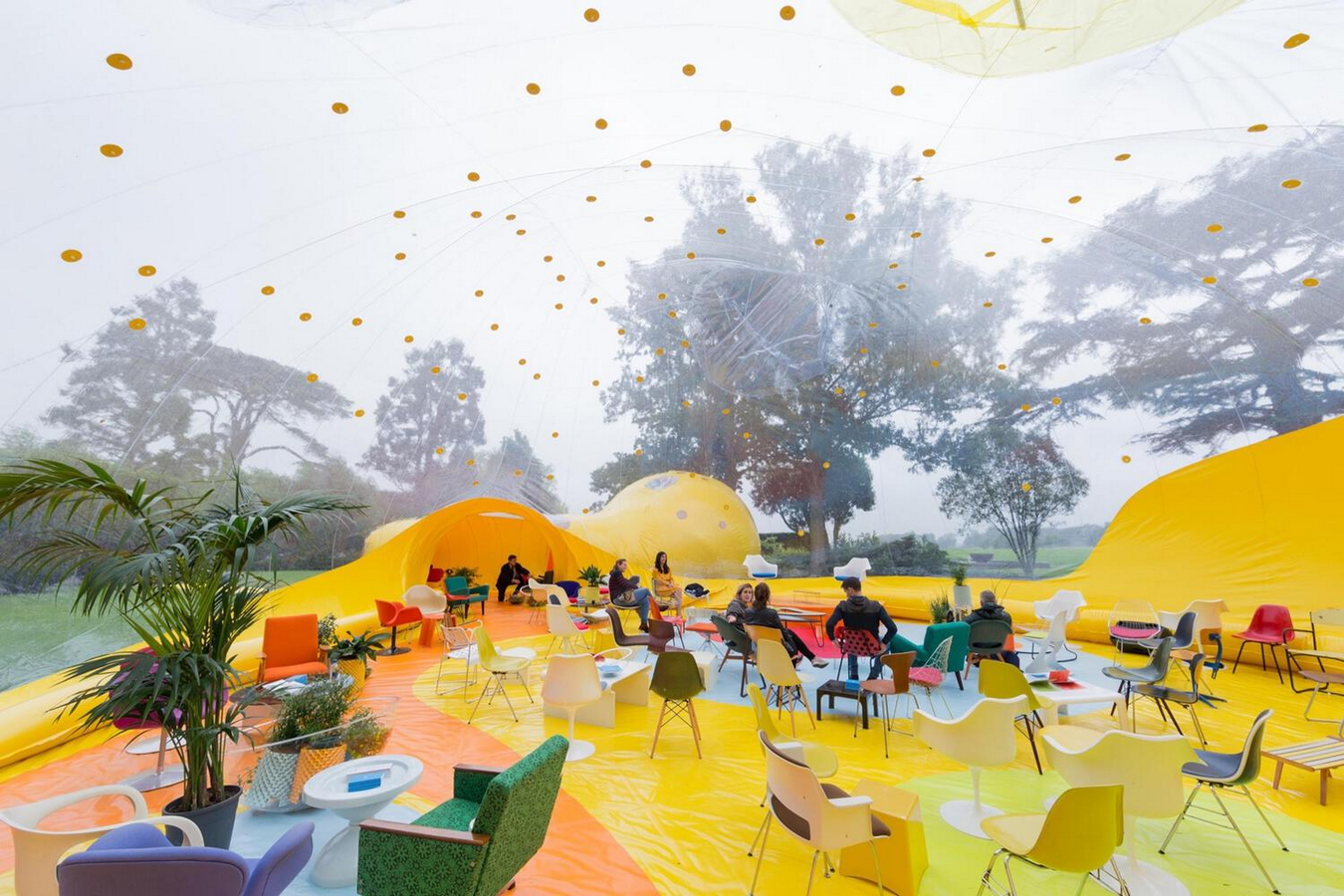
Colors, as an important design element, have a huge emotional impact on the users. Colors reflect their relationships and experiences and also help in shaping up the same. Depending upon their intensity and emotional impact, different colors are stated as suitable for different areas. For instance, greens can be used in the kitchen, beiges can be used in dining spaces, and purples, and pinks in kid’s rooms. In hospitals, white is the commonly used color as it is soothing to the eyes and catalyzes the healing of patients. The fast-food joints use bright colors such as reds and oranges, and hard furniture to ensure fast eating and movement while the restaurants instill warm darker shades to convey comfort and leisure.
Biophilic Design Principles
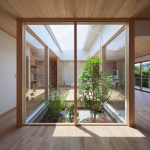
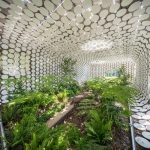
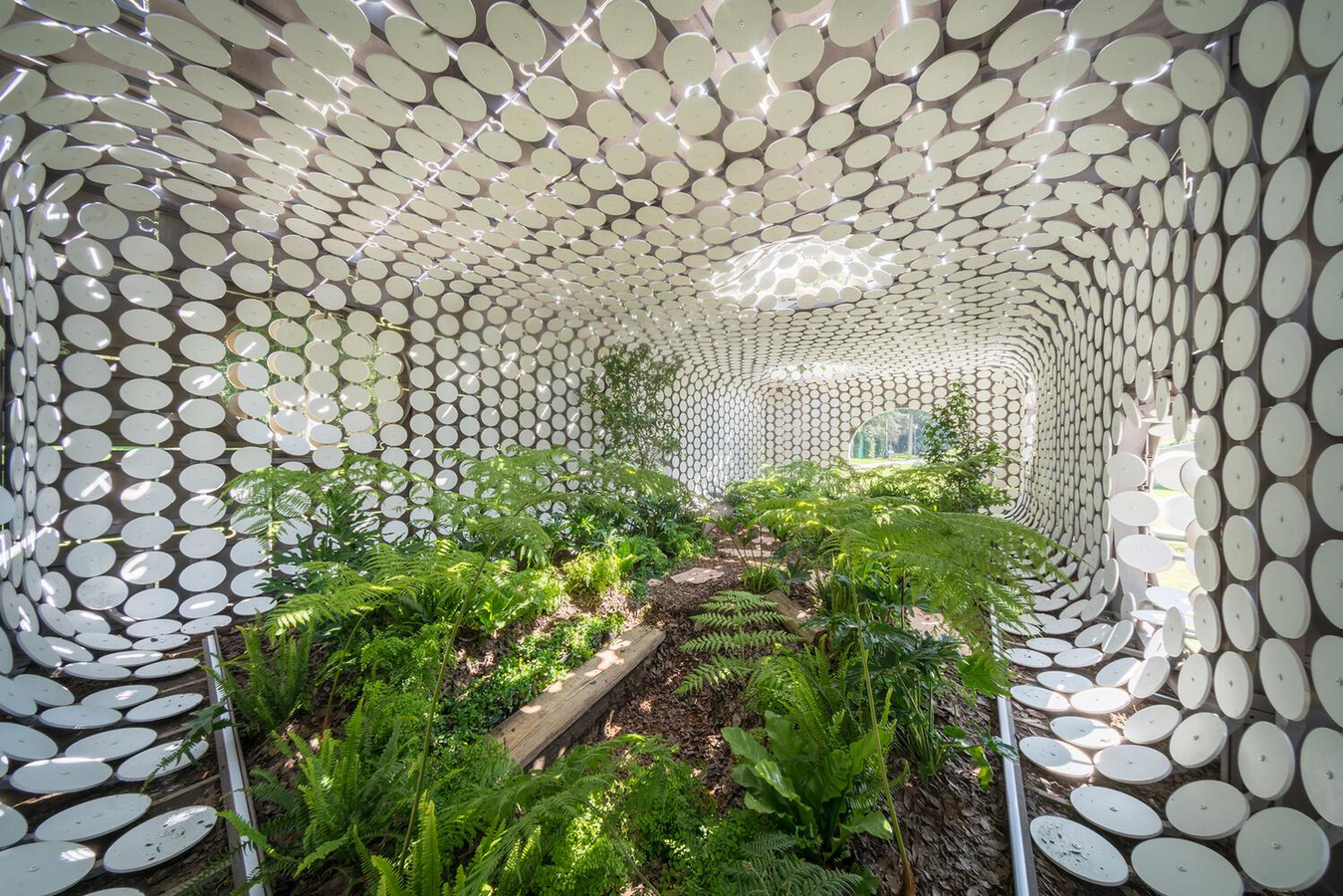
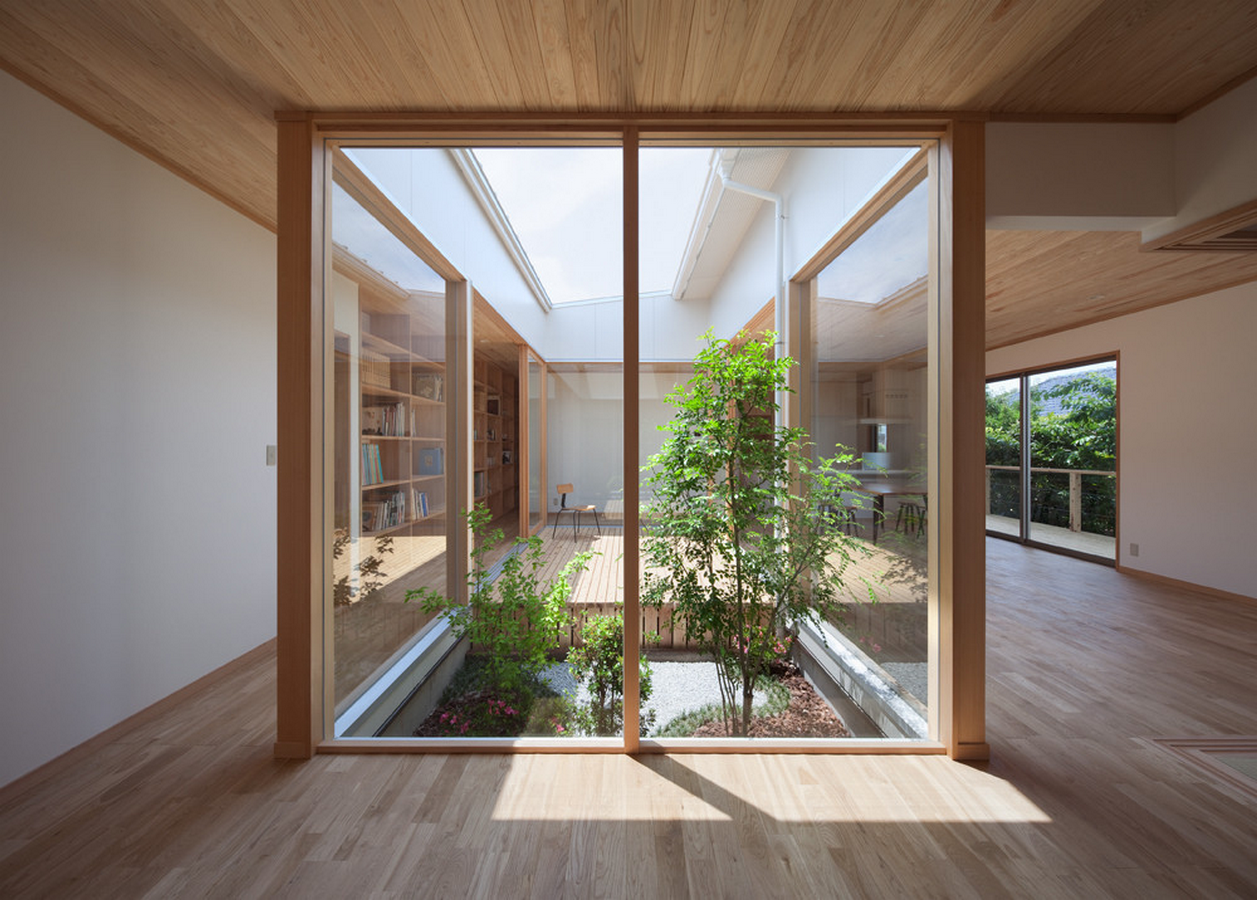
Biophilic designs connect people with nature and help in improving mental health. Incorporating indoor plants, green walls, and water features help in reducing stress and uplift the mood. For example, integrating green spaces like courtyards into residential or office interiors foster relaxation and cognitive restoration. Studies have revealed that visual access to nature decreases anxiety and promotes overall psychological well-being.
Natural Light And Open Spaces
Natural light and open spaces significantly boost emotional health. Incorporation of large windows, skylights, and translucent walls maximize daylight exposure into the spaces inside. This helps in reducing symptoms of depression and boosts productivity. Open and airy interiors create a sense of freedom and eliminate the feelings of claustrophobia. In schools and educational institutions, integration of abundant natural light enhances concentration and minimizes stress, creating more supportive learning environments.
Spatial Psychology
Designing a home as an ecosystem takes into account the interconnectedness of various factors, such as natural light, ventilation, acoustics, and spatial organization, to create a harmonious and nurturing living environment. Architectural psychology provides insights into how these design elements can influence our mood, productivity, and overall well-being. Considering architectural psychology in the designing of a residential space allows for the creation of spaces that promote positive experiences and support the physical and mental health of the occupants. It helps in optimizing the functionality, comfort, and overall quality of life within the home. Some key principles include maximizing natural light and views, creating a sense of privacy while maintaining a connection to the surroundings, utilizing proper acoustics to control noise levels, and integrating nature-inspired elements into the design. These principles enhance the psychological well-being and satisfaction of the occupants.
Studies on Ceiling Height in terms of the psychology of architecture show the kind of impact they make on cognition. The heights affect the thinking process of an individual, the congested-low ceiling units reflect confined thoughts while people in open spaces have more freedom of thought. This can be an effective reason behind the grand structure of religious buildings such as in the case of temples and churches to impart positivity and a sense of release of fear and negativity.
The interdisciplinary cooperation between architecture and psychology is almost inevitable. Architecture has to consider human factors, while psychology is the science of human experience and behavior. This cooperation, however, presumes the acceptance and the constructive handling of a number of subject-specific particularities: Architecture has always been created for people and therefore has its own culture and tradition of knowledge about human nature. Architectural psychology has to develop a positive and conscious attitude toward this tradition and culture.
References:
Trivedi, A. (2022). Psychology Of Architecture: Impact Of Spaces On Our Behavioral And Emotional Patterns | The Decor Journal India. [online] The Decor Journal. Available at: https://www.thedecorjournalindia.com/psychology-of-architecture-impact-of-spaces-on-our-behavioral-and-emotional-patterns.
Abel, A. (2021). What is Architectural Psychology? Dimensions, 1(1), pp.201–208. doi:https://doi.org/10.14361/dak-2021-0126.
eob (n.d.). The Power of Architectural Psychology. [online] Truehome Design Build. Available at: https://truehomedesignbuild.com/the-truehome-method-architect-psychology/.
Sen, E.A. and Sen, E.A. (2024). Top Architectural Innovations for Mental Health: Designing Spaces That Heal and Inspire | illustrarch. [online] illustrarch. Available at: https://illustrarch.com/articles/36849-architectural-innovations-for-mental-health.html