Origins: The Grounded Beginnings
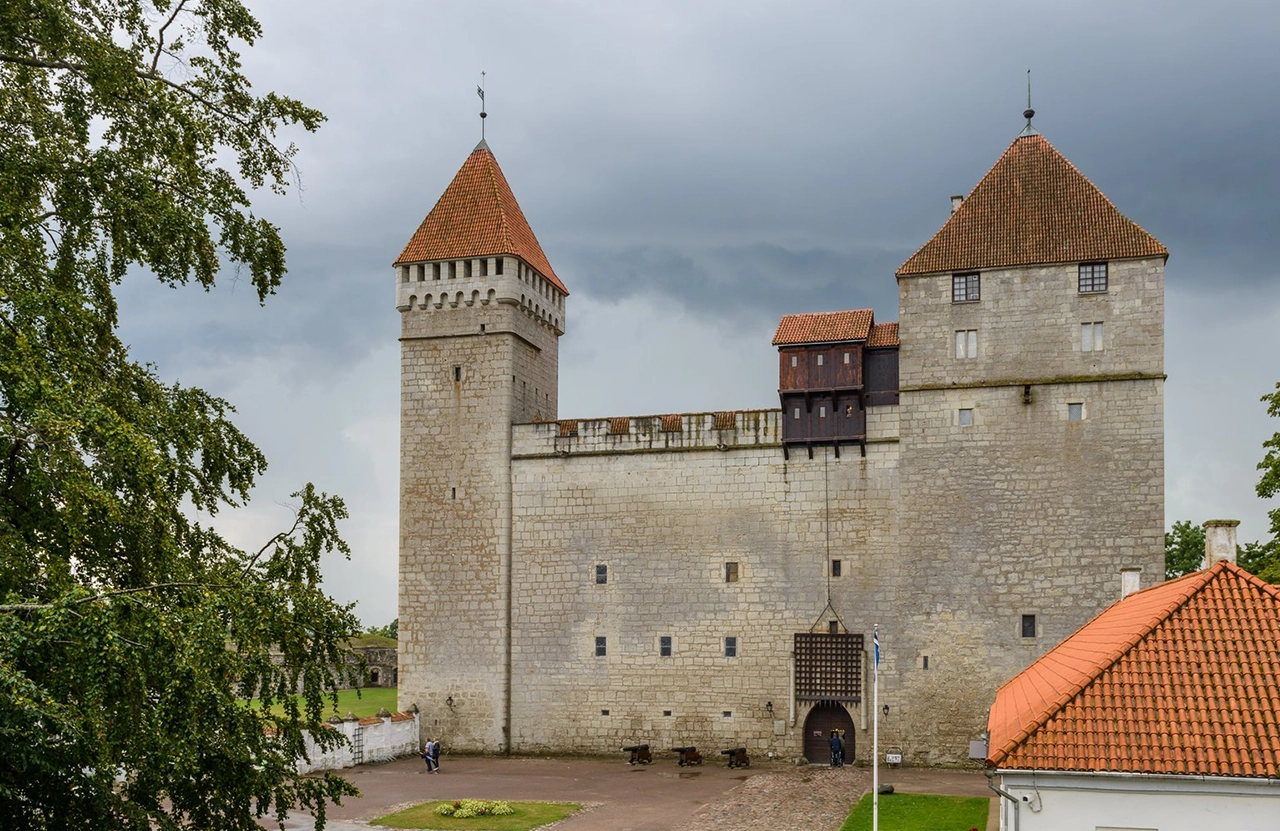
In the windswept southern edge of Saaremaa, where the Baltic Sea presses itself into shallow inlets and limestone shores, Kuressaare Castle rises with an almost geometric calm. It stands with a clarity so absolute that it feels less like something constructed than something uncovered—an object coaxed from the island’s stone, its mass emerging the way a coastline emerges from fog.
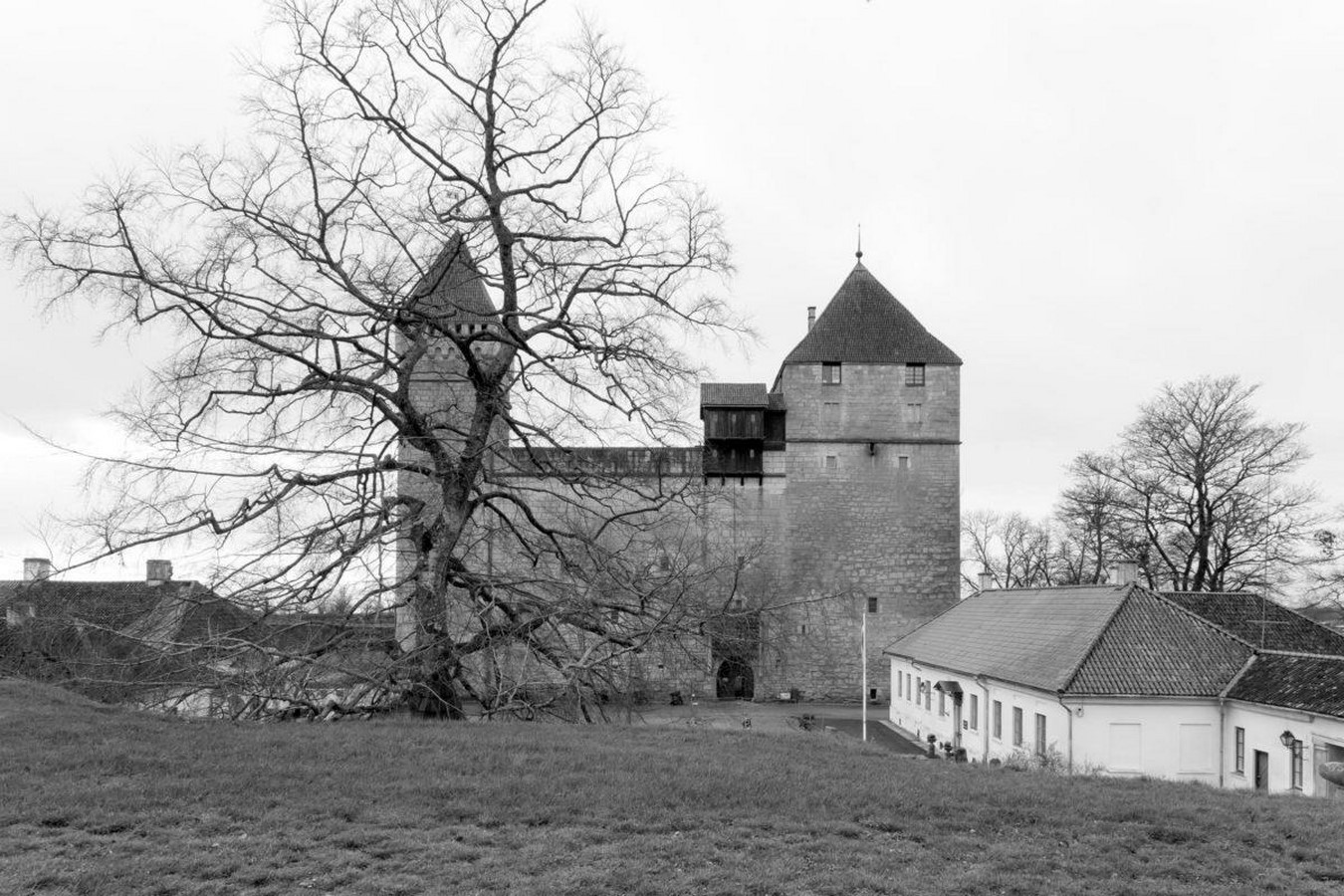
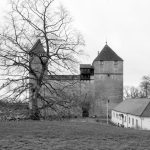
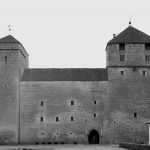
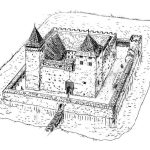
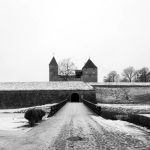
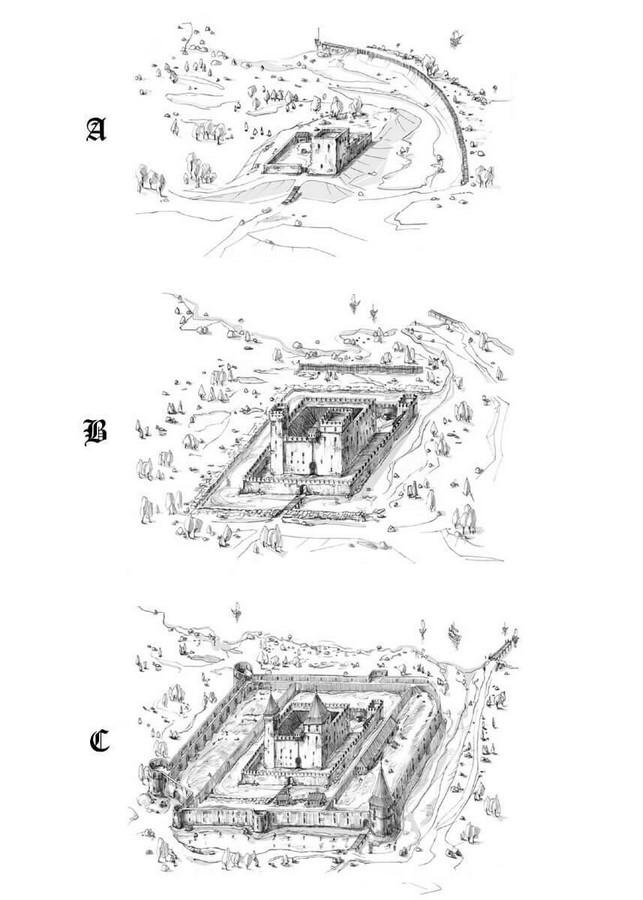
Unlike the layered, incremental citadels of the Mediterranean or the sculptural fortresses of Central Europe, Kuressaare reads as a single resolved gesture: a square, a courtyard, two corner towers, and a perimeter wall that meets the horizon like a line drawn with total conviction.
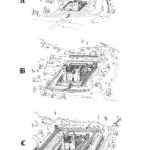
To understand Kuressaare, one must first understand its island. Saaremaa has always been a contested geography—conquered by the crusading armies in 1227, yet repeatedly reclaimed by its pagan inhabitants. Revolts ignited throughout the thirteenth century, and only after the uprising of 1260 did the Teutonic Order begin stabilizing its hold. The earliest fortifications here were provisional: embankments of earth and timber, defensive gestures rather than architectural declarations, meant for an island that refused to remain subdued.
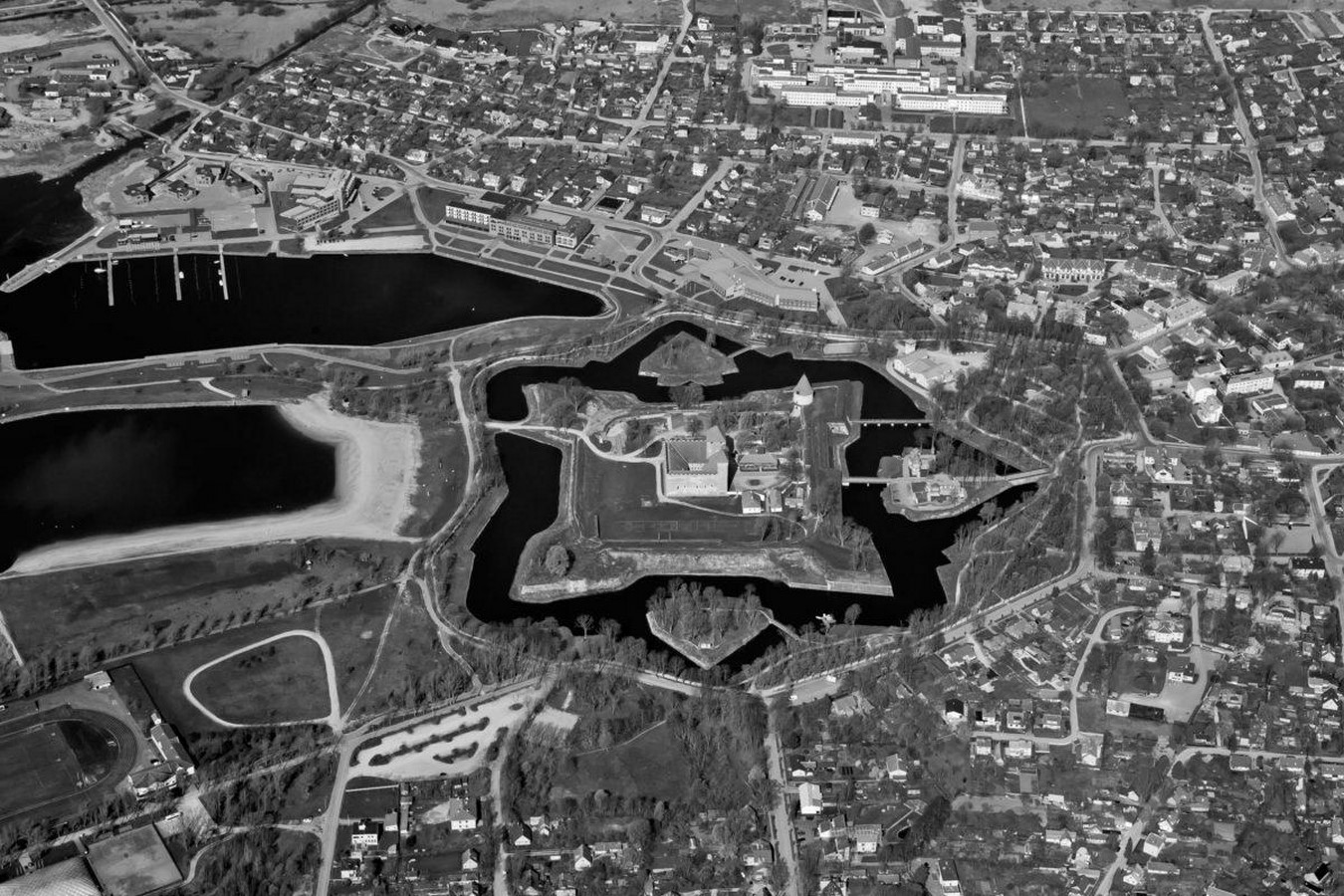
The stone castle we see today, known historically as Arensburg, emerged from a specific trauma: the St. George’s Night Uprising of 1343–1345. This violent rejection of foreign rule forced the Teutonic Order and the Bishopric to rethink the ontology of their presence. The result was a shift from the ephemeral to the permanent. The new fortress was not built to negotiate; it was built to endure.
Constructed in two major phases during the 14th century, the castle was not a commandery of the Order but the residence of the Bishop of Ösel-Wiek. This distinction is crucial: Kuressaare was an ecclesiastical apparatus—part palace, part fortress, part instrument of governance. It was a “micro-state” where the spiritual and the martial were fused into a single, rigorous volume of Kaarma dolomite.
A Fortress Built Inside a Conflict
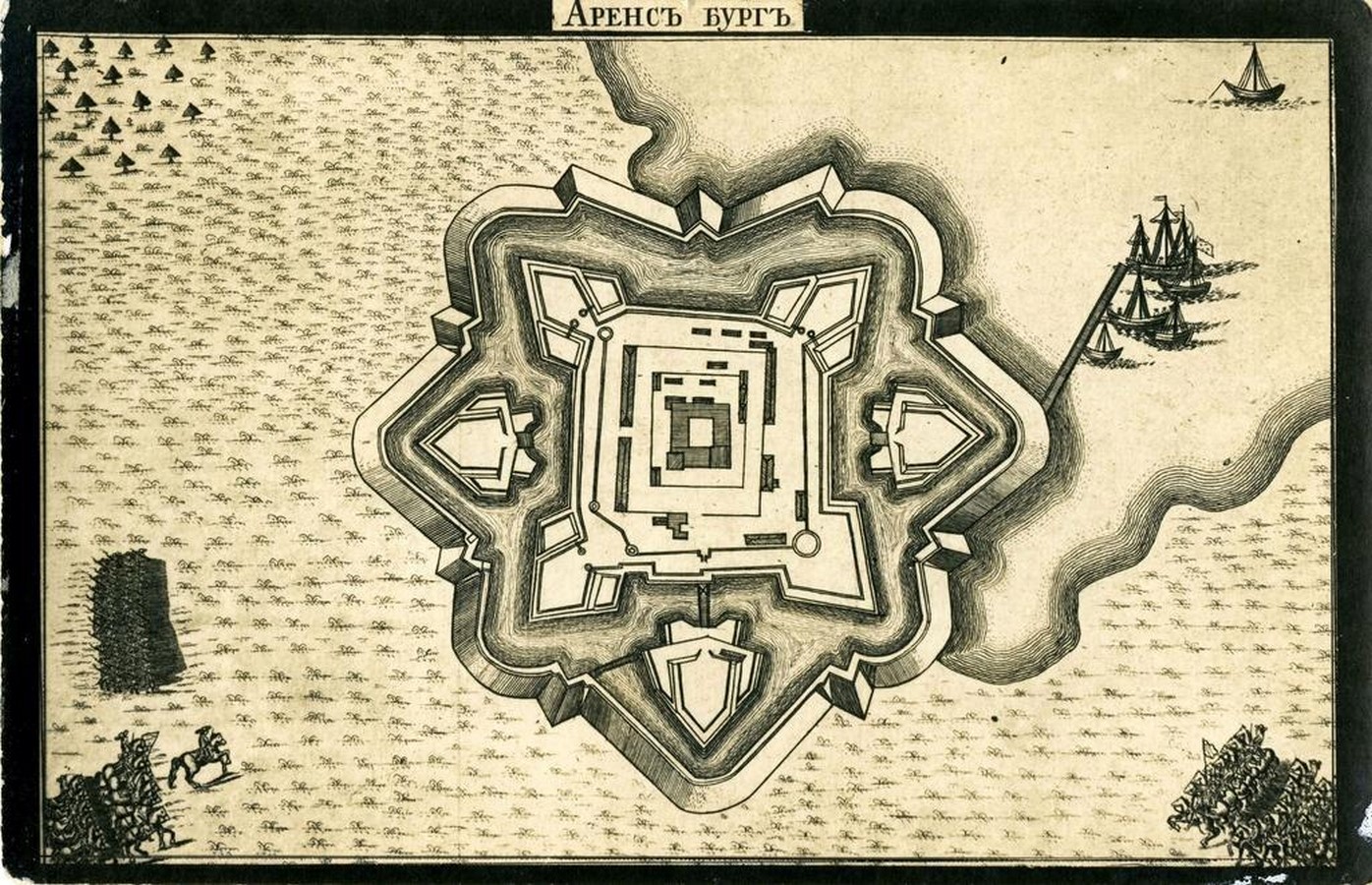
Arensburg was never a commandry seat of the Teutonic Order. It was the bishop’s castle—the remote stronghold of the Ösel–Wiek bishopric, shaped by ecclesiastical politics rather than purely military logic. Its plan and its atmospheres bear the traces of governance lived in perpetual anxiety.
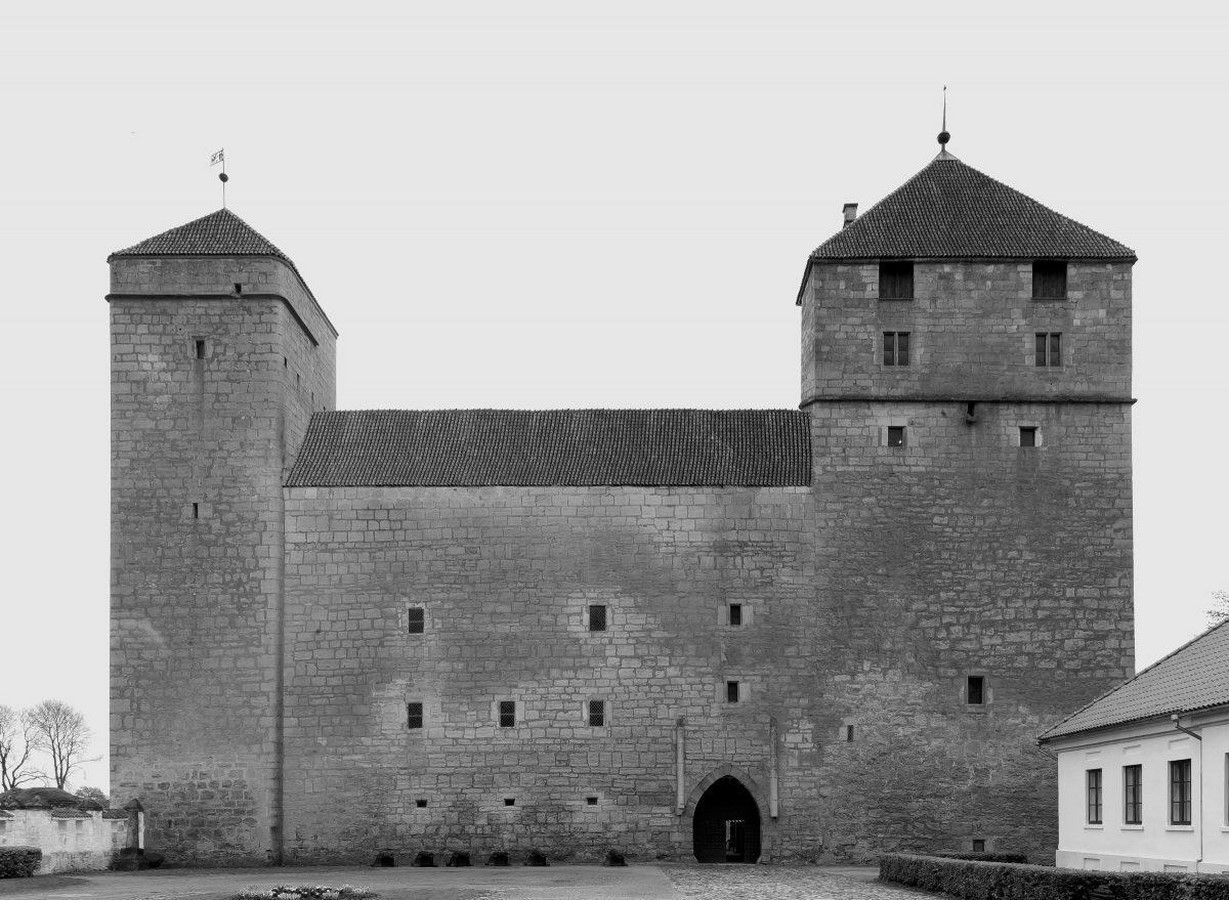
The first time the castle enters written history (1380/1381) is through violence: the murder of Bishop Heinrich III Bisco. Hated by his canons, accused of misusing funds and indulging luxuries, he was arrested, shuttled between strongholds, and eventually brought to Arensburg. Days later, he was discovered dead in the latrine shaft between the Long Herman tower and the adjacent residential range. Whether he fell, was pushed, or was placed there is uncertain.
But the event reveals two truths:
The castle was already architecturally complete—capable of serving as prison, refuge, seat of judgment, and symbol of authority. And its spatial corridors, shafts, and thresholds were entangled with the psychological tensions of the diocese. Here, architecture does not merely house history. It becomes its instrument.
The Spatial Logic of Dominion
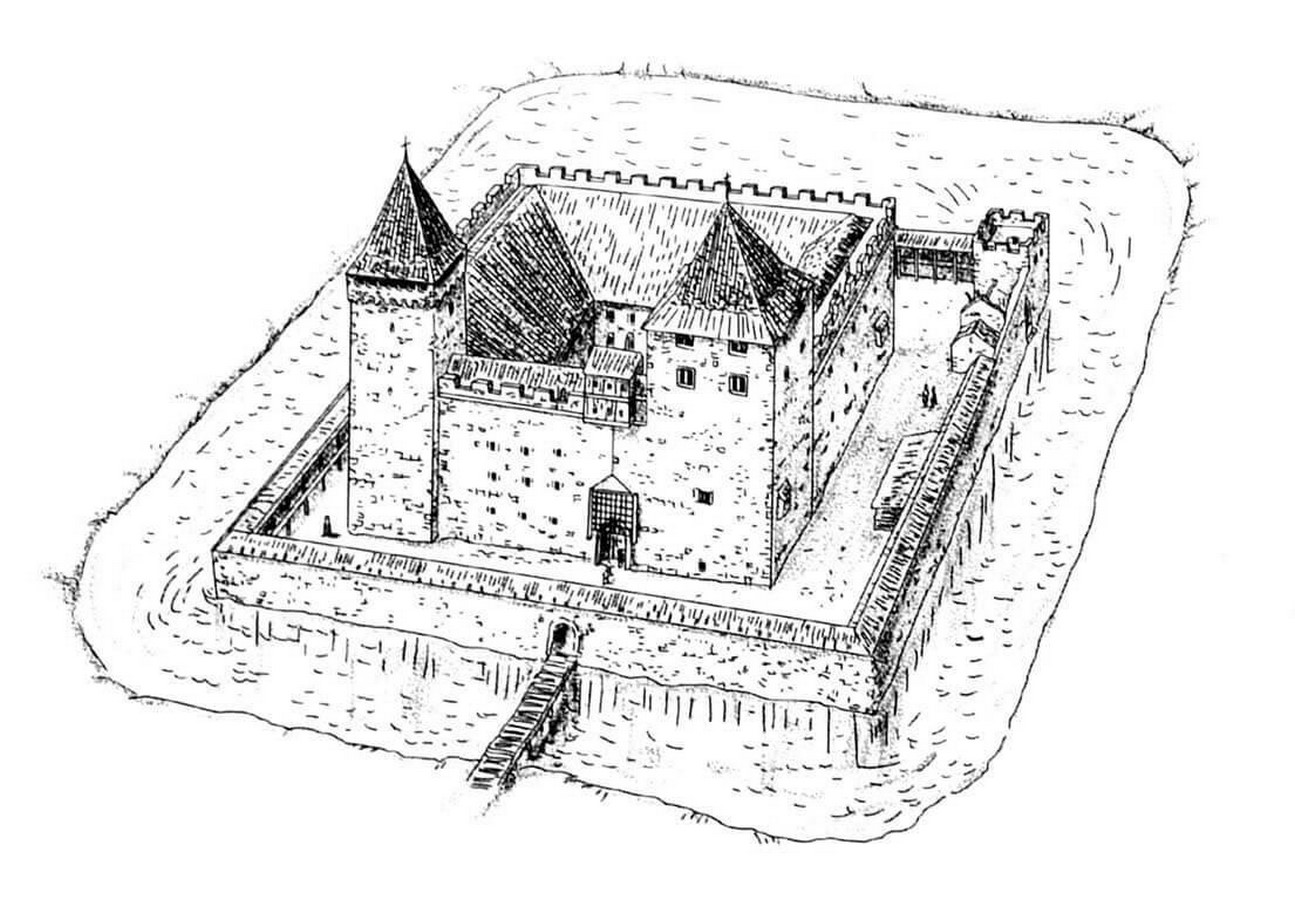
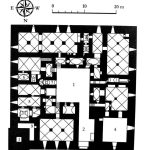
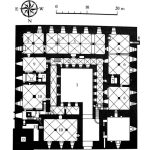
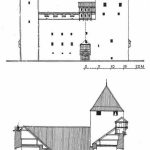
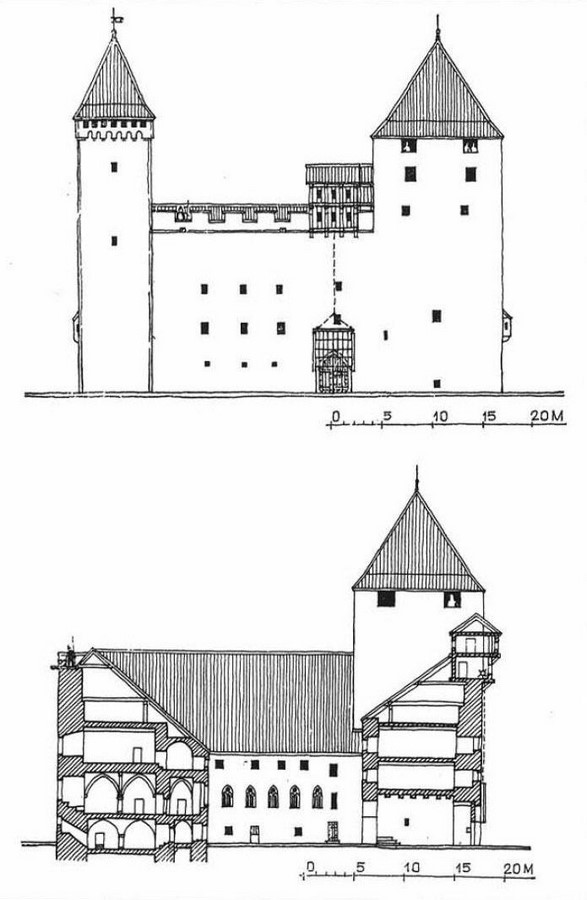
What makes Kuressaare singular is its monastic clarity of form. Unlike the accretive, organic growth of many medieval complexes, Kuressaare is defined by a terrifying formal clarity. At its core lies the Konventshaus typology: a strict square diagram measuring approximately 42.5 meters on each side. The plan is an exercise in absolute order.
The four residential wings frame a central courtyard—a captured “void” that creates a realm of interiority separate from the wild landscape outside. This courtyard is the lung of the building, a space of silence where the sky is framed as a ceiling. The smooth limestone façades, with their subtly rounded corners and unornamented surfaces, reject the decorative impulse. Instead, they rely on the “haptic” qualities of the material—the cold, massive presence of the stone—to communicate authority.
The volume is anchored by two opposing vertical vectors:
- Sturvolt (The Defense Tower): Located in the northwest corner, this massive, six-story block is the “muscle” of the fortress. Its lower levels are vaulted, designed for heavy artillery and defense.
- Long Herman (The Watchtower): Rising slender and tall in the northeast, this tower serves as the “eye.” Crucially, it is separated from the residential block by a deep vertical gap—a “line of fracture” that served both as a defensive break and a sewage shaft.
The mono-pitched roofs are concealed behind high parapets, allowing the defensive wall-walk to continue in an unbroken loop. This creates a continuous “ribbon” of surveillance, a panoptic geometry where the building itself seems to watch the horizon.
The Castle as Living Infrastructure
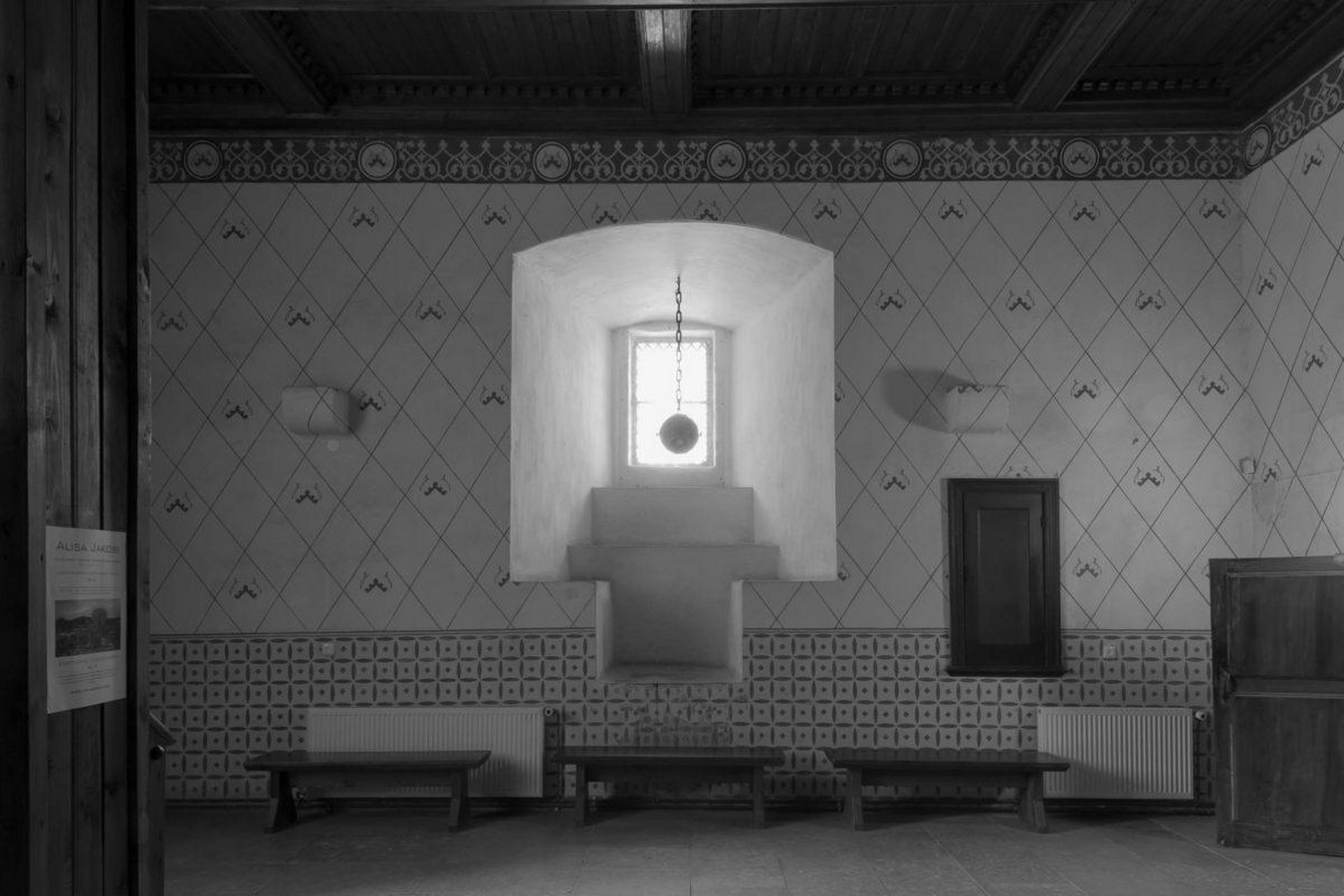
The heart of Kuressaare lies not in its battlements but in its interior life, unfolding across the piano nobile.
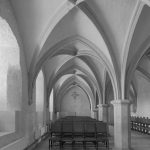
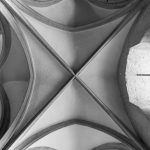
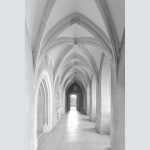
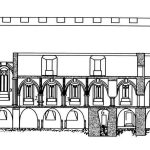
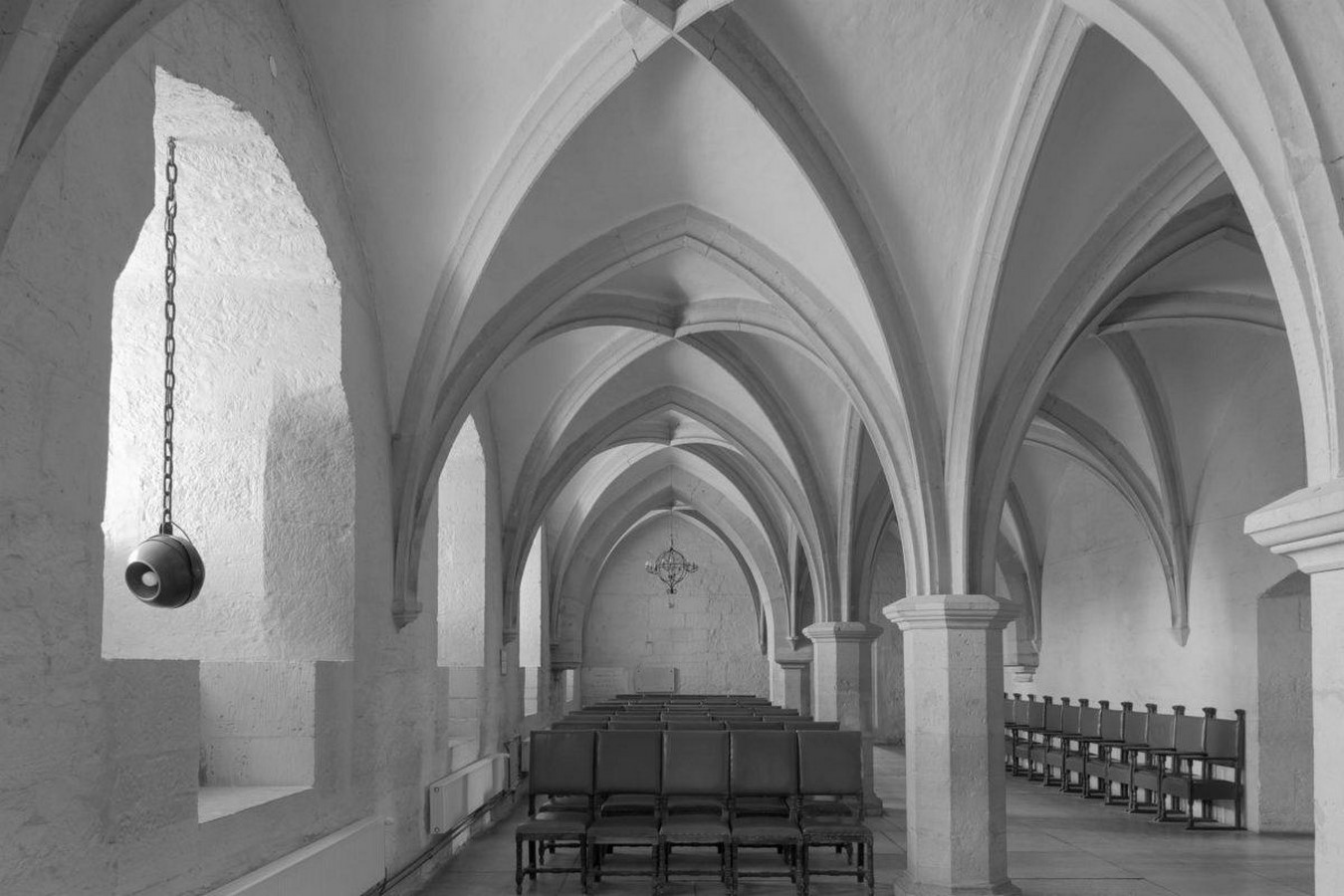
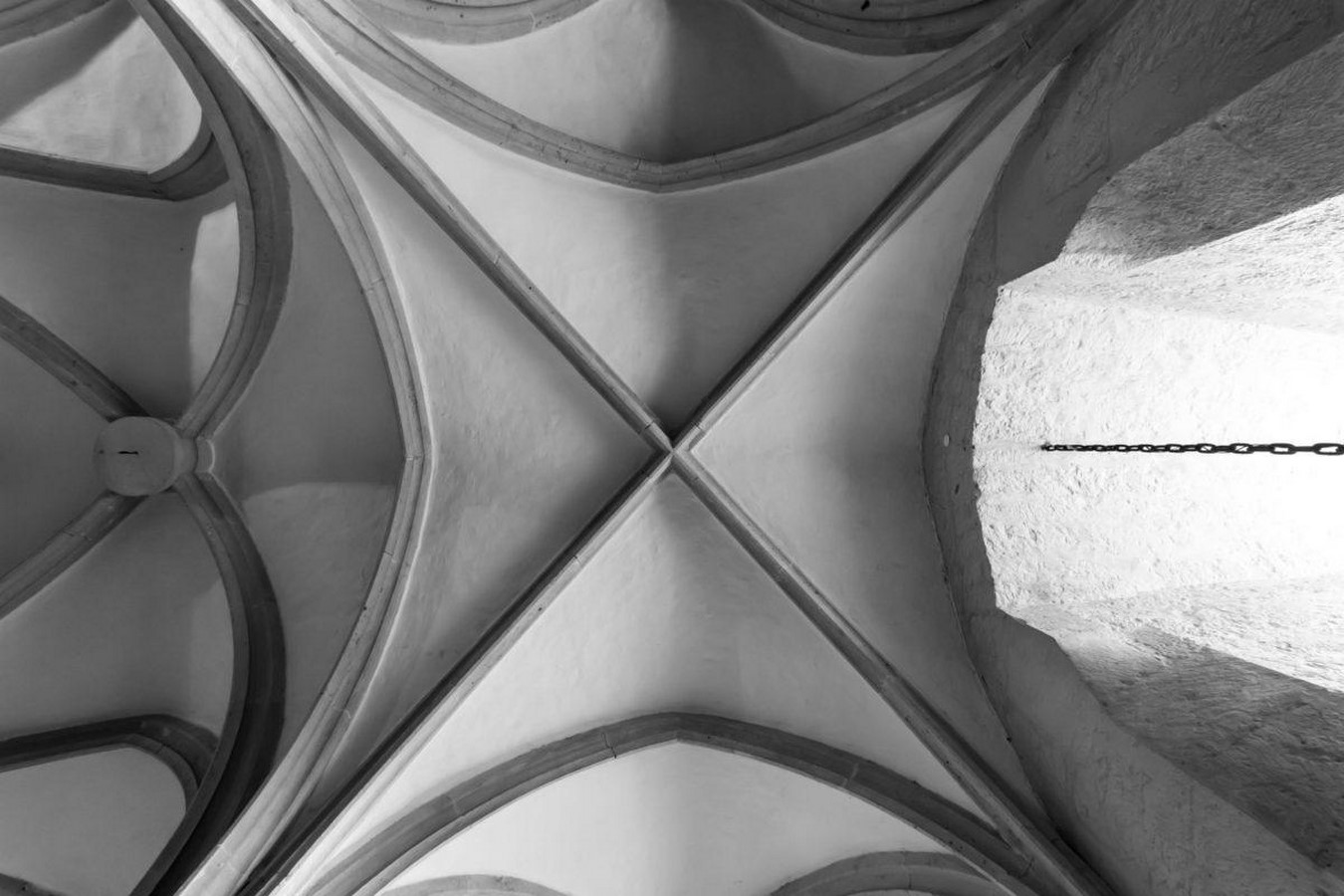
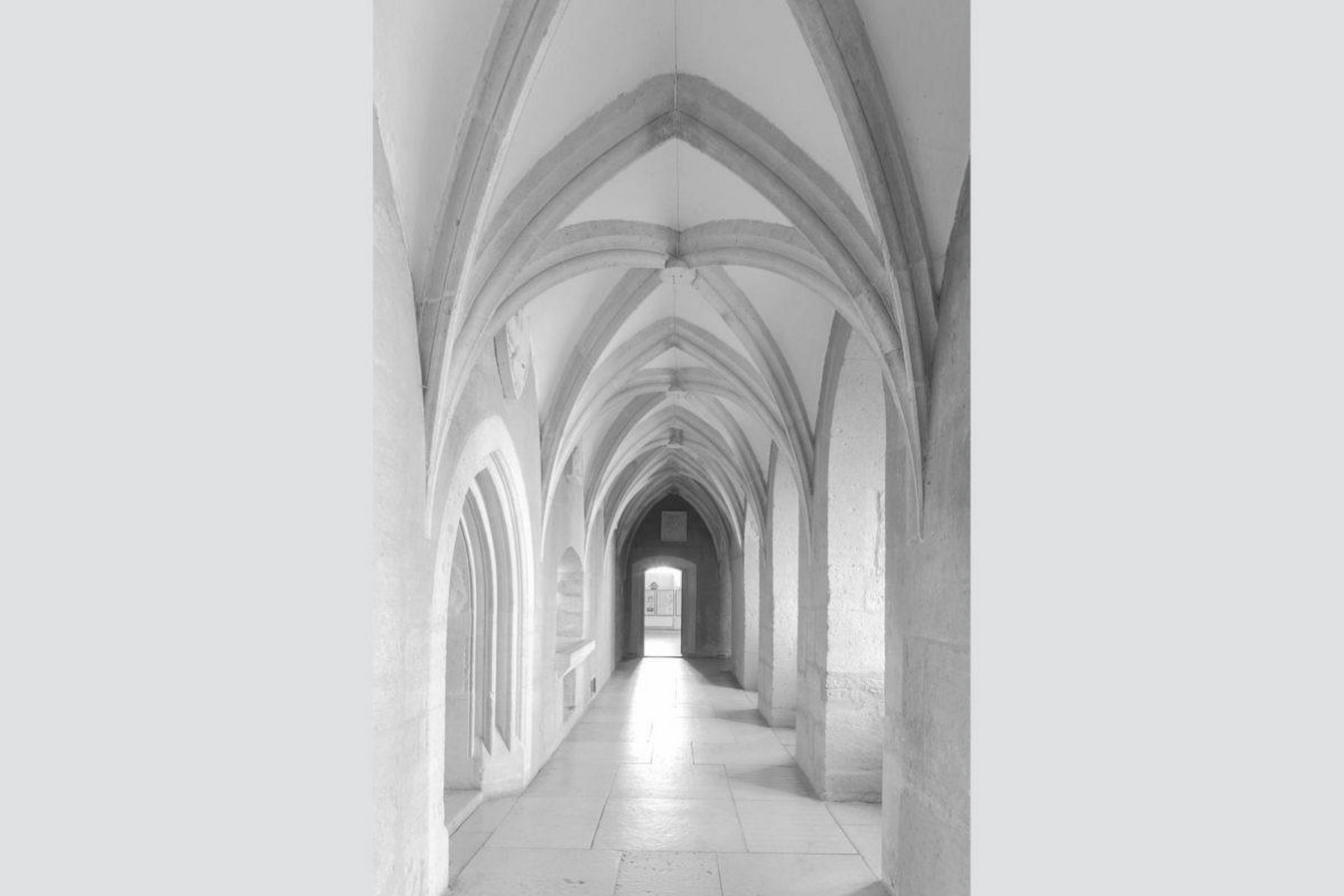
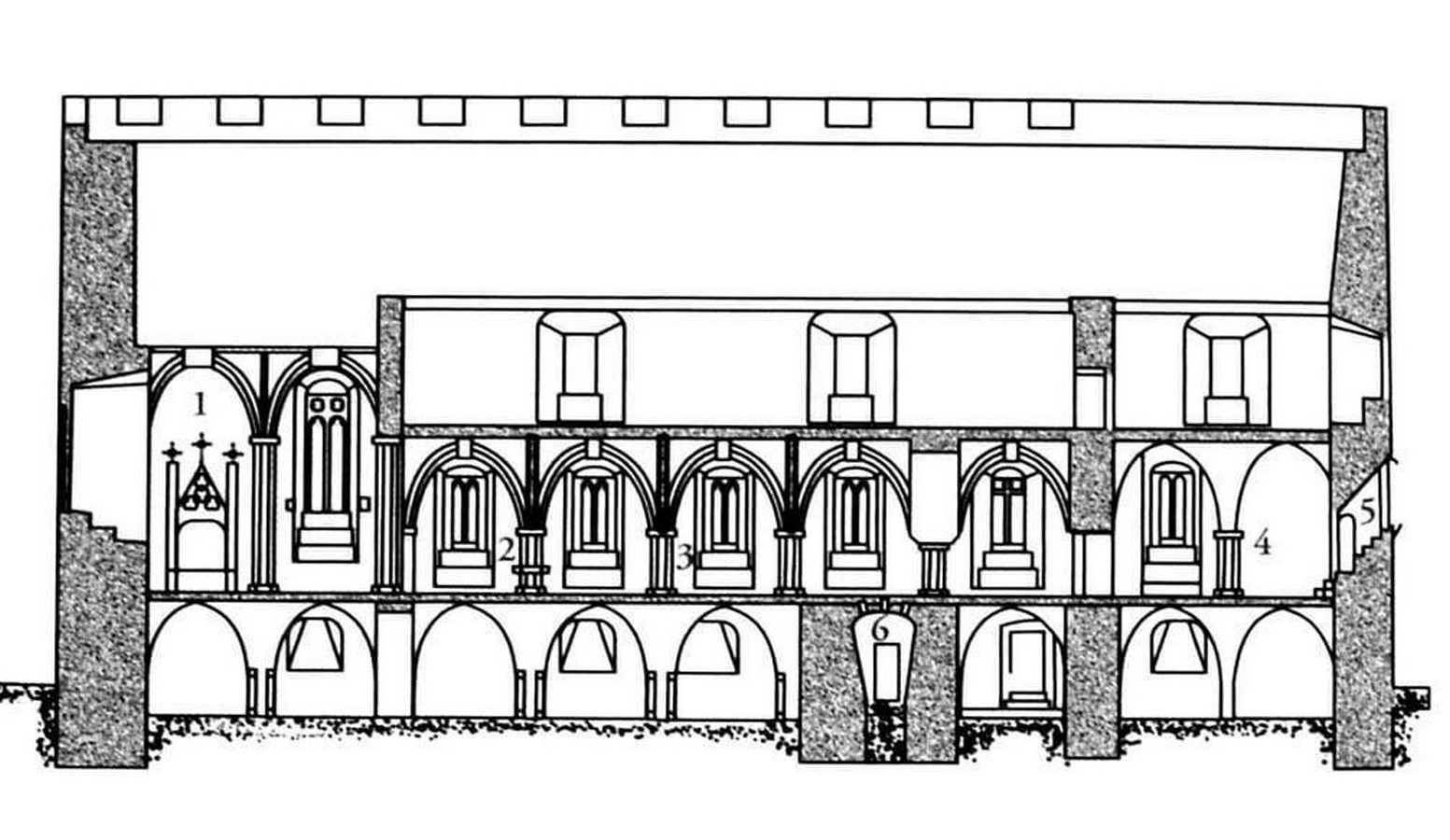
The courtyard cloister is the first threshold. A stone ambulatory, ribbed vaults set directly into the walls, its air thick with the winter logic of the Baltic. This is architecture designed for endurance—for movement sheltered from storms blowing in from the Gulf of Riga.
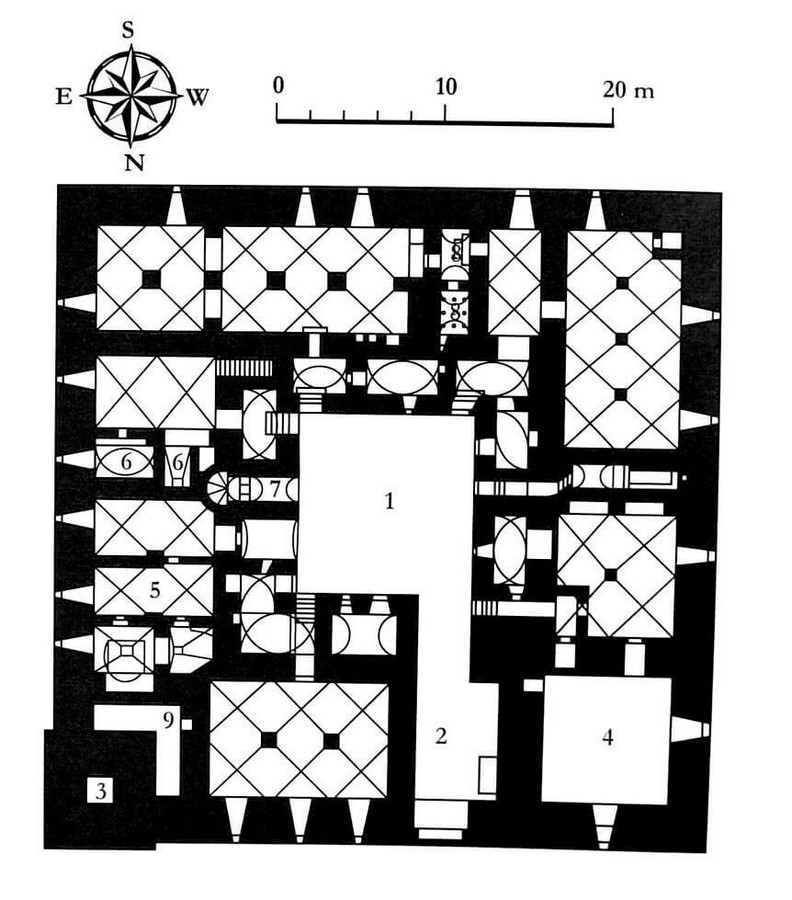
From the cloister, the castle’s program reveals a choreography of governance, ritual, and daily survival.
The bishop’s chambers anchor the west wing:
a private room, a latrine, and—most significantly—a small, windowless alcove enclosed by thick masonry. Long interpreted as a refuge, it aligns more convincingly with imprisonment. Its very existence is an architectural residue of ecclesiastical politics and distrust.
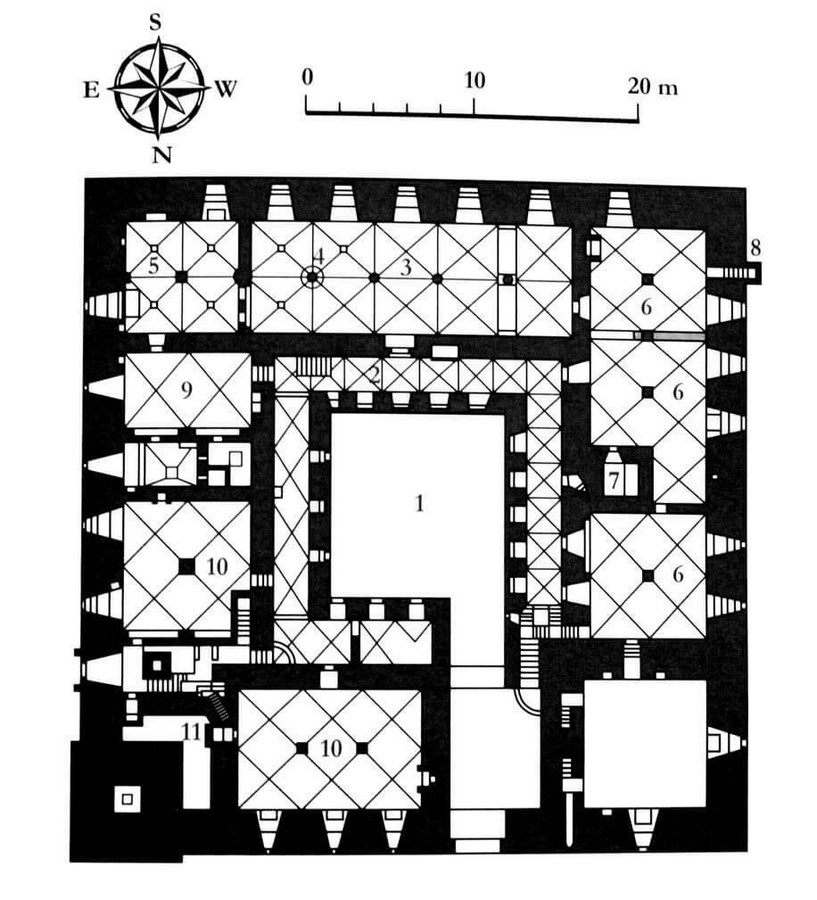
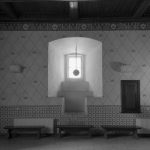
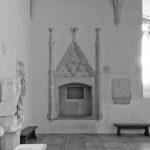
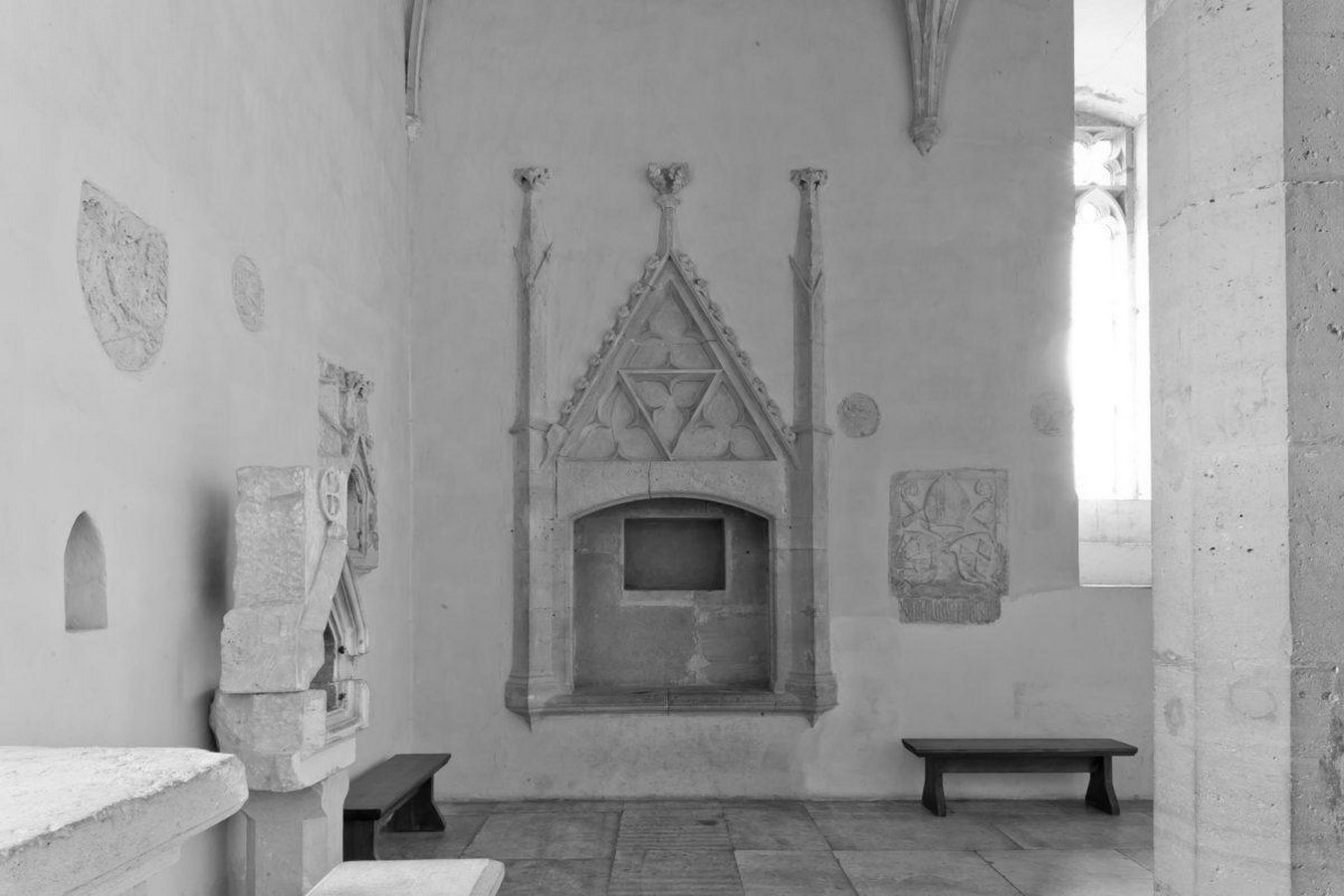
The great refectory occupies the southern range. Double-aisled, monumental, yet stripped of ornament, it functioned as hall, council room, and daily gathering space. Before entering, one washed hands at a stone lavatory carved into the wall—a monastic gesture carried into a militarized world. Adjacent stands the chapel: a compact square volume, ribbed vault supported by a central octagonal pillar. Its intimacy contrasts with the fortress’s harsh lines, offering a pocket of inwardness within a spatial system defined by control.
In the east wing, a smaller refectory and guest dormitory complete the first-floor life, with latrines emptied into the gap beside Long Herman. Below, the ground floor becomes a functional machine: kitchens, a small brewery, storage chambers, a well-room, and hypocaust furnaces sending warm air through wall channels to heat the bishop’s quarters. Kuressaare is not merely defensive. It is a climate-responsive organism designed to survive long winters, long sieges, and long stretches of political uncertainty.
Continuity Across Empires
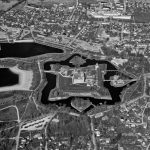
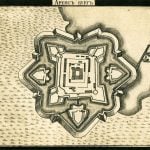
After the secularisation of the Ösel–Wiek bishopric in the 16th century, Saaremaa moved through the hands of Denmark, Sweden (1645), and Russia (1710). Every new regime fortified, repaired, or updated the structure—but none dismantled its medieval core. This rare continuity is why Kuressaare stands today not as a ruin but as a complete architectural body—one of the best-preserved medieval fortresses on the eastern Baltic coast.
Afterlives and the Baltic Sublime
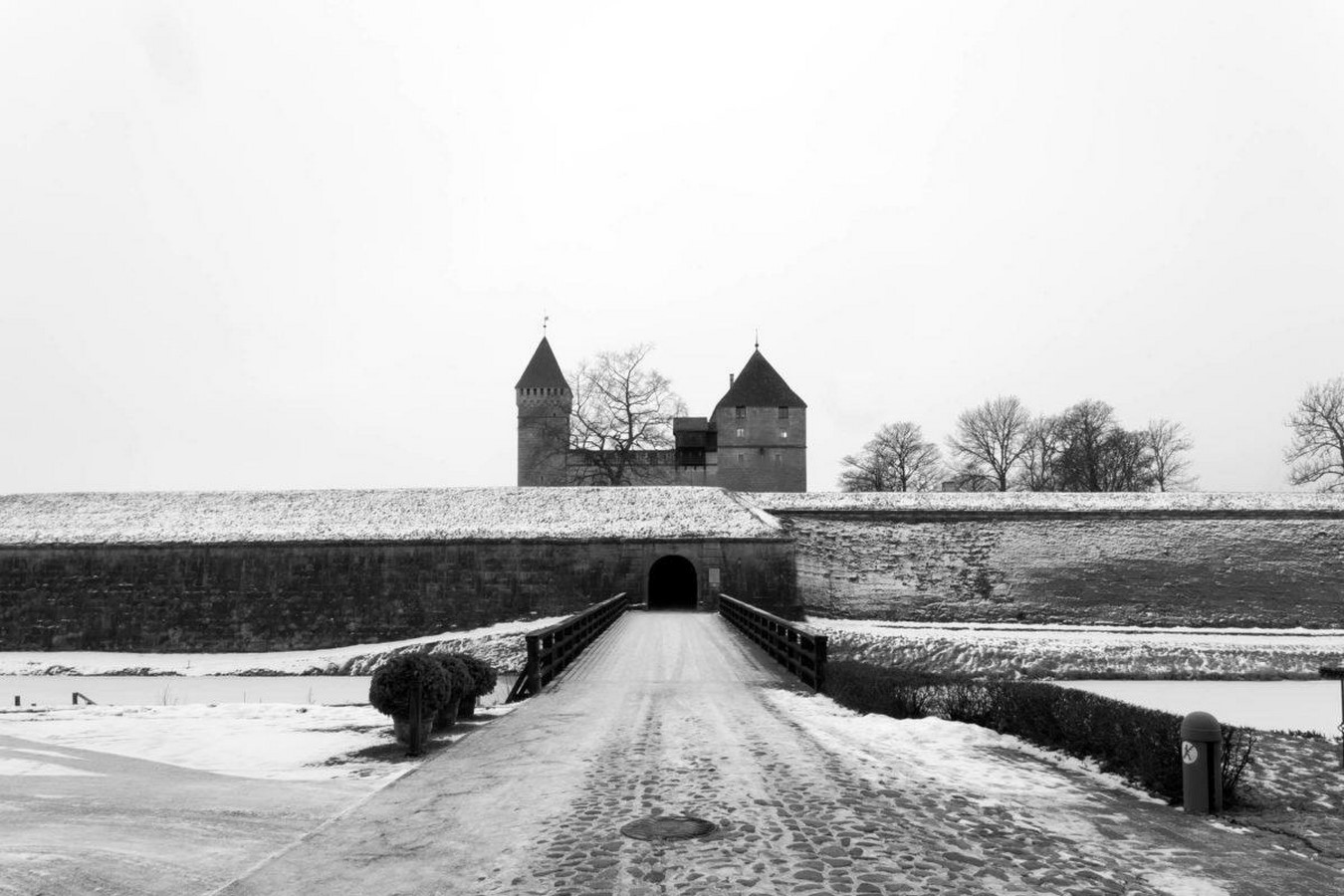
Kuressaare Castle is a palimpsest of rule. It has been occupied by the Teutonic Order, the Bishopric, Denmark, Sweden, and Russia. Yet, remarkably, it was never dismantled. Each regime repaired and reinforced the structure, adding layers to the defensive belt but respecting the integrity of the medieval core.
Today, the castle embodies a “Baltic Sublime.” It is an architecture where the terror of the fortress has mellowed into a profound melancholia. On misted mornings, the grey stone dissolves into the grey sky, losing its edges. At dusk, the dolomite absorbs the warm light, glowing against the cooling sea.
It stands as a testament to endurance—a stone body that has survived the violence of history to become a pure architectural phenomenon. It is a negotiation between the human desire for order and the indifferent, eroding forces of nature. Here, in this austere quadrangle of limestone, the Baltic imagination finds its most enduring expression: a place where discipline becomes atmosphere, and where the silence of the stone speaks louder than the centuries of conflict it has witnessed.
Reference:
- Visit Saaremaa – Kuressaare Castle. [online] Available at: https://www.saaremaakoda.ee/kuressaare-castle
- Saaremaa Museum – Kuressaare Castle History. [online] Available at: https://saaremaamuuseum.ee/en/kuressaare-castle
- Livonian Order Architecture – Overview of Baltic Fortifications. [online] Available at: https://www.livoniaarchitecture.org/fortifications
- National Heritage Board of Estonia – Kuressaare Castle Entry. [online] Available at: https://register.muinas.ee/public.php?menuID=monument&action=view&id=10247
- Baltic Castles and Fortifications – Kuressaare/Arensburg Profile. [online] Available at: https://www.balticcastles.eu/kuressaare
- UNESCO Baltic Region Heritage Portal – Medieval Castles Database. [online] Available at: https://www.unesco-baltic-heritage.org/castles
- Atlas Obscura – Kuressaare Castle. [online] Available at: https://www.atlasobscura.com/places/kuressaare-castle
- European Route of Fortified Cities – Baltic Forts Inventory. [online] Available at: https://www.eufortifiedcities.eu/baltic-region
- Saaremaa Tourism – Architectural Overview of Kuressaare Castle. [online] Available at: https://visitsaaremaa.ee/en/kuressaare-castle
- Estonian History Museum – Medieval Baltic Fortifications Archive. [online] Available at: https://www.ajaloomuuseum.ee/baltic-medieval-forts