The built environment is more than just a collection of buildings, roads, and other infrastructure; it is the material expression of social relations, cultural values, and shared dreams. Throughout history…
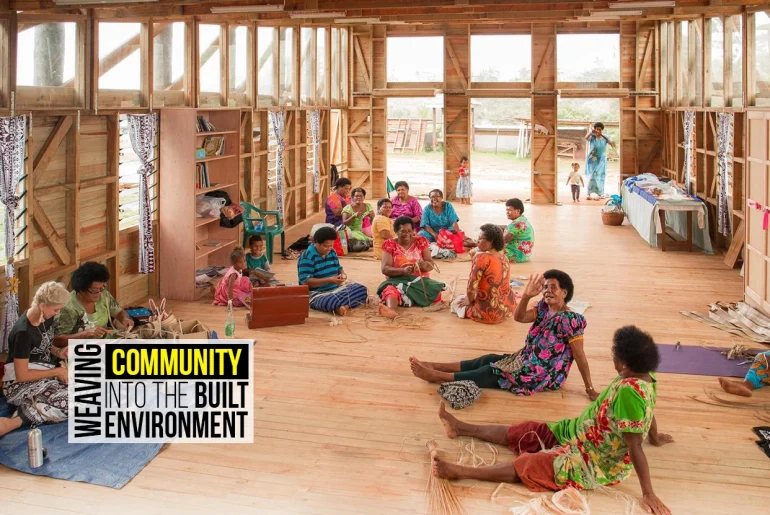


The built environment is more than just a collection of buildings, roads, and other infrastructure; it is the material expression of social relations, cultural values, and shared dreams. Throughout history…
Over the years, the understanding of architecture has evolved significantly reshaping the space as well as the perception of it.Initially each place was seen specific only for an activity- parks…
“Architecture is the art of reconciliation between ourselves and the world.” Juhani Pallasmaa Architecture was the way to express or tell a story; the future may depend on the ability…
Often in the field of architecture and urban theory, ground reality is overlooked while creating lofty theories. There are very few texts that offer a bridge between spatial design and…
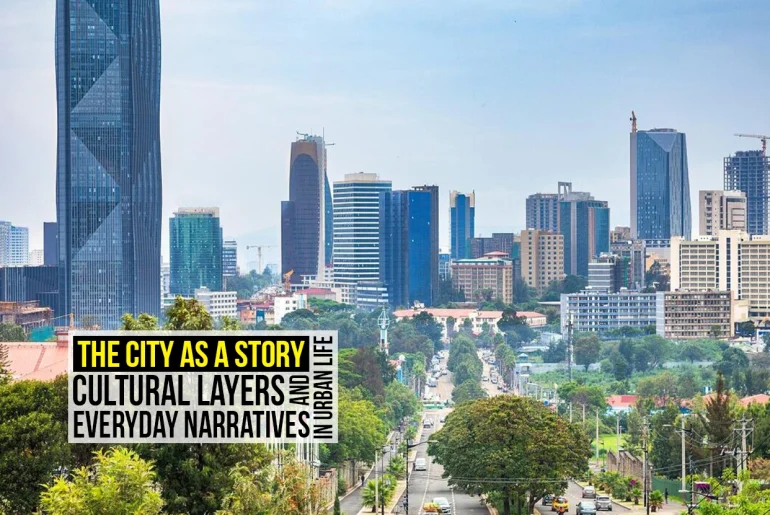
If a city could narrate, what would it say? Would it speak about the beauty of its roads, the skyline of its buildings, the rivers that cross its terrain, or…

The contemporary city is increasingly defined by a critical debate between vertical and horizontal urban growth. While vertically growing cities promise efficiency, density, and reduced land consumption, horizontally growing cities…
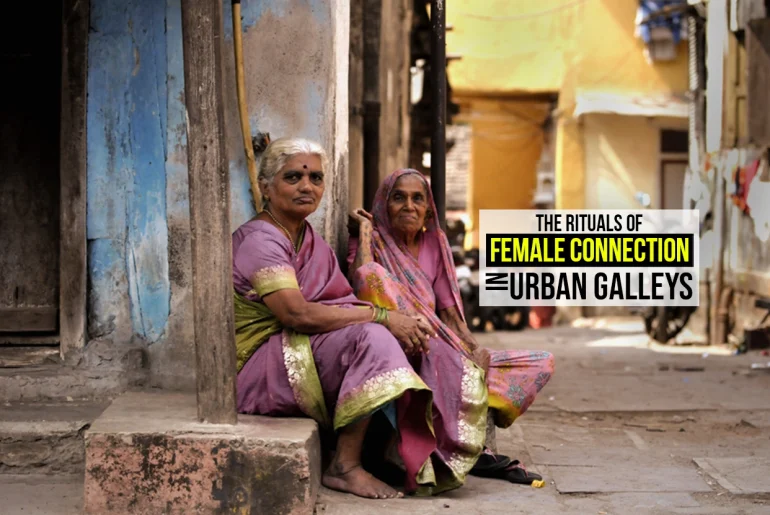
Cities are often evaluated based on their monumentality, open plazas, boulevards, promenades and landmark buildings. Urban discourse often overlooks the fact that the most meaningful social connections unfold in the…
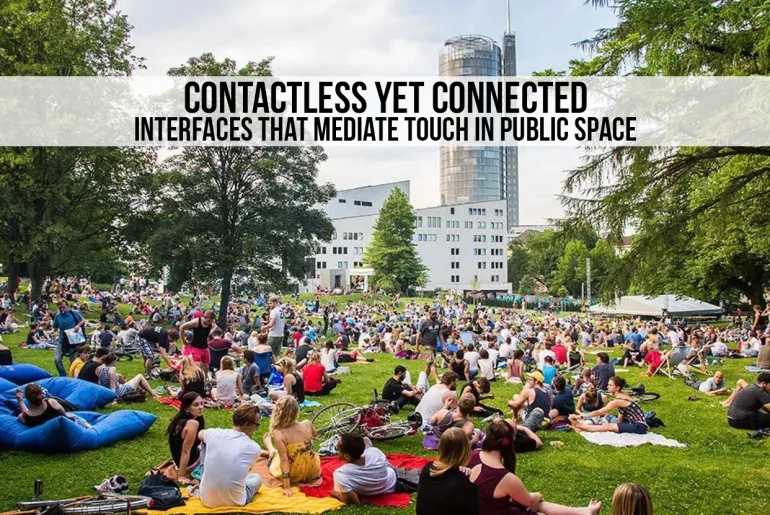
Charles Dickens said, “Electric communication will never be a substitute for the face of someone who, with their soul, encourages another person to be brave and true.” Food, Clothing, Shelter,…
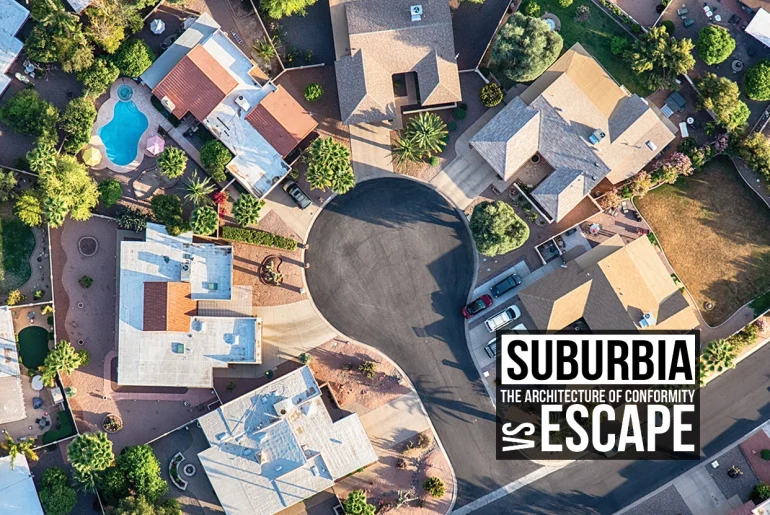
Suburbia captures a complicated architectural and social contradiction. It is shaped as an escape from the noise and density of the city, a space meant for calm, privacy, and security.…
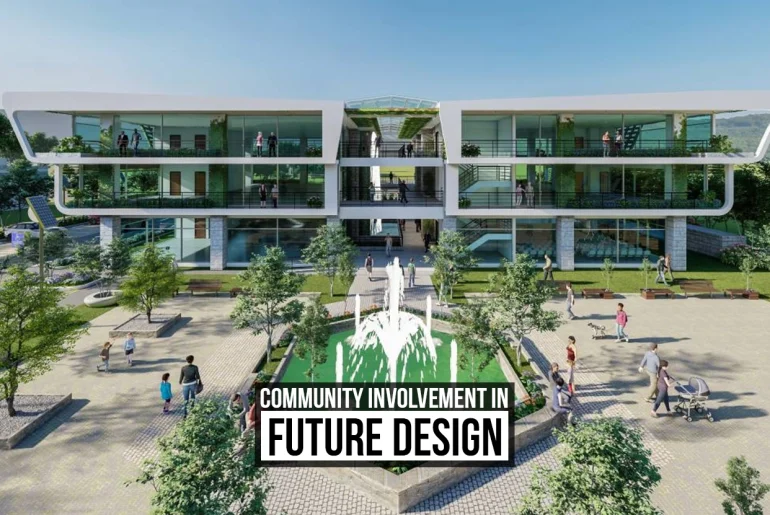
One is not a student of Architecture if one doesn’t recognize B.V Doshi’s infamous Aranya Housing project. The involvement of the residents, their suggestions and insights are what made Aranya,…
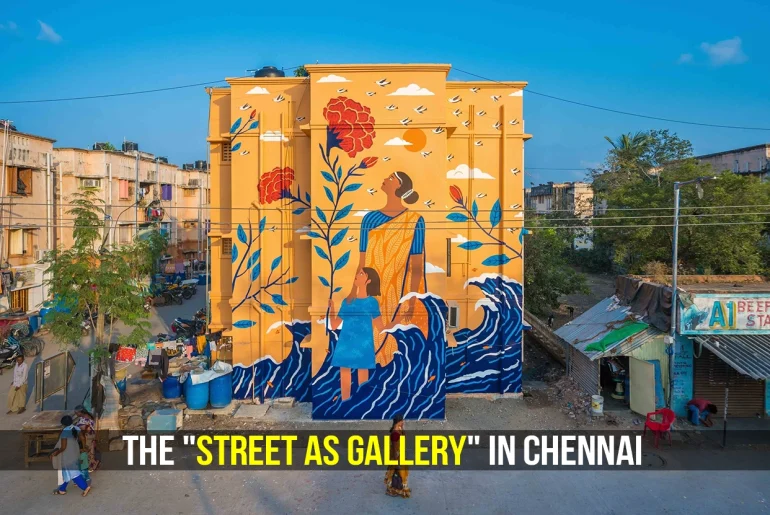
In developed countries, we often lament the lack of third spaces, but in India, a particular kind of third space abounds. It is free, accessible and is everywhere. Yes, they…
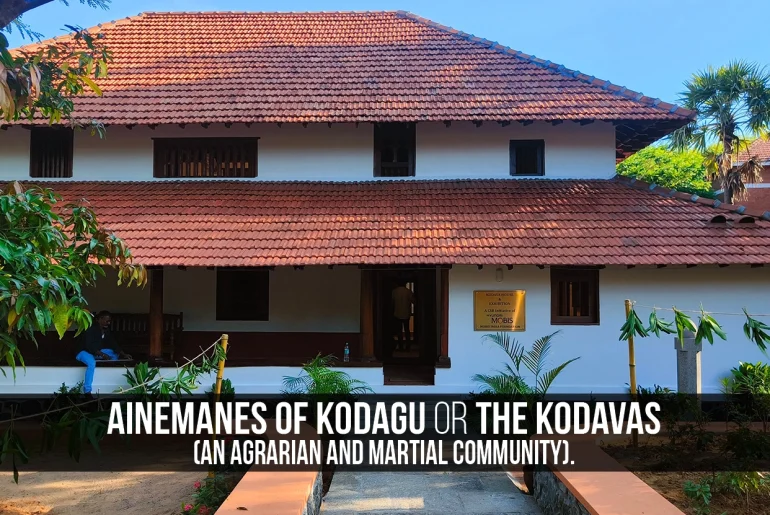
Kodagu, also known as the Scotland of India, entered recorded history in the 9th century AD. It’s a hilly area located on the summits and eastern slopes of the western…