A House Delivered Like a Package
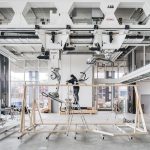
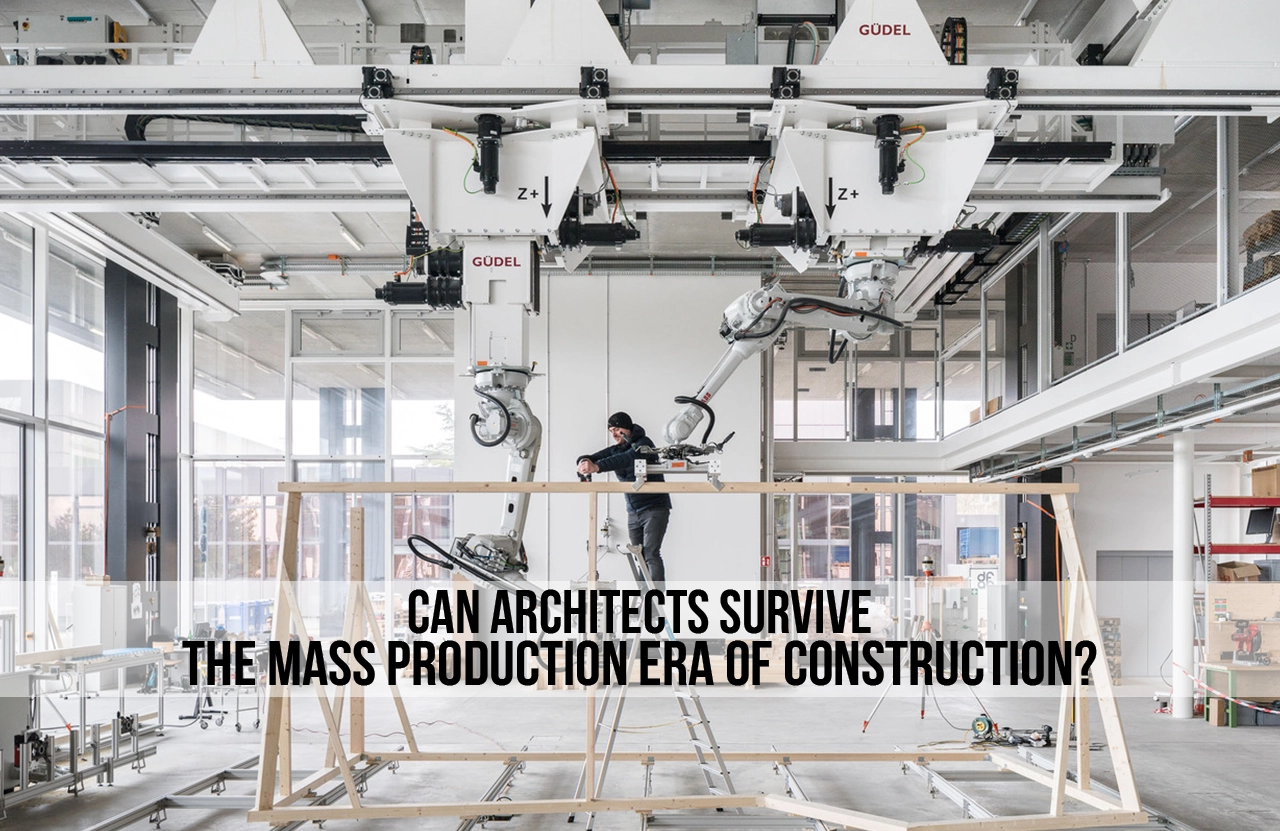
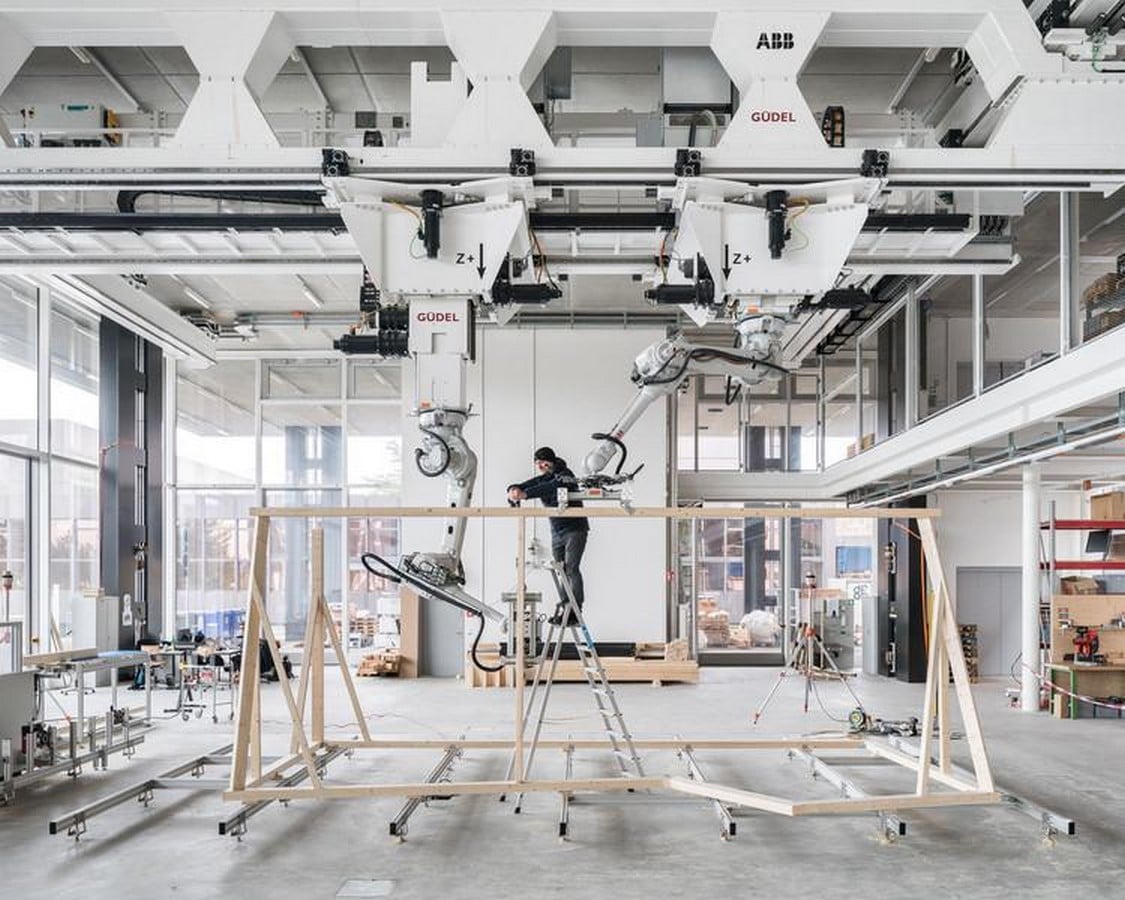
In many towns and cities around the globe, housing is literally packed, sent to the destination, and put together just like a parcel. Within a very short time, prefabricated panels are fastened to each other. Without any pause, 3D printers constantly create walls. As if they are pieces of a well-fitting puzzle, modular rooms are sliding into their places. Rapidly following one after another, these buildings raise a sharp question in the minds of people: if constructions can be mass-produced, what is the role of architects?
This moment is full of promise—efficiency, affordability, and speed—but it also challenges the relevance of architects. To decide if architects still matter, we must weigh what mass production gives and what it quietly removes.
Mass Production: Convenience at What Cost?
Not even one bit of the glamor of mass production can be refused.On the one hand, factories are able to standardize components with a great level of accuracy. On the other hand, the demand for labour is reduced. Production costs drop significantly. What is more, deliverables that are called a year project can be done in a few months or even days.
The world is getting taller and quicker at the same time, from China’s instant skyscrapers to India’s modular hostels that are constructed at a rapid pace. However, this facet of efficiency doesn’t come out into the open very often.
Often, the choice of the same templates means that factors such as climate, culture, and the natural rhythm of the area are being neglected. Local communities lose their uniqueness – they look more and more like each other: same balconies, same colour schemes, same repetitive skylines. While speeding, architecture may lose its uniqueness, and this is a risk it is taking.
Here, the architect’s role becomes vital: not obsolete, but more essential than ever.
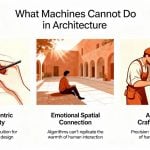
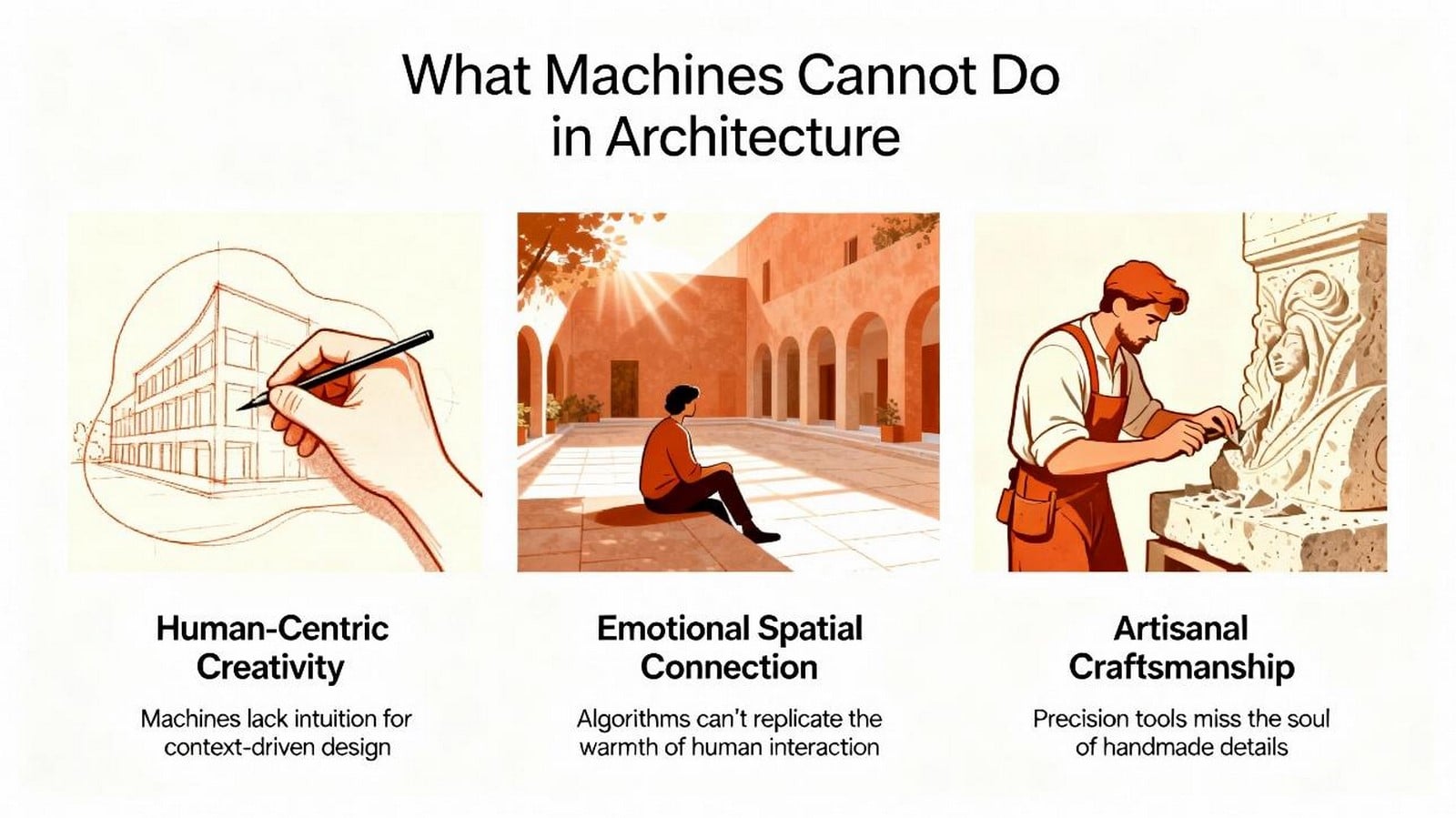
What Machines Cannot Do?
While machines excel at repetition, architecture is not repetition. It’s a redefinition.
- Machines cannot comprehend human beings.
Although a robot can make the construction of a building with high precision, it is unable to immediately recognize how a window has to serve as a frame for a sunrise for an old person, or how a hallway should be structured so that children can safely go to class.
- Machines are unable to sense a place
Mass-produced modules can be installed at any location. However, they rarely take into account, for instance, wind direction in Rajasthan, moisture in Kerala, or winter sun in Ladakh.
Those clues are a language that architects speak.
- Machines have no idea of culture
It is impossible for a prefabricated façade to imitate the closeness of a courtyard house, the feeling of community in an otla, or the symbolic nature that is deeply rooted in the traditional forms.
Design without cultural insight is merely construction, not architecture.
These are qualities that a fully automated system cannot acquire, nor can it replace.
In this situation, architects are no longer only the designers but also the thinkers.
During the era of mass production, the value of an architect goes beyond the work of drafting the plans.
It is more about the experience, the system, and the ability to adjust to long-term changes.
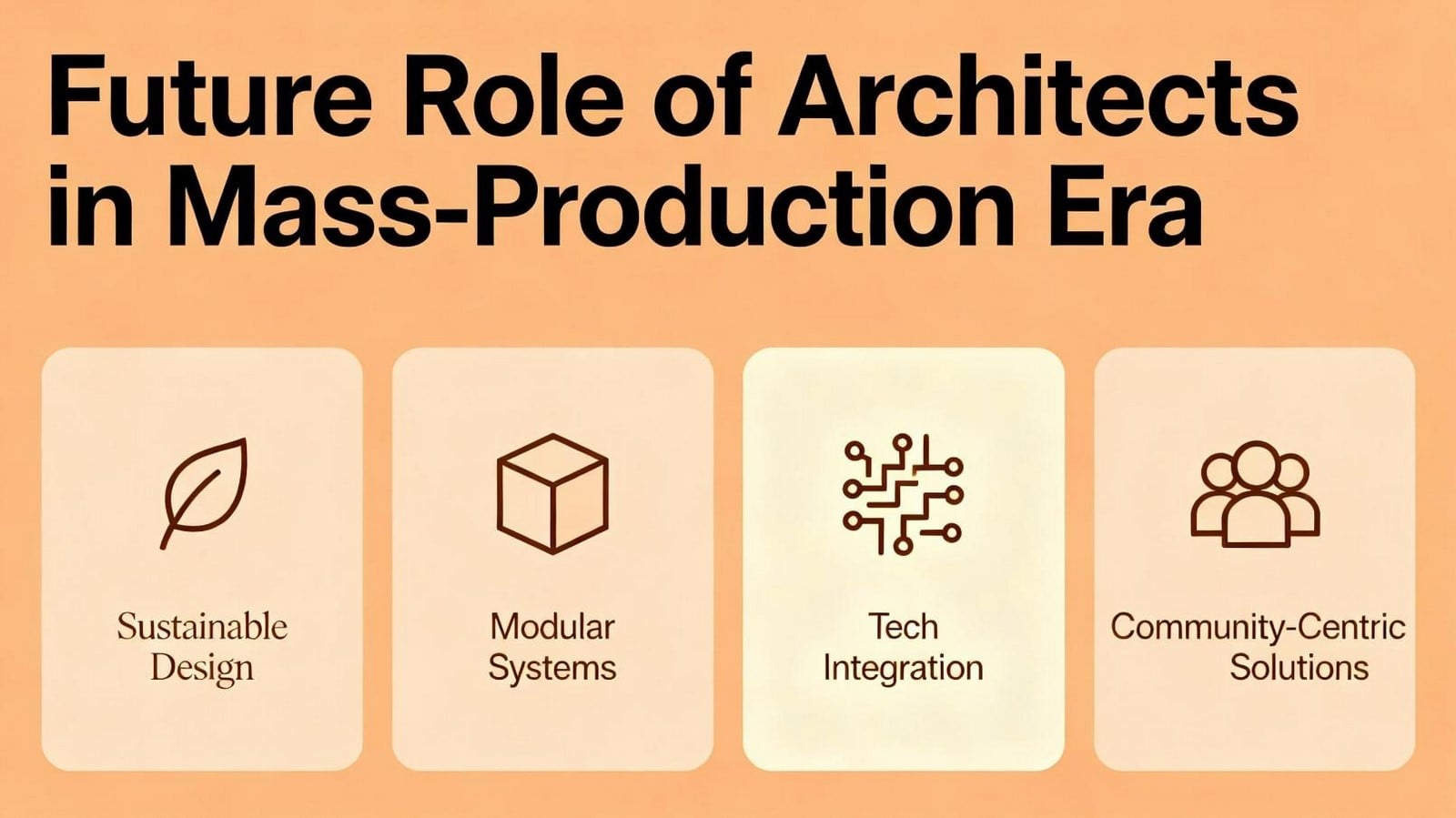
Worldwide, architects are taking up different roles and functions: The System Designer.
Nowadays, architects are the ones who come up with the design of modular grids, the organization of flexible frameworks, and the laying out of the adaptive core, which allows buildings can grow and change without the need for demolition.
The Environmental Strategist
Architects are the ones who take on the responsibility to make mass-produced buildings not only visually appealing but also naturally ventilated, energy-saving, and comfortable as global warming becomes increasingly severe.
The Space Curator
Even in the case when walls have been produced in a factory, the proper use of those areas-reduced to
their light, size, flow, and mood still belong to architects.
The Social Negotiator
Community needs, development pressure, laws, safety, and cultural sensitivities cannot be negotiated by machines. Architects, however, do this on a daily basis. The architectural profession is not fading away; rather, it is deepening and widening its scope of activities. Besides the need for speed, Quality of life comes first. Mass production only addresses the problem of quantity but not quality.
The cities still need: well-designed public spaces, Climate-Responsive Homes and streets that are accessible to all.
Humane workplaces, thoughtful schools and healthcare centers.
These are not goods to be bought and sold, but experiences.
An express-built school may be functional, but will it bring delight to children?
A house put together in a matter of hours may provide shelter, but will it be able to offer comfort?
Is it possible that a city built by machines will still be able to grow, and will it feel like home even though it doesn’t?
The role of architects is ensured by these deeper questions to be indispensable in the future.
The architects who will be successful the ones that keep on designing and keep on growing at the same time in a mass-production period will be the following:
– They will use the new tools as a help, not as an obstacle.
– Besides structures, they will work on systems.
– Mainly, human experience, instead of visual form, will be their concern.
By doing this, they not only make sustainable, flexible, and identifiable frameworks out of prefab projects but also build in such a way that future generations will be able to decorate, live, and feel comfortable in those spaces. They also work together with engineers, programmers, AI tools, and robotic systems. The change is not a challenge; it is a transition.
The Final Answer
Will architects be able to survive the mass-production era of construction?
Definitely.
However, it will not be through the doing of their traditional roles that they have always been fulfilled.
Instead, they will make it by being those who are the thinkers behind the machines, those who understand and interpret culture, those who help people recognize the spatial identity, and those who, in such a rapidly developing world, create the most valuable things: meaning.
Mass production is able to build walls. Only architects, however, can create places where people would like to live.
Citations:
- Rethinking The Future. (n.d.). Will architects exist in 2035? [online] Available at: https://www.re-thinkingthefuture.com/architectural-community/a9691-will-architects-exist-in-2035/
- Architect Marketing Institute. (n.d.). Architects Are Facing A Silent War [online] Available at: https://archmarketing.org/architects-facing-silent-war/
- Dezeen. (2023, July 27). Architects lose jobs to AI in AItopia series [online] Available at: https://www.dezeen.com/2023/07/27/architects-lose-jobs-ai-aitopia/
- Failed Architecture. (2018, April 3). What If Architects Were to Embrace, Rather Than Ignore, a Building’s Future? [online] Available at: https://failedarchitecture.com/what-if-architects-would-embrace-rather-than-ignore-a-buildings-future/
- Archisoup. (2025, May 14). Is Architecture a Dying Profession? [online] Available at: https://www.archisoup.com/is-architecture-a-dying-profession