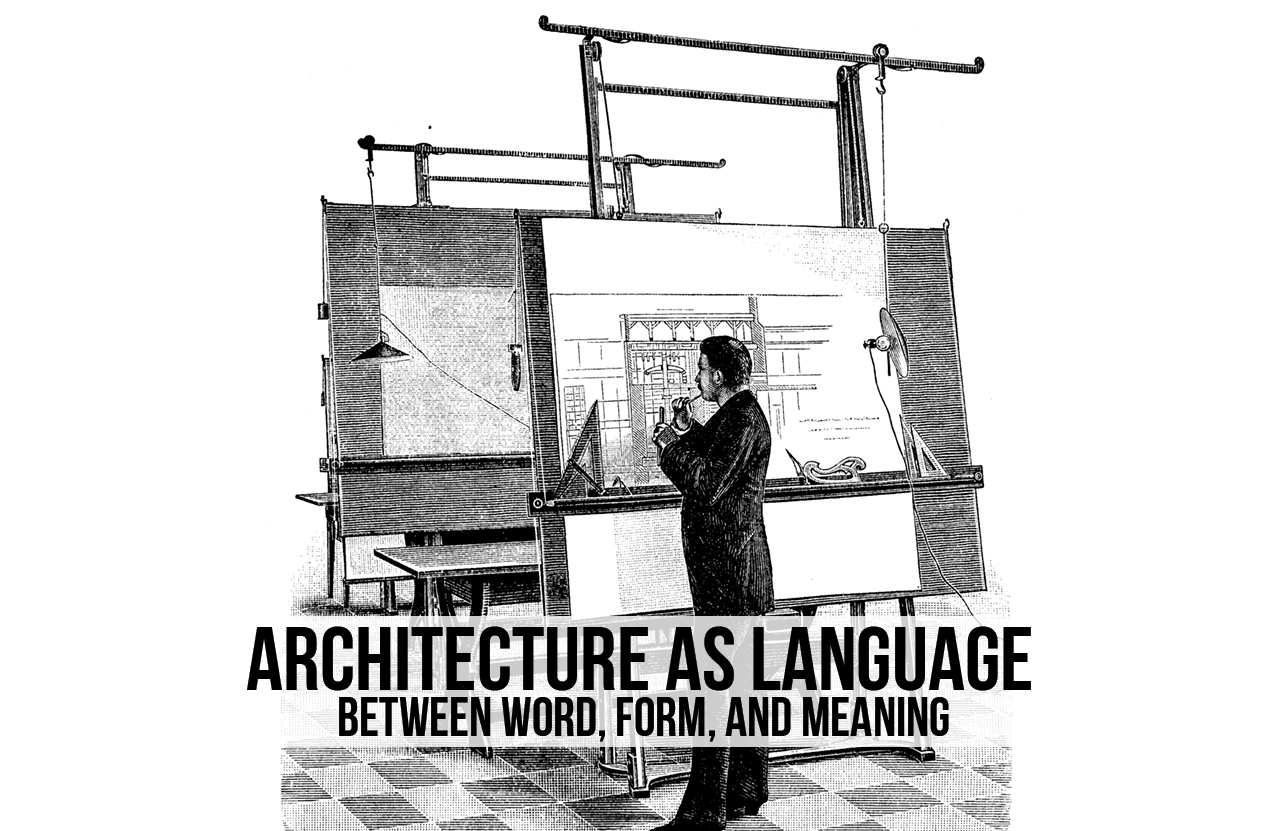
Buildings are physical embodiments of an intangible experience and emotion—they are the poetry of space. It is through the building forms and shapes that an architect expresses their emotions through the poetic elements of walls, arches, windows, and columns, creating different languages with shapes, proportions, textures, and colours unique to every region and culture. Every architect manifests his feelings, ideas and philosophies through these elements—weaving a story that speaks silently for itself.
Architecture Beyond Building
For a person, words are a way to express emotions and thoughts, but architectural language is beyond these words. Like a poet uses his tools of words to craft a poem, architects use their tools of forms and shapes to create spaces, with every space being unique in its own way. To add a unique character to every space, they play with different forms, proportions and shapes, like variation in proportions to evoke a sensation of magnificence or intimacy, and similarly with shapes evoking different feelings through curves, straight lines, polygons and so on. All this is like some conversation between the built form and the creator—and the translation of this conversation in myriad forms by the eyes of the beholders.
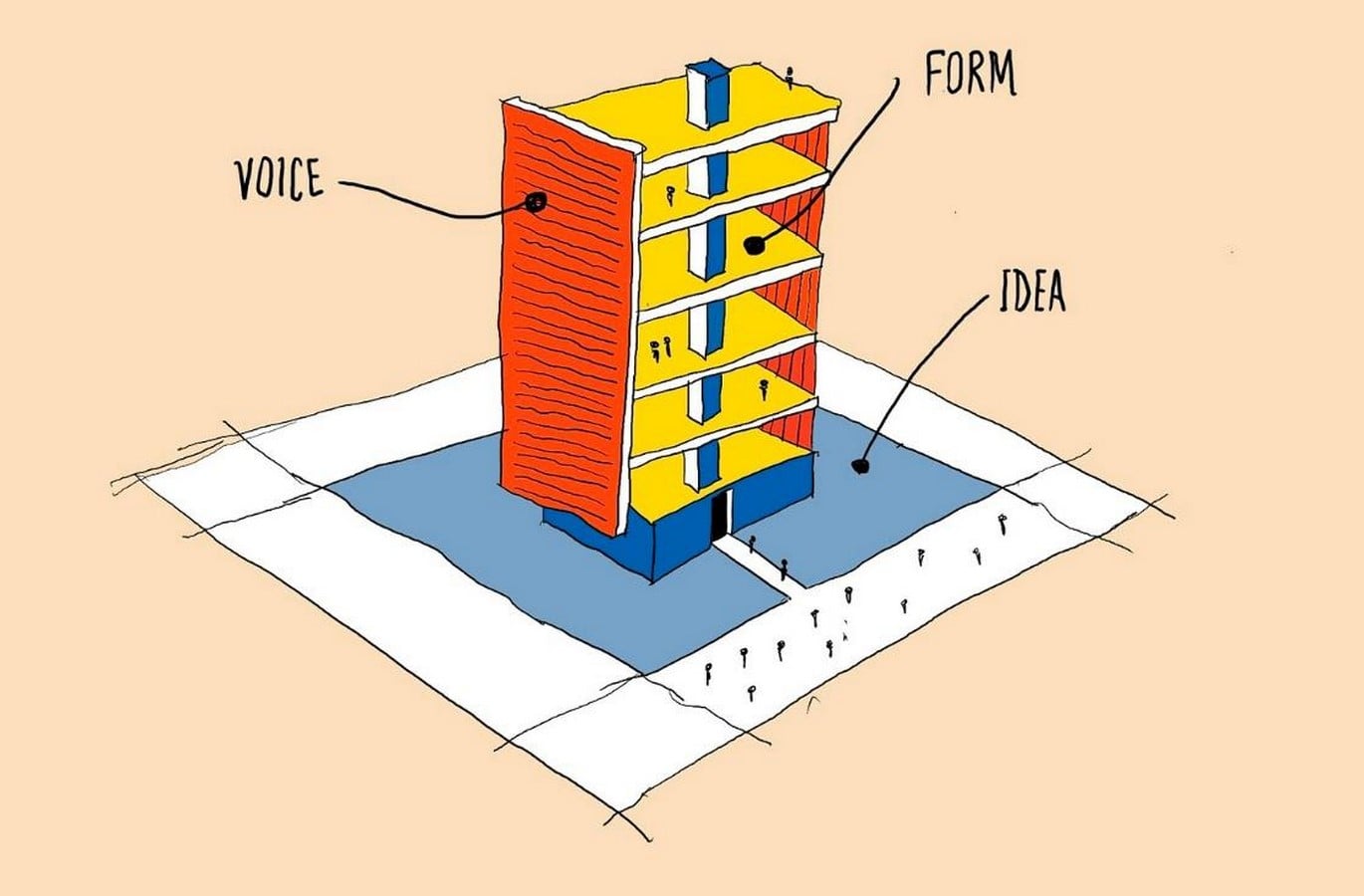
Architecture as a Language
Architects are “writers,” and buildings are the “texts” that people interpret in their own way. These architectural elements are used together to form various compositions that help communicate the ideas of their creator. The grammar of this language is in its principles that are used—rhythm, balance, unity, and various other principles—which add meaning to a space and also give the spectators an idea of the architect’s belief and ideology behind their creation.
Every region has its own architectural dialect shaped by geography and culture. For example, Japanese courtyards are tranquil, and Indian havelis feature intricate ornamentation, each representing their traditions, spirit, land, and climate.
But even in the same region, no two people would have the same interpretations of the space, despite belonging to the same ethnicity or regional background, based on their own beliefs and thoughts about the space; thus, one can think that there can be infinite interpretations of a space. For example, someone might feel a vast hall may feel like a large hall as liberating, whereas another person might find it isolating. This could perhaps happen because of different energies received by individuals in the same space. How a space is understood by a person also depends on the sensory perceptions involved, which further creates a more subjective emotional response towards it. It is really important to be able to build a connection to space because it’s not the elements but the cultural memories associated with the space that a person carries in their life.
Word: The Conceptual Vocabulary
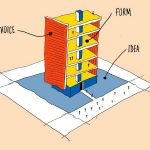
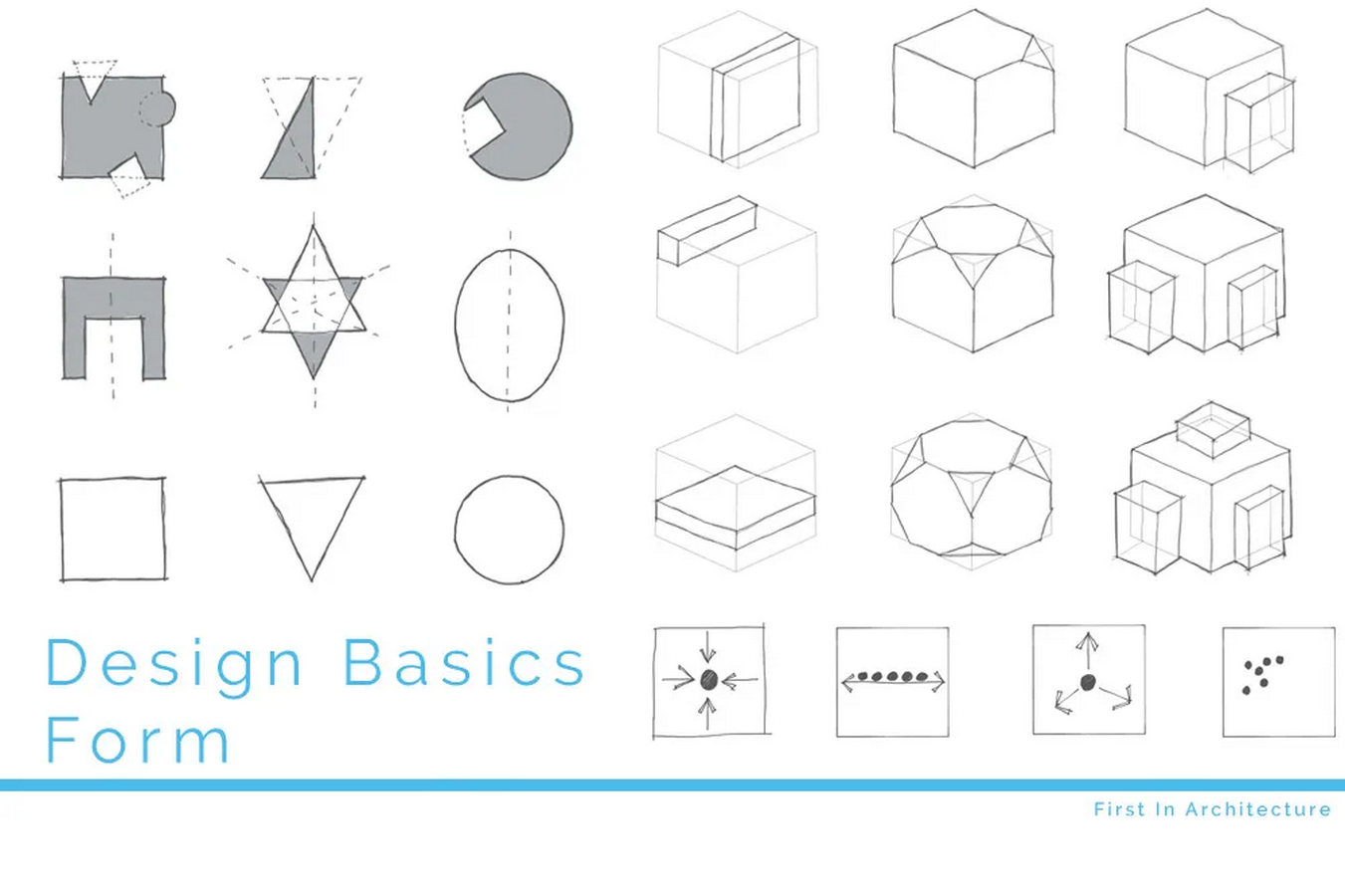
One of the major aspects a user can actually experience is the form, which is the visual sentence. It basically expresses the grammar of architecture, like scale, rhythm, proportion, and geometry. It is basically a mediation between concept and reality, and a space can be relevant to the user through its materiality, texture, structure, shape, and the meaning and how it’s perceived. It not only creates a visual experience but also showcases the identity of the place and its symbolism, and actually expresses the user’s need and desire. For example, gothic architecture explores spirituality and aspiration, and minimalist architecture expresses clarity and silence. It is so crucial because it can also impact emotionally, culturally, and psychologically on any human mind. So, it’s very important for an architect to understand all these aspects, ensuring that form is not compromised in terms of functionality or structural integrity.
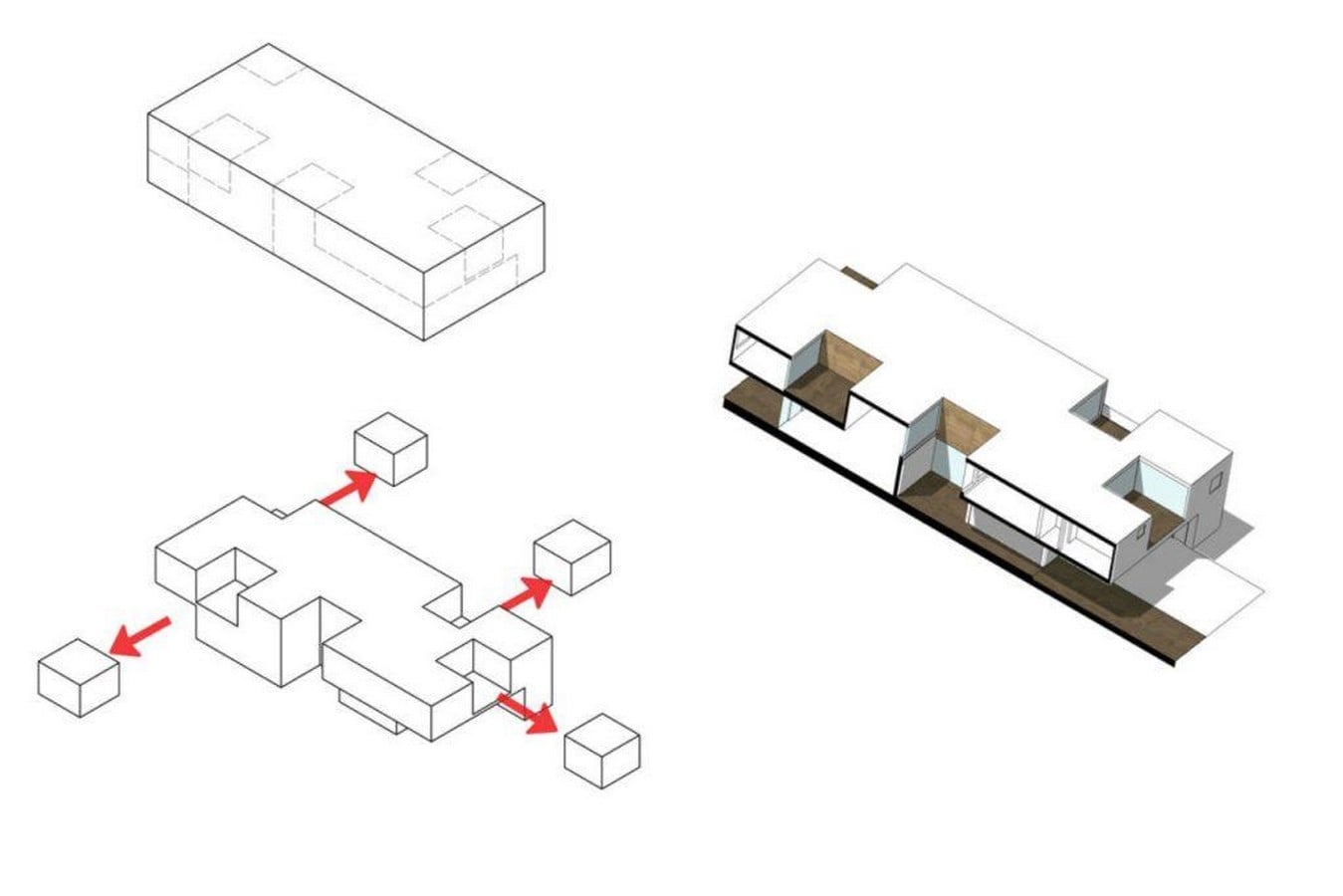
Form: The Visual Sentence
One of the major factors that helps people to communicate with architecture is basically the conceptual vocabulary. The power of naming in architecture, like terminology, modules, and hierarchy, from the early stage of the project till the end of the drawing presentations, blends every aspect of design and acts as a language tool to communicate design. So, the major threshold, or the soul of the project or a design, lies within a word, and that vocabulary cannot be only a single word; it can be a phrase, it can be a sentence, or it can be a whole explanation that carries the true meaning of the project. So, from the very beginning of the project, it’s about providing, it’s about connecting, and it’s about understanding the needs and desires of the users. The vocabulary should be clear enough to express their emotions, give a further idea, and inspire new architects to understand what the true intention behind it is.
Meaning: Experiences and their interpretation
Each built form has its own history. It comes down to the user and their perception of history. Human interaction with any built space is only part of the world of experience, as per the economics writing of Siall Kishtainy. Some consumers admire a lot of design or labour, but it is now too beautiful, and vice versa, with some consumers or users thinking it was too much aesthetics and distraction. In addition to experience and sight perception, meaning is added to all of us through cultural memory. For these reasons, anything built must be considered by consumers or users. Any architecture communicates the moodiness of light, sound, and shadows, which are naturally found in a public space. And architecture is one way to communicate with human perception.
Finding Meaning Somewhere Between Word and Form
Architecture moves between material and immaterial—word and form, concept and construction. It articulates thought in space, feeling in structure, and meaning in experience.
Words carry us, for example, in reading literature just as form carries us in the world of architecture — it conditions the way we engage, feel, and relate back to the things we are around. Every mark made, every brick laid is a part of a sentence that narrates the human reaction to.
Citations:
https://www.ateliercorintia.com/en/arquitetura-design-e-a-forma
https://www.archdaily.com/779463/150-weird-words-defined-your-guide-to-the-language-of-architecture