Prefabricated Panels – Cost effective materials in construction
In the fast-paced world of construction, the utilization of innovative materials and techniques is paramount for efficiency and cost-effectiveness. One such groundbreaking solution that has gained widespread acceptance is the use of prefabricated panels. This article explores the multifaceted advantages, applications, and transformative impact of prefabricated panels in modern construction, shedding light on its role as a pivotal player in the quest for sustainable and economical building practices.
Understanding Prefabricated Panels in Construction
Prefabricated panels, also known as modular panels, are factory-built components that are preassembled off-site and then transported to the construction site for installation. These panels can be made from various materials such as wood, concrete, steel, and composite materials, offering a versatile and efficient approach to building construction.
Composition and Types of Prefabricated Panels
- Wooden Panels: Constructed from timber or engineered wood products, wooden panels are popular for their lightweight nature and ease of customization.
- Concrete Panels: Reinforced with steel, concrete panels provide strength and durability. They are often used in high-rise buildings and infrastructure projects.
- Steel Panels: Combining strength and flexibility, steel panels are suitable for a wide range of applications, from residential to commercial construction.
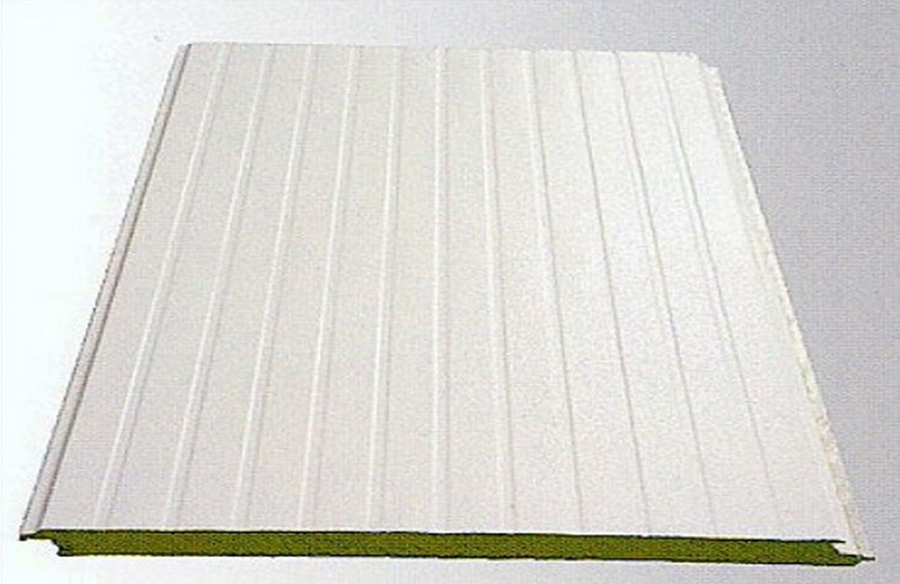
- Composite Panels: Integrating multiple materials, composite panels leverage the strengths of each component to create panels with specific characteristics, such as enhanced insulation or structural integrity.
Structural Applications of Prefabricated Panels
Prefabricated panels offer a versatile solution for various structural elements in construction, showcasing their adaptability and efficiency.
- Walls and Partitions: Prefabricated wall panels streamline the construction process by providing ready-made sections that can be quickly assembled on-site. This approach is especially beneficial for residential and commercial projects.
- Floor Systems: Prefabricated floor panels, complete with structural components and finishes, contribute to efficient and precise construction practices. They can incorporate insulation and other features, enhancing energy efficiency.
- Roofing Panels: Roofing panels, often designed to be lightweight yet durable, contribute to the speed of construction while ensuring weather-tight and insulated building envelopes.
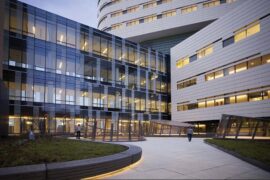
- Facade Systems: Prefabricated panels can be tailored for intricate facade designs, providing architects with a tool for creative expression while maintaining construction efficiency.
Advantages of Prefabricated Panels in Construction
Prefabricated panels bring a host of advantages to the construction industry, revolutionizing the way buildings are designed and constructed.
Efficient Construction Process
One of the primary advantages of prefabricated panels is the efficiency they introduce to the construction process. By being manufactured off-site, the panels allow for parallel work streams, reducing overall construction time and labor costs.
Precision and Quality Control
Manufacturing prefabricated panels in controlled factory conditions ensures a high level of precision and quality control. This leads to consistently high-quality components that meet or exceed industry standards.
Cost-Effectiveness
While initial manufacturing costs may be a consideration, the overall cost-effectiveness of prefabricated panels becomes evident in the reduced construction time, lower labor costs, and minimized material waste on-site.
Sustainability and Reduced Waste
Prefabricated panels contribute to sustainable construction practices by minimizing material waste on-site. The controlled manufacturing environment allows for optimized material usage, reducing environmental impact.
Types of Prefabricated Panel Systems
Prefabricated panels come in various systems, each offering unique features and advantages tailored to specific construction requirements.
Open Wall Panel Systems
Open wall panel systems consist of structural framing elements with openings for doors and windows. These panels provide flexibility for interior layouts and are often used in residential construction.
Closed Wall Panel Systems
Closed wall panel systems incorporate structural elements, insulation, and finishes into the panel. These panels offer enhanced thermal performance and are suitable for both residential and commercial projects.
Composite Panel Systems
Composite panel systems integrate multiple materials to achieve specific performance characteristics. These panels may include insulation, vapor barriers, and other features, making them versatile for various applications.
Innovations in Prefabricated Panel Technology
The field of prefabricated panels continues to evolve with technological advancements, introducing innovations that enhance performance and sustainability.
Advanced Materials and Composites
Incorporating advanced materials and composites into prefabricated panels enhances their structural capabilities and durability. These innovations push the boundaries of what is achievable in terms of strength and flexibility.
Smart Building Technologies
Integration with smart building technologies allows prefabricated panels to incorporate features such as sensors, energy-efficient systems, and automation. This not only improves the functionality of buildings but also contributes to long-term sustainability.
Challenges and Mitigations in Prefabricated Panel Construction
While prefabricated panels offer numerous benefits, it is essential to address potential challenges for successful implementation.
Transportation Logistics
Transporting large prefabricated panels to the construction site may pose logistical challenges. Strategic planning and coordination are necessary to ensure timely deliveries and minimize disruptions.