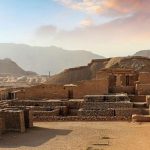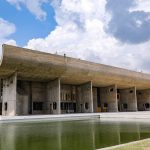
It is said that to understand a culture, one must look at its architecture. Architecture is what separates sapience from primitivity. To visualise a world without it is to thus envision a void. It is the earliest form of art, originating from sheer necessity. Yet it strikes the most sophisticated balance between indispensability, creativity, and ingenuity. It is universal and all-encompassing, silently providing a structure to everyday life. From the simplest act of “coming home” to the grandiose “tour of the world”, architecture provides meaning to them all. To exist in a world without architecture is to be in a world bereft of humanity.
At Nature’s Mercy
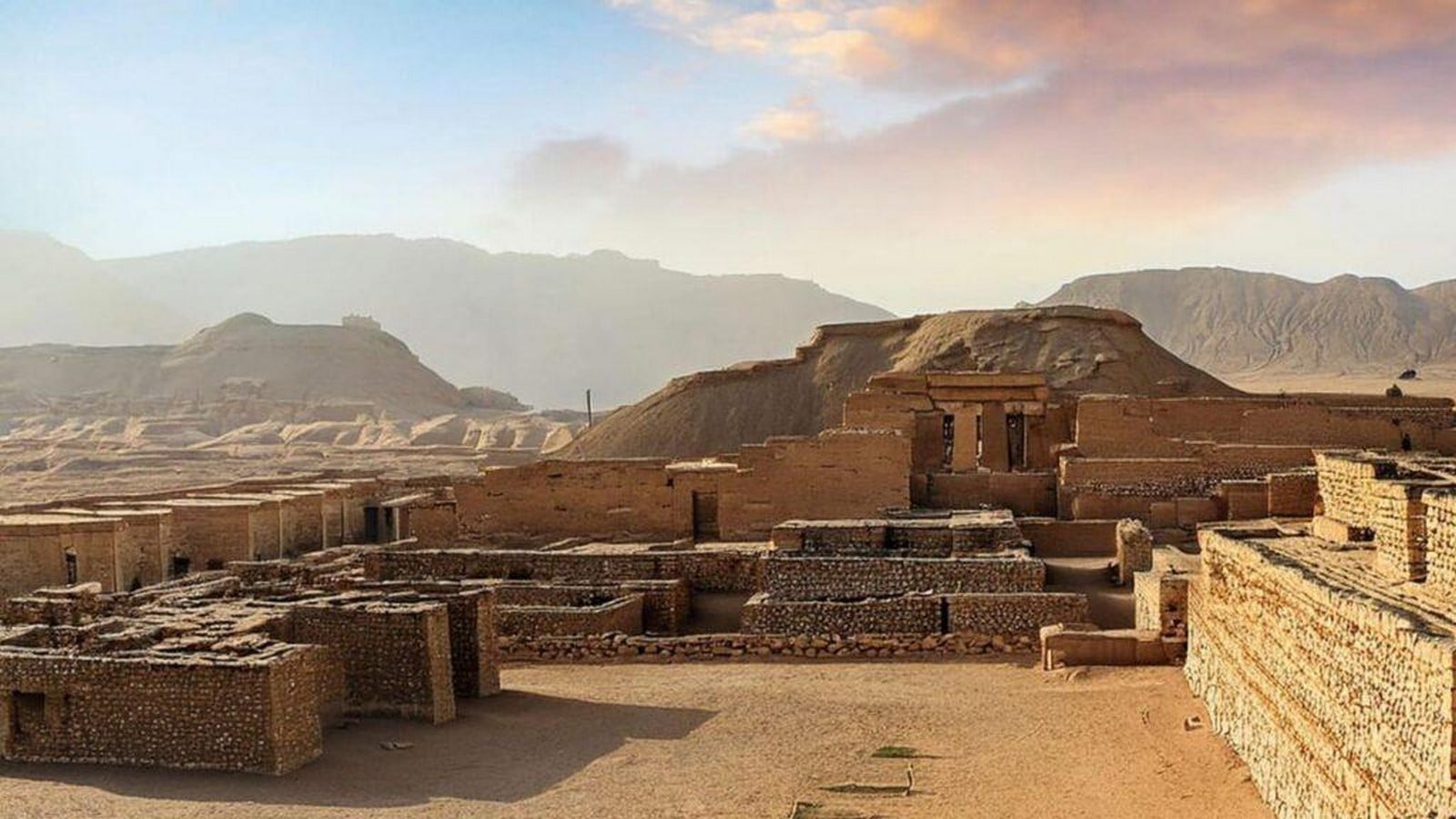
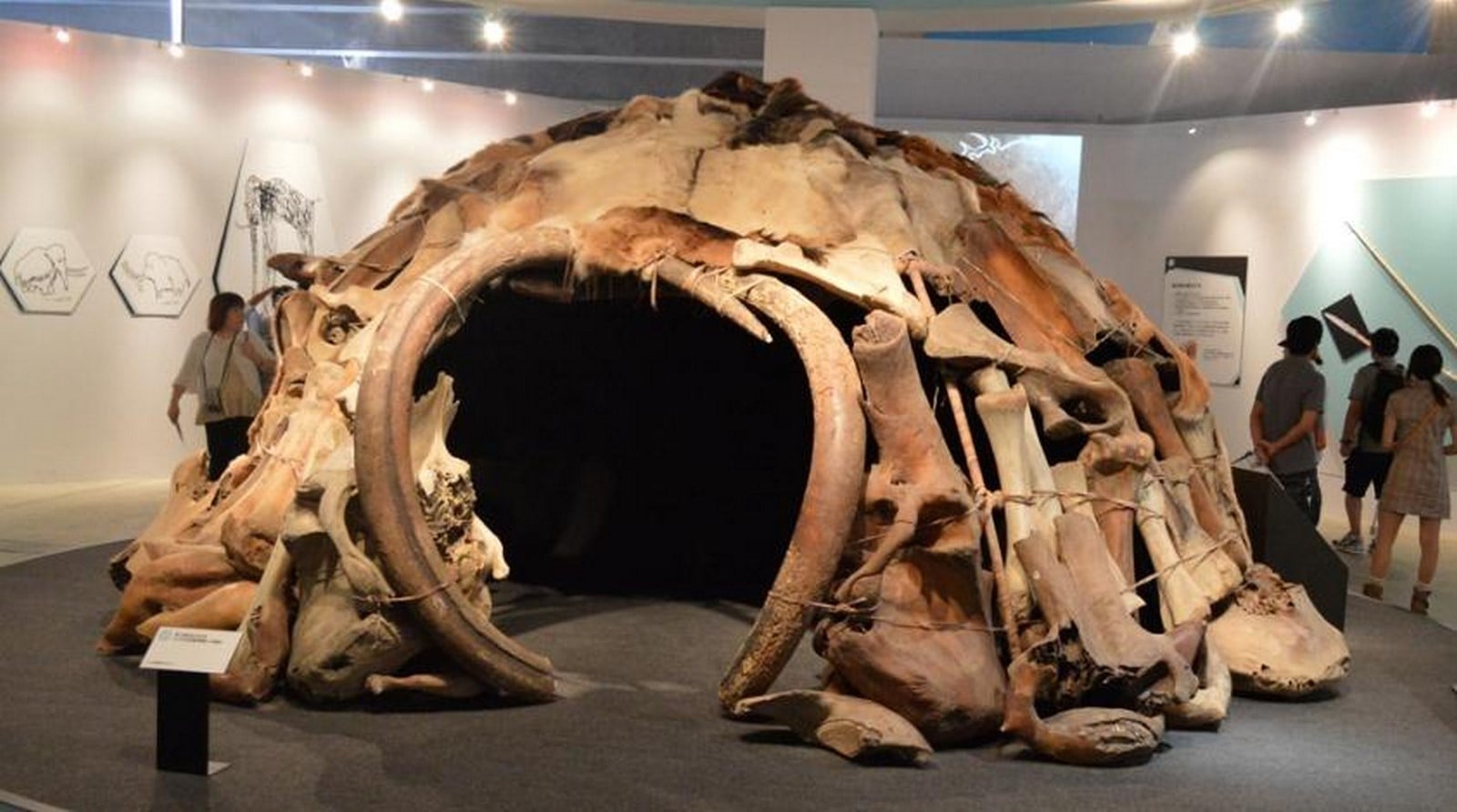
In a prehistoric world, elements of nature were formidable adversaries. They were feared for the havoc they wreaked against humans. Like all other species, primitive humans also had the innate urge to flee and seek shelter. Architecture fulfils this fundamental human need for protection against the elements. This urge compelled prehistoric humans to seek natural caves for protection. It drove them to discover fire and to gradually modify their environments. The rudimentary modification of their surroundings over time evolved into architecture. Architecture was thus an inalienable aspect of evolution. (Begum Gumusel, 2025).
Nomadic communities established temporary settlements in resource-rich areas. Carrying only essential items when moving to new locations. They lived in a state of constant fear, always ready to escape at any hint of impending danger. The development of civilisations from these settlements depended on the concepts of permanence and surplus. It required a stable location to come back to, a place to store resources, and a place to gather and govern. It also required the freedom to engage in these activities without the fear of being harmed physically. Architecture provided human beings with safety and resources to leave their nomadic tendencies and create agrarian settlements. (Choubineh, 2021)

Roots and Residence
As human beings advanced their construction technologies, their shelters started becoming increasingly robust. From fragile shelters that had to be maintained and rebuilt periodically, humans progressed to structures that withstood natural elements for much longer durations. This security in the durability of their shelters provided humans with the sense of safety to explore other realms of their existence. With a secure place to call their own, they began to accumulate possessions. Familial bonds blossomed. Architecture thus provided a sense of rootedness and belonging to humankind. It facilitated the formation of clans and communities.
With the establishment of a permanent “home” that protected them from the forces of nature, the fear of these forces diminished. Humans started channelling their natural surroundings to suit their needs. Agriculture flourished, bringing with it food security, stability, and contentment. Architecture thus became the foundation of progress by shaping the environment. This, in turn, nurtured the community and enhanced well-being. A strong base was thus established for the early societies to form by enhancing interpersonal relationships within the clans. (Choubineh, 2021)
Society and Governance
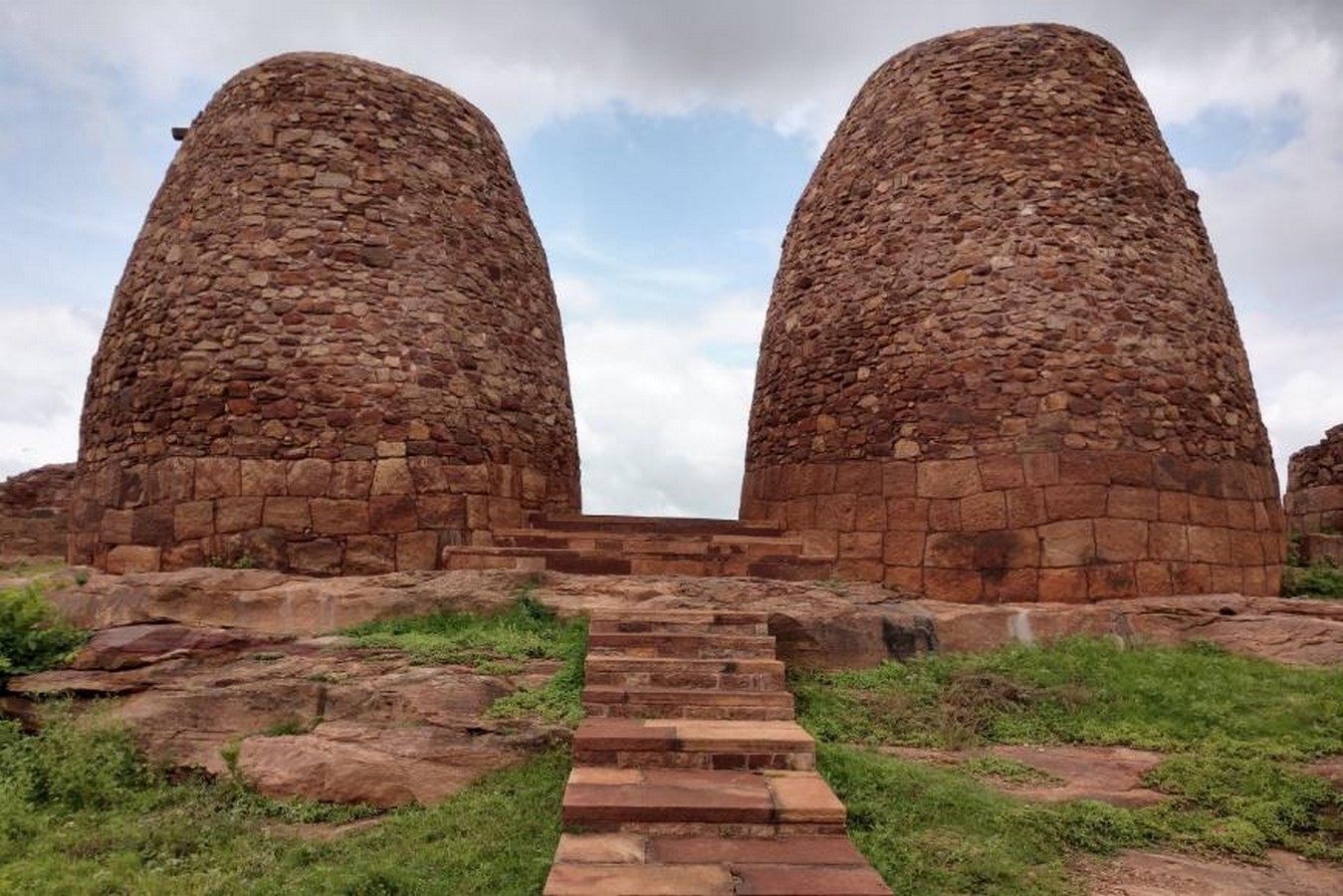
Once agricultural yields were abundant, humans began building places for this surplus. It was practical to store these yields collectively for the sake of convenience in construction; communal granaries thus came into being. This development, in turn, enabled several people to move away from agriculture and seek specialisation in the unique skillsets they inherently possessed. As a result, a social structure based on specialised skills began to form. The architecture of these communal buildings enabled the evolution of the economy beyond individual familial units. It helped in organising the clans and communities into more civilised societies. (Sharma, 2020)
Communal buildings such as granaries became symbols of common resources and shared wealth. The need to store agricultural yields necessitated specialised roles, such as guards to protect these valuable spaces. (Yi, Du and Xu, 2025). These guards required a supervisor to oversee their activities, with the leaders of the society presiding over them all. Another outcome of agricultural surplus and the emergence of specialised professions was the development of a barter trade system. This innovation led to the establishment of marketplaces as designated areas for trade. The world gradually became more interconnected through the exchange of rare and coveted goods. These connections also facilitated the flow of ideas, beliefs and philosophies alongside trade. (Sharma, 2020)
With the widespread abundance and well-being, the concept of expressing appreciation for these bounties arose. The same natural elements that were once feared and thus appeased began to be revered and respected. Reverence for them led to the construction of places that acted as a collective exhibition of shared beliefs. (The Archaeologist Editor Group, 2025) Thus, developed temples and their accompanying places for gathering, grander than the individual homes and more unifying than the markets and granaries. Hence rose civilisations of collective identities, shared goals and common beliefs, with architecture as the backbone.
Memory and Monumentality
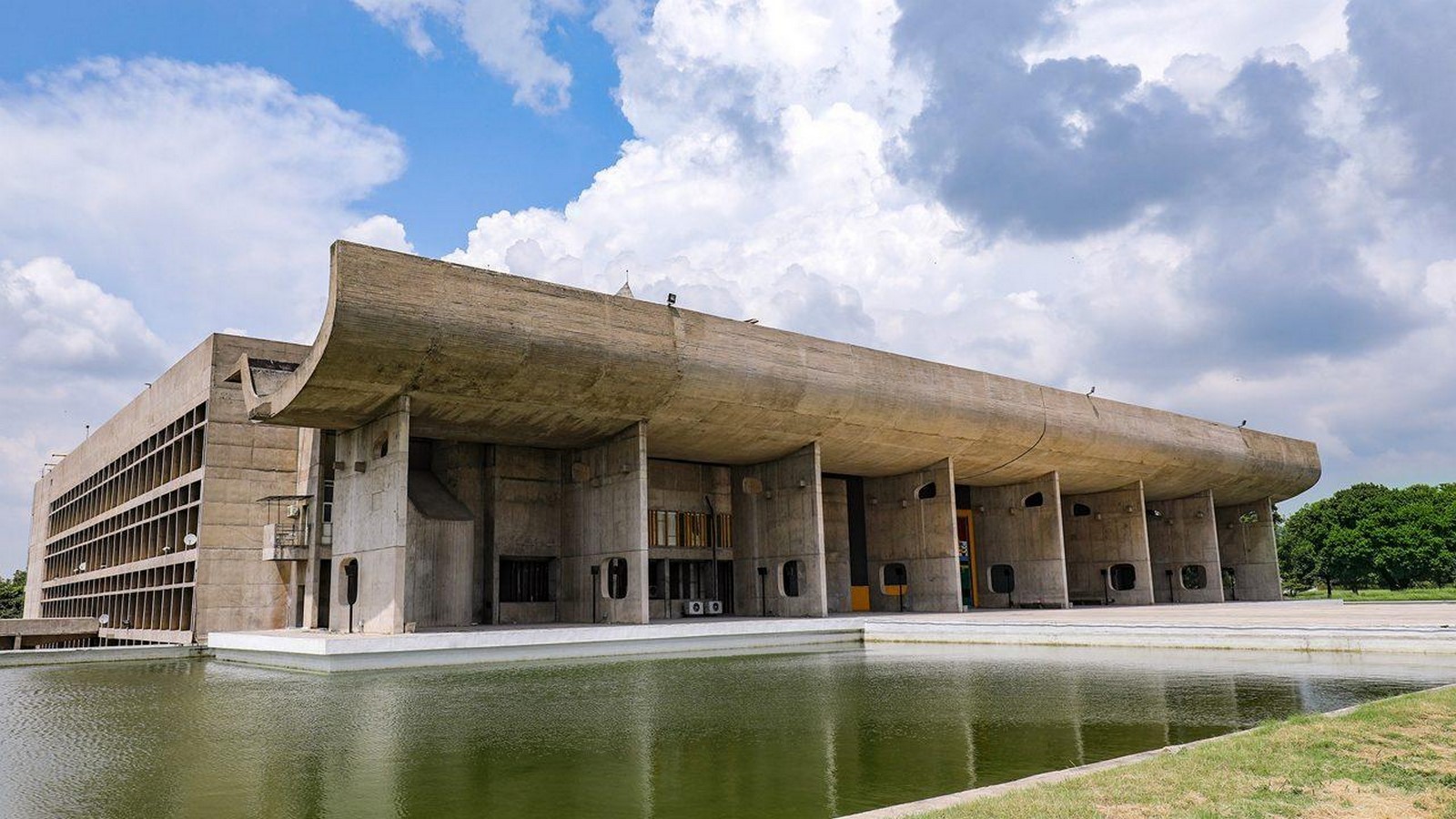
Human needs for shelter, nourishment, social structure, and governance were contented. Humanity has now set its sights on hierarchy and higher meaning. Elaborate structures like forts and palaces were built to symbolise the ruler’s authority. Monuments of spiritual purpose became significant. Architecture thus moved from being a mere functional tool and became associated with grandeur and magnificence. Architecture that aimed to last not years or decades but millennia. (Marotta, 2025)
It became the expression of culture and immortality. Colossal palaces, enormous city walls and magnificent monuments came to reflect power and glory. Their scale, materiality and ornamentation became tools of communicating the achievements of the society. It was a showcase of their superior position in the world. Unlike the temporary nature of oral language and the perishable nature of art, monumental architecture became the strongest account of an empire. It organised the aesthetic of society through ornamentation, showcased its engineering prowess, and underlined its philosophies through physical media.

Architecture Today
Since the advent of monumentality and civilisation, architecture has taken many forms, morphing and arranging itself to suit the needs of society. It has forever been a manifestation of the changing dynamics of the world, holding a mirror to society. To now envision a world without architecture would be a process of unravelling layers upon layers of technological advancement, artistic endeavours and social codes. It would be a mental process of reverse engineering, which would ultimately lead us to the point of perpetual nomadism. Where no stone has been placed on stone, and no twig has been woven into another.
It would be equivalent to living in a world with no beauty, passion, divinity, humanity, or awe. To live in such a world is unimaginable. A world without architecture is unimaginable. Architecture is our culture, faith, and identity. (SCI-Arc, 2017).
Reference list:
Begum Gumusel (2025). Exploring Architecture and Human Evolution: From Primitive Shelters to Modern Marvels | illustrarch. [online] Illustrarch. Available at: https://illustrarch.com/articles/47132-architecture-and-human-evolution.html [Accessed 09 Dec. 2025].
Choubineh, N. (2021). Ҫatalhöyük. [online] World History Encyclopedia. Available at: https://www.worldhistory.org/Catalhoyuk/ [Accessed 10 Dec. 2025].
Marotta, A. (2025). Designing archaeological memory. City, Territory and Architecture, 12(1). doi:https://doi.org/10.1186/s40410-025-00272-w.
SCI-Arc (2017). Can you imagine a world without architecture? – SCI-Arc. [online] www.sciarc.edu. Available at: https://www.sciarc.edu/news/2017/can-you-imagine-a-world-without-architecture [Accessed 09 Dec. 2025].
Sharma, D.M. (2020). The Indus Valley Civilization Urban Planning and Social Structures. International Journal in Management and Social Science, [online] 08(03), pp.135–144. Available at: https://ijmr.net.in/current/2024/Nov/fmR8AZ4ANGzY8jj.pdf [Accessed 11 Dec. 2025].
The Archaeologist Editor Group ed., (2025). The Archaeologist. [online] The Archaeologist. Available at: https://www.thearchaeologist.org/blog/the-role-of-temples-in-ancient-civilizations [Accessed 10 Dec. 2025].
Yi, Y., Du, J. and Xu, J. (2025). The Mutual Verification of Agricultural Imagery and Granary Architecture in Ancient China: A Case Study of the Fuzhou ‘Room-Style’ Granaries. Buildings, [online] 15(18), p.3343. doi:https://doi.org/10.3390/buildings15183343.