“It’s Los Angeles, not Rome. Here, all roads lead to … more roads.” (Haddad, 2021) It is a truth universally acknowledged that a developing city must be in need of…
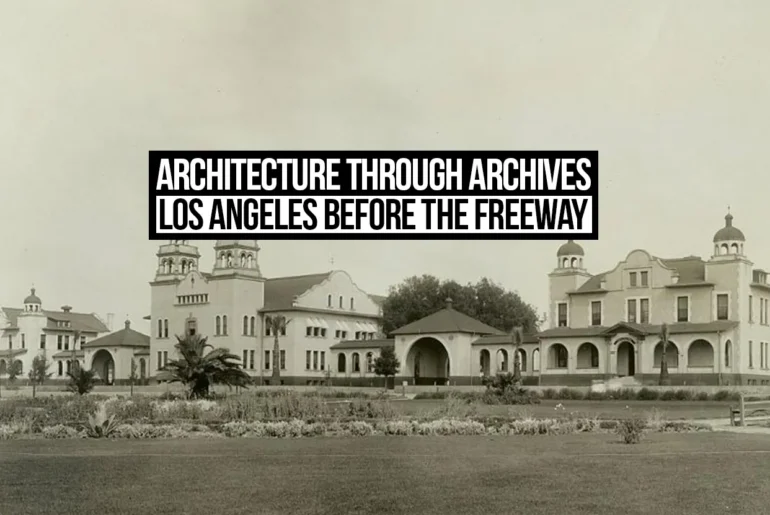


“It’s Los Angeles, not Rome. Here, all roads lead to … more roads.” (Haddad, 2021) It is a truth universally acknowledged that a developing city must be in need of…

Zaha Hadid Architects, together with A&O TEC, Prior+Partners, Homa, Buro Happold, Systematica and Fichtner, have curated a new planning framework for the port city of Benghazi, Libya, called the “Next…
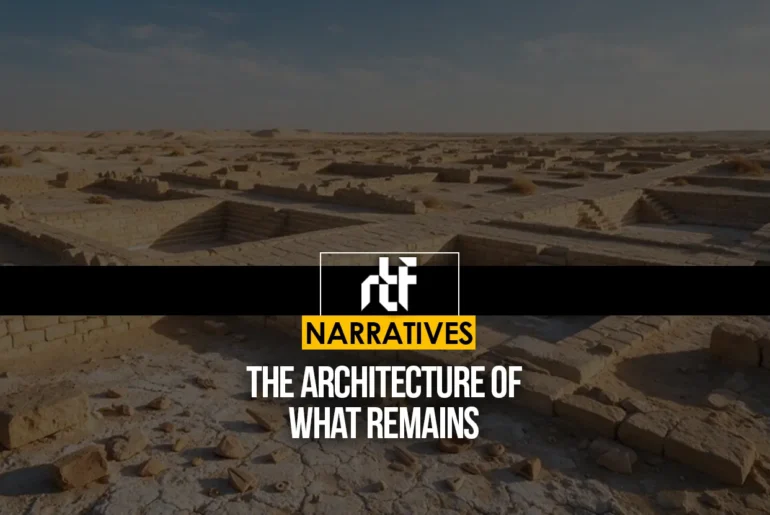
A city may lose its people, its purpose and even its place in history, yet parts of it can remain standing for centuries. An abandoned house, a ruined marketplace or…
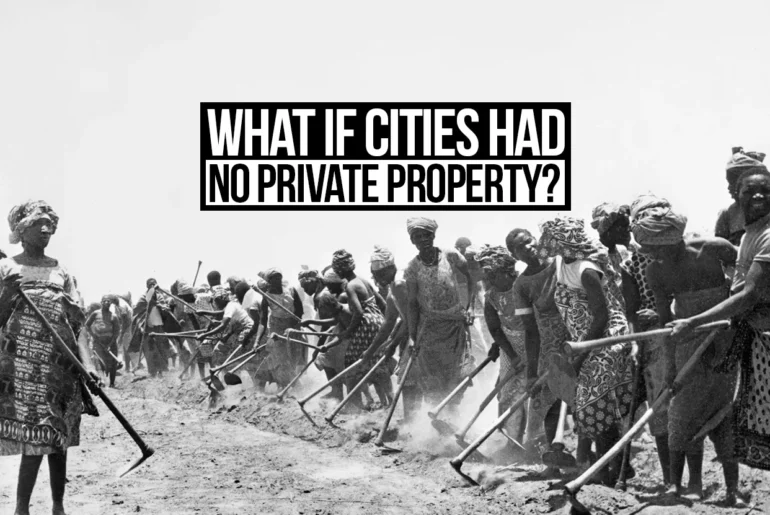
Imagine a city where the land beneath every home belongs to the government. Families continue to live in their houses, shops remain open, and neighbourhoods carry on with their daily…
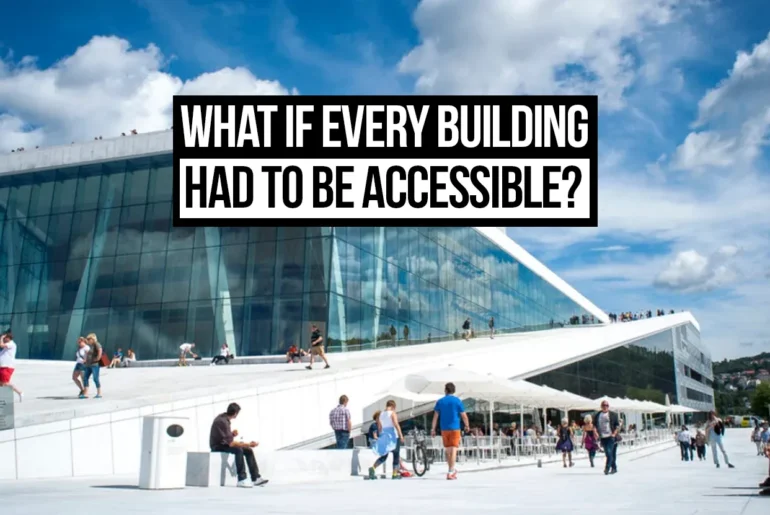
Imagine the rule starts tomorrow Imagine the last time you climbed a few steps to enter a building. Chances are you didn’t even realise you did it. That’s the whole…
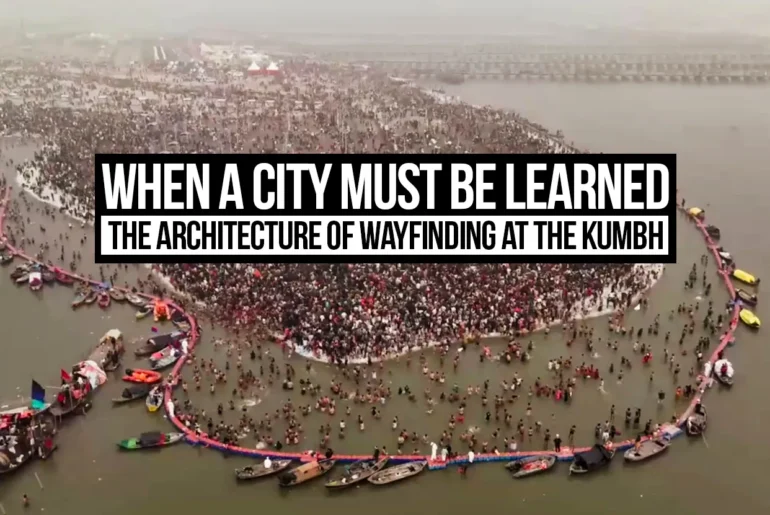
Imagine arriving in a city that you’ve never been in before. You’re surrounded by unfamiliarity: the streets, stalls, and junctions are unfamiliar; the landmarks almost identical; and the movement around…
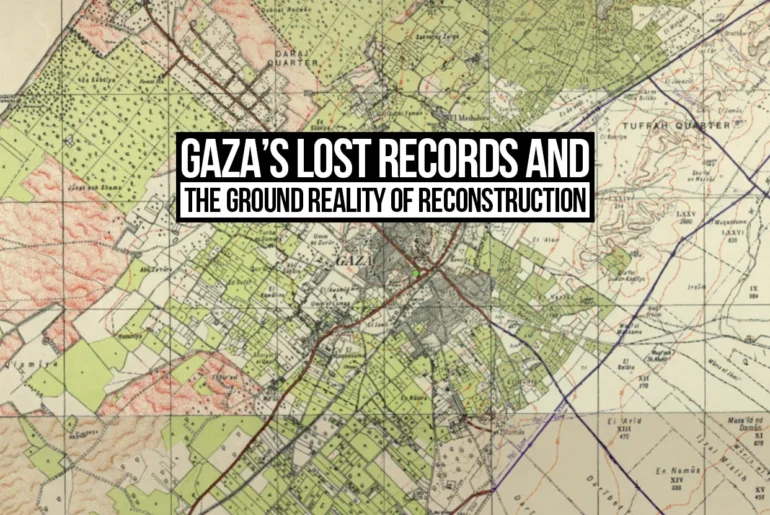
The reconstruction of Gaza City post-war has been discussed through the rebuilding process: housing programmes, infrastructure networks, masterplans and architectural proposals. Yet before the reconstruction process starts, another question must…
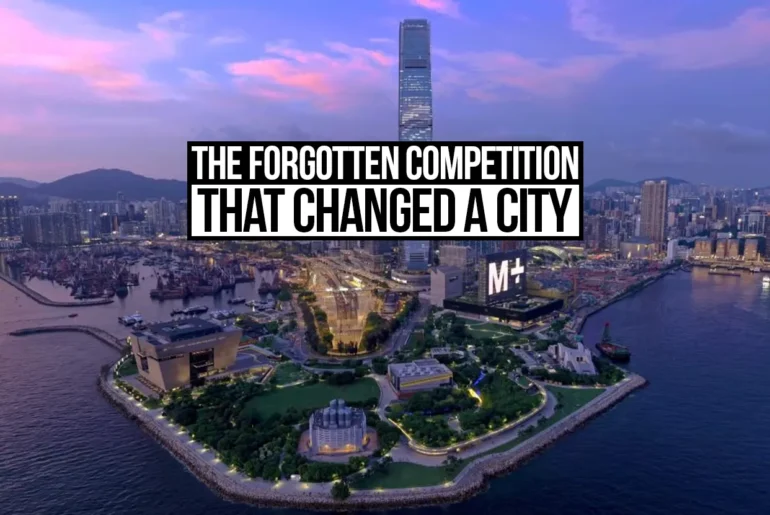
West Kowloon’s Great Canopy – the architectural vision that won a competition but never became a reality Sometimes, a city imagines its future under a roof that never gets built.…
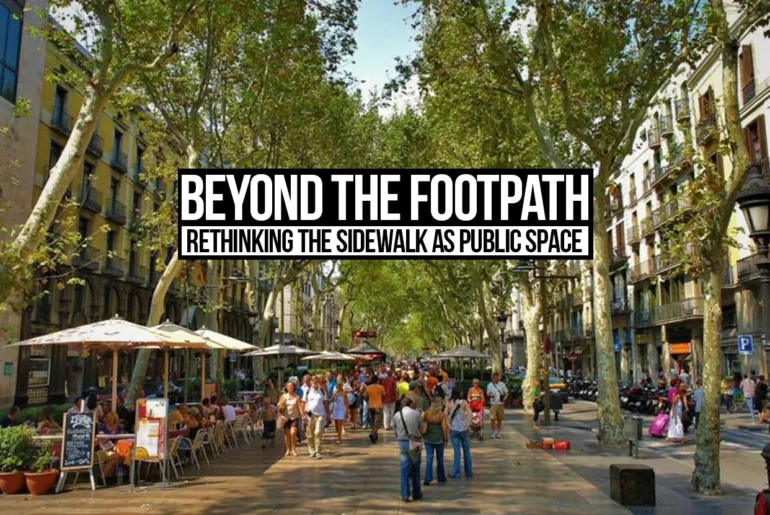
Cities are typically represented by their skylines, landmarks, and grand urban spaces. However, the real essence of urban life often happens in more mundane, less appreciated spaces. The sidewalk, often…
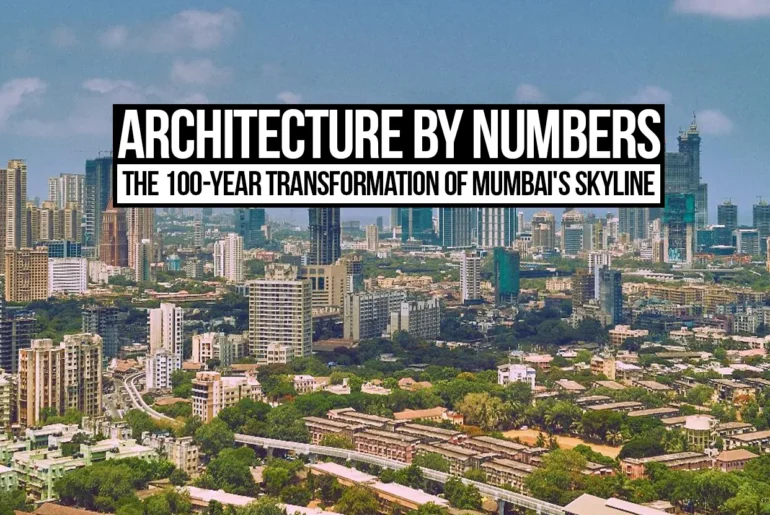
When land grew constrained, the sky broadened. This title depicts the transformation of Mumbai’s horizon over a hundred years, but it also raises a deeper question about why it rose.…
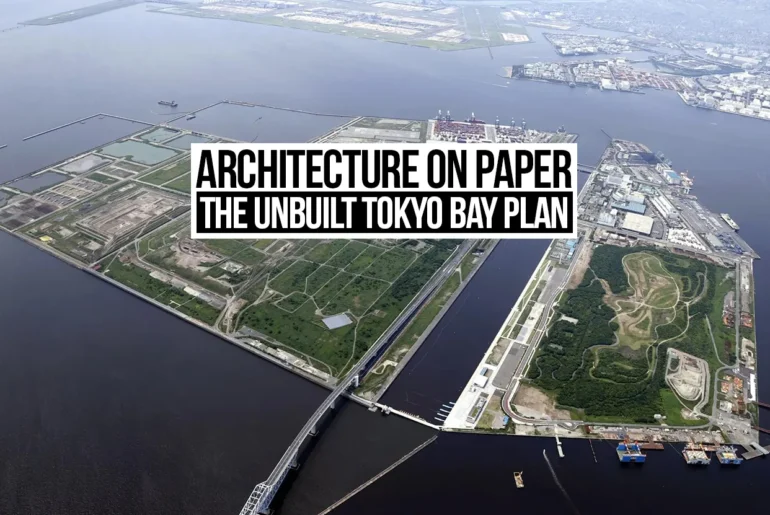
Probably the most famous structure in twentieth-century architecture is the Tokyo Bay Plan. When Kenzo Tange wrote out his plan for Tokyo in 1960, he envisioned a city that could…
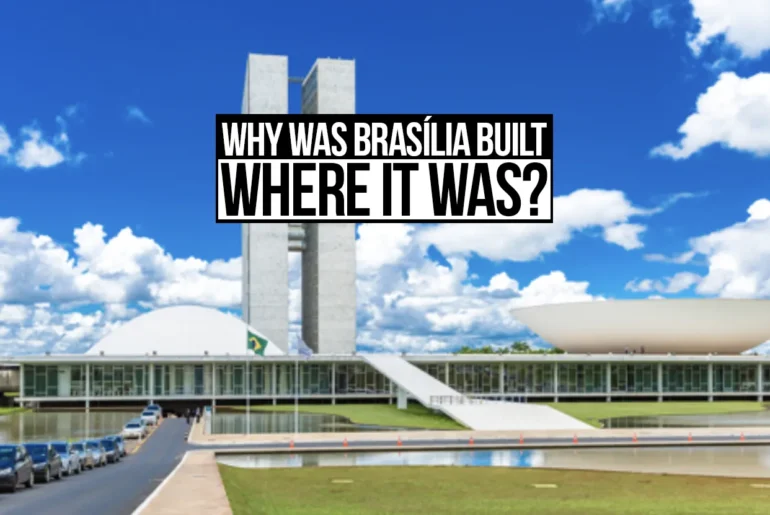
Politics and National Unity Brazil moved the capital from Rio de Janeiro to Brasilia in 1960 because the country’s population, resources, and political power were concentrated in a narrow strip…