Everyday spaces are the familiar corners of people’s lives, the hallway they walk through every morning, the kitchen where they cook their food, the work desk which is their own space in the office. People move through these everyday spaces almost each day, it subtly shapes our routines but also influences our moods, and further holds the rhythm of our days. That is the beauty of Architecture- it is not always loud but it creates the most powerful impact by being subtle, hiding in the routines that are barely noticed.
Unpacking the Everyday Spaces
Domestic Rhythms
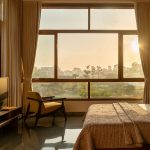
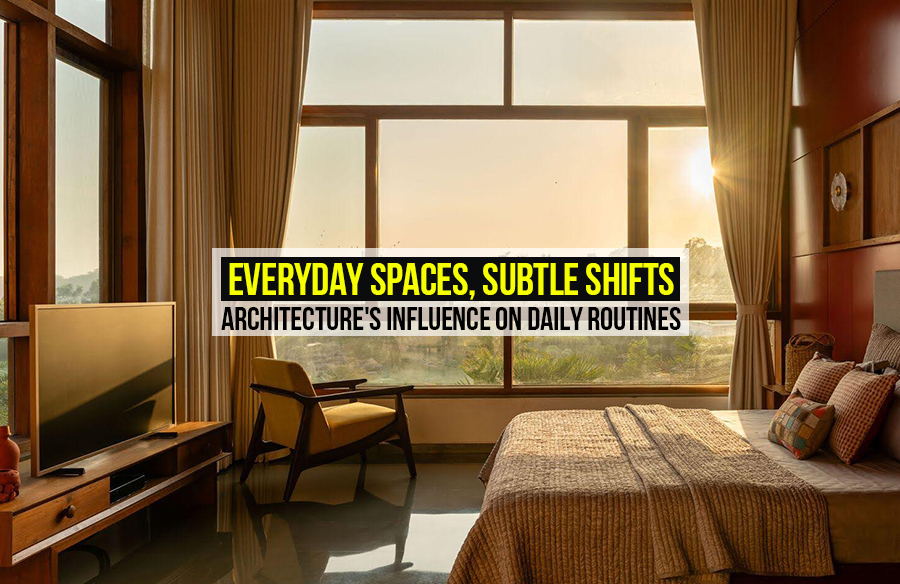
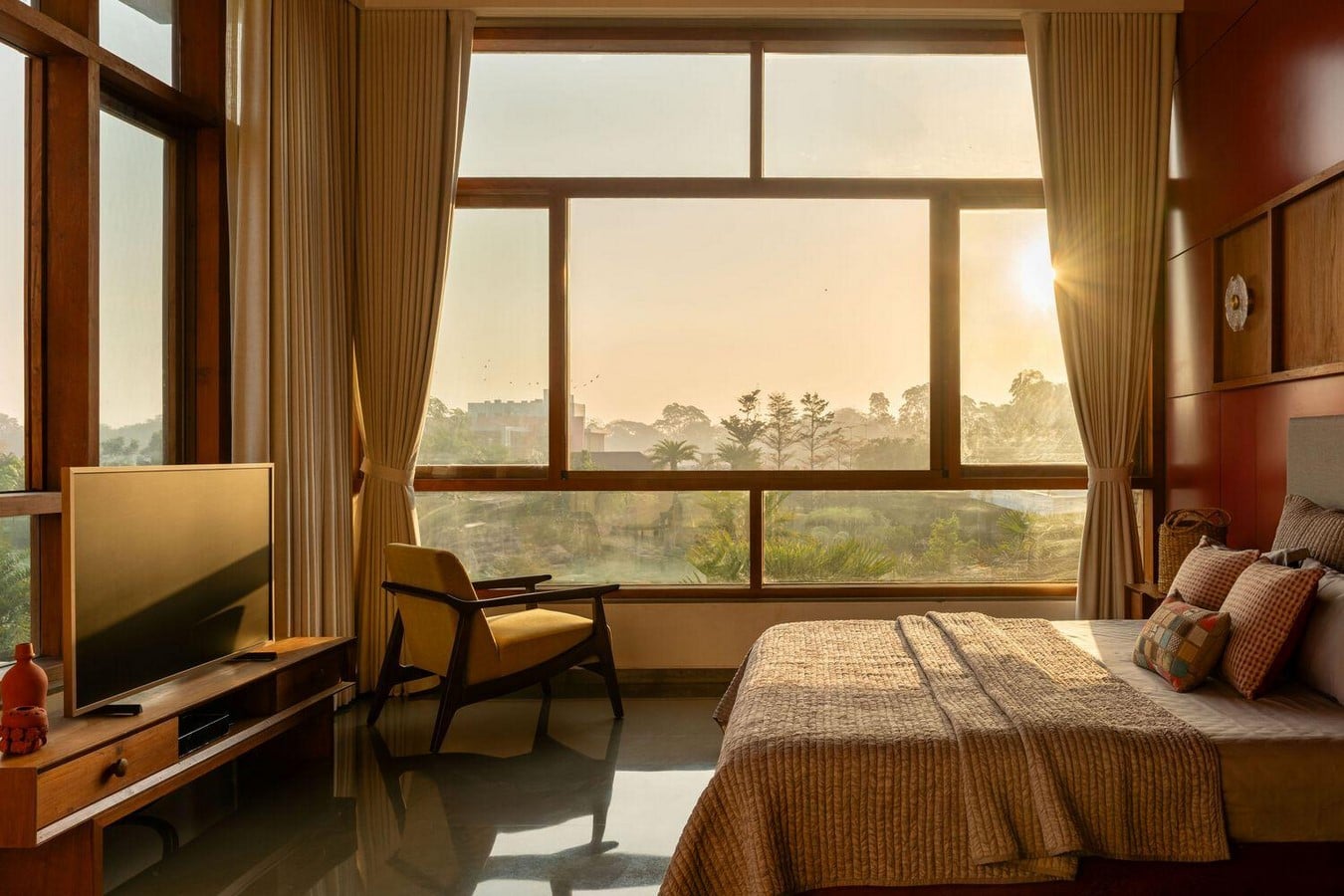
Imagine waking up to a softly lit bedroom that allows natural light to seep in during the sunrise. An uncluttered and intuitive path from bed to kitchen to perform your first morning routine of making breakfast or walking up to a bathroom with proper ventilation, not cramped can create a good tempo and quietly create a stress free good start to our day. When the design of the kitchen follows ergonomic principles and proper zoning which allows for smooth circulation between zones of preparation, cooking, and cleaning, it results in improving the efficiency of the person as well as mood of the person especially at the start of the day during morning rituals. Architectural details are subtle but can either support daily routines or disrupt daily routines.
These everyday spaces are not static spaces but dynamic spaces; these everyday spaces choreograph how people move and feel. Domestic rhythms are shaped not only by personal habits but also by the presence, or absence, of thoughtful architectural design.
Workspaces & Productivity
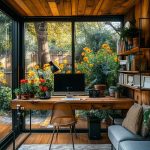
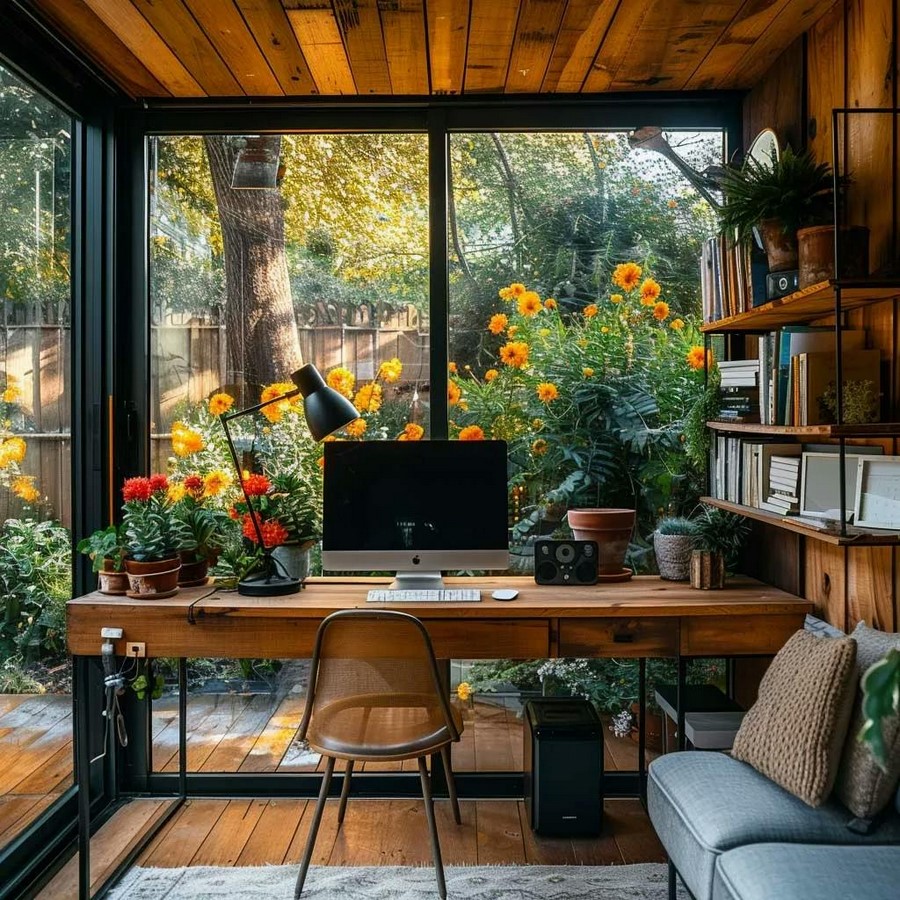
In today’s time, especially after COVID the office setups like remote and hybrid work arrangements were widely adopted across various professions. The work environments setups shifted from office cubicles to these everyday spaces like spare bedrooms, dining tables or some quiet spaces. A desk which has proper ergonomic design, along with access to daylight or a view outdoors, can significantly improve focus and create a calming environment . Subtle architectural details, like proper lighting for the space, proper sound insulation for studios, ergonomic furniture design, and adequate air circulation and ventilation facilities play an important role in boosting focus, providing physical comfort, and wellbeing.
Transitional Spaces
Everyday spaces also consist of transitional spaces which are often neglected but these spaces play an important role in the perception and engagement of the individual. A well designed architectural detail especially for transitional spaces, not only offers a subtle feeling of flow and direction, but also enriches the spatial quality of everyday spaces due to its seamless transitions.
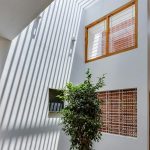
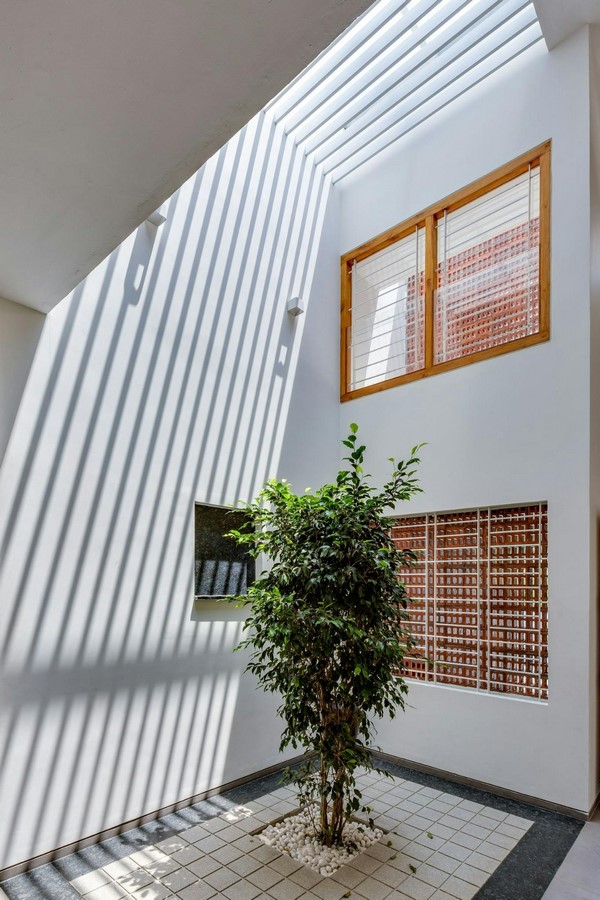
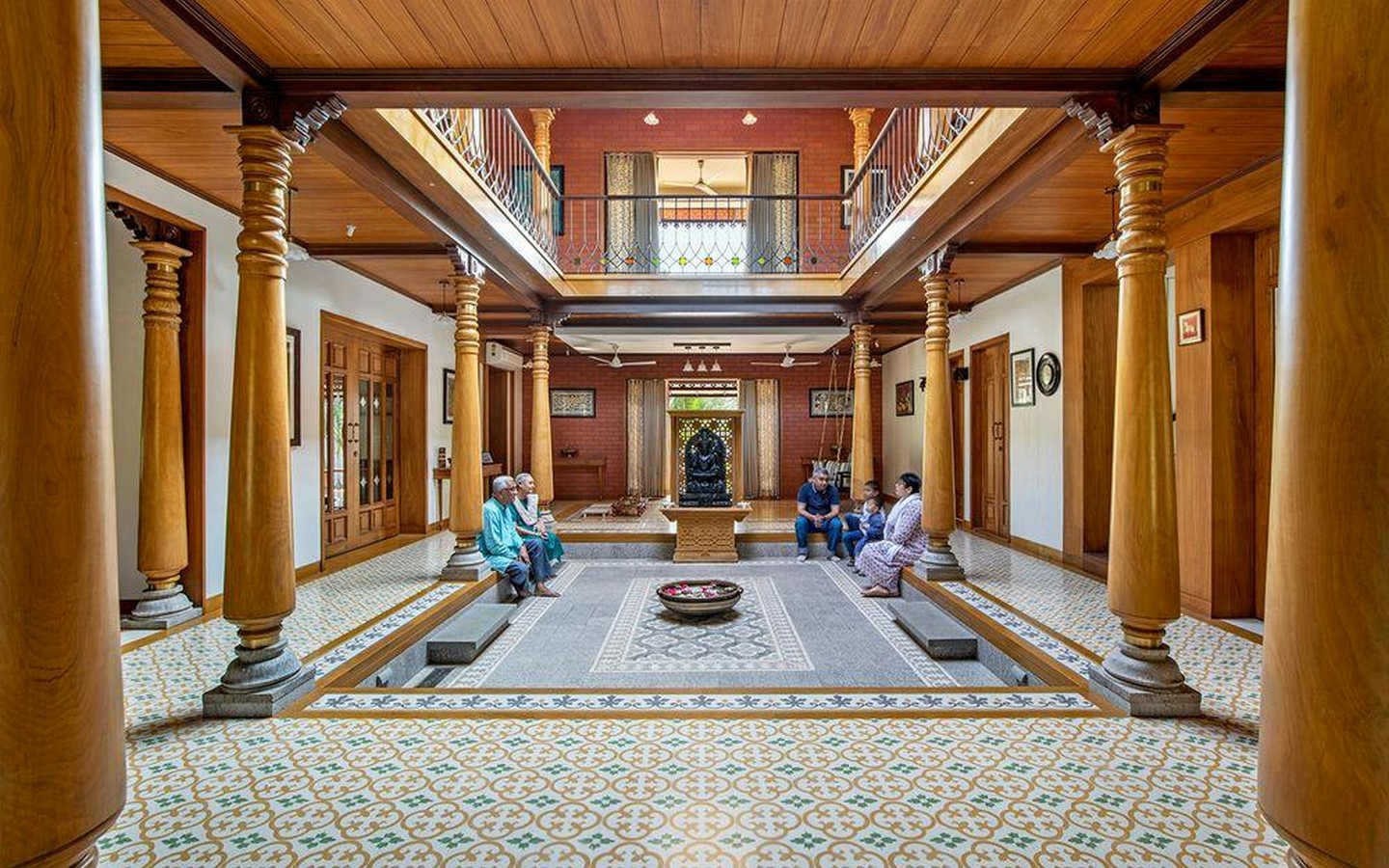
Imagine a staircase that allows for an easy movement, a hallway that opens into another beautiful courtyard space that creates the effect of blurring the boundaries and a seamless transition of their personal space to more informal space where all family members gather for the user, or the way sunlight falls on the threshold so delicately and craving beautifully spaces full with play of light and shadow, these subtle design choices have a lasting impact on experiential quality of everyday spaces.
When transitional spaces are poorly designed and overlooked, they can cause discomfort and a negative perception of a space. A narrow doorway, a sudden change in lighting, or a cluttered passage can feel disturbing for our daily routine. On the other hand, when the architectural layout supports smooth spatial flow of the transitional spaces it sets a very positive, productive feeling for the day.
Mental Health
Environmental psychology is the study of transactions between individuals and their physical settings. In these transactions, individuals change the environment, and their behaviour and experiences are changed by the environment (APS). High ceilings may inspire openness, while low ceilings can evoke feelings of safety or confinement. Sound absorption, texture, color, and scent all contribute to creating a perception of the space. (Fierro-Newton, 2024)
Thoughtfully designed spaces especially when it comes to everyday spaces can reduce stress, enhance creativity, and promote a sense of calm. For instance, incorporating natural light, green spaces, and open layouts can significantly improve our psychological state. (Paulus, 2024)
Architectural design greatly influences social behavior. Shapes also have a design impact- the use of a straight line creates a movement or flow, similarly usage of a circle has the ability to grab the focus. Subtle design elements like a bench placed in a quiet courtyard invites solitude, while communal seating encourages the urge to converse and to connect. These subtle, small design choices create an impactful and tell us the story of what the designer what to tell or feel about that everyday space.
Designing the Unseen- Everyday Spaces
A single room might accommodate various routines depending on changing needs. It might serve as a quiet workspace during the day and effortlessly transform into a dining area by evening. For instance, a compact urban apartment may feature a foldable desk that tucks away after work hours, allowing the same area to host dinner or leisure activities.
Design of everyday spaces plays an important role in shaping our daily routines. It allows individuals to feel at home or end up disturbing their daily routine. Looking at everyday spaces beyond just optional spaces but looking from a vision of creating more functional as well as emotional healing everyday space is a must.
References:
Paulus, C. (2024) How architecture influences mental health: Key design elements and strategies, illustrarch. Available at: https://illustrarch.com/articles/29236-architecture-and-mental-health.html [Accessed: 25 July 2025].
Fierro-Newton, P. (2024) How ceiling height influences creativity and focus, How Ceiling Height Influences Creativity and Focus. Available at: https://neurotectura.com/2024/12/26/how-ceiling-height-influences-creativity-and-focus/ [Accessed: 26 July 2025].
What is environmental psychology? What is environmental psychology? | APS. Available at: https://psychology.org.au/community/advocacy-social-issues/environment-climate-change-psychology/psychologys-role-in-environmental-issues/what-is-environmental-psychology#:~:text=Environmental%20psychology%20is%20the%20study,%2C%20and%20person%2Denvironment%20studies. [Accessed: 26 July 2025].