Architecture is a language civilizations have used for centuries to convey their social, economic, and political worldview. The buildings people build say a lot about the people who make them. Architecture, in a way, is a physical record of what a society chooses to prioritize, and the fabric of the city becomes an indicator of the power, beliefs, fears, and collective aspirations of the society.
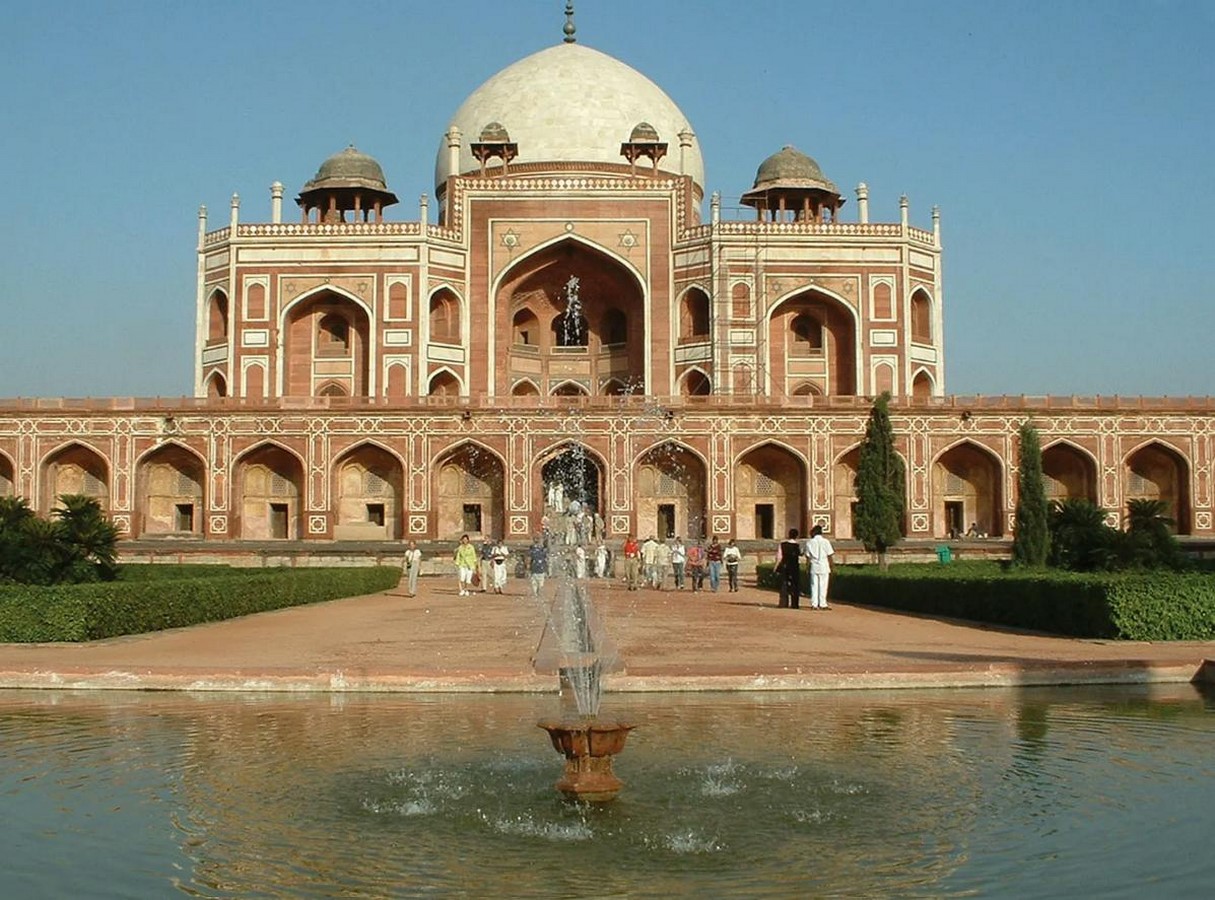
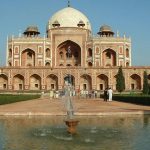
The magnificence of the Roman Empire was a testament to the fact that it was built for dominance. The intricacy and meticulous geometry of Mughal courts spoke of the order, faith, and legacy of the social construct. Brutalism came with bare concrete, showcasing a society rebuilding itself with restraint and equity in post-war Europe. This was not a coincidence, but the gradually evolving priorities of the society were set in stone through architecture.
Architecture, much like language, is not static; it evolves in response to the cultural, political, and technological evolutions in society. Today, architecture is defined by a new set of values, including sustainability, inclusivity, and innovation. From mixed-use buildings to green roofs and transit planning to smart cities, the built environment continues to adapt. It is always telling a new story of who people are and what they value in a society.
The Politics of Space: Urban Planning as a Value System
Cityscapes are shaped by the ongoing social values and priorities. Urban planning decisions expose whose lives are prioritized, whose convenience matters, and who is expected to adjust.
In many cities today, gentrification is not just a byproduct of development; it’s the blueprint. Architecture no longer just reflects identity; it controls who gets to belong.
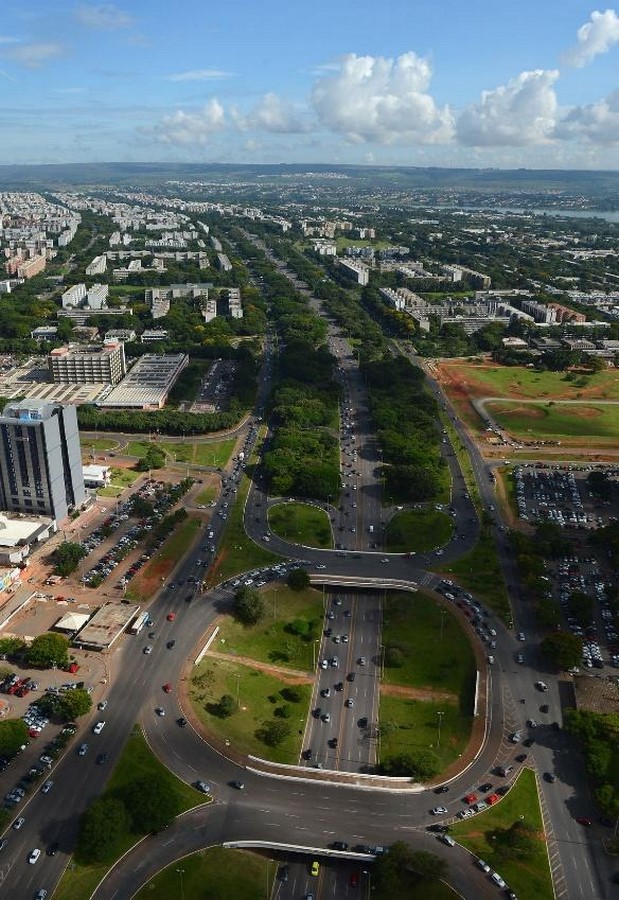
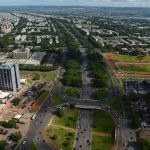
Taking Brasilia as an example, Brazil’s purpose-built capital, to reflect a modern utopia, its striking aerial symmetry zooms into a fragmented city’s reality. Costa did not design for the pedestrians; workers were pushed to satellite cities, which lacked sanitation, transportation, and civic services.
This distance between home and opportunity is where politics and privilege speak the loudest, in who sits in traffic and who gets walkable streets in society.

Contrast this with Copenhagen, where Celebrated Danish urban designer Jan Gehl insists on building cities to make people happy, rather than automobiles. Planning is a product of values in Copenhagen. Coined as the “happiest city in the world”, it is easy to determine that the urban fabric of Copenhagen is intentionally designed to promote joy, accessibility, and a high quality of life across all sections of society.
Urban planning is more than just organizing spaces. It lays down the power, possibilities, and priorities of the society, stubbornly or subtly.
Architecture Across Time: A Quick Timeline
One of the most intriguing features of architecture is its ability to be a mirror of the spirit of the time. In ancient civilizations, the magnificence of built structures like the Egyptian pyramids or Greek temples emphasized the centralized power and divinity of those in authority. Building for the rulers entwined spirituality with political control.
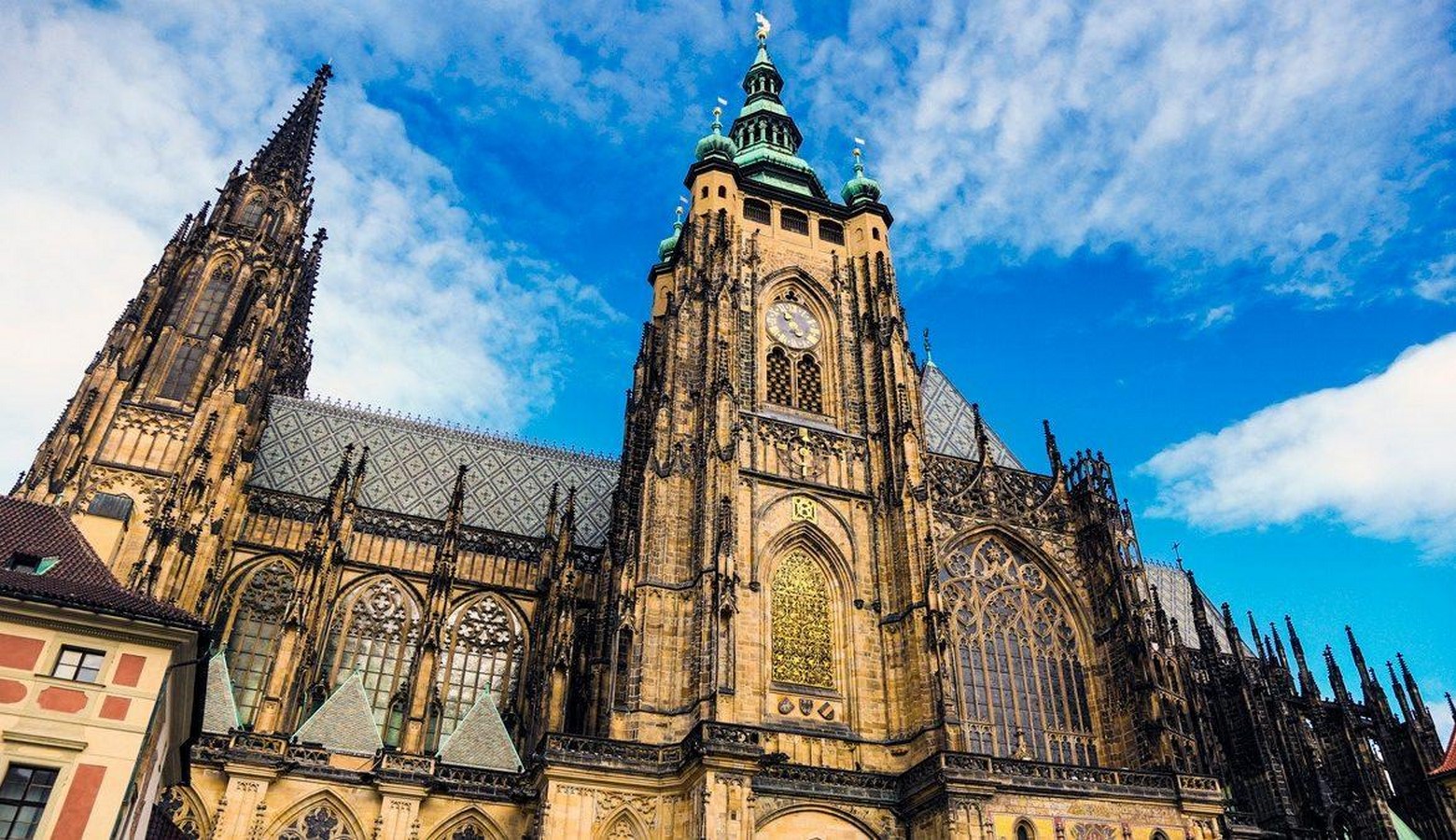
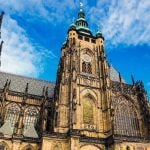
The medieval world shifted its focus to religious faith and the belief that the divine governed the earthly, which can be seen in the towering Gothic cathedrals with pointed arches reaching towards heaven.
The next shift was seen during the Industrial Revolution when the economy was reshaped and architecture became a proof of the re-shaping. Dense mass housing and utilitarian factories revealed the new priorities of the society: efficiency, productivity, and capitalism.
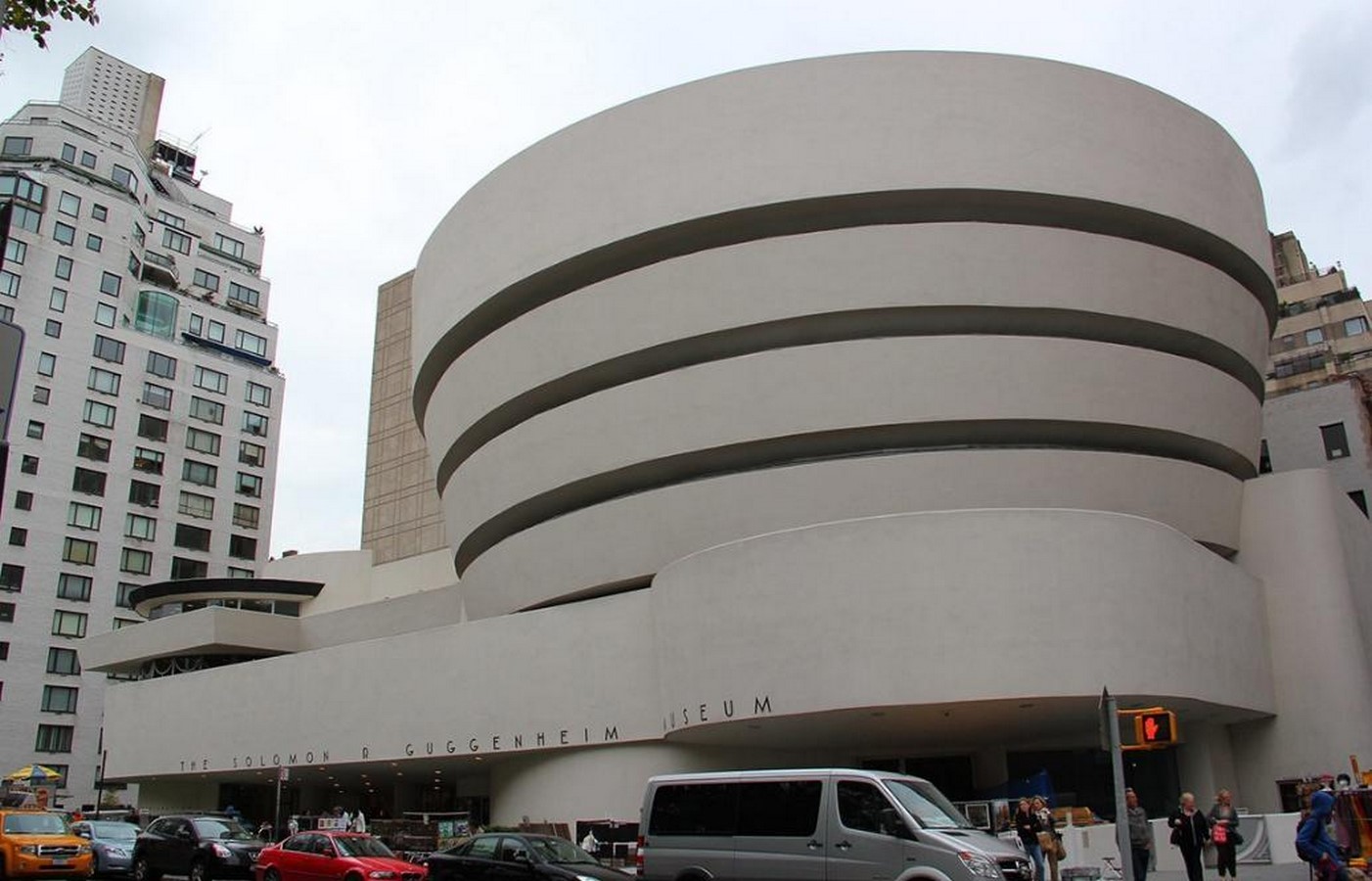
Modernism arrived, celebrating progress and the promise of a better tomorrow, when architects thought of cities as streamlined and efficient, leaving all the historical baggage behind.
Today, we have moved towards layered values as postmodernism questioned rigid views and thoughts and welcomed individual identity and the contradiction of thoughts. Contemporary architecture gives way to sustainability, inclusivity, and technological innovations as society learns to listen to many progressive voices at once.
Contemporary Priorities: What Today’s Architecture Says About Us
Contemporary Cities combines cutting-edge technology, sustainable design, and human-centric planning. Urban environments are evolving into interconnected ecosystems, where data-driven solutions enhance efficiency, accessibility, and quality of life.
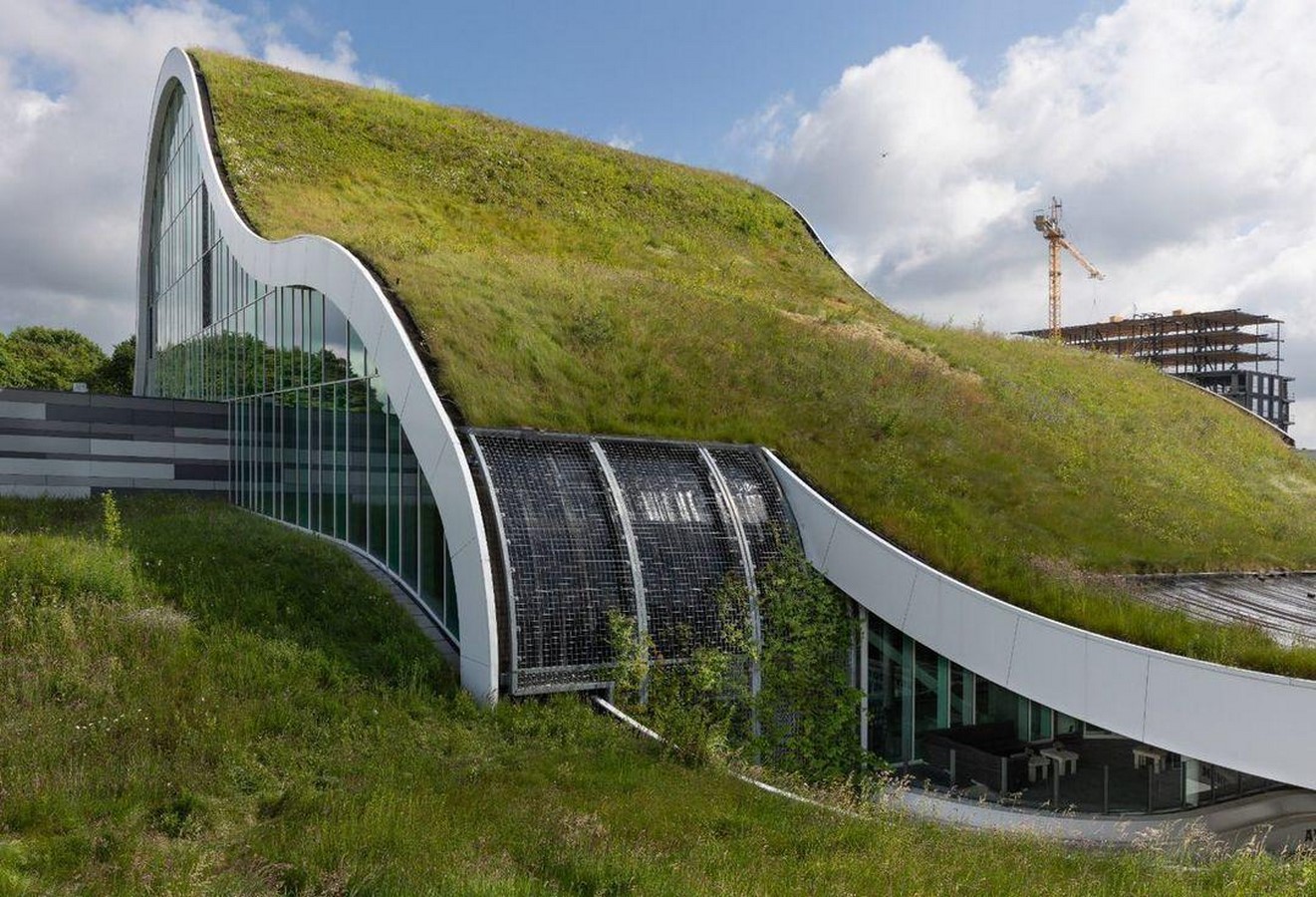
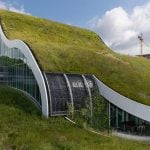
Sustainability: Green architecture prioritizes energy efficiency, water conservation, and renewable materials, catering to the ongoing need of society to repair its relationship with the planet.
Inclusivity: As a result of gradual social progression, movements have reshaped how we think about a public space today. Instead of a power-driven design, architecture is leaning towards extending its services to all and focusing on user-centric design. Social movements and Legislation played a huge part in pushing equity to the forefront.
Technological Innovations: Architectural history cycles through technological breakthroughs and explosions of creativity, with new tools and building techniques leading to a flowering of new forms. Today’s tech-driven architecture expresses a world that prioritizes optimization, innovation, and future-readiness.
Cities That Speak Our Values
Architecture can be viewed through the lens of a delicate, drawn-out dance between spaces and society. Each skyline is a pose struck mid-motion, set in stone at a particular point in time. This pose is a testament to the rhythm of time, as well as the hopes and priorities of the dancer.
Architecture has always played out the narrative of society. It is ever-evolving not just in form, but in purpose. The blueprints drawn today will be the footprints society leaves behind.
Citations:
- Gattupalli, A. (2022). How Copenhagen Is Designed for Delight. [online] ArchDaily. Available at: https://www.archdaily.com/986501/how-copenhagen-is-designed-for-delight.
- Budds, D. (2019). Inside Brazil’s ‘cautionary tale’ for utopian urbanists. [online] Curbed. Available at: https://archive.curbed.com/2019/6/7/18657121/brasilia-brazil-urban-planning-architecture-design.
- Sen, E.A. and Sen, E.A. (2025). The Future of Cities: Exploring Technology and Modern Architecture for Sustainable Urban Living. [online] illustrarch. Available at: https://illustrarch.com/articles/architectural-sustainability/38340-the-future-of-cities-technology-and-modern-architecture.html [Accessed 28 Jul. 2025].
- Sisson, P. (2023). How New Architecture Technologies Help Design the Buildings of Tomorrow, Today. [online] Autodesk.com. Available at: https://www.autodesk.com/design-make/articles/technology-architecture.