City planning and urban spaces have always been a crucial part of the toolkit used by the carriers of politics. Planners are greatly influenced by the laws and regulations laid out by the policymakers. Every public space is designed in accordance with the needs of one or more communities; however, the planning scheme greatly varies from region to region. It is a fundamental truth that the ‘Urban Spaces’ are never truly neutral or apolitical; any form of urbanization in a city decides the belongingness of people , the flow of resources , what is to be protected and what is to be policed. (Setha M Low, 2006)
When we observe the blueprints of a city, this distinction becomes very evident. The planning of a city is not just limited to mere aesthetics and efficiency rather is a strong manifestation of power. Politics embedded into the city planning the moment capital and control were involved. Resources are limited and the monopoly on them brings absolute power. Land being one of those precious resources has been used by the power bearers to reign power and implement absoluteness.
Are the urban cities truly apolitical?
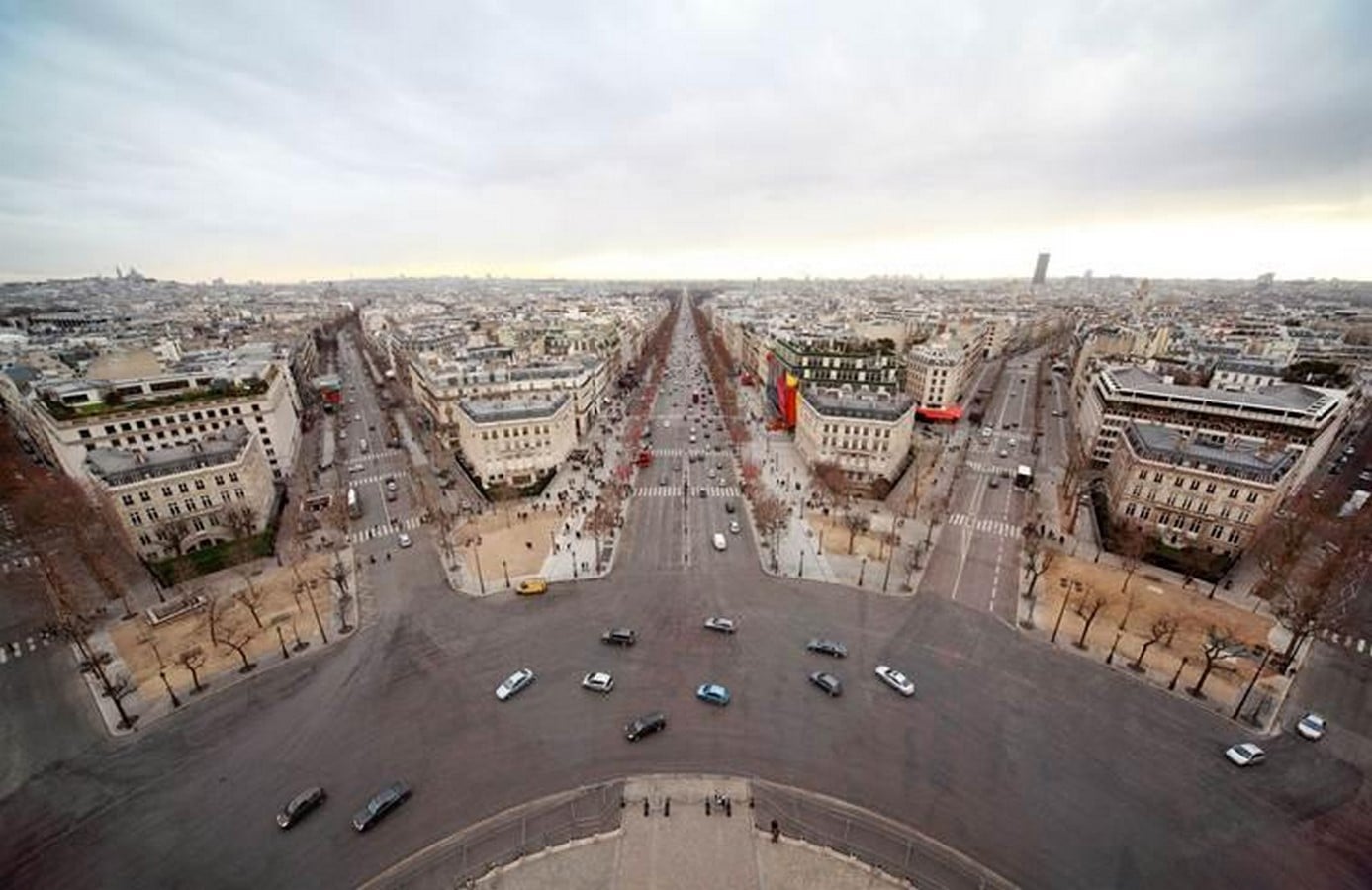
The notion of urban cities being neutral, purely designed for human pleasure and comfortability, is just an illusion. Urban spaces are intrinsically political. Every inch of a metropolis is a reflection of political powerplay, economic decisions, and social hierarchies. From the width of a sidewalk to the placement of traffic lights on the road intersections, is the play of power.
Deep down the carries of politics only care about determining the access to resources and the profit they bring. In any urban sprawl, one can always observe vacant plots and areas that are converted into public spaces. However, the power of decision-making lies with the policymakers. They decide whether to utilise the plot for a public park, a corporate headquarter or a multi lane expressway. The same planning methods that should have been based on the needs of many, rather than the interest of the few, loses its meaning when the play of power is involved. (Harvey, 2008)
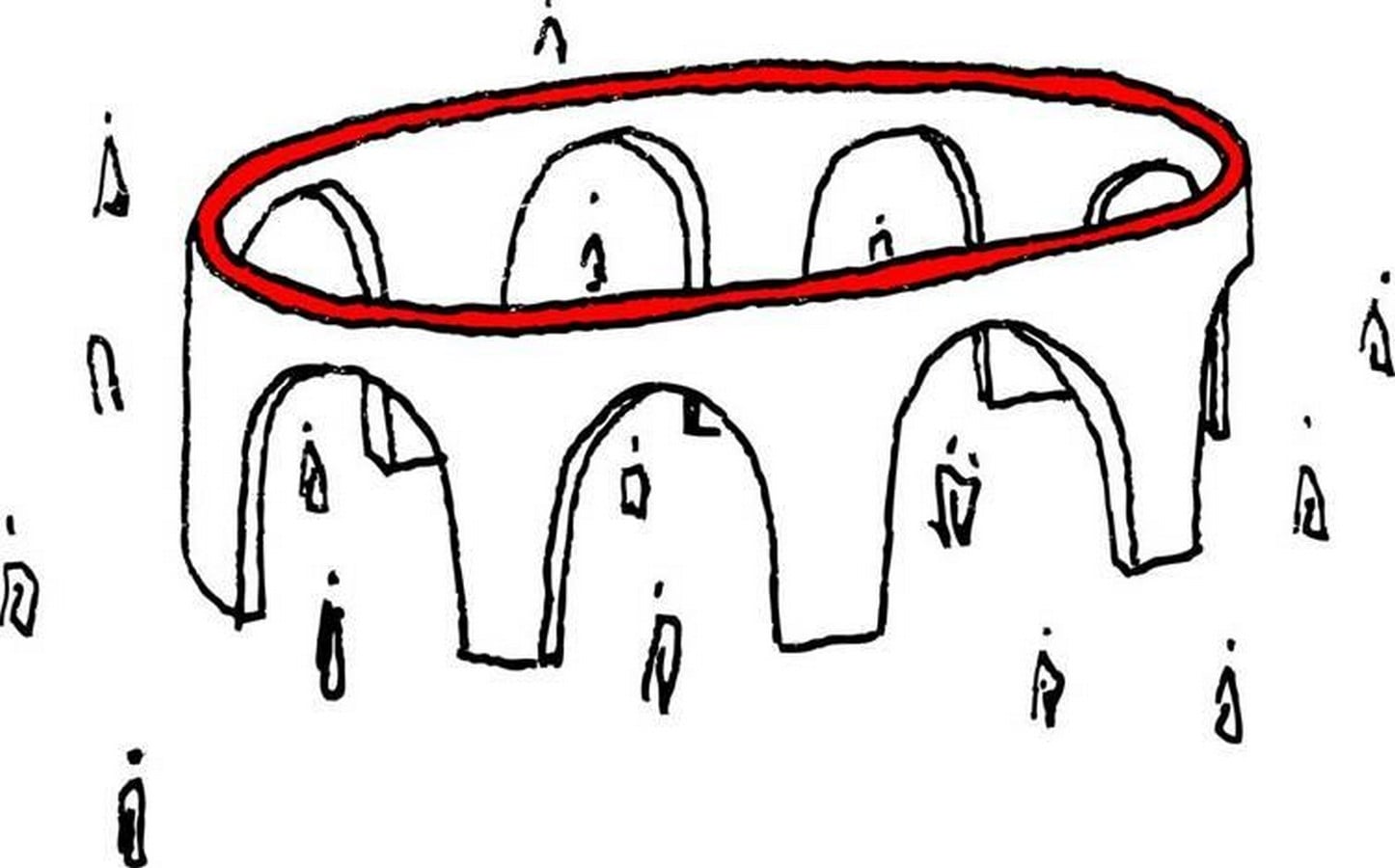
The nature of an ideal public space has always been democratic, inclusive, and utopian but ironically, the ground reality differs variably from these propositions. The idealism behind any public space is never truly implemented and experienced in those spaces. For a design to be utopian, it would have to allow absolute freedom. However, urban planning in the hands of politics is dictating and monitoring public behaviour. Planning is used to dictate the human movements, enforce hierarchies among public spaces, segregate communities that are not deemed important or affluent for polished urban spaces. It might appear that planners are using universal design features for an inclusive practice but discrimination and generalization of disadvantageous groups is more common than one can imagine. Modern Urban Planners are promoting Hostile Approaches of planning as a means of class segregation and discrimination against the unprivileged communities. These inconsequential agendas run by the policymakers don’t always include just humans; animals are also a major victim of these designs.
Hostility: A failure of urban design?
One can argue that ‘Hostile Architecture’ is just a part of the urbanization process as it ensures safety and aesthetics. Arguments are made regarding the importance of hostile architecture in the context of the modern world. It is claimed that it was introduced to limit human loitering and sleeping in public spaces. (Snyder, 2023)
However, the soul of urban design diminishes with each hostile element of design. The benches in the streets of developed cities having spikes or middle armrests are included in the practices just to exclude the homeless people; this shows how architecture is weaponised against a community to fulfil certain ideologies. Urban Design was always an approach towards inclusion, the use of these hostile elements is degrading the purpose of Urban Planning and restricting the roles of Planners as mere toolkits of the power-hungry capitalists and the legislative.
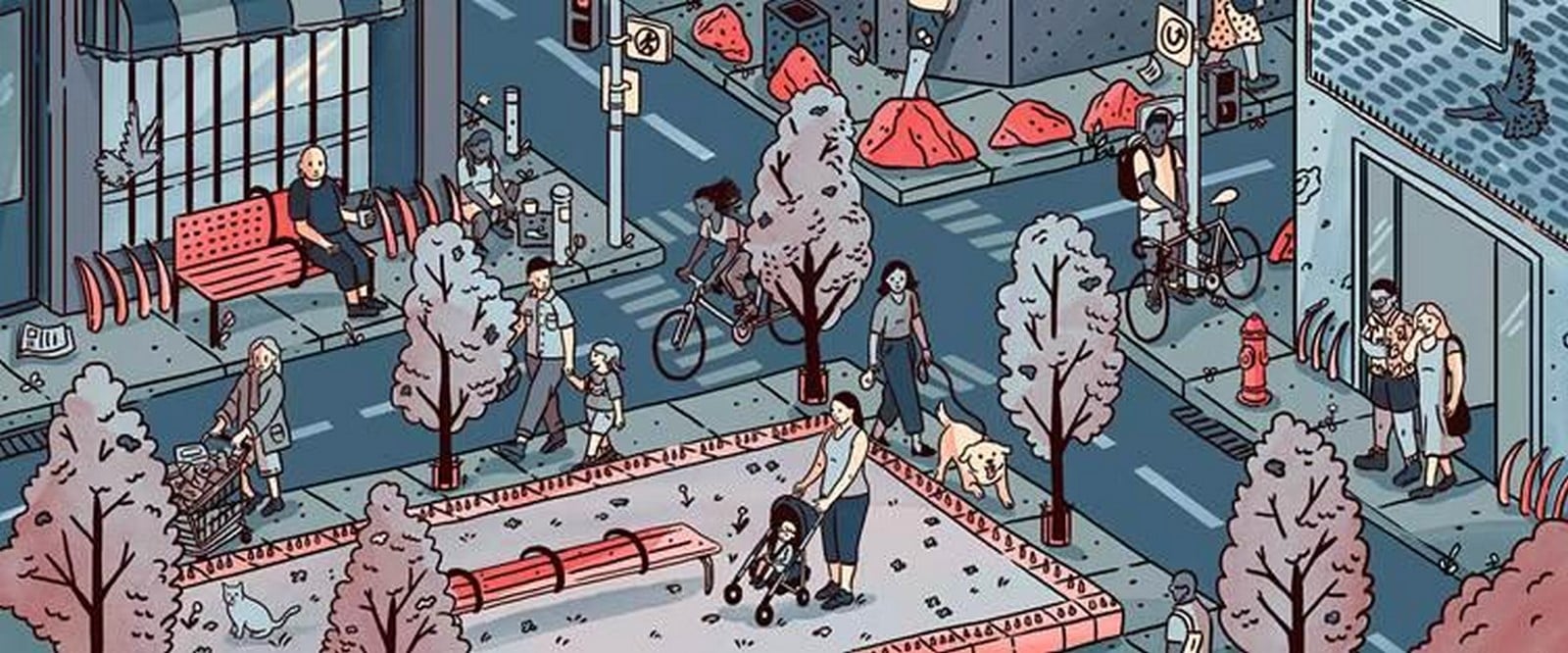
From the year 2010, hostile architecture was a matter of debate, even when it was not widely used. At that time, the curved metallic benches for Philadelphia’s subway stations, designed by Richard Goloveyko’s metalworks firm Veyko, were targeted towards the homelessness and hence created controversies.
In 2012, in Charlottesville, Virginia, the public benches were removed entirely from the downtown mall, a multi-block strip of stores and public space. Some claimed the move to be a defensive design to deter panhandling and loitering. When questioned, architect and city councillor Kathy Galvin said that inherently public space could not be exclusive, but, at the same time, her duty as a public servant was to protect her constituents’ safety. However, the critics believed that such balancing efforts were not enough to counter the effects of hostile architecture. The planning though seemed brilliant, still lacked to look through the real cause for the implementation of the hostility in architecture and design and that was : Homelessness.
Again, by 2015, when retailers in the United Kingdom (UK) installed metal spikes around their entrances, hostile design was making headlines across the world. And by 2018, the internet flooded with photographs of public spaces where any trace of hostility was found. (Snyder, 2023)
Reclaiming powers, Restoring cities
A public space is where people can sit and enjoy their surroundings; restoring those elements makes the spaces unwelcoming. Design has immense power to transform cities into havens by making them more accessible and user-friendly.
Urban planning has always been a political tool; a vital project can get delayed for political reasons. Individuals such as planners and architects should be aware of this reality. (Remond, 2023) Only then would they be able to restore their power and have a say in their own designs. As architects and planners, it becomes their integral duty to create spaces that inspire and bring satisfaction to their users without the involvement of these political toolkits.
References:
Harvey, D., 2008. The right to the city , s.l.: s.n.
Remond, M., 2023. Planetizen. [Online]
Available at: https://www.planetizen.com/features/124260-good-bad-and-urban-planning-politics
Setha M Low, N. S., 2006. The Politics Of Public Space. New York: Routledge.
Snyder, S., 2023. EBSCO. [Online]
Available at: https://www.ebsco.com/research-starters/architecture/hostile-architecture#background