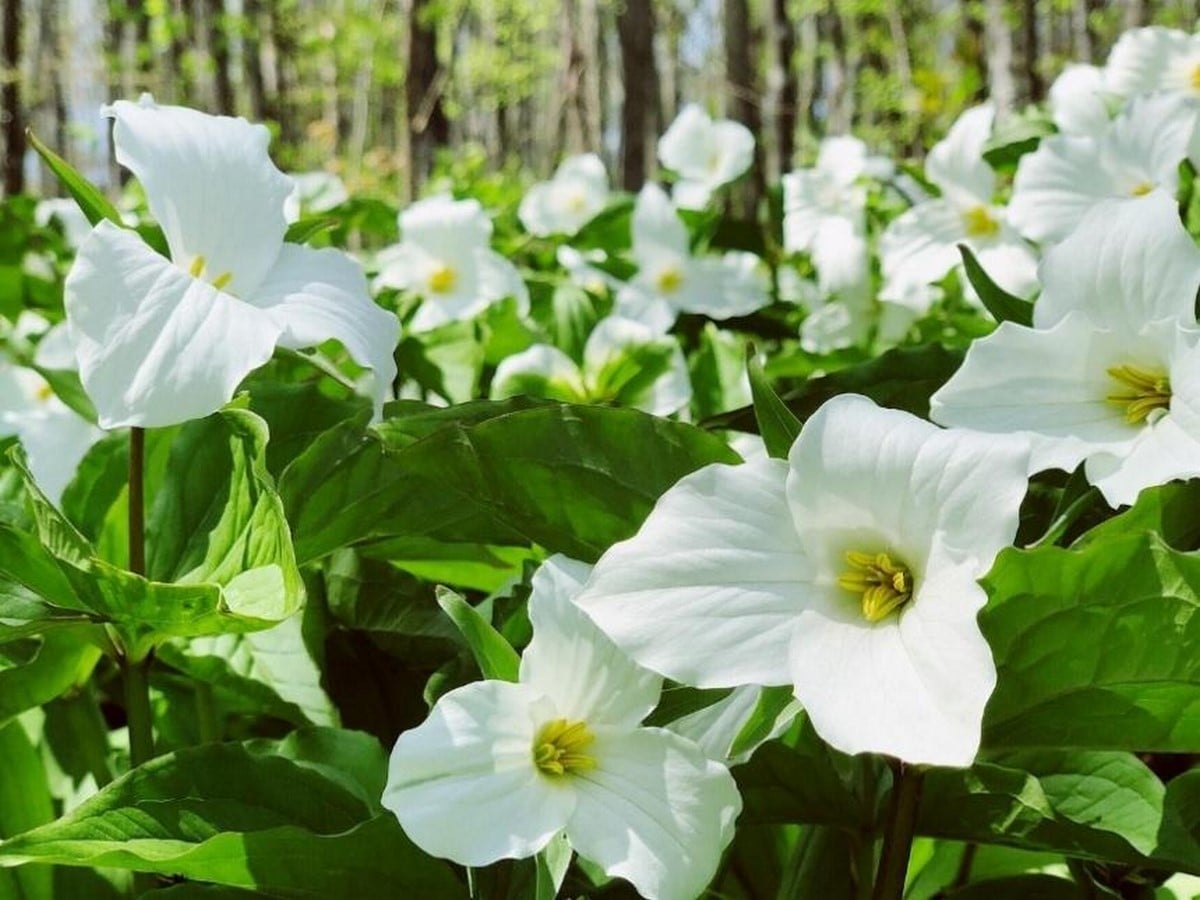
The trillium flower is nature’s quiet masterpiece—three petals, three sepals, three leaves, all are balanced in perfect symmetry. It does not scream for attention; it waits, sometimes decades, teaching patience and resilience. In Indigenous traditions, it embodies purity and renewal, while in Ontario it stands as a provincial emblem of belonging. The mall borrows the flower’s modesty and transforms it into civic poetry, translating its rhythm—purity, renewal, balance—into spaces that invite gathering, wandering, and remembering
A Modern Voice in a Historic City
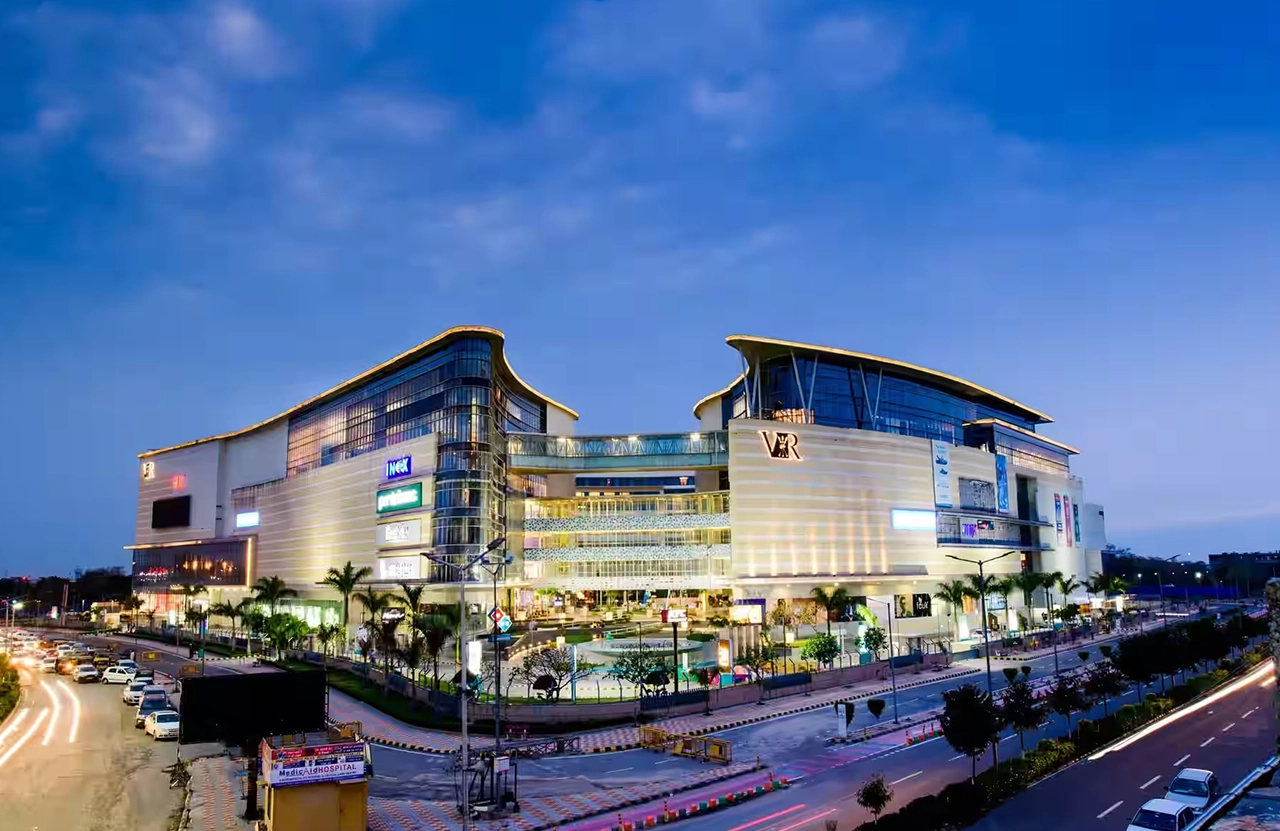
Amritsar is a city echoed with memory—its Golden Temple, its bustling bazaars, its layered history. Into this tapestry, Trillium Mall has become one of its own. It is modern, yes, with glass façades and sweeping curves, but it holds fast to one of Punjab’s most enduring principles: community. Where many malls are fortresses of consumption, Trillium opens itself like a plaza, a place where locals and tourists alike can breathe, linger, pause and connect.
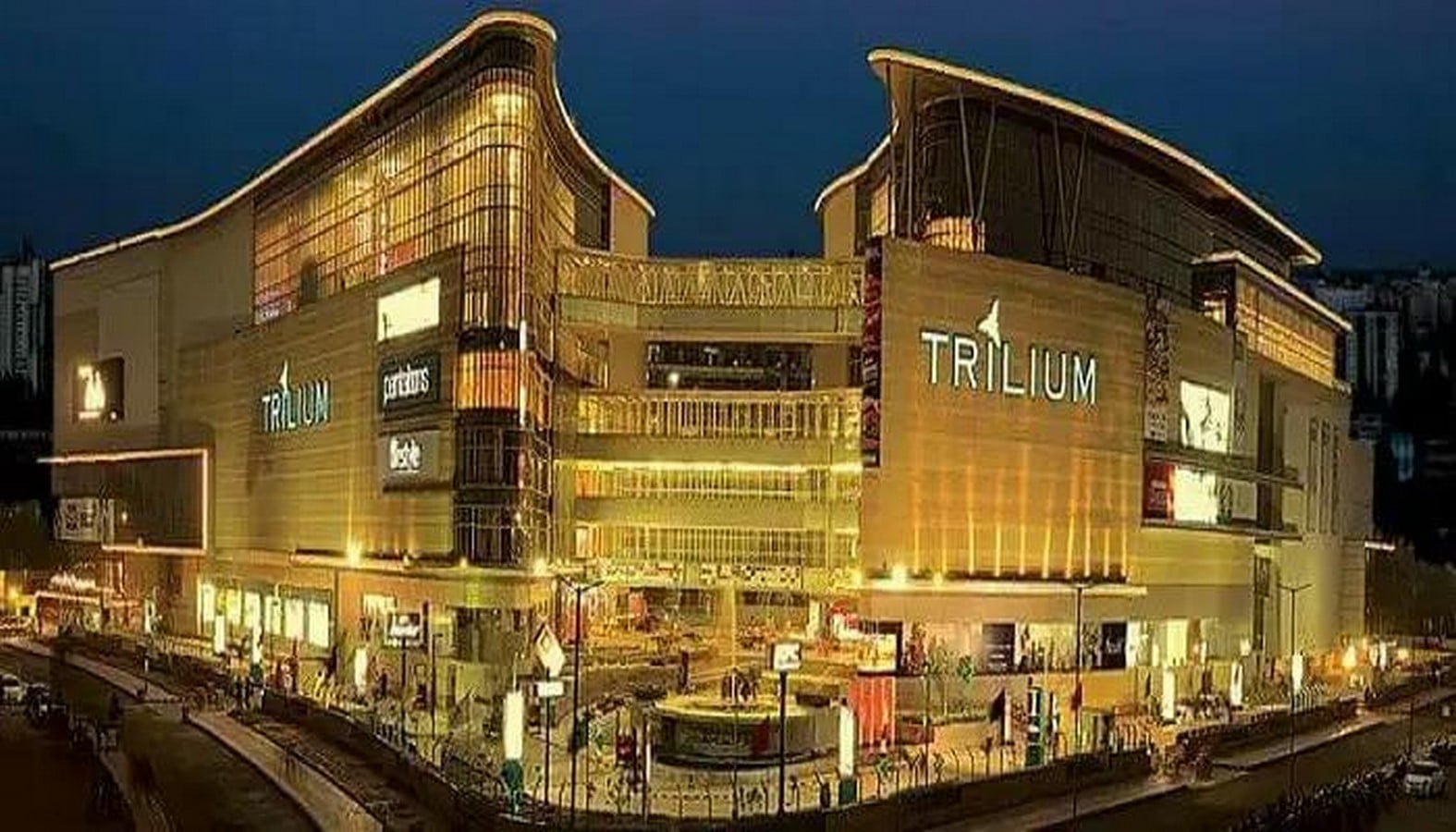
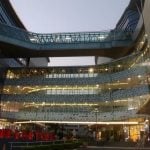
Designed by RTKL (USA) and executed by Shapoorji Pallonji & Co. Ltd, Trillium Mall is Punjab’s largest retail destination. Walking into Trillium Mall feels less like entering a shopping complex and it feels more like stepping into a civic stage. The landscaped amphitheatre greets you first, justifying that this is not merely a marketplace but a gathering ground. Children chase each other across its steps, families pause to watch performances, elders find shaded corners to rest. The amphitheatre and civic plaza are not ornamental—they are the mall’s lungs, breathing culture into the city and exhaling community spirit.
The corridors curve move gently, resisting rigid grids, turning every space into a conversation. They encourage wandering, discovery, and unexpected meetings. Shops unfold along the way, but they remain secondary to the experience of movement allowing it to be the central experience, hence body’s encounter with space overshadows the commerce. Materials—stone, wood, water—invite touch, grounding visitors in both tradition and modernity. The glass façade blurs inside and outside, so entry feels like stepping into a plaza rather than a sealed box.
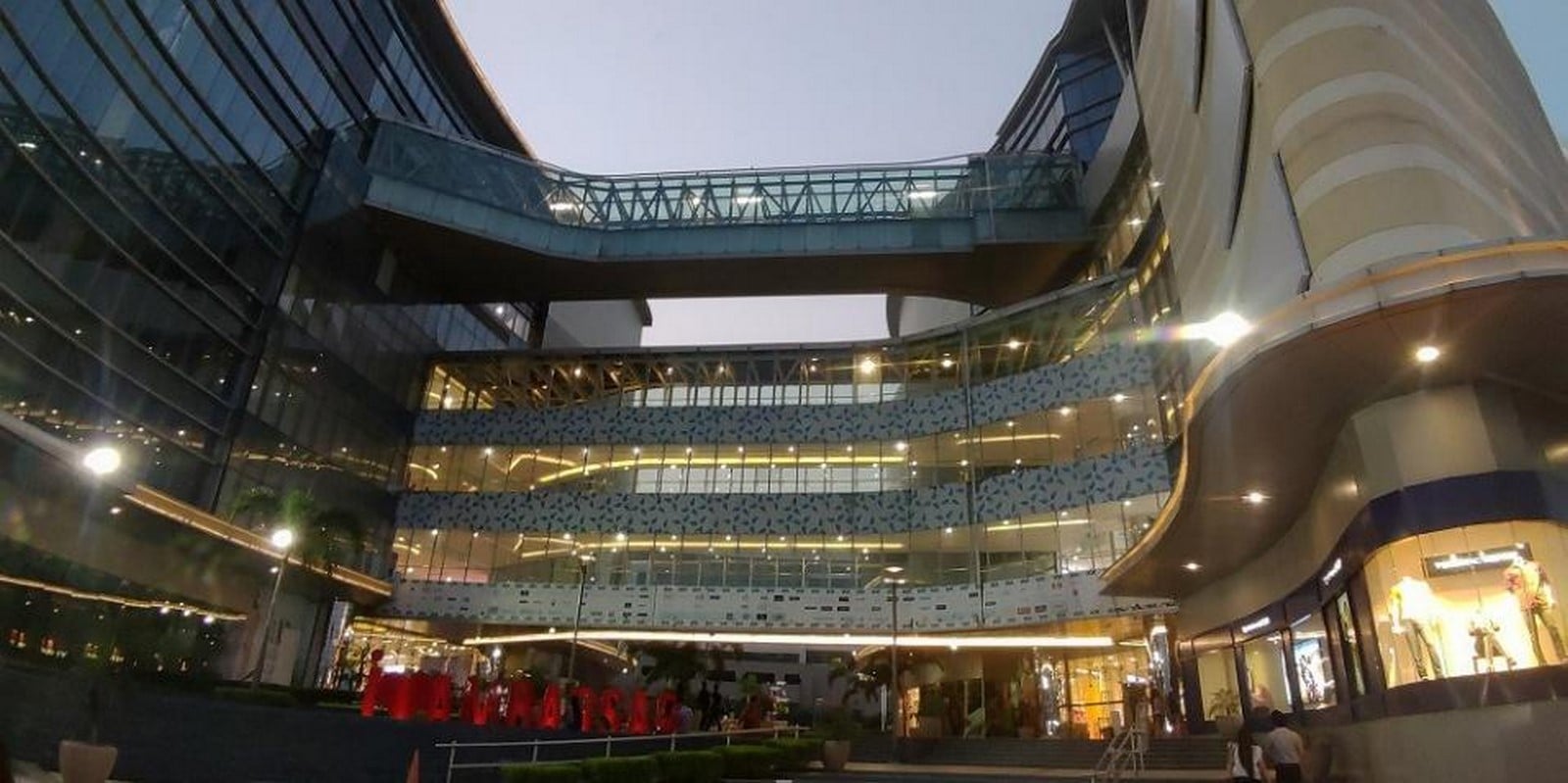
Trillium Mall positions itself as Amritsar’s living room. It is where the city’s heartbeat can be felt—performances held, fairs organized, exhibitions staged. In a city where collective gathering is woven into the social fabric, the mall becomes both stage and sanctuary. Punjabi culture thrives outdoors, in shared spaces, in laughter and music that spill into the streets. The mall embraces this nature, becoming a major gathering point where locals retreat, celebrate, and connect.
A Modern Voice in a Historic City
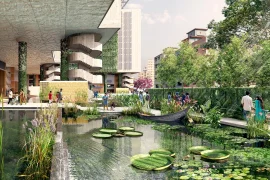
The mall’s commitment to sustainability is not a mere list of checklist but a required identity to sustain the future. It is a LEED-integrated building, with rainwater harvesting, an on-site sewage treatment plant, and centralized HVAC systems optimized for efficiency. Landscaped areas bring back biodiversity and fresh and quality air, complementing the concrete and steel of urban environment. These measures reduce the environmental footprint and position the mall as a key responsible urban hub. In the long term, Trillium Mall is not just a retail destination but a green citizen of Amritsar, showing how modern buildings can care for the environment and inspire future architectural projects to sustain their and environment’s life.
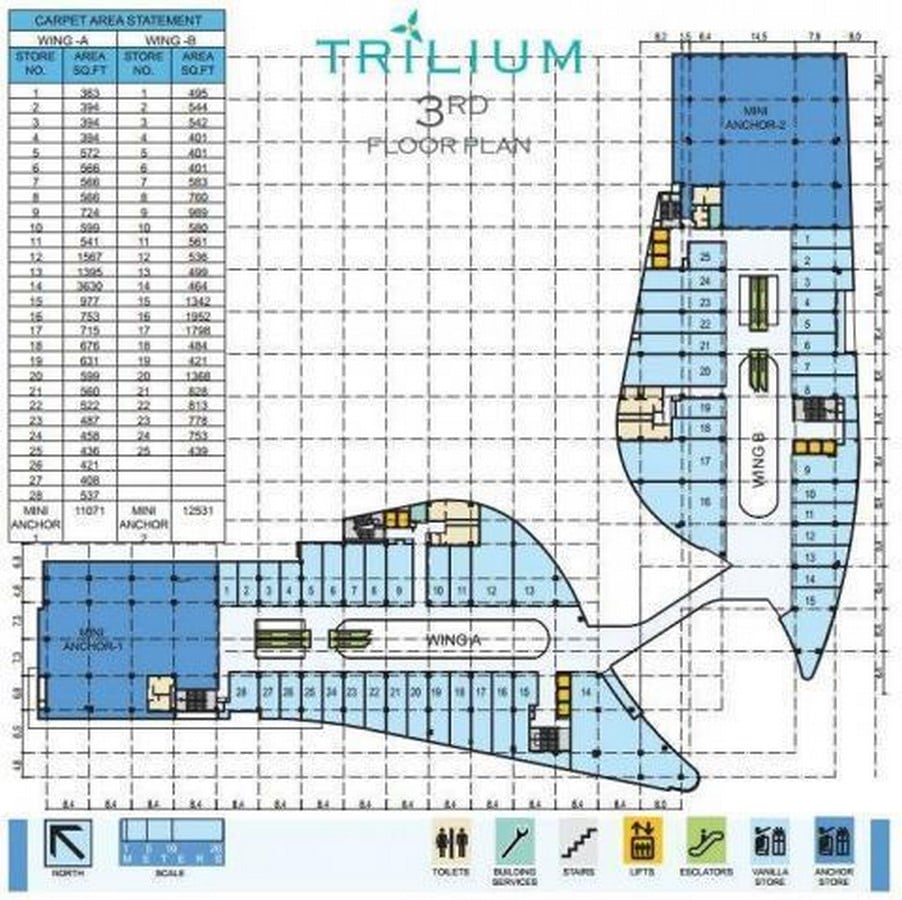
Visitors visiting to Trillium Mall embark on a thoughtfully crafted and designed journey that flows effortlessly from the moment they arrive to the mall till their departure. The experience begins with wide, accessible driveways and ramps that warmly welcome all guests, setting a tone of inclusivity and ease. Upon entering, the landscaped amphitheatre immediately draws attention, inviting visitors to pause and connect with the community before engaging in commerce. As they move through the mall, the gently curving corridors encourage exploration and serendipitous discovery, breaking away from the rigidity of conventional shopping centres. Along the way, families find spaces to linger, children play freely, and cultural performances animate the atmosphere, creating moments of joy and connection. When visitors depart, they carry with them not just purchases but a sense of belonging and memories woven from shared experiences.
Impact on Amritsar
Amritsar is a tourist hub, but few places hold space for locals. Trillium Mall fills that gap, offering a retreat where exhibitions, fairs, and cultural events find a home. It strengthens the city’s profile, blending modernism with tradition, commerce with culture. It is not just a mall—it is a cultural landmark, redefining commercial architecture in India by fostering a sense of belonging.
Trillium Mall is architecture with a soft voice and strong backbone. Inspired by a flower that waits decades to bloom, it teaches patience, resilience, and quiet joy. It proves that commercial spaces can be civic places, that sustainability can be achieved, and that architecture can narrate belonging. As a dynamic hub, the mall contributes to the city’s economic growth while respecting its cultural heritage, making it a model for future urban developments in the region.
Trillium Mall is less about shopping bags and more about commerce, culture, and community combining, leaving behind not just purchases but stories worth retelling.