The Shift in How One See’s Architecture
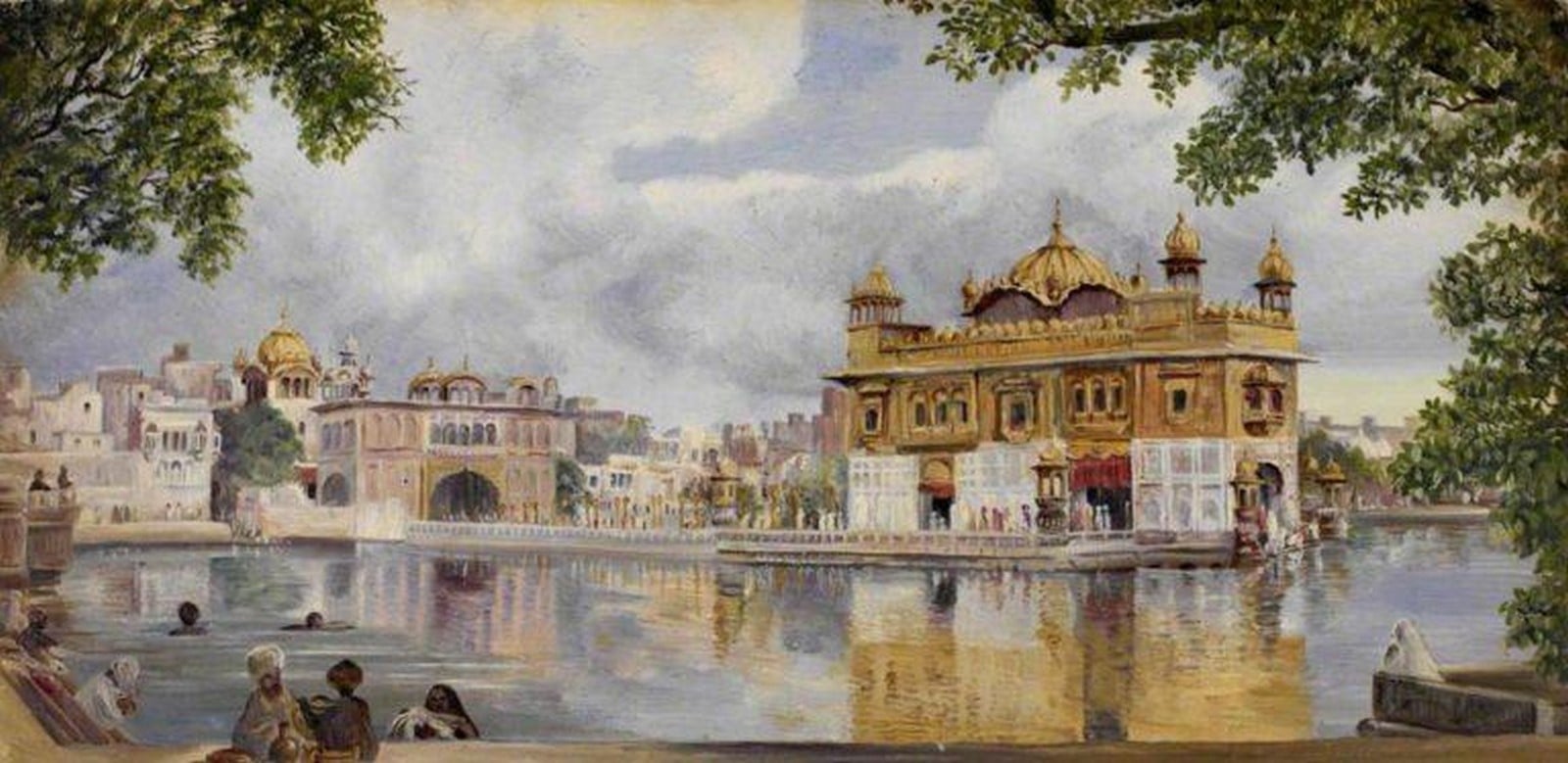
Architecture is often misunderstood as form, materials, aesthetics, style or iconic structures. But at times there are some structures that make you pause and force you to realise the deeper meaning of it. Golden Temple is the perfect example of that change in perspective. It makes one realise that architecture can also be an expression of one’s belief systems and ways of life. It is not just about the built form, it is the philosophy, rituals, society and history translated into a space.
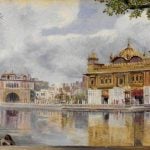
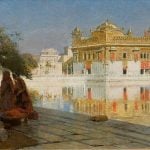
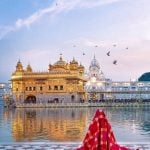
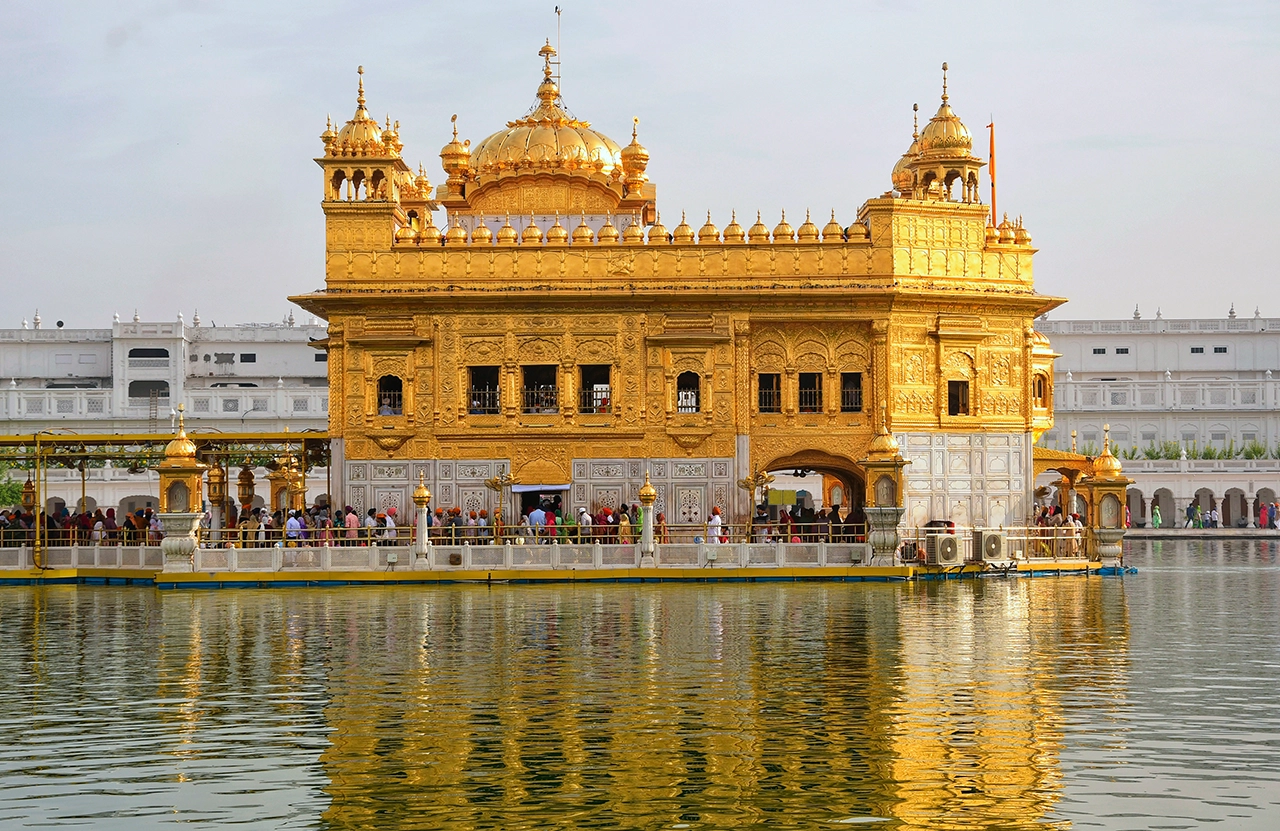
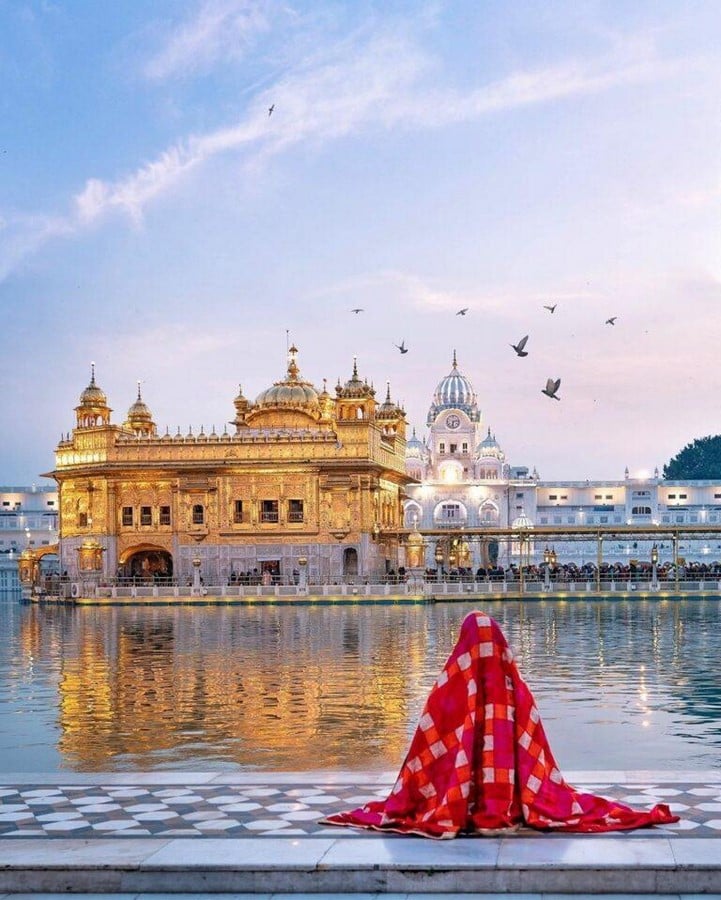
The Golden Temple is often admired for its visual beauty for a number of reasons; its gold dome, the beautiful reflection in water, its oneness with the Sarovar, but what one fails to notice is something far more profound than its beauty. The shrine is actually a deeply intertwined combination of the holy scripture, the philosophy, geometry, city planning and daily life. The golden temple is Sikh philosophy built into space.
Architecture Born from Belief
If a comparison is drawn between Sikh architecture and Hindu and Islamic architecture, and their spatial distribution, we observe that Hindu temples are highly zoned and hierarchical, Islam mosques are oriented towards Mecca. Sikh shrines are non-encapsulated and have an open architecture. That is because Sikhism emphasizes equality, community service and spiritual liberation in everyday life.
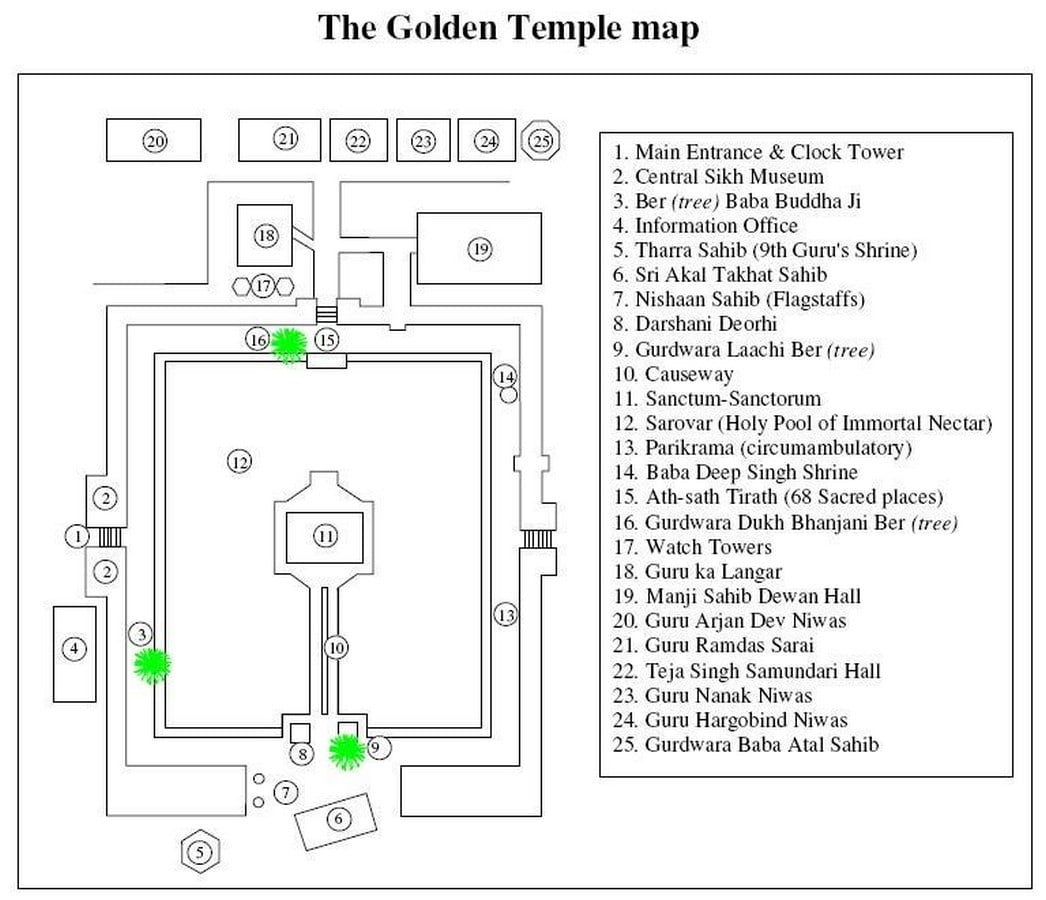
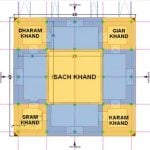
This shrine is not just inspired from religion; it is derived from interpretation of the holy scripture. Through hermeneutics (Interpreting text to derive meaning), Gurbani was interpreted and concepts were translated into geometries. The shrine’s layout maps the 5 realms of Sikh cosmology. These 5 realms are derived from Japji Sahib:
- Dharam Khand – the realm of righteous action
- Gian Khand – the realm of knowledge
- Saram Khand – the realm of spiritual endeavour
- Karam Khand – the realm of grace
- Sach Khand – the realm of truth
All of these realms constitute the shrine’s plan.
Architecture as Urban Generator
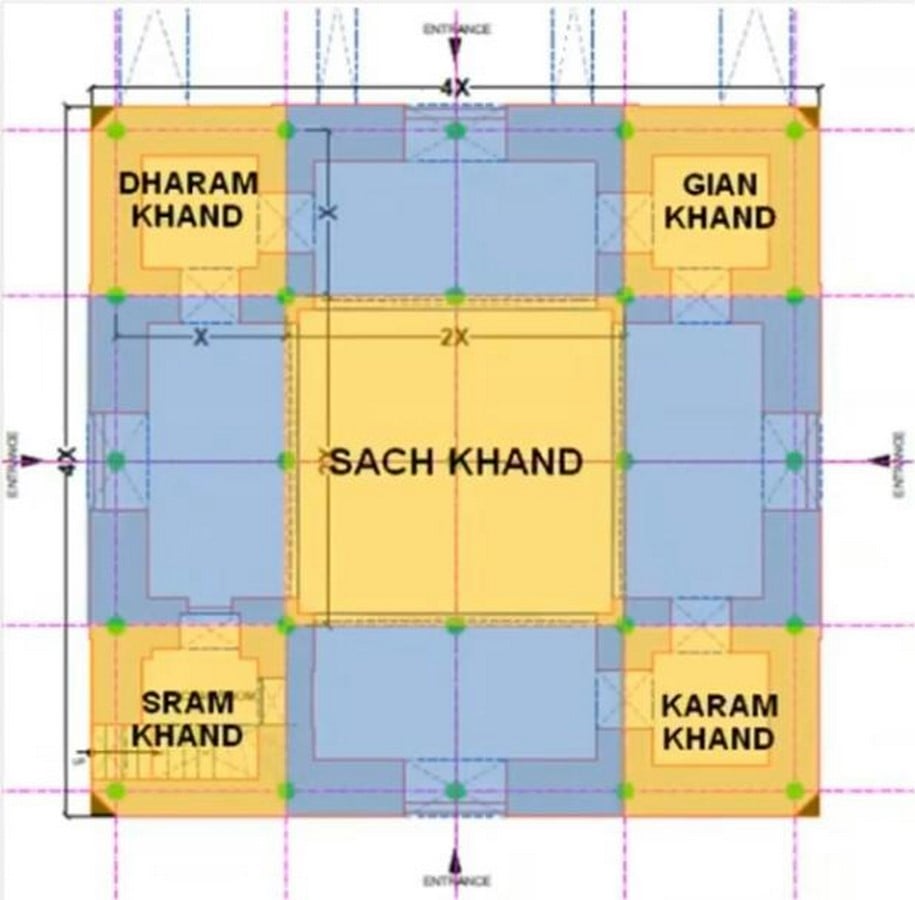
The Guru’s didn’t just build temples, they built cities. The planning concept sort of resembles a
bead and thread pattern. The nodes represent beads; the streets represent threads connecting them. The city evolved in layers. Amritsar grew around Sarovar in 1577 by the 4th Sikh guru, Guru Ram Dass Ji. The site was a small village surrounded by agricultural land and trade routes between Delhi and Lahore. This site was selected by the third guru, Guru Amar Dass Ji. This city reverses the normal process of growth. Cities usually build temples, here the sacred water created the city.
Sarovar at Golden Temple
Water in Sikh thought represents purity, reflection, spiritual cleansing and collective gathering. The tank was named Amrit Sarovar which means Pool of Nectar and the settlement that grew around that came to be called as Amritsar- Amrit means nectar, sar is short form of Sarovar and means pool. The city was conceived as a place of gathering around shared spiritual resources, not around power or fortification.
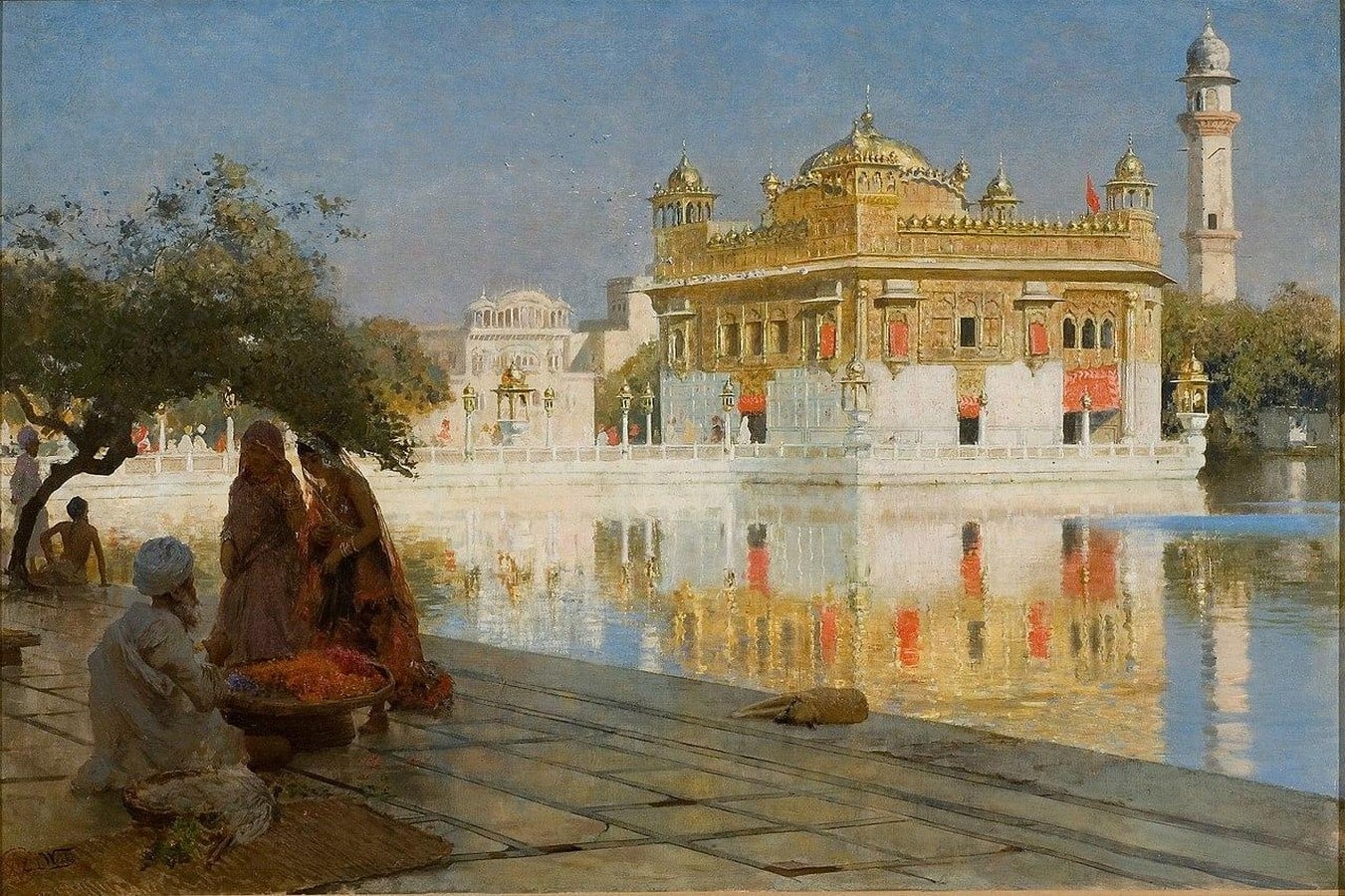
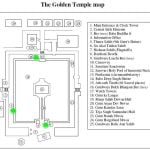
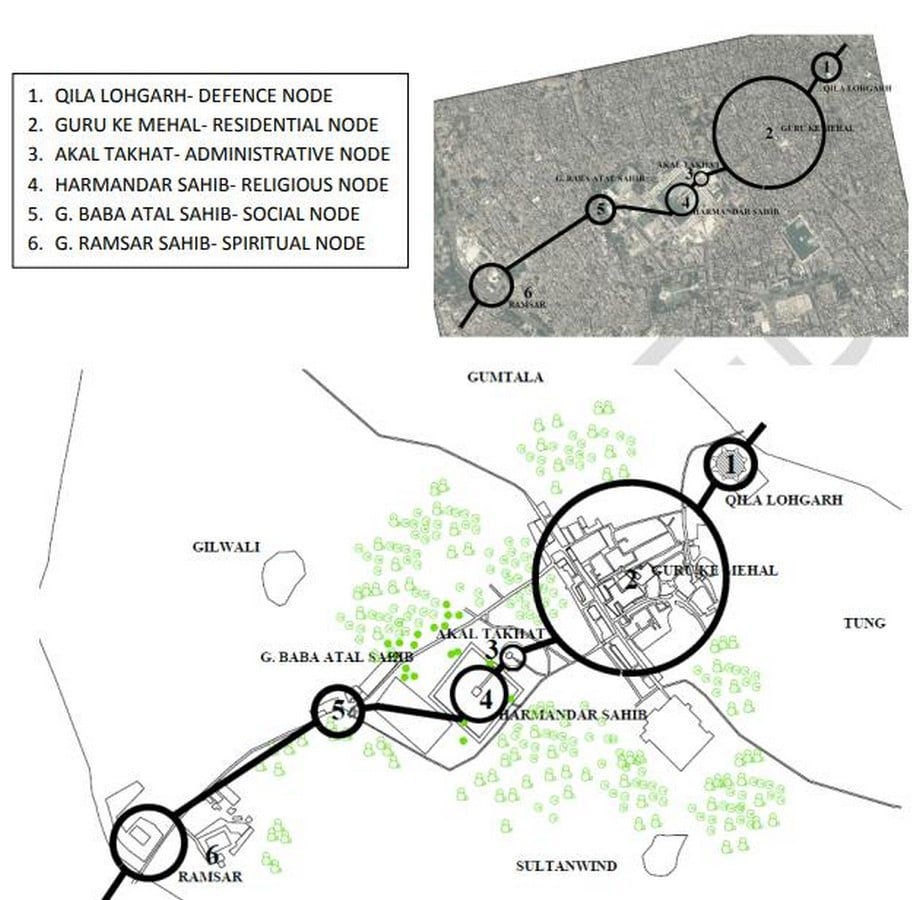
The Golden Temple was constructed in the centre of the Sarovar by the 5th guru of the Sikhs, Guru Arjan Dev Ji, in 1604. The sanctum is a 12.25 x 12.25 metre square with two storeys and a gold leaf dome. This sanctum has a marble platform that is a 19.7 x 19.7 metre square. It sits inside an almost square (154.5 x 148.5 m2) pool. The pool is 5.1 metre deep and is surrounded by a 3.7 metre wide circumambulatory marble passage that is circled clockwise. The sanctum is connected to the platform by a causeway and the gateway into the causeway is called the Darshani Deorhi (from Darshana Dvara). Bathing in the pool is believed by many Sikhs to have restorative powers, purifying one’s karma. Some carry bottles of the pool water home particularly for sick friends and relatives. The pool is maintained by volunteers who perform Kar Seva (community service) by draining and desilting it periodically.
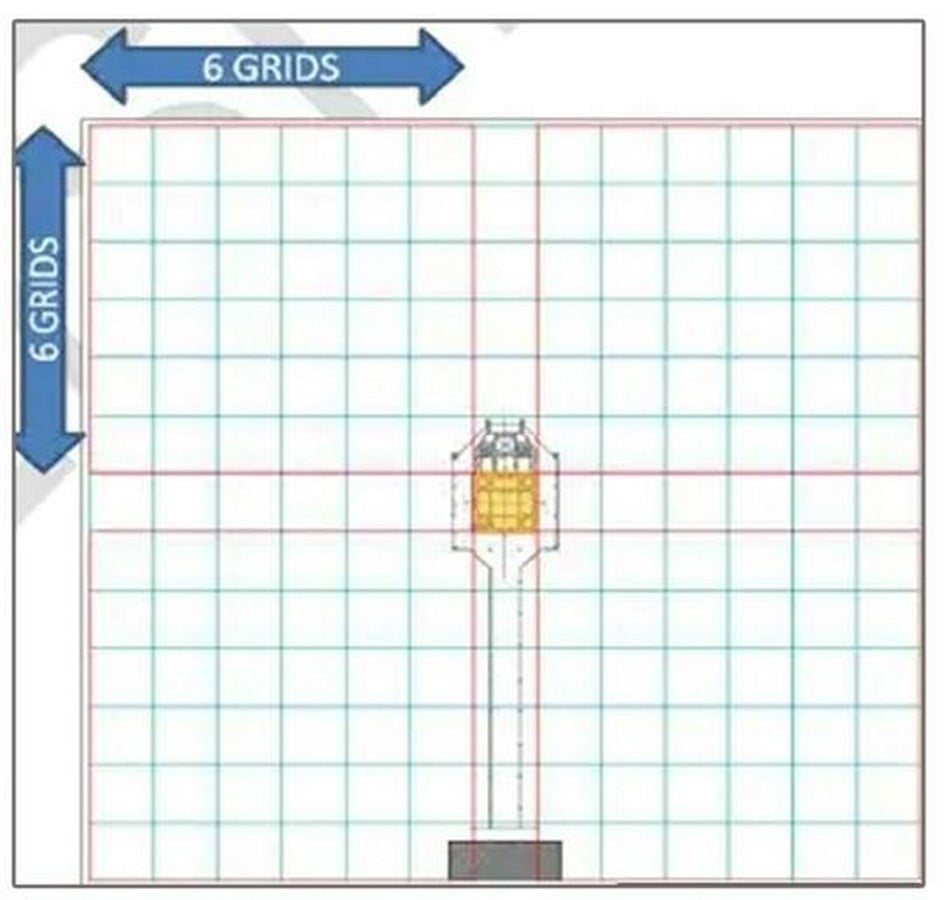
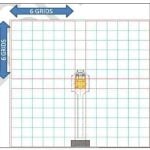
The image clearly reflects that taking the size of 13X13 grids on each side, the sanctum sanctorum was placed in the geometrical centre.
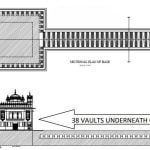
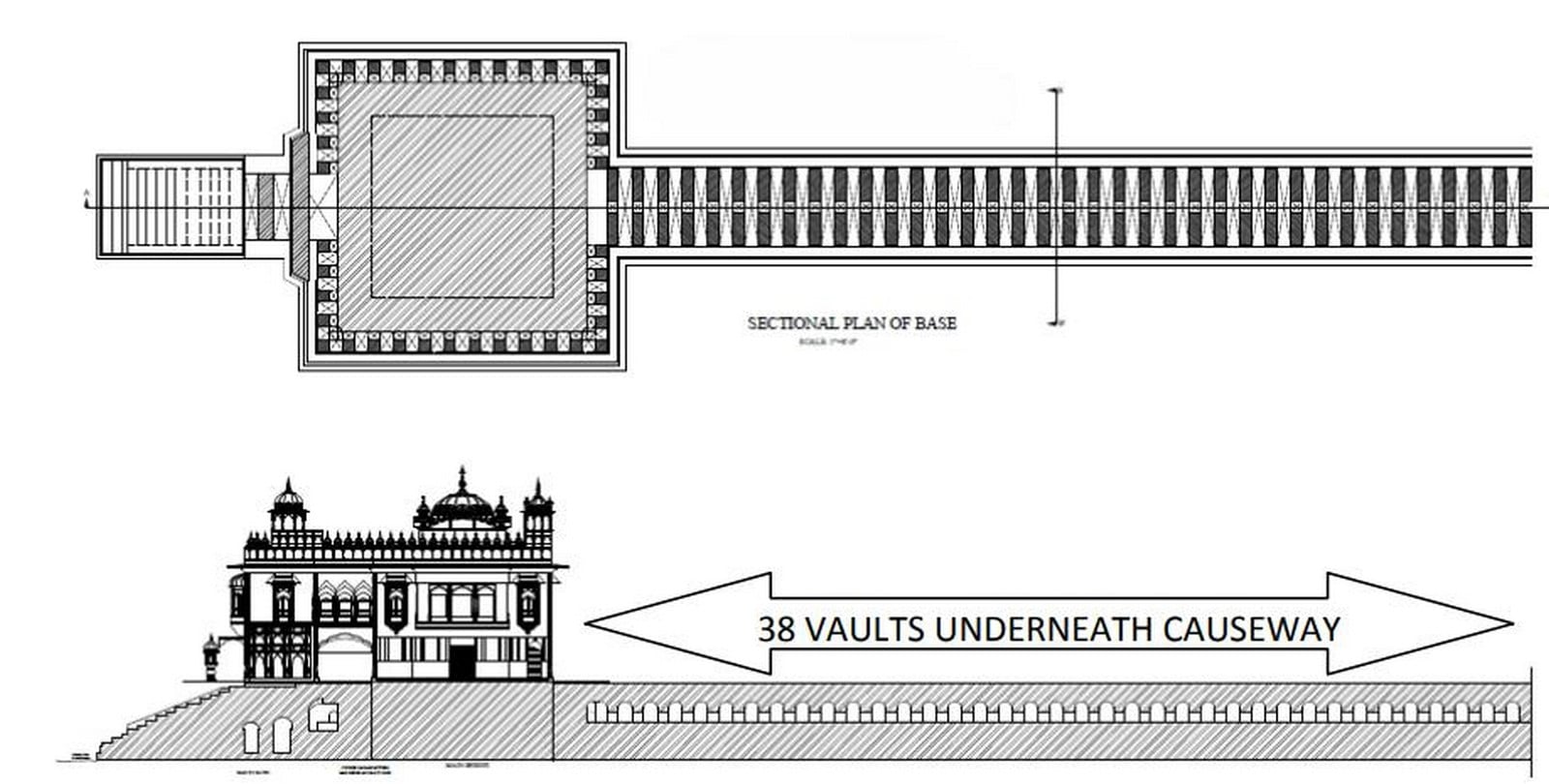
Standing right in the centre of a brick lined pond, the sanctum sanctorum rests 5.18M from the base of Kucha Sarovar. Approached by causeway 6.0M wide and 65.45M length (from interior face of Darshni Deorhi), the sanctum measuring 12.35M X 12.35M is placed over a platform measuring 20.83M X 20.83M with an extension of wedge-shaped area housing second part of Har ki Pauri comprising of set of 2 staircases leading to upper floors. Under the causeway, there are 38 cross-sectional vaults, known as
swarg-dwarian (doors to heaven), and the same number of 38 underneath the sanctum sanctorum.
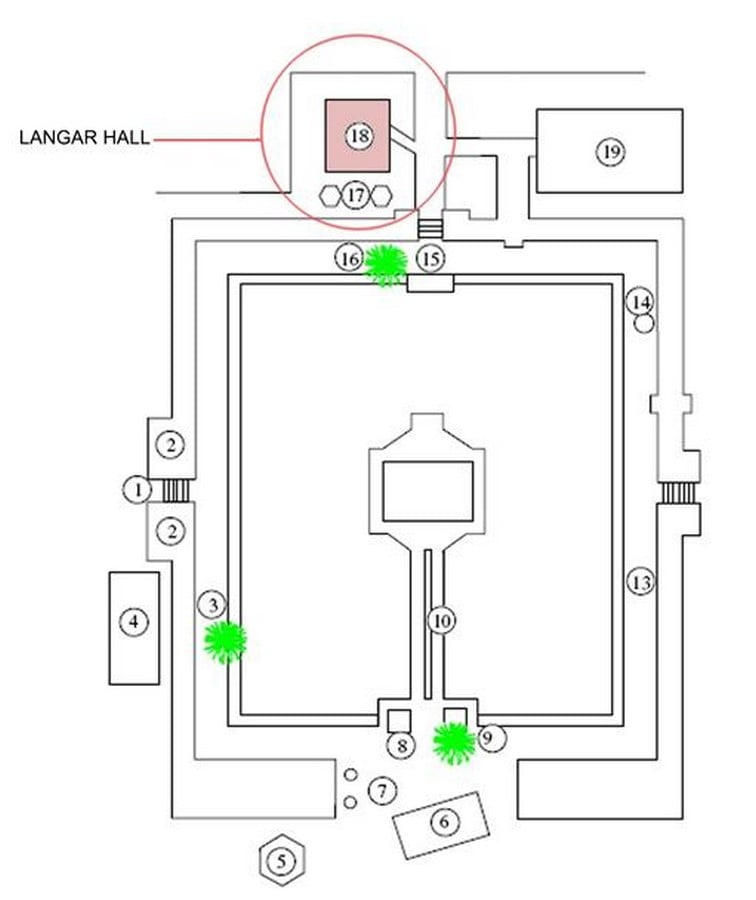
Langar
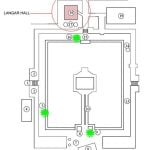
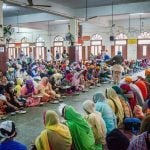
In Sikhism, a langar is the community kitchen of a gurdwara, which serves meals to all free of charge, regardless of religion, caste, gender, economic status, or ethnicity. People sit on the floor and eat together, and the kitchen is maintained and serviced by Sikh community volunteers. The meals served at a langar are always vegetarian.
The langar (Community Kitchen) at the Golden Temple serves a massive number 100,000 people a day. On holidays/religious occasions, the number often goes more than 100,000.
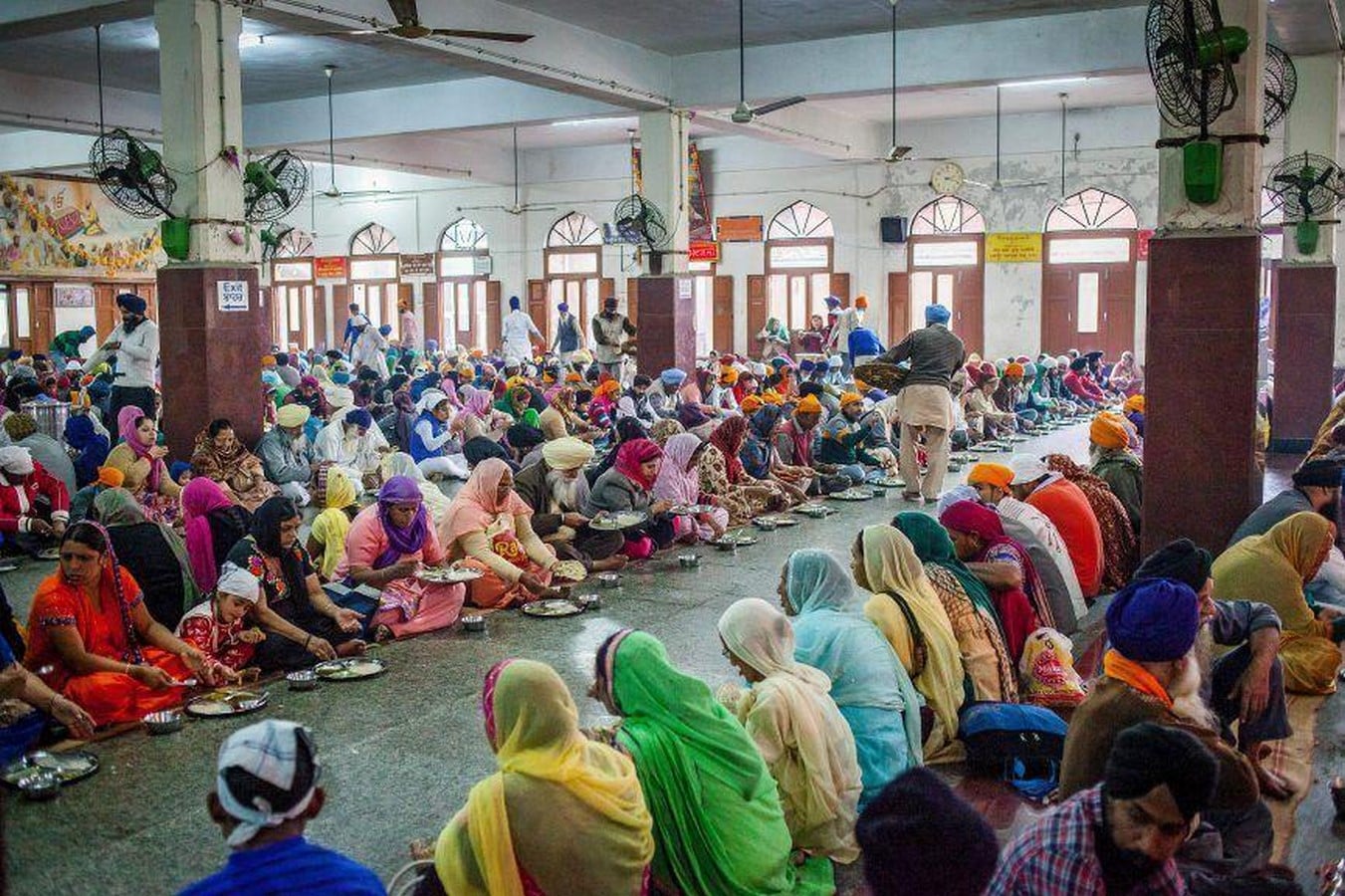
The shrine runs for almost 24 hours; it feeds thousands of people daily and along that continuous music and prayer takes place. It is not just a monument frozen in time; it is living architecture. The Golden temple is always perceived as a visually beautiful monument but it is much more than that. It is a complete ecosystem of belief, geometry, ritual, history and daily life. The golden temple teaches a broader architectural lesson that is ; the true success of architecture is not in its visual appeal, but how it is lived every day. It shows that buildings are just vessels for community, social reform and cultural identity. Through this lens, architecture moves beyond the creation of space and becomes a way of shaping life itself.
References:
- Chahal, K.S., Dua, S. and Singh, S. (2012) Architectural Evolution of Gurdwaras: An Overview. https://www.researchgate.net/publication/255725435_Architectural_Evolution_of_Gurdwaras_An_Overview
- Aulakh, R. and Chahal, K. (2014). The Spatio-geometrical analysis of first Sikh shrine-Sri Harmandar Sahib, Amritsar Historicity and hermeneutics. PUBLISHED IN JOURNAL OF SIKH STUDIES, [online] XXXVIII. Available at: https://sikhibookclub.com/wp-content/uploads/2018/01/historicity_and_hermeneutics.pdf
- Darbar Sahib Golden Temple Harmandir Amritsar Sikh Museum (no date). https://www.sikhmuseum.com/lostpalace/palace/index.html#palace16.
- Full text of ‘Understanding Sikh Architecture Through The Sikh Shrines In East Punjab’ (no date). https://archive.org/stream/UnderstandingSikhArchitectureThroughTheSikhShrinesInEastPunjab/UnderstandingSikhArchitectureThroughTheSikhShrinesInEastPunjab_djvu.txt.
- pranavchopra18 (2026). The_Art_and_Architecture_of_THE_GOLDEN_T. [online] Scribd. Available at: https://www.scribd.com/document/858563681/The-Art-and-Architecture-of-THE-GOLDEN – T
- Rawal (2018). Figure 4 – SIKH ARCHITECTURE. [online] Academia.edu. Available at: https://www.academia.edu/figures/10384627/figure-5-sanctum-sanctorum-rests-from-the-base-of-kucha