When the elevator doors open and you step into the world of Silo, you are not visiting another dystopian set; you are entering a skyscraper. Instead of a building serving as a backdrop, consider it a story engine. As a designer, watching Silo is more than just accompanying characters; you’re traveling through a created universe that is as much a character as the individuals who live in it.

Descent into the Architecture of Control
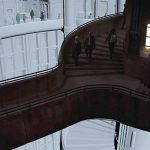
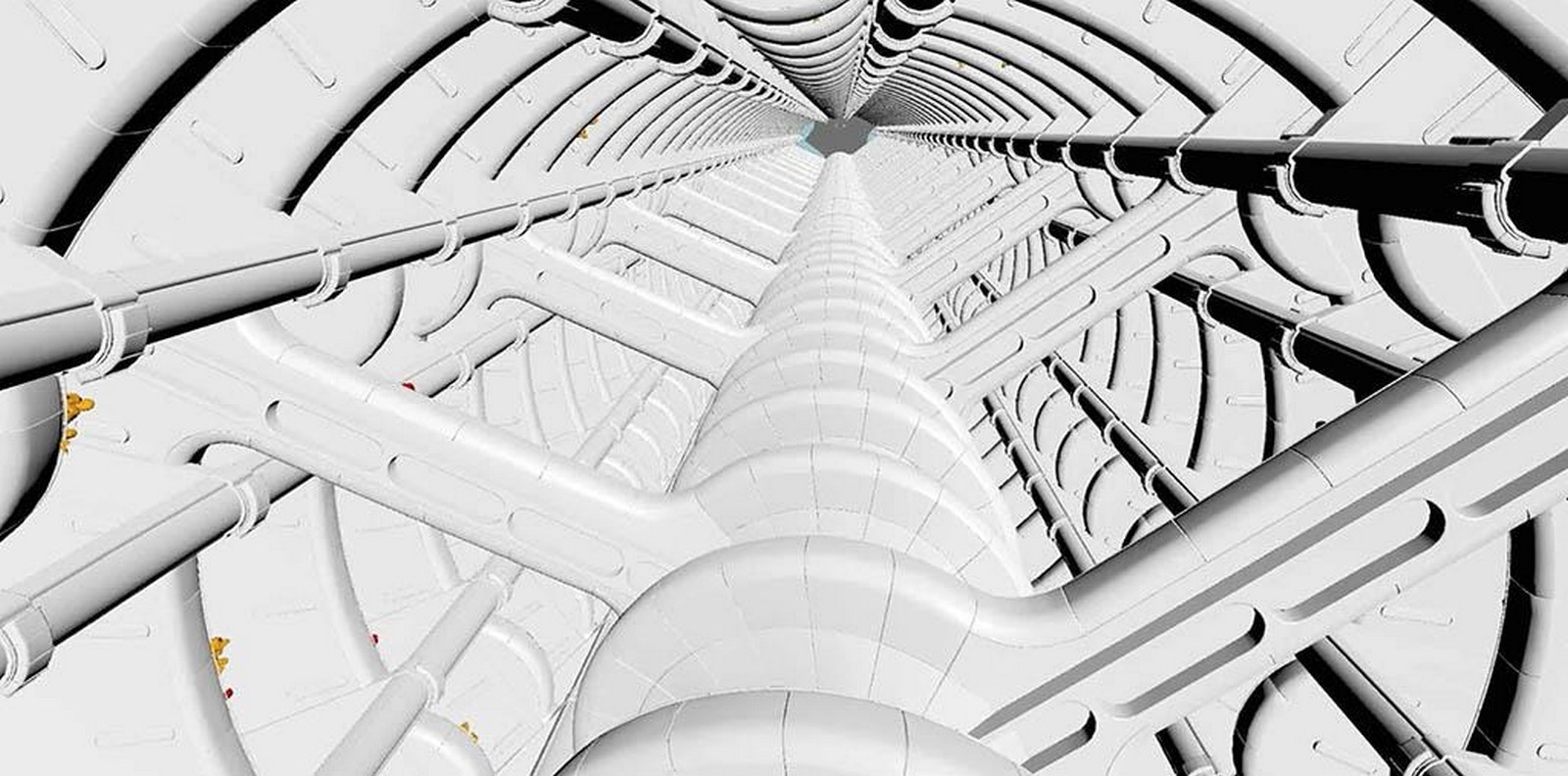
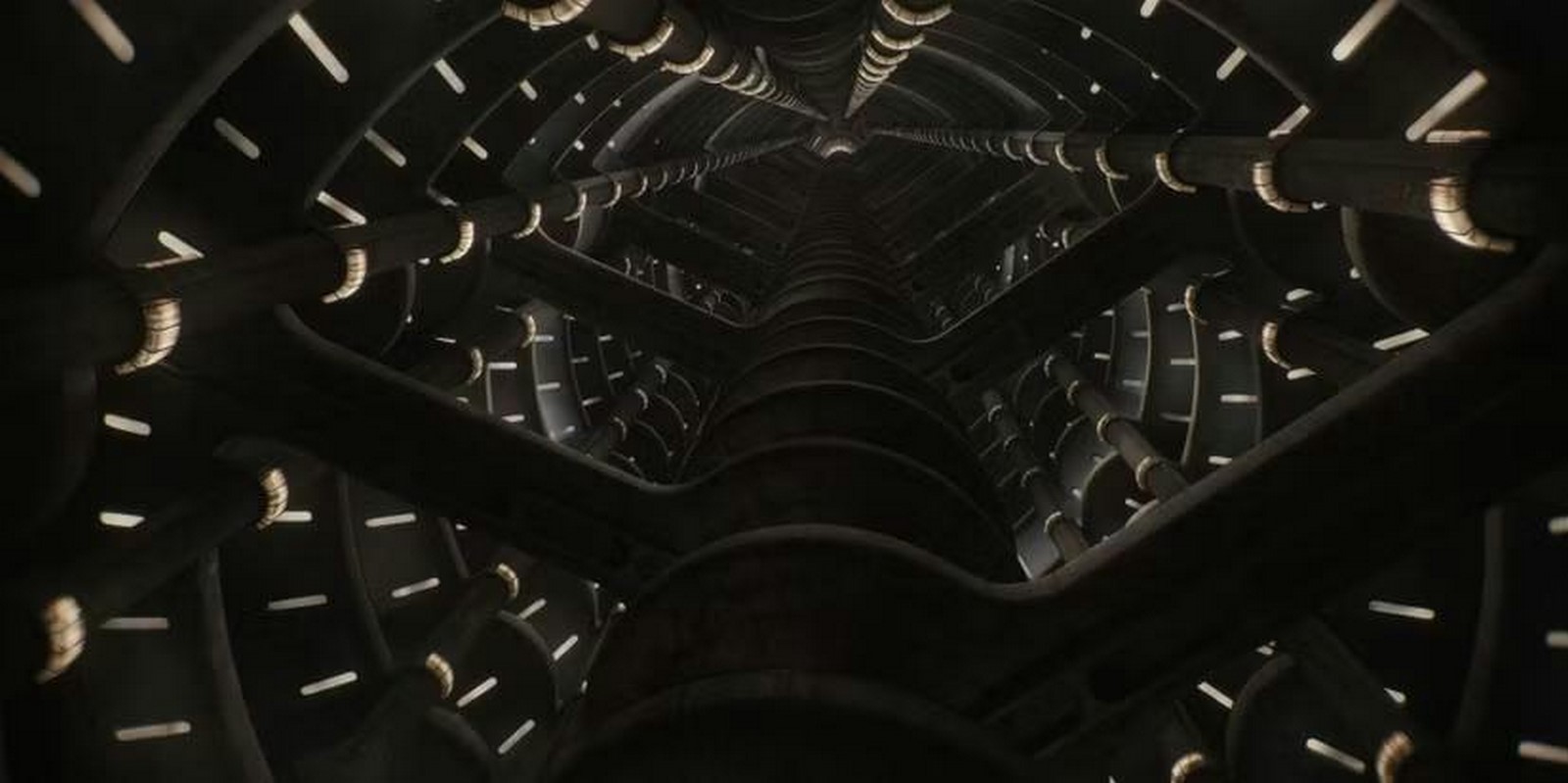
The series begins by immersing us in the extraordinary: a 144-level subterranean structure designed for 10,000 souls and isolated from the toxic surface world. The first impression is overwhelming, not because of the spectacular explosions, but because of the scale. The staircase, alone, endless, spiralling, concrete, along with the ceilings, corridors, and heavy doors that click shut behind you, all work together to evoke confinement and system.
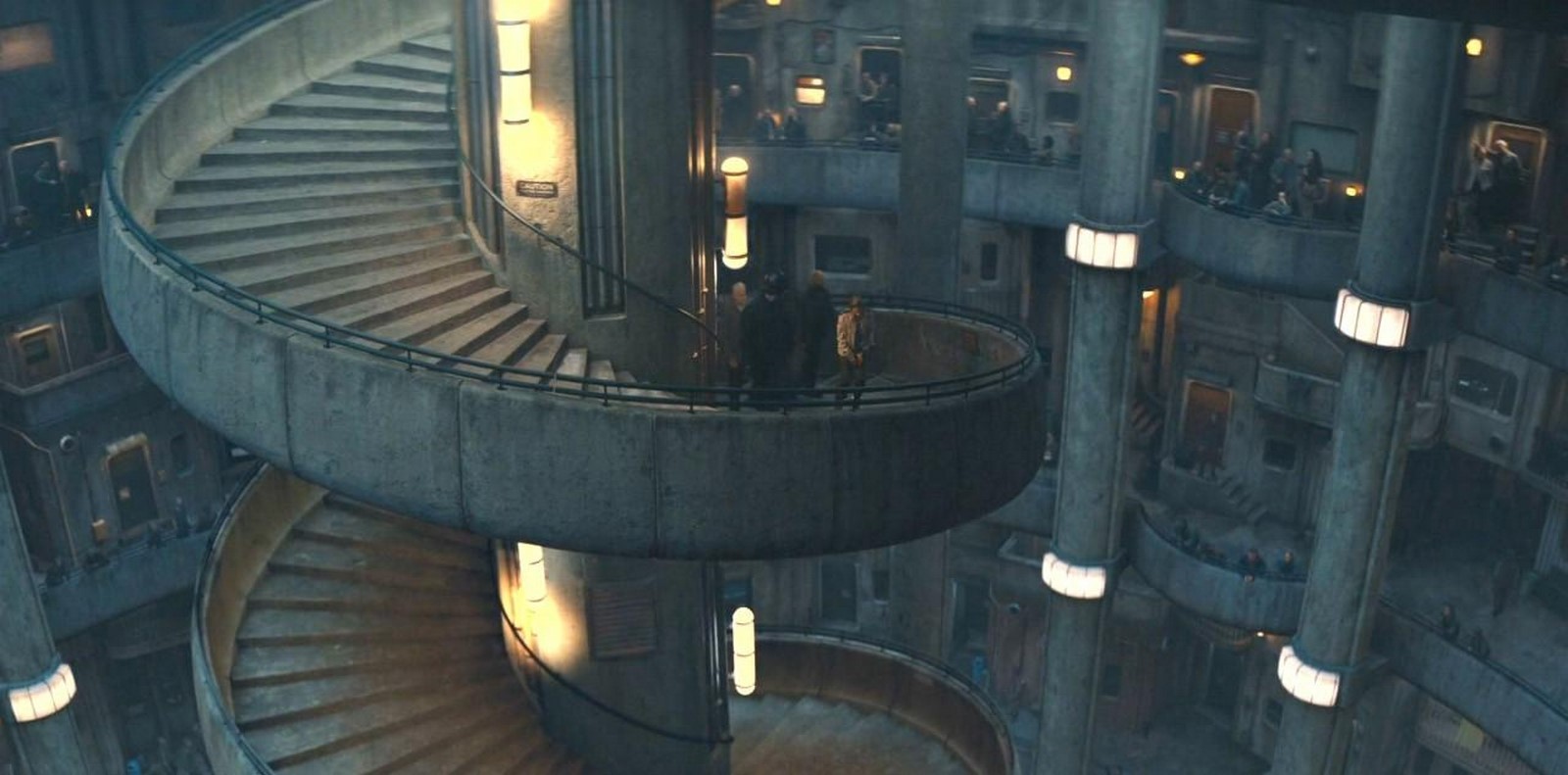
That system is architecture. The vertical layout is not just aesthetic; it defines social hierarchy, physical movement, and psychological pressure. Designers will notice the subtle cues: lower levels built for heavy industry, higher for administration, living and governance; materials shift accordingly. The authority lies in height, visibility, movement control. Transition between floors becomes choreography of power.
Materiality and Light as Storytelling
In the hours you spend inside this world-machine, the surfaces speak. Unpolished concrete slabs, exposed piping, and huge artificial lighting lenses that cast more shadow than glow. According to interviews with production designer Gavin Bocquet, the objective is to display the structure rather than hide it. Even the fissures in the walls were intentional: centuries of use carved into the surroundings.
Image
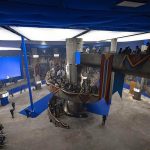
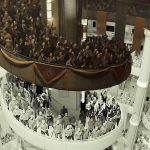
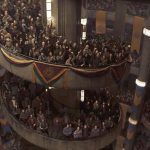
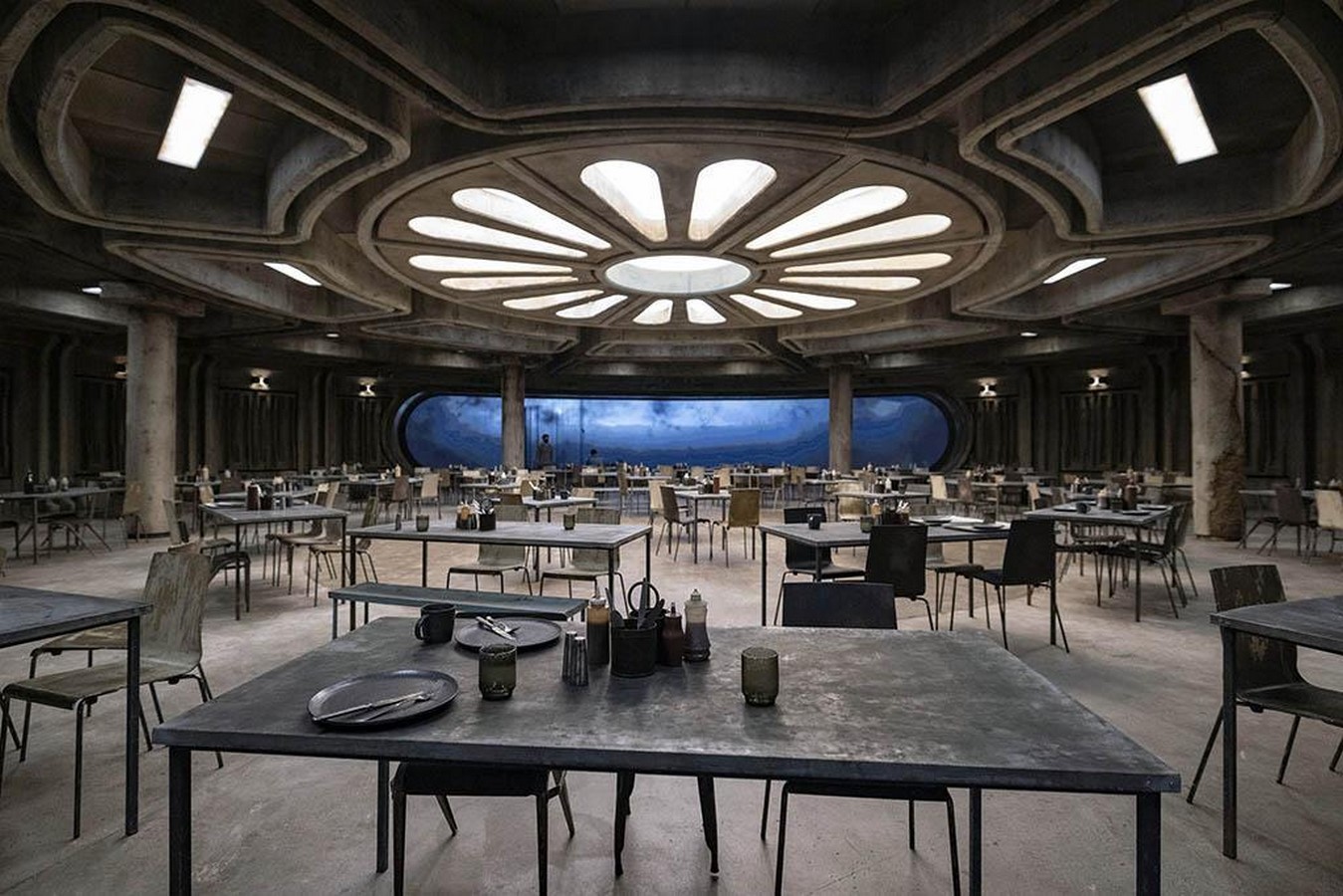
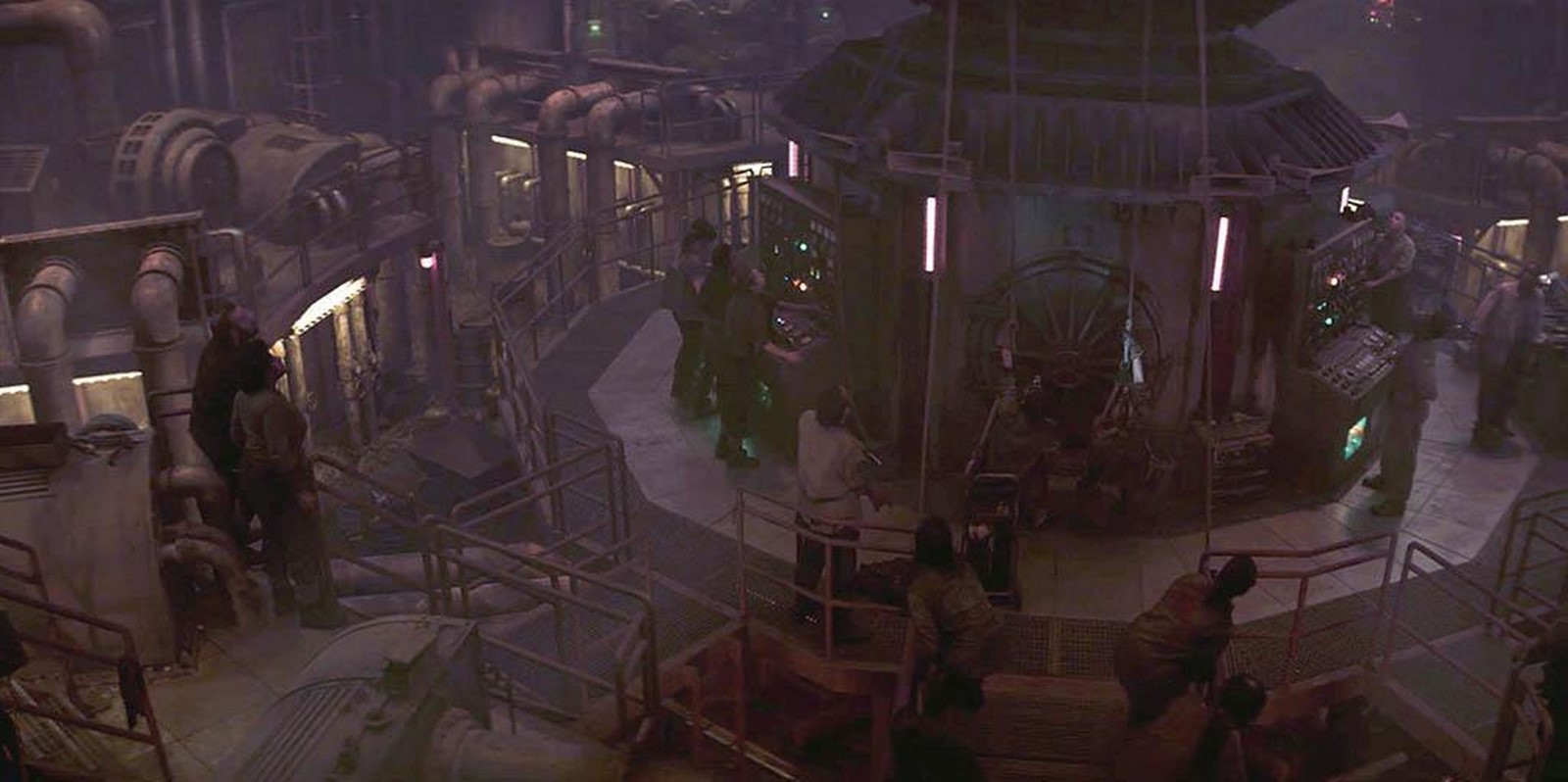
Designers should watch scenes of the cafeteria, where a massive round ceiling light hovers above uncooked tables. It’s not just a cafeteria, but rather a concrete-suspended gathering room. The lighting is frigid, ambient, and gloomy. It evokes a sense of collective regularity rather than comfort. In contrast, on the mechanical levels, you can sense the buzz of infrastructure, the walls are hefty, and the sight lines are constricted. The viewer is always aware that the architecture is in operation, machines hum, the building breathes, and you are inside its lungs.
Movement, Circulation, and Spatial Narrative
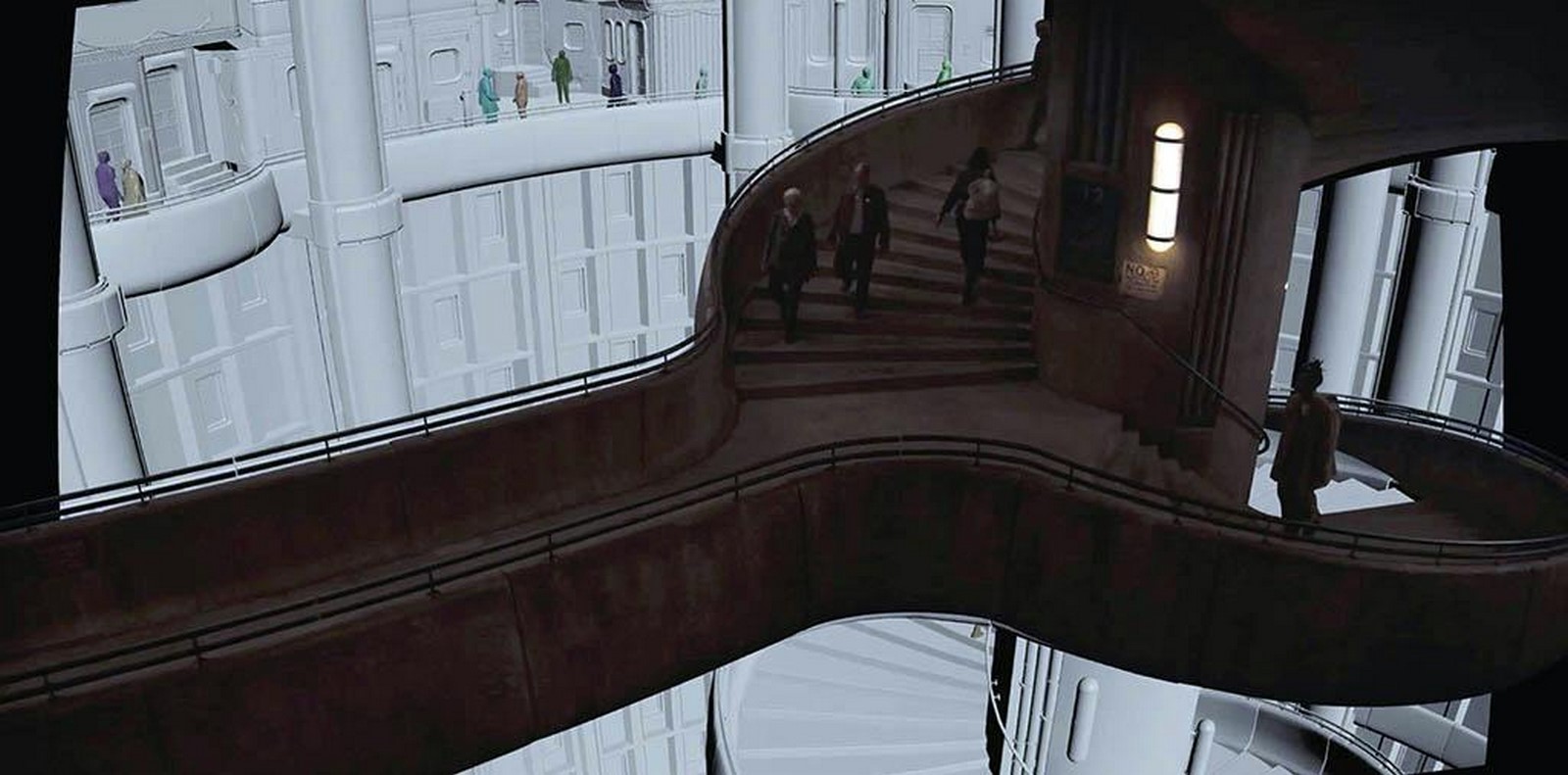
One of Silo’s smartest moves is treating circulation, stairs, elevators, access ramps as a story.The spiral staircase is more than a set piece. It’s a stage for power struggles, for hiding, for seeing and being seen. The journey up or down mirrors the social journey: to rise is to gain, to descend is to labour or hide.
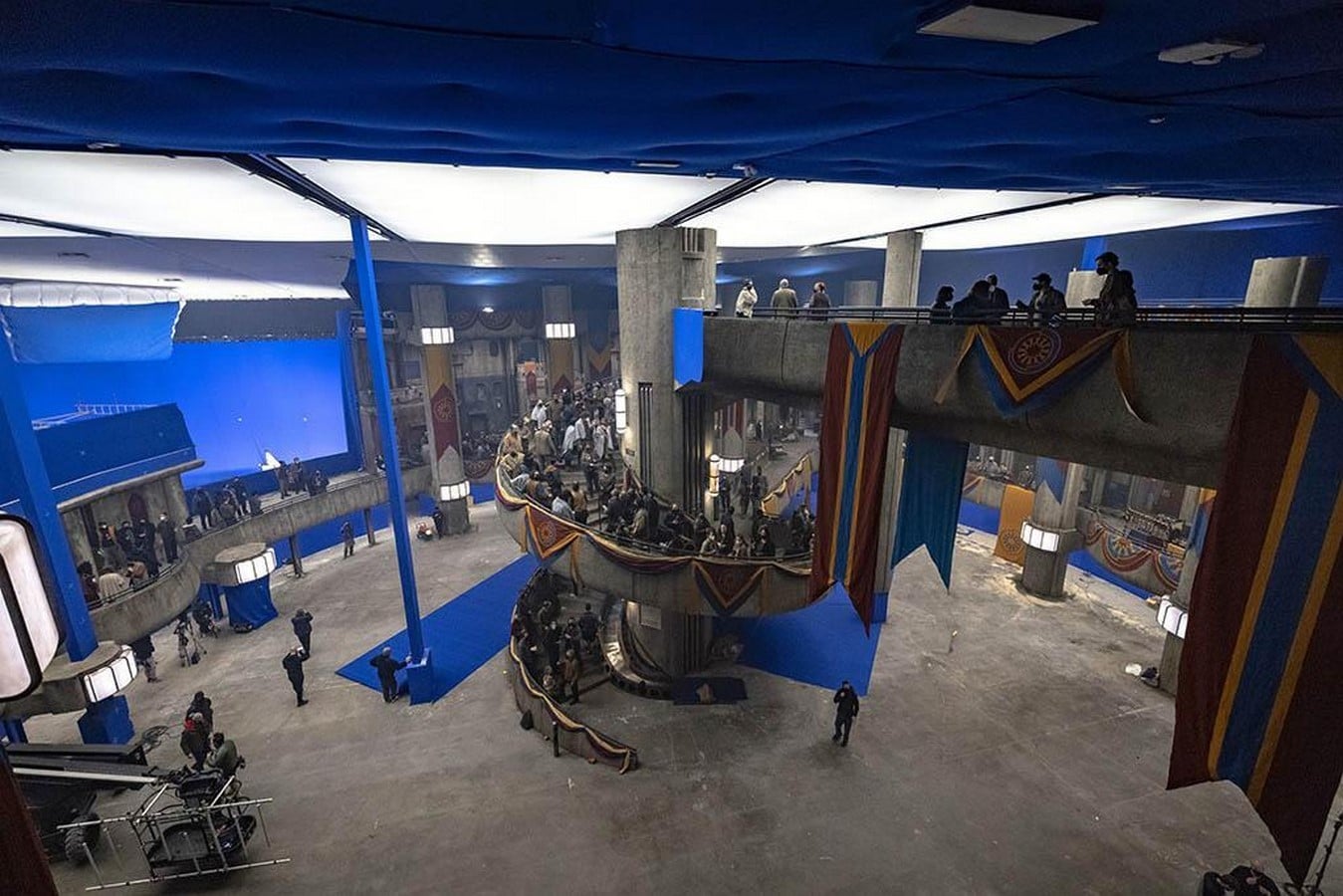
Designers should ask: when does the camera linger on a stairwell? How does the architecture frame motion? In one sequence, the camera pulls back to show someone stepping onto a grated walkway, the levels behind receding and then suddenly the viewer sees the system rather than the person. Its architecture asserted itself.
Transition zones are important: the access corridor where mechanical meets administration, and the door connecting living quarters and law enforcement. These thresholds are characterized by variations in finish, lighting, and sound. You can feel the building’s function shifting beneath your feet.
Social Design: Control, Community, Resistance
Silo, beneath the concrete and steel, is a meditation on how space is created to shape civilization. The occupants follow stringent rules, and their environment is literally structured to enforce them. The architecture shapes their existence, determining where they live, work, are monitored, punished, or concealed.
For a designer, this asks: how does spatial design codify control? How does silence, spacing, visibility, and access create or restrict freedom? In Silo, the utility of space overrides comfort. Homes lack ornamentation; communal halls are heavy and functional. The architecture seems built for endurance and discipline rather than delight. That’s the point.
However, there is resistance. Spaces are reused, tunnels are hidden, and relics are kept secret. The walls conceal secrets, and the ceilings bear testimony. The architecture becomes a source of contention, between order and inquiry, system and autonomy.
Lessons for Designers
From the show you can extract design lessons without being mired in plot. First: be intentional with structure. The visuals of Silo remind us that architecture isn’t just design for excellence; it’s design for purpose, often purpose beyond human comfort.
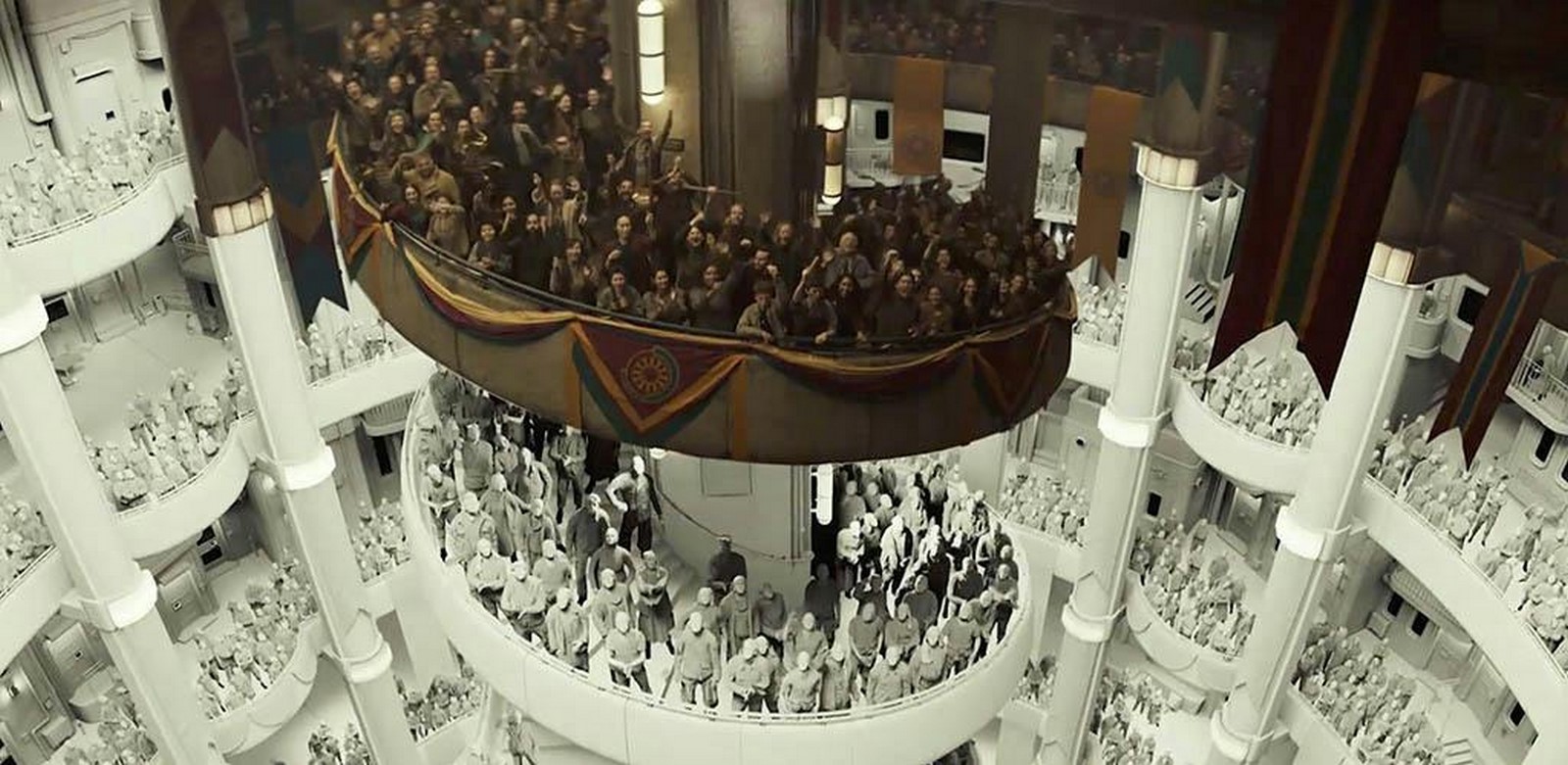
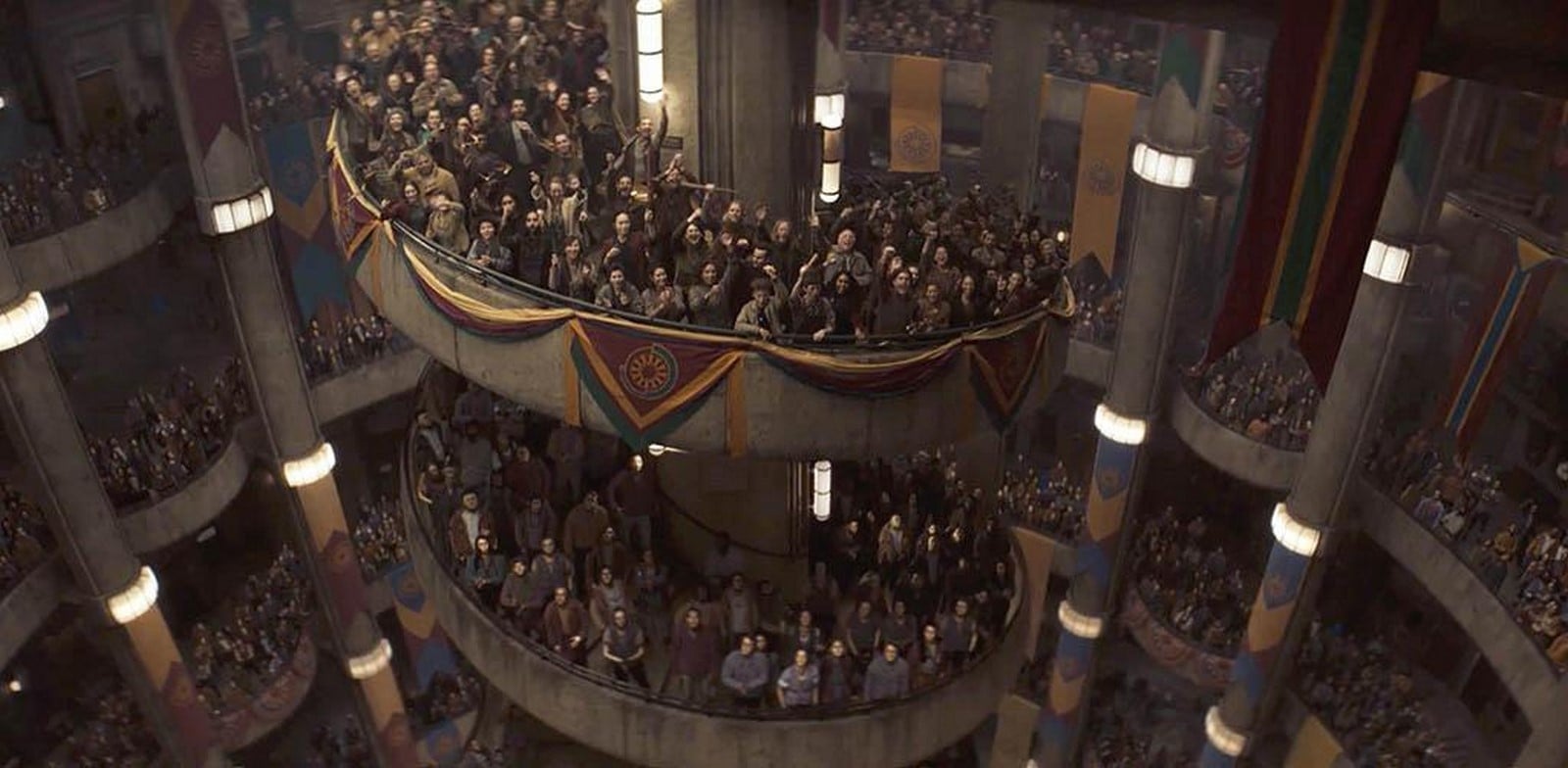
Second: material honesty matters. When you leave the finish behind and show structure—beams, slabs, pipes, you evoke something primal. The show does this not for stylistic decoration but for narrative truth.
Third: define hierarchy with space. Verticality, transparency, circulation—all can signal who has power and who doesn’t. In your studio this means considering how layout, sight-lines, access define social order.
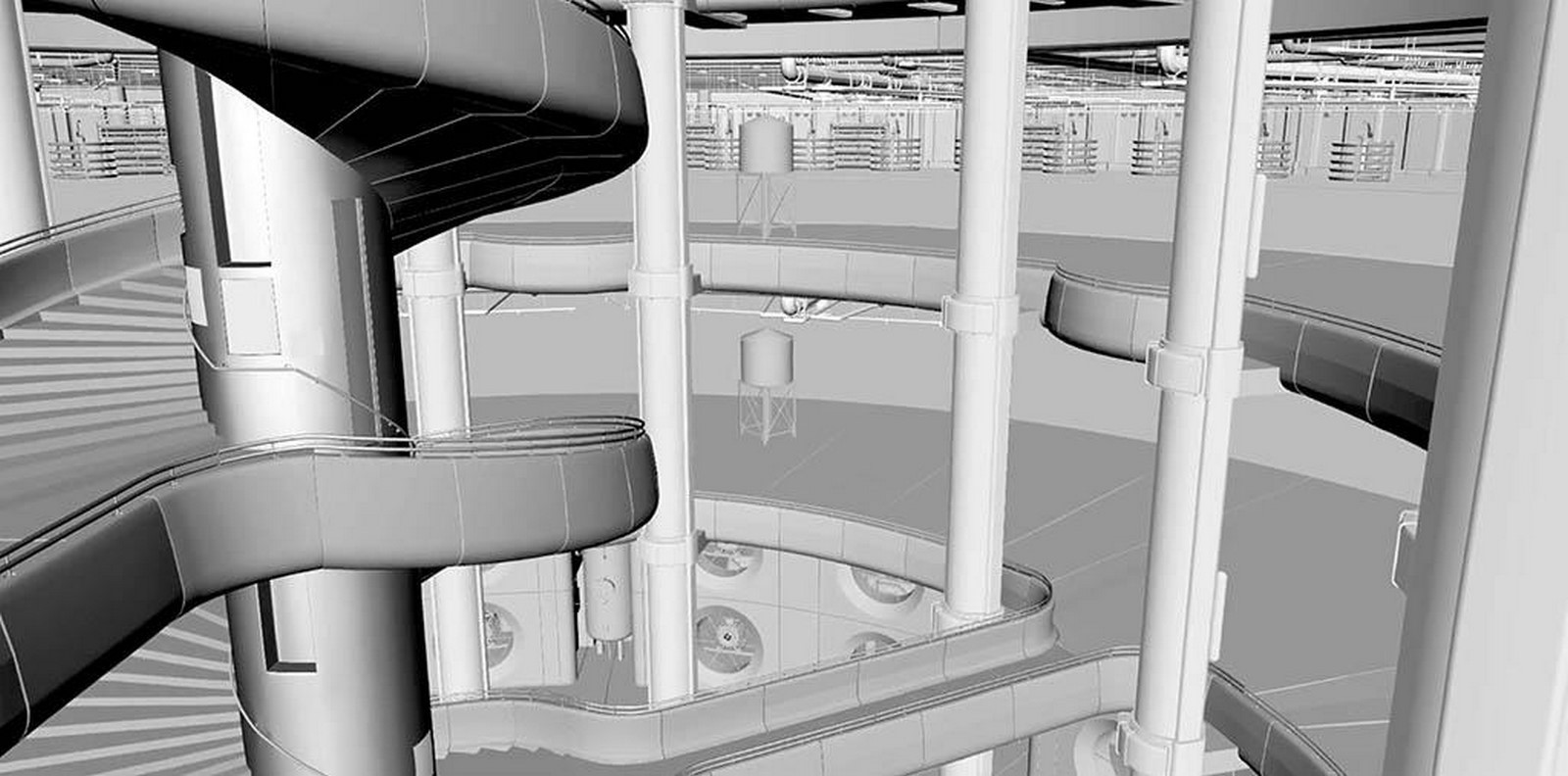
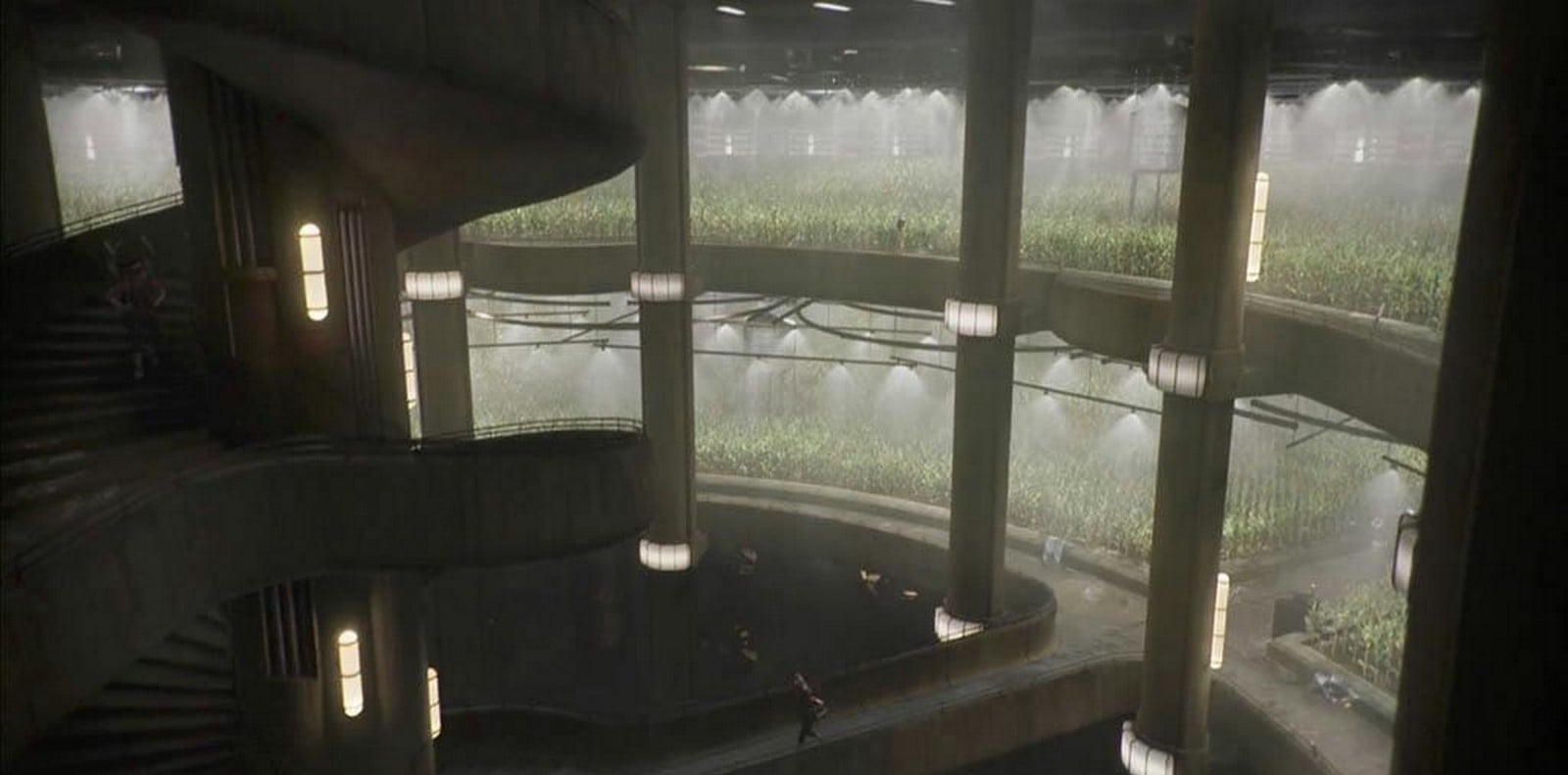
Fourth: spaces speak emotion. The silence in a corridor, the hum of a generator space and the cold cafeteria, they all create a spatial mood. Designers often chase “warmth”; sometimes restraint, discipline or tension are the right mood.
Guide for the Viewer-Designer
When you sit down to watch Silo, carry a spatial gaze: observe how the environment constraints the character. Notice how materials change with function. Notice how movement is framed. Note which spaces are comfortable and which are oppressive, and how the design achieves that. It won’t ruin the story; it enriches the experience.You may hear the drama, but the design is the ground. It is the architecture of fear, hope, containment and escape all at once.
My Verdict
Silo struck me as one of the most architecturally alive exhibits I’ve ever seen. The production design not only supports but also shapes the tale. It teaches designers and architects how architecture can convey meaning, mood, and strength. On the other hand, architecture is so prevalent that human tales can feel influenced by it rather than free of it. However, this is perhaps part of the show’s point: we exist inside larger systems than ourselves.
If you’re interested in space, structure, and architecture, Silo is a must-see. Not only for its story, but also for what it teaches about how quiet design choices can become powerful statements.
References:
Knibbs, Kate. “With “Silo,” Apple TV+ Strikes Prestige Sci-Fi Gold.” WIRED, 10 May 2023, www.wired.com/story/silo-apple-tv-plus-review/?utm_source=chatgpt.com. Accessed 2 Nov. 2025.
Mangan, Lucy. “Silo Review – This Rich Dystopian Drama Is Absolutely Thrilling.” The Guardian, The Guardian, 5 May 2023, www.theguardian.com/tv-and-radio/2023/may/05/silo-review-this-rich-dystopian-drama-is-absolutely-thrilling?utm_source=chatgpt.com. Accessed 2 Nov. 2025.
Navindu Karunarathna (SpiderNavi. “Why Every Mechanical Engineer Should Watch Apple TV’s Silo: The Ultimate Engineering TV Show Review….” Medium, 4 July 2025, medium.com/%40spidernavi/why-every-mechanical-engineer-should-watch-apple-tvs-silo-the-ultimate-engineering-tv-show-review-ec6a9d2390db. Accessed 2 Nov. 2025.