Today, the general populace’s encounter and experience with Artificial Intelligence is limited to cute apps that can design, draw, and be used for various artistic pursuits. However, the effects of AI and technological innovations are far-reaching and more than just these amusements, and the damage they can bring about is beyond comprehension. The risk that data piracy, machines that are more intelligent than humans, and data giants (power vested in mega corporations/data holders) can be truly dystopian, not to mention highly divisive. We have all read and heard stories showcasing outliers or renegades saving society from the reckless mega corporations far too many times. But seeing it on the silver screen, well, that requires a spectacle, yes? Let’s delve into one such spectacle through the lens of architecture and urban life.
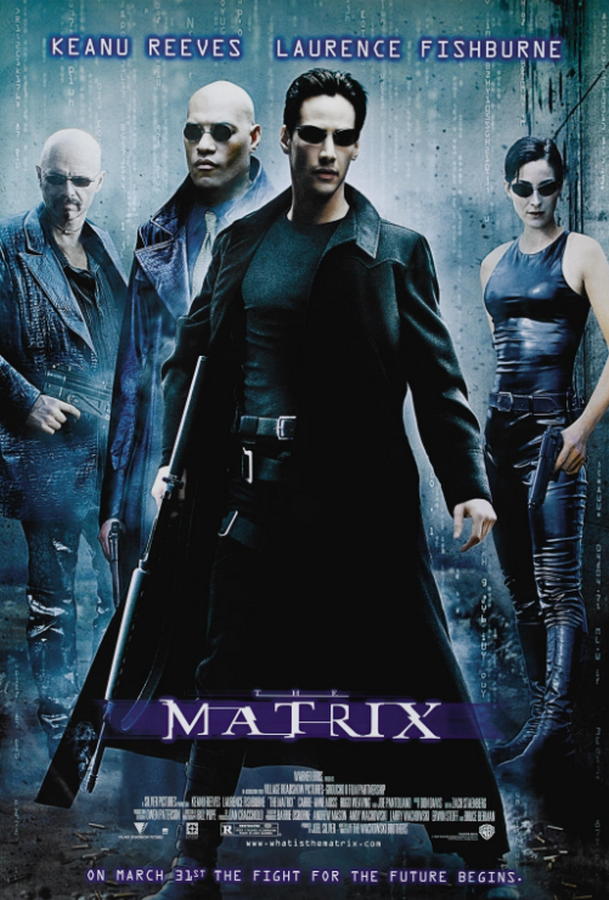
Directed by the Wachowskis Brothers, The Matrix is a 1999 science-fiction film based on the cyberpunk concept of high-tech, low-life. The film stars Keanu Reeves as Mr. Anderson, a sophisticated but out-of-place computer programmer for a reputable software company, and as ‘Neo’, his alias while working as a programmer/hacker in the cyber world. Unknowingly trapped in a dystopian future, humanity needs saving from the Matrix, and Morpheus believes Neo to be ‘the One’ as prophesied by the Oracle. So, he recruits and frees him from the simulated reality (the Matrix) humanity is living in, alongside Trinity, Switch, Tank, Mouse, Dozer, and Lil Spoon, in their hovercraft named ‘Nebuchadnezzar’. The movie does a brilliant job of architecturally depicting the different worlds that the characters live in.
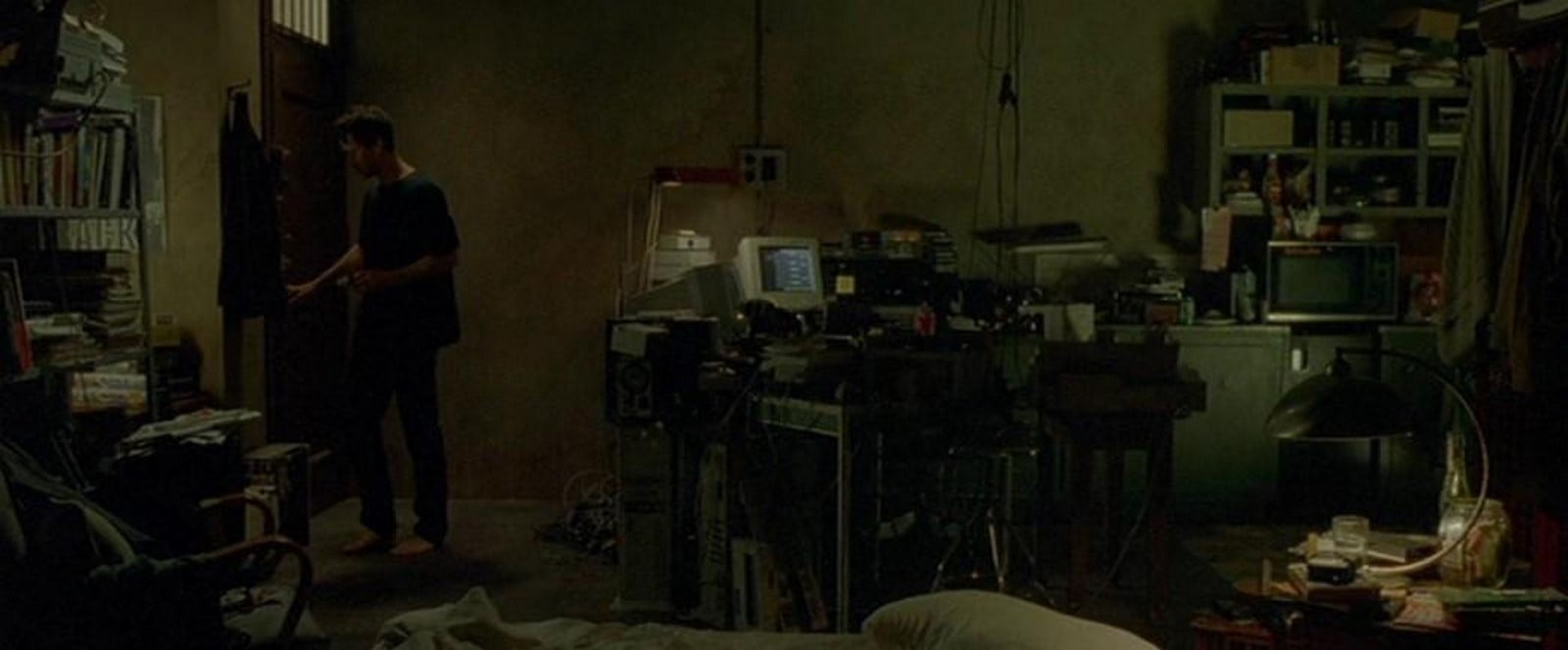
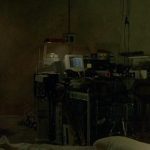
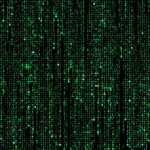
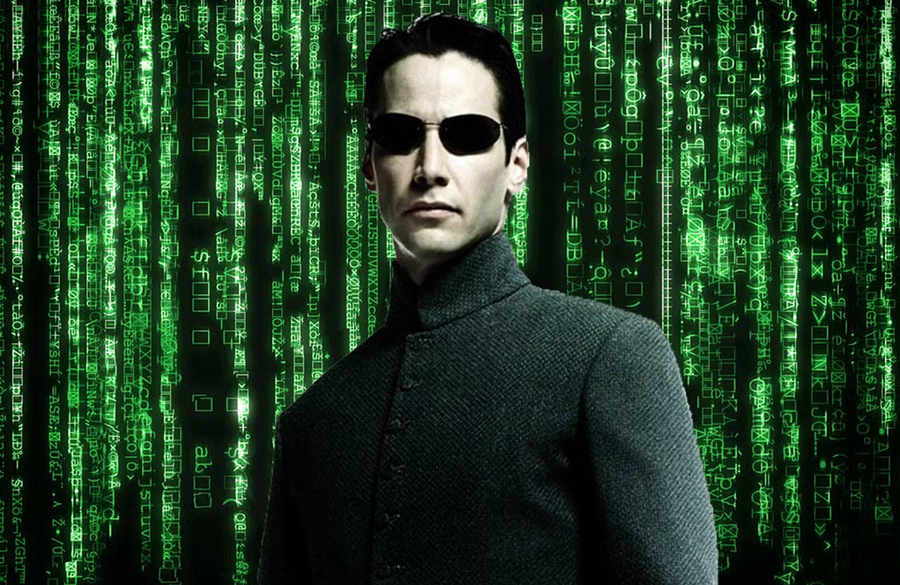
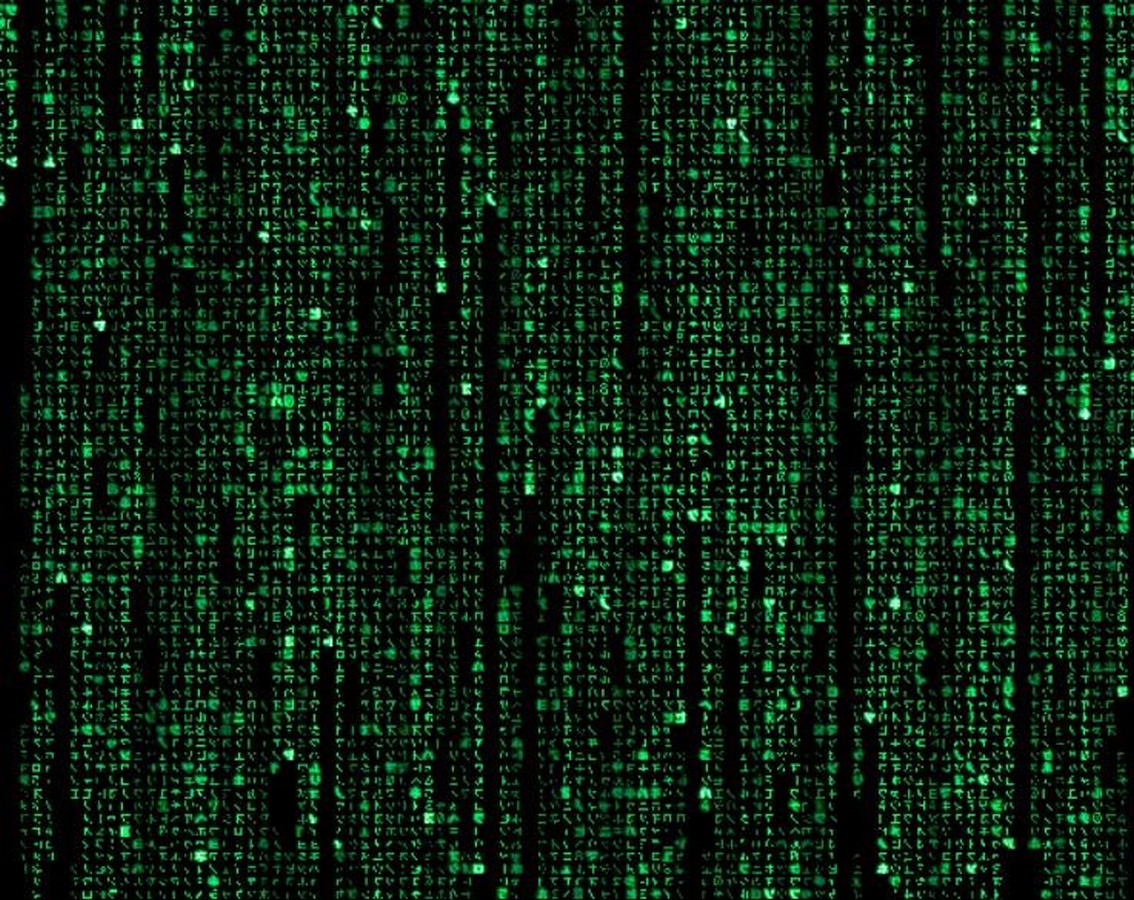
Loaded with high-quality action sequences and striking visual effects, the movie depicts a dark and grey city where the inhabitants unknowingly buy into the mundane and everyday without question, alluding to the hyper reality theory by Umberto Eco. In the Matrix, people are encoded as green numbers/letters running through the programming structure. The dark and green/blue colour scheme points towards a monotonous, dystopian, and alienating urban life, and the colour of the code written in the programme. Neo’s apartment is dark, cluttered, and littered with high-tech computer programming devices, books, and everyday essentials. This carefully depicts his inner turmoil and fragmented visions that he repeatedly has about an alternate reality and a life beyond the one he is living. The room that is his capsule thus represents his alienation, loneliness, and out-of-place visions rooted in an alternate reality.
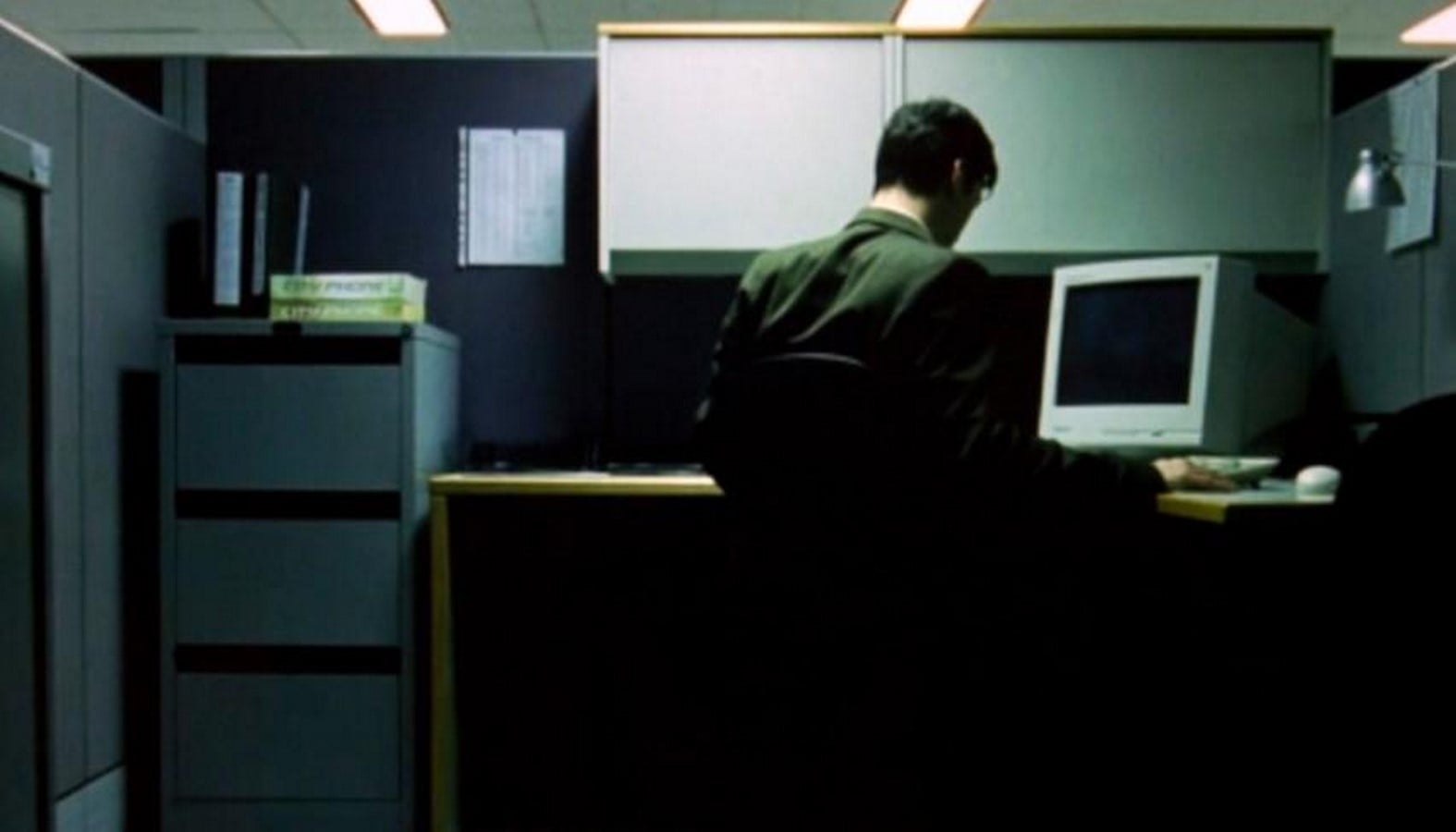
Neo’s apartment is in stark contrast to his office, in a reputed software company, where he goes to work as a computer programmer under the name Anderson. While the colour scheme remains the same, alluding to themes of alienation, the office is depicted with ultra-clean straight lines and is highly efficient and sterile. Strikingly similar to the mega corporations’ high towers and highly efficient and modern architectural style. Largely shot in Sydney, Australia, the UT Tower, where the agents of the Matrix take Morpheus and Neo hostage at different times, represents the brutality and clarity of the Modernist architectural style. This is in stark contrast to the dark, underground belly of the populace living in different versions of the simulation-based reality, and also, the place where Trinity meets Neo for the first time. The run chases depicted between the Agents and Neo take us through the streets of Sydney, Australia.
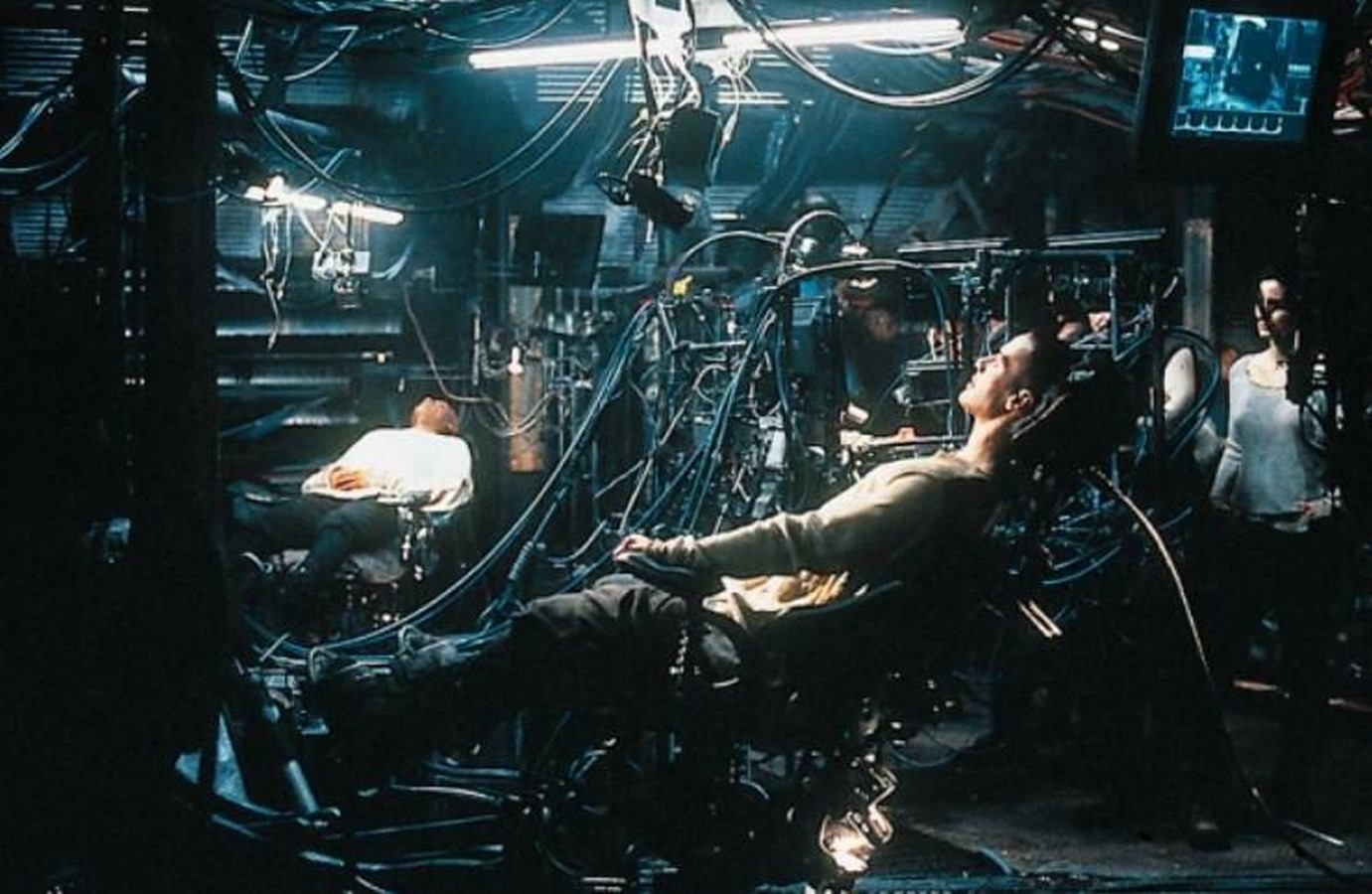
The safe place of the free is the hovercraft ship, Nebuchadnezzar, not designed as a cold, sterile place, but a jumble of wires and programming hardware reflecting the ship’s internal working. The ship is the ultimate reflection of the synchronisation between Man and Machine. Highly technical and efficient, this ship proves to be the capsule for the free. This depiction aligns with the pod/capsule as the unit of living, also reflected in capsules where human beings are cultivated for their bioelectric energy. Hundreds of thousands of capsules stacked neatly over one another show forth the hyper-modern, futuristic architectural style.
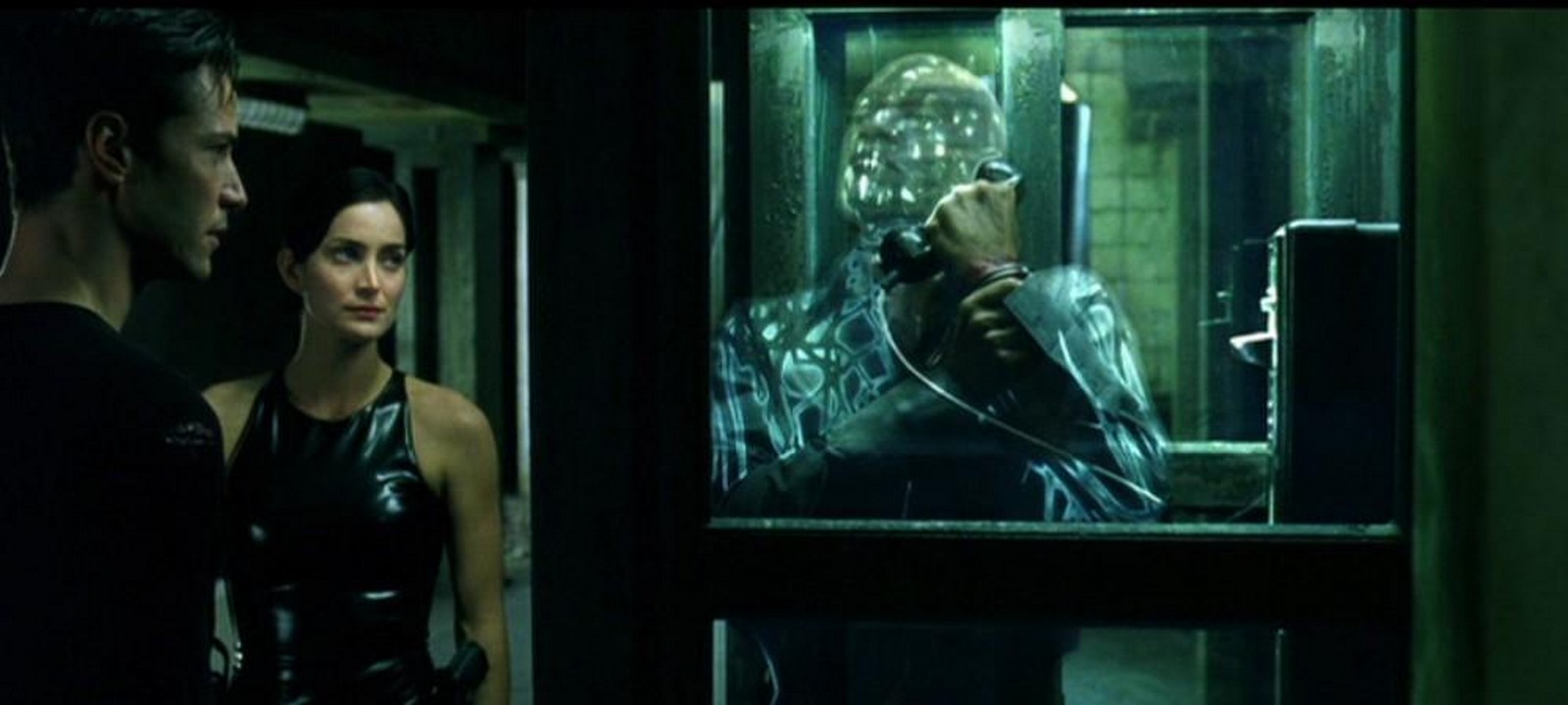
The phone booth, as an urban architectural element, plays a significant role in the movie. Shown as a transitional element and also aiding the transfer of the freemen/women between realities, the phone booth serves as a pod/capsule for the freemen. The final fight scene in the train station between Agent Smith and Neo takes place after Morpheus and Trinity have returned to the Nebuchadnezzar via the phone booth. This element is very special as phone booths have become redundant in our times, but were interestingly present while the film was being filmed in the 90s.
Expressing cyberpunk in its truest form, the film brings together fairly new concepts for its time. The world of the Matrix is a world of control and power, a dystopian world where humanity has been enslaved by a select, reckless few. If we closely introspect, in our reality, our society has succumbed to this as well, and it is scary. Well then again, one can pose a question: what is reality? Food for fodder- What if we are in a simulated reality itself?